Twin Peaks: Episode 27 — The Path to the Black Lodge
1991 · Season 2, Episode 20 · Directed by Stephen Gyllenhaal
A dead man becomes a game piece, a recording redirects the investigation, and a dance receives an impossible warning. Love draws several lives together as the route to the Lodge begins to emerge.
Season 2, Episode 20 / overall Episode 27. Contains episode spoilers. Focused image galleries open on request.
Explore this episode
The person inside the game
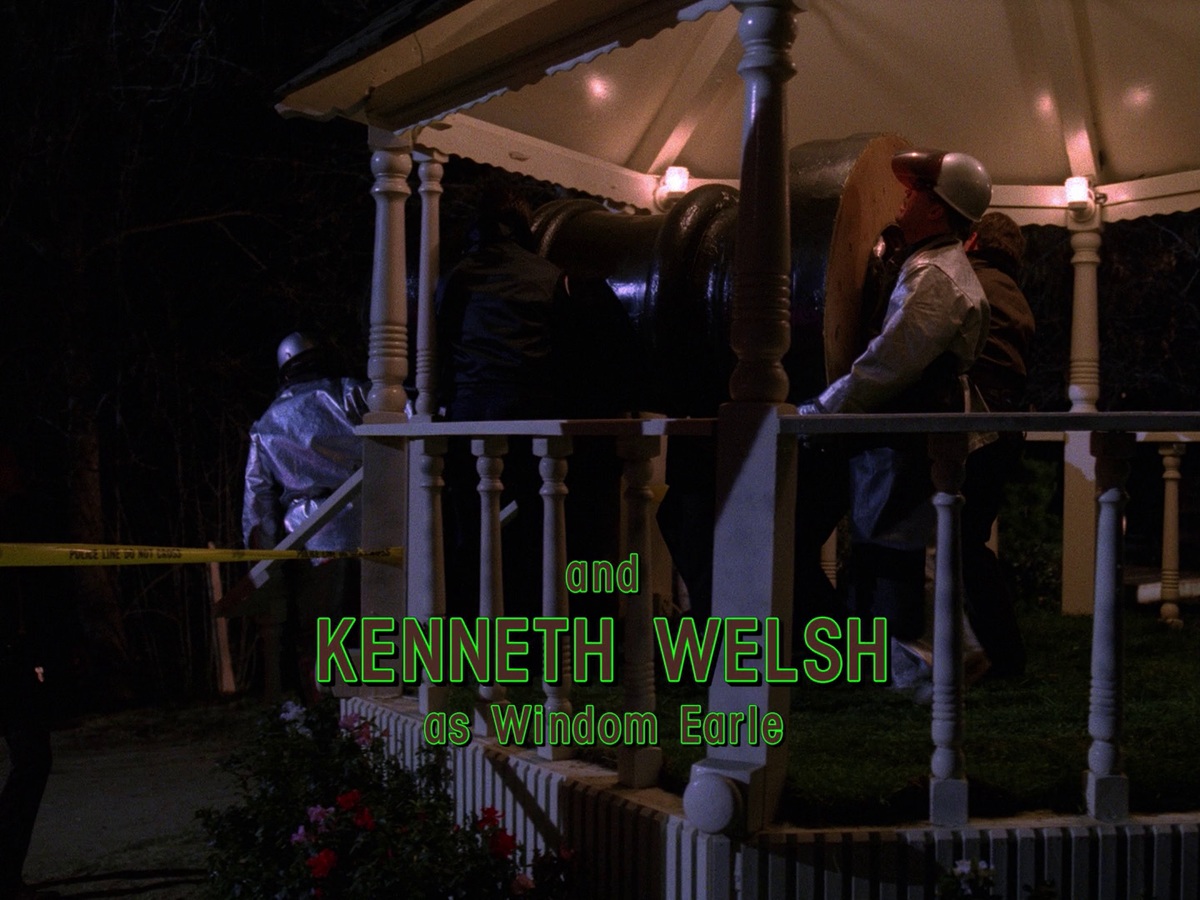
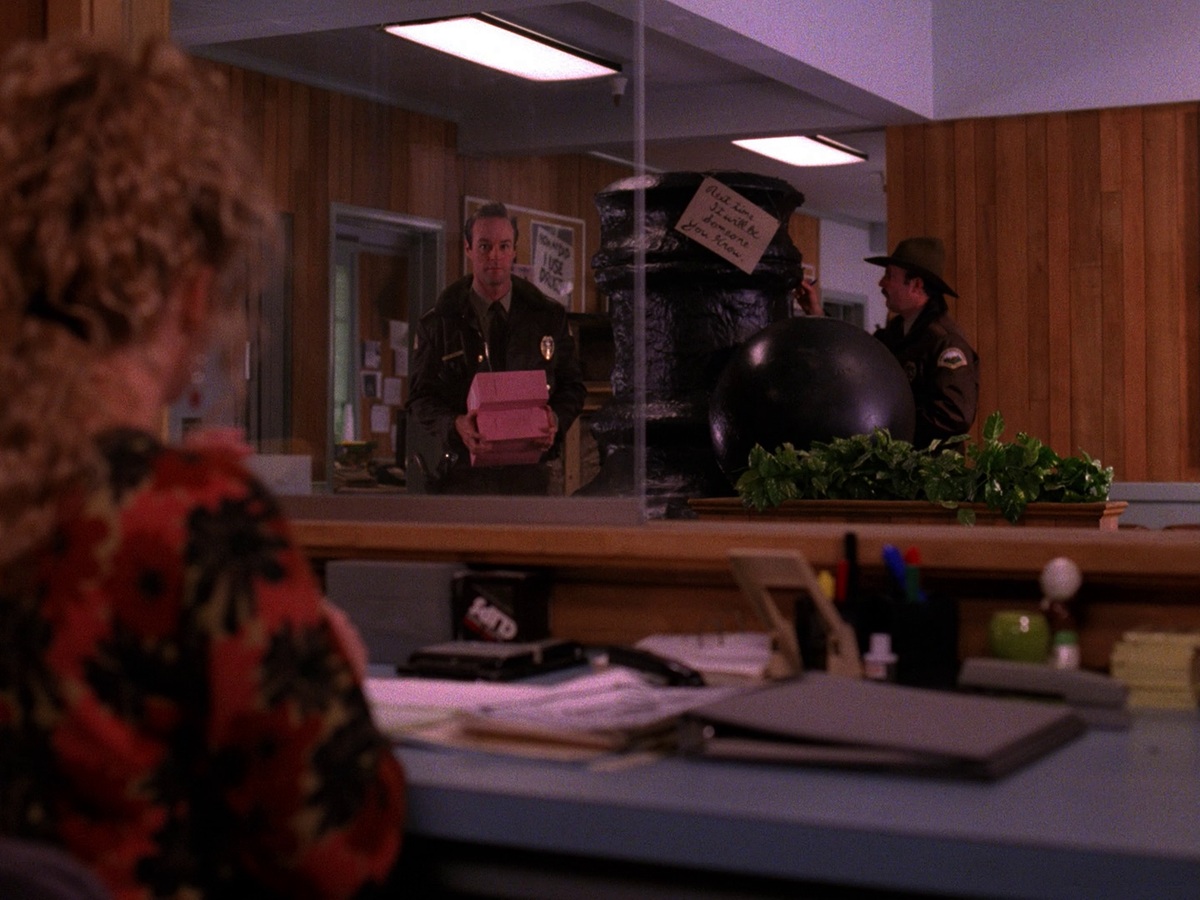
The episode opens with the practical difficulty of moving Earle’s oversized chess piece out of the gazebo. The men’s instructions, awkward carrying and complaints about feet create an uncomfortable comic rhythm around a murder. The object that made such a striking final image in the previous episode has to be handled by people. Its size obstructs the ordinary work of a crime scene.
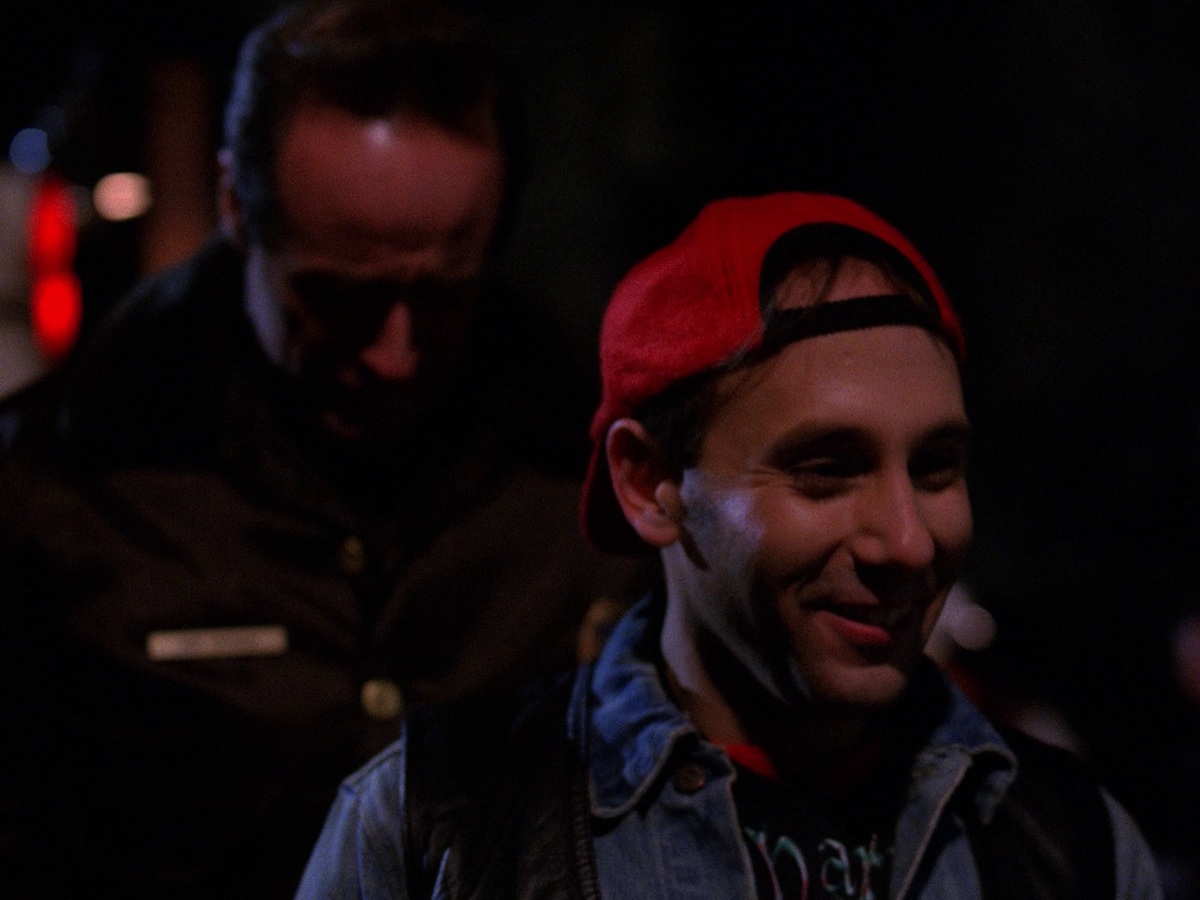
Rusty’s friend then restores a different scale. He remembers how they met Earle, the offer of beer, and the move to Los Angeles they had imagined together. His account makes the victim more than a sign sent to Cooper. Andy’s tears join the witness’s grief, repeating the series’ willingness to let a police officer respond as a person. Cooper’s subsequent account of another pawn being taken belongs to a useful investigative model, but the scene has already shown what that model leaves out.
Cooper recognises that Earle is no longer following the agreed chess game. This changes the investigation’s position. The detective can no longer assume that knowing the rules will delimit the threat. The episode steadily expands the field from a contest between former colleagues into a search involving the town, its young women and a place neither side fully understands.
From game piece to personal loss · 3 images
A recording changes the case
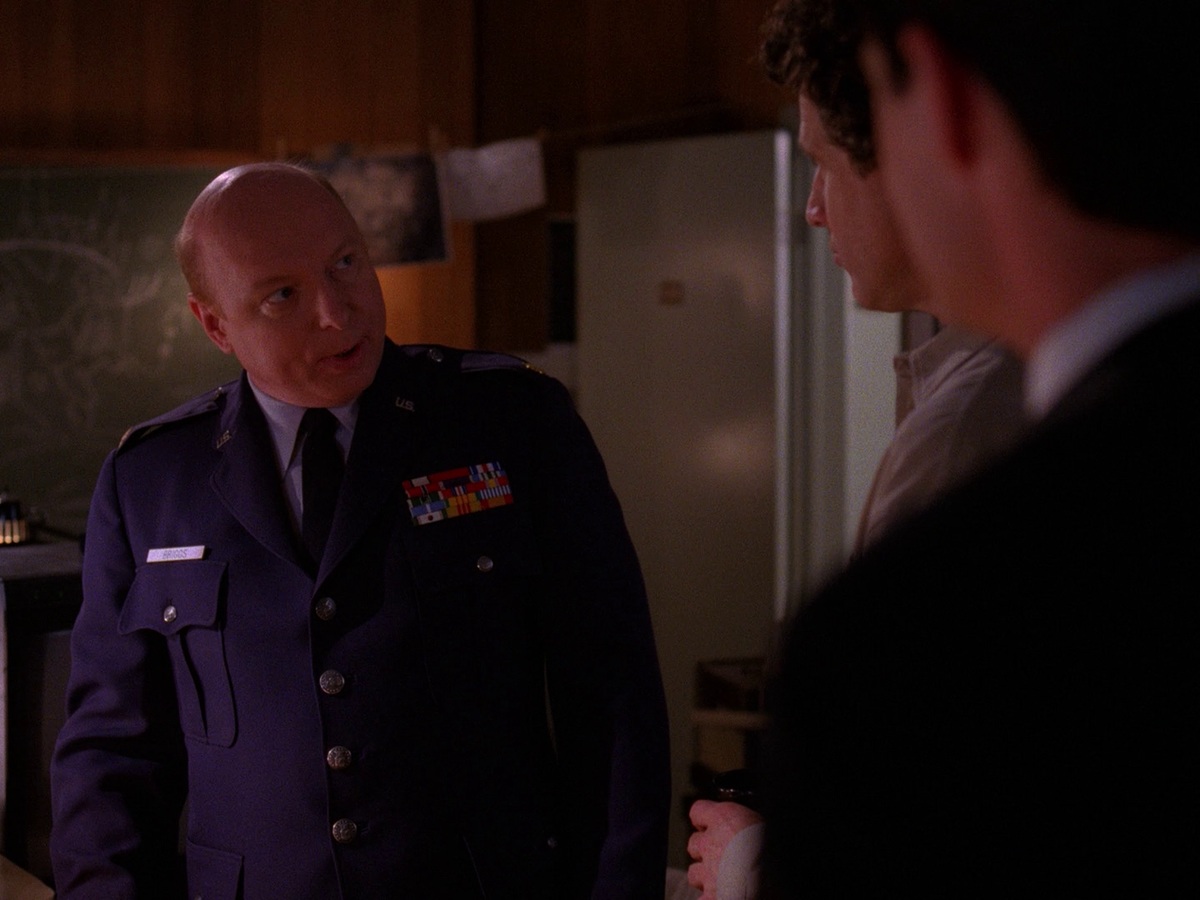
Major Briggs brings the Project Blue Book material to the station after a sleepless night. His account traces Earle’s destructive obsession from an investigation of outer space towards the woods around Twin Peaks. The move gives an institutional history to a danger that has been reaching Cooper through poems, disguises and a private grievance. Records can preserve the moment when an authorised investigation becomes something else.
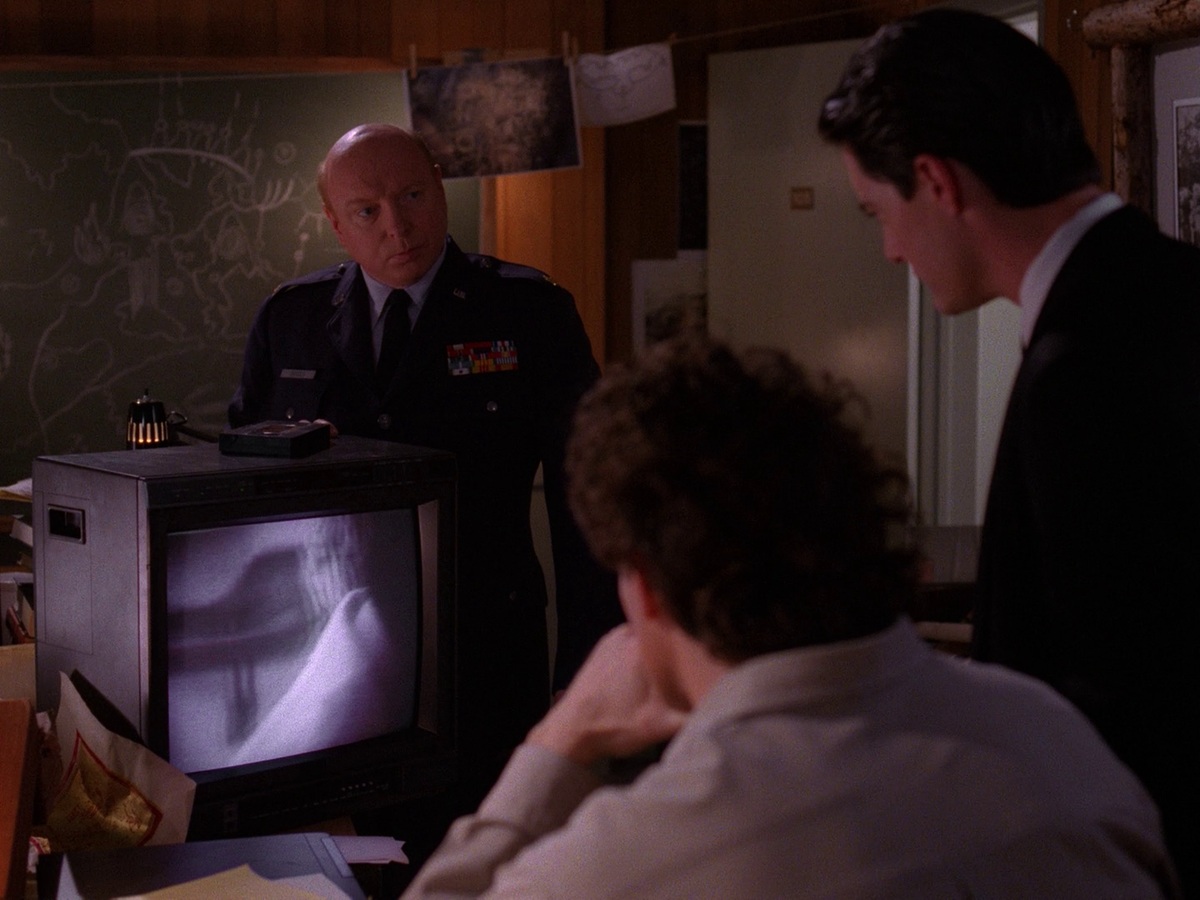
The videotape gives Earle a second presence. On the monitor he describes the Black Lodge as a source of power that might be entered and used. His account is a character’s self-revealing theory of evil; its vocabulary should be read within the fiction. Cooper infers that the campaign against him has also provided cover for Earle’s pursuit of the Lodge. The revelation reorganises earlier events without making the victims’ suffering incidental.
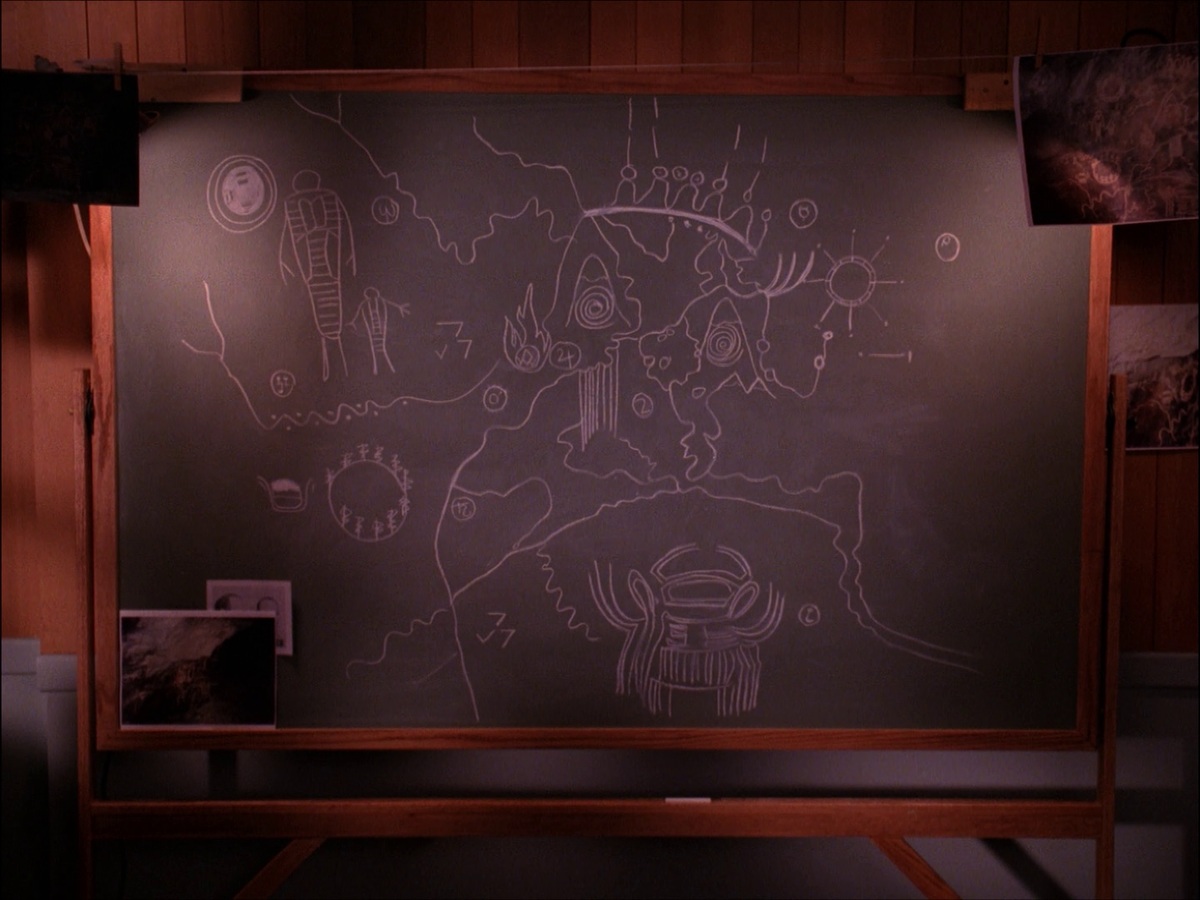
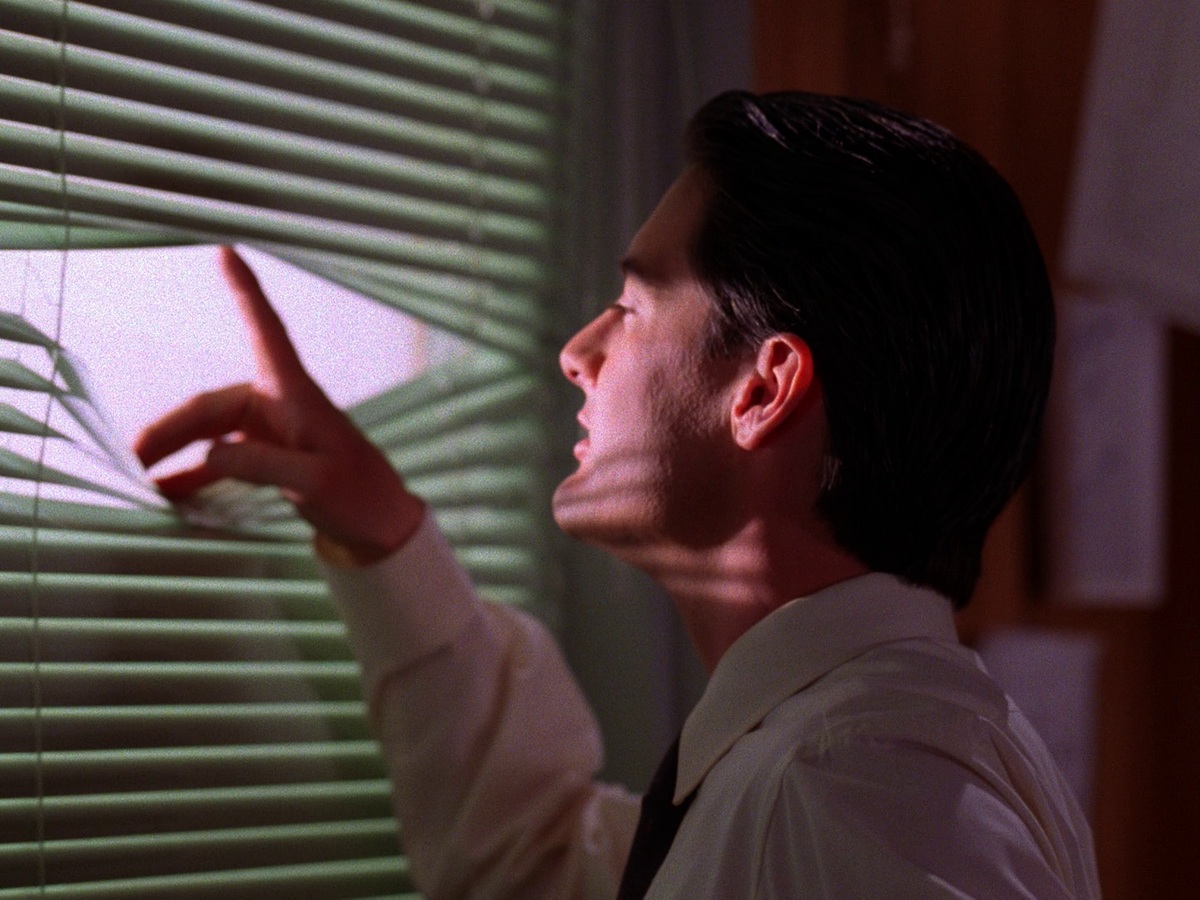
The episode then cuts to Earle listening in the cabin. Investigation itself has become vulnerable to surveillance. At the station, the map is a communal problem: Briggs, Cooper and Truman share the work of interpreting it. Earle listens and converts what they discover into his own advantage. The distinction between possessing information and controlling its circulation becomes especially important.
Margaret’s separate introduction provides a useful companion to this passage. She speaks of clues and a clever puzzle-maker, then warns about interpretation. The episode asks the viewer to enjoy the discovery of a pattern while remaining alert to the purposes behind it. Earle’s account is information, a performance of conviction and a potential trap at the same time.
Records, listeners and rival interpretations · 3 images
The pageant becomes a field of danger
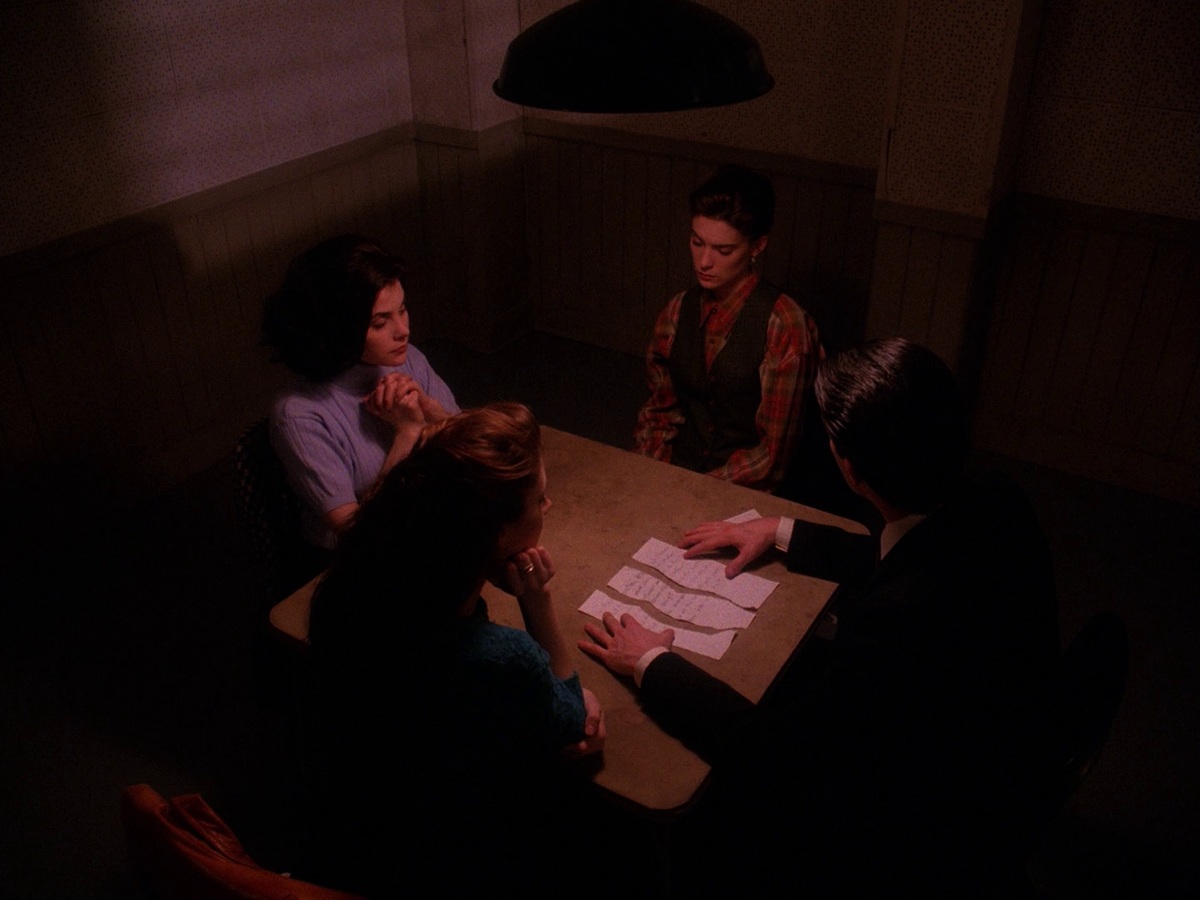
Cooper brings Donna, Audrey and Shelly together and connects the fragments of the poem with the strangers who approached them. Each had experienced an isolated encounter; the meeting turns those private impressions into a shared pattern. Shelly’s recognition of Leo’s handwriting makes the danger intimate. Cooper’s instructions about checking in and travelling with someone translate a literary puzzle into immediate changes to everyday life.
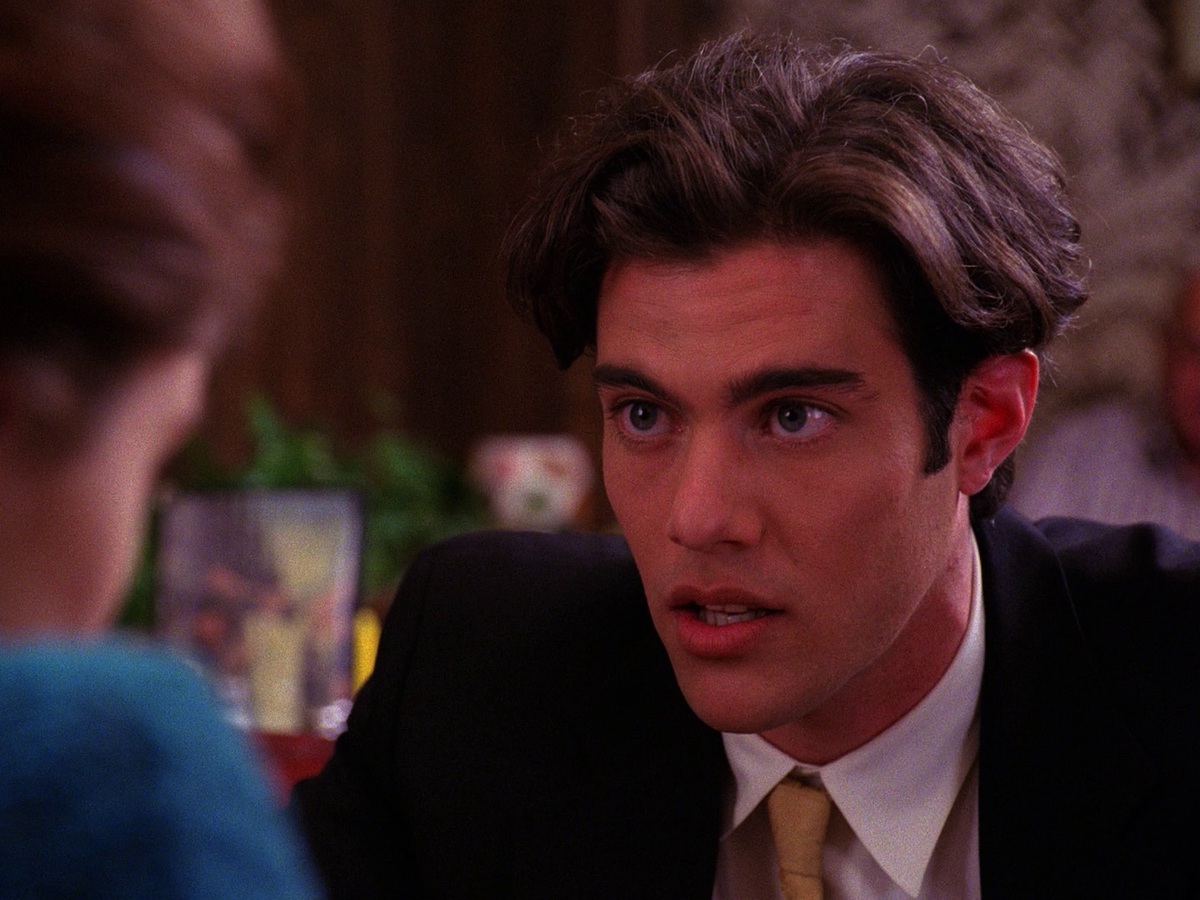
Elsewhere, the pageant continues to promise money, public influence and romantic advantage. Lucy links it to the future of her child. Bobby revises Shelly’s environmental speech before admitting that his pursuit of status has displaced his care for her. Lana and Milford treat the judges as people to be manipulated. Ben sees Audrey as a spokesperson for his campaign. These competing uses explain why the contest can gather so many stories into one public occasion.
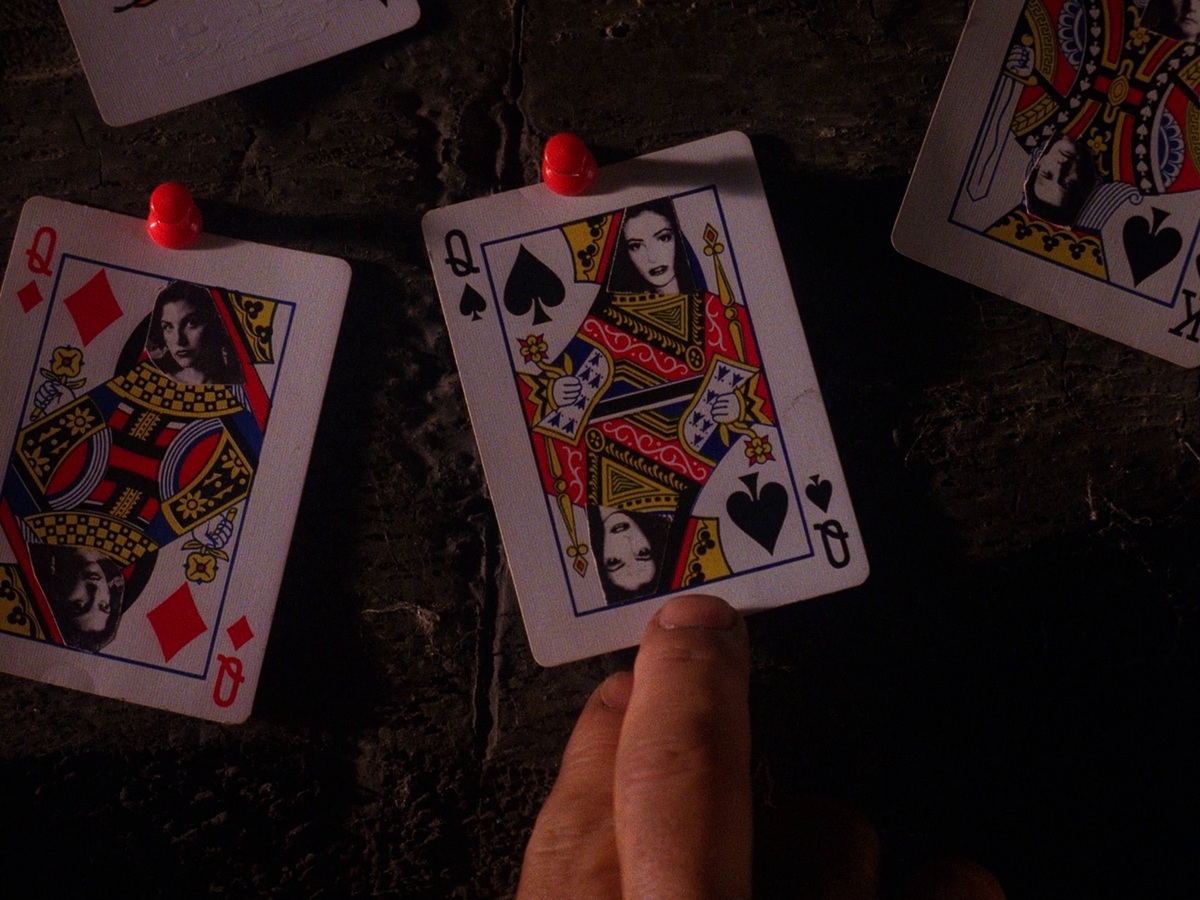
Earle makes the prospect of a queen explicitly lethal. Leo looks at the women’s pictures, repeats Shelly’s name and resists. The electrical collar allows Earle to turn that resistance into another performance of control. Leo’s concern here is meaningful, but it does not erase his earlier violence against Shelly. The scene complicates his position by giving a formerly coercive husband an experience of dependence and punishment.
The grotesque donkey disguise extends Earle’s theatrical method into Briggs’s walk through the woods. The apparent joke closes around a vulnerable body. Humour and cruelty are made adjacent through staging: the absurd costume is also the practical means of an ambush.
Public ambitions and concealed threats · 4 images
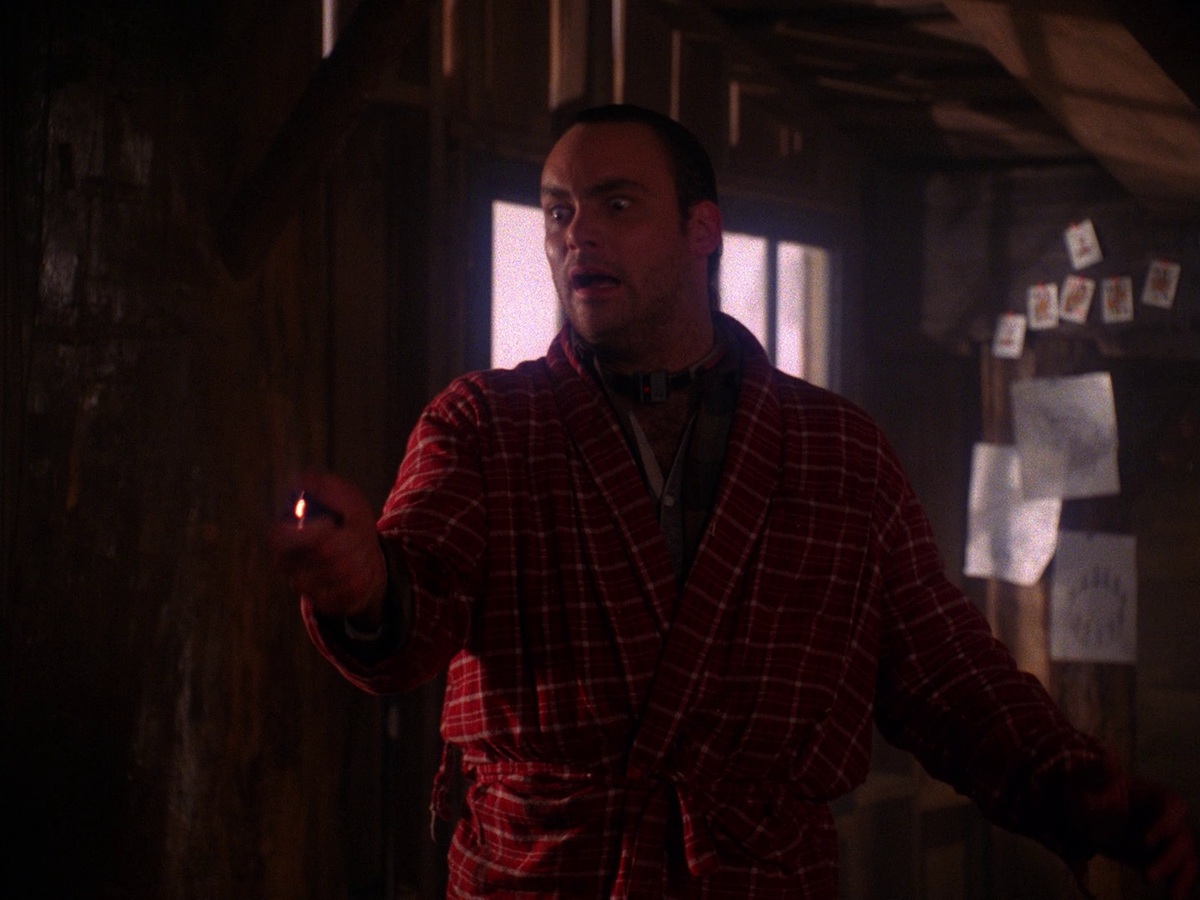
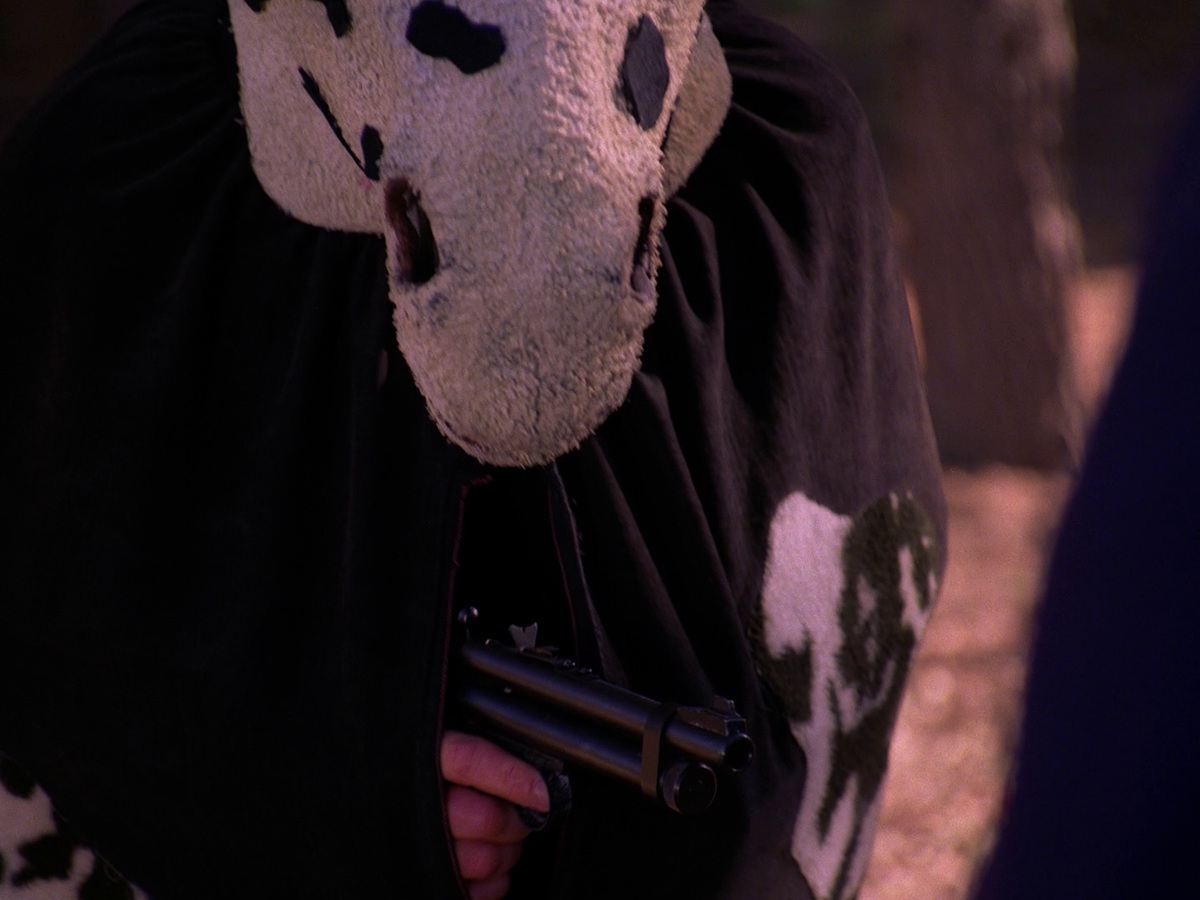
Briggs: the fear beneath the information
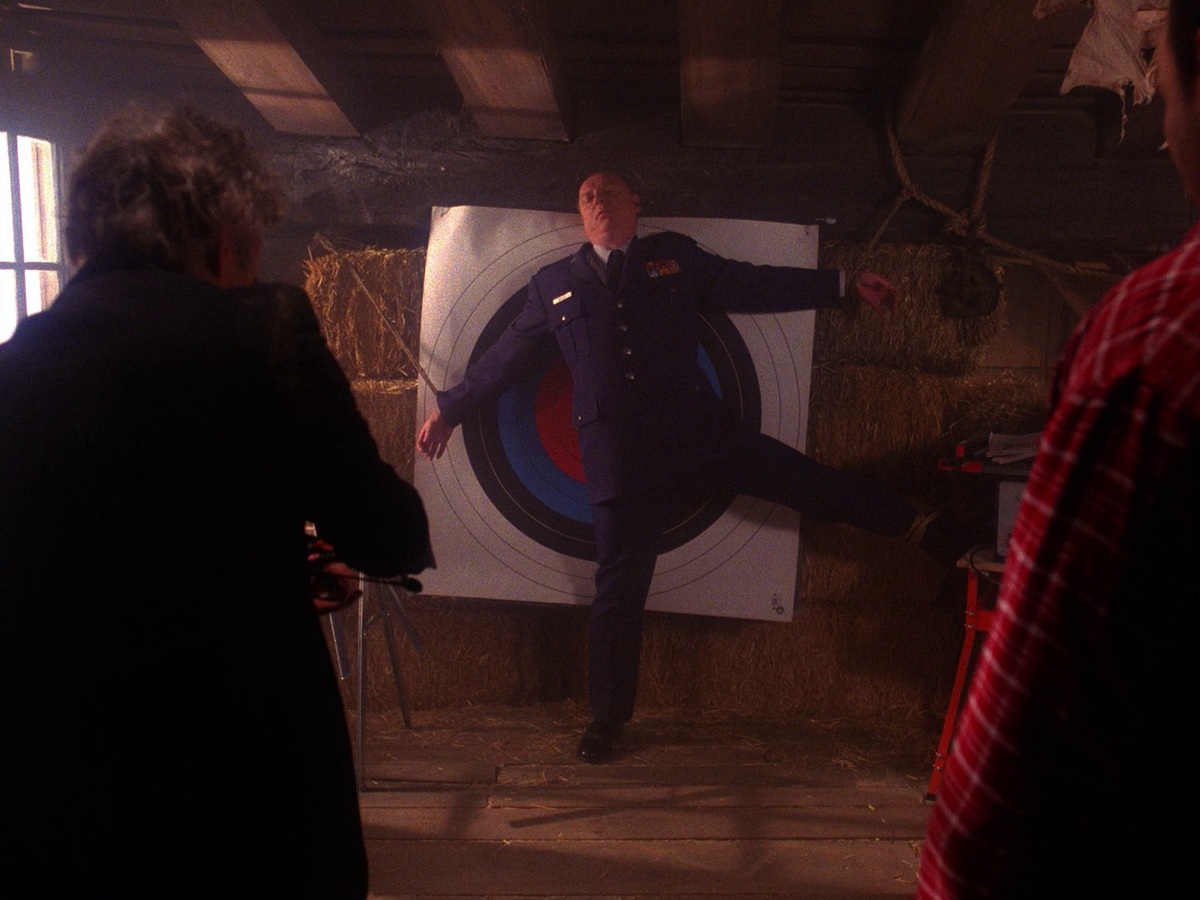
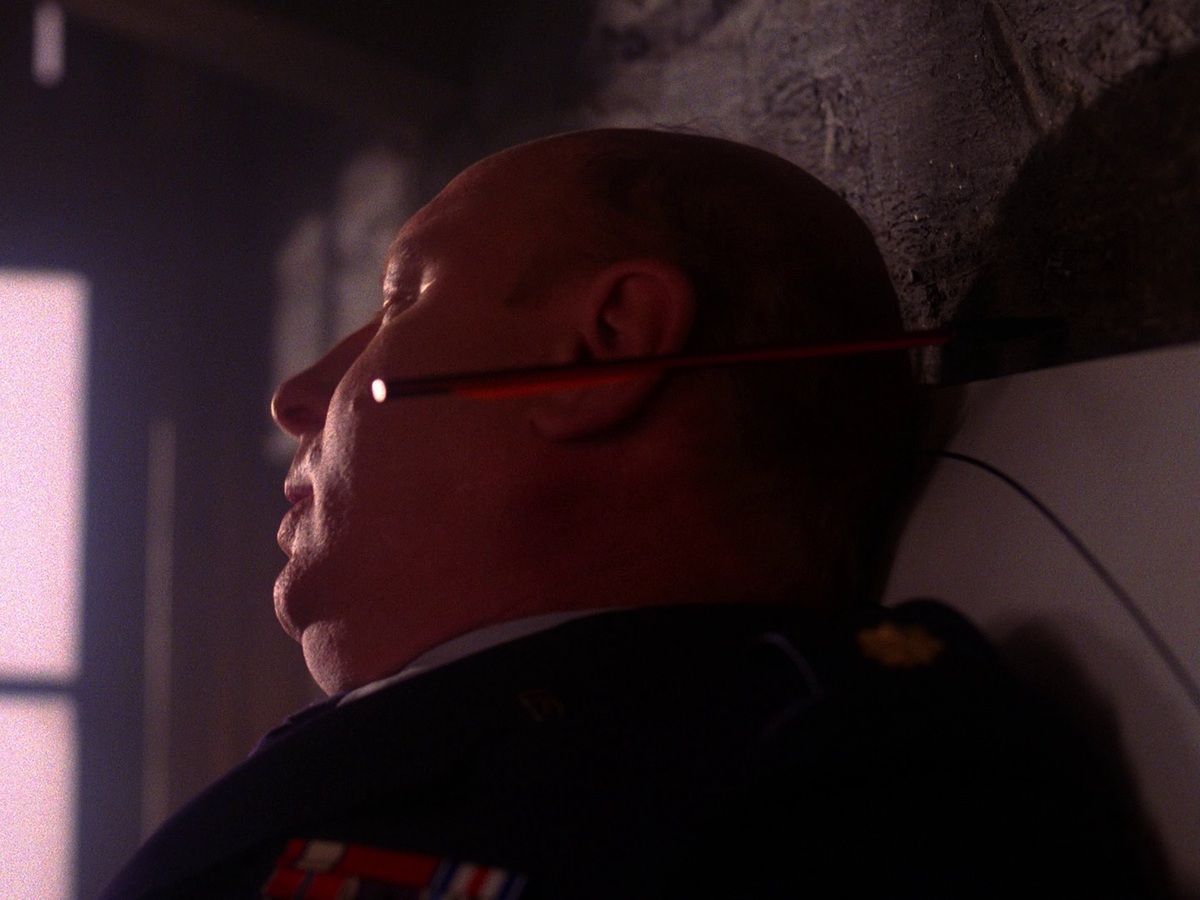
Briggs is bound against a circular target while Earle questions him. The arrangement makes interrogation visible as an attempt to hit and penetrate a defended centre. At first Briggs repeats the language of restricted information. Earle’s abrupt question about a state capital tests the limits of that resistance through an apparently irrelevant fact, then the injection changes the terms of the exchange.
Asked what he most fears, Briggs answers that love might prove insufficient. The reply interrupts Earle’s search for usable coordinates with an ethical concern. It belongs beside the episode’s many declarations of love, but from a different position: Briggs names the possibility that care and faith cannot by themselves protect the people who depend on them. Earle responds with ridicule and more questions.
The subsequent account of a light, a guardian, dreams and the conjunction of Jupiter and Saturn offers fragments that Earle can assemble. The interrogator reduces an experience of fear and uncertainty to a timetable. That extraction is part of the scene’s violence. Briggs’s words have a personal and moral weight even as Earle treats them as instructions for reaching power.
The interrogation’s changing terms · 3 images
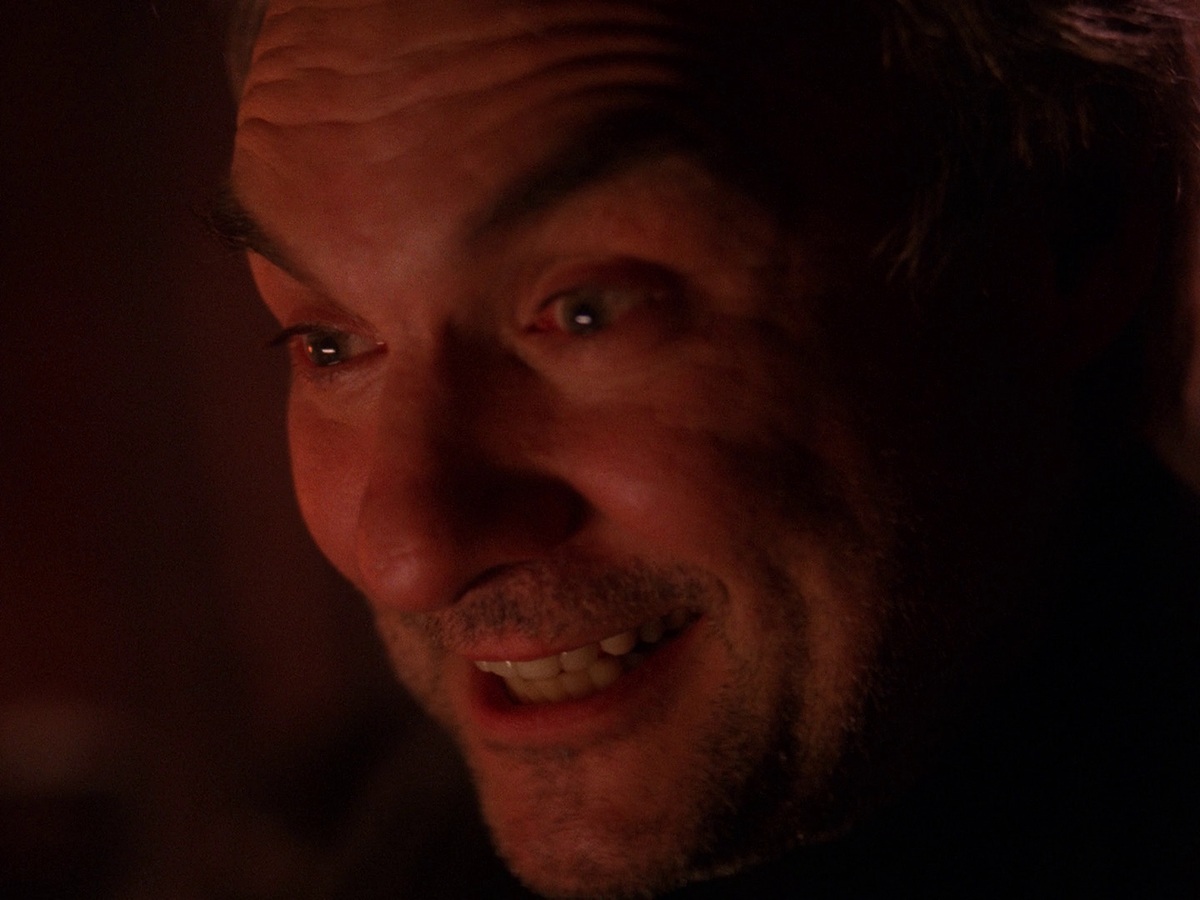
Goodness, departures and difficult truths
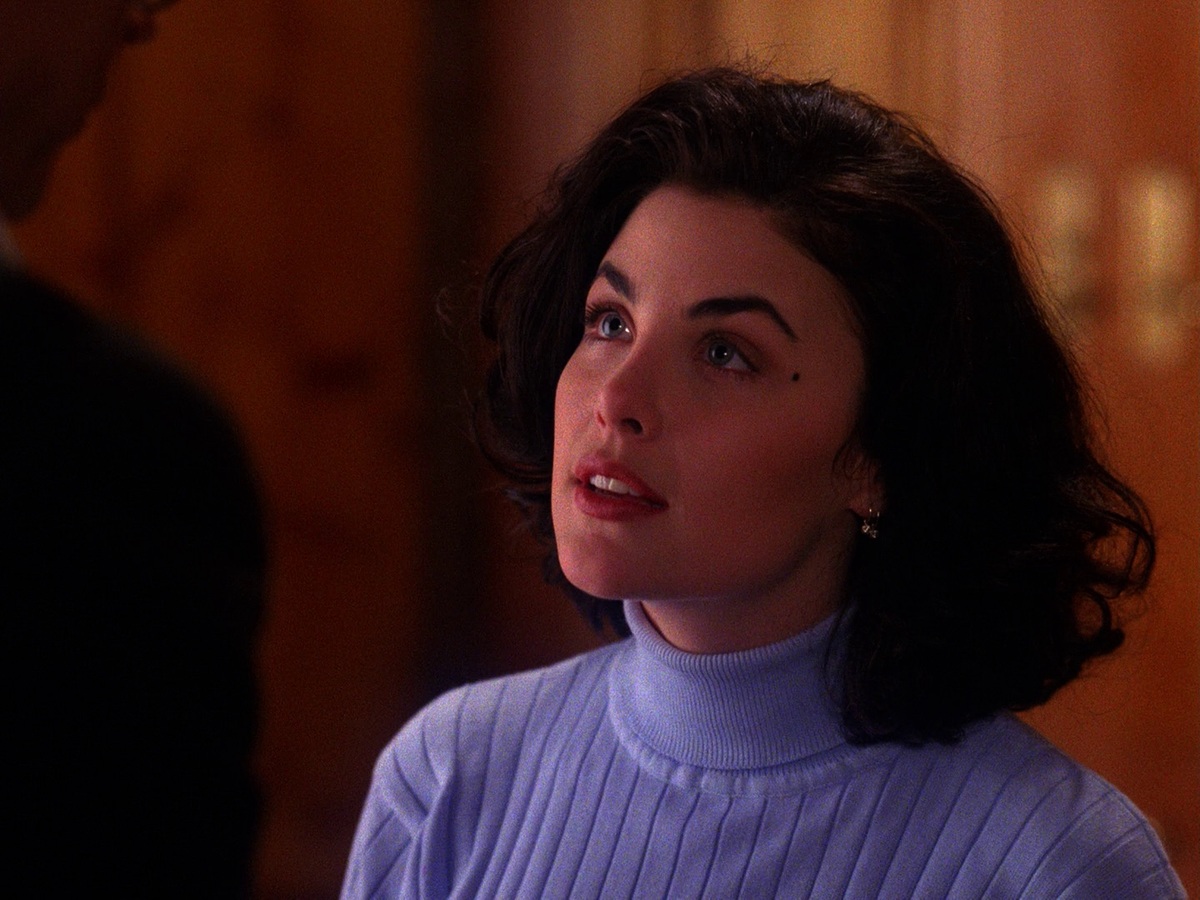
Will Hayward challenges Ben’s new determination to do the right thing. Their exchange separates moral intention from its consequences for other people. Ben wants the concealed truth acknowledged; Will sees the possibility of ruined lives. Donna’s examination of the family document places her on a parallel route towards knowledge, before the adults have agreed what she should be told.
Wheeler gives Ben a different instruction: begin with the hardest truth. His own departure is prompted by the death of a friend and partner. Audrey, meanwhile, has to push through Ben’s proposed use of her as a public symbol to discover where Wheeler has gone. The scene lets an environmental campaign and an intimate need compete within one conversation. Ben’s enthusiasm does not guarantee that he is listening.
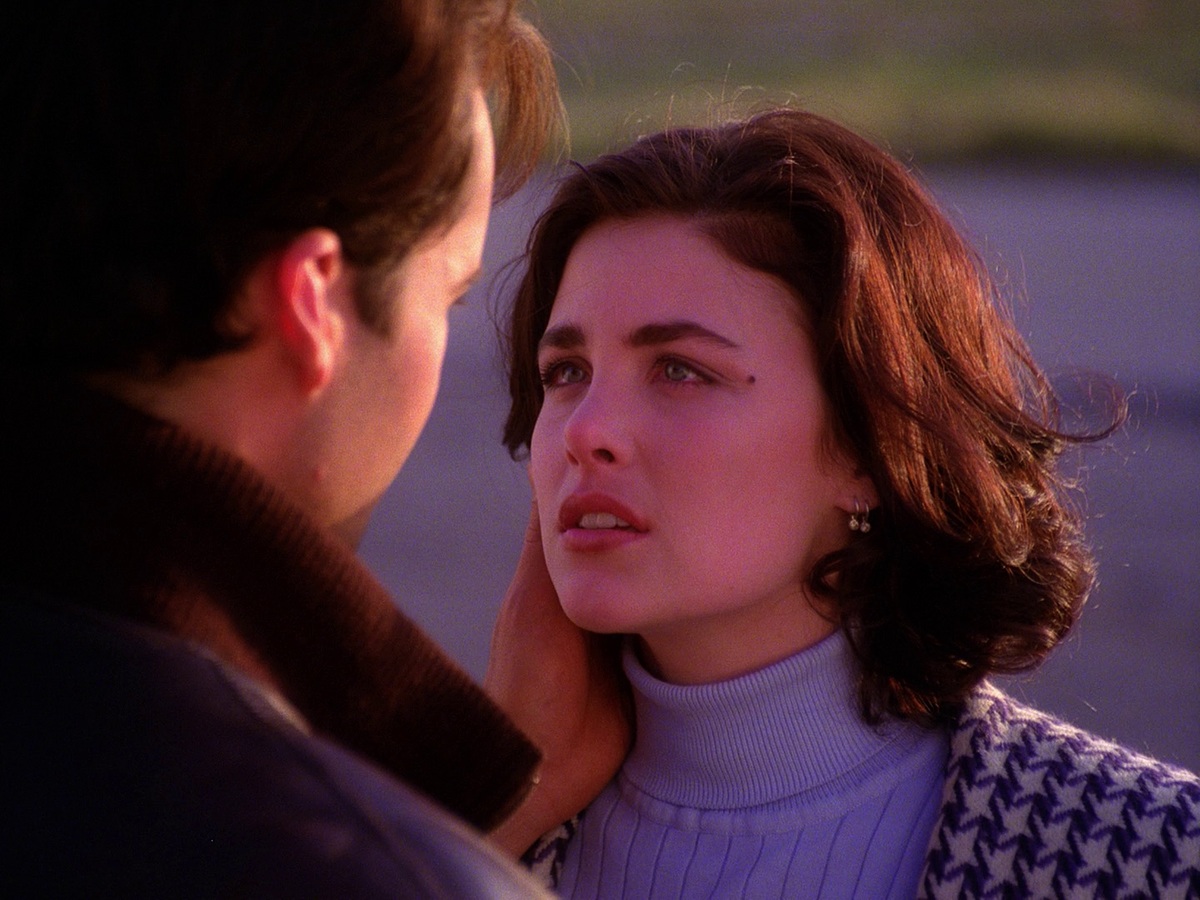
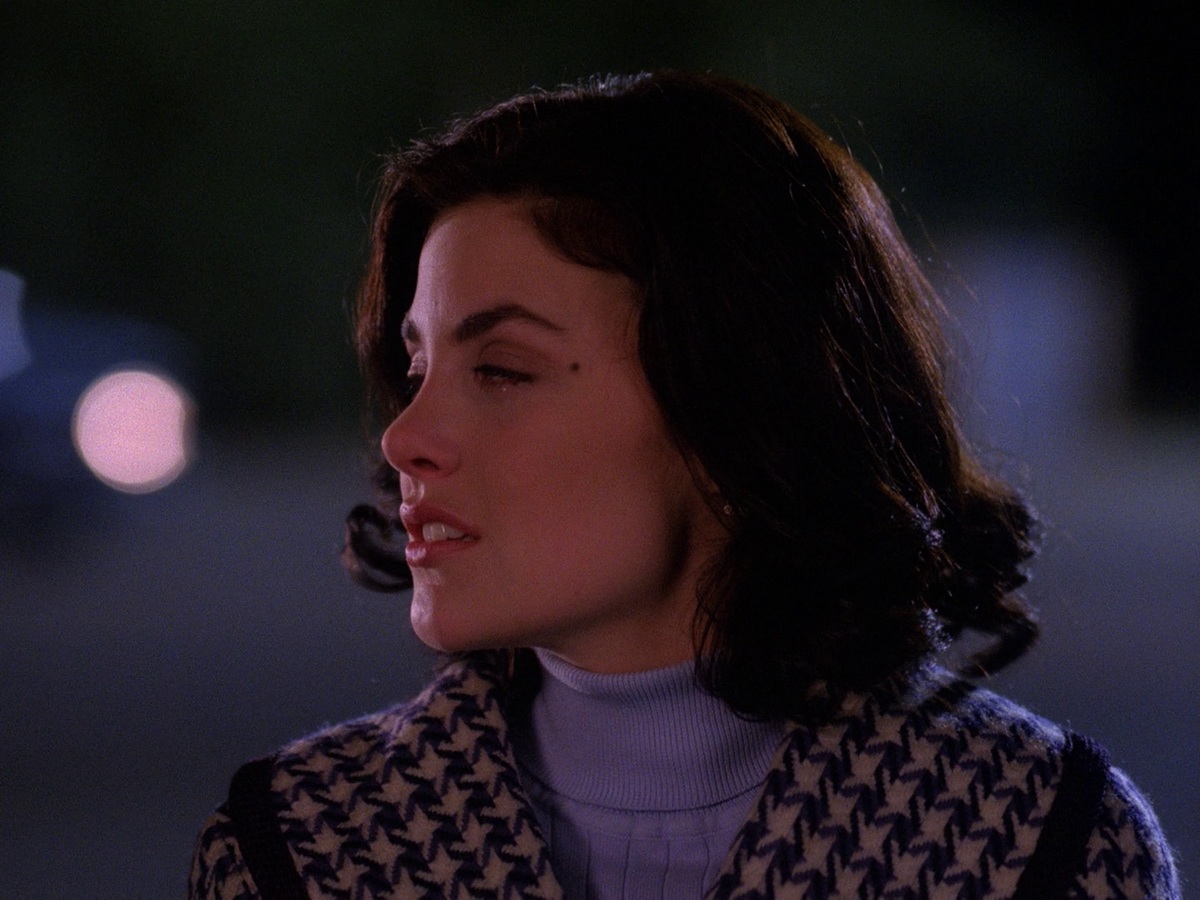
Audrey reaches the airport and makes her wishes explicit. The jet gives the encounter a deadline and a private interior. After it leaves, Pete offers company and a modest alternative to the grand romance: fishing. The movement from urgent declarations to his patient consolation gives the departure an aftermath. A character can help without solving the loss.
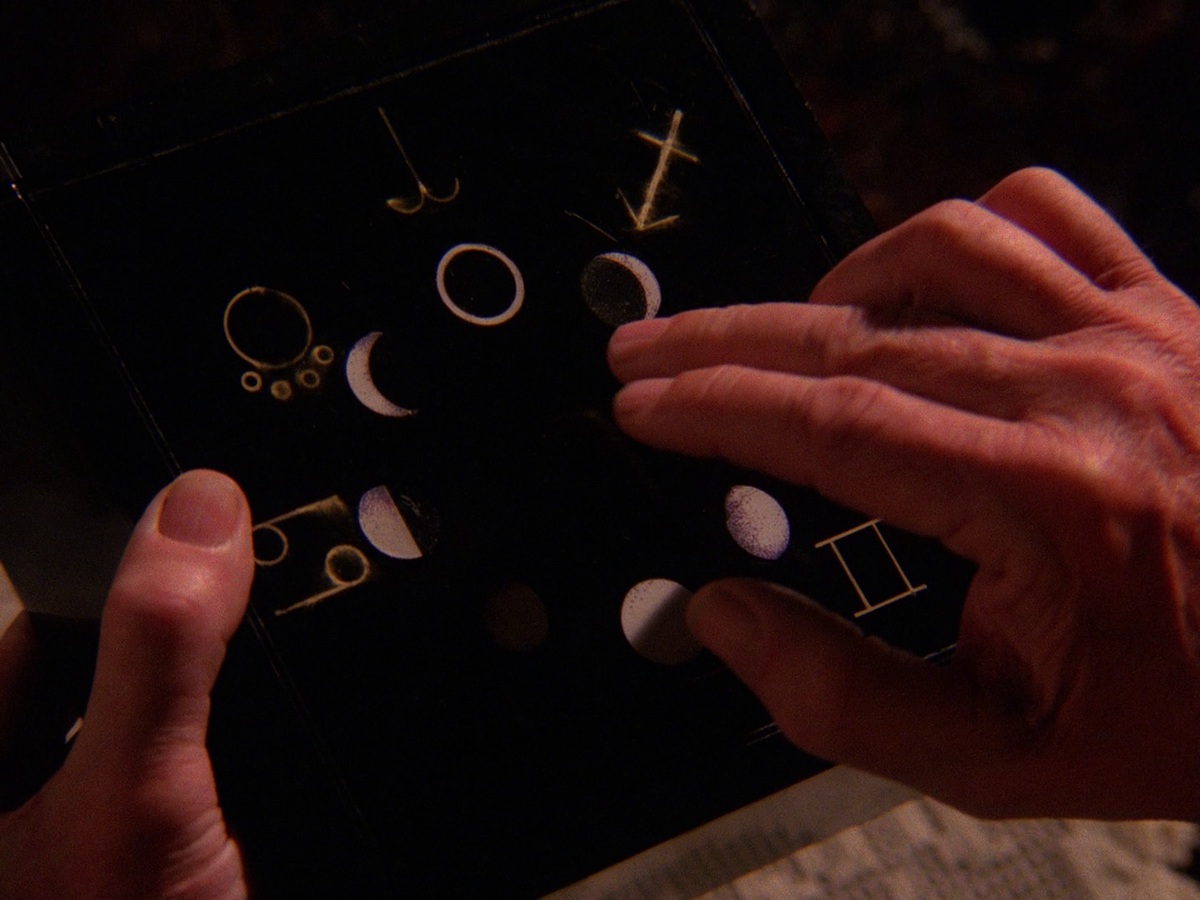
The puzzle-box scene develops another form of anticipation. Andrew and Catherine try combinations and interpret symbols, only to find another enclosure. Their competing claims to having opened it make discovery comic and proprietary. Placed among the episode’s harder truths, the box offers a compact image of explanation continually postponed.
Secrets, choices and the people left behind · 5 images
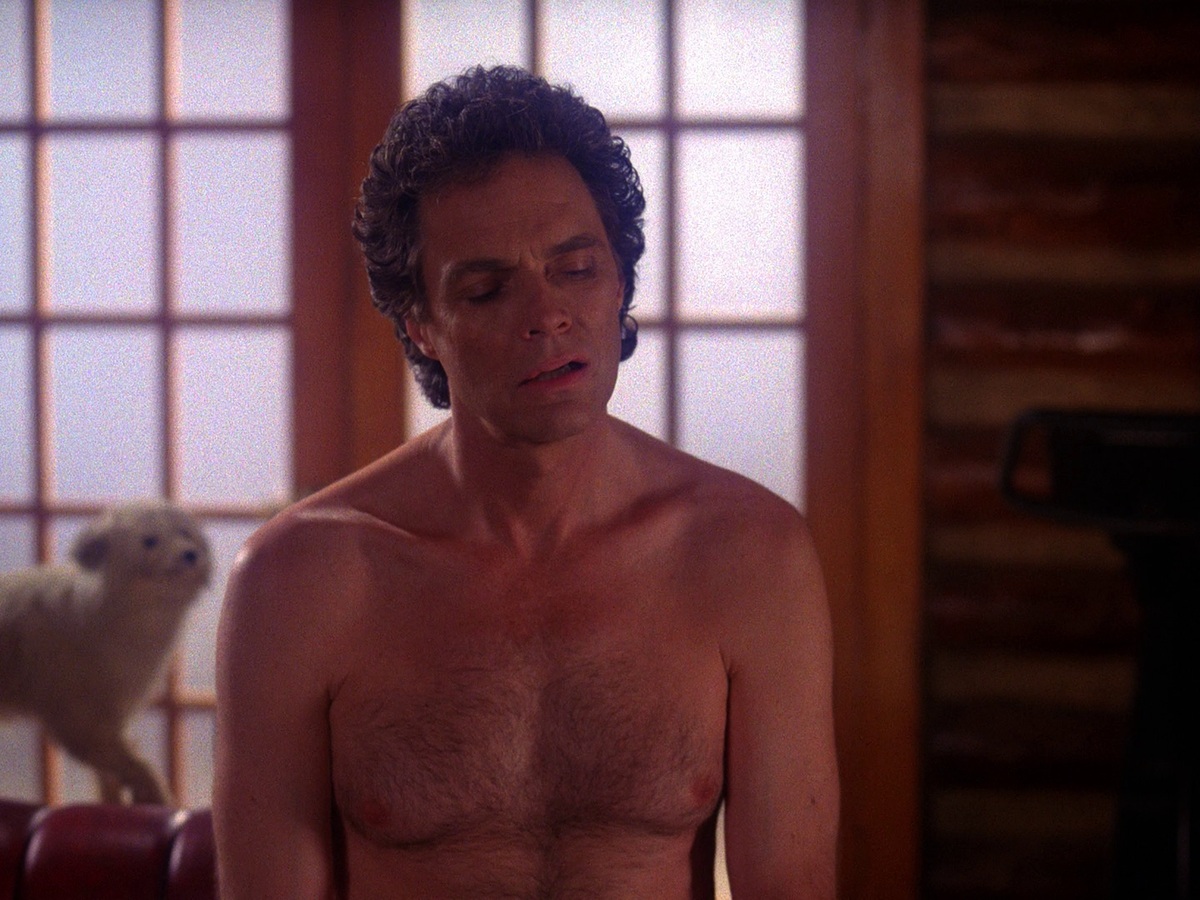
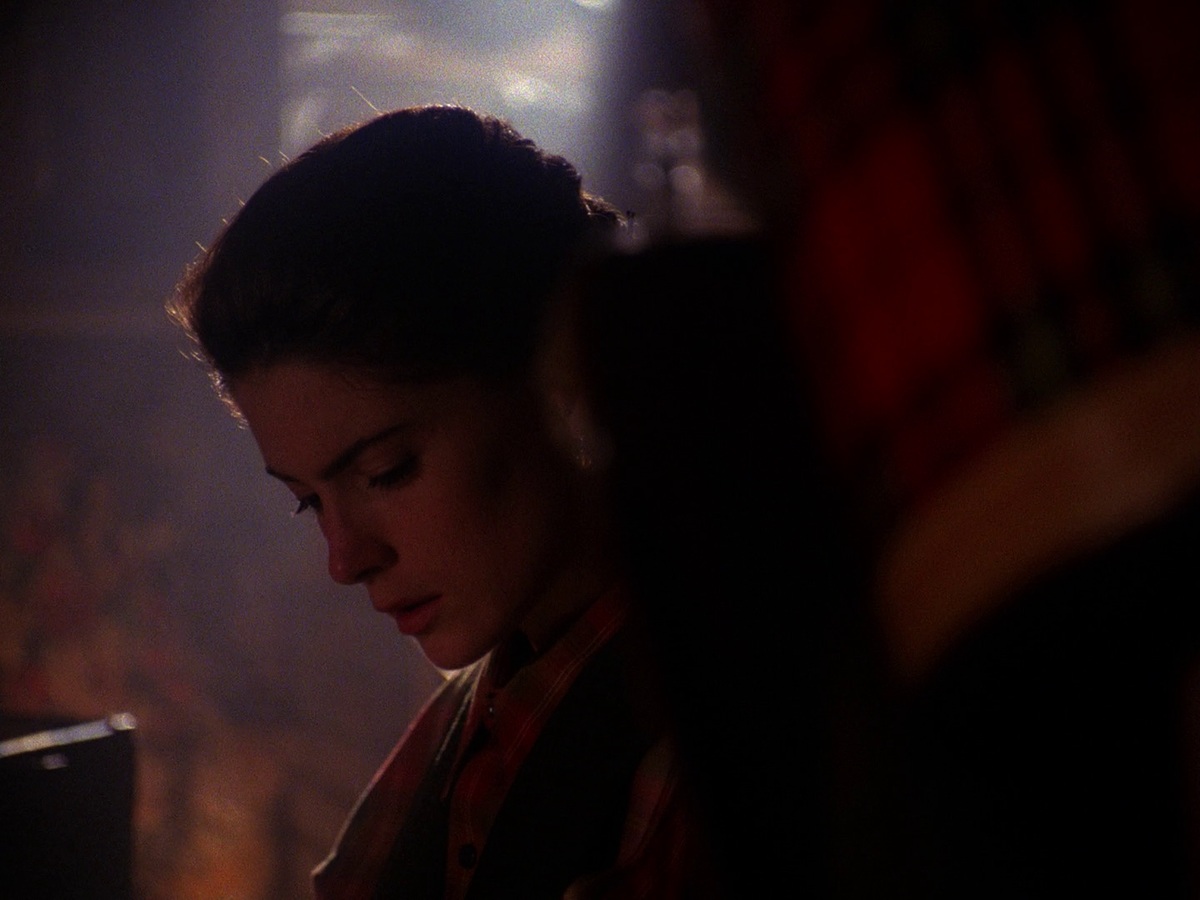
The dance and the Giant’s warning
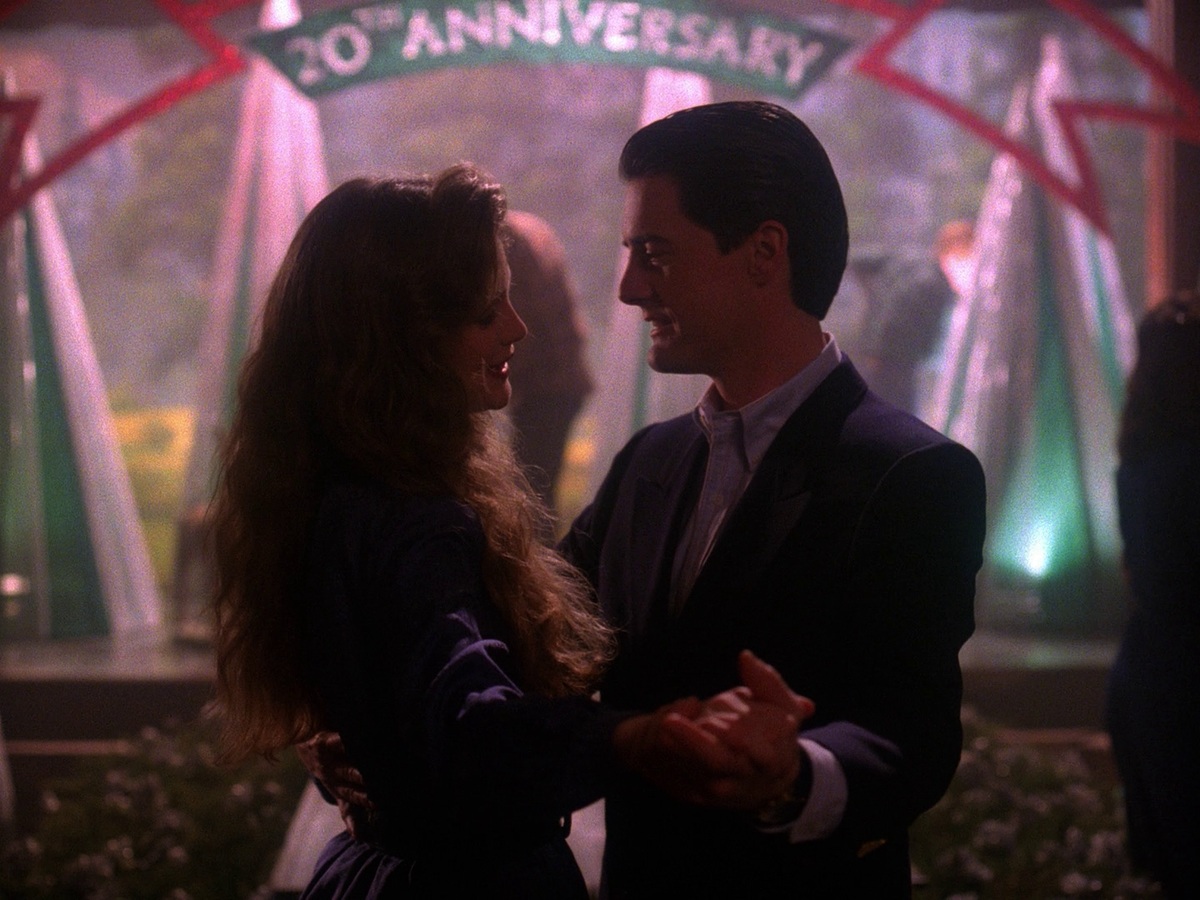
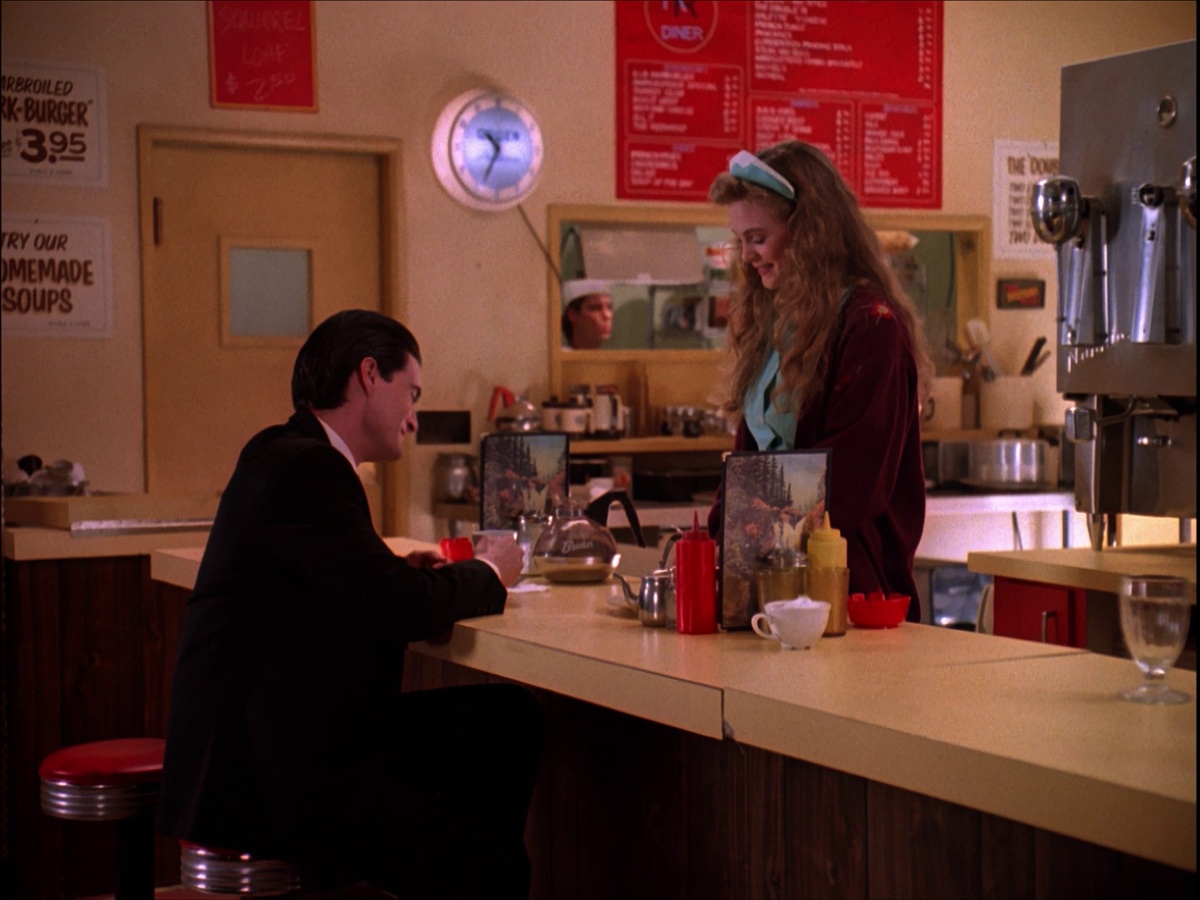
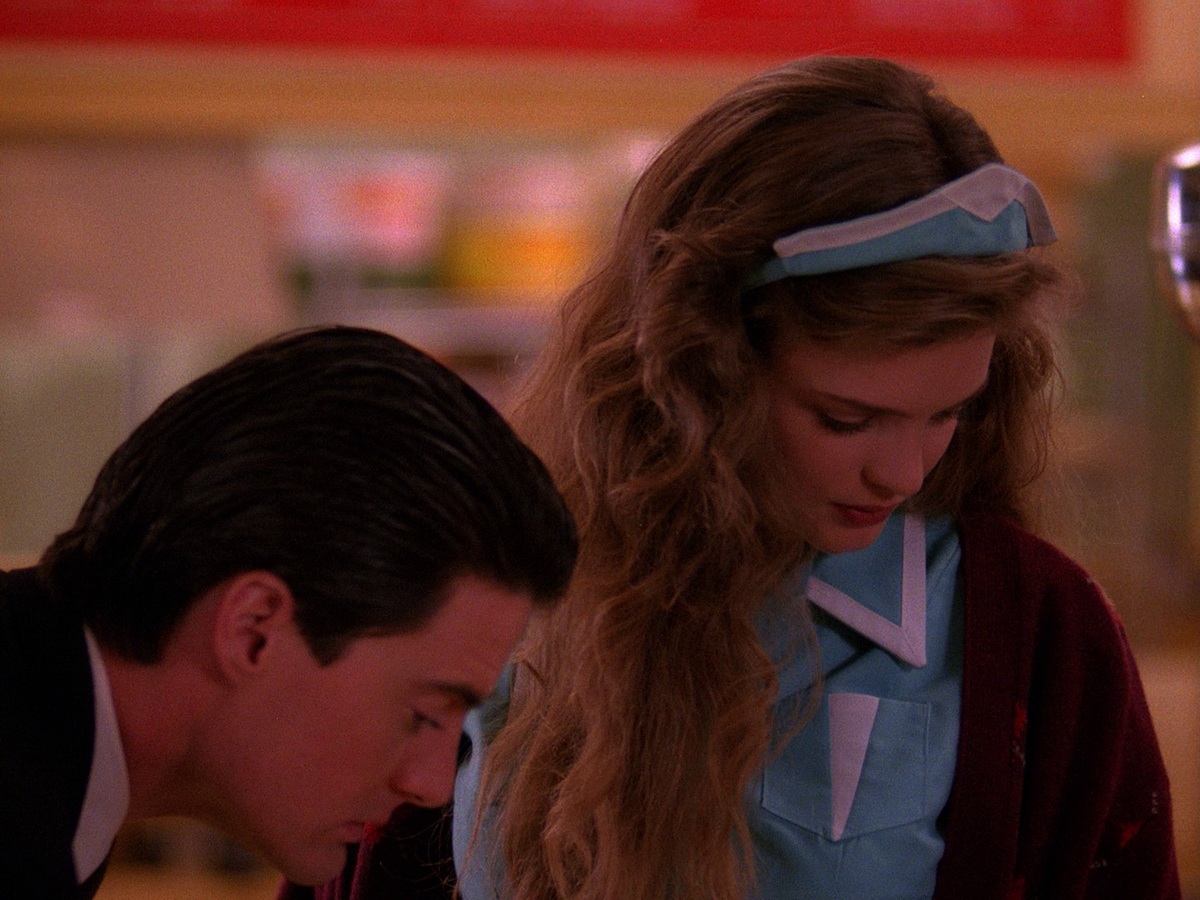
Cooper describes his distraction to Truman in the language of symptoms: Annie’s face and voice interrupt his usually disciplined attention. At the diner, the two try quotations and explanatory ideas before settling on a practical invitation to dance. Their intellectual habits are part of their attraction. The conversation becomes easier when it allows uncertainty rather than requiring a complete account of why they feel as they do.
At the Roadhouse, the dance turns cooperation into movement. Cooper proposes a shared step; Annie’s response makes following reciprocal. The pageant decorations place their encounter within the coming public event, while the mayor’s difficulties at the microphone repeatedly interrupt their private conversation. The interruption first works as a comic obstacle to intimacy.
Annie then corrects Cooper’s protective image of her. Her time in the convent does not mean that she is unable to understand or choose desire. She tells him how she feels and decides that she may enter the contest. This is an active declaration of participation, even though the surrounding narrative makes the choice dangerous.
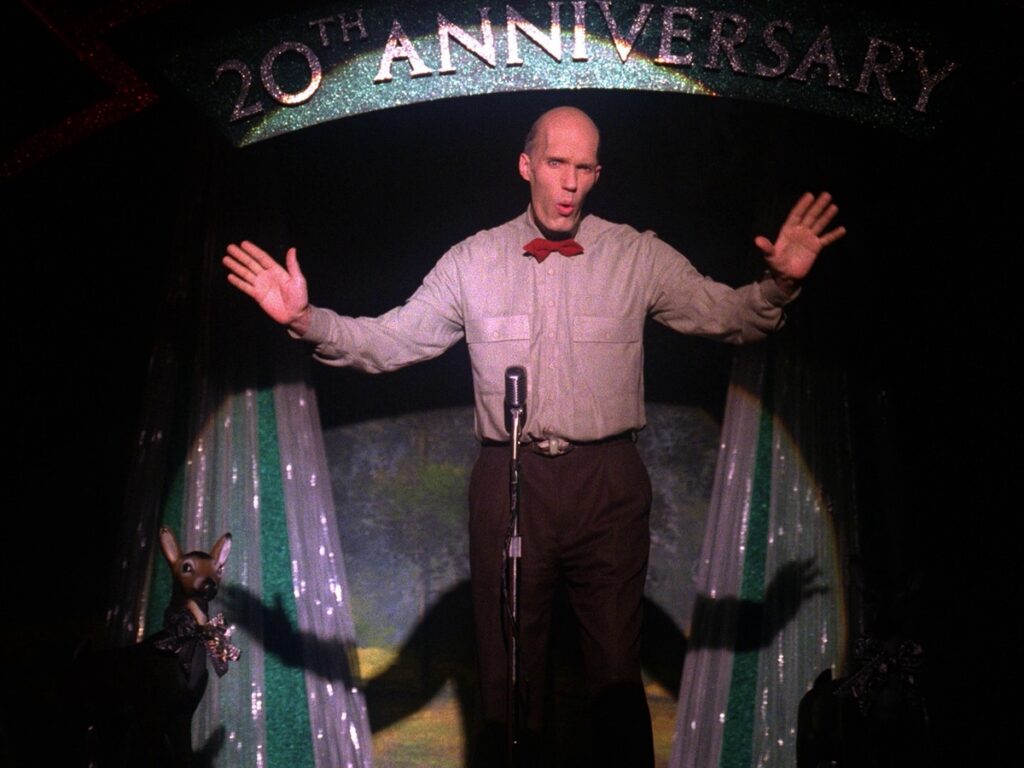
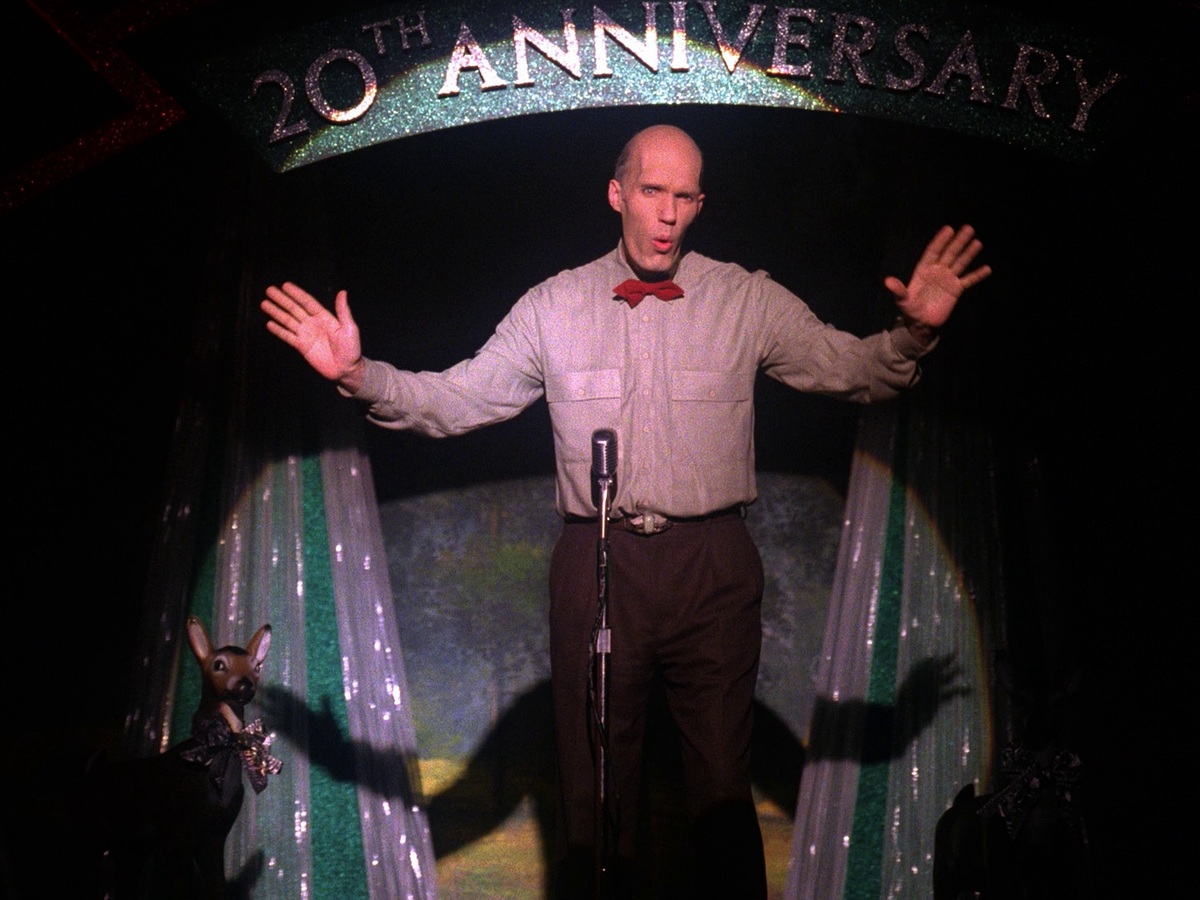
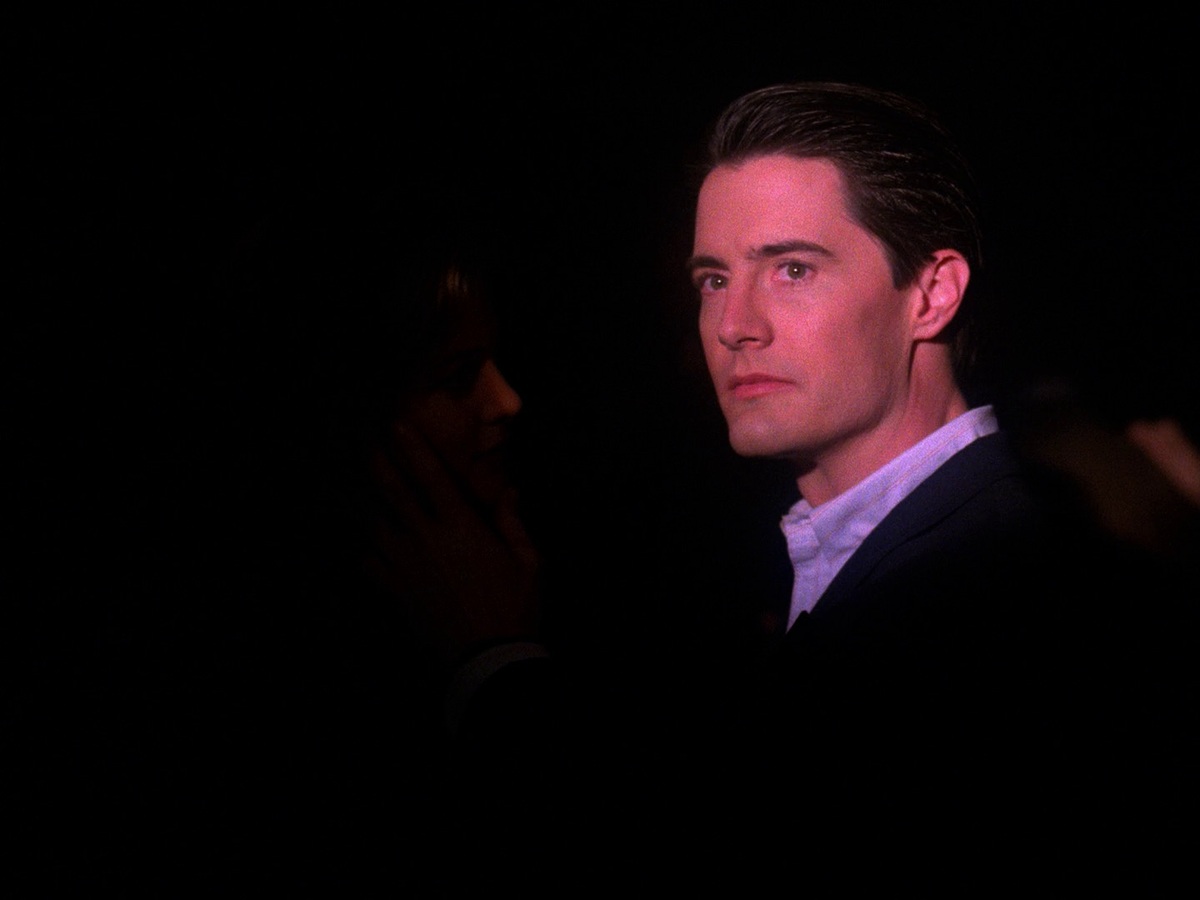
The Giant’s appearance changes the meaning of interruption. He occupies the pageant stage and urgently gestures refusal. Cooper’s look breaks from the couple towards this extraordinary warning. The earlier microphone trouble has made that platform an irritating background presence; now the same direction commands his attention. The sequence ends without translating the warning into an action that would make Annie safe.
From shared movement to interrupted certainty · 7 images

From the map to the clearing
Earle understands the planetary reference as a clock and the cave drawing as both invitation and map. The final movement then leaves his explanation behind. It passes through public and institutional spaces towards the woods, allowing the town to appear momentarily emptied of the people whose conversations have filled the episode. The drawing remains at the station while the place it indicates begins to act beyond anyone’s supervision.
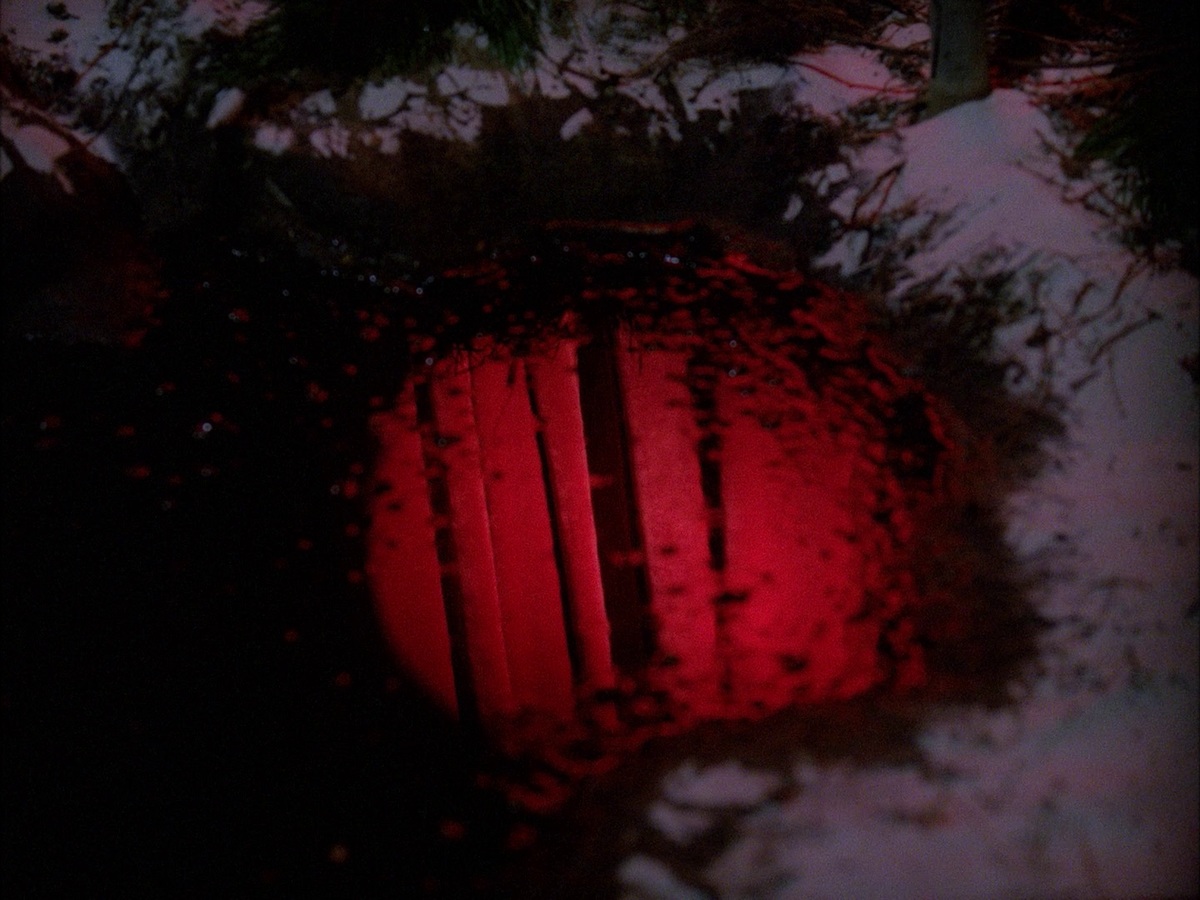
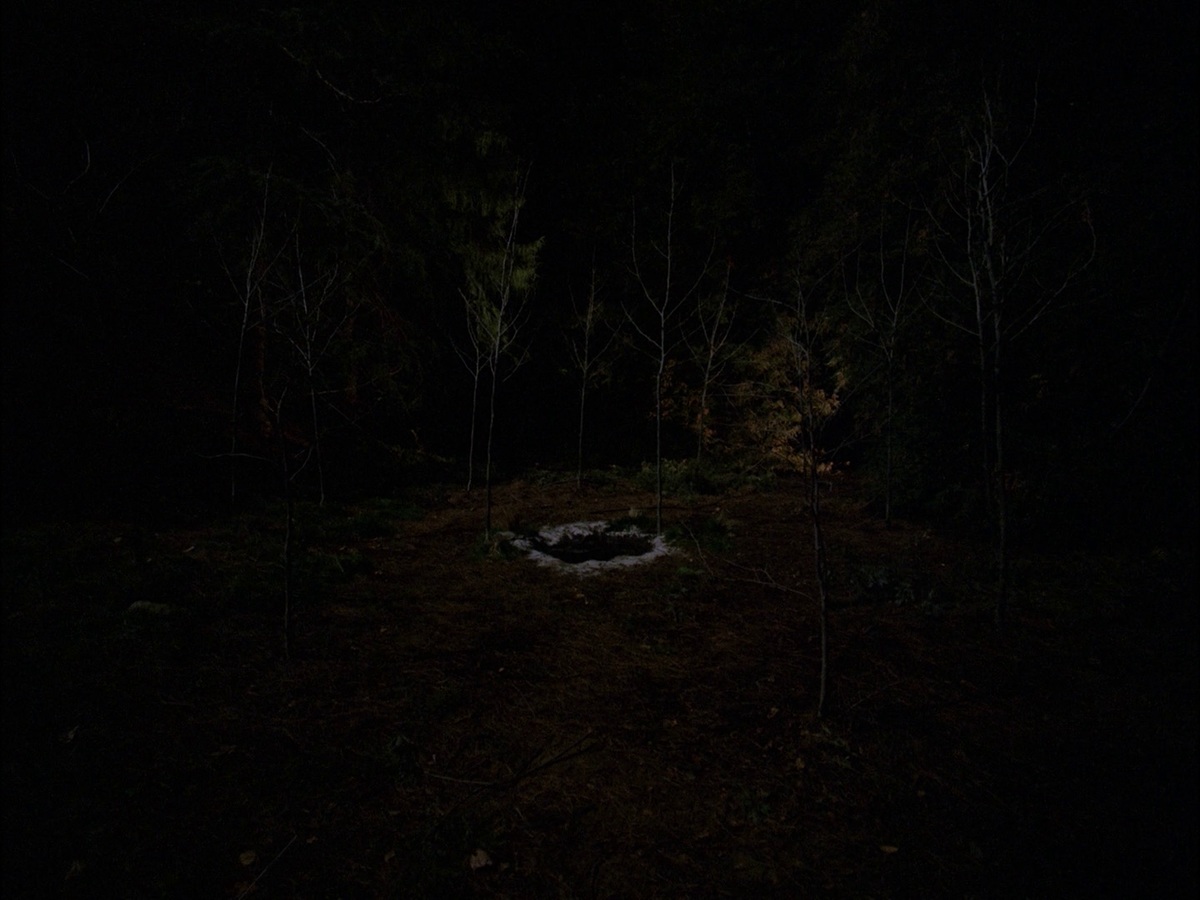
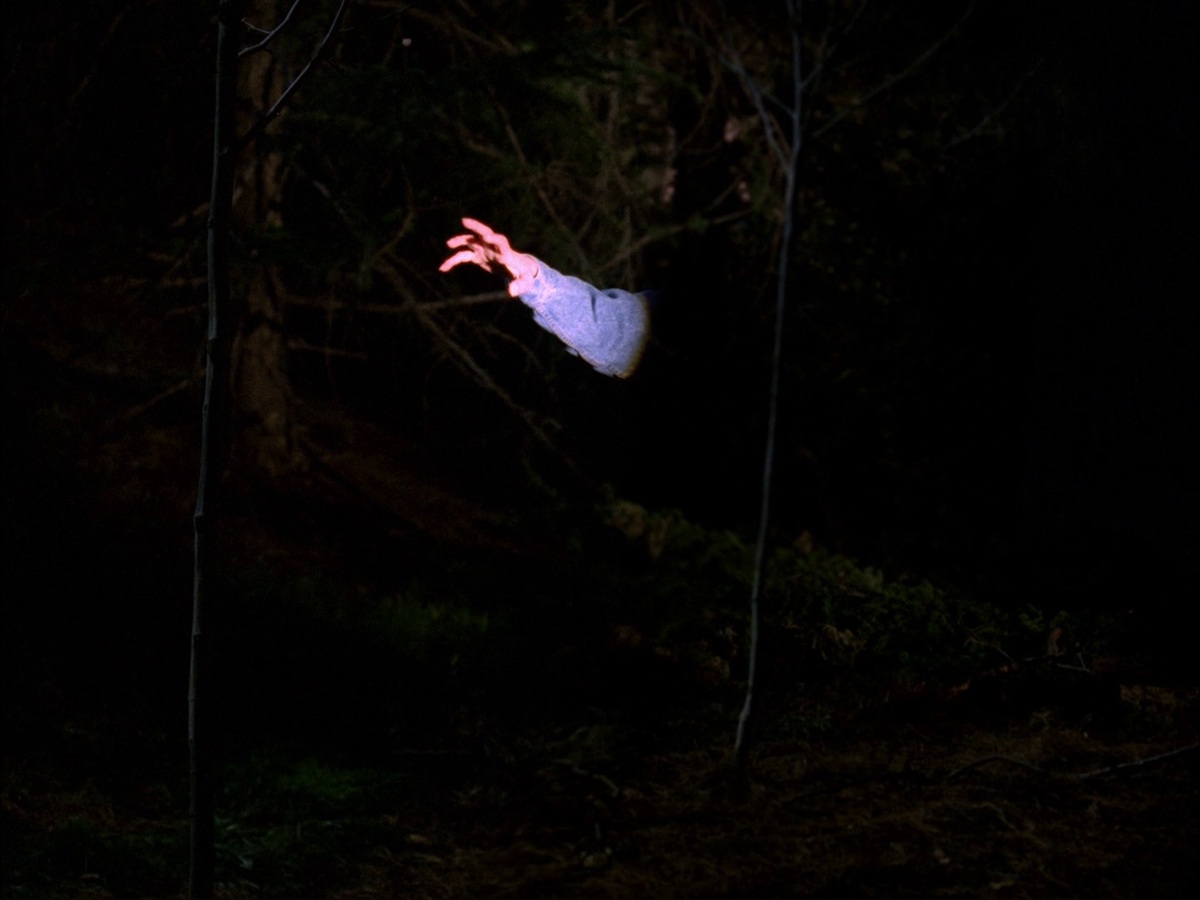
In the clearing, BOB’s hand and body appear across the darkness, and red curtains become visible in the pool. The sequence joins a material location to an image already associated with Cooper’s dream. It supplies a threshold rather than a tour of the place beyond it. The change in scale—from records and conversation to an opening in the landscape—gives the episode its destination while leaving the conditions of entry unresolved.
The three routes now converge: Earle wants access, Cooper’s attachment creates a new vulnerability, and the contest provides a public setting in which a victim can be chosen. Continue to Miss Twin Peaks for the point at which those preparations become one event.
A place emerges from the investigation · 4 images
A route through The Path to the Black Lodge
The gazebo: Rusty’s body is removed and his friend gives an account of their meeting with Earle.
The hotel and the Hayward home: Ben’s reformation, Wheeler’s departure and Donna’s search for a family truth.
The station and the cabin: Project Blue Book, Earle’s recorded Lodge theory and his concealed listening.
The diner and the Roadhouse: the pageant’s private stakes; Cooper brings the recipients of the poem together.
The woods and the cabin: Leo’s resistance, the capture of Briggs and the interrogation.
The diner, airport and Packard house: love, departures and another puzzle inside the box.
The Roadhouse: Annie and Cooper dance; the Giant’s warning interrupts the pageant stage.
The town and the woods: the map acquires a destination and the red curtains appear.
Sources and connections
Episode and credits. Overall Episode 27 / Season 2, Episode 20. On-screen credits identify Stephen Gyllenhaal as director and Harley Peyton and Robert Engels as writers. Scene evidence and selected images derive from Twin Peaks: From Z to A. The English captions were checked for the principal dialogue passages.
Introduction and broadcast framing. Margaret’s associated Log Lady introduction considers clues and interpretation. Lucy’s special closing-credit announcement is discussed in the season’s broadcast-history study.
Production context. Mark Frost’s retrospective account of Earle’s introduction is examined in the Season Two guide. The dramatic readings here concern the finished episode and do not assign every choice to an undocumented intention.
Follow the previous episode, Miss Twin Peaks, or the illustrated season guide.