Reading Room
Lyncharium / The Reading Room
Follow the evidence.
Leave room for the mystery.
The books, interviews and archives that open up David Lynch’s world. Find a starting point, follow a filmmaker or collaborator in their own words, and go deeper into the films, art, music and objects.


Select a cover to explore the book, its edition and its place in Lynch’s work.
First visit? Start here
Choose a thread. See where it leads.
Begin with a film you love, a collaborator who fascinates you or an object that catches your eye. Each route opens onto the wider archive. Dossiers discuss story developments, including endings.
01 / Images becoming worlds
From paint to moving pictures
How does a surface acquire movement, space and sound? Begin with the art, follow the short films, then enter the rooms and industrial landscape of Eraserhead.
02 / Collaboration and sound
Listen for the relationship
Who is composing, performing, recording and placing a sound? Move from the musicians to the town of Twin Peaks, then to the shifts of identity in Lost Highway.
03 / The life of an object
After the screening
What changes when a film becomes a poster, artist edition or home-video package? Choose a film, inspect a museum record and compare the image with its production or release evidence.
Illustrated film index →
Three museum studies →
Reading an object →
A doorway for each kind of visit
A film you already love
All ten feature-film guides are open. Their strongest subjects differ: adaptation and design in Dune, performance and looking in The Elephant Man, travel and family in The Straight Story. Follow a question into the cited evidence rather than treating every page as a plot explanation.
Time in Twin Peaks
The shared Twin Peaks hub now leads to substantial treatments of Season 1, Season 2, Fire Walk with Me and The Return. Keep the individual work, episode and version attached to a claim.
A particular name or detail
Use Search in the site header for a collaborator, title, artwork or catalogue number. Research guides and museum records are searchable with the other pages. The Eraserhead dossier also has its own section search; the Museum filters objects by film and format.
A daily return
Open Today with David near the top of the site. It revisits an original weather report for the same calendar date where available and shows the original recording date. This is an archival tribute, not a current forecast; the weekday belongs to that original recording.
A selected shelf / Six different uses
Read with a question in mind.
Six complementary books bring different perspectives to Lynch’s life and work: conversations, biography, visual art and film criticism.
Lynch on Lynch
David Lynch in conversation with Chris Rodley, editor
Revised edition; FSG paperback, 2005 · ISBN 9780571220182
Start with the filmmaker’s account of his practice across films, painting, photography, television and musical collaboration. Rodley’s questions and framing are part of the source: separate the interviewer’s proposition from Lynch’s answer.
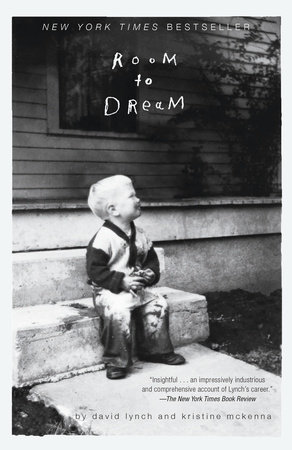
Room to Dream
David Lynch and Kristine McKenna
Book first published 2018; selected US paperback, 2019 · ISBN 9780399589218
A biographical and autobiographical pairing. The publisher describes McKenna’s interview-based sections alongside Lynch’s personal reflections. Read the voices in relation: a chapter can preserve different perspectives without making them one agreed chronology.
David Lynch: Interviews
Edited by Richard A. Barney
University Press of Mississippi, 2009 · ISBN 9781604732375
A route into interviews across filmmaking, painting, music and design. The publisher identifies translated French and Spanish material. Its value for research includes finding the original interviewer, outlet and date behind a frequently repeated account.
David Lynch: The Unified Field
Robert Cozzolino
University of California Press / PAFA, 2014 · ISBN 9780520283961
An exhibition catalogue that puts the visual practice alongside the films. Begin with the authorized essay excerpt on painting, Philadelphia and the move into moving images; then use the complete catalogue’s individual works and notes when access is available.
The Impossible David Lynch
Todd McGowan
Columbia University Press, 2007 · paperback ISBN 9780231139557
A deliberately theoretical route through fantasy and impossibility. The publisher’s contents list individual film chapters from Eraserhead through Mulholland Drive, including The Straight Story. Use it to formulate a reading that can be tested against a scene’s images, sound and narrative structure.
David Lynch
Michel Chion
BFI / Bloomsbury · selected ebook listing, 2019 · ISBN 9781838715199
A critical study whose publisher describes an expansion to include Lost Highway, The Straight Story and Mulholland Drive. Compare its interpretive account with participant testimony, rather than asking either source to do the other’s job.
A practical borrowing note: match the ISBN, format and title/copyright pages to the copy you obtain. A later digital date or new cover does not, by itself, prove a revised text. Use a library’s catalogue or the publisher’s edition record to locate a copy; no purchase is needed to use this guide.
Three readings you can begin online
Lynch in conversation at BAFTA
Jason Barlow’s 2007 David Lean Lecture conversation moves across films, music, television and working methods. Read the question as well as the answer: the Inland Empire exchange distinguishes scenes written before filming from a whole feature fixed in advance.
Read BAFTA’s transcript ↗Materials, painting and an interviewer’s premise
Phong Bui’s conversation in The Brooklyn Rail opens useful paths into Lynch’s visual practice. When Bui proposes historical comparisons, Lynch sometimes accepts a connection and sometimes says he does not know the named work. The exchange preserves both positions.
Read the conversation ↗Begin with the visual practice
Cozzolino’s authorized Unified Field excerpt places the work in a Philadelphia and painting context. Pair it with the Art dossier’s object studies: a career narrative and an individual artwork record answer different questions.
To widen the account of television collaboration, the official Mark Frost book page for Conversations with Mark Frost ↗ supplies another reading lead. Keep a collaborator’s account beside Lynch’s rather than absorbing it into a single authorial voice.
From a name to a retrievable item
Where the next document may be
Begin with a precise question, then save the repository, collection and item identifiers. A result can identify a work, describe a physical holding, or provide an actual digital reproduction. Those are three different achievements. Access conditions can change; check the institution’s current guidance before planning a visit.
Academy Collection & Margaret Herrick Library
The Academy’s search guide distinguishes broad work/person records from associated holdings and digital previews. Not everything described is digitized or available online. Search a title, then inspect the record type and linked holdings instead of treating the first result as the document itself.
The library’s core collections and Special Collections provide complementary research routes. Arrange access to Special Collections in advance.
Search guidance ↗
Current library access ↗
Eraserhead’s inspected catalogue leads →
Stanford: Barry Gifford papers, M0927
The collection guide leads beyond a generic search for a Wild at Heart script. Our retained finding-aid extraction identifies the first draft dated 1 June 1989 in Box 32, folders 9–11, item identifiers 263225–263227. These are catalogue descriptions, not a transcription of the pages.
That gives a future comparison a concrete starting point: identify this draft, a named novel edition and a released film edition, then record changes with page, scene and timecode locators.
Open the collection guide ↗
Continue the script investigation →
BFI National Archive
The BFI’s collections search covers moving images and supporting materials including stills, posters, books, journals and papers. Its access page directs researchers onward to viewing and collection services after identifying an item. A film available commercially and a particular archive element are not interchangeable.
AFI Catalog: follow the bibliography
AFI explains that its research combines film inspection where possible with contemporary newspaper and trade material, and lists citations in Bibliographic Sources. Use a film entry’s history to find the dated report underneath an account. The catalogue’s substantial historical records and later basic records do not all offer the same depth.
How the catalogue is researched ↗
See the Wild at Heart source trail →
The evidence desk
Ask what each source can actually establish.
A production record may establish what was scheduled or designed. A participant’s interview preserves that person’s recollection. A review records a critic’s response. An archive catalogue identifies a holding. None automatically completes the other’s work.
Direct observation
Describe the image, document or recording actually examined. Name its edition and location. Seeing a detail in a published photograph is not handling the physical object or watching the complete scene.
Attributed testimony
Identify who spoke, to whom, and when. Retain uncertainty in the answer. A remembered shooting date may need comparison with a dated call sheet or production report.
Documented fact
Attach the source to the particular claim it supports. A department credit names a responsibility; it does not identify the maker of every prop, sound or visual effect.
Interpretation
Build interpretation through close attention to form, performance, sound and context. Write the argument directly, and distinguish the artist’s own statements from the critical connections the work invites.
Four small distinctions with large consequences
- The question is not the answer. In Bui’s interview, the proposed relationship to painters Albert Pinkham Ryder and Ralph Albert Blakelock is followed by Lynch saying he does not know their work. A resemblance may still be a critic’s productive comparison; this exchange does not establish conscious influence. Read the source note →
- Written scenes are not a locked feature. At BAFTA, Lynch describes writing scenes before shooting Inland Empire, while the ending was not known for some time. “No script” collapses those two claims into a misleading shortcut. This remains his retrospective account until compared with surviving scene pages. Transcript route →
- Release history and printed objects. NFAJ records The Elephant Man’s May 1981 Japanese release; our chirashi carries a 1980 catalogue date. The film’s release and the object’s catalogue date appear separately in the museum record. NFAJ, film 8 ↗ Museum record →
- A fictional object is not its historical counterpart. The Elephant Man model study separates the model presented in the film from the historical object described by an institution. Comparing them creates a research question; it does not prove they share a maker, material or history.
When accounts disagree
First check whether they describe the same event: rehearsal, principal photography, a pickup or a release may have different dates. Next check whether the accounts are independent. Two articles quoting one interview remain one chain of testimony. Keep an important disagreement visible, with its sources and the document needed to resolve it. A confident retelling should not erase the original uncertainty.
Transcription and translation add another layer. Preserve the original language and source locator alongside a translation of the relevant passage. Check names, negatives, numbers and qualifying words in the original image where possible; an automated text extraction is a finding aid, not a guarantee of what the page says.
The film is also an edition.
A theatrical print, television version, videotape, LaserDisc and restoration can present different material. Record the copy before comparing runtime, framing, sound or subtitles. A duration difference alone does not prove censorship or another edit. Deleted scenes collected as a supplement do not automatically constitute a complete alternative cut.
Keep written, planned, filmed, released and later recalled material distinct. An interview’s release on a new disc does not make it a new interview; a camera format does not establish a disc format. The Blue Velvet edition guide, Mulholland Drive pilot study and Inland Empire dossier apply these distinctions to particular cases.
A reusable research notebook
Copy these headings into your own notes. Complete only the fields you can support; “not checked” is useful information.
- Question
- The exact claim, scene, object or discrepancy being investigated.
- Source identity
- Creator or speaker; full title; publisher/repository; original date and later publication date where different.
- Edition or item
- ISBN, disc catalogue number, territory, format, audio/subtitle selection, archive collection/box/folder or object identifier.
- Locator
- Printed page and PDF page if different; scene number; edition-specific timecode; track; image or catalogue entry.
- What I inspected
- The actual pages, sequence, photograph, recording or complete work—not just its listing.
- Evidence and reading
- A short factual note or accurately marked quotation, followed separately by your interpretation.
- Comparison
- Supporting or conflicting evidence, with any dependence on the same original source.
- Next step
- The particular missing document, edition or witness; why it matters; the access dependency and review date.
Example archive reference: Stanford Special Collections, Barry Gifford papers, M0927, Box 32, folders 9–11; first draft catalogued 1 June 1989, items 263225–263227. Add the page or scene number when citing a passage.
For music, also record the album or soundtrack edition, track number, credited roles and whether the recording is being heard on its own or within a film. A soundtrack release does not document every sound in a finished mix. Follow Music for the current collaborator and edition map.
Images should contribute knowledge.
Original theatrical material belongs to exhibition or promotion. Artist editions are later interpretations with their own makers and production histories. Home-video editions document a format and package. A promotional mask or reproduction needs its own description. A photograph does not by itself prove that an object appeared on set.
The Museum now makes these distinctions tangible through its Blue Velvet print comparison and LaserDisc sleeve study. The publisher’s Kevin Tong announcement ↗ distinguishes a regular edition, a variant and separate foil editions. A colour change, an edition count and a material change must be attached to the correct version.
An edition describes a production; an individual copy has its own number, marks and history. Record both. Captions identify film frames, publicity photographs, artwork reproductions and object photographs so readers can follow the image back to its source.
The museum investigations hold the specific provenance and playback questions. This Reading Room points to them rather than creating competing object records.
Art and music: two more ways in
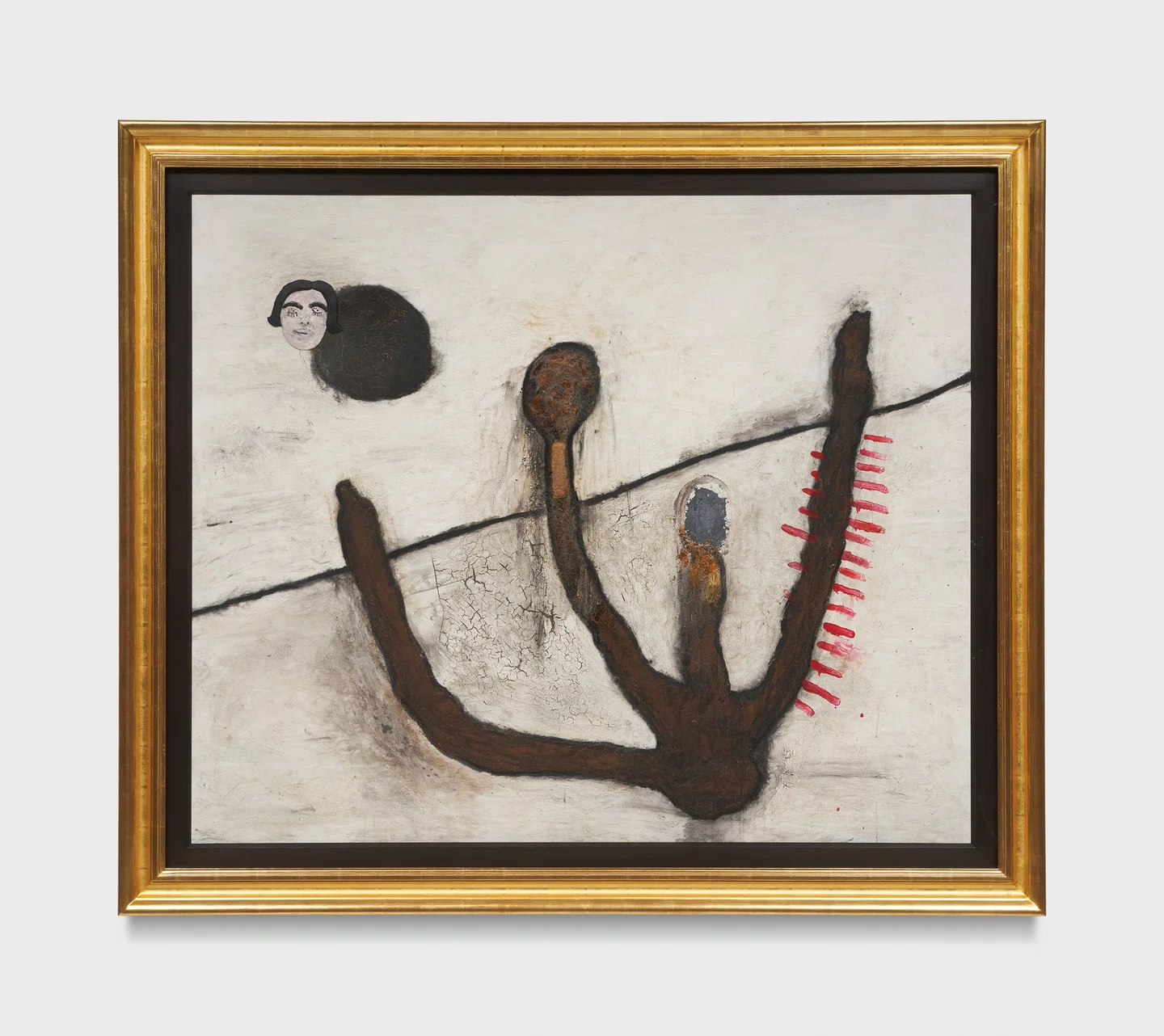
Art: paintings, objects and spaces
Look closely at a mixed-media work, then follow sculpture, factory photographs and exhibitions that brought the visual practice into view.
Enter the Art guide →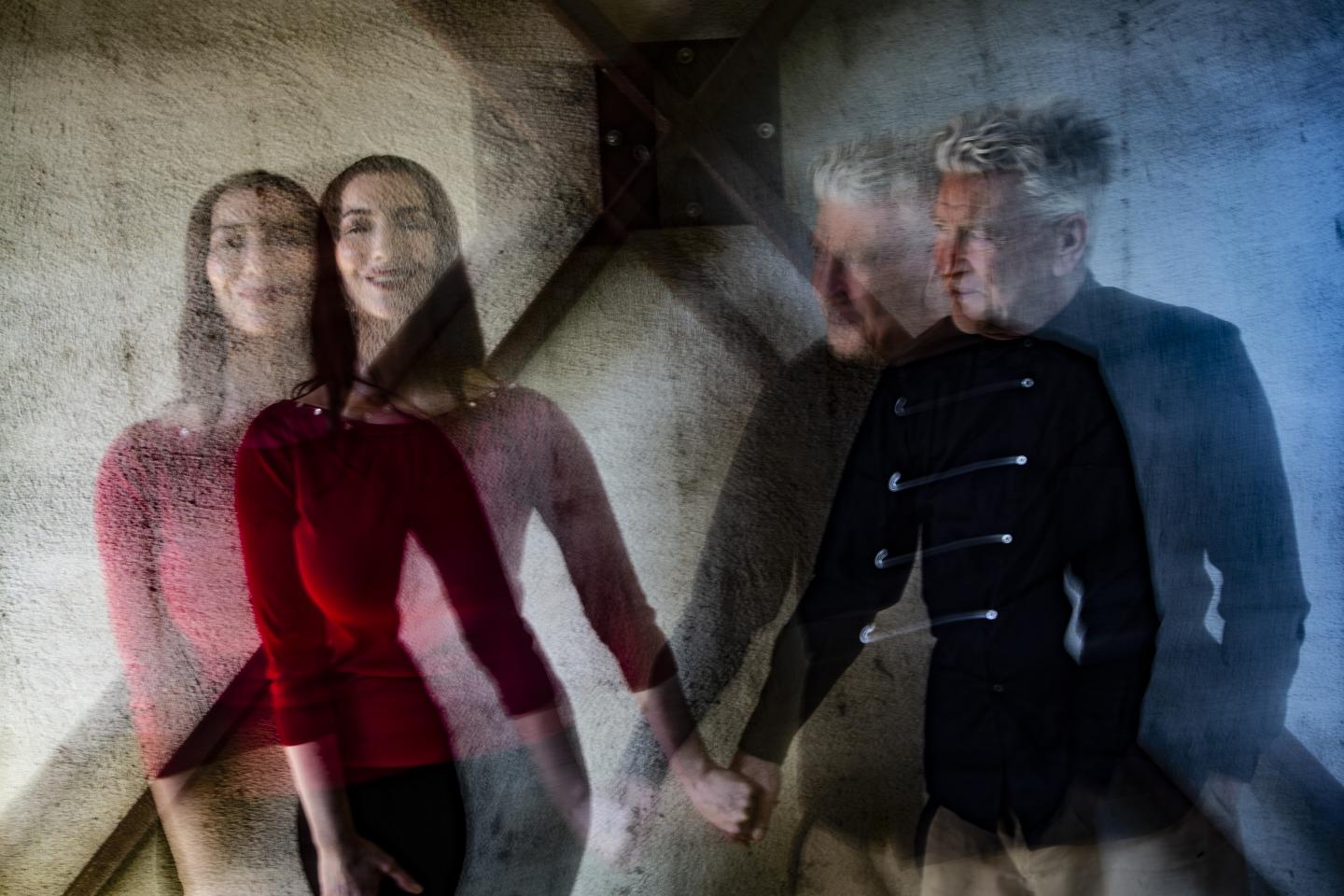
Music: records and collaborators
Explore Julee Cruise, Angelo Badalamenti, solo records and Chrystabell, with a choice of listening routes and edition histories.
Enter the Music guide →An archive built in successive passes
Lyncharium grows through close reading, production research and new archival discoveries. Each dossier brings its sources into a clear account of the work, with links that let you follow the research further.
Our editorial approach combines production history, close analysis and traceable sources. Read the work, follow the people who made it, and explore the objects through which it continues to circulate.
A new source should update the relevant dossier and its investigation first, then the broader route here.
Explore further
Follow the sources below, explore the museum collection, or continue through the Reading Room. New archival discoveries and contributions enrich the record of Lynch’s work.
The archive is growing
Recently added and expanded
Read the complete update history on its own page →
· Mulholland Drive adds fourteen dialogue studies connecting telephone voices, casting instructions, the changing audition, Club Silencio and Diane’s returning phrases. A music and sound-credit guide identifies eight recordings and the dialogue editing and mixing team.
· Mulholland Drive gains 45 illustrated scene studies across five chapters, from the two arrivals in Los Angeles to Club Silencio and the returning images of Diane’s world. Expandable comparisons examine the rehearsal and audition, limousine journeys and blue keys.
· Lost Highway adds fourteen dialogue studies and four song readings, following the repeated messages, disputed memories and shifting identities. The expansion includes sound-team credits checked on screen, further Foley testimony and the publication history of Tim Lucas’s separately released commentary.
· Lost Highway gains 36 illustrated scene studies, from the Madison house to the final drive, plus a comparison of the changing photograph.
· Wild at Heart gains fourteen dialogue and song studies, following the lovers’ promises, the radio, Lula’s encounters and the final serenade. Sound collaborators and further music credits have been checked against the film’s closing roll.
· Wild at Heart now has 32 illustrated scene studies, from the opening fire to Sailor and Lula’s reunion. Explore four chapters, enlarge the stills, and follow links into the existing adaptation, performance and production research.
· Blue Velvet: words that change what we see adds ten studies of overhearing, warnings, secrecy, returning songs and the police-radio finale. A new closing-credit guide identifies song performers and the dialogue, sound and music team. All 29 illustrated scene studies remain available.
· Blue Velvet now has 29 illustrated scene studies, from the opening roses to Dorothy’s reunion with her child. Enlarge the stills, follow four chapters, and connect each study to the existing production research.
· Dune: voices that shape a world adds eight studies of narration, the Voice, the fear litany, water and naming in the extended version. The sound-design research now follows the construction of the worms and the differences between release formats.
· Dune expands with 27 illustrated scene studies of the extended version, 46 selected stills and three close-look galleries: the Guild Navigator, pain box and sandworm riding.
· Unmade & Unfinished Projects and Lynch as an Actor now have illustrated research dossiers: development documents, collaborator testimony, project and role guides, source notes and further reading.
· Photography and The Angriest Dog in the World now have illustrated dossiers, image studies, exhibition and publication histories, collaborator credits and further reading.
· Online Works and Industrial Symphony No. 1 now have illustrated dossiers, platform and performance histories, contemporary source studies and further reading.
· Commercials and Music Videos now have separate illustrated research dossiers, campaign and collaboration studies, credit checks and source guides.
· On the Air and Hotel Room now have separate illustrated dossiers, story guides, production research and source guides. Explore the Television index.
· Furniture Design joins the archive as a Research dossier: six credited photographs, object studies, a Casanostra model comparison, Silencio and the Thinking Rooms. Seven investigations retain production, chronology, physical inspection and documentation gaps.
· The collection expands across film, television, art and music.
- Reading Room: selected annotated bookshelf, archive routes, worked evidence examples and a reusable research notebook.
- Museum: thirty-five expanded object records, illustrated edition comparisons and LaserDisc packaging evidence.
- Art, Music and Short films: expanded studies, credited imagery and work-specific investigations.
- Twin Peaks: a shared hub and individual treatments of Season 1, Season 2, Fire Walk with Me and The Return.
- All ten feature films now have substantial dossiers, extending the archive established by Eraserhead.
Earlier milestone · 15 October 2026
The first collection of illustrated film guides, Twin Peaks, short films, Art and Music opened alongside the expanded Eraserhead dossier.
Help improve the record
Corrections and source contributions
Spotted an error, a broken source link or an edition worth investigating? Email lyncharium@rareprintsandposters.com.
Include the page URL and passage or record number, the proposed correction, and the source or edition with a useful locator. A public archive link or citation is an excellent starting point; send only material you are entitled to share.
We welcome discoveries, informed corrections and new perspectives. Substantive updates are recorded with their supporting sources so the archive continues to grow in depth and precision.
About Lyncharium and our sister sites
Lyncharium is an independent David Lynch archive and digital museum: films, television, visual art, sound and the material culture around the work. We bring production history, criticism and collecting together in one place.
Lyncharium, Rare Prints and Posters and Rare VHS and LaserDiscs are sister sites. Discover the history and design of the objects here, then visit our shops to add a piece of Lynch’s cinema to your collection.
For archive enquiries, contributions or image-credit questions, email lyncharium@rareprintsandposters.com.
Follow the official @lyncharium Instagram account ↗. TikTok and X are coming soon.
Sources and further reading
Book entries link to their publishers and editions. Interviews, institutional catalogues and scholarly sources appear alongside the subjects they illuminate.
Research reviewed 16 October 2026. Publisher and institutional pages were checked through public retrieval; restricted direct responses from BAFTA, Bloomsbury and the Academy library were supplemented by readable web retrieval. Stanford’s current collection overview was available, while its printable guide returned an empty response; the earlier dated extraction is retained.
Book covers and artwork are credited to their publishers, artists and collections.