Films
Features, short films and Twin Peaks. Choose a route into the archive.
Open a research guide
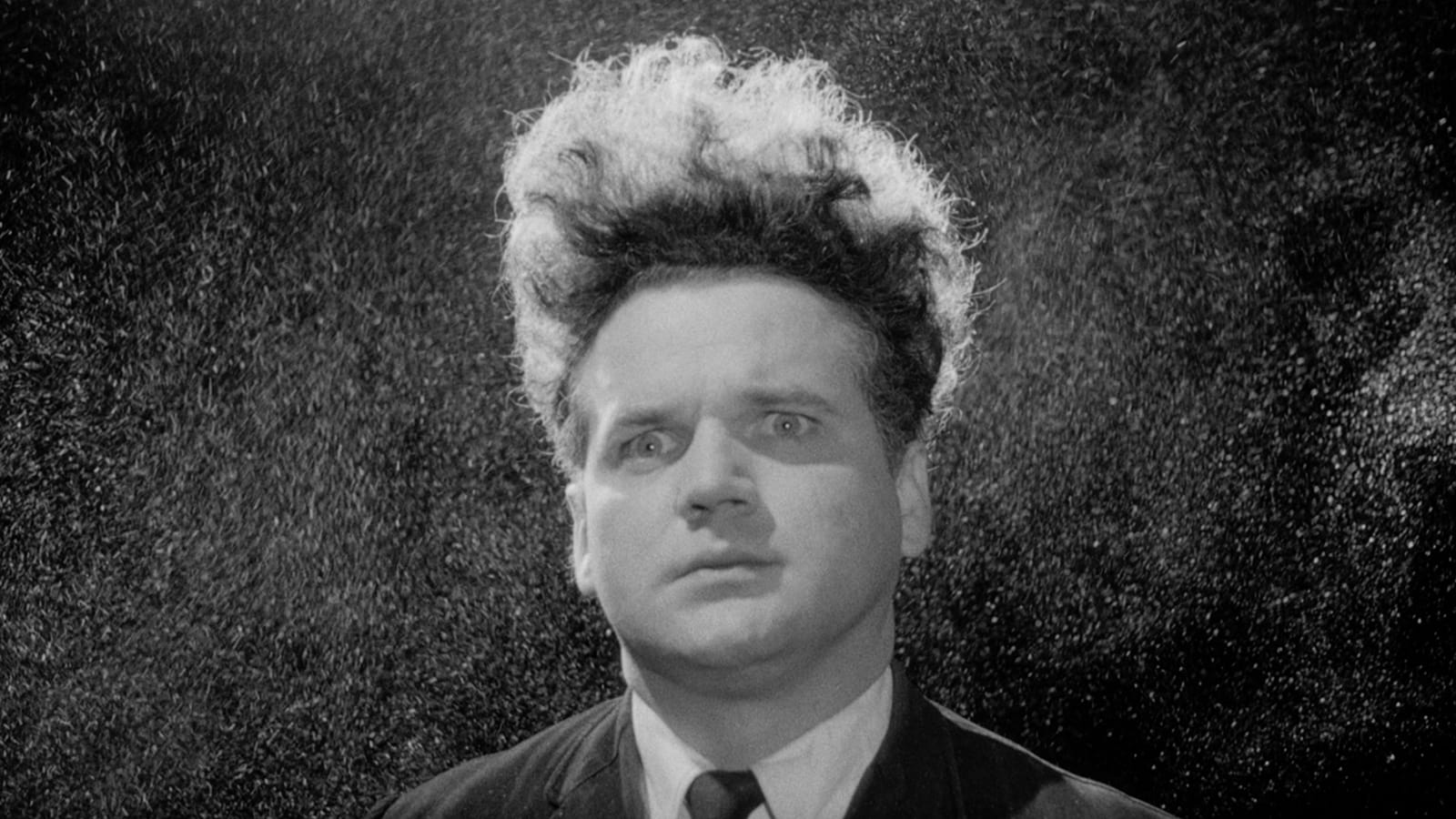
1977 / Research dossier
Eraserhead
How a small production built an industrial world: collaborators, sound, photographic evidence, editions and unresolved archival questions.
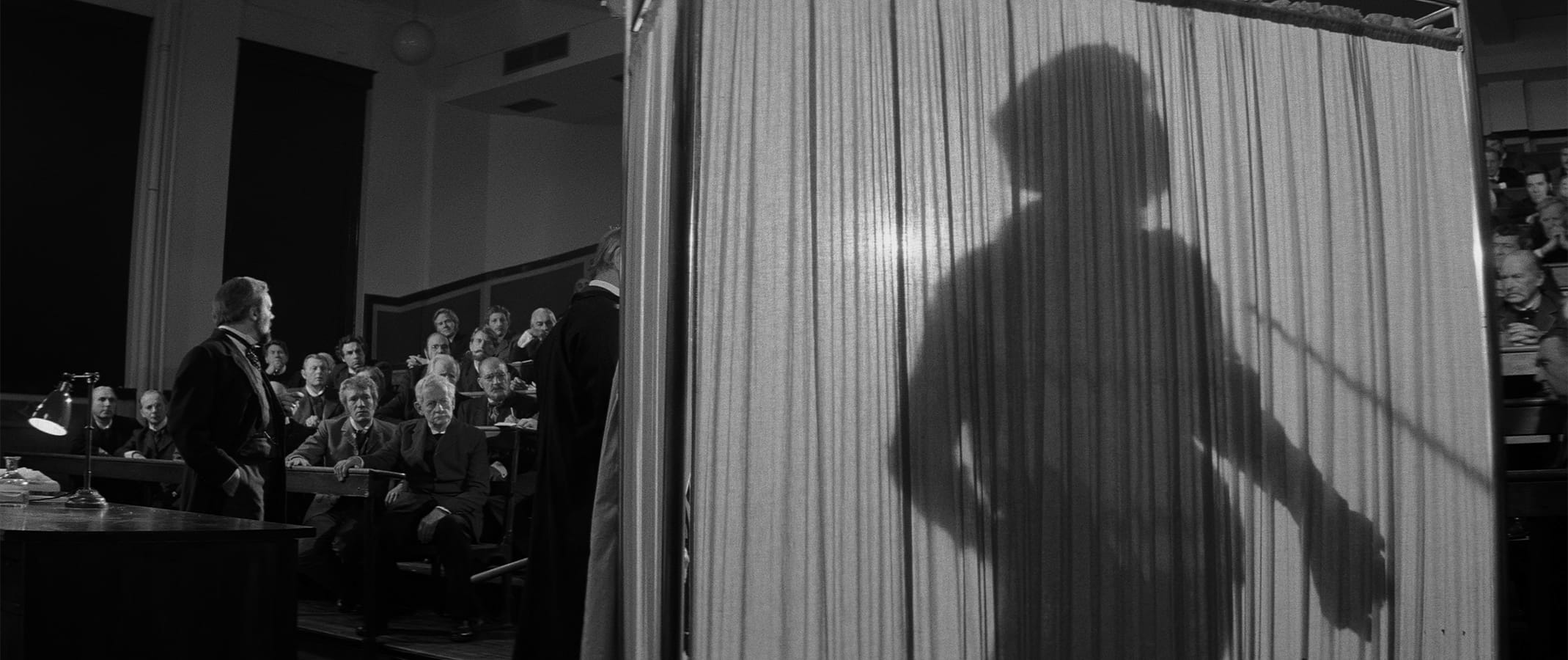
1980 / Research guide
The Elephant Man
Separate historical biography from dramatic construction, then explore performance, craft and the changing act of looking.
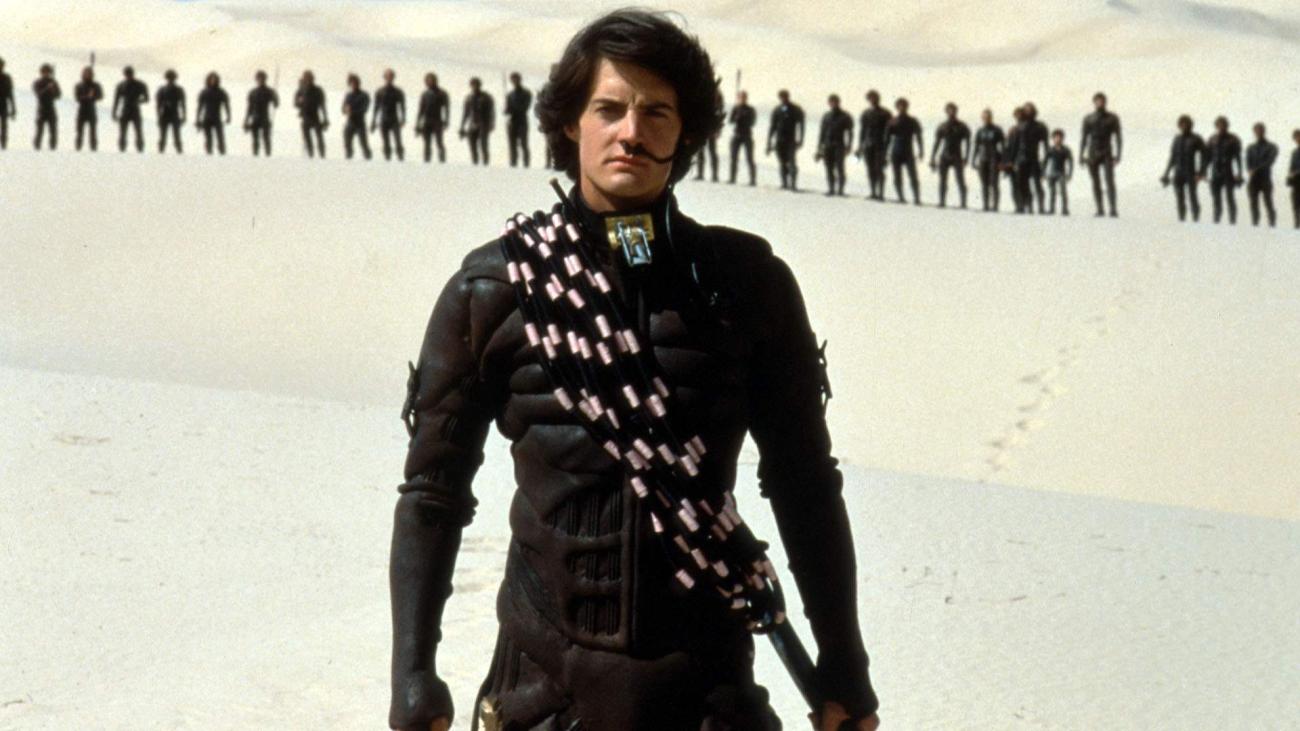
1984 / Research guide
Dune
An empire made tangible: photography, performance, adaptation, editorial control and the film’s visual afterlife.
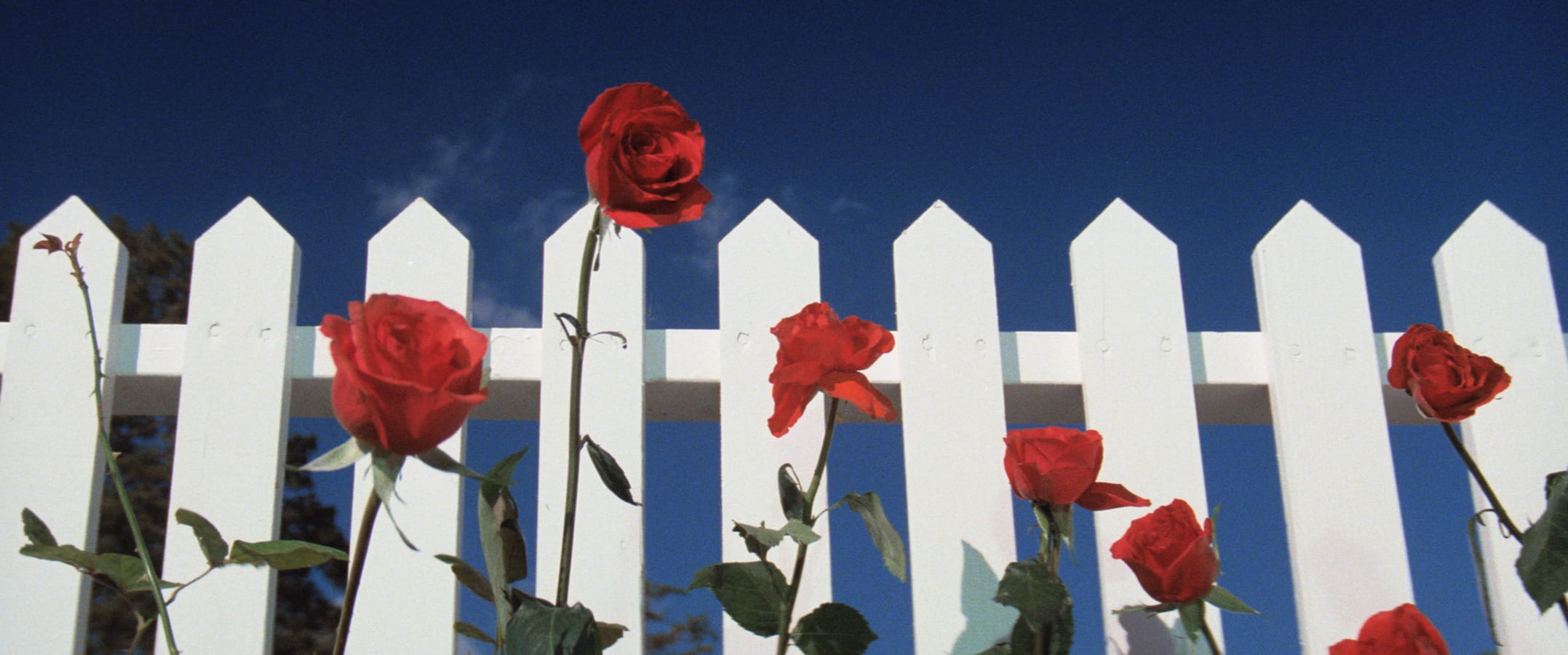
1986 / Research guide
Blue Velvet
How color, lighting and music construct a familiar neighborhood—and why the viewer’s curiosity matters.
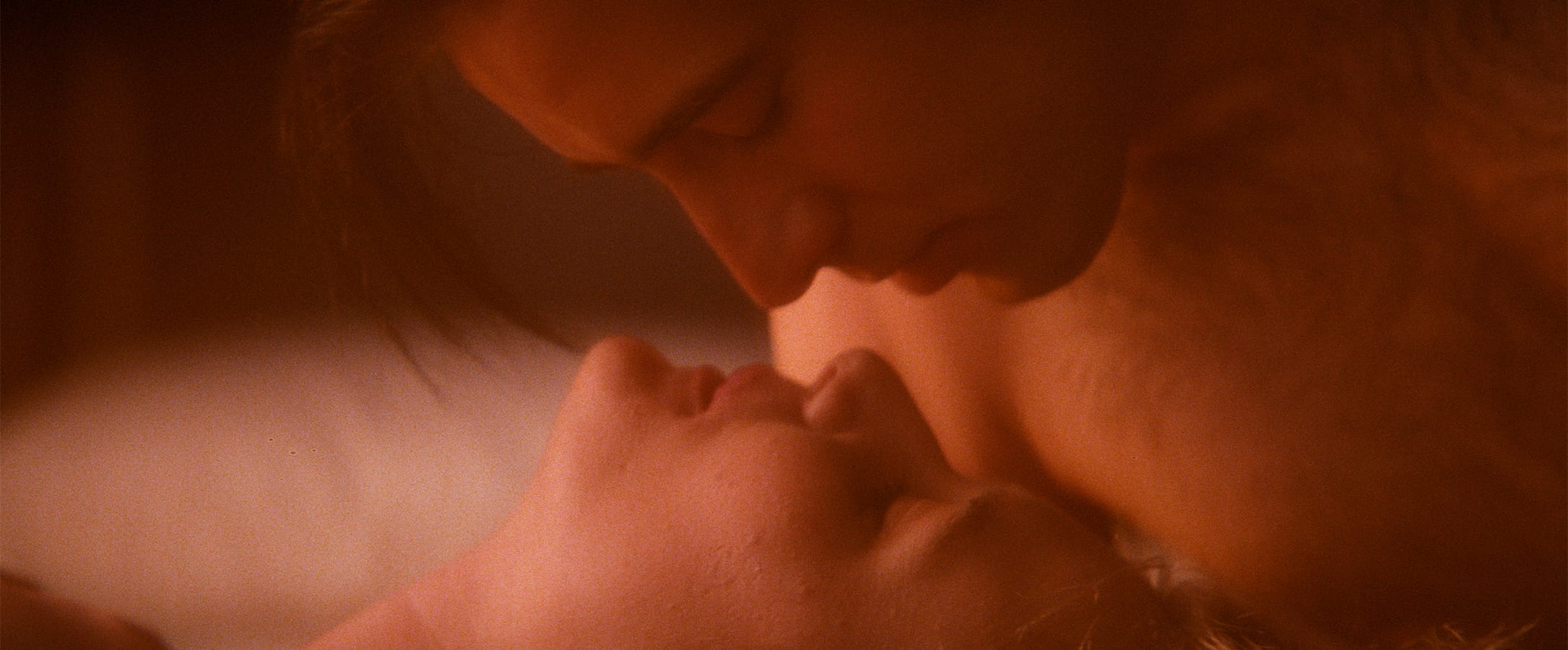
1990 / Research guide
Wild at Heart
Sailor and Lula against the world: romance, adaptation, American iconography and the film’s changing editions.
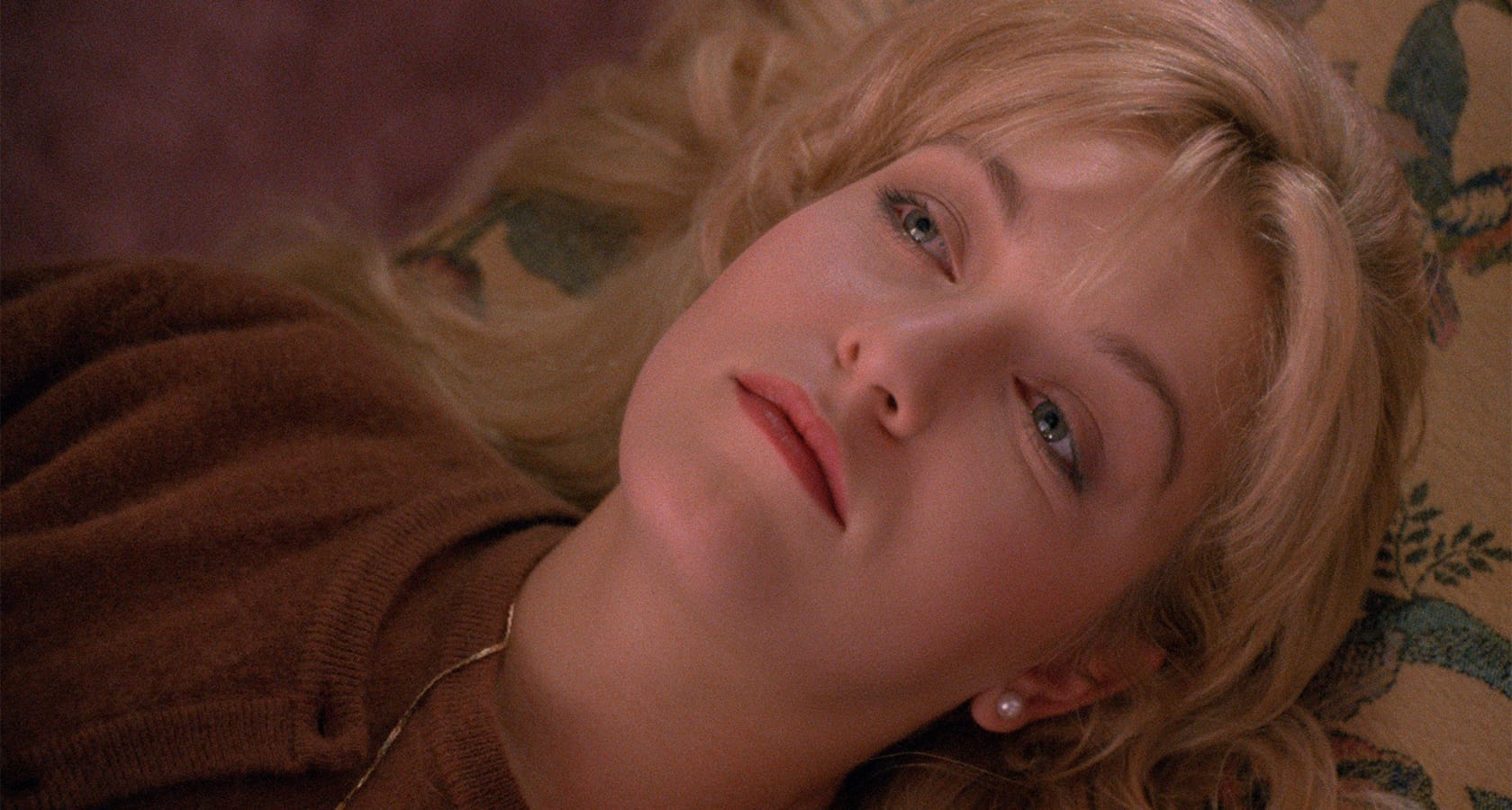
1992 / Research guide
Twin Peaks: Fire Walk with Me
Laura Palmer at the center: performance, image and sound, the television connection and The Missing Pieces.
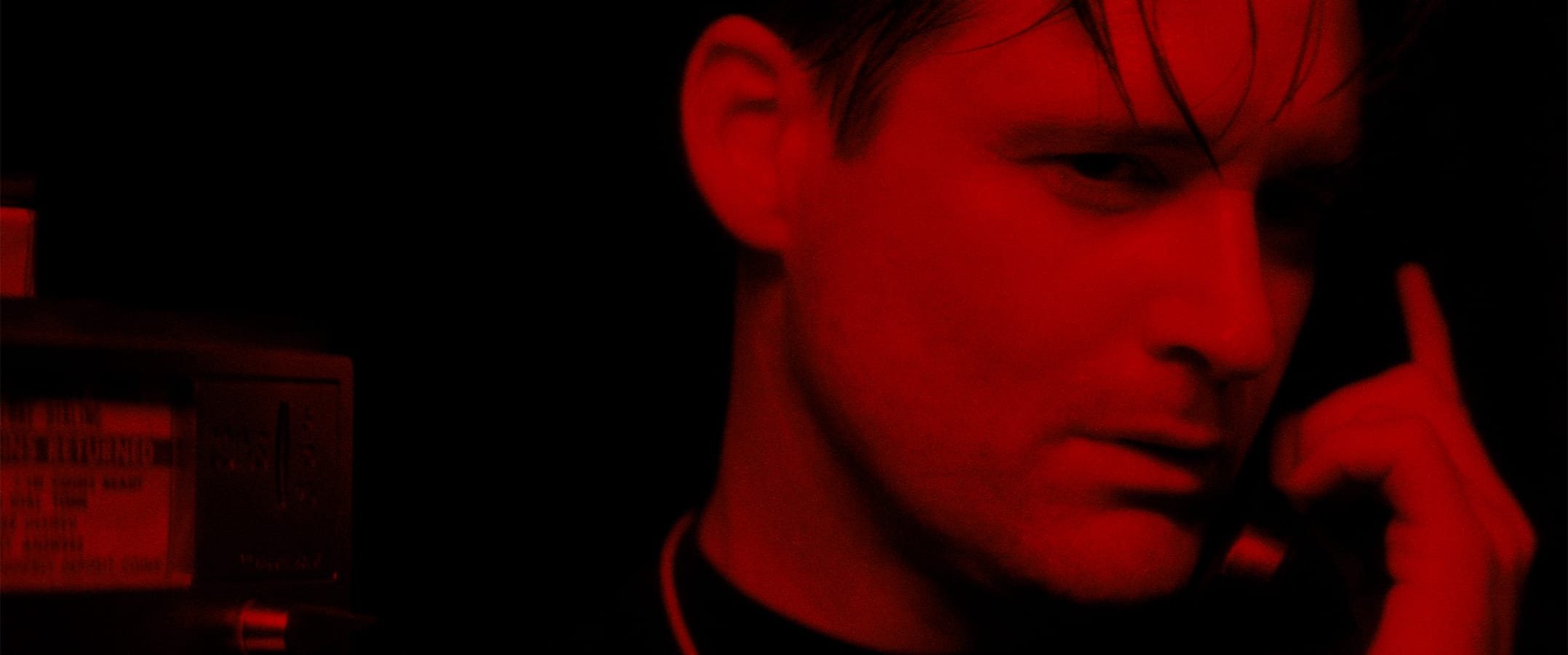
1997 / Research guide
Lost Highway
Rooms that withhold information, identities under pressure, and the craft of image and sound.
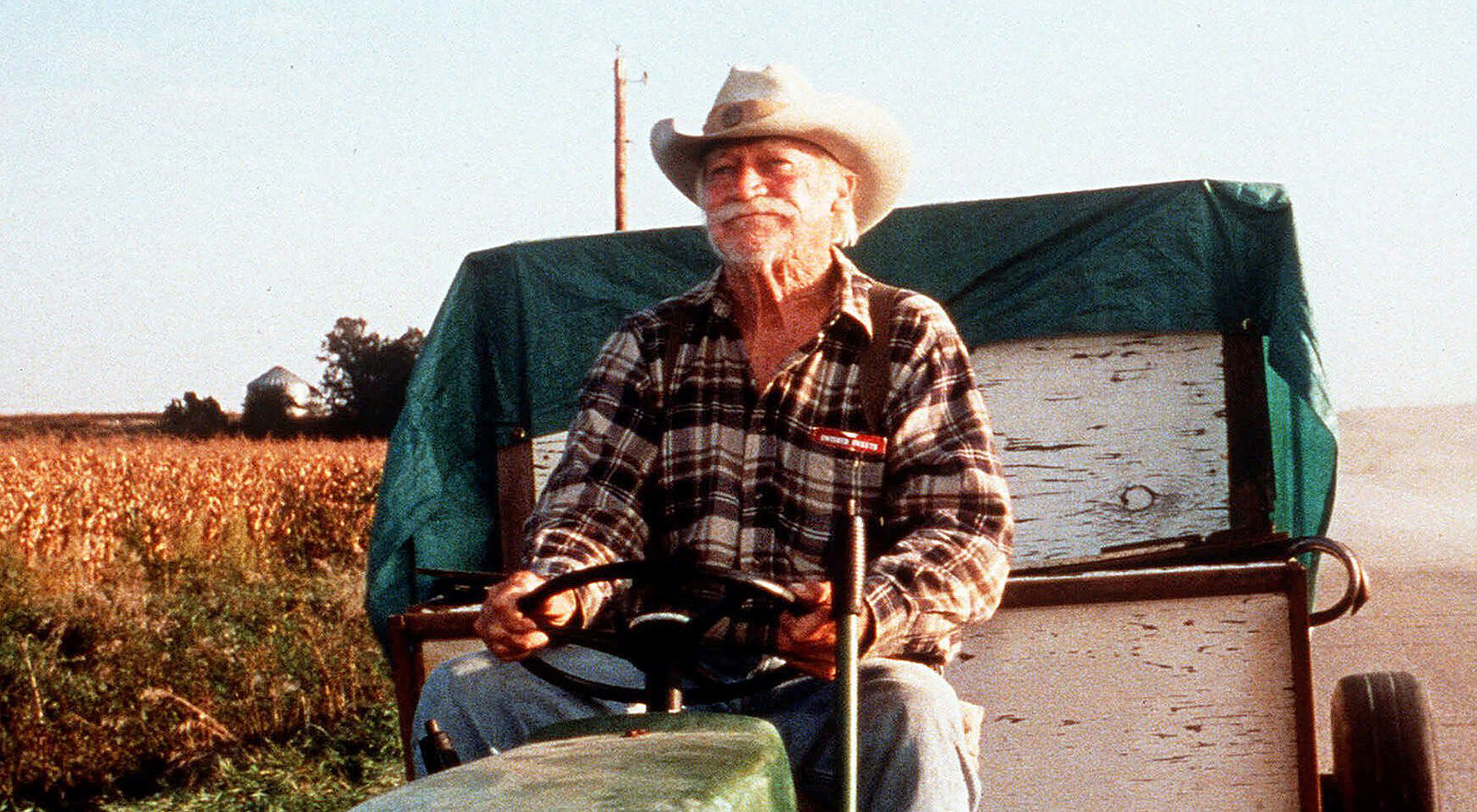
1999 / Research guide
The Straight Story
Alvin’s journey toward reconciliation: faces, landscape, patient filmmaking and the distance between fact and fiction.
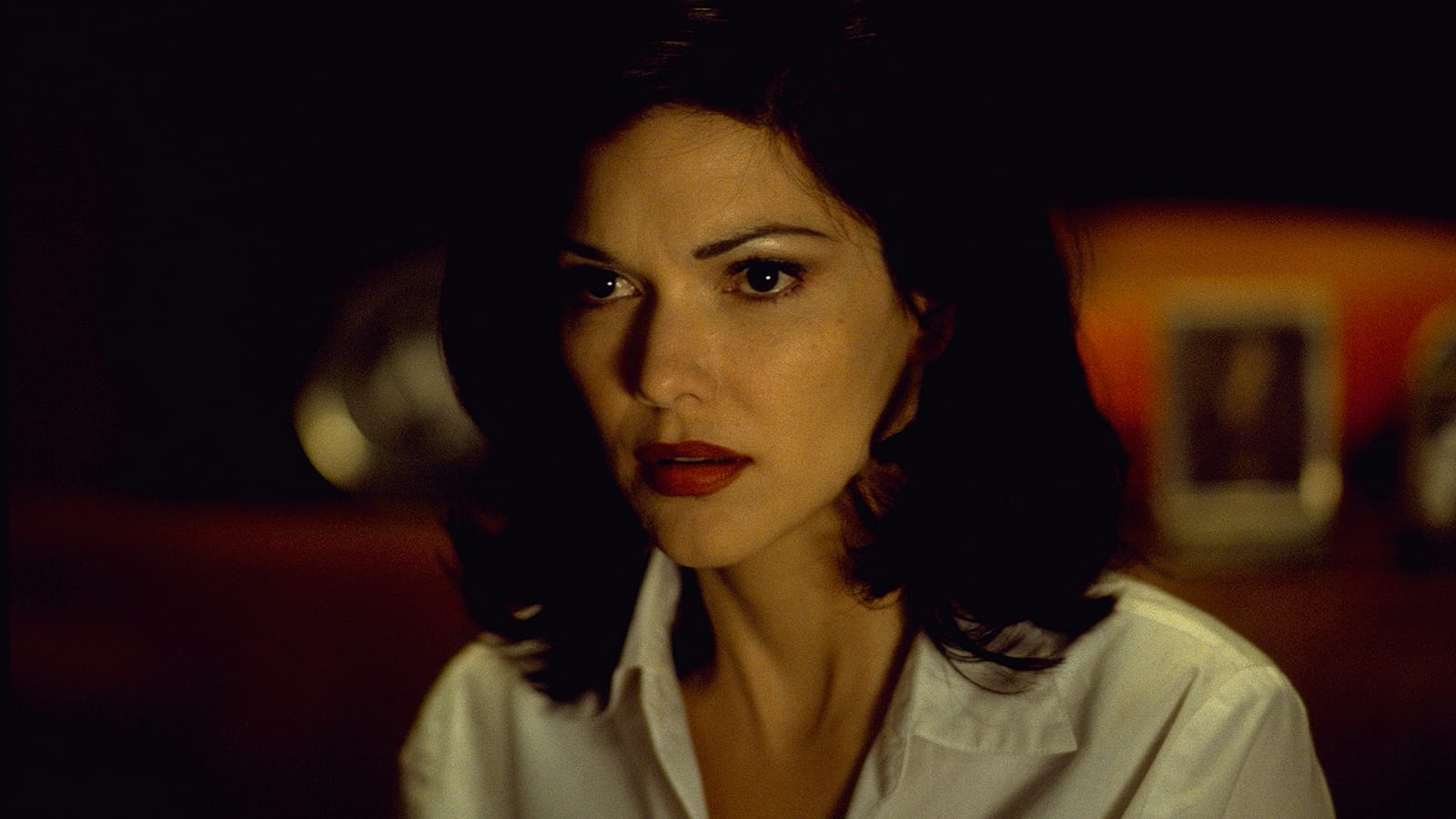
2001 / Research guide
Mulholland Drive
From television beginnings to a feature about identity and desire, with participant testimony and distinct critical readings.
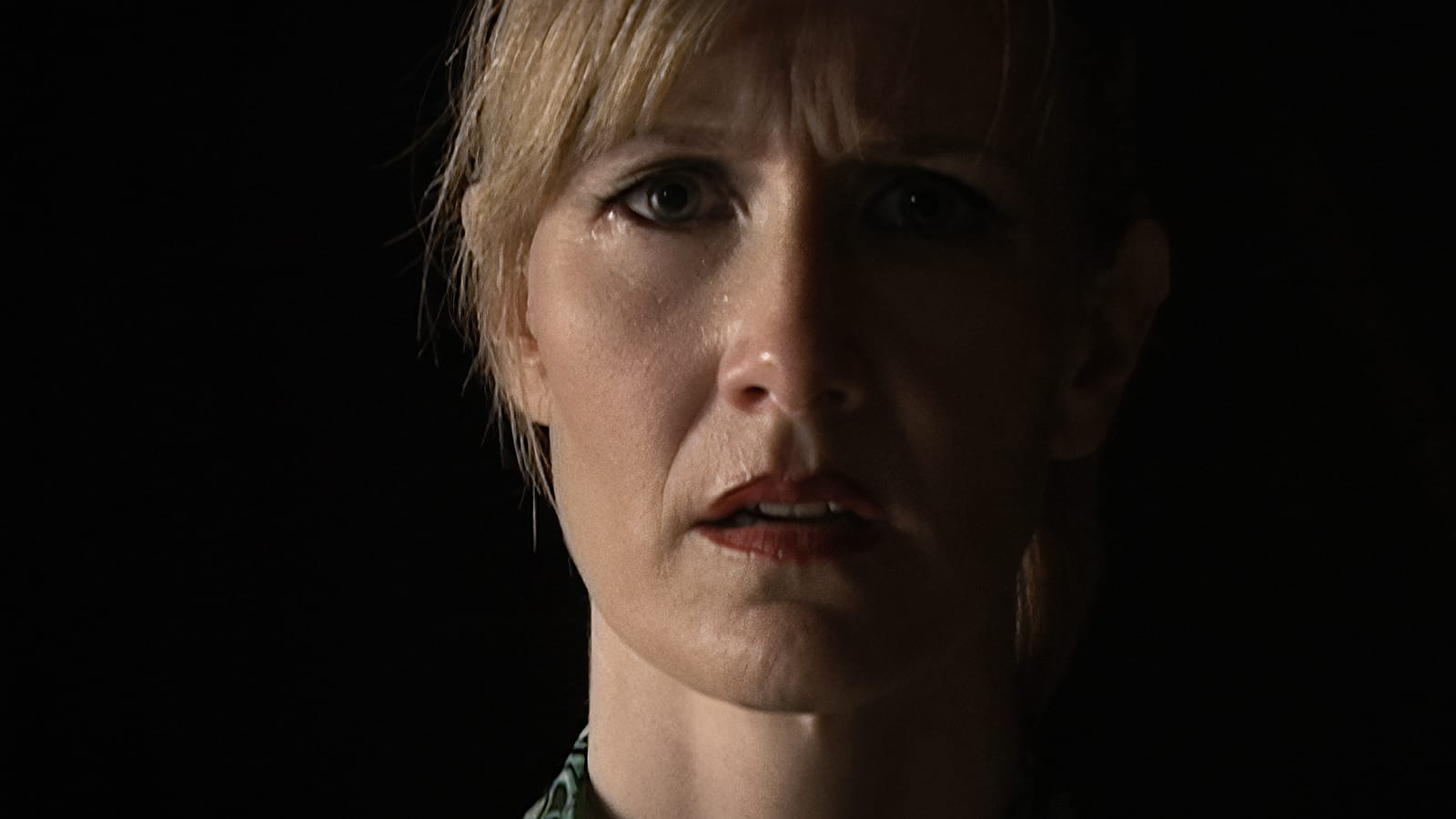
2006 / Research guide
Inland Empire
Laura Dern, a film taking shape and the texture of digital images: performance, sound, restoration and competing ways of watching.
Twin Peaks: a world of its own
Four substantial dossiers cover Season 1, Season 2, Fire Walk with Me and The Return. Begin with the shared guide for viewing order and connections across the work.
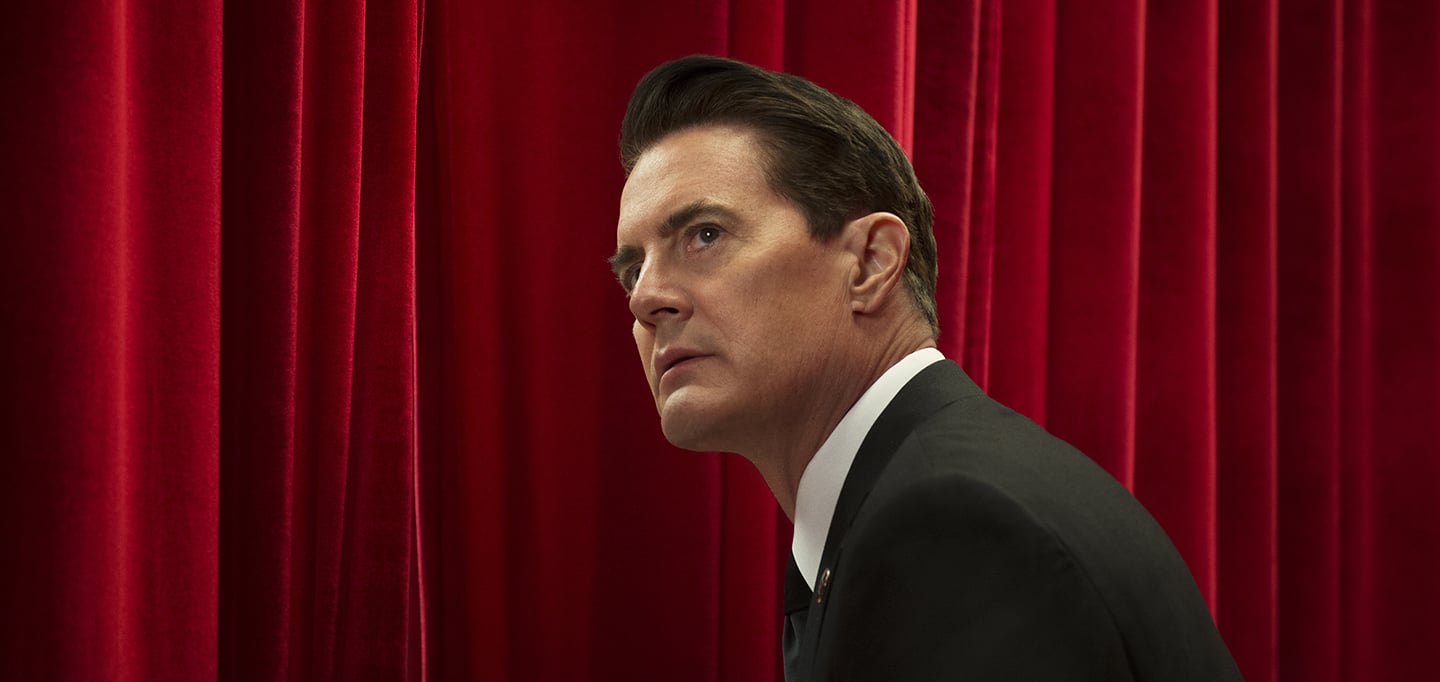
1990–1991 & 2017 / Television research guide
Twin Peaks
Enter the town, follow Lynch and Frost’s collaboration, and explore Laura Palmer’s image, music, photography and the changing meaning of a return.
Short films: another scale of invention
Moving paintings, imagined families and experiments made for the web have a guide of their own.
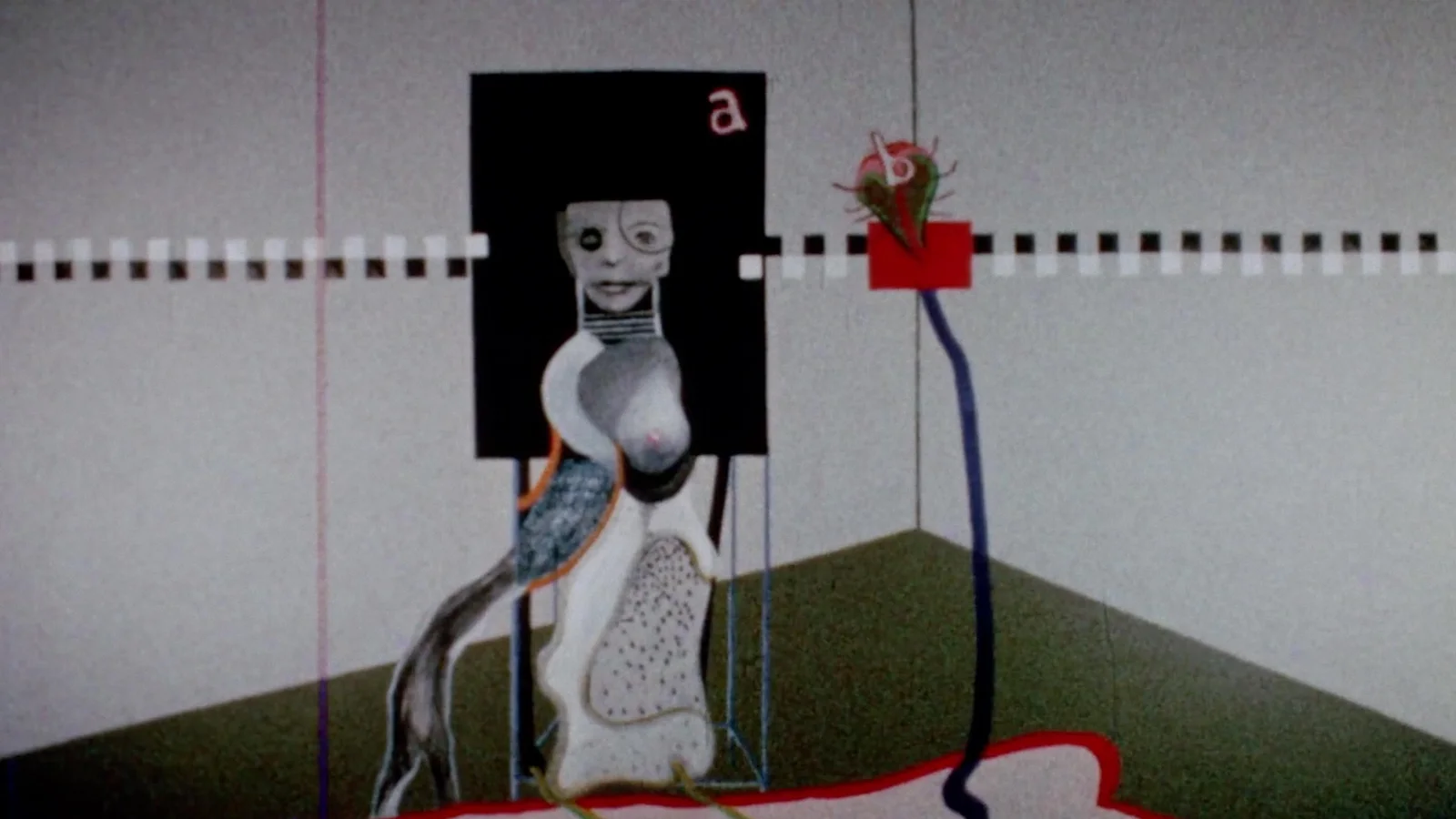
Selected short films, installation and web series
Short Films
From the early moving paintings to Rabbits, What Did Jack Do? and Fire: twelve selected works and series, authentic images, production histories and viewing routes.
Unmade projects and screen performances
Explore the work beyond the ten directed features: surviving development materials and Lynch’s performances for himself and other filmmakers.
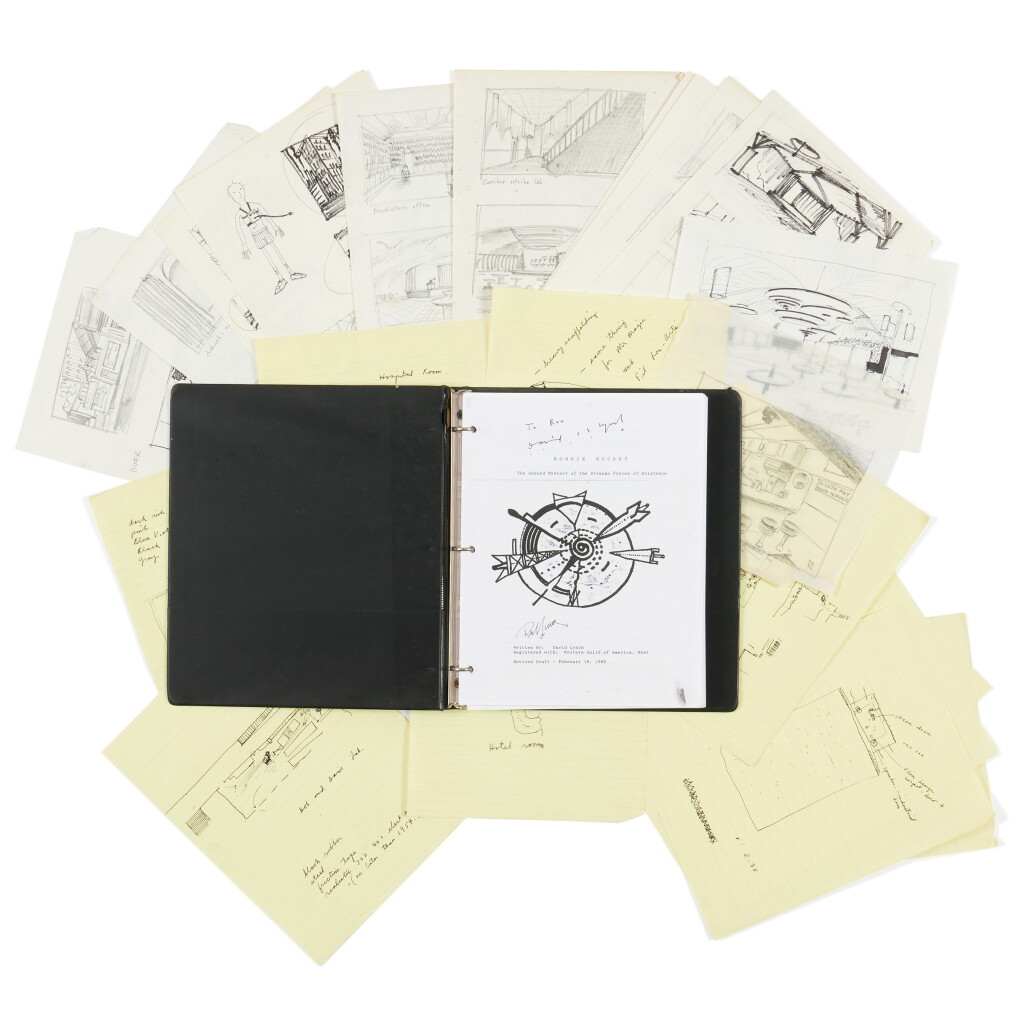
Unmade & Unfinished Projects ↗
Open the surviving documents and follow the films that never reached the screen.
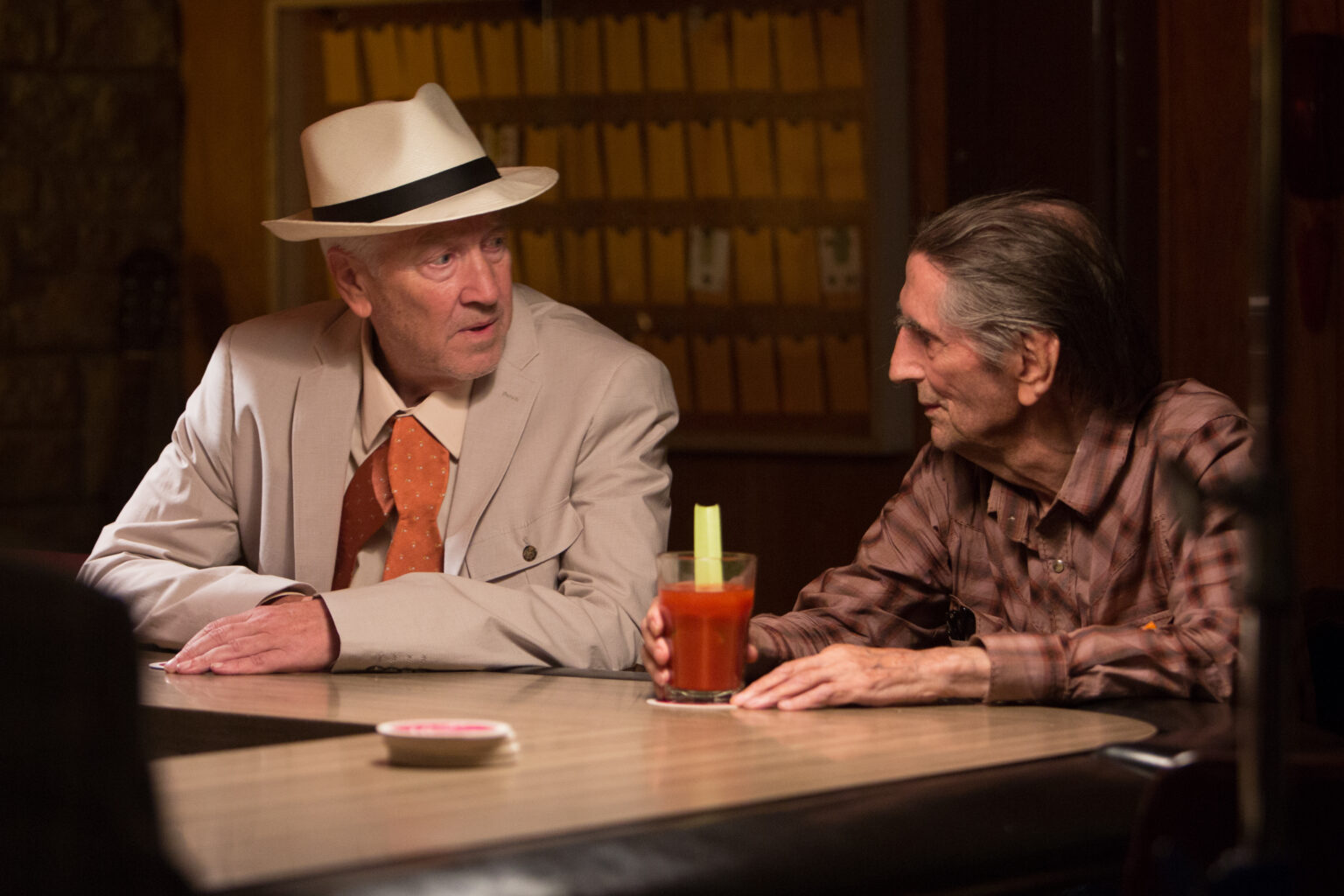
Lynch as an Actor ↗
From Gordon Cole to Howard and John Ford: follow Lynch onto the other side of the camera.
The ten feature films
This chronology covers Lynch’s ten directed feature films. Short films and television have separate guides. The Music guide follows recordings and collaborations; documentary testimony is identified within the relevant dossiers. Every film below opens its own Lyncharium research guide, with sources and routes into the wider archive.
- Eraserhead →Research dossier. Production, sound, photographs and archival questions.
- The Elephant Man →Research guide. Historical identity, performance and the ethics of looking.
- Dune →Research guide. Photography, adaptation, performance and editorial control.
- Blue Velvet →Research guide. The construction of color, darkness, music and unease.
- Wild at Heart →Research guide. Sailor and Lula, adaptation, sound, Cannes and changing editions.
- Twin Peaks: Fire Walk with Me →Research guide. Laura Palmer, performance, image and sound, The Missing Pieces and reception.
- Lost Highway →Research guide. Darkness, performance, sound and unstable identities.
- The Straight Story →Research guide. Alvin’s journey, performance, photography, landscape and historical evidence.
- Mulholland Drive →Research guide. Television origins, camera, performance and interpretation.
- Inland Empire →Research guide. Laura Dern, digital images, sound, production and restoration.
Follow a subject across the films
Building an atmosphere
Begin with Eraserhead’s sound research, then move to Blue Velvet’s musical collaboration. Continue with Lost Highway’s listening route. Compare what each source can tell us about making a world audible.
People, spectators and performance
Move from The Elephant Man’s acts of looking to Fire Walk with Me’s return to Laura and Mulholland Drive’s performance and identity. These are editorial connections, not claims that the films share one explanation.
Journeys and encounters
Start with Sailor and Lula’s bond, then follow the change from novel to film. Continue to Lost Highway for another Lynch–Gifford collaboration, with a different approach to desire and identity. The Straight Story gives distance a different purpose: reaching another person.
Objects beyond the screening
The museum distinguishes theatrical publicity, later artist editions and home-video formats. Explore Dune and Lost Highway through their surviving public images.
Film, video and the face
Compare Freddie Francis’s approach to faces with Inland Empire’s digital close-ups. Then follow the path from DV to restoration to ask how a new presentation preserves an unusual image.
Learn how the archive works
The reading room explains citations, editions, interpretation and open questions, with practical starting points for a first visit.
Another doorway
Continue exploring
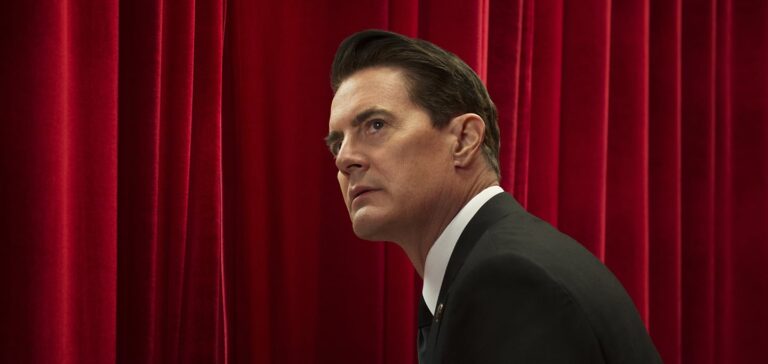
Television
Twin Peaks
Explore Twin Peaks: viewing order, Lynch and Frost, Laura Palmer, music, photography, The Return, pilot versions and companion books.
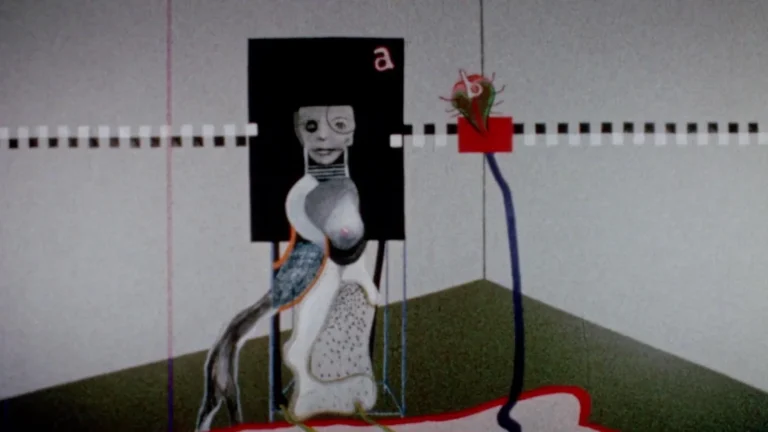
Short films
Short Films
Explore David Lynch’s short films, from The Alphabet to Rabbits and Fire, with production histories, collaborators, sound studies and viewing guides.

Museum
Museum — The Objects Remain
Explore David Lynch posters, artist editions and LaserDiscs through 35 illustrated records, edition comparisons, object histories and documented research.
Image credits and sources accompany each linked guide.