Twin Peaks: Episode 20 — Checkmate
1991 · Season 2, Episode 13 · Directed by Todd Holland
Briggs returns from an unexplained absence. A police operation fails, Denise improvises a rescue, and two familiar rooms become dangerous again.
Season 2, Episode 13 / overall Episode 20. Contains episode spoilers; image galleries open on request.
Explore this episode
A memory the interview cannot contain
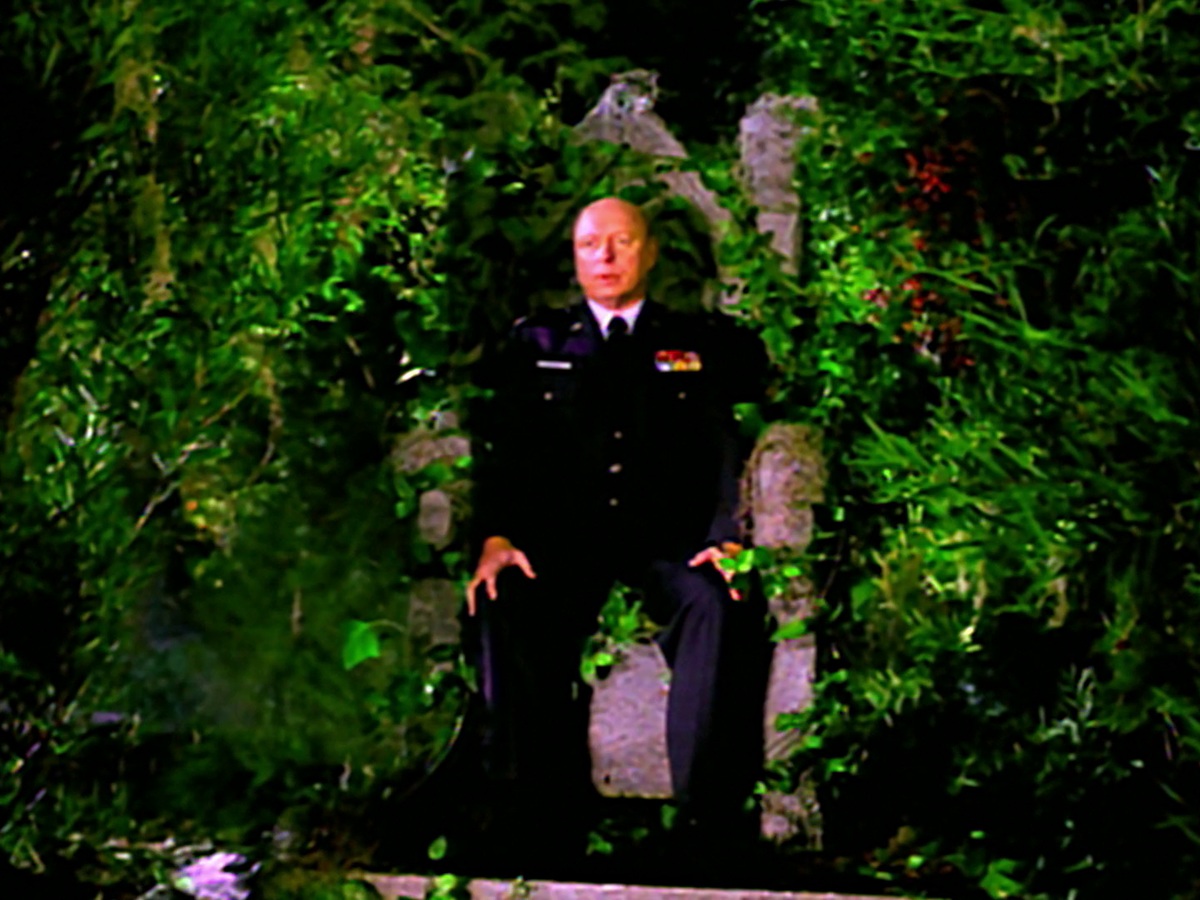
Briggs returns with the bearing of an officer and the uncertainty of a witness who cannot reconstruct his own experience. The investigation asks for a route through the missing time. What he can offer instead is a succession of sensations, images and gaps. The calm garden image, with Briggs seated among dense greenery, gives his absence an appearance without providing a map.
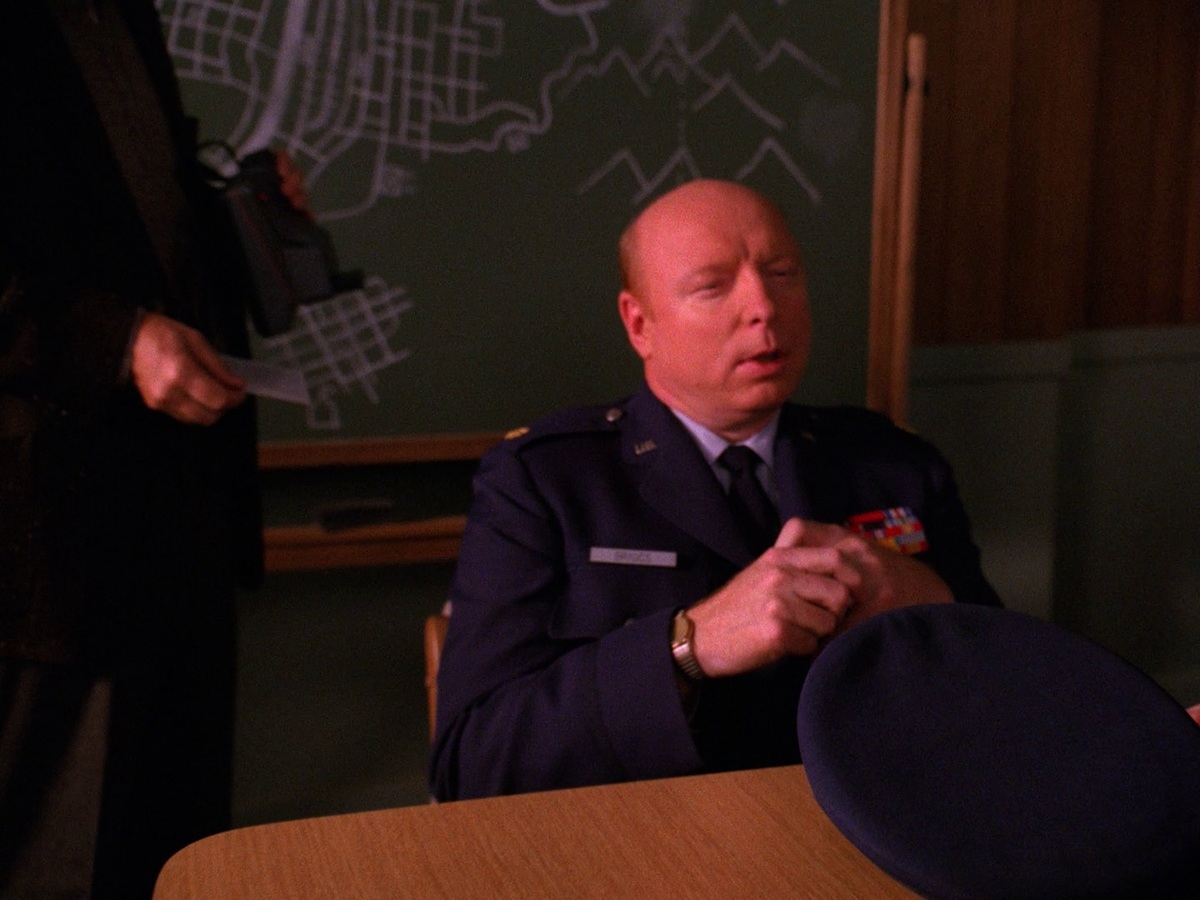
His concern about whether a soul can be destroyed changes the scale of the interview. Cooper and Truman are no longer simply establishing where a missing person has been. Briggs is trying to decide what kind of person has returned, and whether his professional obligations are adequate to what he has encountered.
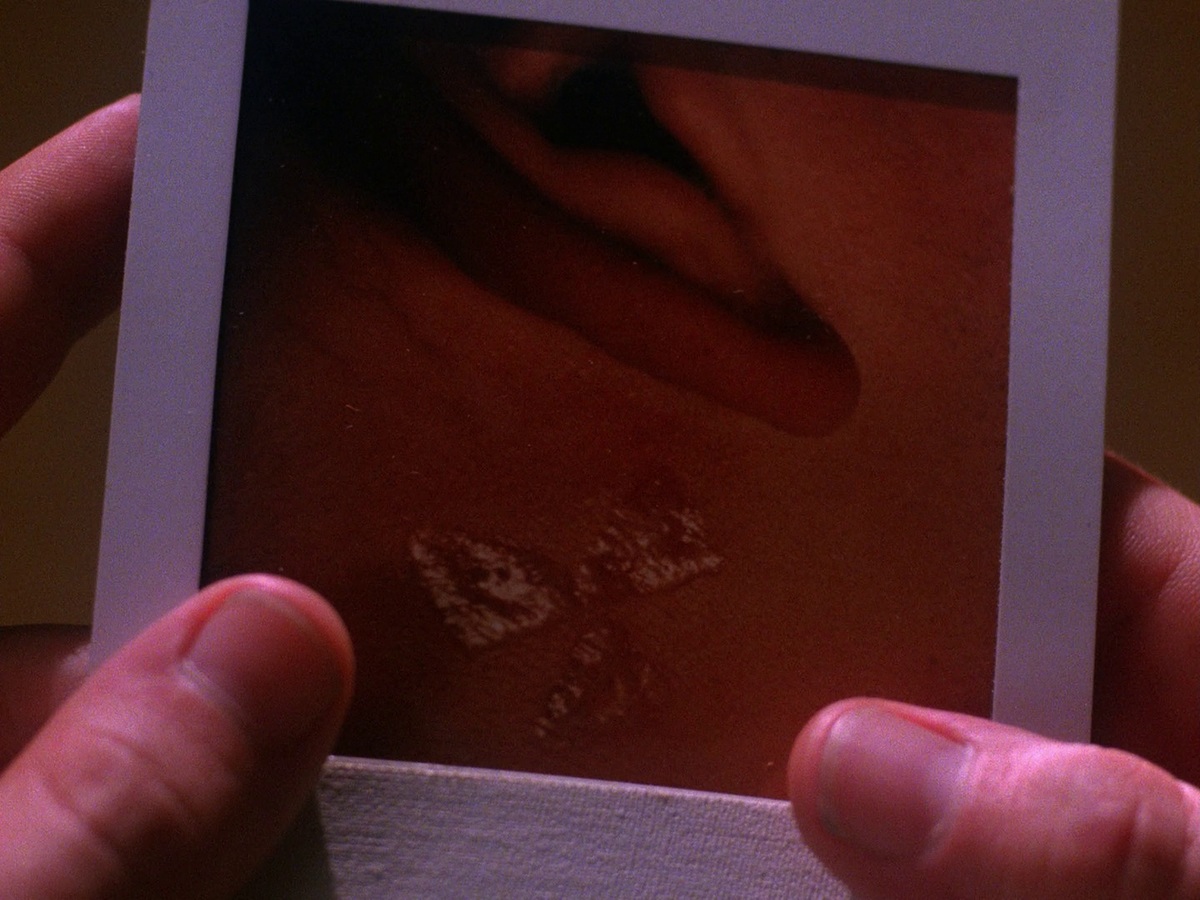
The three marks behind his ear make the inexplicable bodily and photographable. A picture can preserve the marks; it cannot by itself explain them. The episode places that limited piece of evidence beside a remembered owl and an elusive place, allowing several kinds of knowledge to coexist without making them equivalent.
Briggs describes a continuing search for the White Lodge behind an officially discontinued project. That is his account within the drama, not a historical claim about real military operations. The arrival of military personnel brings the interview under another authority just when he has begun to question secrecy itself.
Briggs: image, body, recollection · 3 images
The people left to do the caring
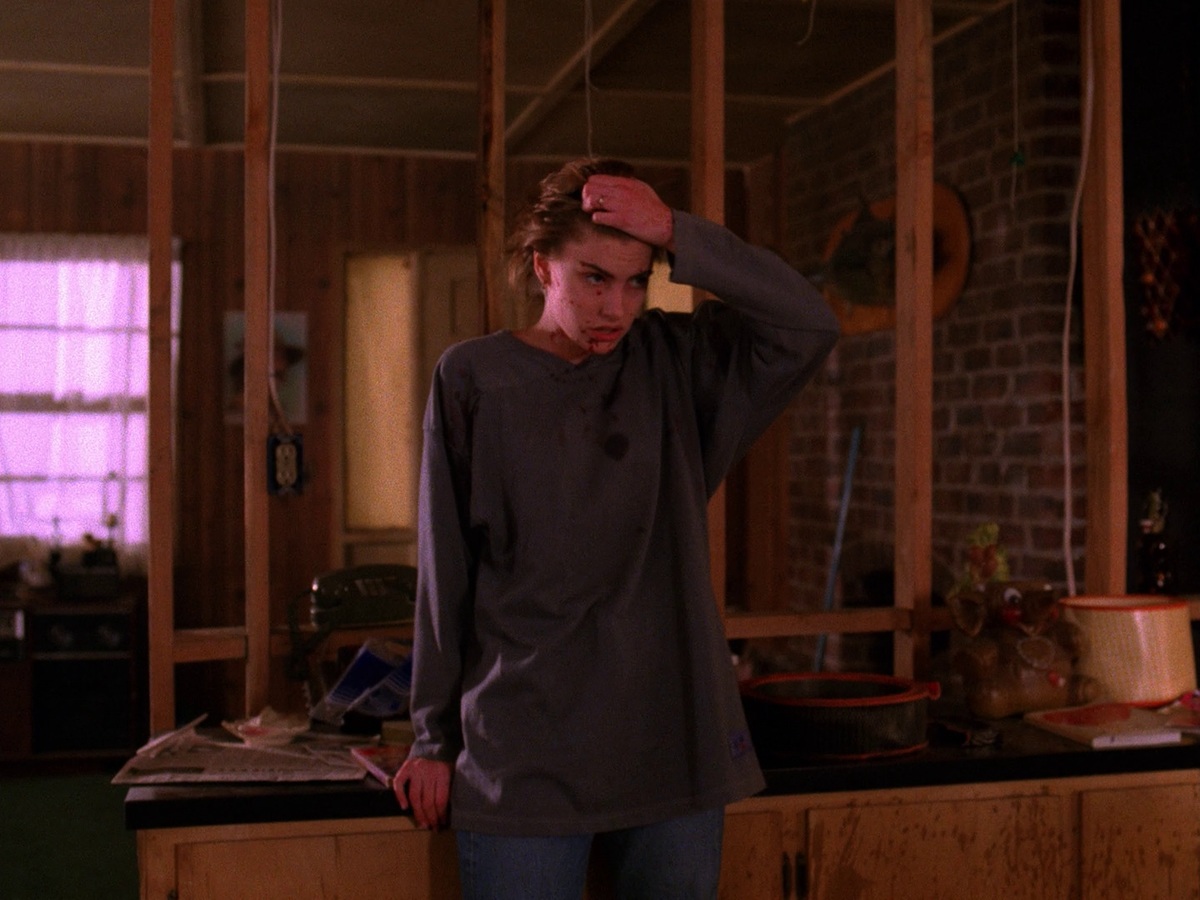
Bobby’s new association with Ben Horne changes the terms of his partnership with Shelly. He can leave for a world of ambition and money; she is expected to remain with Leo. His dismissal of her time turns care into something he can assign because he has decided her alternatives do not matter.
The unfinished house makes that imbalance visible. It is both a home and a continuing burden, with ordinary domestic routines carried out around a threatening history. The episode postpones Leo’s movement until its ending, but the earlier exchange has already shown how little safety Shelly can rely on.
Truman’s visit to Josie offers a related problem in another household. Her uniform and work place her visibly in service. He proposes taking her away, but she frames remaining as a way to keep him safe. The rescue he imagines is not one she believes she can simply accept. Both scenes ask who controls the circumstances under which care is offered.
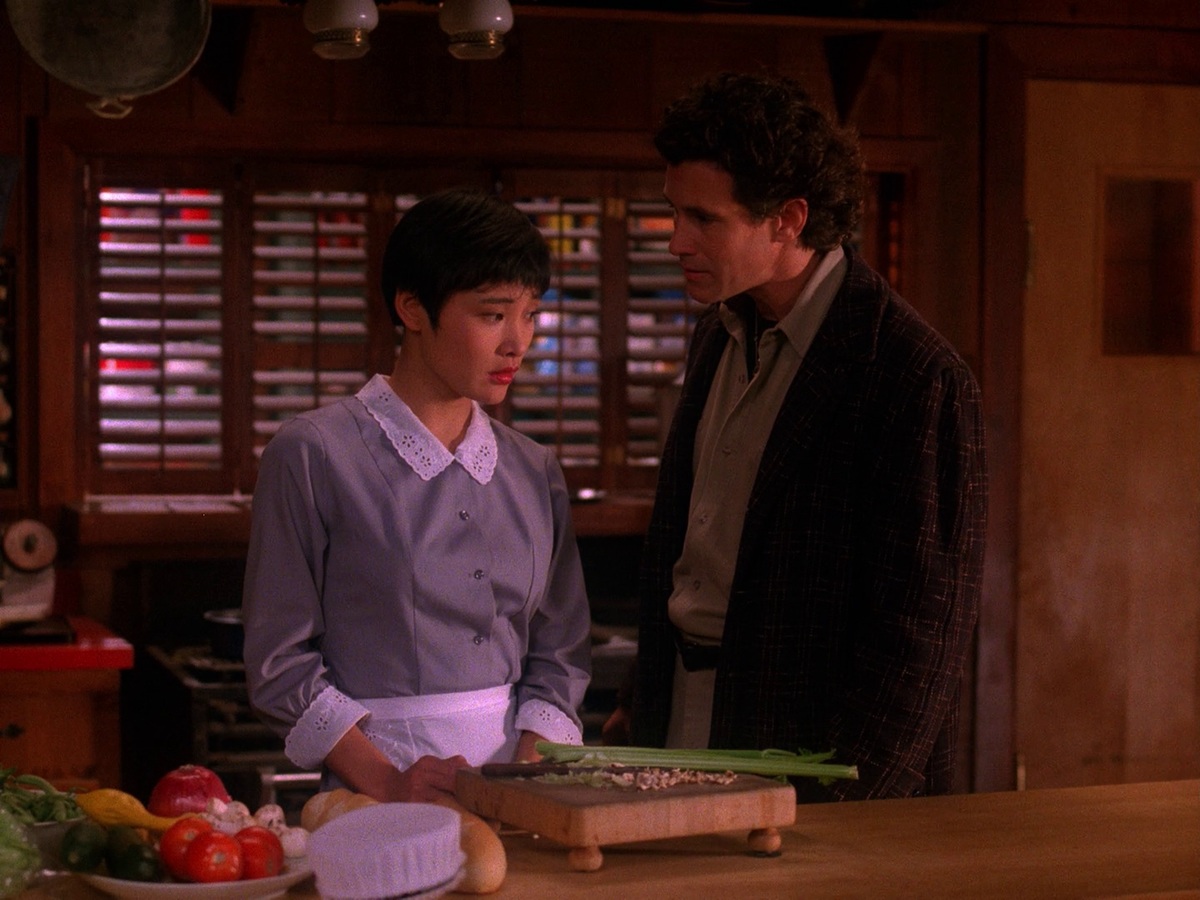
A lost business becomes a winnable war
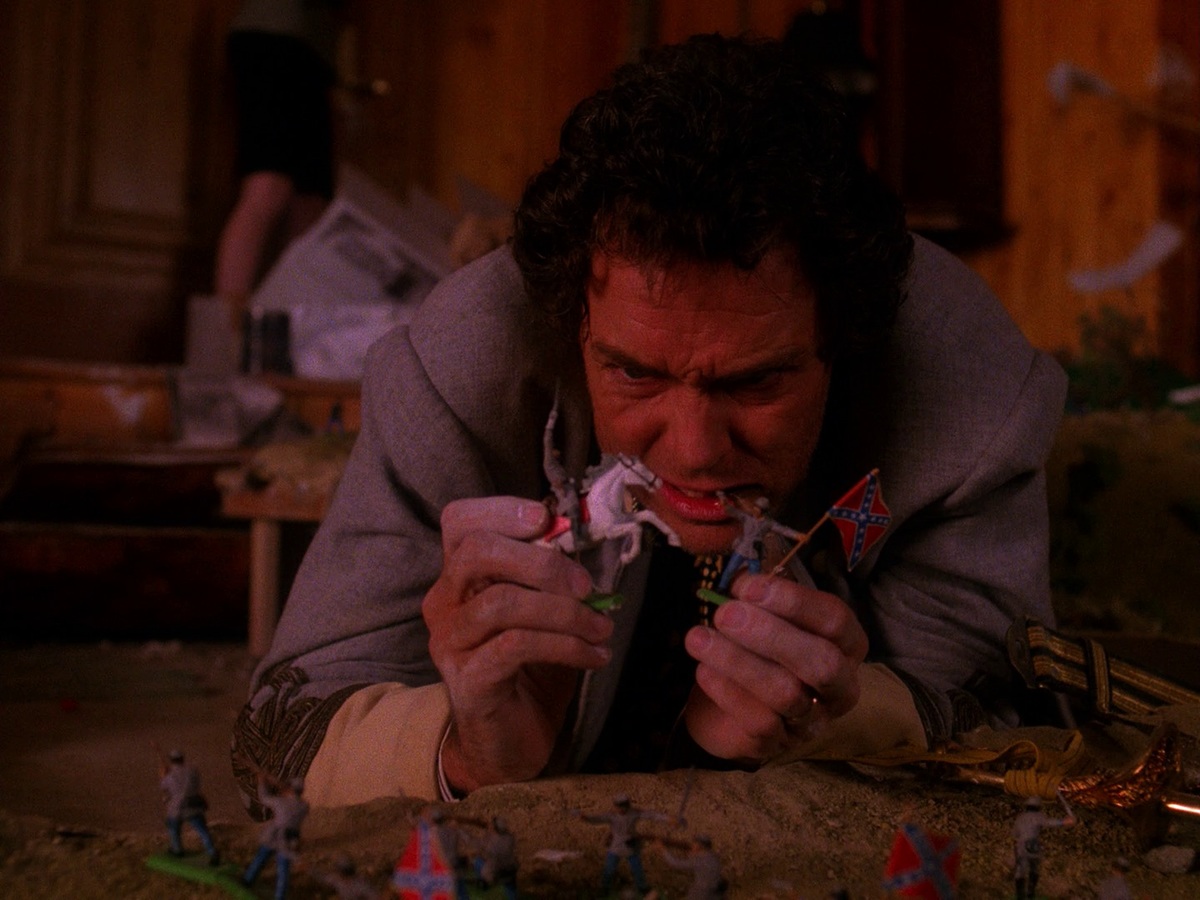
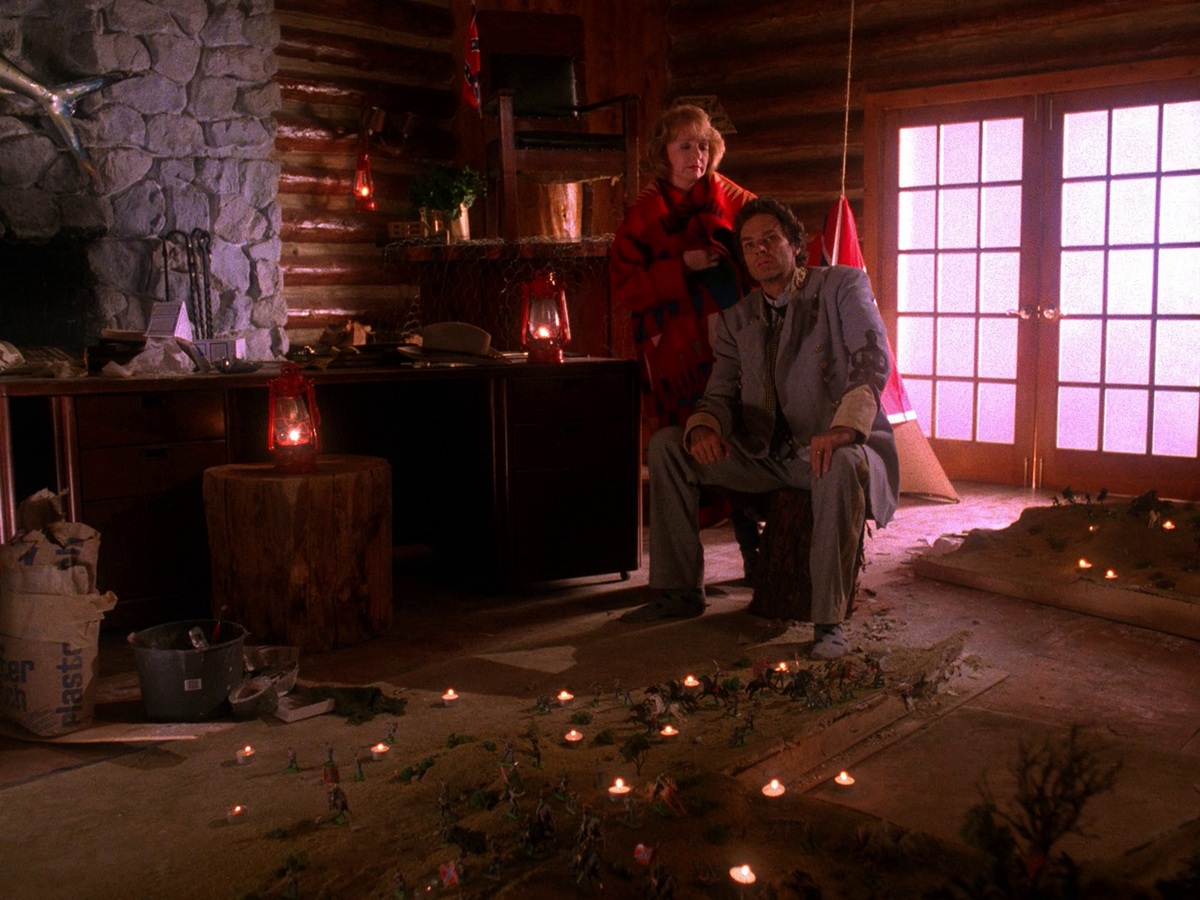
Ben’s response to losing power is to replace the business world with a battlefield he can arrange by hand. Audrey enters an office transformed by miniature soldiers. Her accidental interference with the model becomes, for him, an event inside the war; for her, it establishes that ordinary conversation will not be enough.
The fantasy offers a particular advantage: a historical defeat can be restaged as a victory. When Bobby visits, Ben recruits him as an audience and participant rather than receiving him as an employee. The costume, cigar, elevated position and models give his authority a theatrical form after its practical foundation has collapsed.
Catherine’s visit restores the conflict the miniature world tries to evade. She can survey his condition from the position of someone who has defeated him in business. Their encounter combines humiliation, familiarity and continuing attraction. Audrey’s telephone call for help supplies a different response to the same spectacle: concern rather than triumph.
The office becomes a battlefield · 4 images
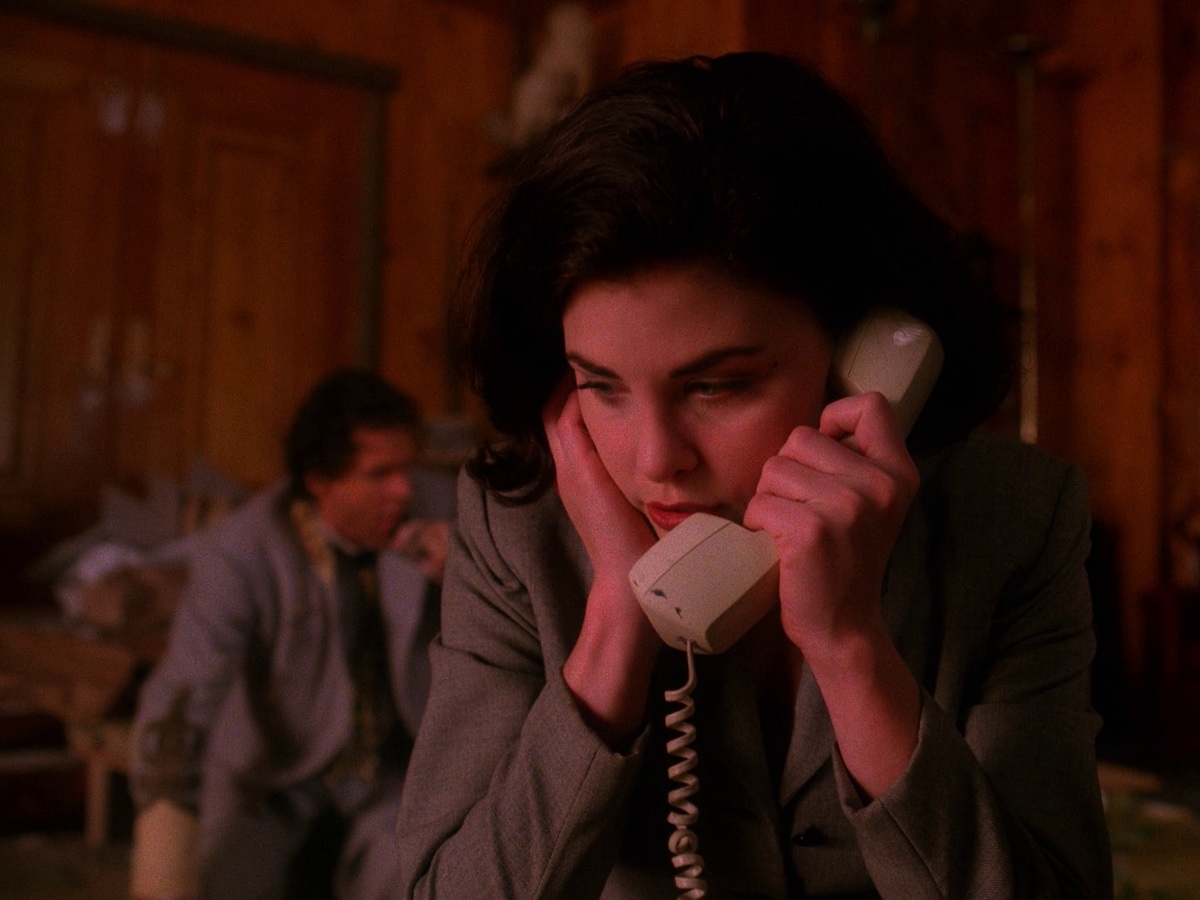
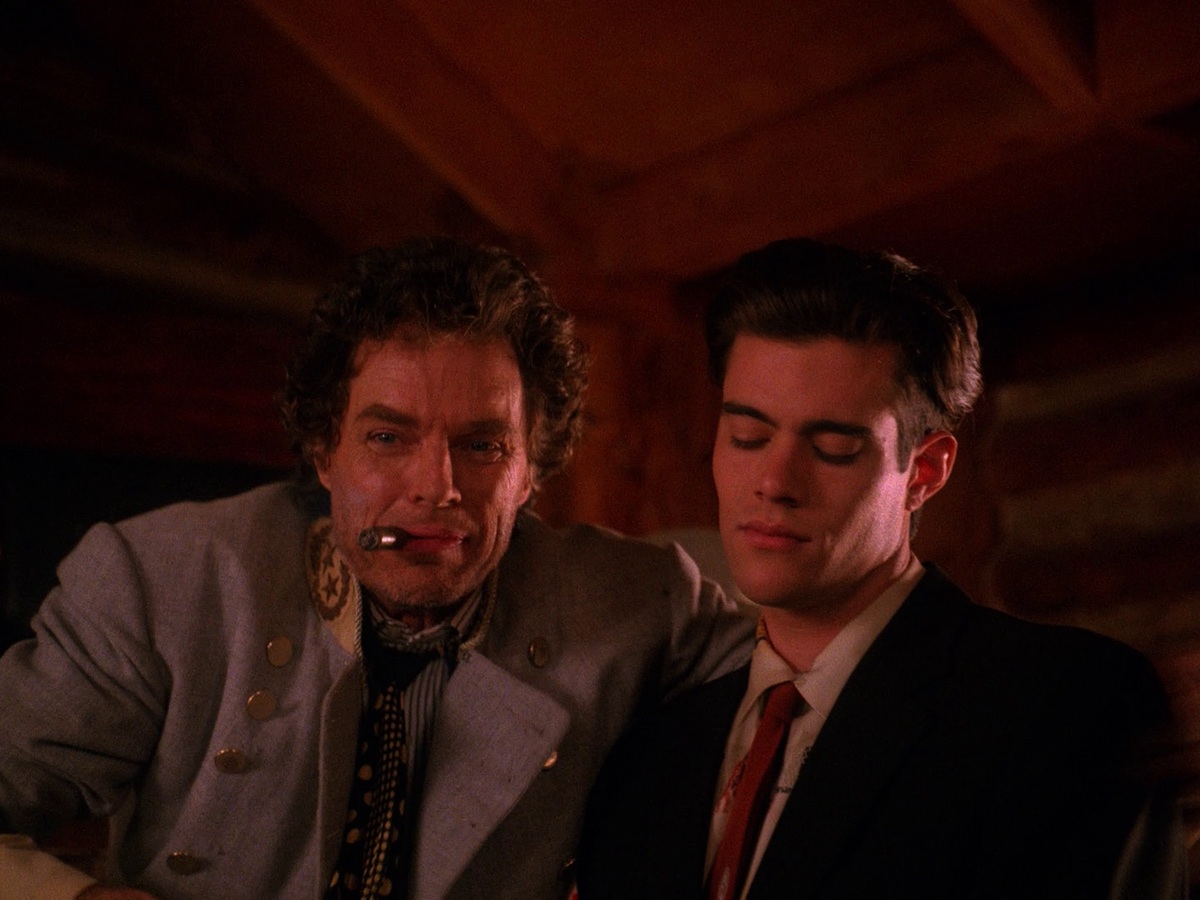
Privacy interrupted
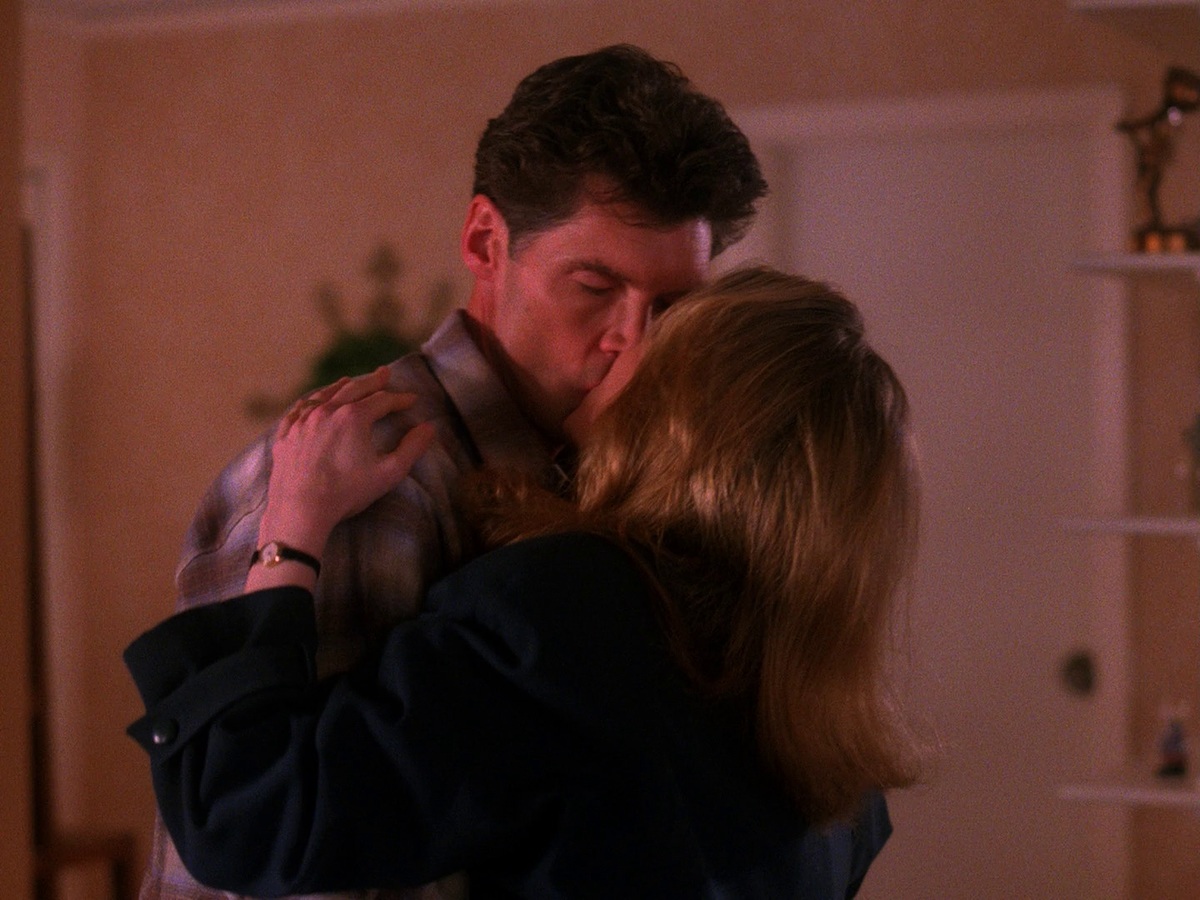
Ed and Norma’s reunion briefly changes the emotional temperature of the episode. Their private space is warm and close, with the embrace carrying the weight of a relationship repeatedly postponed. It is a pause from explanation and performance, but it cannot remain sealed off from the other marriages around them.
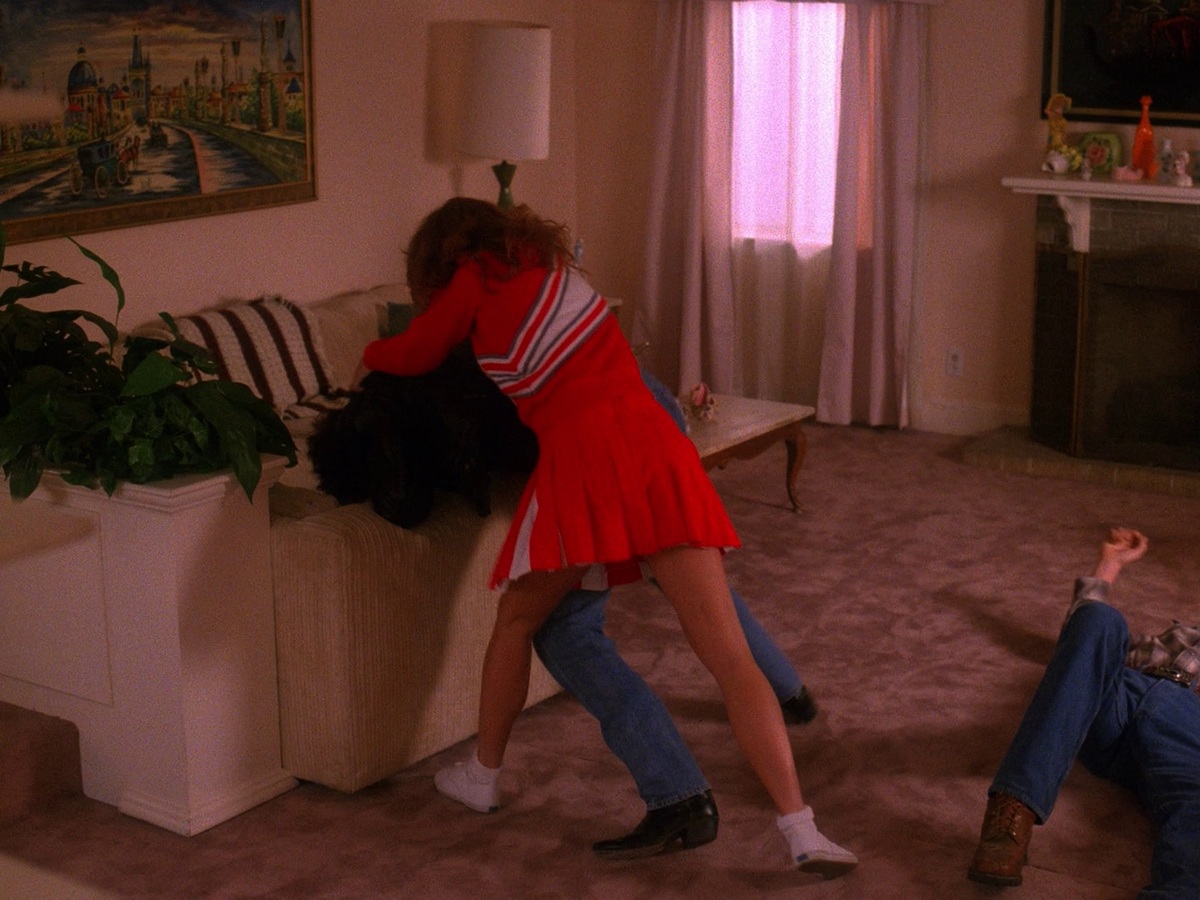
Hank’s arrival converts the room into a site of assault. Nadine’s intervention then changes the balance of physical power again. She stops Hank while understanding the situation through her own relationship to Ed. The rescue does not resolve the romantic tangle; it exposes how differently its participants understand the same household.
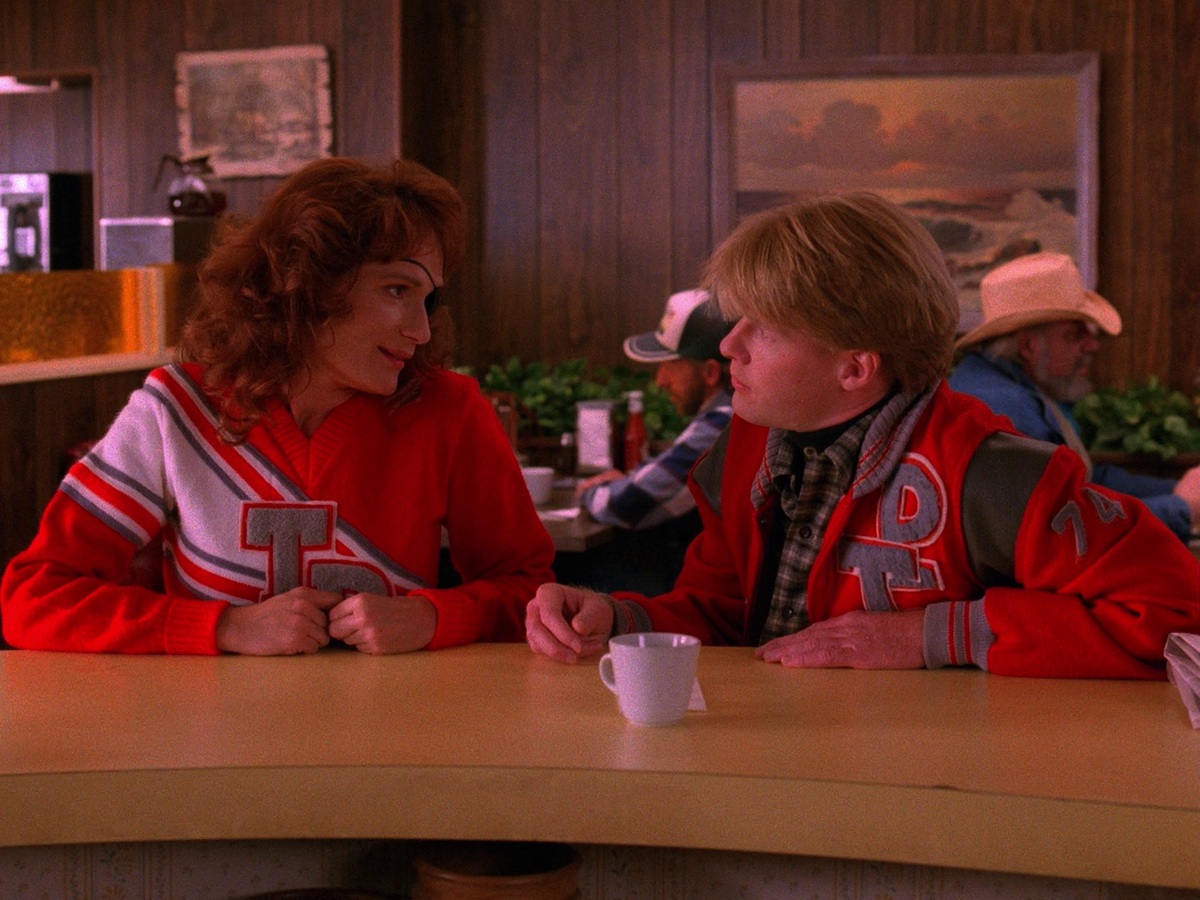
Earlier, Mike’s repeated refusal at the diner is overridden by Nadine’s physical insistence. That moment matters alongside her later defence of Ed. The comedy of extraordinary strength does not make consent irrelevant. The episode uses the same bodily power in situations with very different consequences.
Nadine and the limits of refusal · 2 images
Grief makes a stranger’s story persuasive
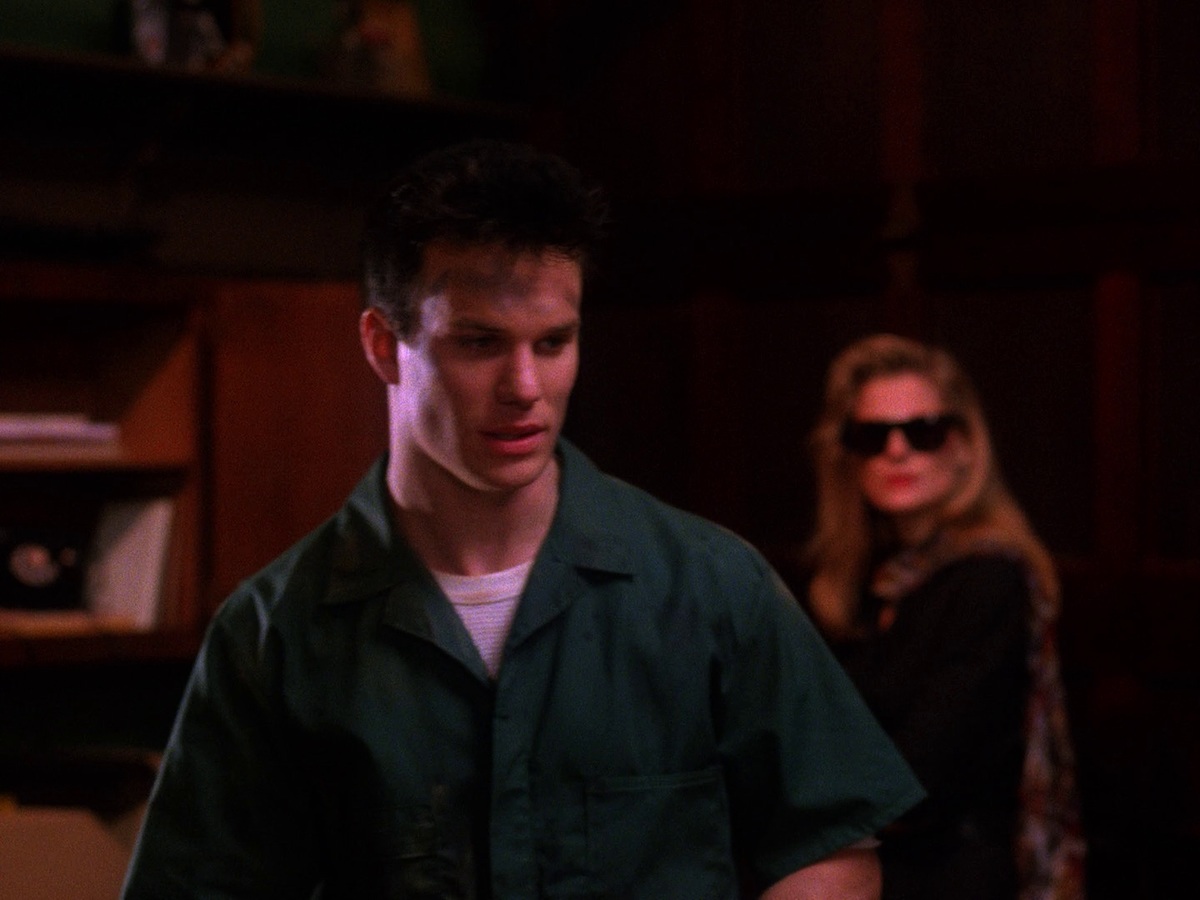
James explains his departure through Laura and Maddy. The account describes a life he no longer feels able to direct. Evelyn listens from a position that seems intimate and sympathetic, making her offer of a place to remain answer an emotional need as well as an immediate practical one.
Repairing the car ought to provide a clear end to their arrangement. Instead, the finished vehicle becomes the setting for a celebration and another invitation to stay. The beautiful car, champagne and sheltered grounds give the exchange a seductive completeness.
The later presence of Malcolm changes how that apparent refuge can be read. James’s story of grief has entered a household whose other participants know more about their arrangement than he does. The episode prepares the danger through that unequal distribution of knowledge rather than through a mechanical failure he can diagnose.
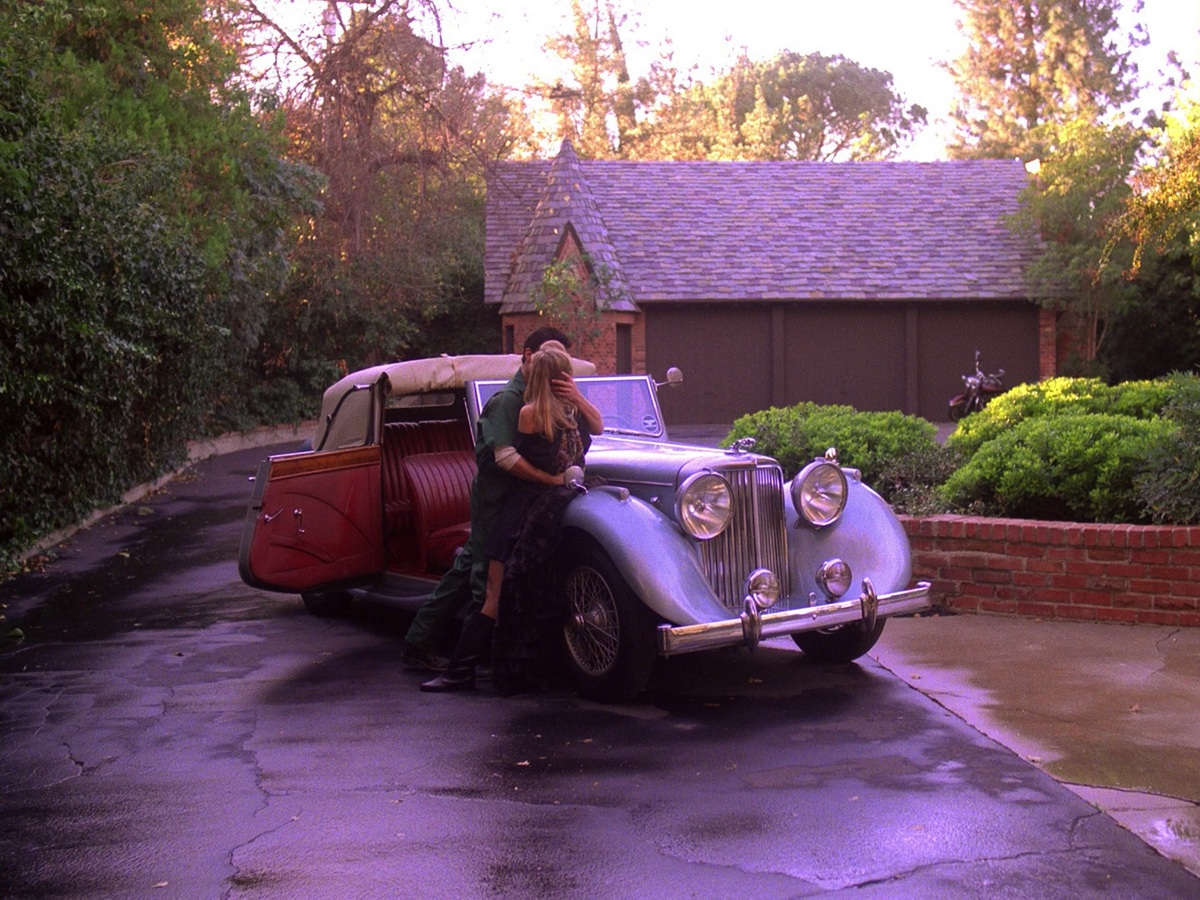
Looking at a file is not understanding a child
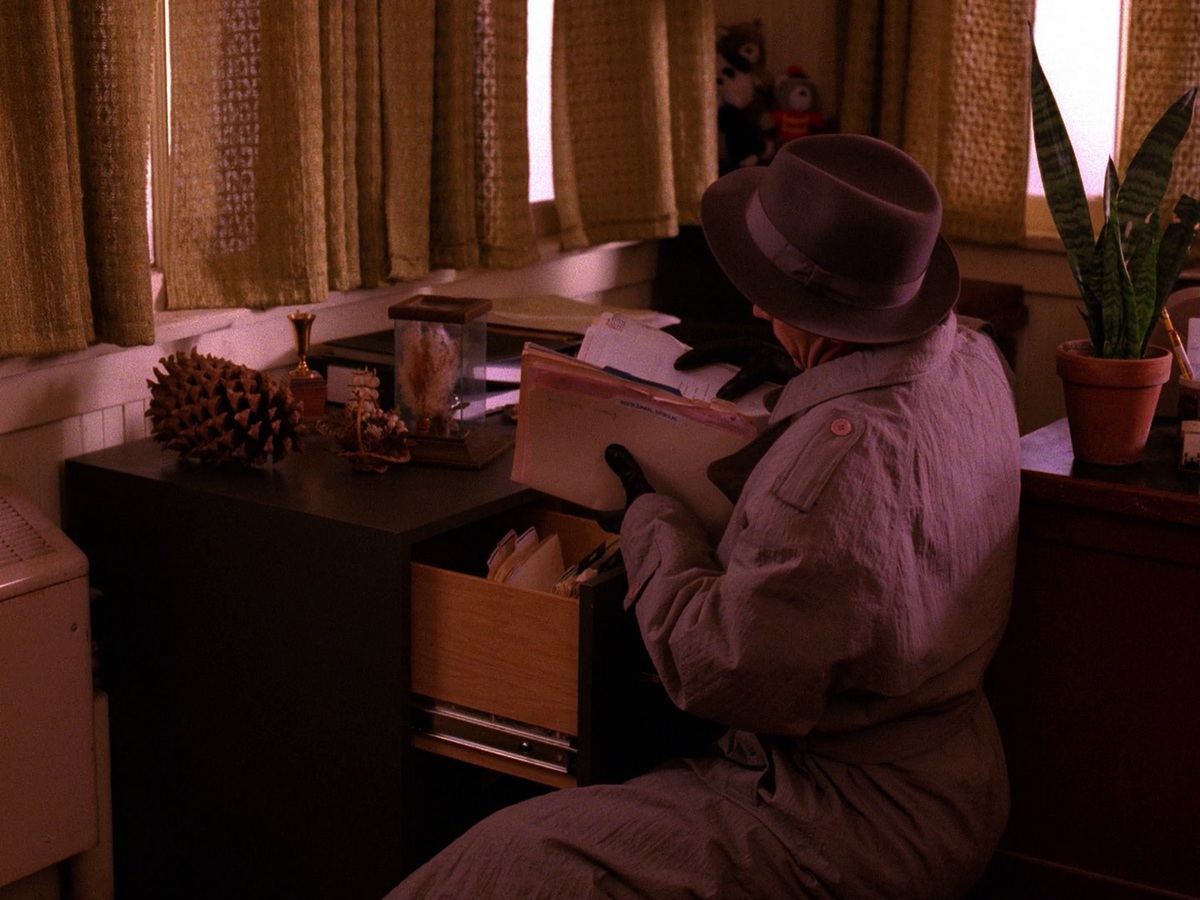
Andy and Dick pursue their suspicions about Nicky by entering an office and searching records. The setting grants their activity the appearance of investigation: cabinets, papers and confidential information seem to promise a decisive answer.
Yet their performance of expertise keeps exposing its own fragility. When prospective adoptive parents arrive, the men have to improvise another role. Dick’s verbal blunder about a child being dead, followed by a correction, makes the distance between authority and competence painfully clear.
This comic intrusion belongs beside the episode’s more serious surveillance. Access to information does not guarantee good judgment. A file, a photograph and a microphone all require interpretation; the consequences depend on the person doing the interpreting. The next episode will challenge the story the men have built around Nicky.
A failed signal and an improvised rescue
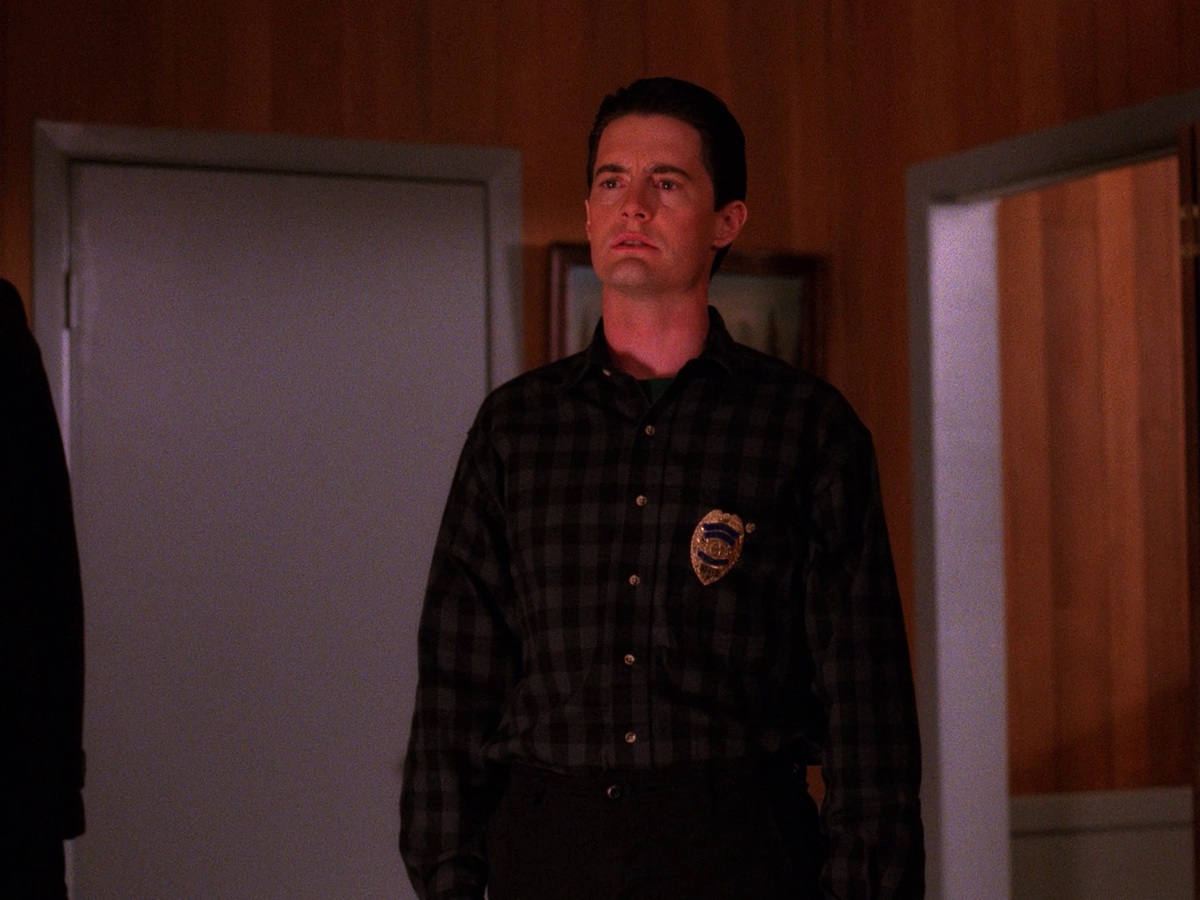
Truman gives Cooper a local badge while his federal position remains unresolved. That small change in status makes their partnership practical as well as personal. The operation against Renault is built from local trust, visiting expertise and an unstable intermediary in Ernie.
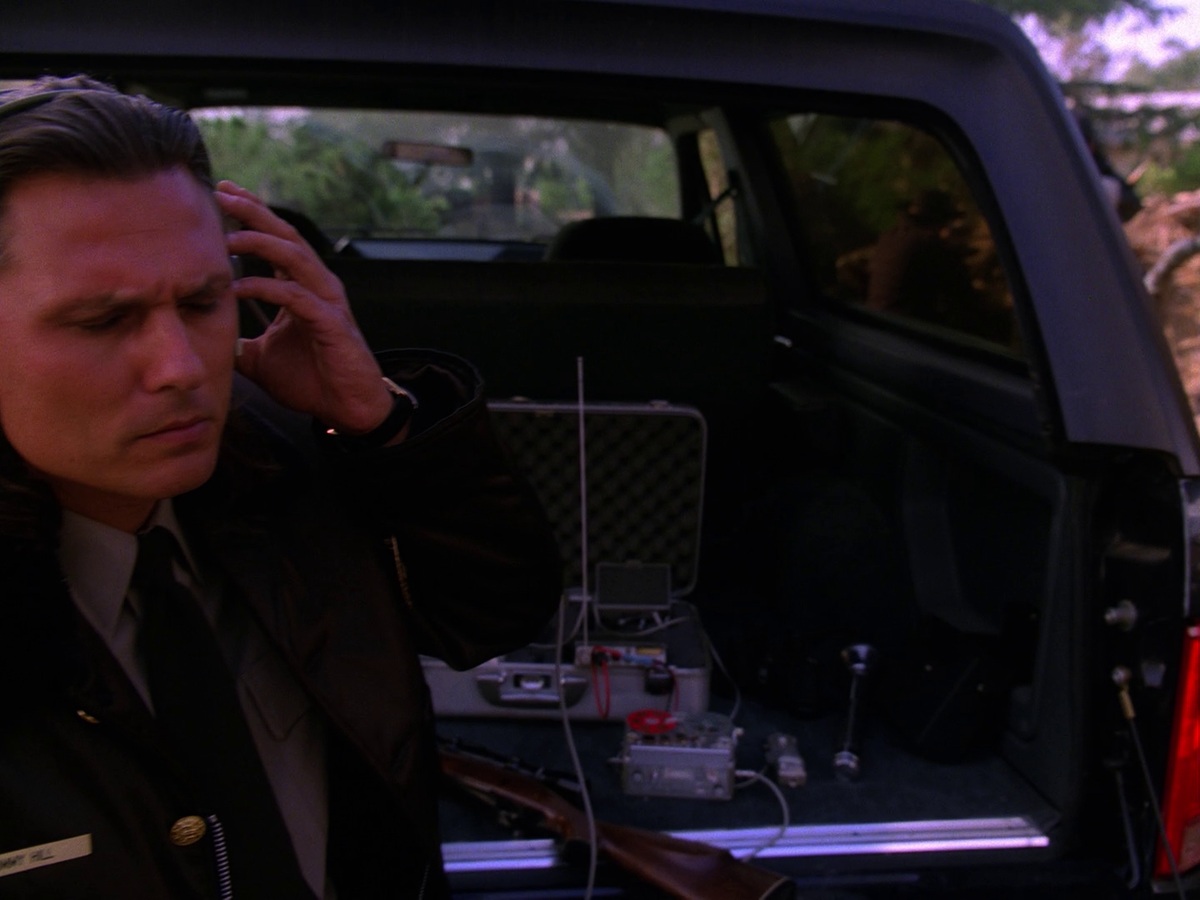
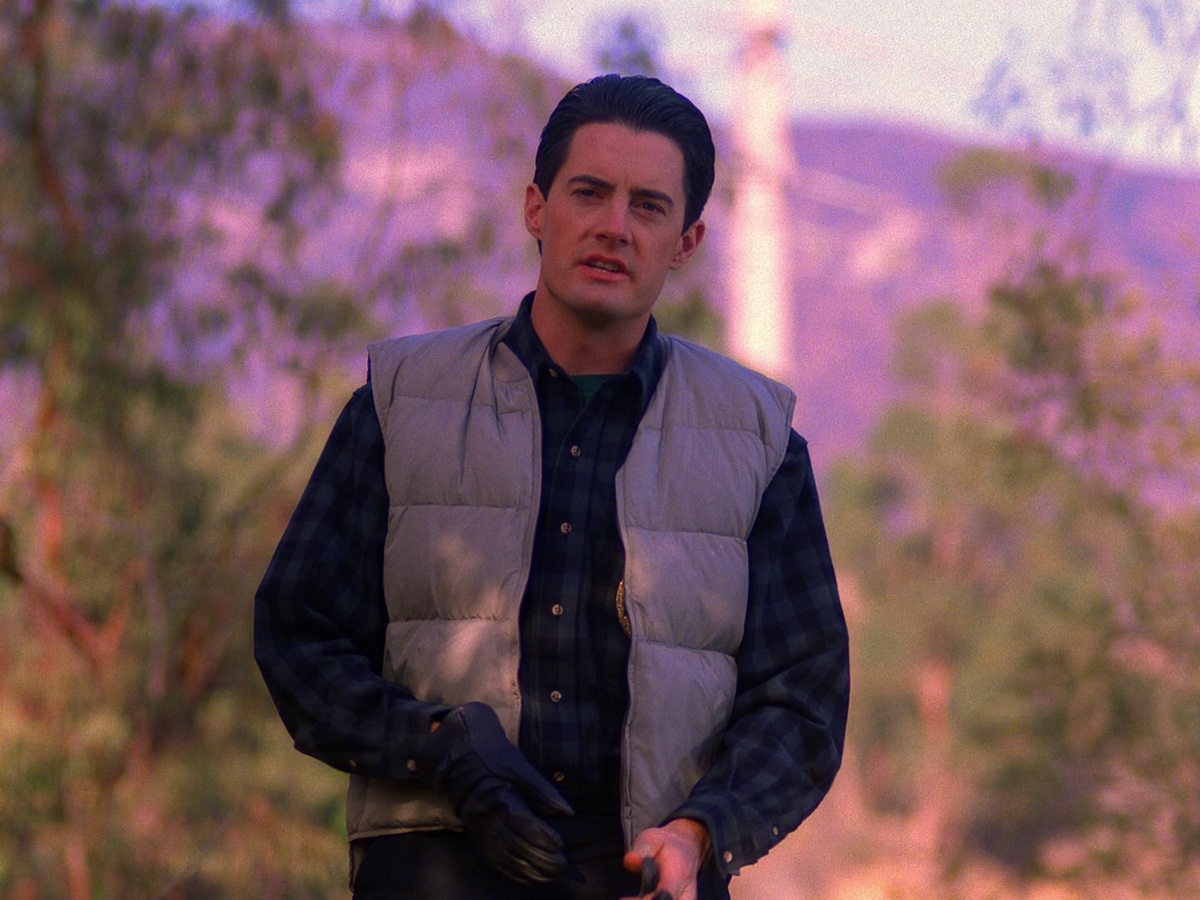
The hidden microphone promises that the people outside can follow what happens inside. Ernie’s anxiety and the malfunctioning equipment undo that arrangement. Hawk’s monitoring position and Cooper’s binoculars show the operation’s dependence on mediated knowledge before Cooper gives up his protected position and offers himself in exchange.
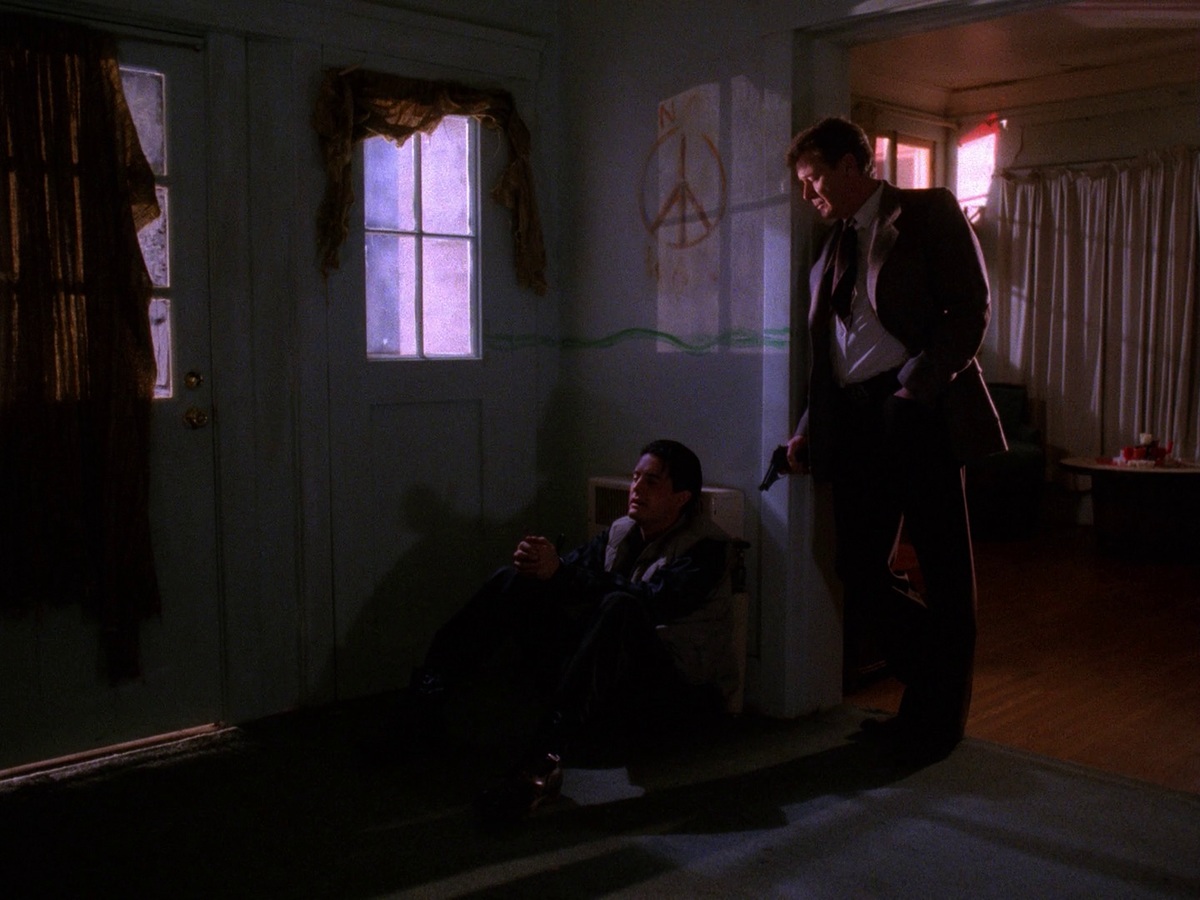
Inside the farmhouse, Renault supplies a self-serving history of Twin Peaks in which Cooper’s arrival caused the town’s nightmare. His account treats the earlier order as tolerable because it served people such as himself. The speech is an accusation spoken by a captor, not the series establishing Cooper as the source of its violence.
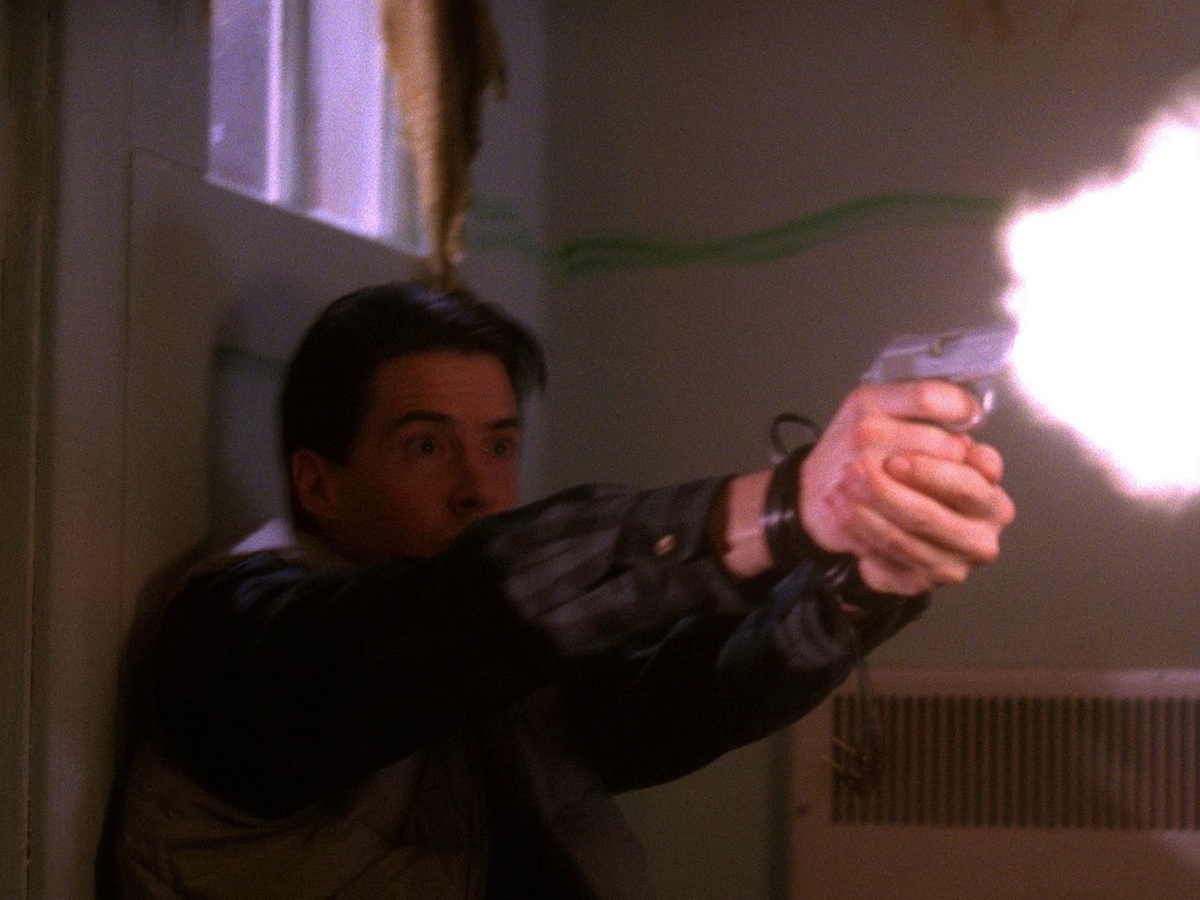
Denise’s return in a waitress disguise exploits Renault’s dismissal of a woman carrying food. The weapon is concealed where he does not think to look. Cooper’s response turns the confrontation around, and the aftermath credits Denise’s quick thinking and Truman’s improvisation. Her competence is central to the resolution; the rescue should not disappear beneath the novelty of the disguise.
Surveillance gives way to improvisation · 6 images

The radio breaks the domestic routine
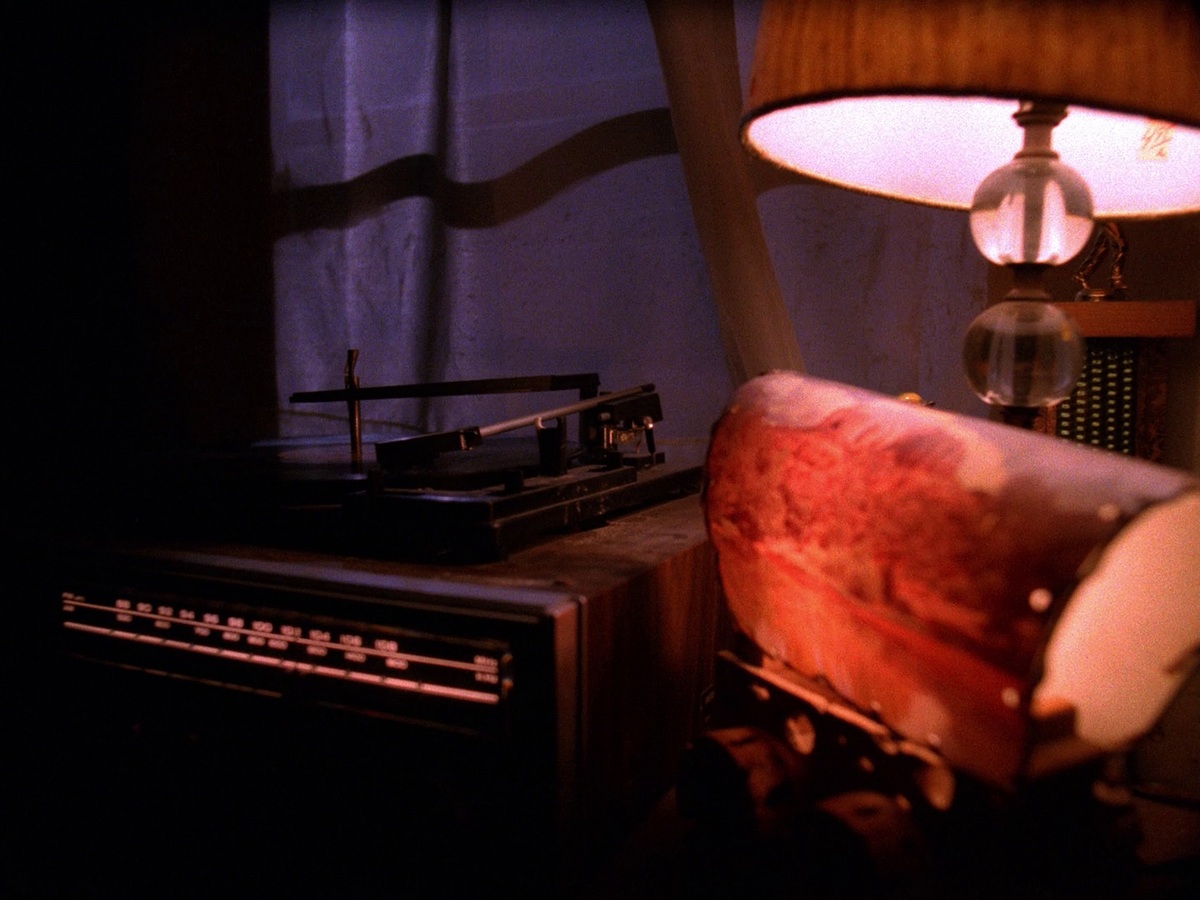
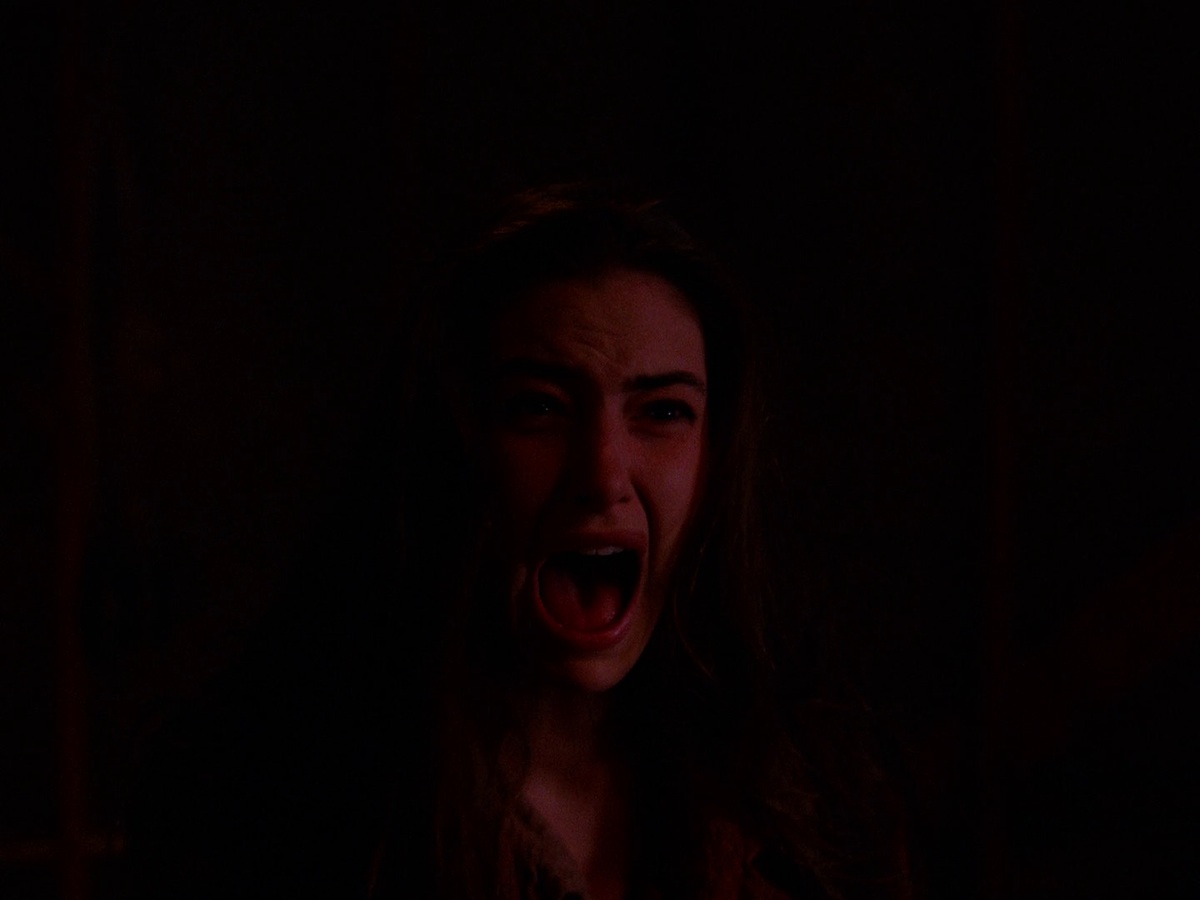
Shelly’s return to the foreground begins with a familiar object: the radio beside her chair. Its music becomes intermittent. She calls for Bobby, treating the disturbance as something another person in the house might explain, before the empty wheelchair forces a more frightening interpretation.
The sequence makes absence active. A body that had seemed permanently placed is no longer where it belongs. The interruption in the radio routine and the change in the chair prepare Leo’s reappearance, so that recognising him is the end of a process rather than an isolated shock.
The English caption track explicitly marks blues music stopping, resuming and fading, followed by whirring, Leo’s address to Shelly and her scream. These cues locate the scene’s audible changes. The dramatic point is the collapse of a routine she had been forced to maintain; the episode turns the care arrangement established earlier into immediate danger.
The next move waits in the dark
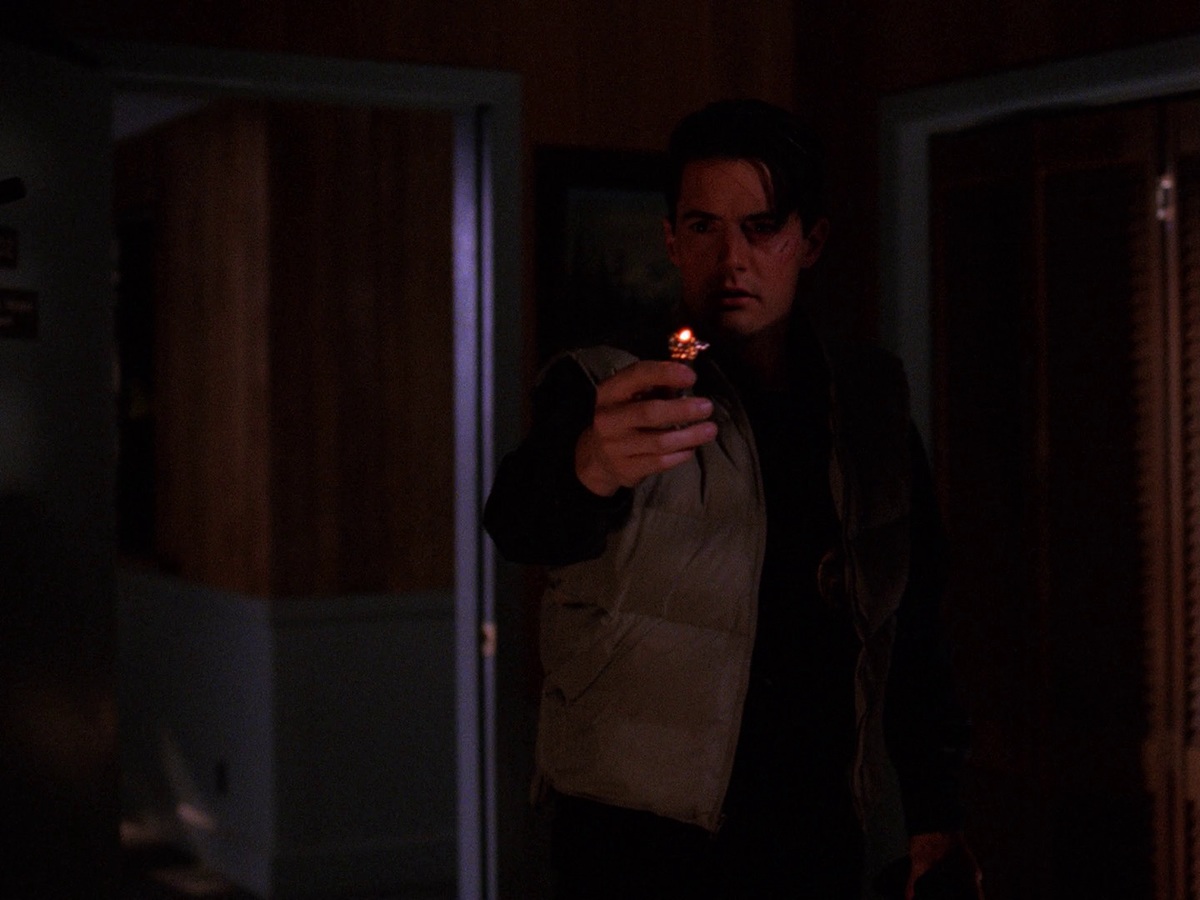
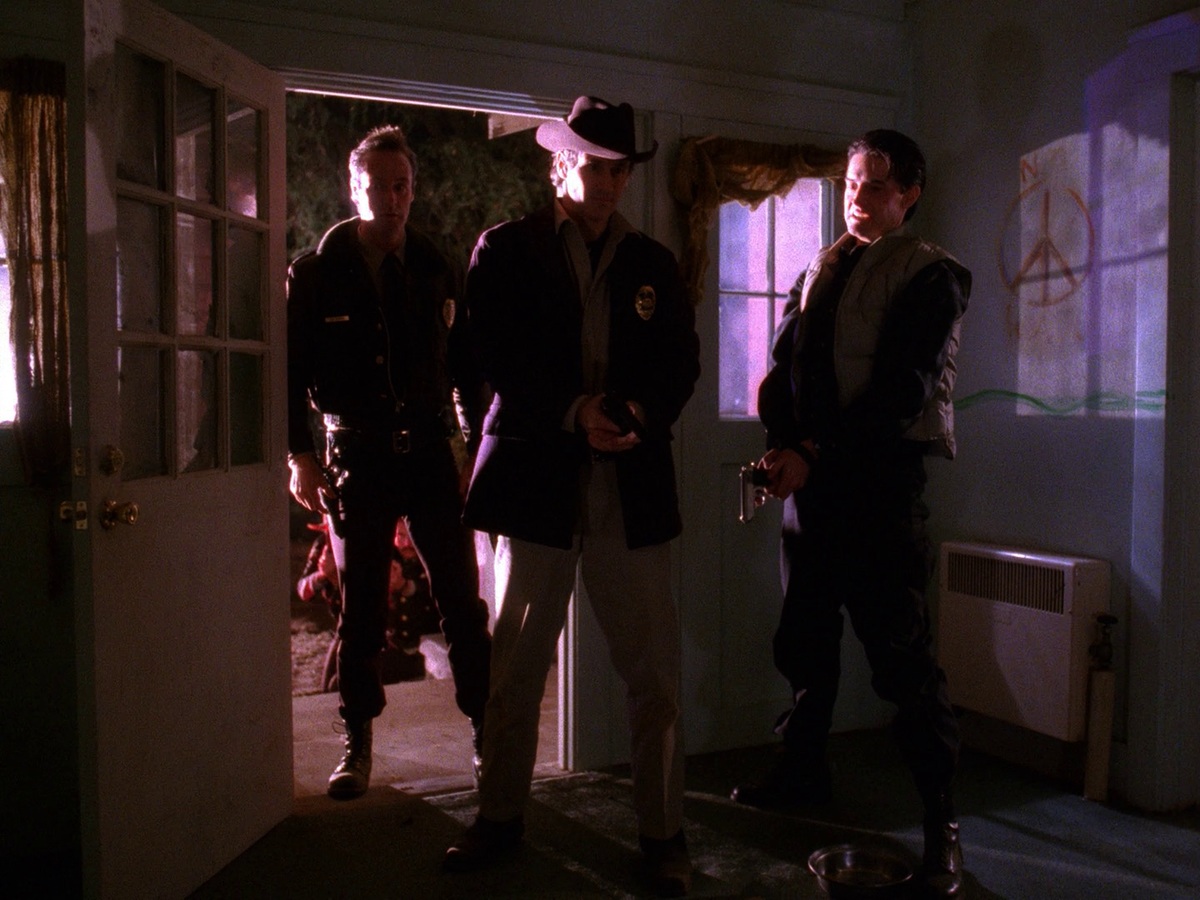
The farmhouse operation closes one danger, but the station has been compromised while its investigators were elsewhere. Lucy recounts the bomb warning, explosions, power failure and emergency response in an expanding chain of practical details. Her explanation keeps ordinary town life present even as Cooper realises something is wrong.
Cooper’s lighter changes the scale of investigation from the station’s usual shared illumination to a small moving pool of light. The discovery in Truman’s office makes the apparent return to safety another threshold. A corpse and a chess piece introduce Windom Earle’s next move.
The title therefore extends beyond a single successful police operation. Cooper has escaped Renault’s trap, but someone else has arranged a position for him at home. Continue into Double Play for the examination of the body and Cooper’s account of Caroline.
Signals, confession and withheld knowledge
Three kinds of communication shape the episode: Briggs cannot retrieve an experience, the police lose the signal from their operative, and Shelly cannot identify the cause of a changing sound. Each situation puts a limit on the confidence that information can simply be collected and acted upon.
Renault’s extended accusation and Lucy’s account of the blackout create different delays. One tries to impose an explanation on Cooper; the other supplies more detail than he can pause to absorb. The episode makes speech part of action rather than a neutral account delivered outside it.
In the separate Log Lady introduction, the loss of her husband to fire is recalled through anger and a sense of continued presence. Her distinction between a fire in the woods and an ordinary forest fire withholds as much as it explains. It belongs with the episode’s interest in testimony that carries conviction without yielding a complete account.
A route through Checkmate
- Briggs returns. Memory, marks and military secrecy resist one explanation.
- Unequal households. Shelly and Josie remain inside arrangements other people control.
- Private reconstructions. Ben remakes a war; James accepts an apparent refuge.
- The failed operation. The wire goes dead and Cooper becomes a hostage.
- Denise’s intervention. A familiar service role conceals the means of escape.
- Two returns. Leo moves again and Earle’s message occupies the station.
Sources and connections
Primary source: Twin Peaks, “Checkmate,” Season 2, Episode 13 / overall Episode 20, and the associated Log Lady introduction in Twin Peaks: From Z to A. Opening credits identify Harley Peyton as writer and Todd Holland as director. Dialogue and sound-cue references were checked against the English caption track. Interpretations concern the finished images and dramatic situations.
Return to The Black Widow, continue to Double Play, or explore the Season Two dossier.