Twin Peaks: The Return — Part 1
2017 · Twin Peaks: The Return · Episode dossier
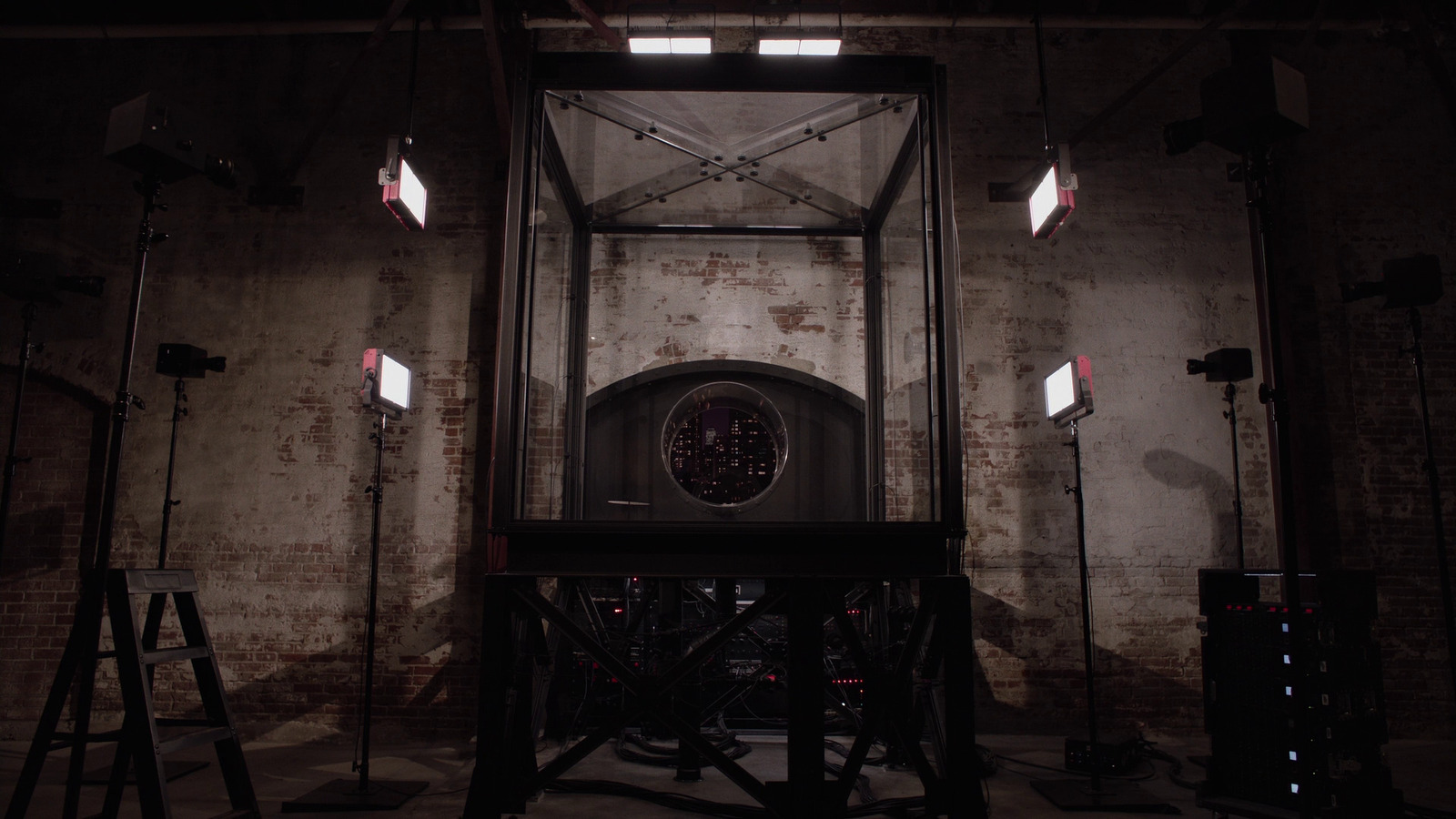
The return begins with messages, monitors and people waiting for something to arrive. Familiar faces offer points of recognition, but no single location contains the story.
Explore the opening part through illustrated scene studies, selected sound and dialogue passages, a focused effects gallery and production testimony. The investigation begins as a problem of attention: what is visible, who is listening, and what has been missed?
- Part 1
- My Log Has a Message for You
- Directed by
- David Lynch
- Written by
- Mark Frost & David Lynch
- Standalone presentation
- 01:00:35
The Return overview · Twin Peaks research hub. Timings follow the standalone part and include its opening titles. How the combined presentation differs.
Explore this dossier
Learning how to watch again
Part 1 makes the act of returning unexpectedly difficult. Laura’s remembered image and the opening music offer recognition, but the story quickly disperses into a woodland delivery, a Manhattan observation room and a South Dakota murder inquiry. The town remains important without becoming the border of the series.
Watch the repeated acts of admission and exclusion. A visitor cannot get past a guard; another cannot identify the sheriff he wants; officers need a key; a suspect must account for where he has been. Each place has procedures for deciding who may enter and whose account will be believed. Margaret’s message proposes another kind of knowledge, which Hawk must turn into ordinary work with stored case files.
Illustrated scene studies
- Laura, the school and the promise of a return
- A room organised around listening
- Jacoby’s delivery: work before explanation
- Watching the watcher
- The Horne brothers: continuity with a changed balance
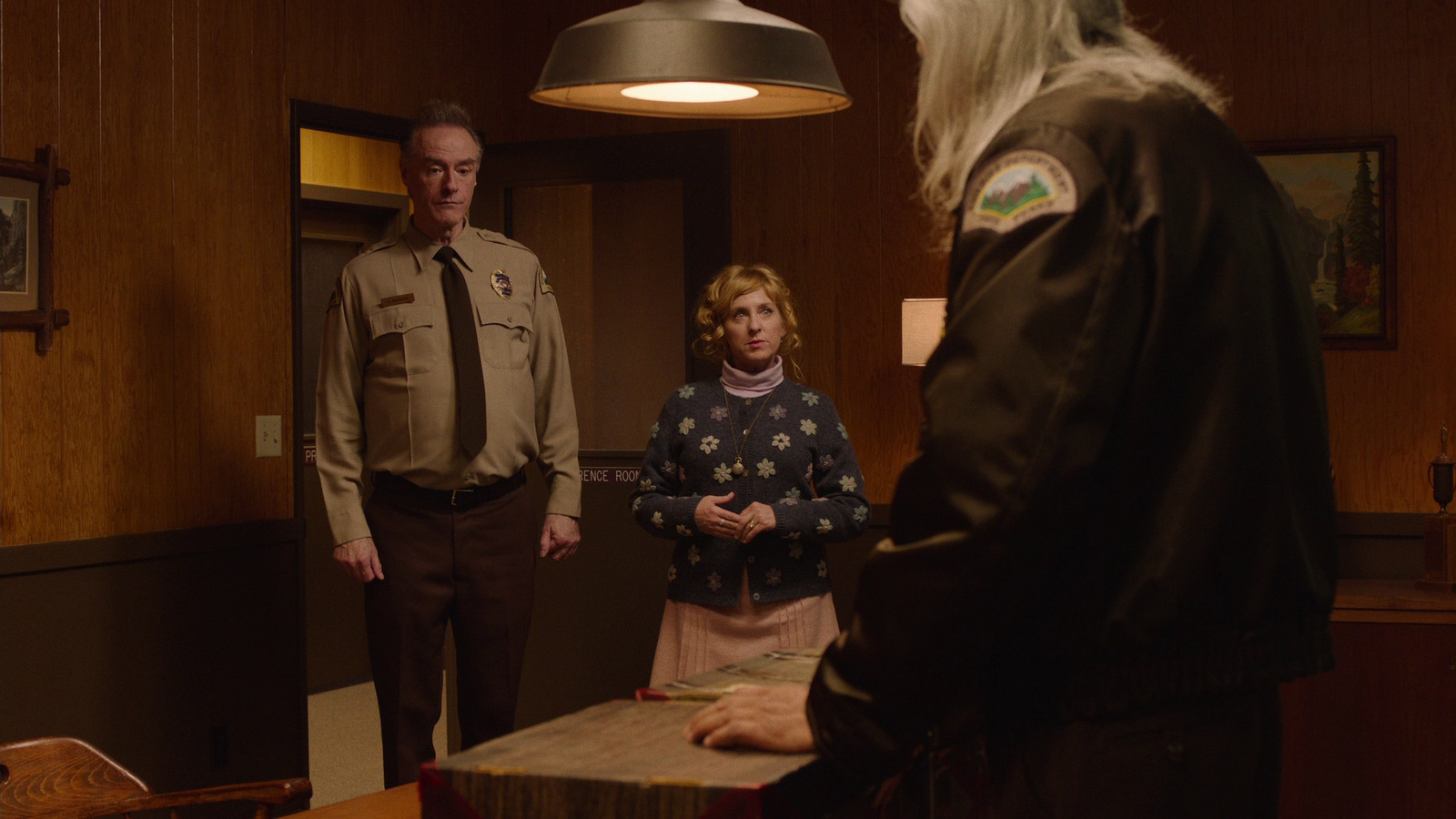
- Which Sheriff Truman?
- The double arrives through force
- An absent guard, an uncertain explanation
- The key is closer than anyone thinks
- Margaret’s message becomes Hawk’s work
- An ordinary evening becomes evidence
- The investigation reaches the car
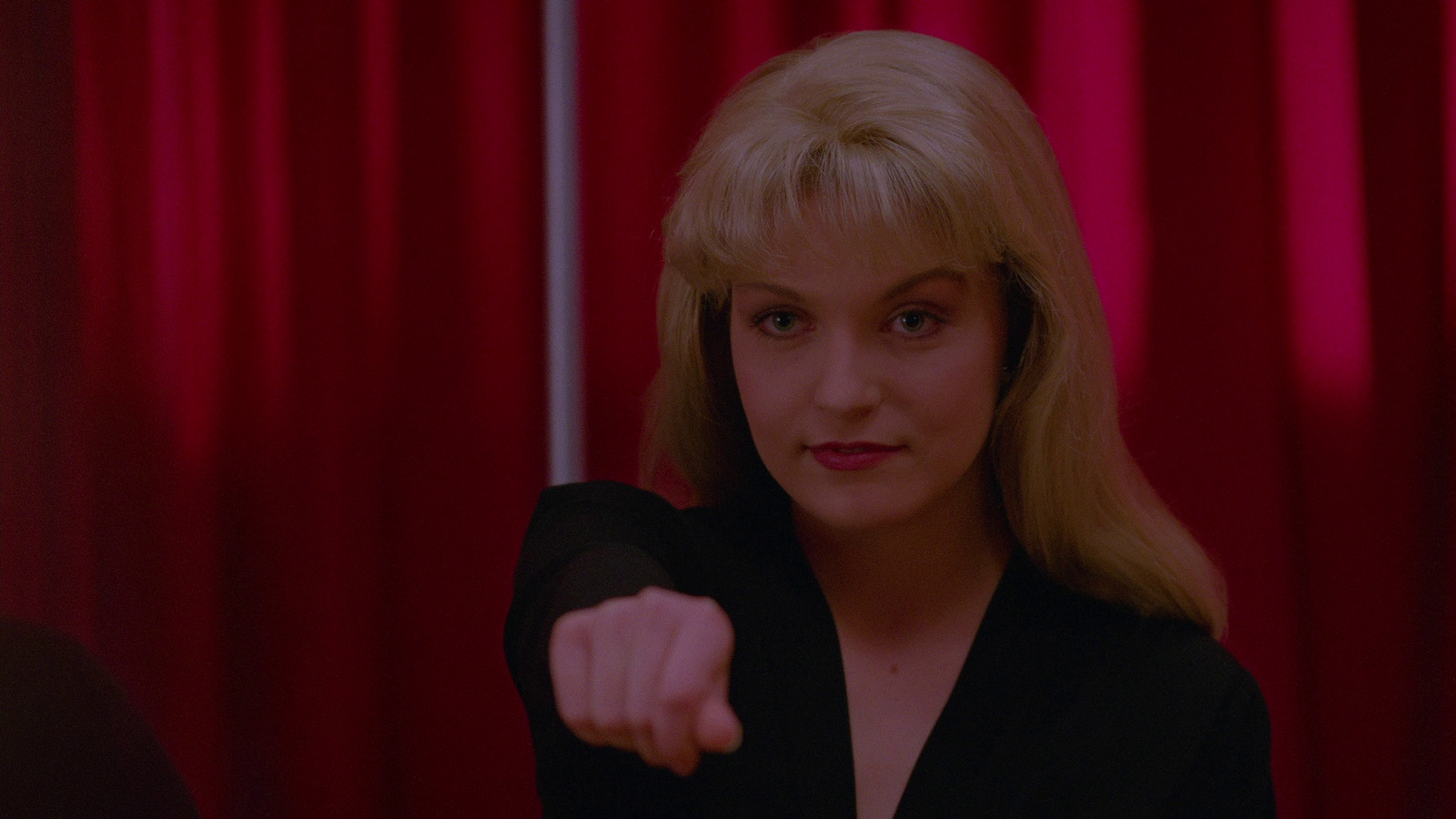
Laura, the school and the promise of a return
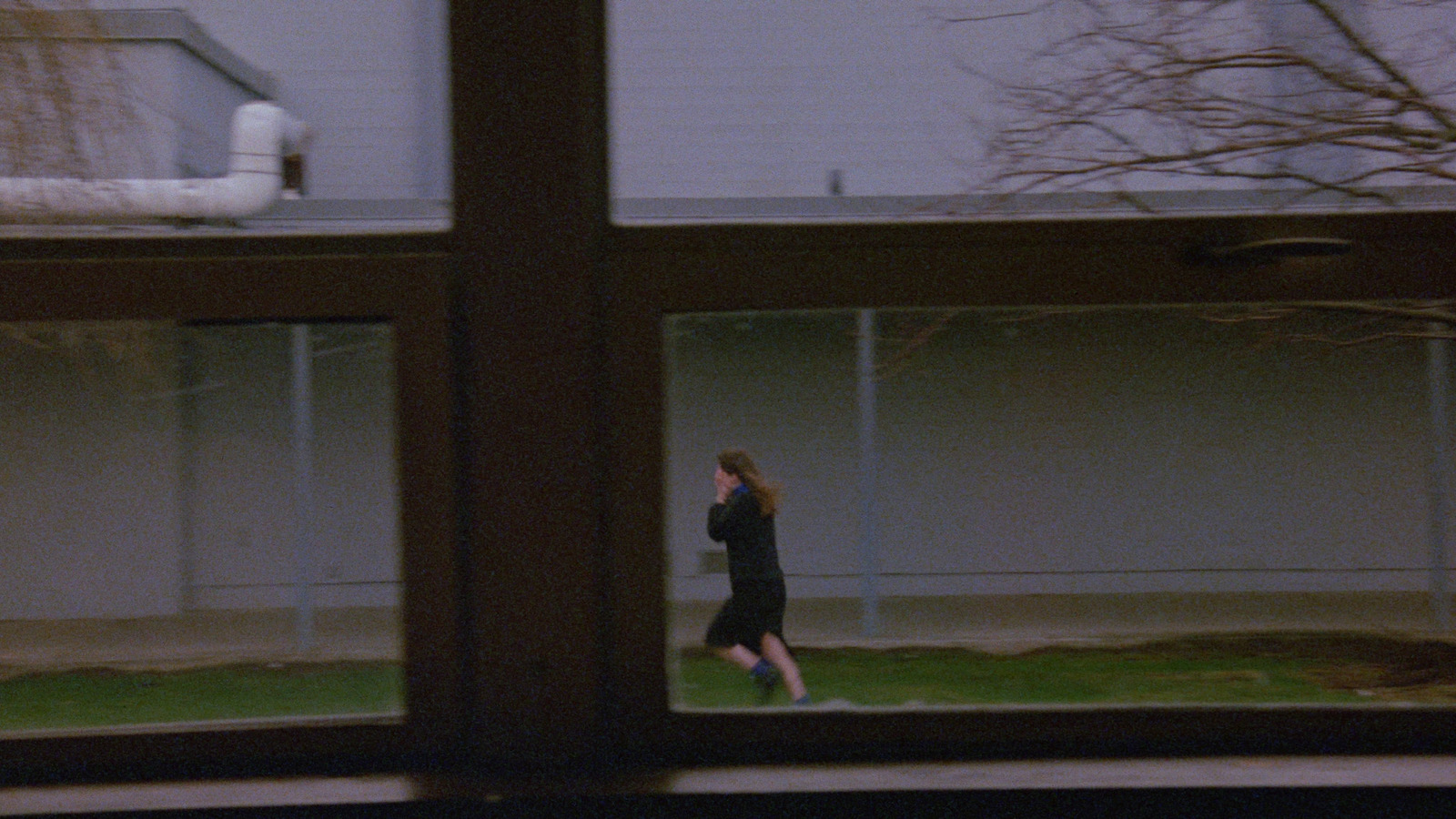
The opening revisits Laura in the Red Room, then moves through forest imagery to the school’s earlier experience of her death. A woman running beyond the classroom windows returns loss to a public space. The sequence remembers the shock of the original investigation before offering the familiar theme and its new title images.
That order matters: recognition carries grief with it. The younger Laura is followed by images associated with the series, rather than an immediate reunion of its surviving characters. The new programme begins by making the viewer’s memory part of its material.
Open the scene sequence · 1 frame
A room organised around listening
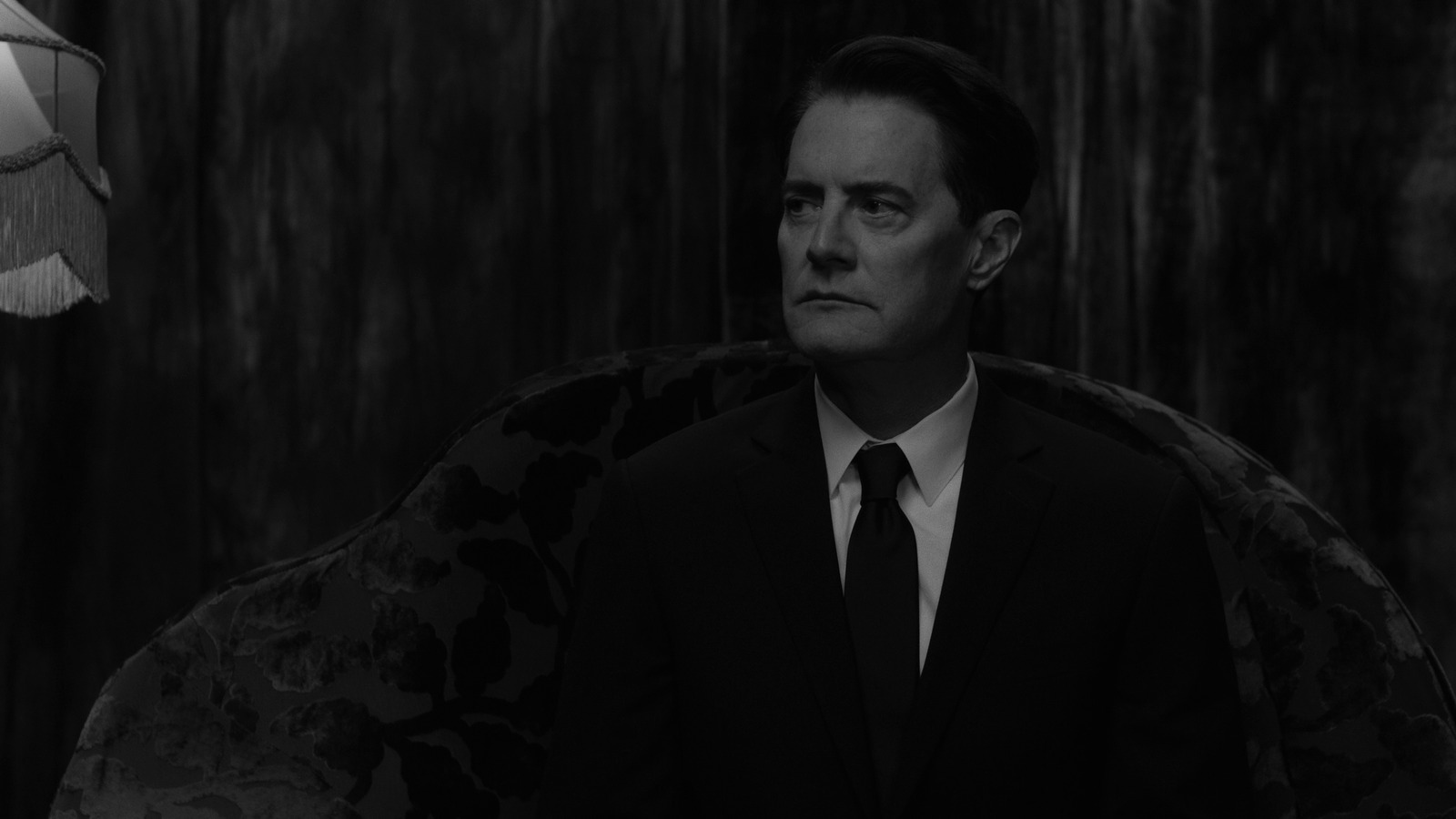
Cooper sits almost motionless while the gramophone and Carel Struycken’s figure receive separate attention. The clicks and scratches are given time before the conversation proceeds. The scene offers instructions and fragments to retain, without a map that would make their significance immediately clear.
The familiar face is credited here with question marks. That withholding is worth preserving when reading the opening on its own. The encounter establishes an asymmetry: Cooper appears to understand an instruction whose context the audience does not possess. His disappearance leaves the chair as a visible measure of absence.

Open the scene sequence · 2 frames
Jacoby’s delivery: work before explanation
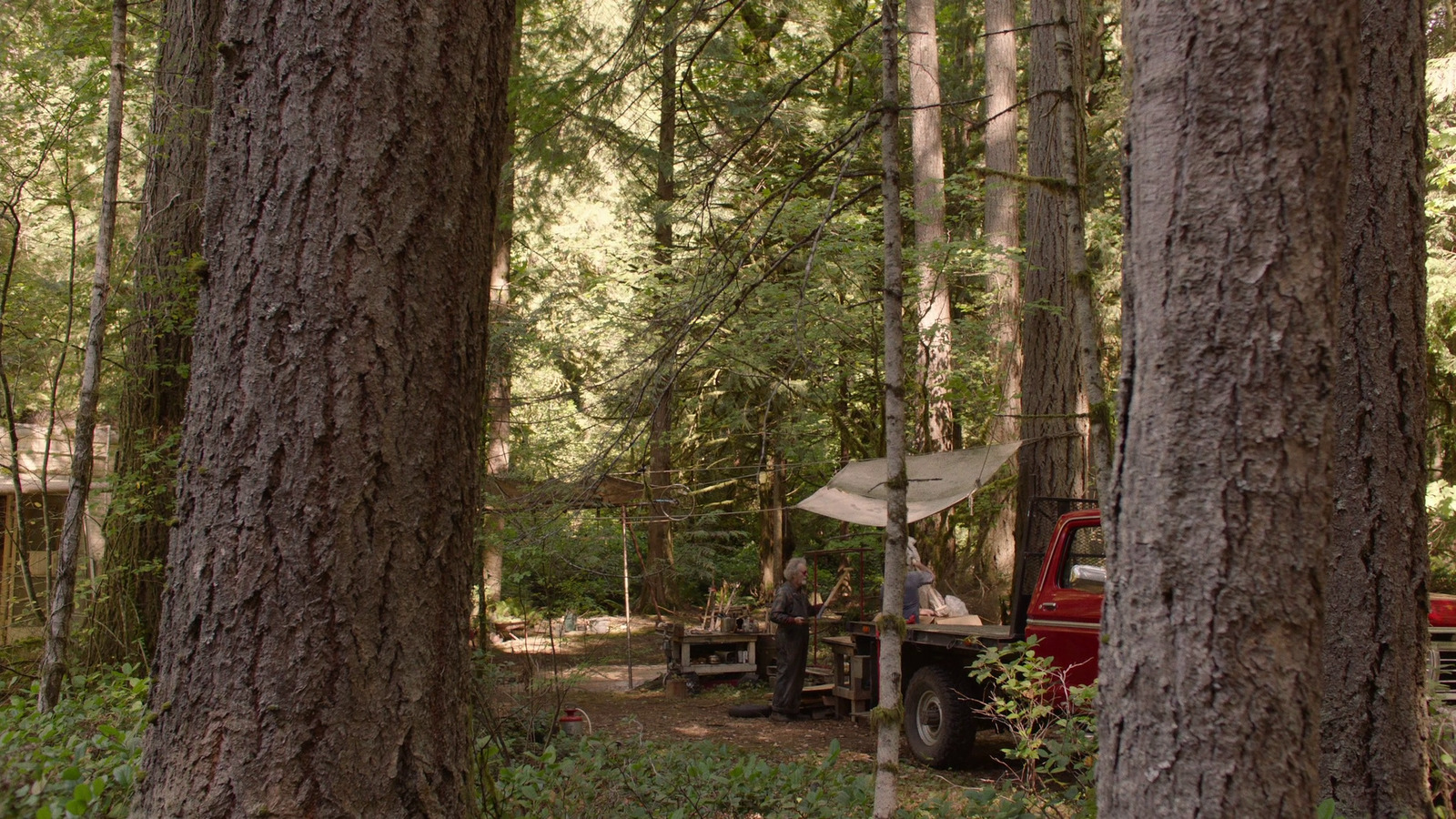
The arrival of a truck, the opening of packaging and the handling of equipment take up a conspicuously unhurried interval. Jacoby declines help because he prefers working alone. The surrounding trees partly screen the activity, so the delivery is seen as a task in a place before its purpose becomes a story.
Metallic handling sounds and the physical weight of the package give this work a mundane texture. The sequence establishes something to remember without announcing how soon it will become useful. It trains patience at precisely the point when a returning audience might expect rapid answers.
Watching the watcher
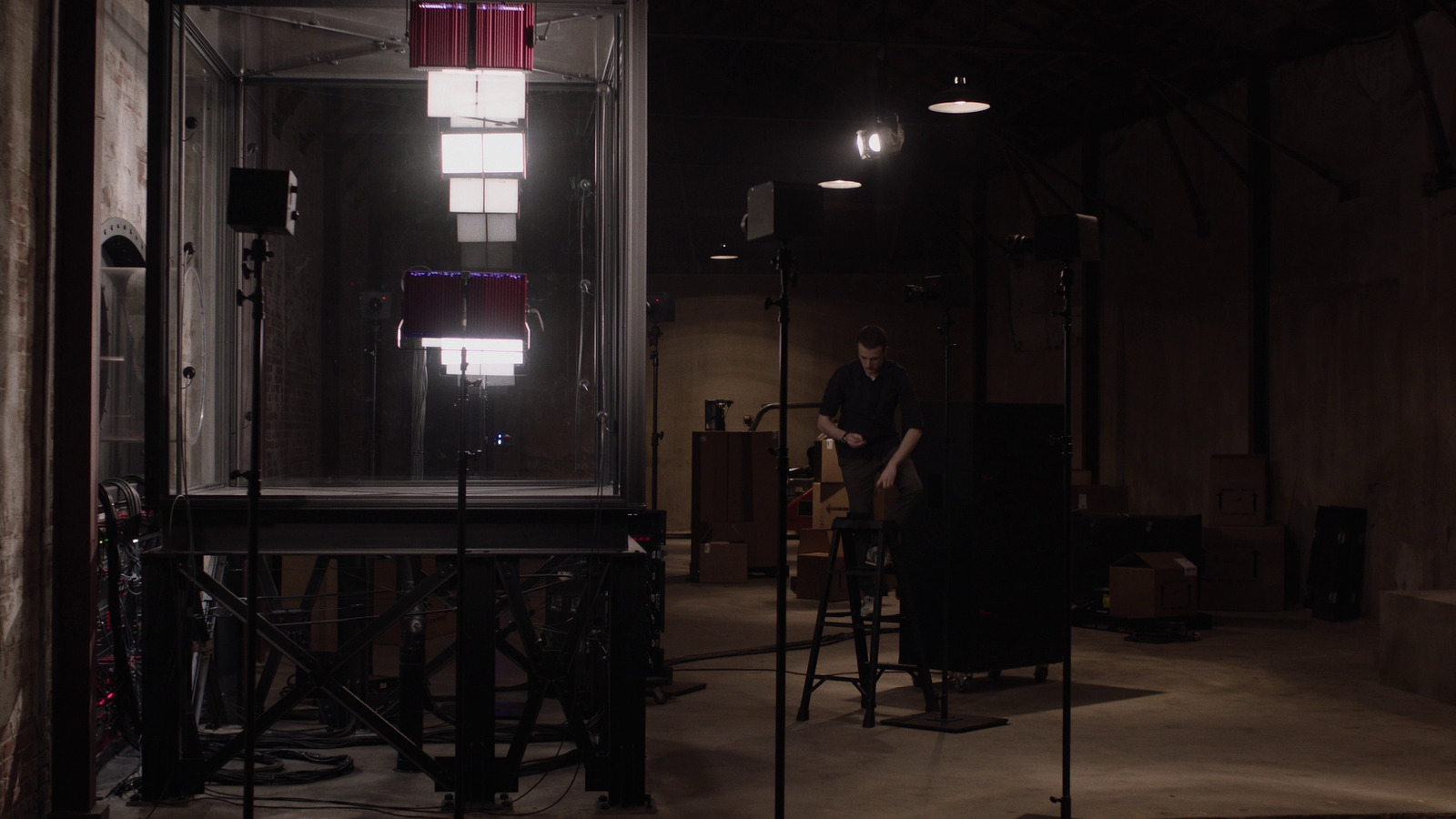
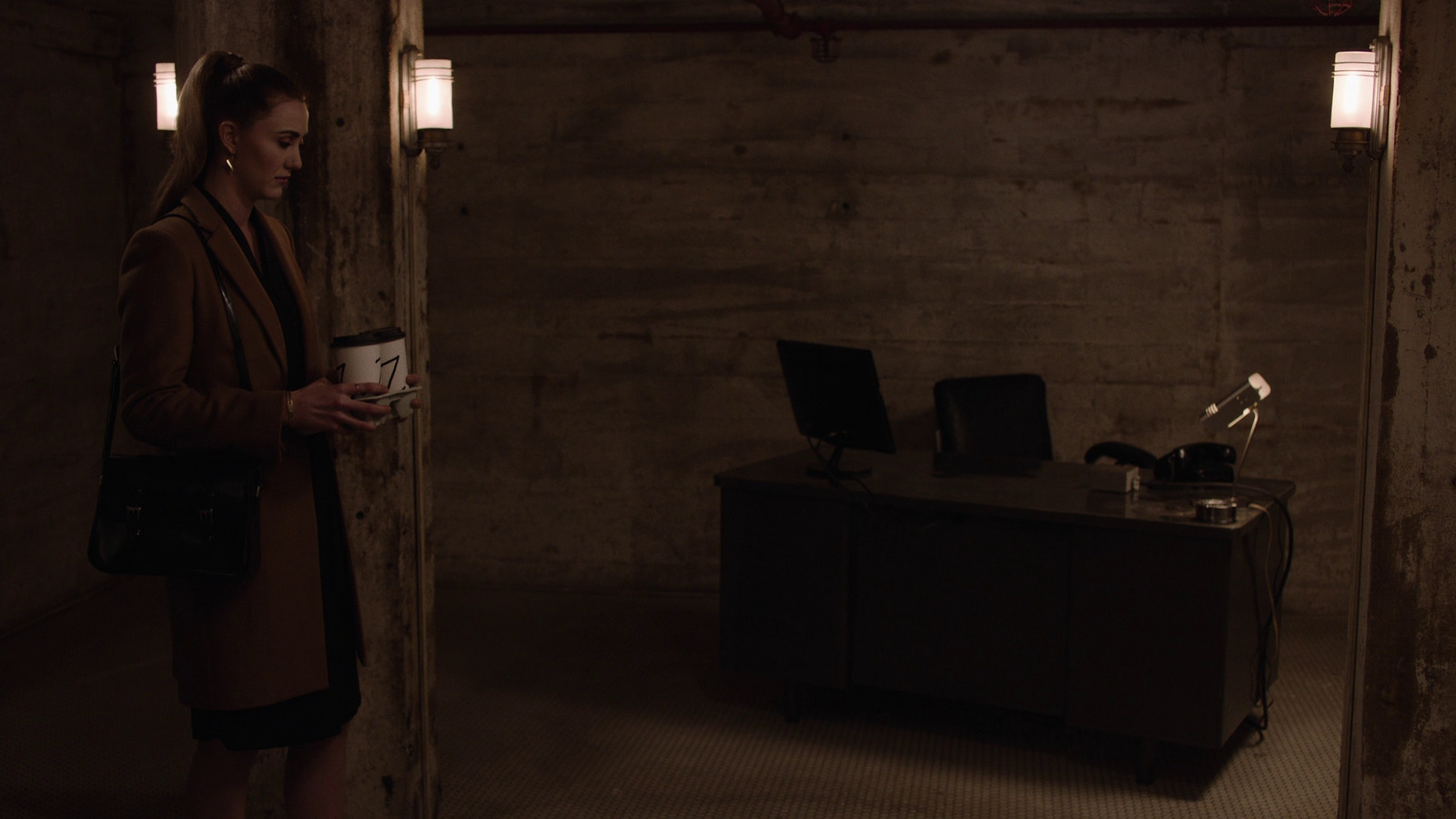
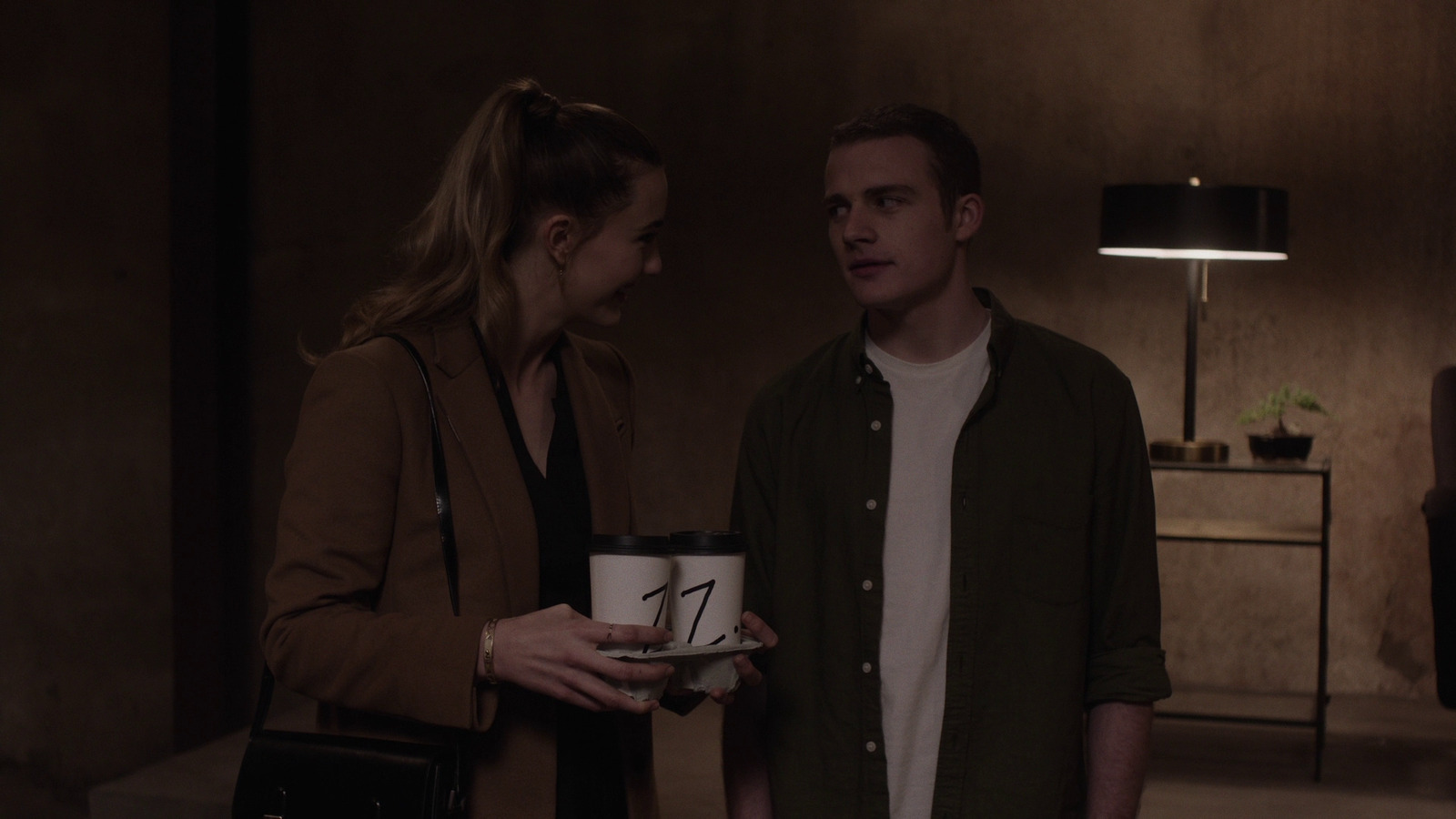
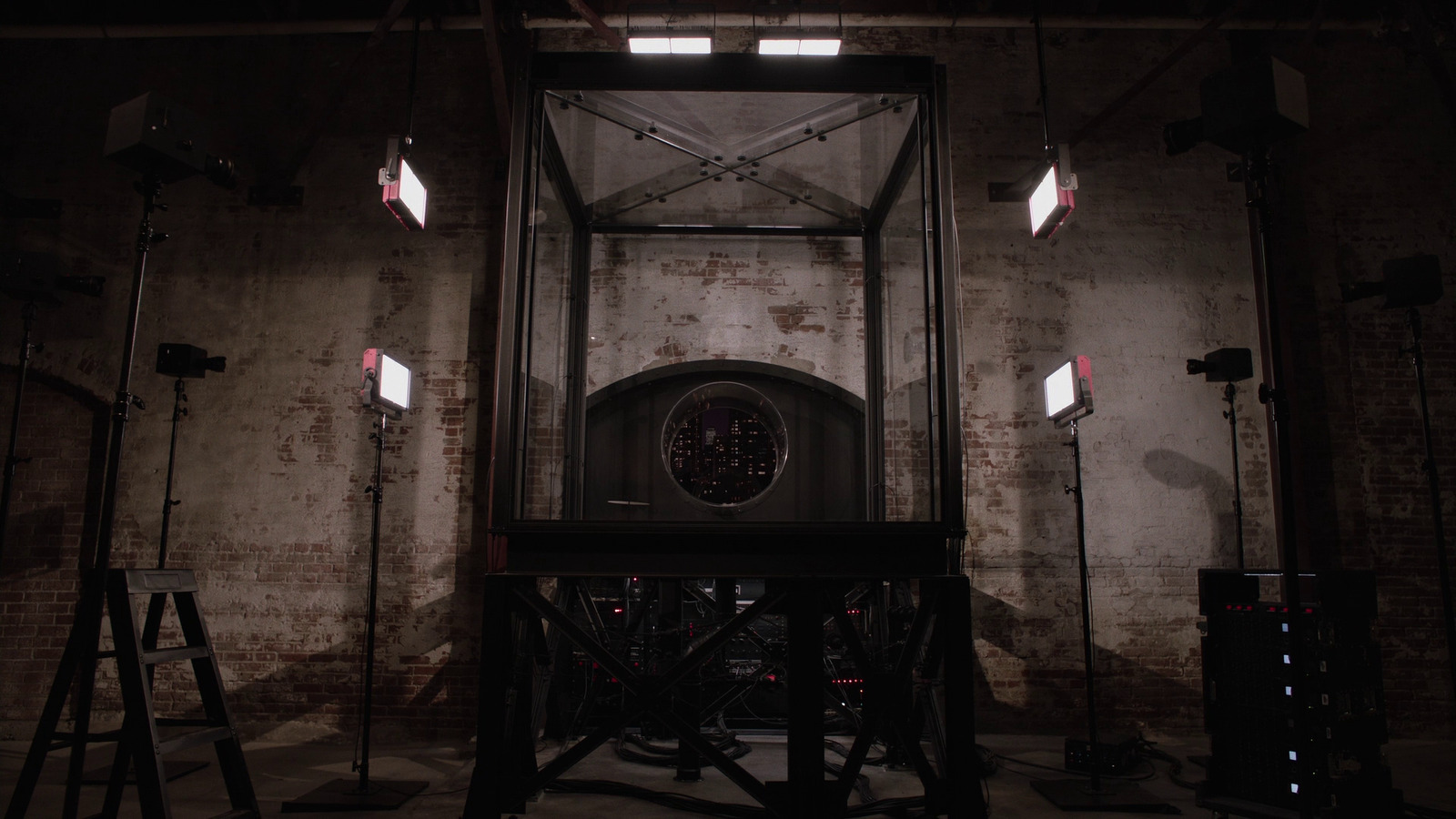
Exterior city views give way to a glass enclosure and a young man sitting before it. Cameras repeat the act of looking from different positions. Intercom instructions, a numbered camera and a small equipment routine establish a job without explaining the experiment behind it.
Tracey’s first visit tests the room’s boundary. Coffee and flirtation meet a security rule: she cannot enter. The guard makes that refusal ordinary enough to accept. The scene’s length lets us learn the doorway, desk, enclosure and observer as a spatial system; their later changes can then carry information without explanatory dialogue.
Open the scene sequence · 1 frame
The Horne brothers: continuity with a changed balance
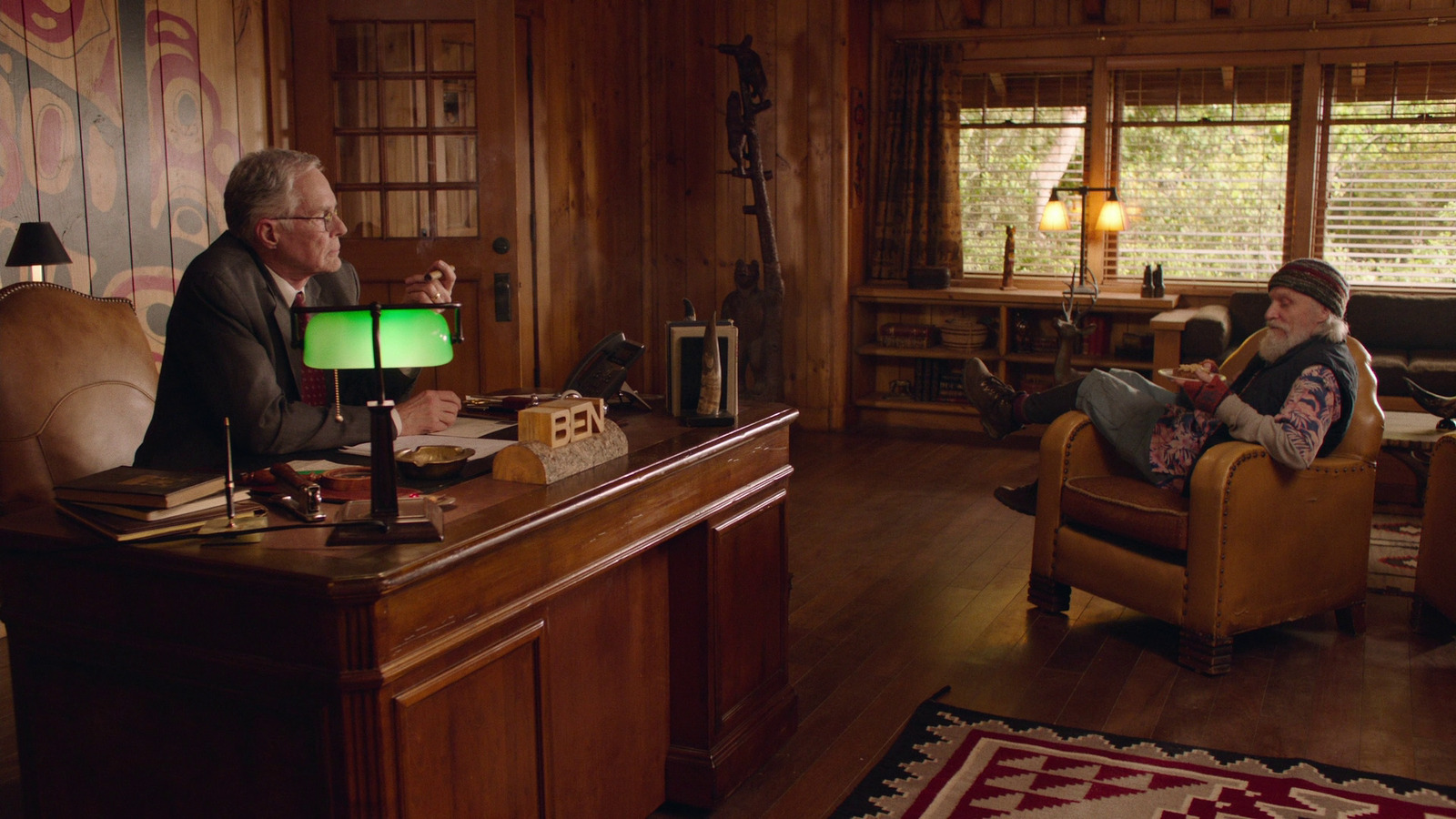
Ben deals with a guest complaint and a limited refund before Jerry arrives with food and news of his cannabis business. The conversation places money, appetite and self-restraint in the same familiar office. Jerry’s interest in Beverly also returns Ben to a history he now claims to resist.
The scene offers the pleasure of an established double act while making the brothers’ current positions different. Ben stays behind the desk and argues for a boundary; Jerry ranges across the conversation through provocation. Peter Deming’s account identifies the office as a rebuilt set: its apparent familiarity was actively reconstructed. [3]
Which Sheriff Truman?
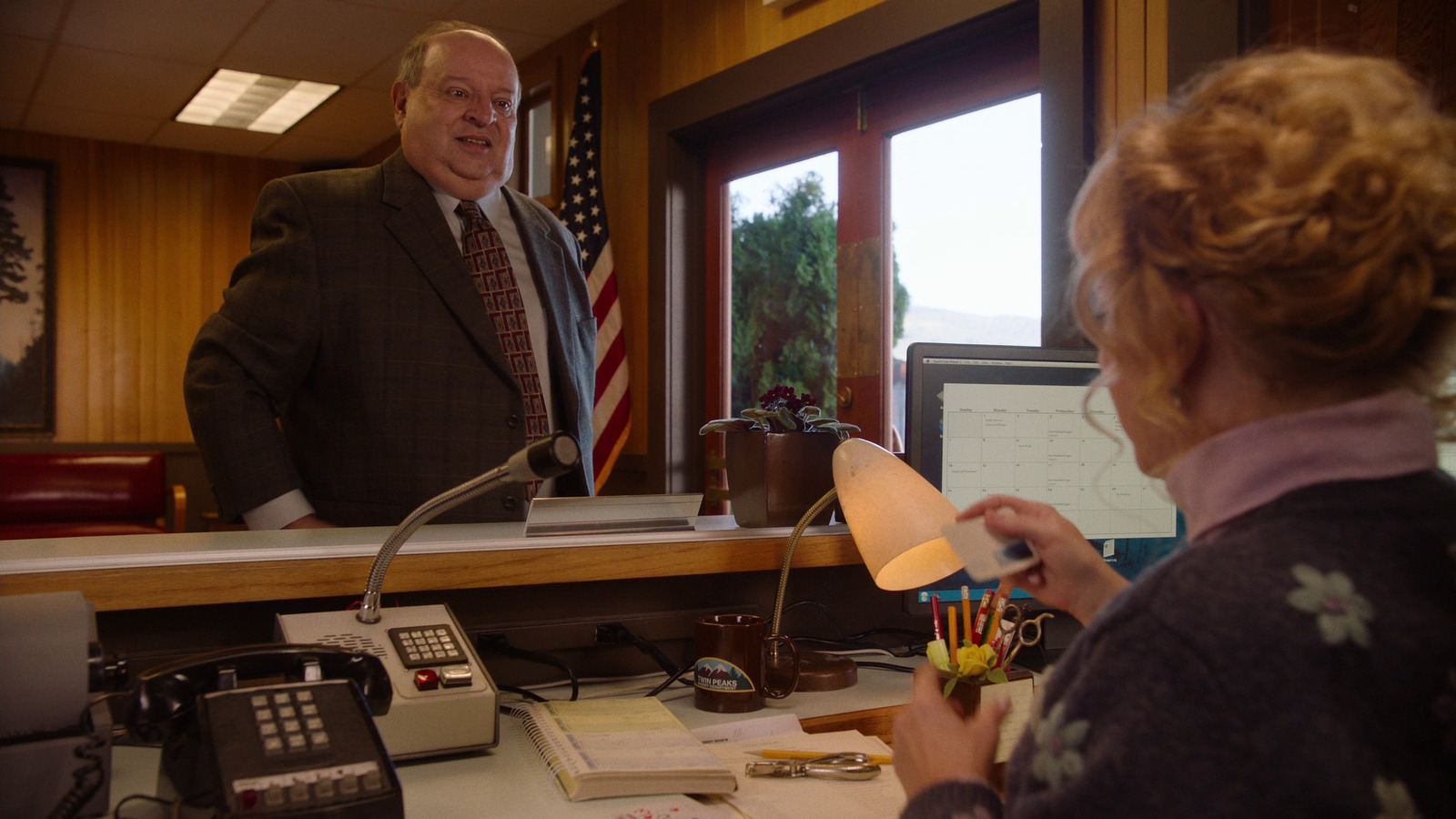
The salesman’s simple request cannot get past Lucy’s distinction between two Sheriffs Truman, one sick and one fishing. Her answer is accurate within her own frame of reference but unhelpful to a visitor who does not know what information he lacks. He leaves a card rather than obtaining an interview.
The exchange is a small comic version of the opening’s larger problem: a familiar name does not guarantee a single referent. Lucy controls access by taking language literally. Editor DuWayne Dunham recalls working through this scene with Lynch, useful evidence that its hesitations and reactions belong to deliberate comic timing. [2]
The double arrives through force
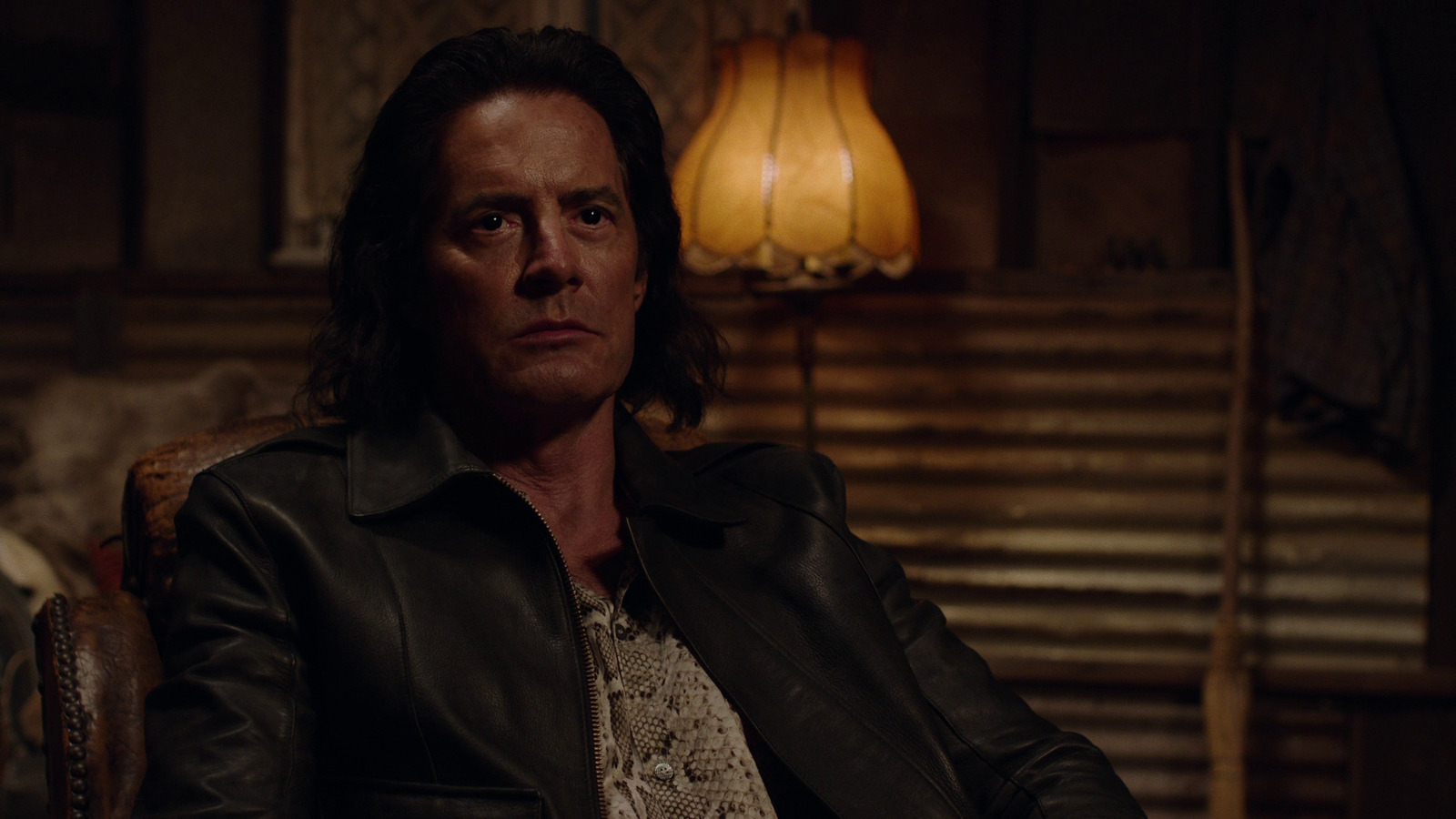
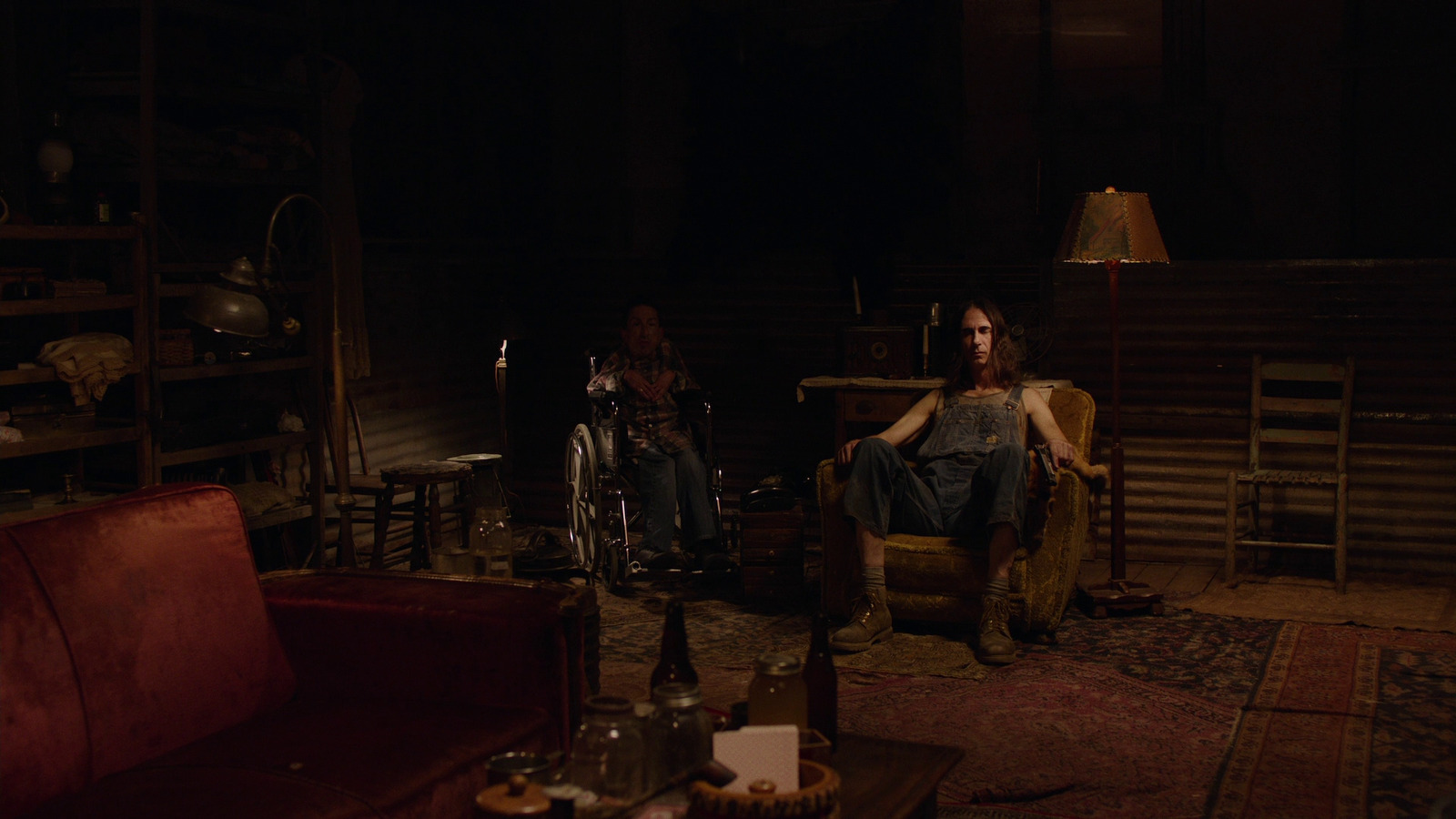
The approach by headlights is accompanied by the forceful, slowed texture of “American Woman” in David Lynch’s remix. Inside, the man with Cooper’s face imposes himself physically and asks for Ray and Darya. His clipped demands and settled posture supply none of the warmth associated with the visiting FBI agent.
Darkness does not simply conceal him. It makes the room seem governed by his authority: others explain, fetch or comply while he waits. The wide arrangement and his closer view allow the same face to become unfamiliar through duration, dress, voice and the reactions around it.
Open the scene sequence · 1 frame
An absent guard, an uncertain explanation
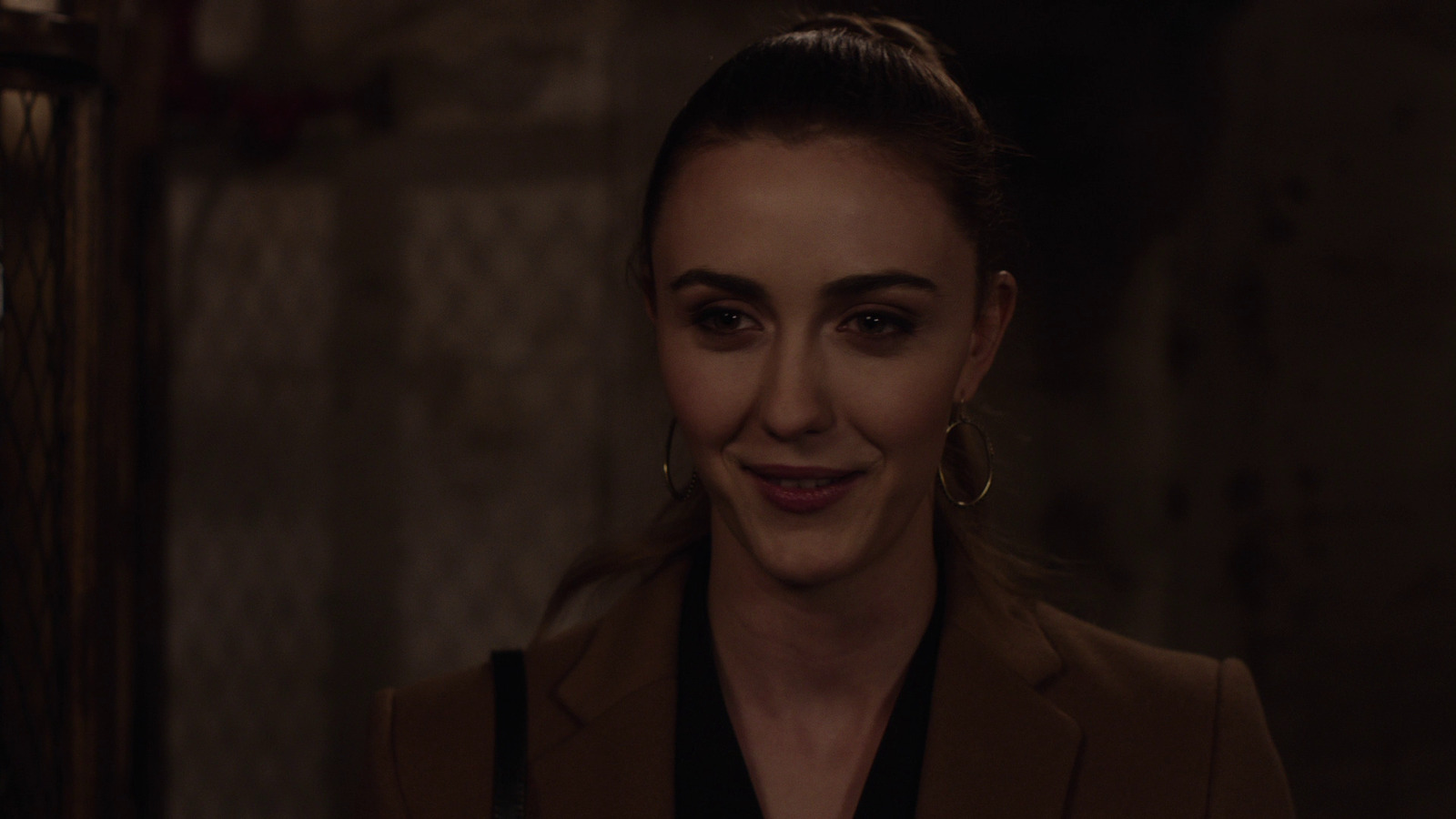
The return to the same doorway supplies a consequential difference: the guard is gone. Sam checks and then allows Tracey inside. Her questions produce only partial information. He knows what he is paid to do, but his account of an anonymous billionaire is something he has heard, not an identification the episode establishes as fact.
Tracey proposes an experiment as a possible explanation; Sam cannot confirm it. Their ordinary conversation makes the limits of the observation job explicit. The room contains abundant equipment and very little understanding. When attention shifts to the couch, the established view of the enclosure becomes a place where even a slight alteration can acquire menace.
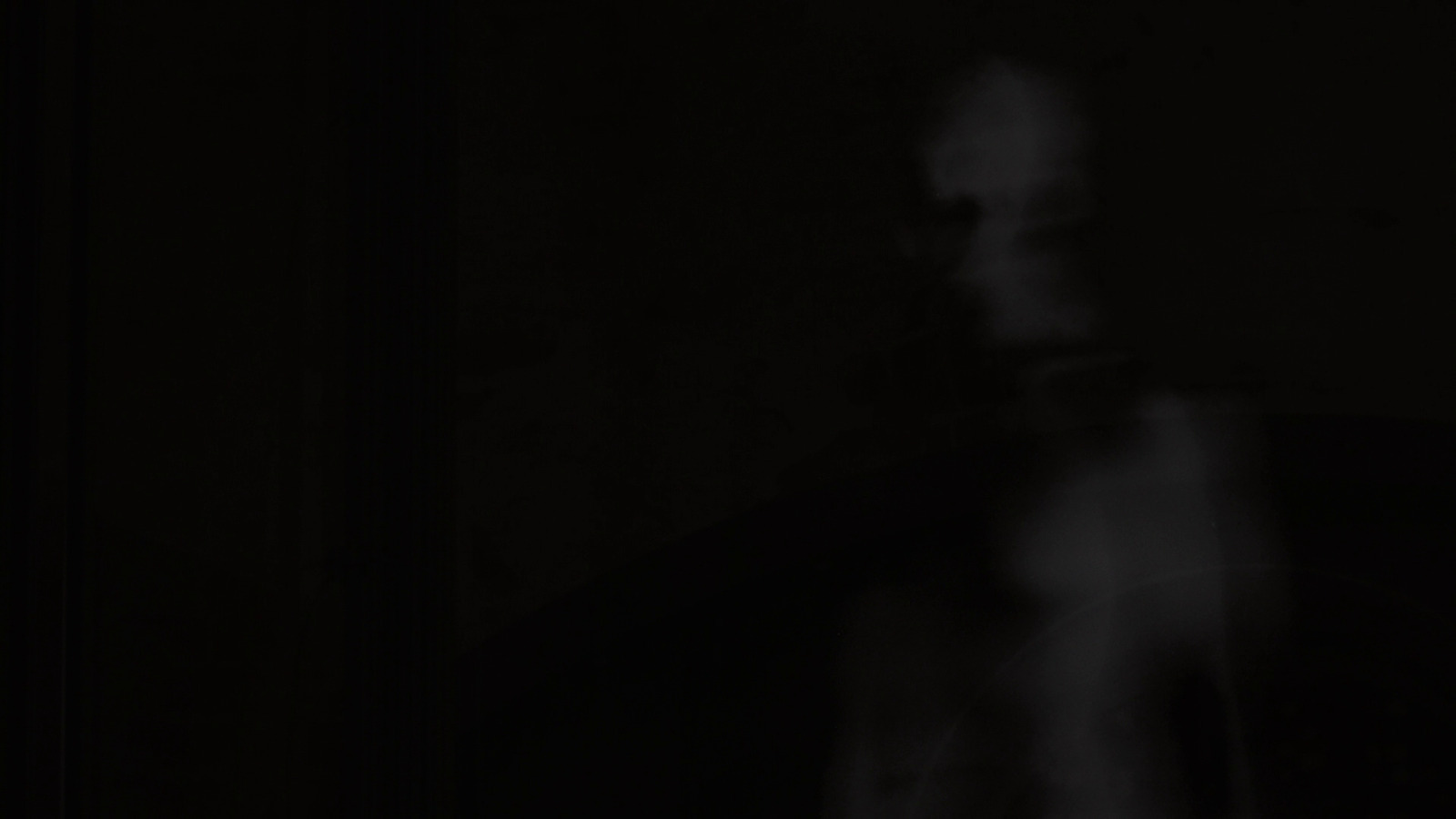
The attack then changes the scale and speed of the scene. The barely legible form approaches, impacts and finally breaches the barrier. The focused gallery below follows that change in visibility and containment.
Open the scene sequence · 1 frame
The key is closer than anyone thinks
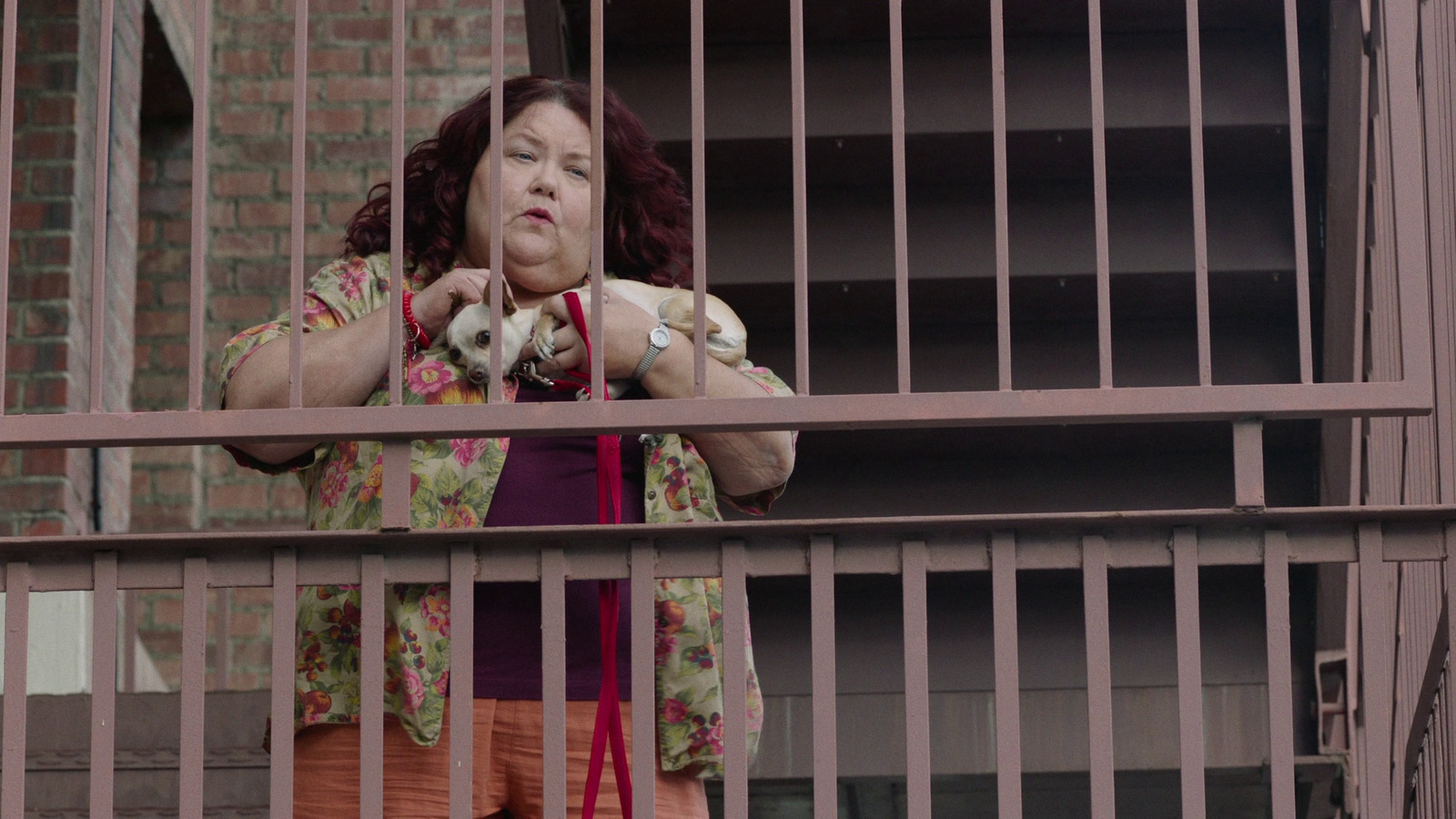
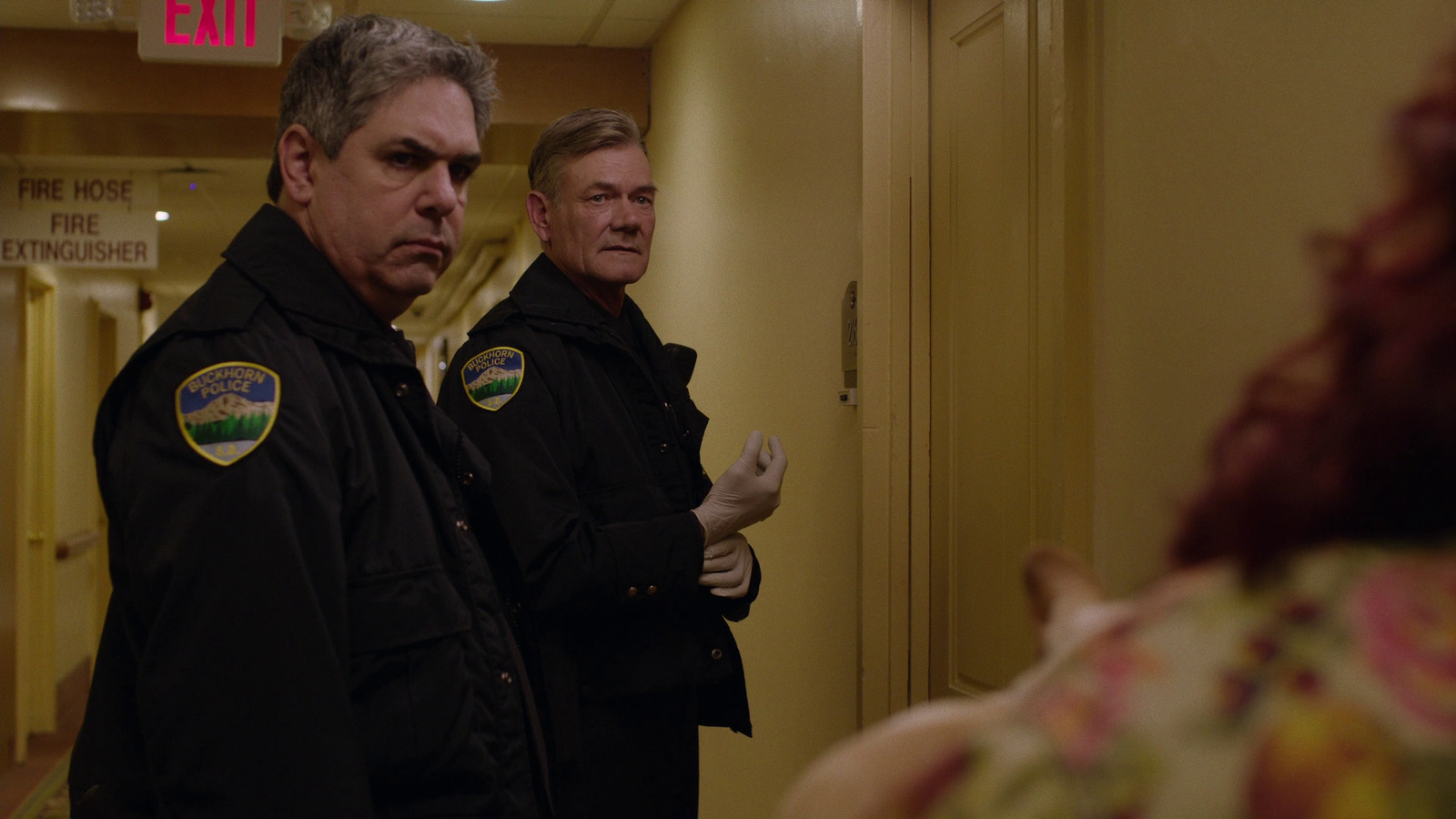
Bird calls and daylight reset the atmosphere after the New York violence. Marjorie Green’s report of a smell leads officers through names, a missing manager and a series of explanations that do not immediately produce access. Her dog Armstrong remains part of the conversation’s social clutter. Eventually she remembers that she has a key.
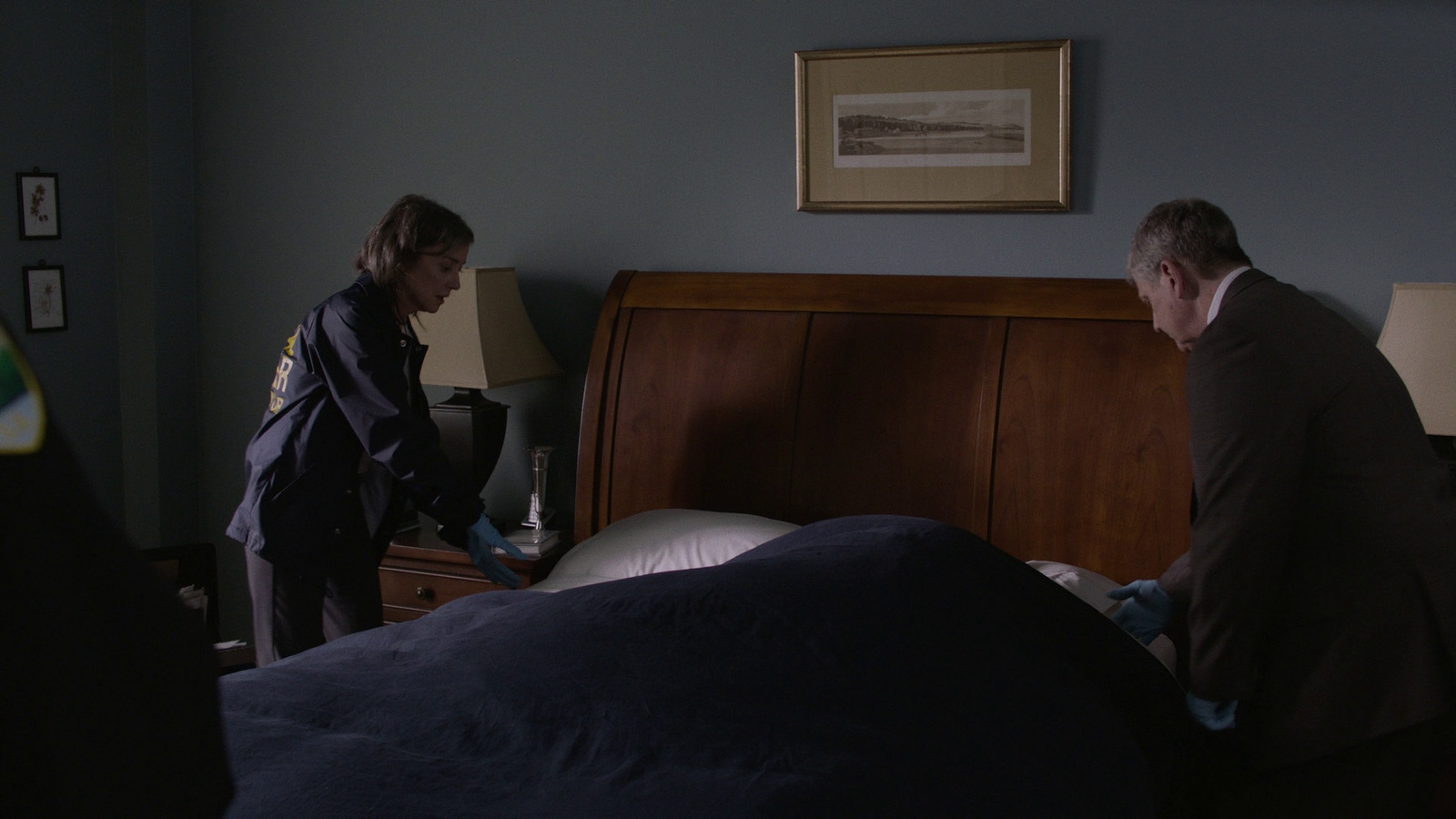
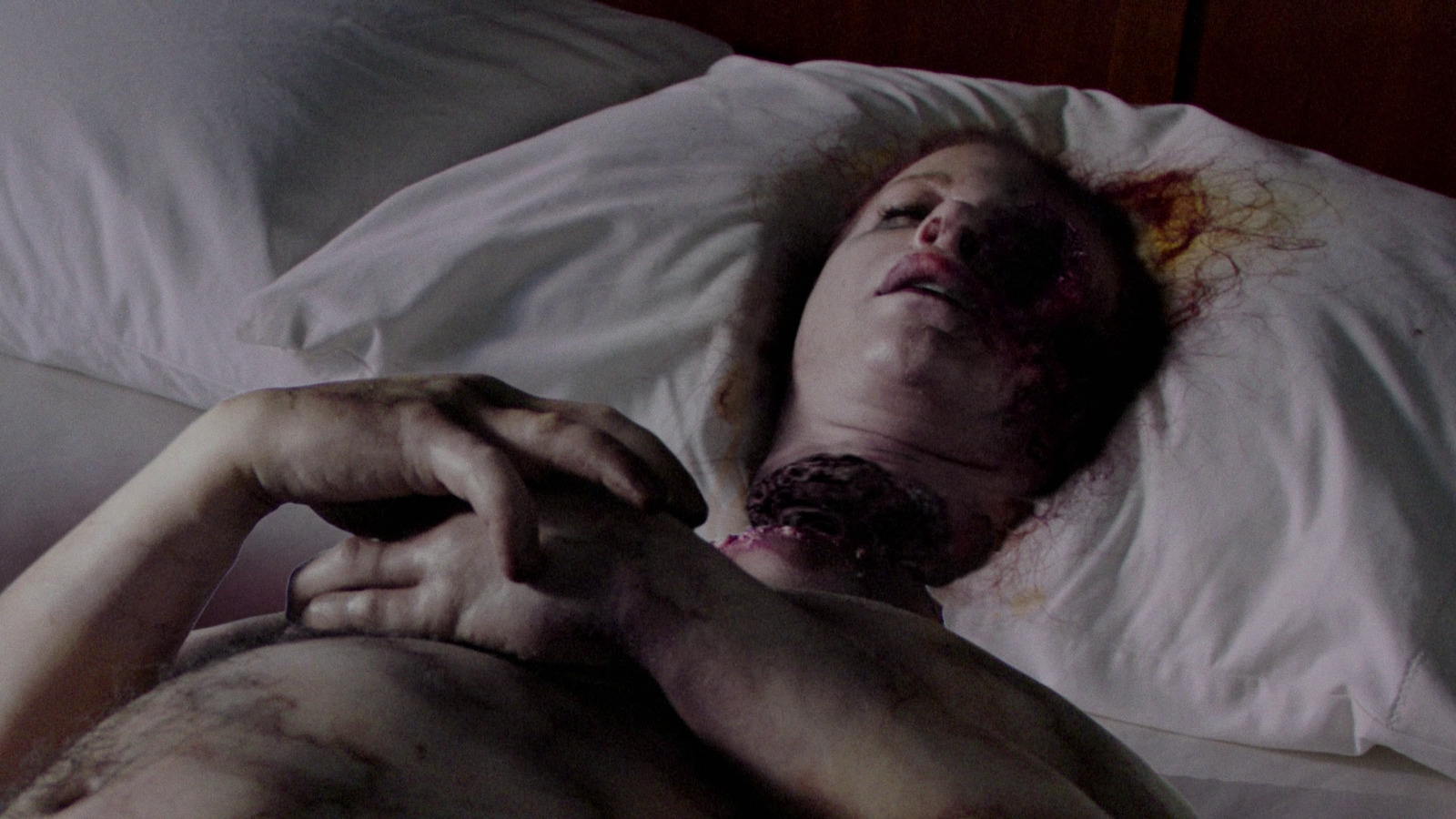
The delay makes local knowledge materially important: the police cannot enter merely by possessing authority. Once inside, a second withholding begins. A head on the pillow is visible before the careful lifting of the sheet changes the investigators’ understanding of the body. The sequence moves from conversational obstruction to a controlled visual revelation.
Open the scene sequence · 1 frame
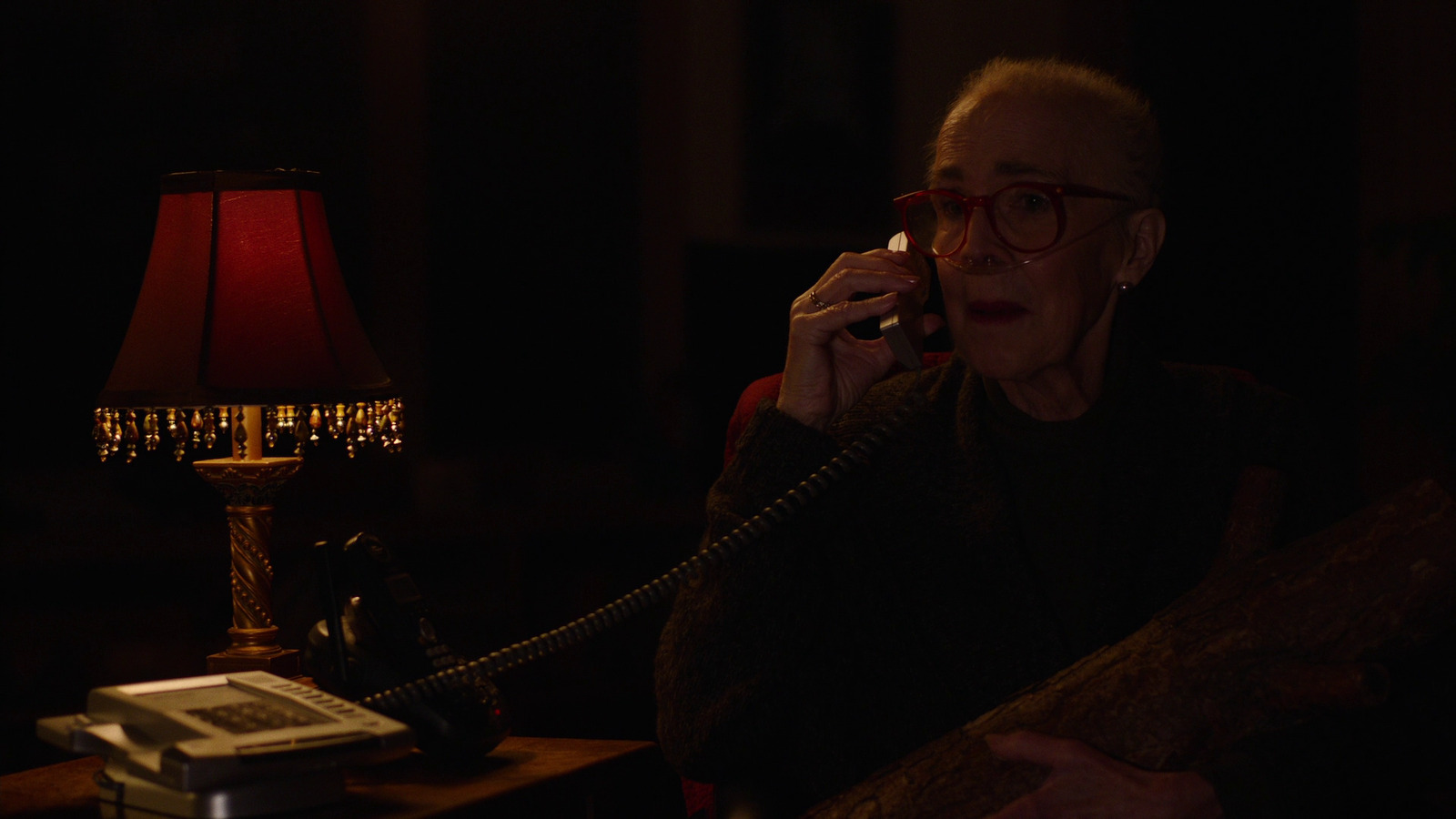
Margaret’s message becomes Hawk’s work
Margaret tells Hawk that something is missing and connects the task to Cooper and Hawk’s heritage. Catherine Coulson’s pauses and Michael Horse’s attentive stillness give the call gravity without turning it into a conventional briefing. Hawk stays with the moment after the line has gone quiet.
The later scene with Andy and Lucy makes the message practical. Files have to be gathered; a long absence is measured against Wally’s age and the lack of Christmas cards. Personal memory and official records occupy the same room. The call is therefore more than an atmospheric prophecy: it initiates a specific act of renewed investigation.
Open the scene sequence · 2 frames

An ordinary evening becomes evidence
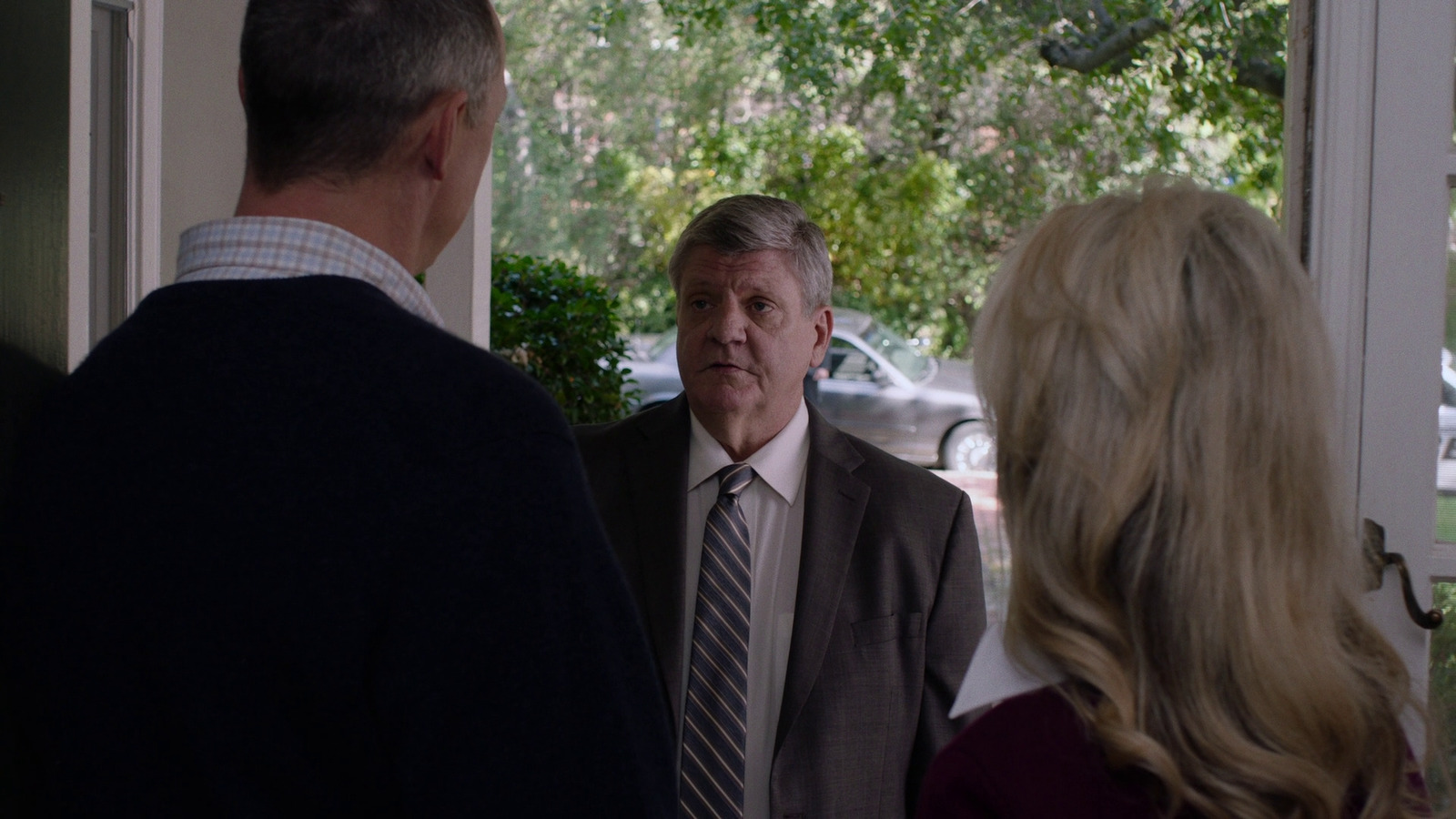
The fingerprint result brings the inquiry to a local school principal. At home, a familiar visitor becomes the officer making an arrest, while Phyllis remains concerned about dinner arrangements. The scene allows everyday social expectations to persist after they have stopped being adequate.
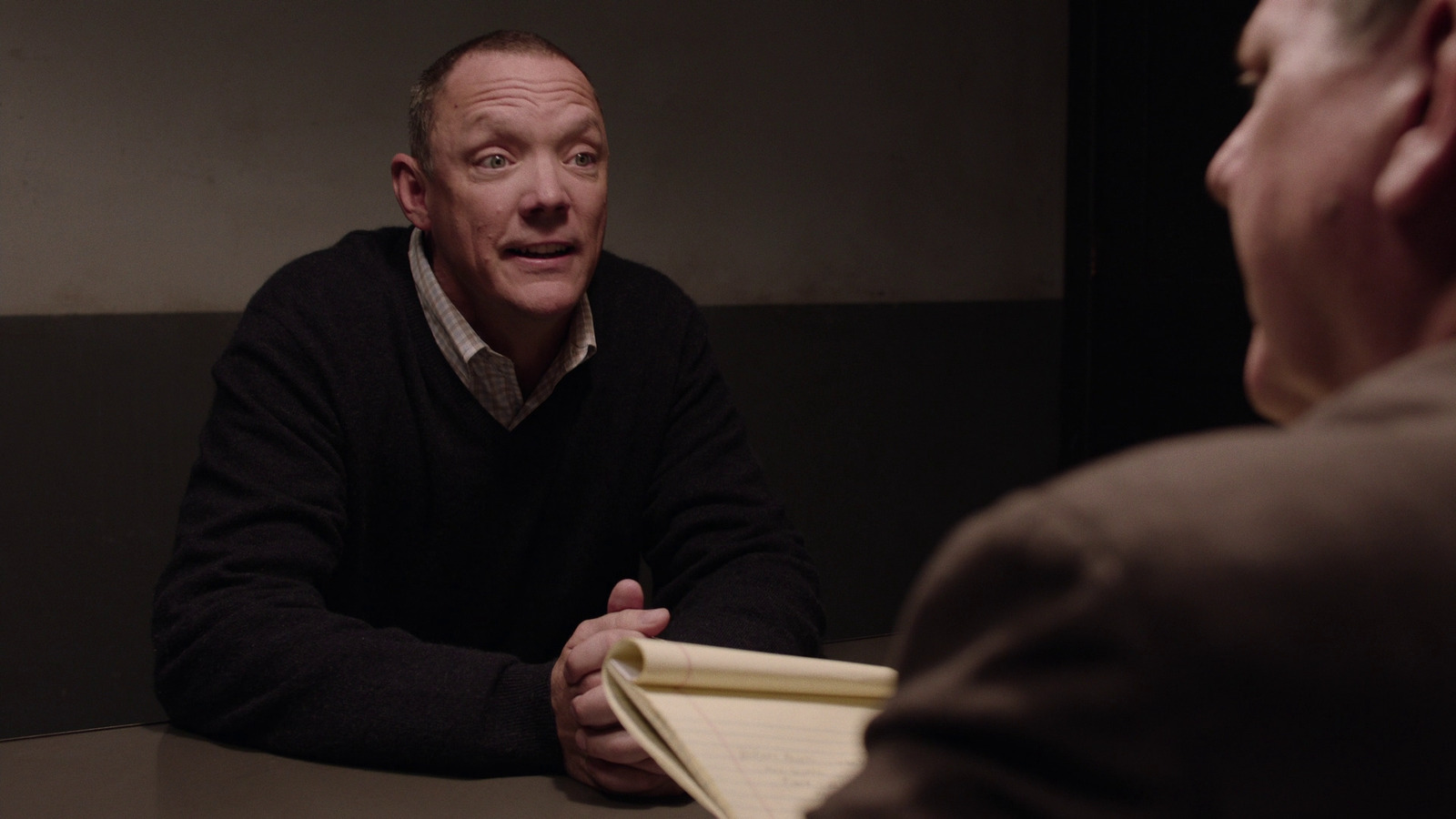
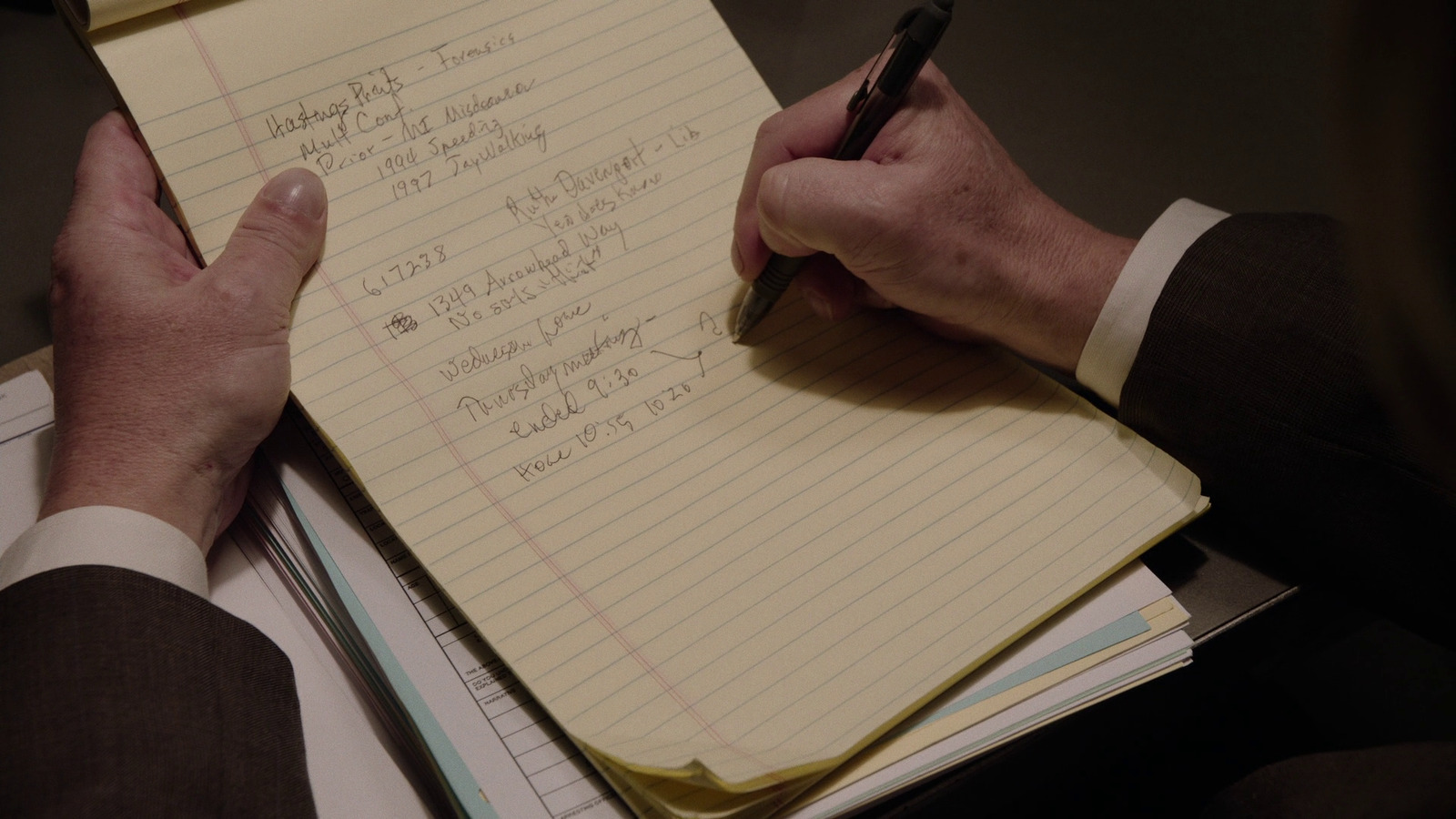
In the interview room, Dave Macklay’s acquaintance with Bill becomes an investigative tool. The conversation begins with what Bill knows about Ruth and where he has been. Dave writes down the account before disclosing the central accusation. A gap opens between the claimed end of a meeting and the time Bill arrived home; an additional journey with Betty then enters his account.
Matthew Lillard’s performance changes through hesitation, attempted recollection and rising alarm. The yellow pad turns spoken explanations into a record that can be tested. By the time Bill asks for George, the familiar relationship across the table has become a trap rather than a source of reassurance.
Open the scene sequence · 2 frames
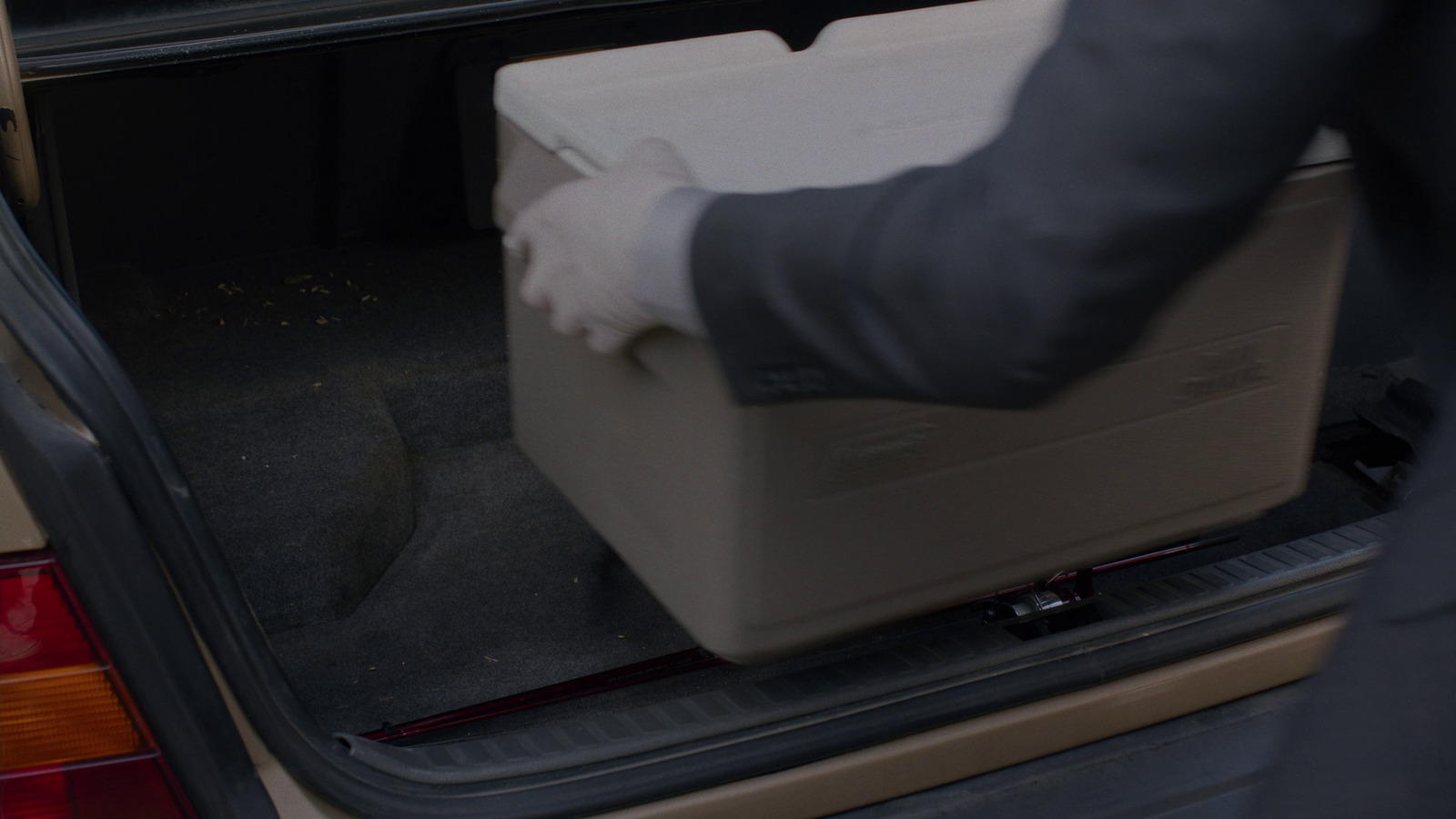
The investigation reaches the car
The search moves the investigation from Bill’s account to an object that can be opened and examined. Light is handled as a practical instrument, and the discovery in the car arrives as something the detectives have to make visible before it can be explained. The scene ends with evidence rather than a satisfying interpretation.
In the standalone Part 1, this discovery gives way to the gramophone and credits. In the combined presentation, it leads into Bill and Phyllis’s prison confrontation. The same material can therefore function as a stopping point or as the immediate pressure behind another scene.
Messages, machinery and the pressure of waiting
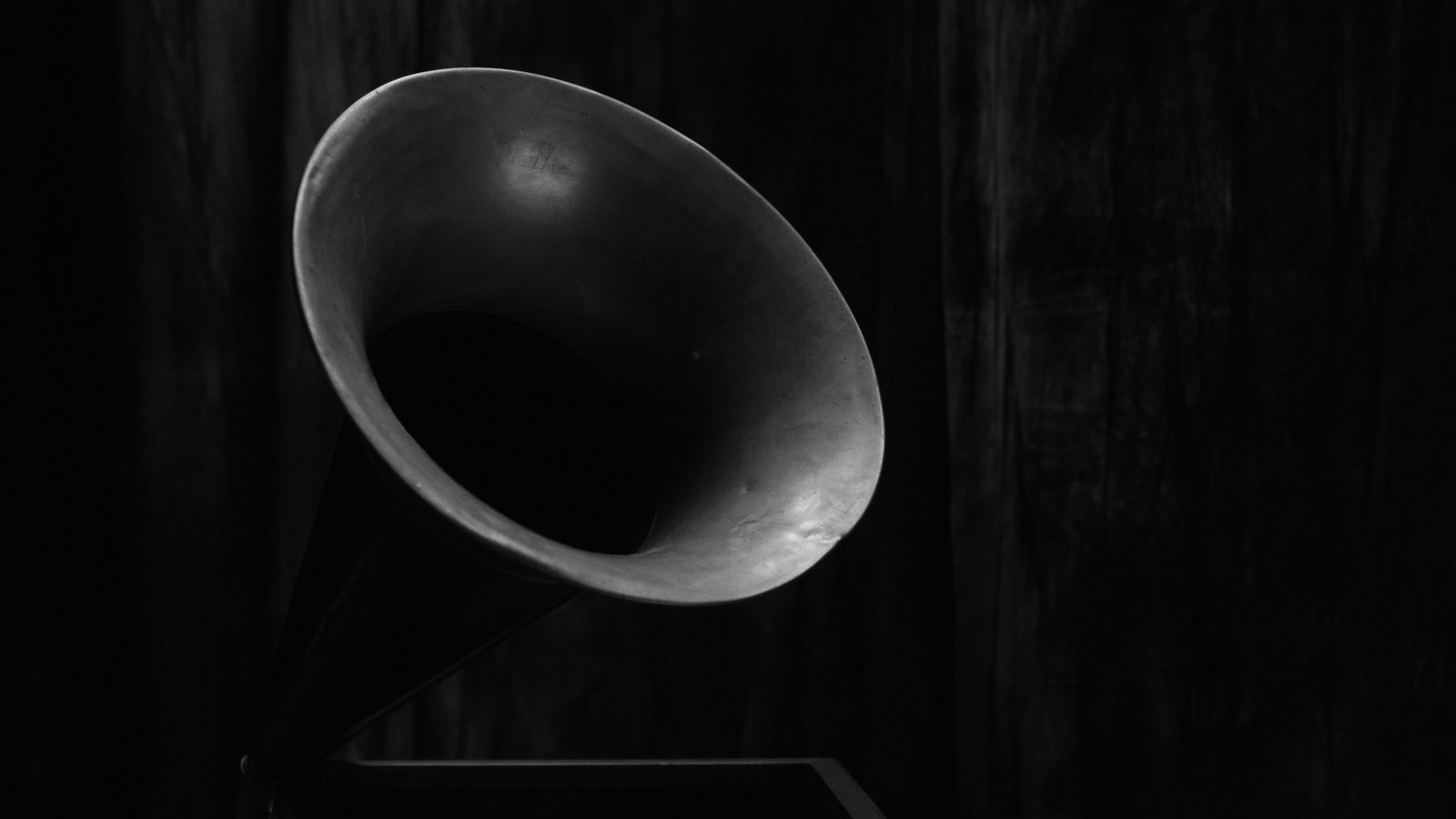
Listening is an action. The gramophone passage at 04:12–04:30 isolates small clicks and scratches while Cooper listens. The scene’s instruction and its physical sound source are inseparable: we are asked to attend before we are allowed to interpret. The closing gramophone image returns to that demand after the investigation has acquired evidence.
Machinery establishes the room. In New York, camera hum, the intercom, processing sounds, elevator movement and the heavy door create an environment of managed access. The attack does not begin from absolute silence. Its whooshes, impacts and breaking glass disrupt a room whose quieter operation has already been made familiar.
Speech exposes unequal knowledge. Lucy knows which distinction the salesman has missed; Sam knows his instructions but not their purpose; Margaret gives Hawk a task without a conventional explanation. Bill’s interrogation reverses the balance: the detective already holds evidence that the suspect does not know he has. The sound of writing makes that unequal exchange tangible.
A telephone line can hold a performance. Margaret’s pauses, Hawk’s short answers and the interval around their goodnights give the scene a measured intimacy. The transition to files and colleagues preserves that care while changing its form into work.
Dean Hurley recalls Lynch reconsidering the amount of music in the second-season finale and allowing the new series’ scenes to stand without continuous underscore. That testimony provides a useful context for these active room sounds and pauses. It does not mean the opening is musically empty: the title theme and the double’s road cue are conspicuous events. [4] The end titles also credit “Sub Dream” and Thought Gang’s “Frank 2000”; a credit is not, by itself, a complete scene-by-scene cue map.
Focused effects studies
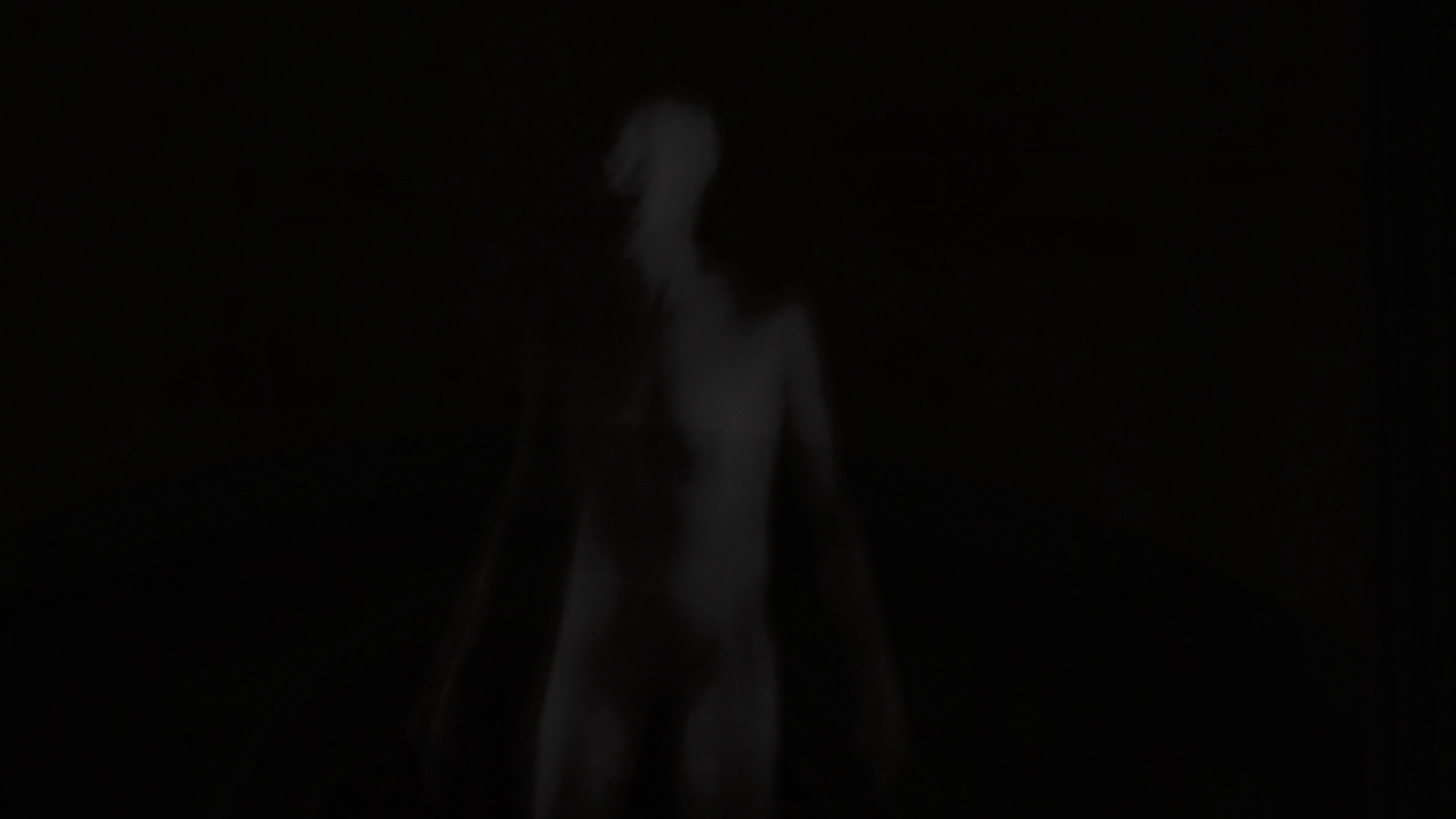
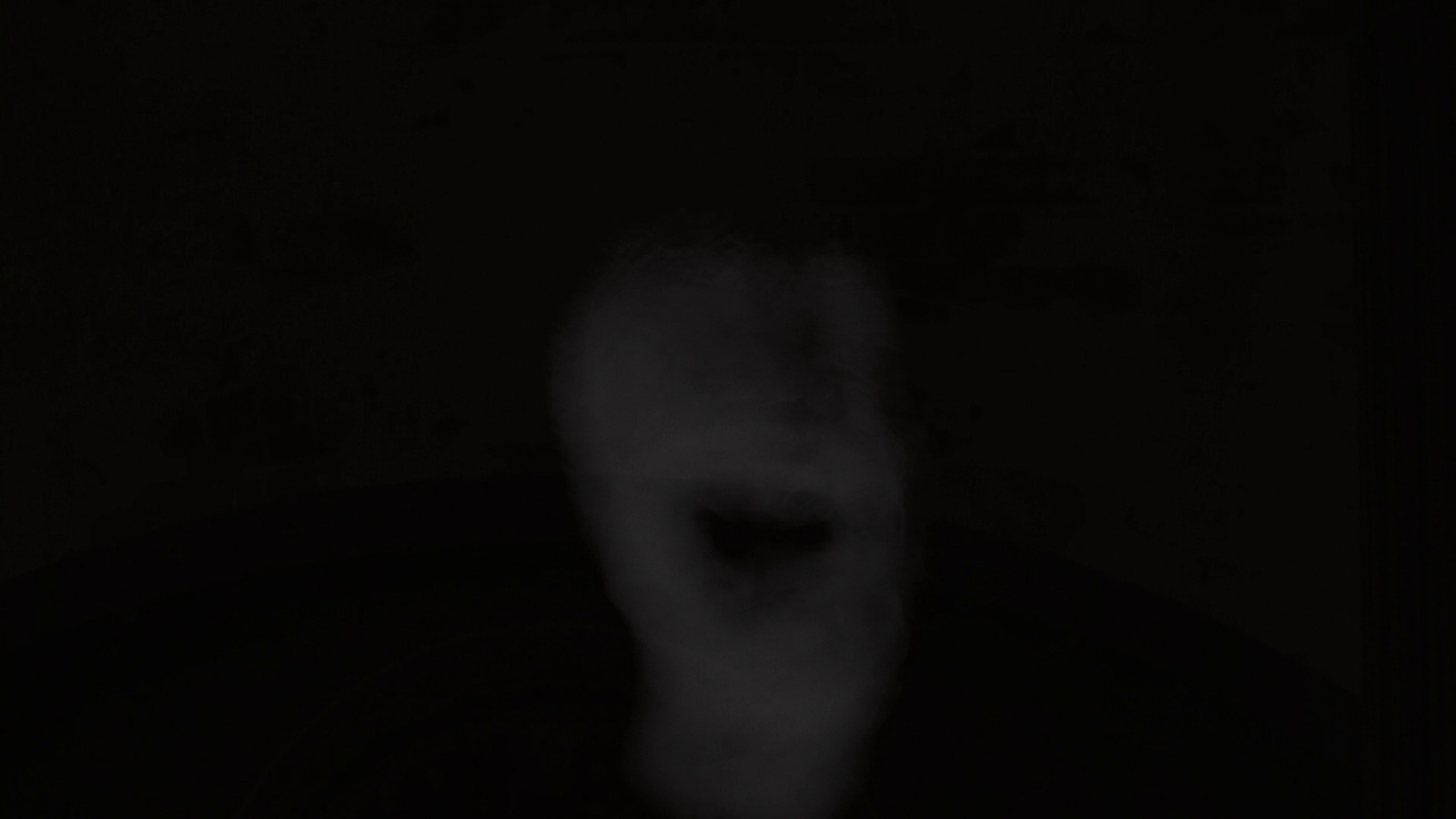
The glass box: from indistinct form to breached boundary
The effect gains force from the earlier, uneventful views of the enclosure. In the selected sequence, darkness first makes the pale form uncertain; movement and impact then make the barrier itself the subject. A closer view reduces the stable architecture available to orient us. These frames study the visible progression, without assigning the creature to a particular effects vendor in the absence of shot-specific testimony.
Open the glass-box effects sequence · 4 frames
Ruth’s bedroom: revealing an impossible arrangement
The sheet operates as a practical part of the scene’s visual design. The investigators’ careful handling delays the complete view; the exposed arrangement then contradicts the assumption that head and body belong to one person. The effect is inseparable from staging, framing and the moment at which information is released. The programme credits makeup and effects teams, but those credits alone do not establish the construction method of this particular prop.
Open the bedroom reveal · violent imagery · 2 frames
Making the images, shaping the performances
Dunham describes trying several arrangements for the opening, and working with coloured cards to track the expanding story. His account of image-led editing and sparse provisional sound also distinguishes his process from Lynch’s later sound design. The opening’s long waits and abrupt changes of place belong to a constructed rhythm, not an absence of editorial decisions. [2]
Deming describes familiar interiors as a visual foundation while allowing the new locations their own looks. The rebuilt Horne office and the double’s dark encounters demonstrate how continuity and estrangement can coexist within one part. [3]
Producer Sabrina Sutherland recalls adapting Coulson’s filming arrangements when she could no longer travel, with Lynch and Deming checking the remote setup. That production history gives the Margaret–Hawk call a further dimension of collaboration. [5] Read the fuller account of keeping Margaret in the story.
Casting a person before explaining the plot
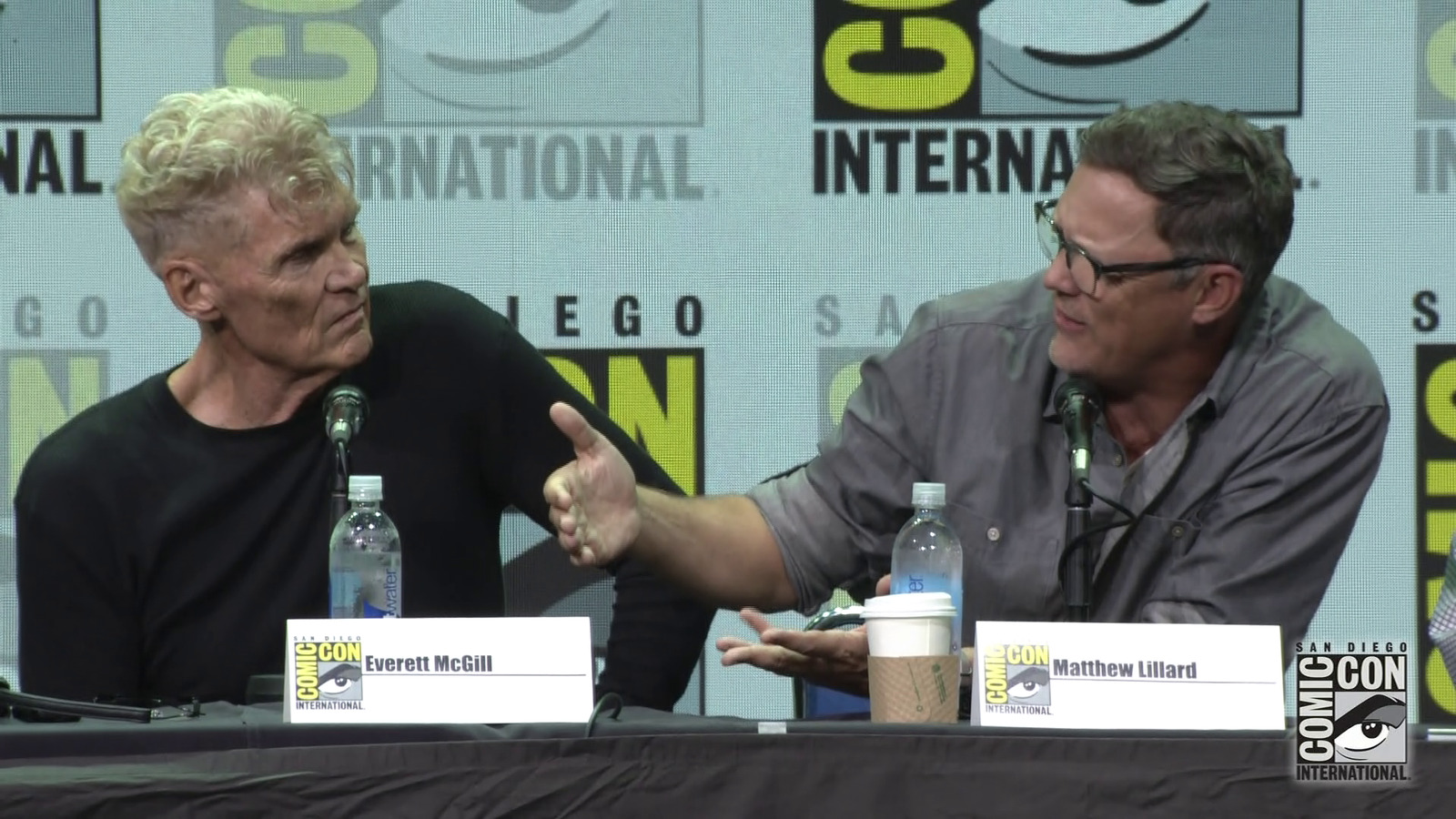
Matthew Lillard describes a casting conversation recorded on camera, followed by an invitation to read pages. His account makes the first encounter a meeting with the performer rather than a conventional demonstration of an already explained role. It is useful context for Bill Hastings’s mixture of ordinary social identity and extreme distress. Lillard also recalls the difficulty of a sobbing scene, but explicitly locates that scene in Part 9; that recollection should not be transferred to the interrogation in this opening part. Panel testimony, 21:41–22:57.
Performance, sound and the working image
The production footage in Jason S.’s Impressions: A Journey Behind the Scenes of Twin Peaks adds another view of the scenes: directions spoken on set, rehearsals, material experiments and choices still being worked out.
Giving an invisible attack a physical rhythm
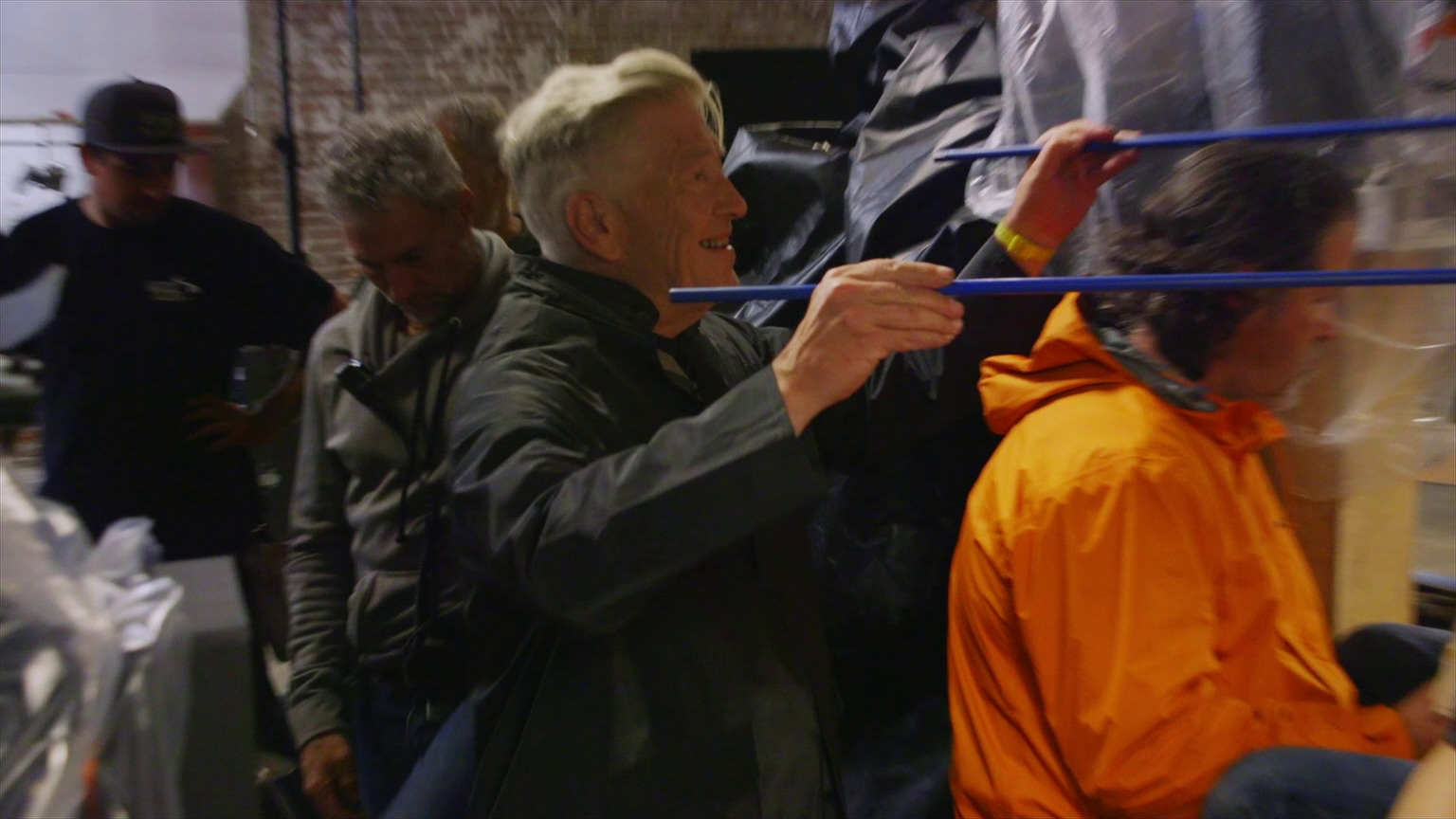
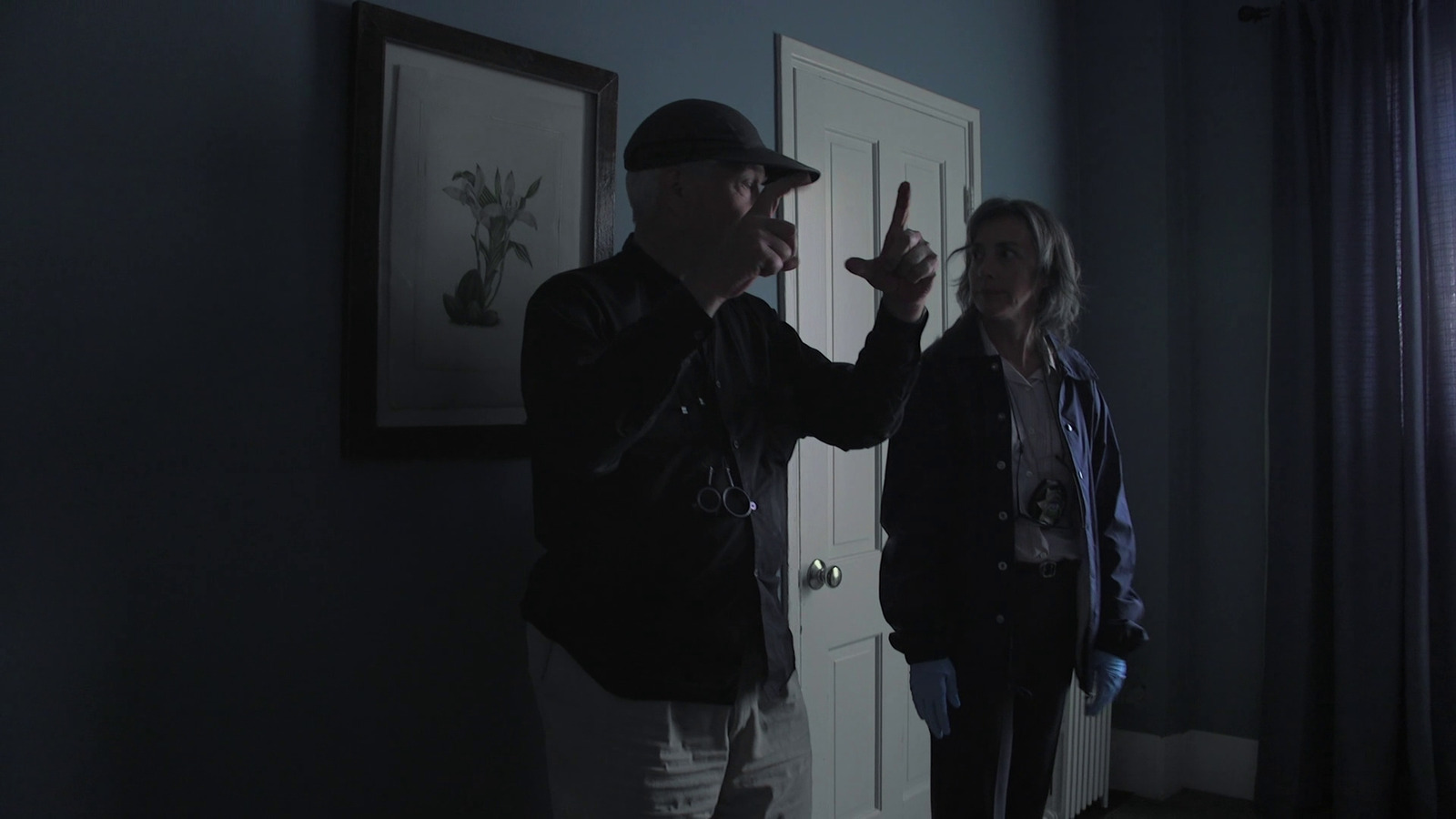
The glass-box attack is rehearsed through a series of precise bodily events: recognition, a look, a scream, an impact and a recoiling movement. In the production footage, Lynch demonstrates the violent cues with blue-tipped rods, then describes the creature’s movement toward and away from the glass. The performers and camera have a rhythm to work against before the completed apparition exists in the image.
This changes how the scene’s shock can be studied. The effect is not only the creature’s eventual appearance; it is also the interval between seeing, understanding and being struck. The practical cues document that coordination, while leaving the later construction of the creature to the visual-effects record.
Open the glass-box cue study · 2 frames
Ruth’s discovery combines a performer, a prop and a route
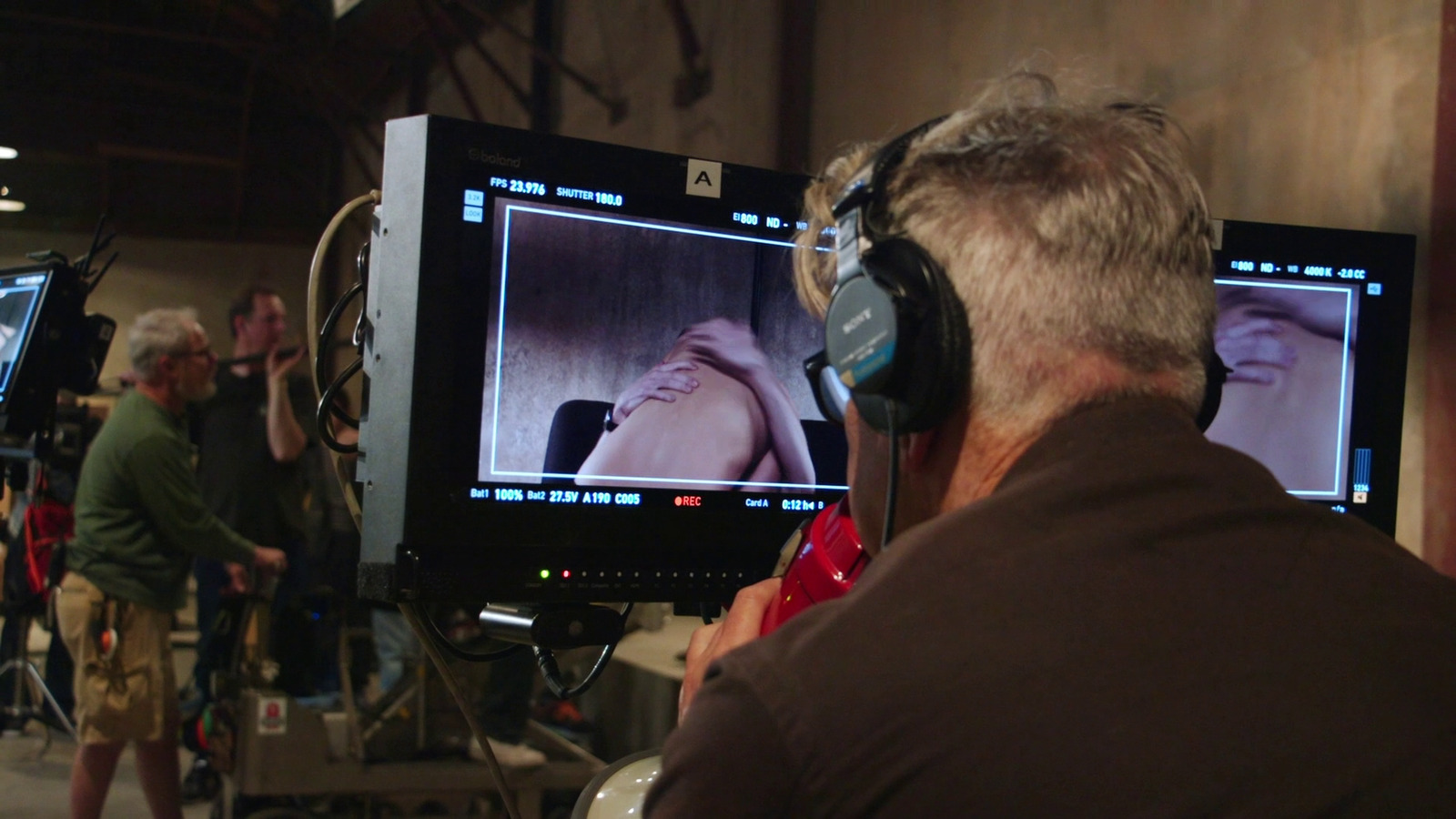
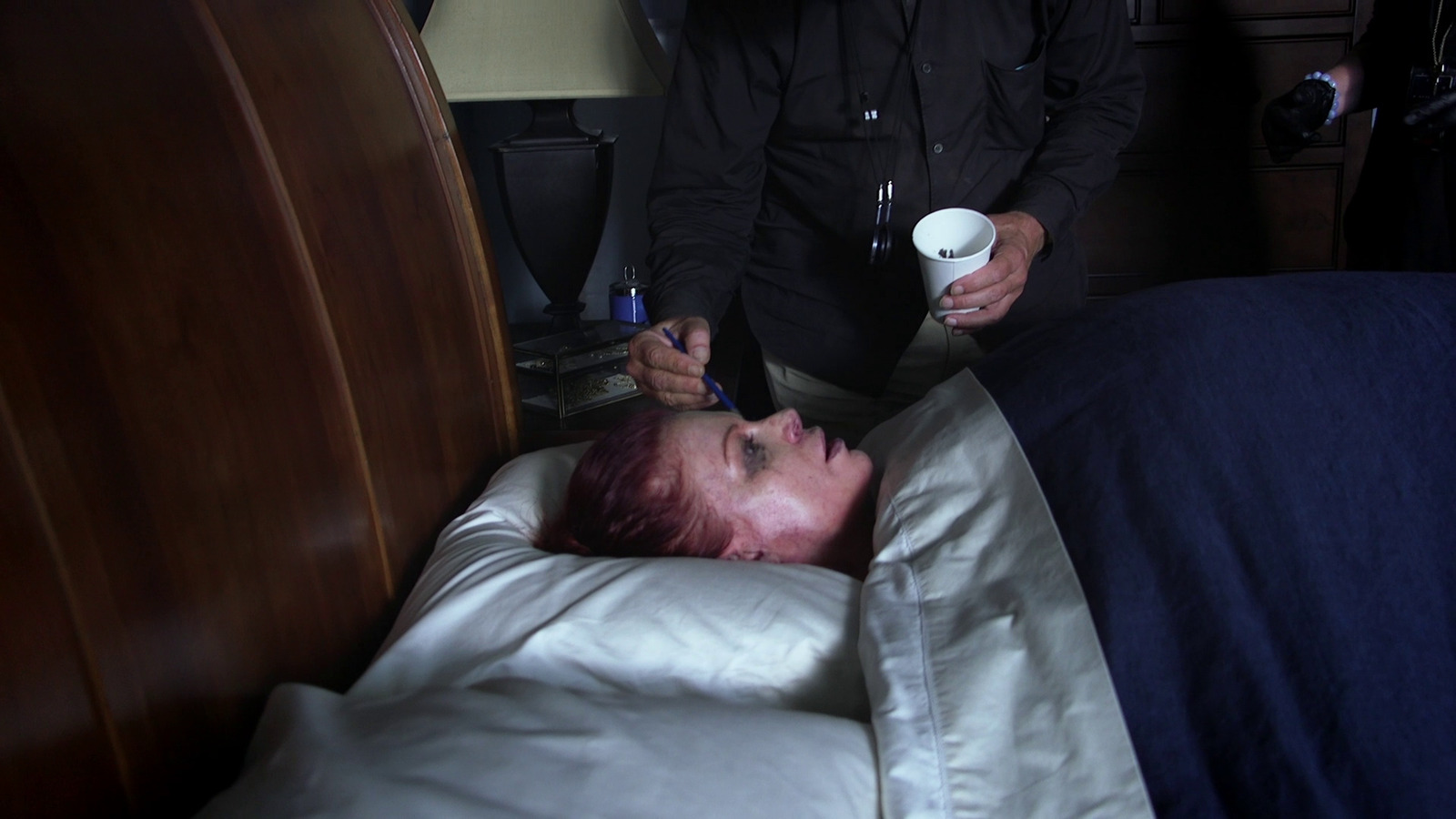
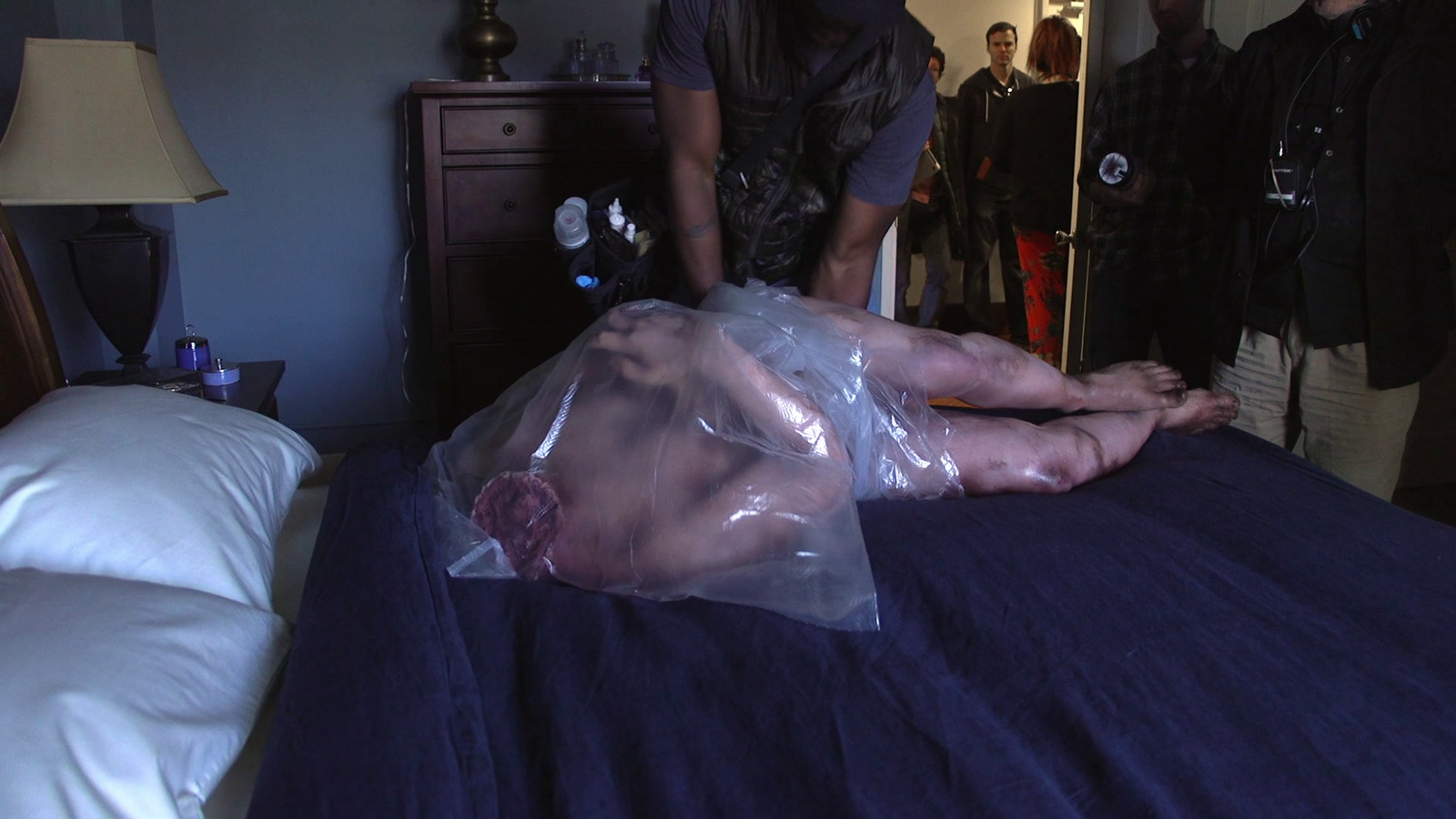
For one bed setup, Lynch explicitly distinguishes a practical arrangement using Mary Stofle and padding from a composite. He prepares the pillow because its surface will be visible. The documentary also shows the separate body prop and the crew’s handling of the bed, establishing different photographed elements rather than one continuous tableau.
The surrounding discovery is planned through the corridor, Marjorie’s movements, the search for the keys and the investigators’ entrance. The audience’s view is withheld until the characters have reached their position. That route makes the delayed recognition as important as the construction of the shocking image.
Open the discovery’s practical-effects and staging study · 3 frames
A reconstructed room, a familiar brotherly rhythm
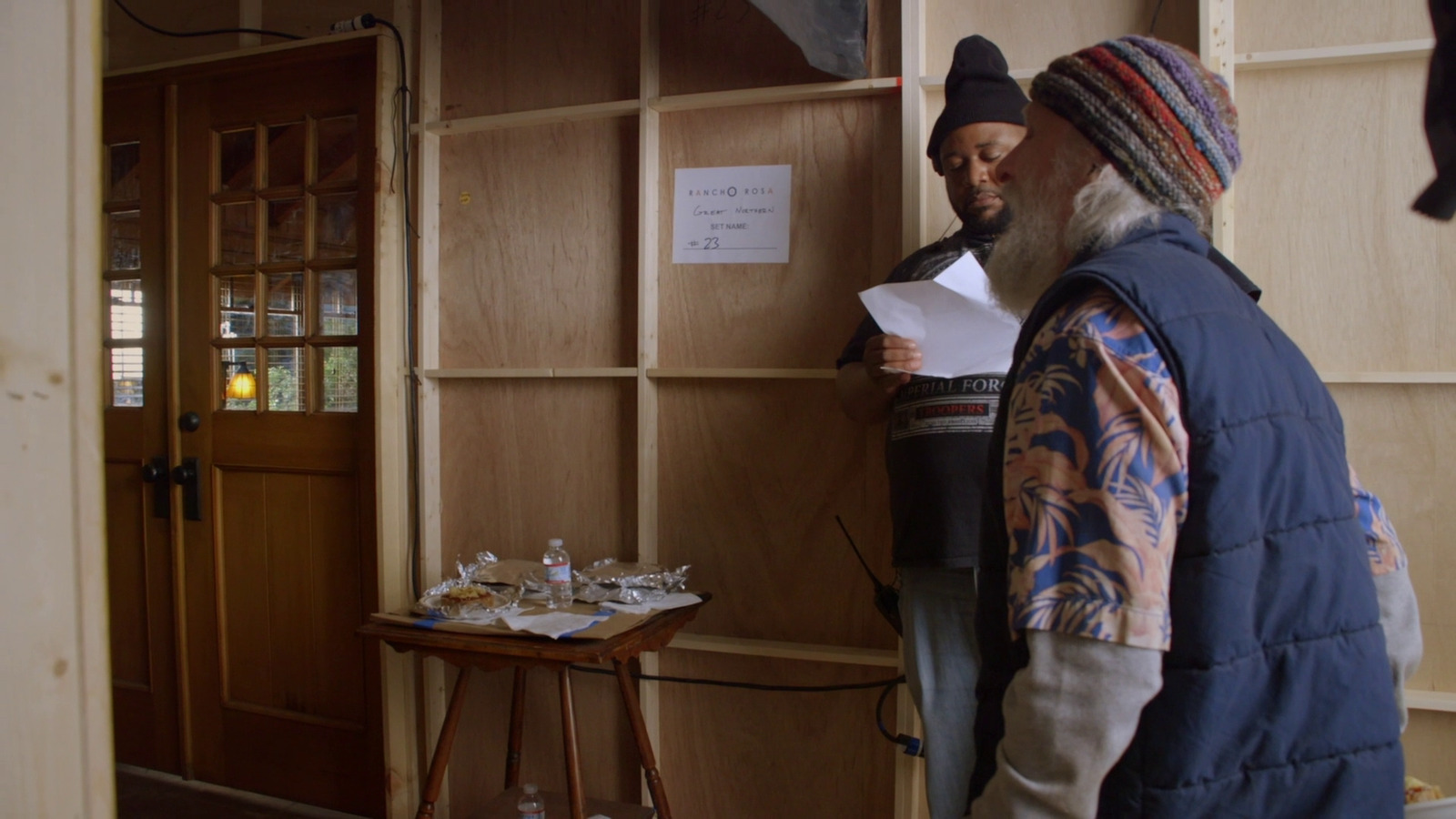
Richard Beymer’s return to Ben Horne’s reconstructed office prompts Lynch to ask Peter Deming for a wide view that shows the room. The setting is valued as an image in itself, as well as a place for the scene’s entrances and conversation. Lynch praises the work of the set team while preparing Beverly and Jerry’s movements.
David Patrick Kelly’s rehearsal makes Jerry’s provocation sound habitual. Lynch asks him to let the remark about Ben’s past behavior pass casually, as something the brothers have exchanged many times, then move back to his new preoccupation. The direction gives their changed circumstances an old conversational rhythm.
Open the Great Northern rehearsal study · 2 frames
Rehearsal, performance and the working set
Preparing the room that Cooper will leave behind
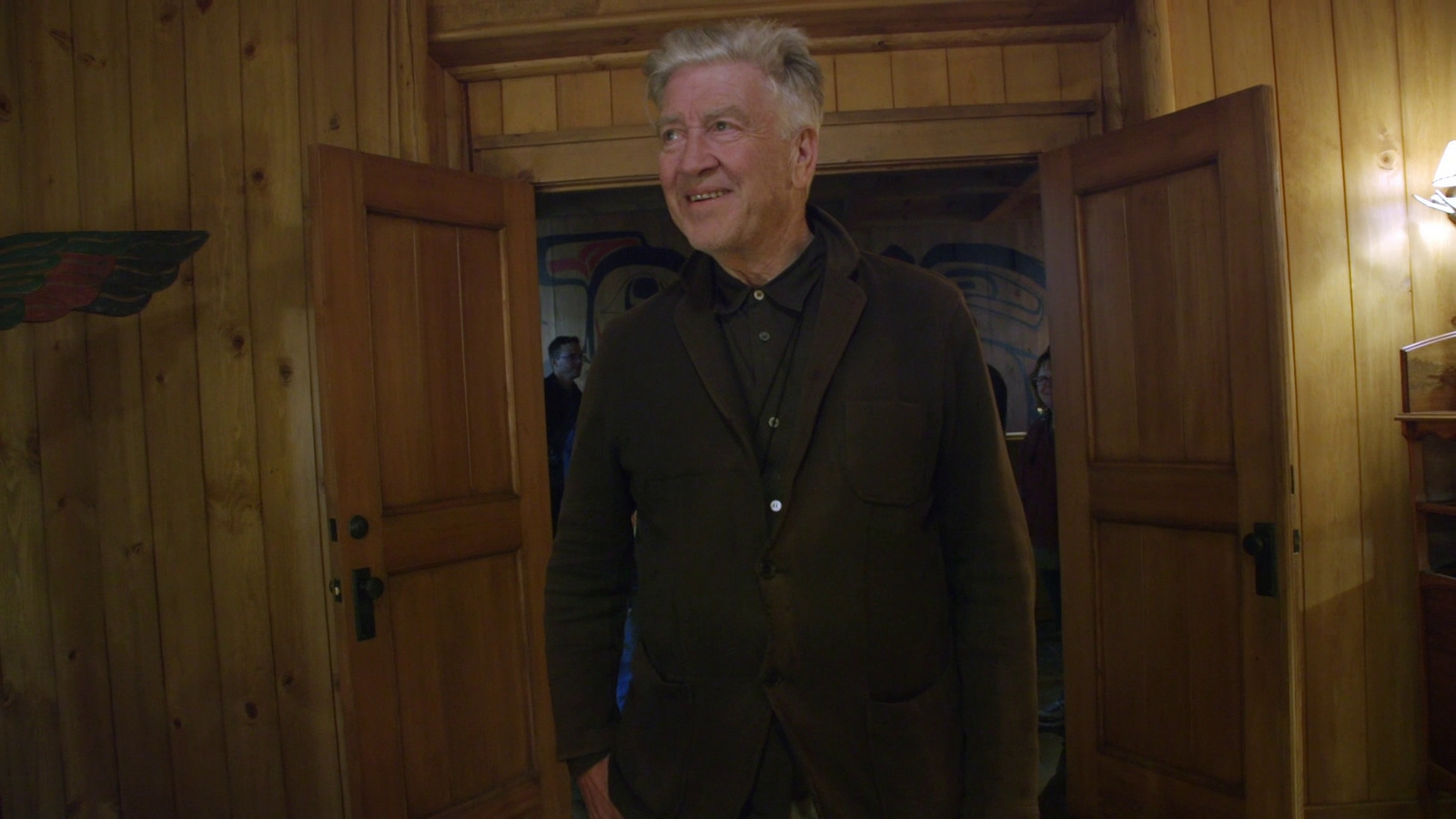
The opening encounter is prepared as a coordinated sequence of speech, backward movement and looking. Lynch directs Carel Struycken through reversed lines and an exit performed backward while Kyle MacLachlan follows him with his eyes. Cooper then registers that he is alone, looks around and makes a small bodily adjustment.
The camera is also allowed to continue after MacLachlan leaves. The empty room is treated as something worth recording in its own right. This working footage makes the encounter’s stillness more specific: the performers have precise changes of attention to negotiate, and the space persists after their actions. It documents the preparation of the material without settling every step of the finished sequence’s construction.
Open the opening encounter study · 2 frames
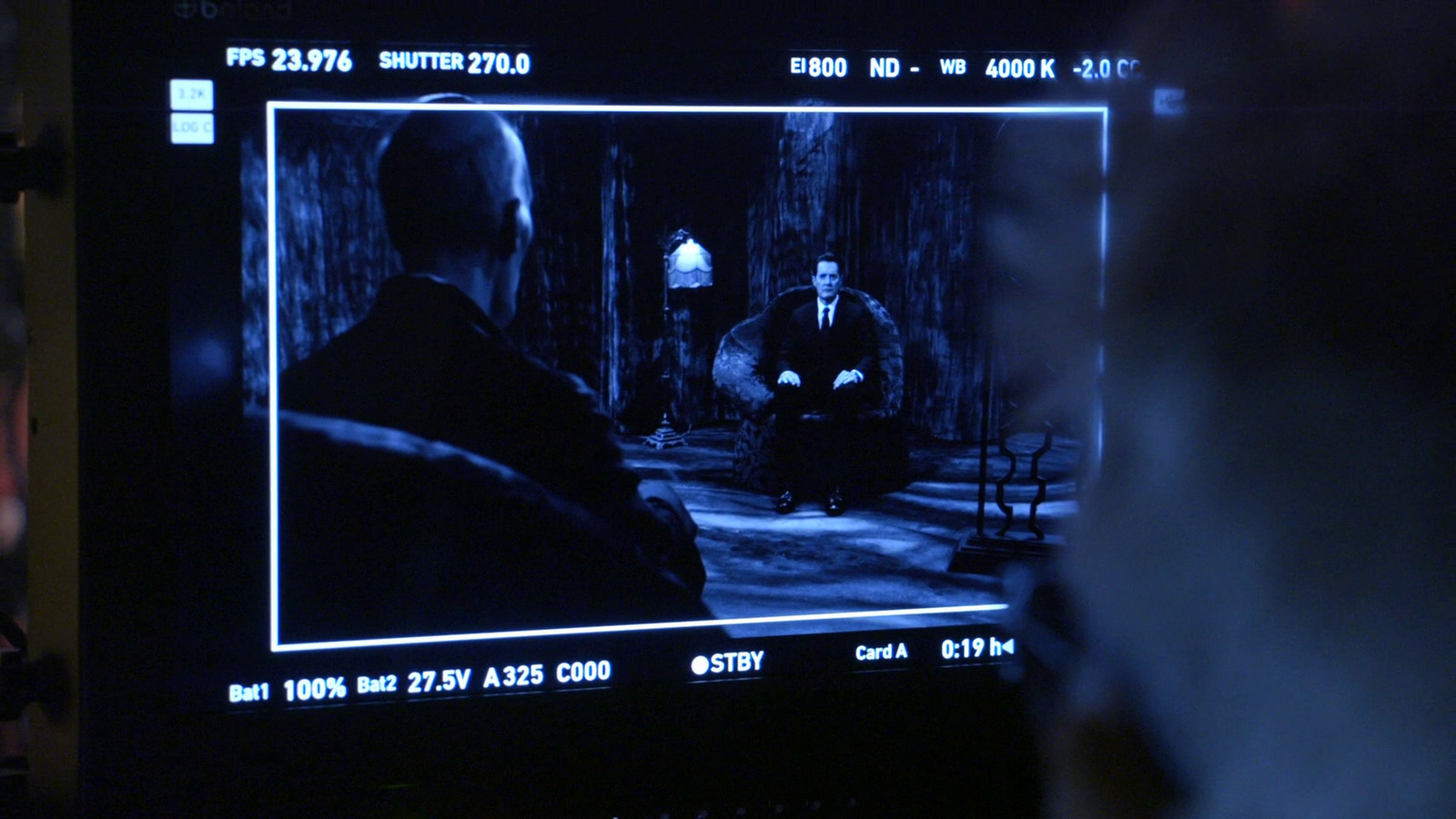
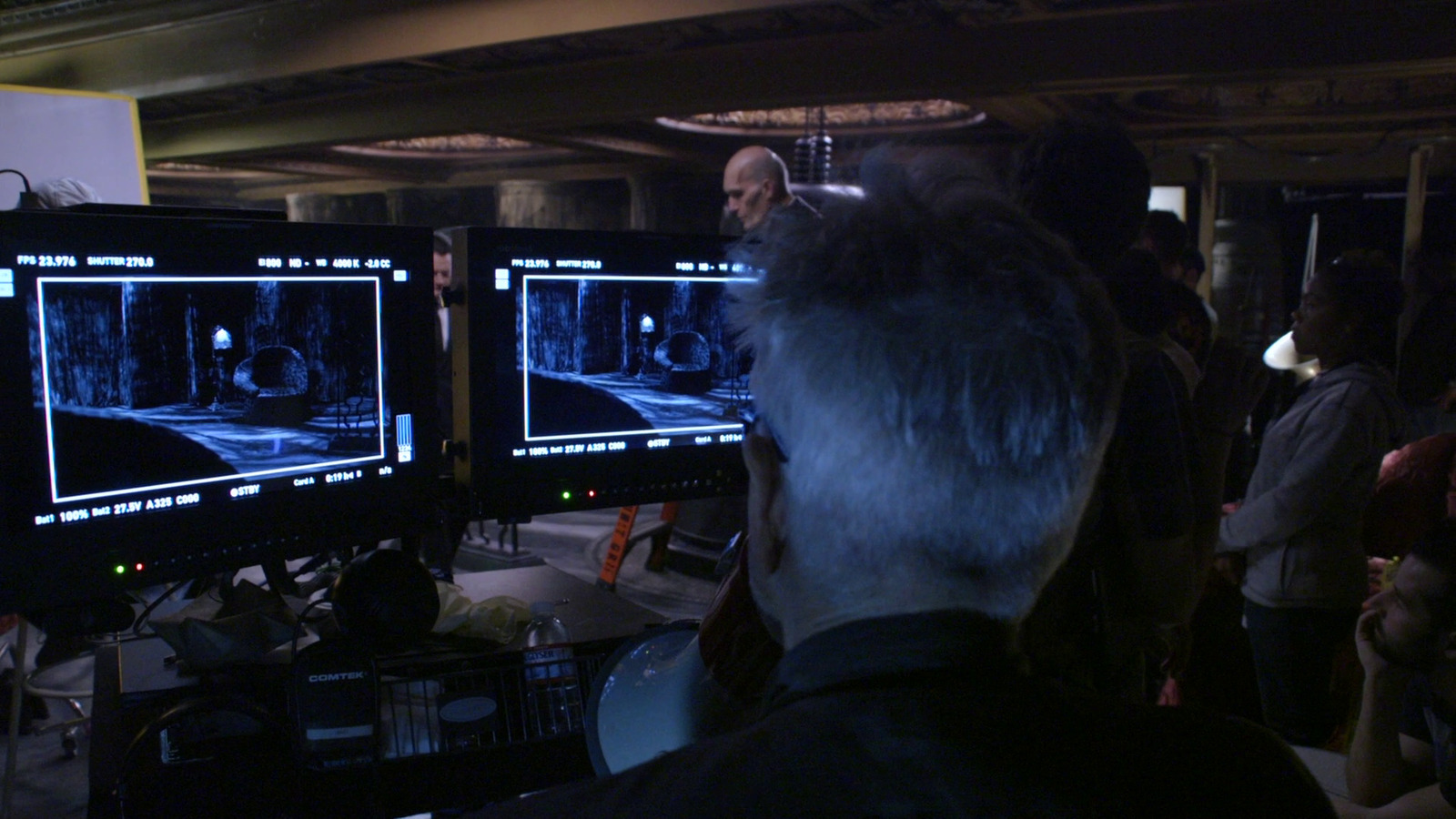
Making a room submit to Mr. C
At the cabin, Lynch reorganizes chairs, table and couch, removes blankets and reduces the room available for movement. The entrance and departure are worked out against that crowded interior. The threatening space is not simply found at a location: furniture and routes through it are adjusted around the action.
Ray and Darya are asked to hold back until Mr. C reaches the door, then follow him. The delay establishes the hierarchy in movement. His control becomes readable before anyone explains the relationship, while the cramped arrangement makes each passage through the room an assertion of authority.
Open the cabin blocking study · 2 frames
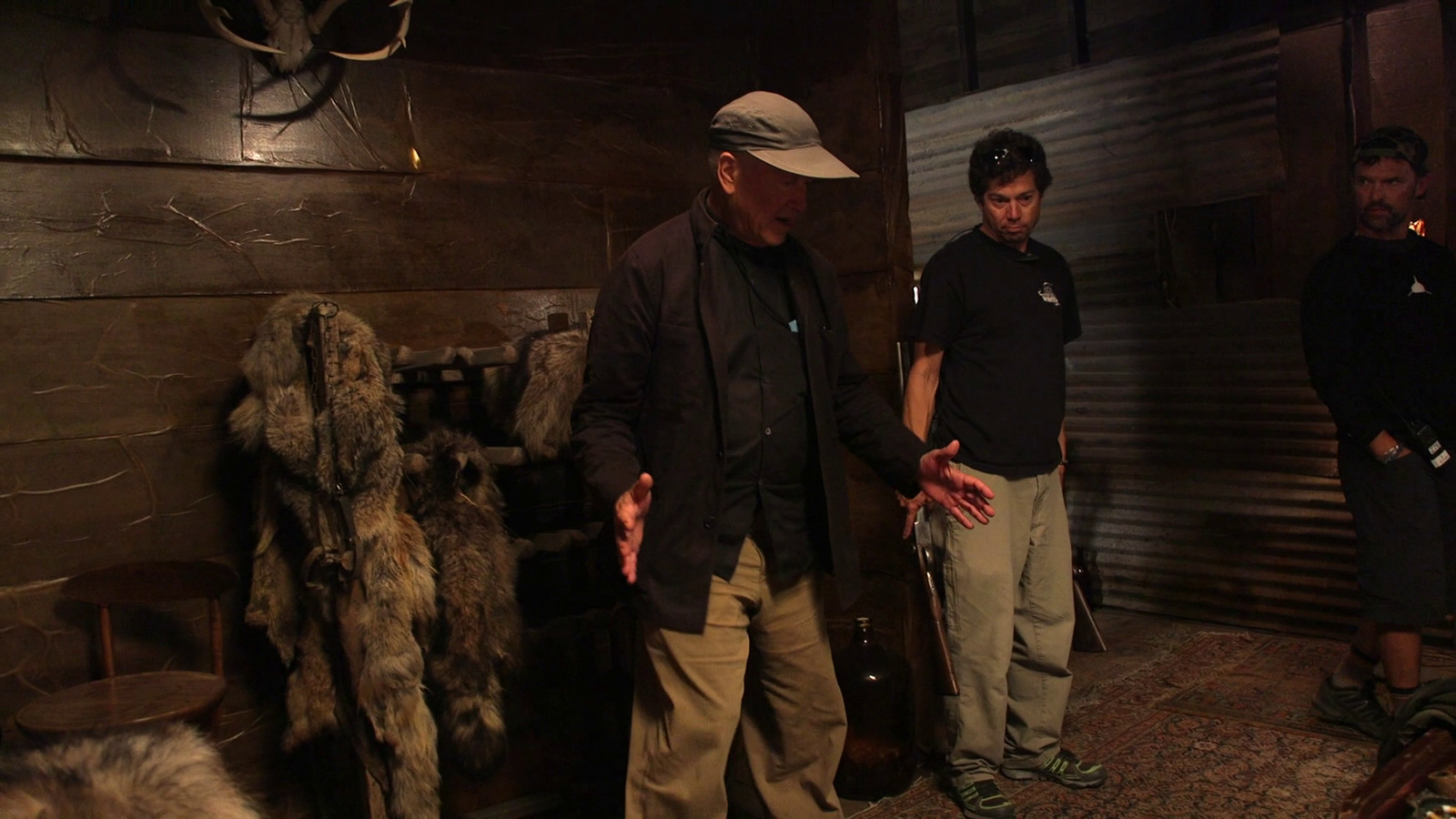
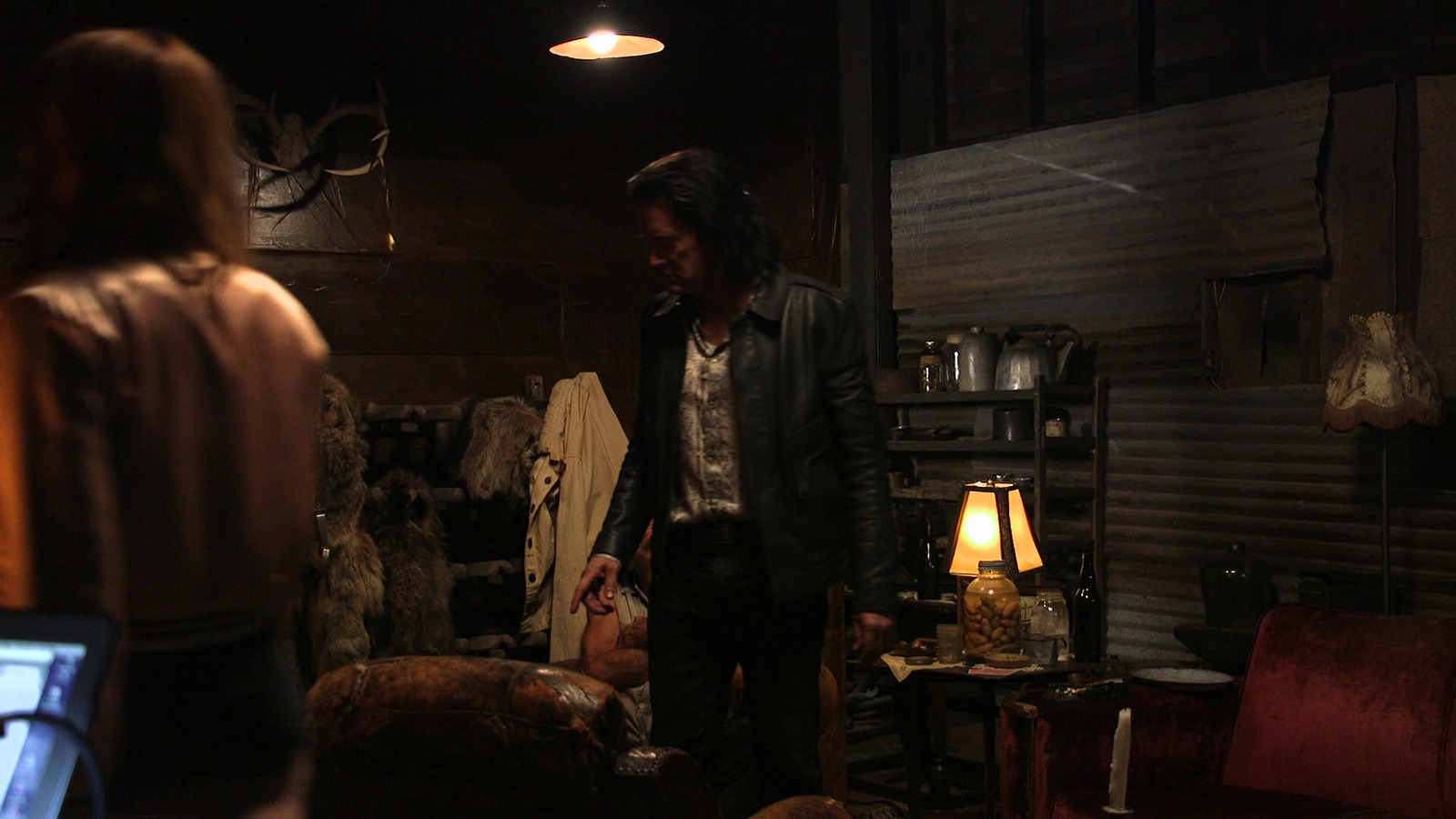
Letting Marjorie remember before the officers interrupt
Lynch protects the pauses in Marjorie’s attempt to help the police. He asks the other performers not to interrupt before her reaction and allows the act of remembering to unfold. Her concern for Ruth and her recognition of the uniforms’ seriousness give the digressions a purpose beyond a comic delay.
This direction helps explain why the scene can be both funny and unsettling. Marjorie is trying to cooperate, but the information arrives in her order and at her speed. The officers’ impatience and the audience’s anticipation have to wait for a person to think. The discovery of the body is approached through an everyday social exchange whose rhythm refuses to become an efficient police report.
Open the Marjorie performance study · 2 frames
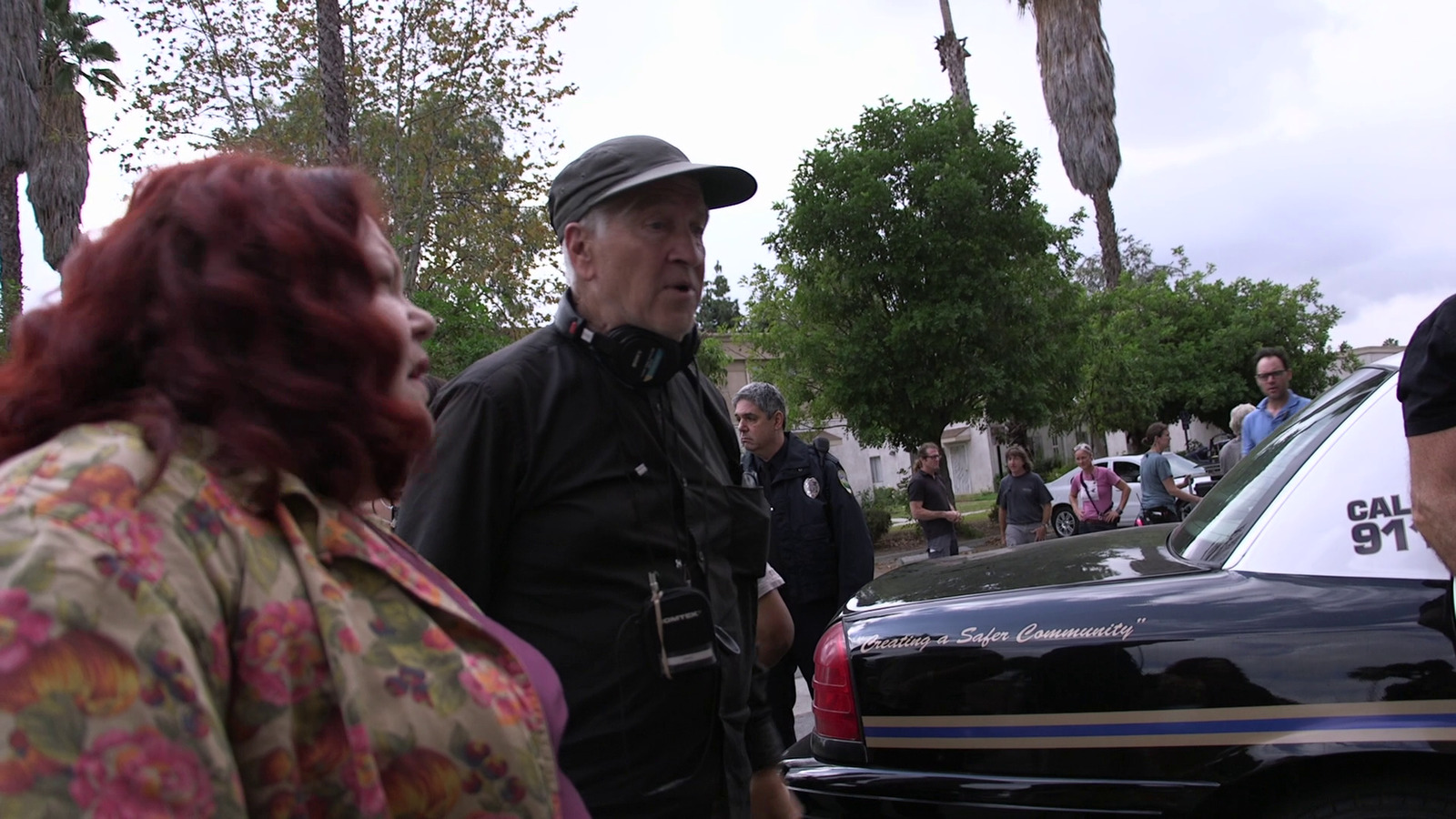
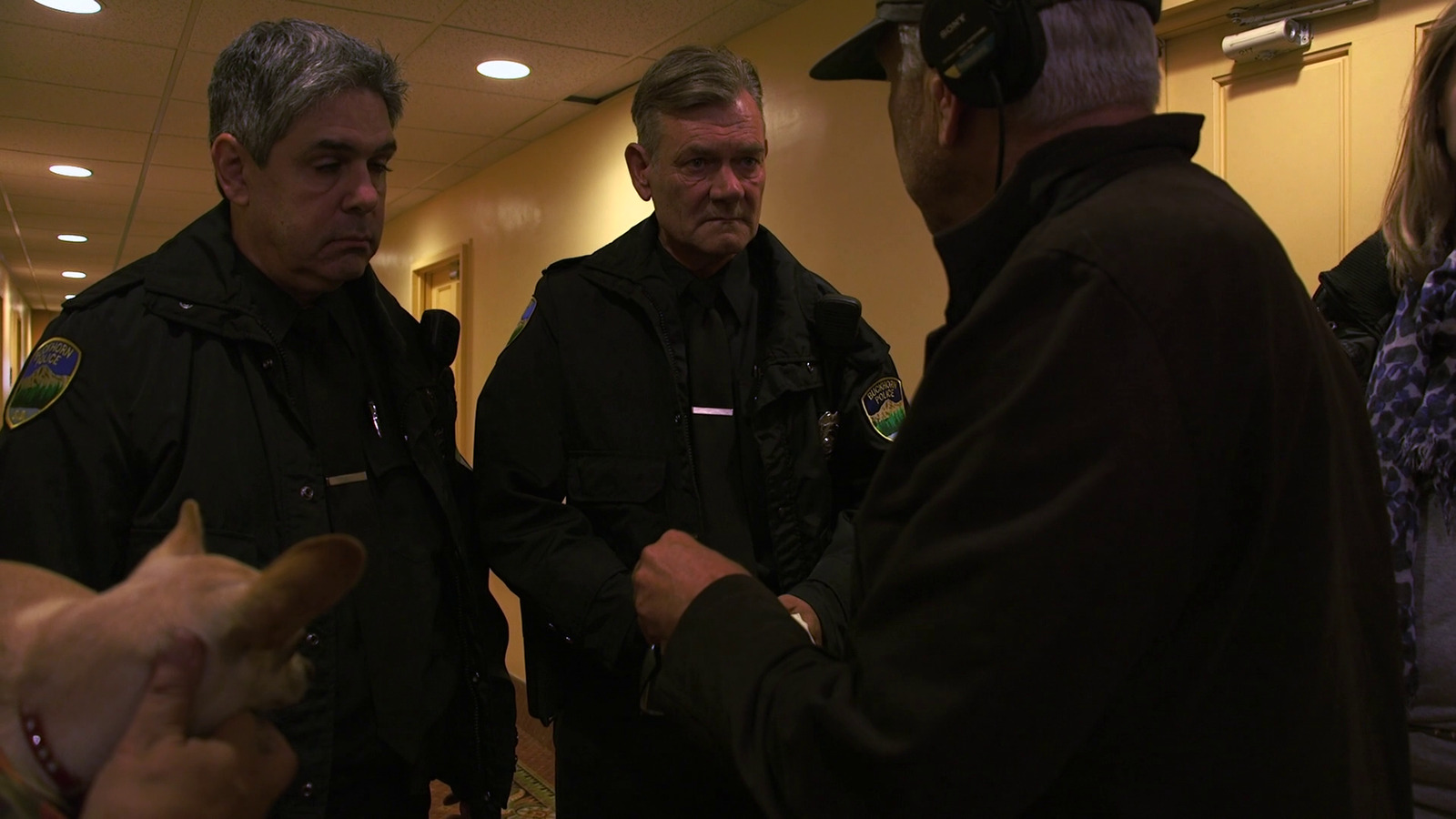
Behind the Curtain, Part 1, 09:39–14:45, especially 13:08–14:04.
Two parts, two ways of arriving
The standalone Part 1 runs approximately 1 hour 35 seconds and ends with its own gramophone credit sequence after the search of Bill Hastings’s car. The combined Parts 1 and 2 presentation replaces that ending with a continuation into the prison material. Its total duration is approximately 1 hour 51 minutes 37 seconds.
The standalone dedication is to Catherine Coulson. The combined credits commemorate both Coulson and Frank Silva. These differences matter for how the opening is punctuated, not merely for its running time. All scene locators in this dossier follow the standalone Part 1.
The end titles identify Lynch as director and Lynch and Frost as writers. Sound design is credited to Lynch, with Ron Eng and Dean Hurley among the supervising and mixing personnel. The programme’s credits should be distinguished from claims about individual effects shots. The reviewed presentation provides the programme soundtrack and English captions; it does not offer an episode commentary.
Sources and viewing notes
- Twin Peaks: The Return, Part 1, written by Mark Frost and David Lynch, directed by David Lynch. Programme image, English soundtrack, captions and end titles; Twin Peaks: From Z to A. Scene times follow the standalone presentation. Sound notes focus on selected passages; captions were checked against the surrounding images and speech. Interpretation is distinguished above from production testimony.
- Steve Hullfish, “Art of the Cut with Twin Peaks editor DuWayne Dunham”, ProVideo Coalition, 23 October 2017. First-hand account of editing, the opening and Lucy’s scene.
- “Twin Peaks: Dreams, Doubles and Dopplegangers”, American Cinematographer. Peter Deming on sets, lighting and visual continuity.
- Sam Davies’s interview with Lori Eschler and Dean Hurley, Sight and Sound, 10 June 2025. Production recollection about music and sound.
- Simran Hans interviews Sabrina Sutherland, MUBI Podcast, 2 October 2025, 22:30–24:29. Producer’s account of arrangements for Catherine Coulson.
- Comic-Con 2017: Twin Peaks Panel, moderated by Damon Lindelof, presented in Twin Peaks: From Z to A. Participants’ retrospective accounts; captions, speaker images and selected audio passages checked. Locators include the programme’s opening pause. Matthew Lillard, 21:41–22:57: casting conversation and a separately identified Part 9 scene.
- Two Blue Balls, directed and photographed by Jason S., in Impressions: A Journey Behind the Scenes of Twin Peaks (2017), viewed in Twin Peaks: From Z to A. Passages: 13:09–14:14; 15:57–17:58. Picture and English captions examined, with targeted speech checks. Rehearsal proposals and production observations are distinguished from interpretation of the finished episodes. Documentary narration and its music are not treated as unscripted statements by Lynch.
- See You on the Other Side Dear Friend, directed and photographed by Jason S., in Impressions: A Journey Behind the Scenes of Twin Peaks (2017), viewed in Twin Peaks: From Z to A. Passages: 17:29–22:07. Picture and English captions examined, with targeted speech checks. Rehearsal proposals and production observations are distinguished from interpretation of the finished episodes. Documentary narration and its music are not treated as unscripted statements by Lynch.
- A Pot of Boiling Oil, directed and photographed by Jason S., in Impressions: A Journey Behind the Scenes of Twin Peaks (2017), viewed in Twin Peaks: From Z to A. Passages: 08:09–12:41. Picture and English captions examined, with targeted speech checks. Rehearsal proposals and production observations are distinguished from interpretation of the finished episodes. Documentary narration and its music are not treated as unscripted statements by Lynch.
- Behind the Curtain, Part 1. Photographed by Jason S.; edited by Jonathan Angus, with editorial assistance by Robert Lay (2019). Viewed in Twin Peaks: From Z to A. Timed passages: 00:08–01:29; 03:28–07:23; 09:39–14:45, especially 13:08–14:04. Timings refer to the documentary, not the episode. On-set directions and retrospective recollections are distinguished from Lyncharium’s interpretation of the finished scenes.