Twin Peaks: The Return — Part 10
2017 · Twin Peaks: The Return · Episode dossier
A voice can threaten, comfort, deceive or continue after nobody is listening. Part 10 tests the distance between speaking and being heard.
Richard tries to destroy a witness’s testimony, the Mitchums mistake a manufactured story for an explanation, and Margaret asks Hawk to listen differently. The closing song gives sustained attention to a human voice after an episode crowded with interruptions and commands.
- Part 10
- Laura Is the One
- Directed by
- David Lynch
- Written by
- Mark Frost & David Lynch
- Standalone presentation
- 00:53:23
The Return overview · Twin Peaks research hub. Timings follow the standalone part and include its opening titles. Presentation and credit notes.
Explore this dossier
Who gets heard?
Follow the passage of information through doors, phones, television, letters and surveillance screens. These channels do not distribute knowledge equally. Miriam can speak the truth and still be endangered; Anthony can tell a deliberate lie and be believed. The episode’s violence against women is not confined to its most visibly brutal moments. It also takes the form of controlling who may speak and what their words are allowed to mean.
The studies below follow the standalone presentation from its opening titles through the closing performance. Scene and sound readings are critical interpretations of the episode. Production recollections are attributed separately. Viewing source.
Illustrated scene studies
- A witness at the threshold
- A song interrupted by the next trailer
- Candie follows a sound
- A healthy body, an unreadable person
- The news identifies Mr. Jackpots
- Desire without shared understanding
- A broadcast finds its listener
- Recognition fails in the woods
- A letter meets the institution
- A greeting that cannot respond
- A murder plan disguised as explanation
- An unexpected interval of tenderness
- A visible conversation with no audible words
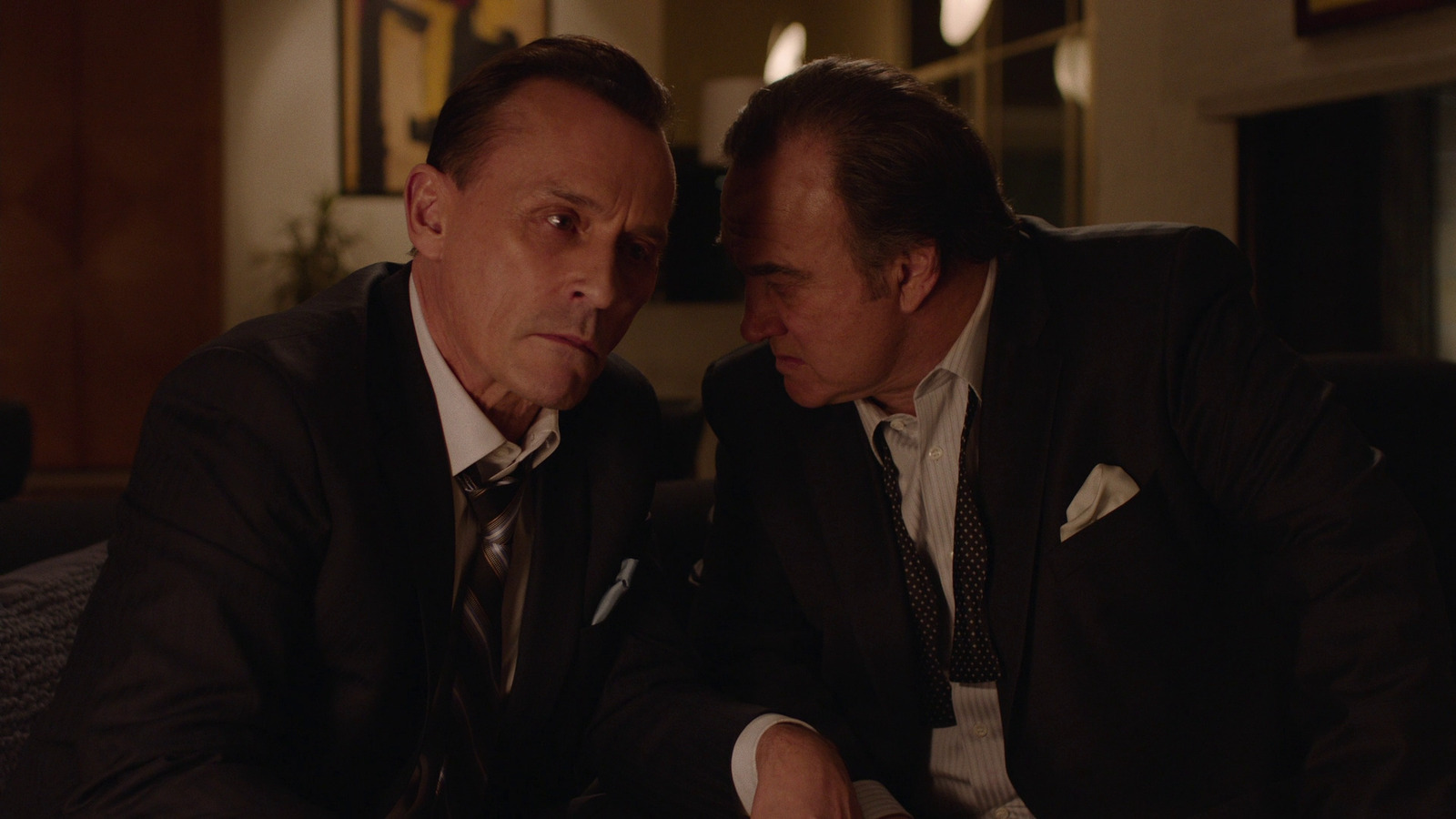
- The lie becomes a shared intention
- A face at the hotel-room door
- The family injury becomes a bill
- A call asks for a different kind of attention
- The closing voice keeps its time
A witness at the threshold
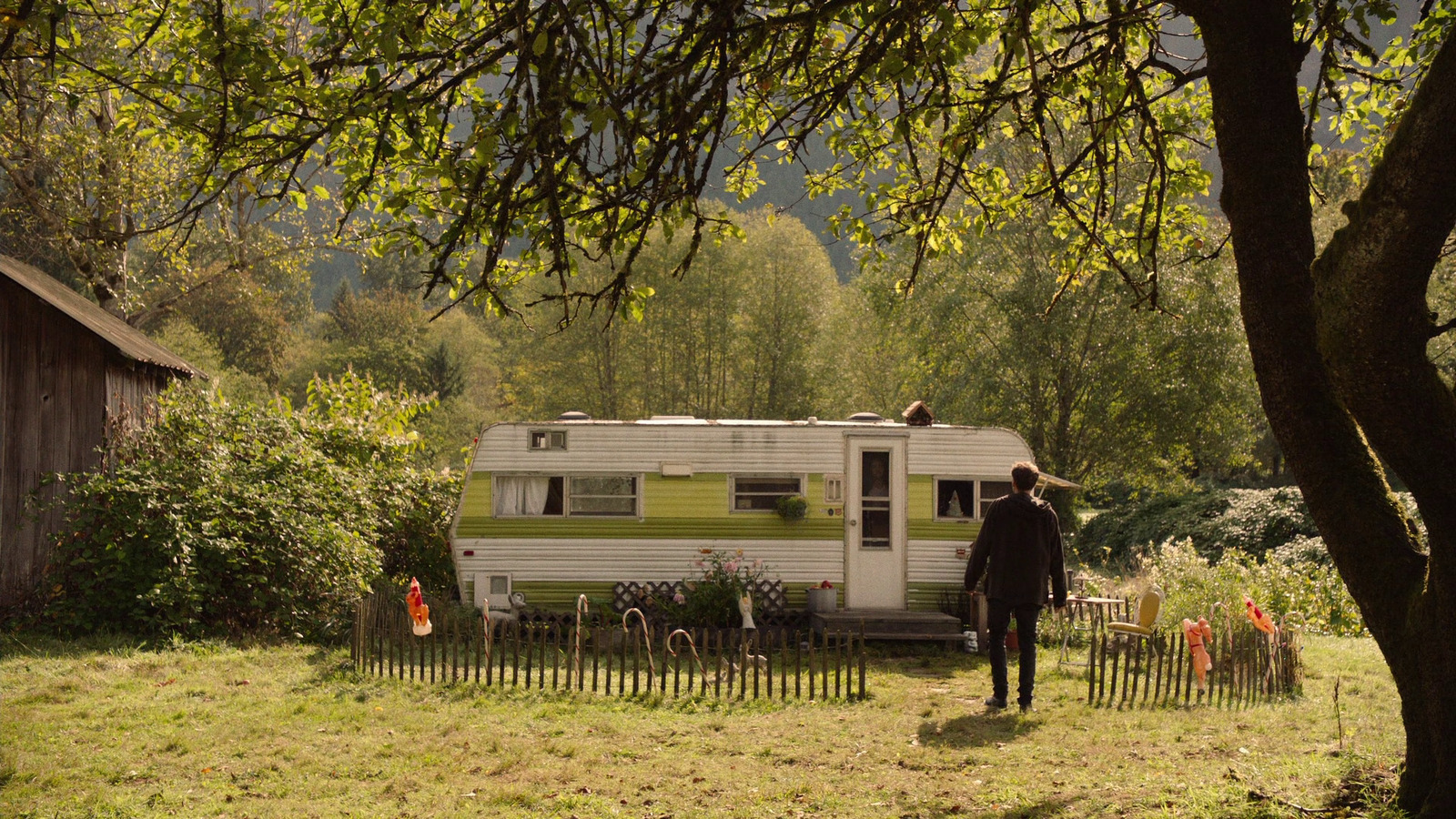
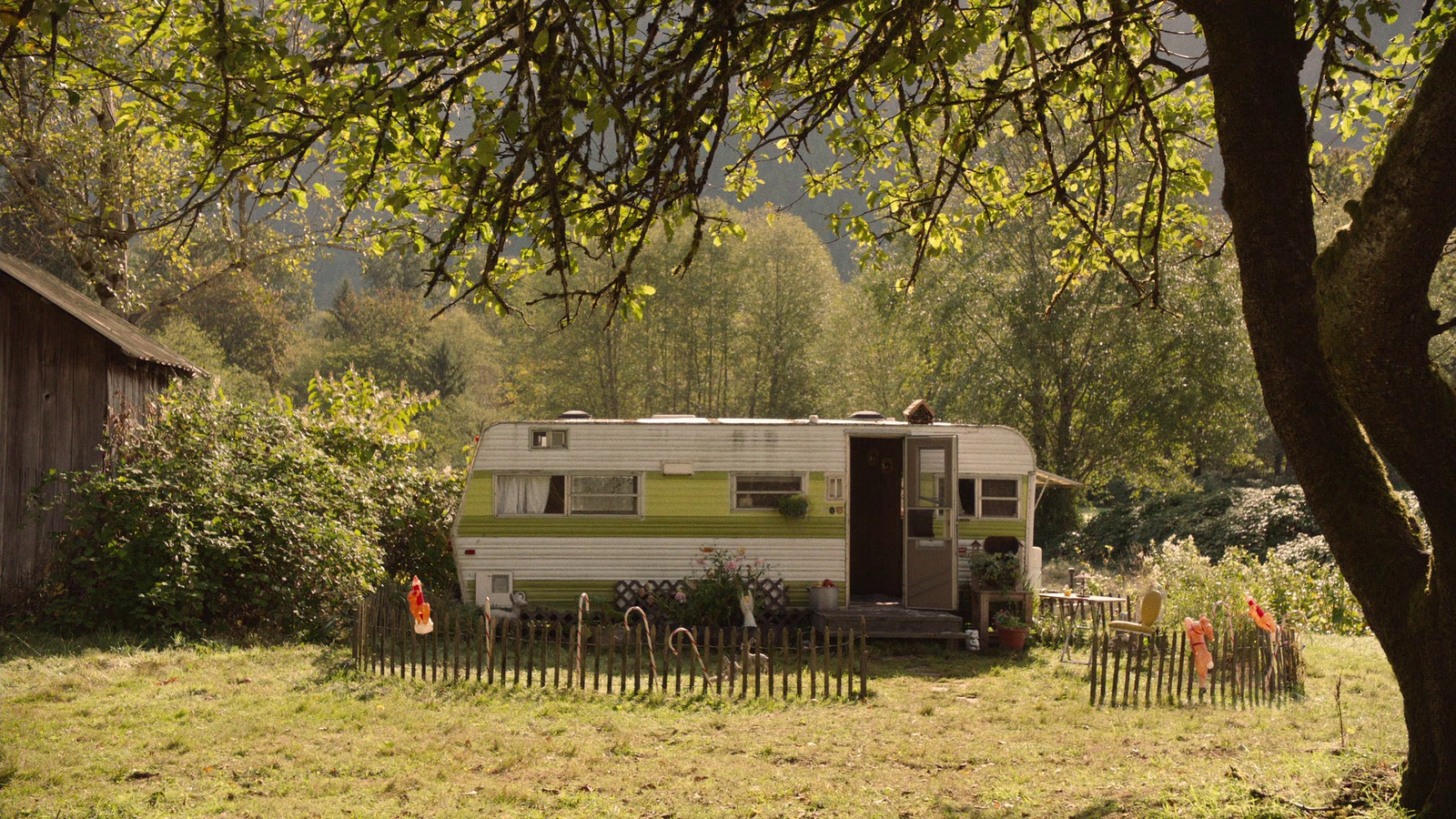
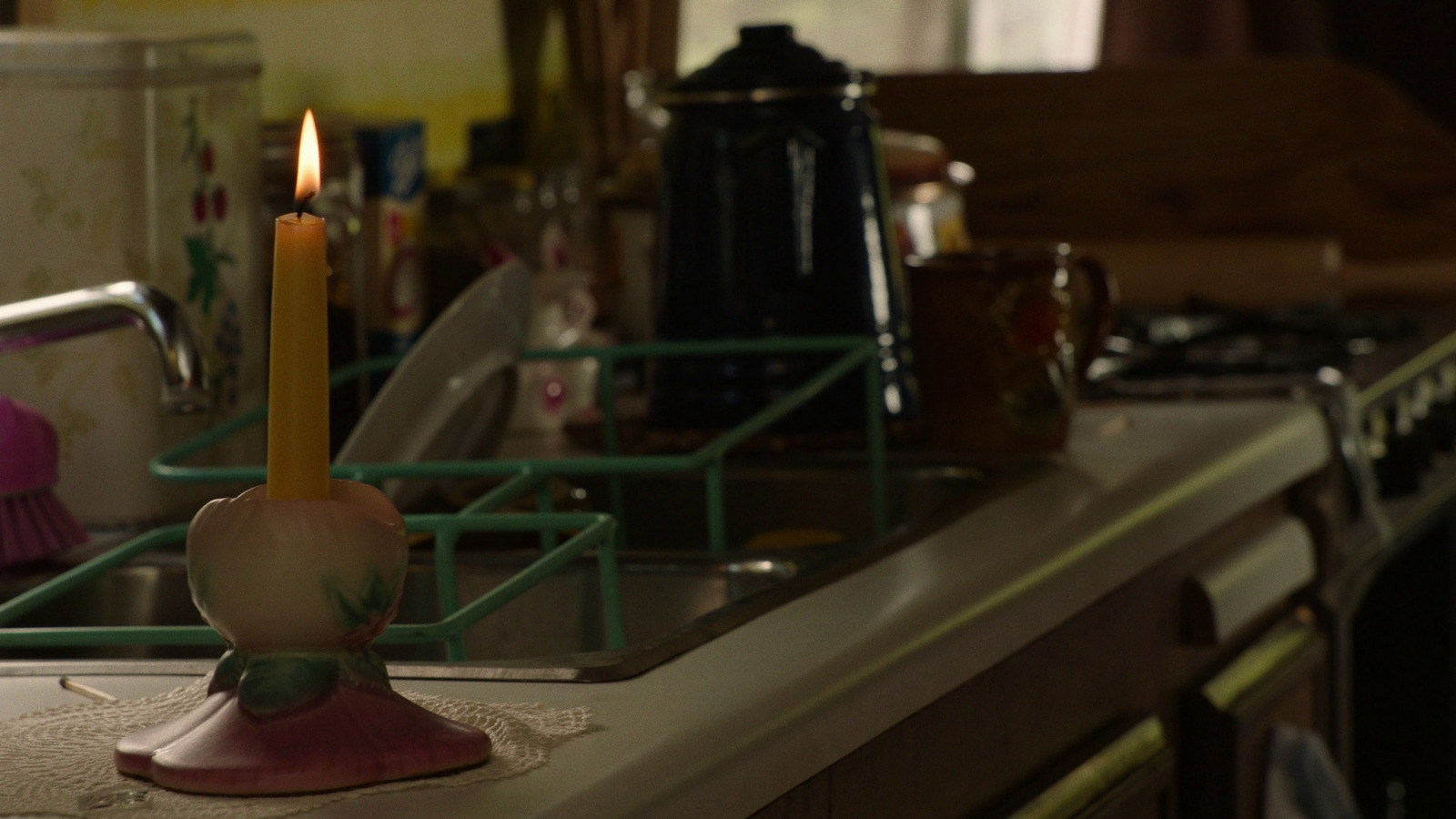
The sunlit trailer and trees initially offer a legible, ordinary space. Richard’s questions turn it into a trap: he needs to know how far Miriam’s testimony has travelled. Her letter is an attempt to make knowledge survive an attack on its speaker. The camera stays outside for much of the assault, leaving cries and impacts to disclose what the wall conceals. The later candle and escaping gas extend the threat beyond Richard’s departure.
Open the scene sequence · 2 frames
A song interrupted by the next trailer
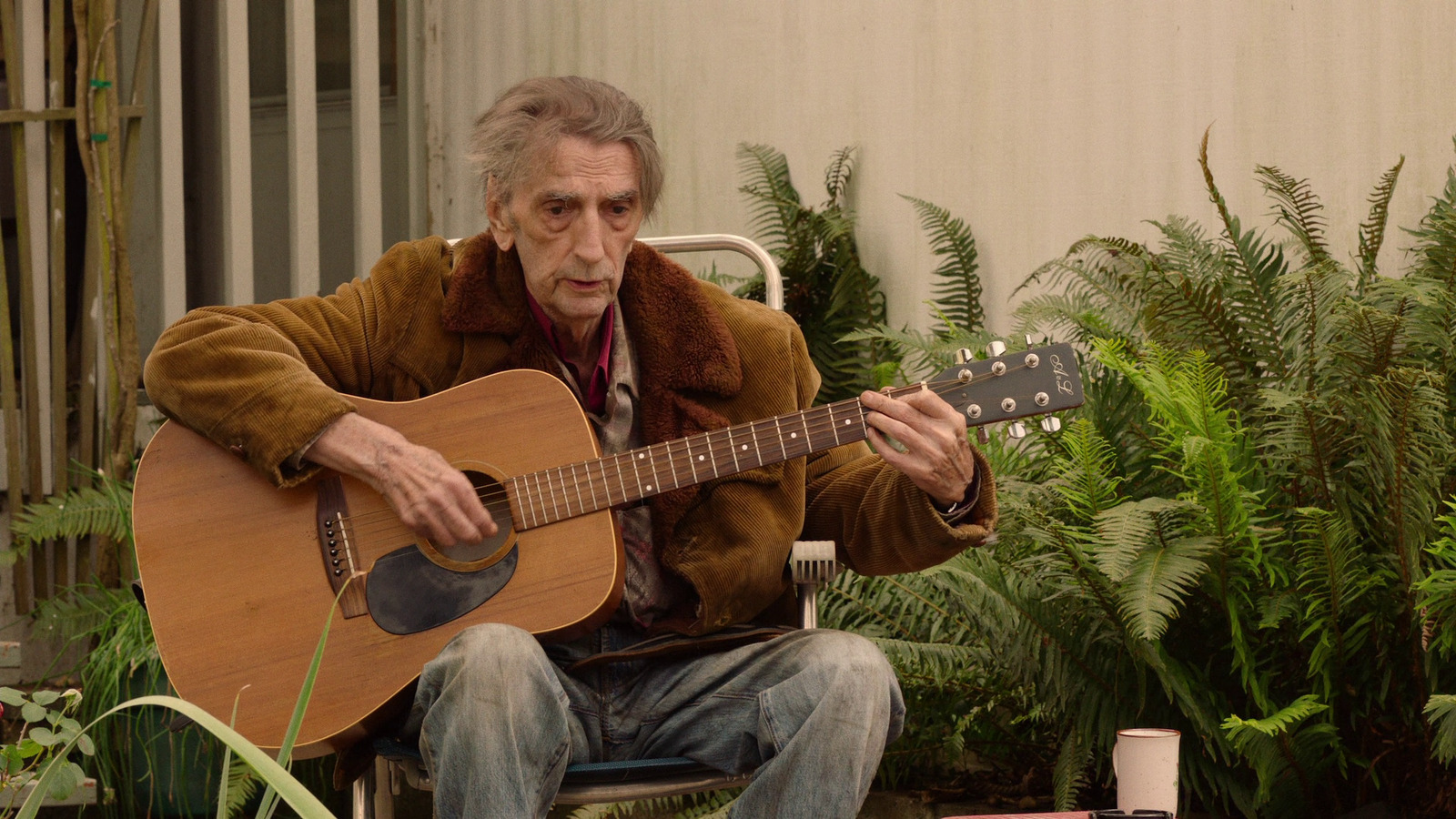
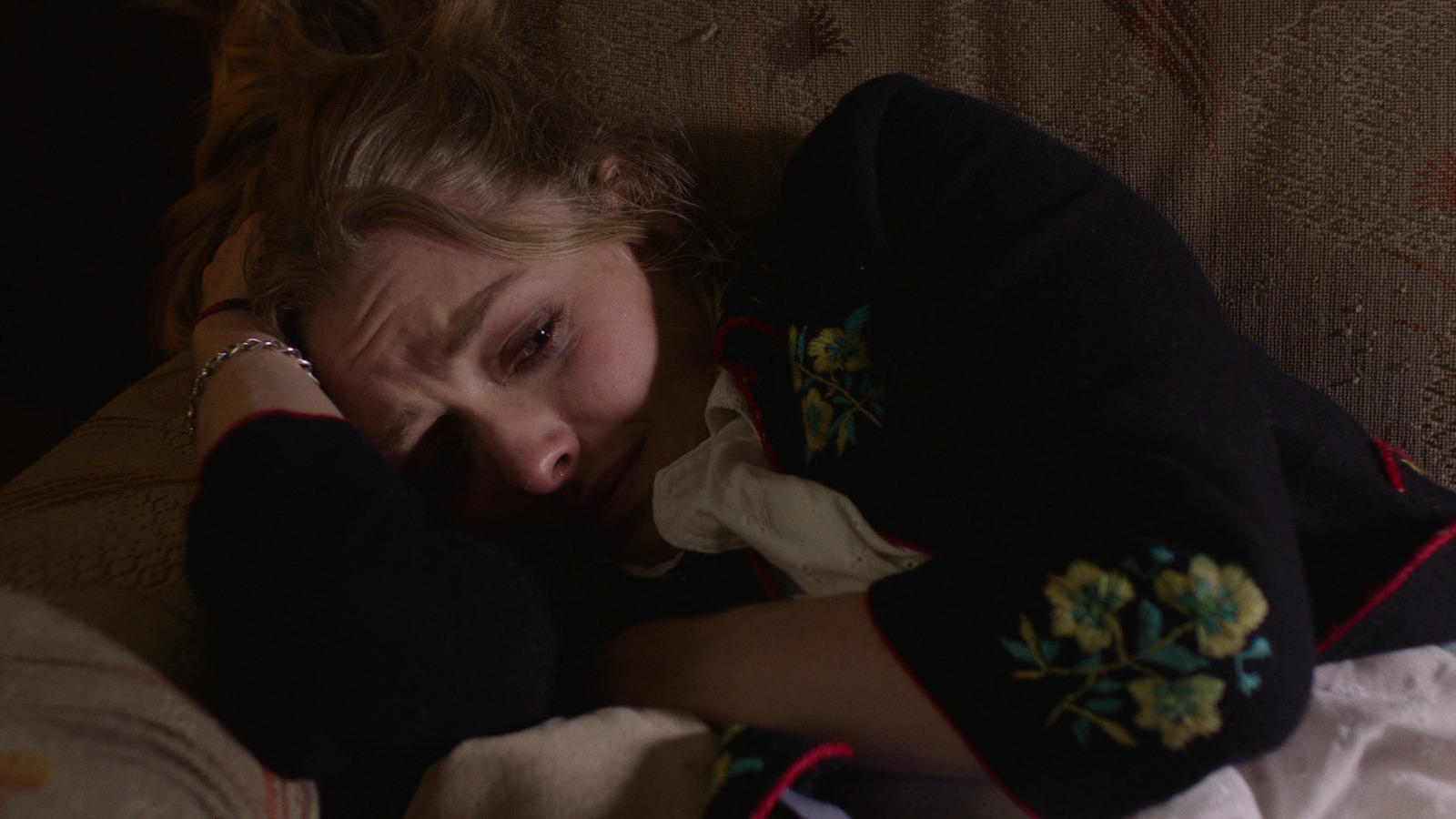
Carl’s guitar and singing establish a fragile interval of attention. Breaking glass and Steven’s shouting interrupt it before the camera enters Becky’s space. The movement from Carl’s porch to Becky on the sofa makes proximity painful: people occupy the same small community without possessing equal safety. Her close-up holds after his accusations, giving the threatened person a duration the aggressor’s demands would deny her.
Open the scene sequence · 1 frame
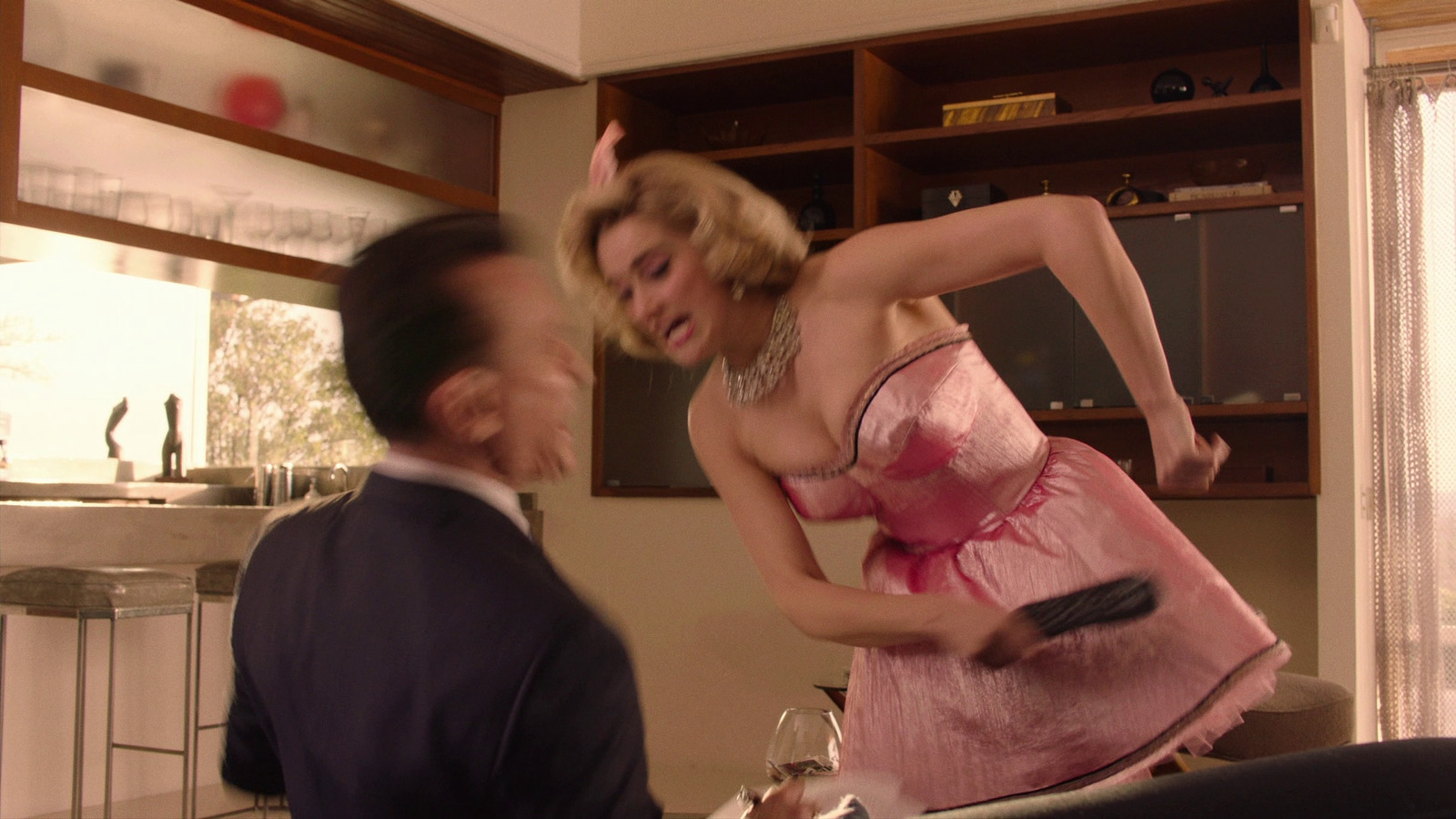
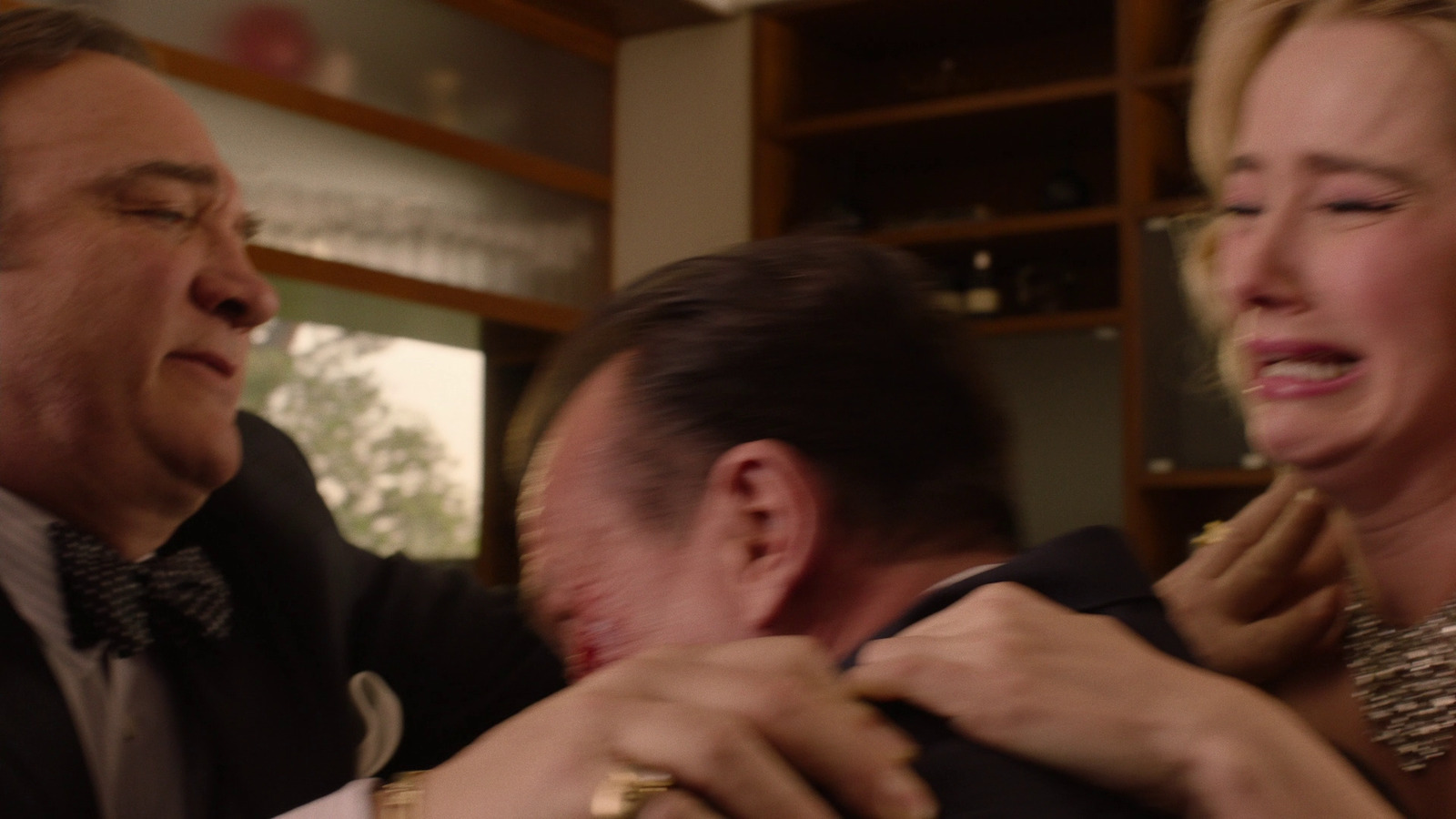
Candie follows a sound
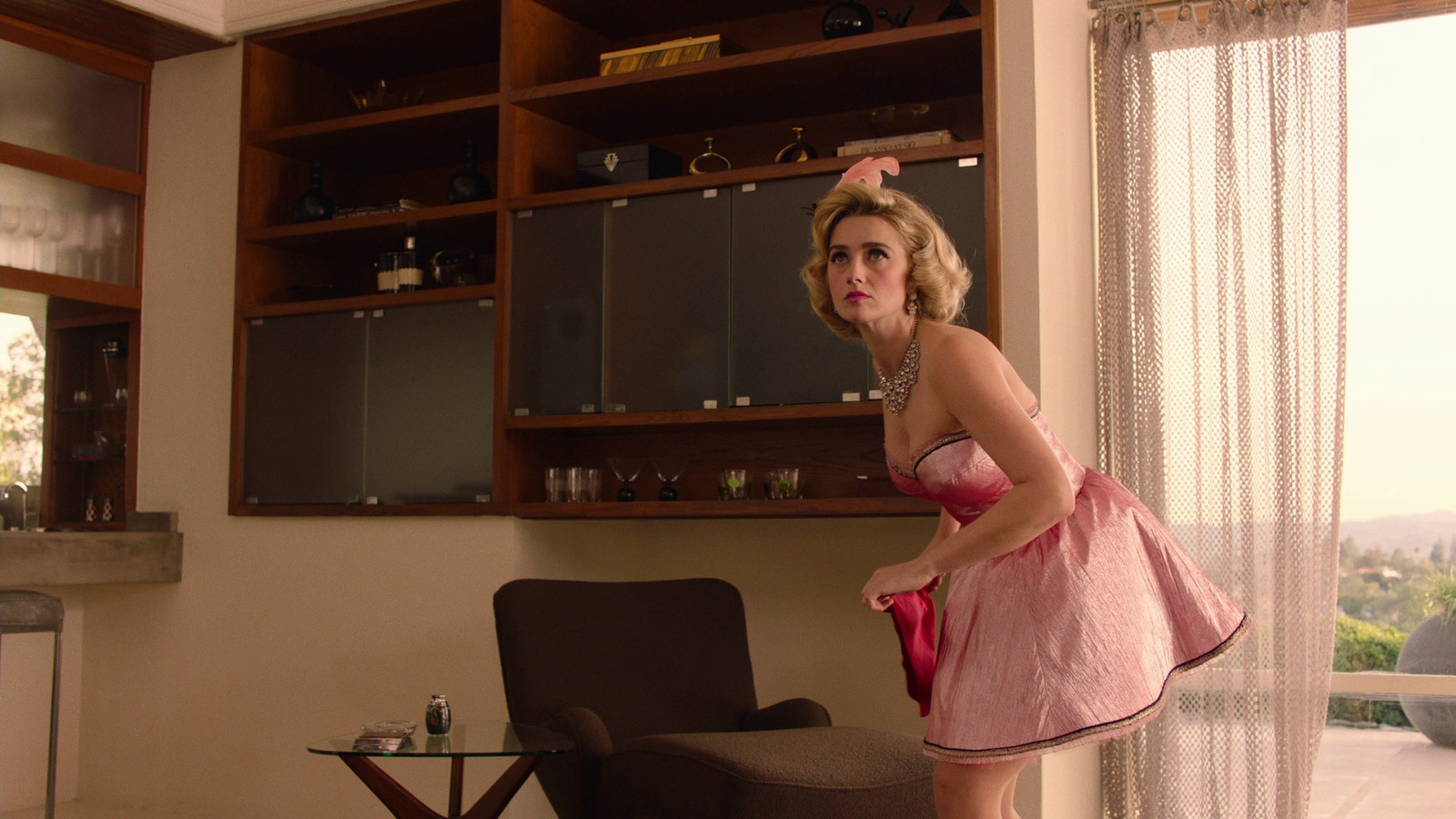
A fly gives Candie’s movements an object that the men scarcely notice. Her searching, cloth and swatting gesture create an extended physical routine before the sudden blow to Rodney. The aftermath is disproportionate in a different direction: she cannot stop apologizing, even when the injury is being treated. The scene’s comedy depends on timing and competing attention, while the surrounding episode makes accidental and deliberate harm difficult to keep comfortably separate.
Open the scene sequence · 2 frames
A healthy body, an unreadable person
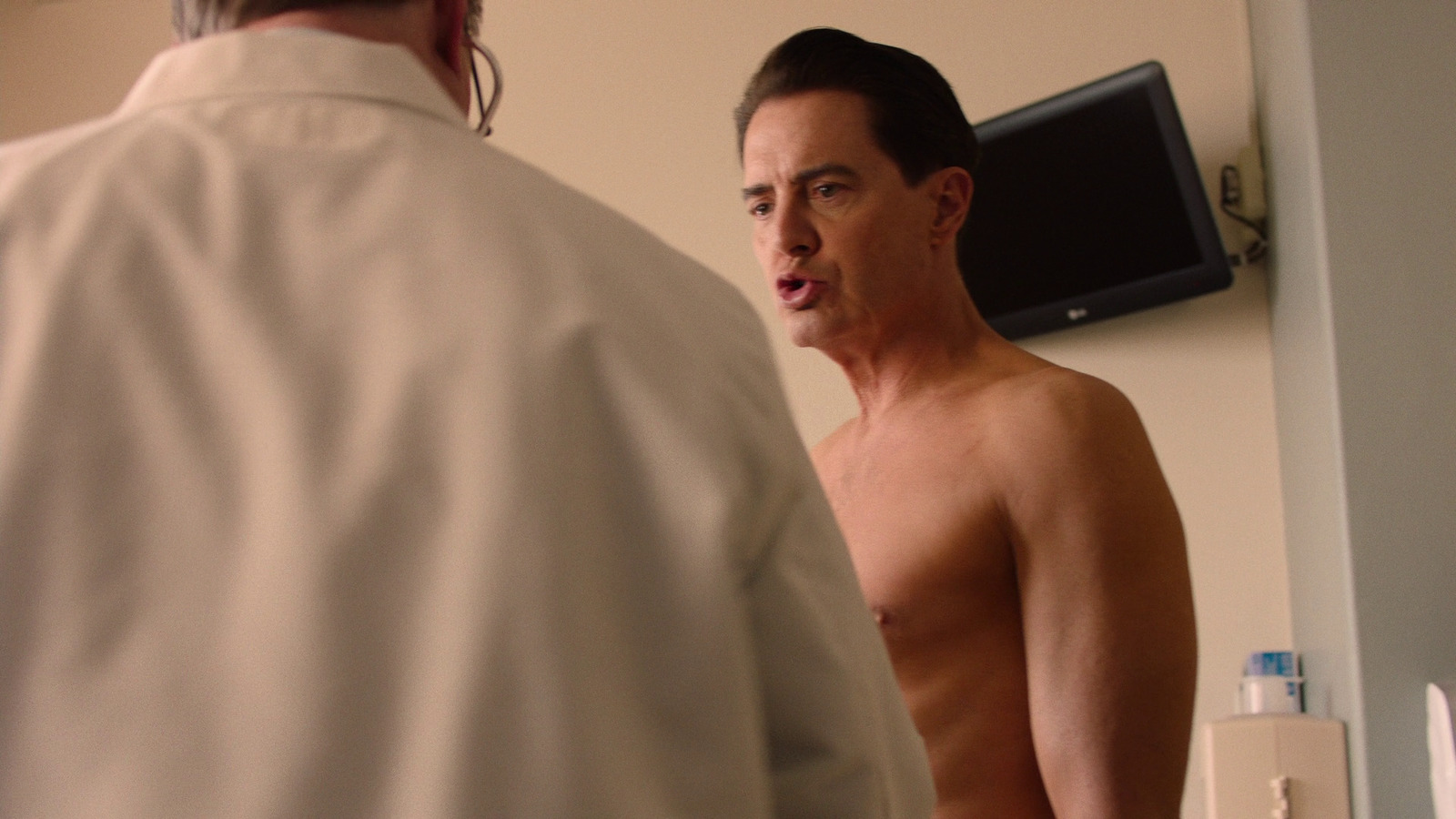
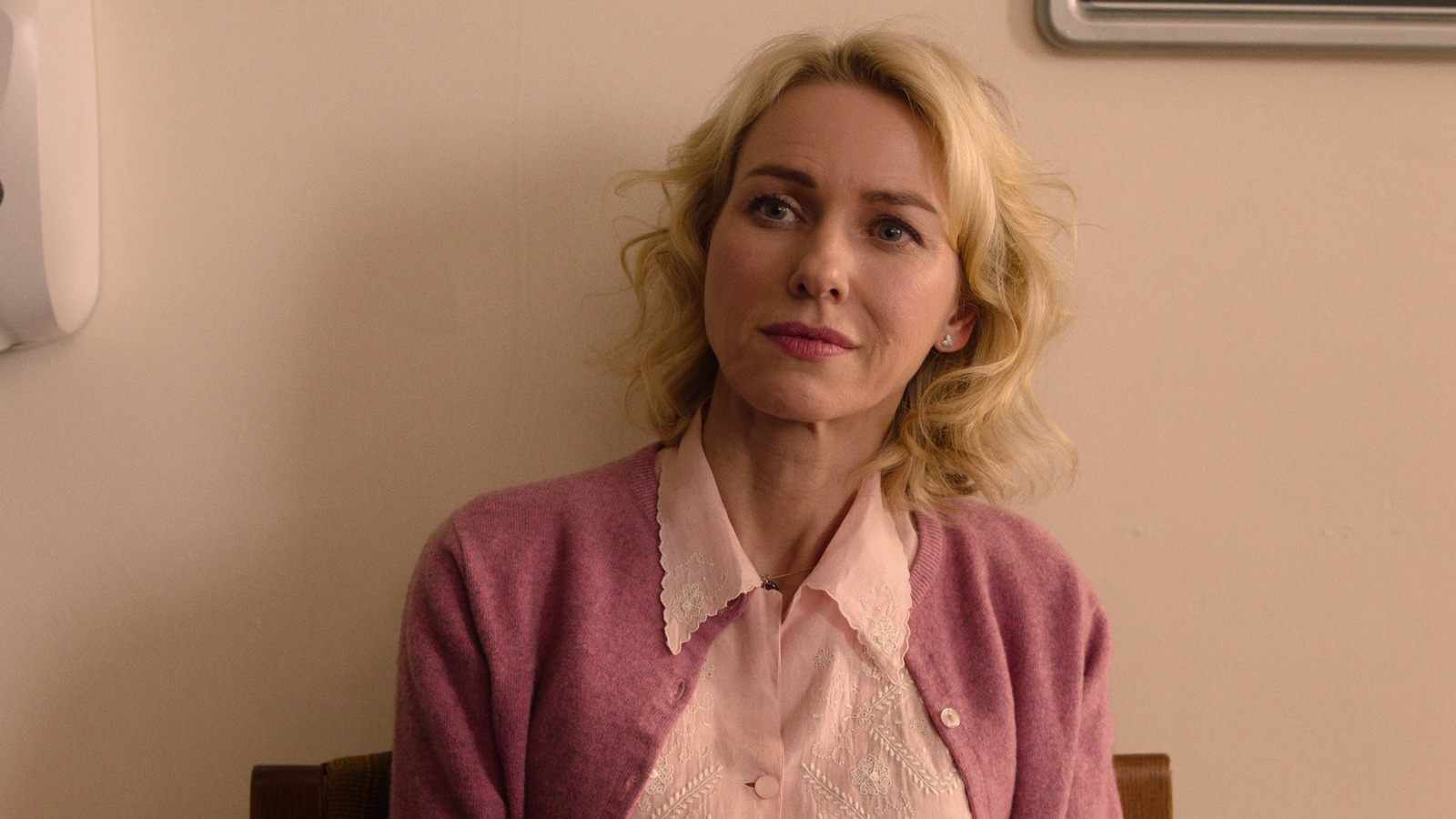
The doctor finds physical improvement where Janey-E has described alarming changes in behavior. Cooper copies words and gestures while the examination produces reassuring measurements. The mismatch is the point: bodily health does not explain his inability to participate normally in conversation. Janey-E’s reaction shifts the scene again, from medical concern toward renewed attraction. Each person reads the same body according to a different need.
Open the scene sequence · 1 frame
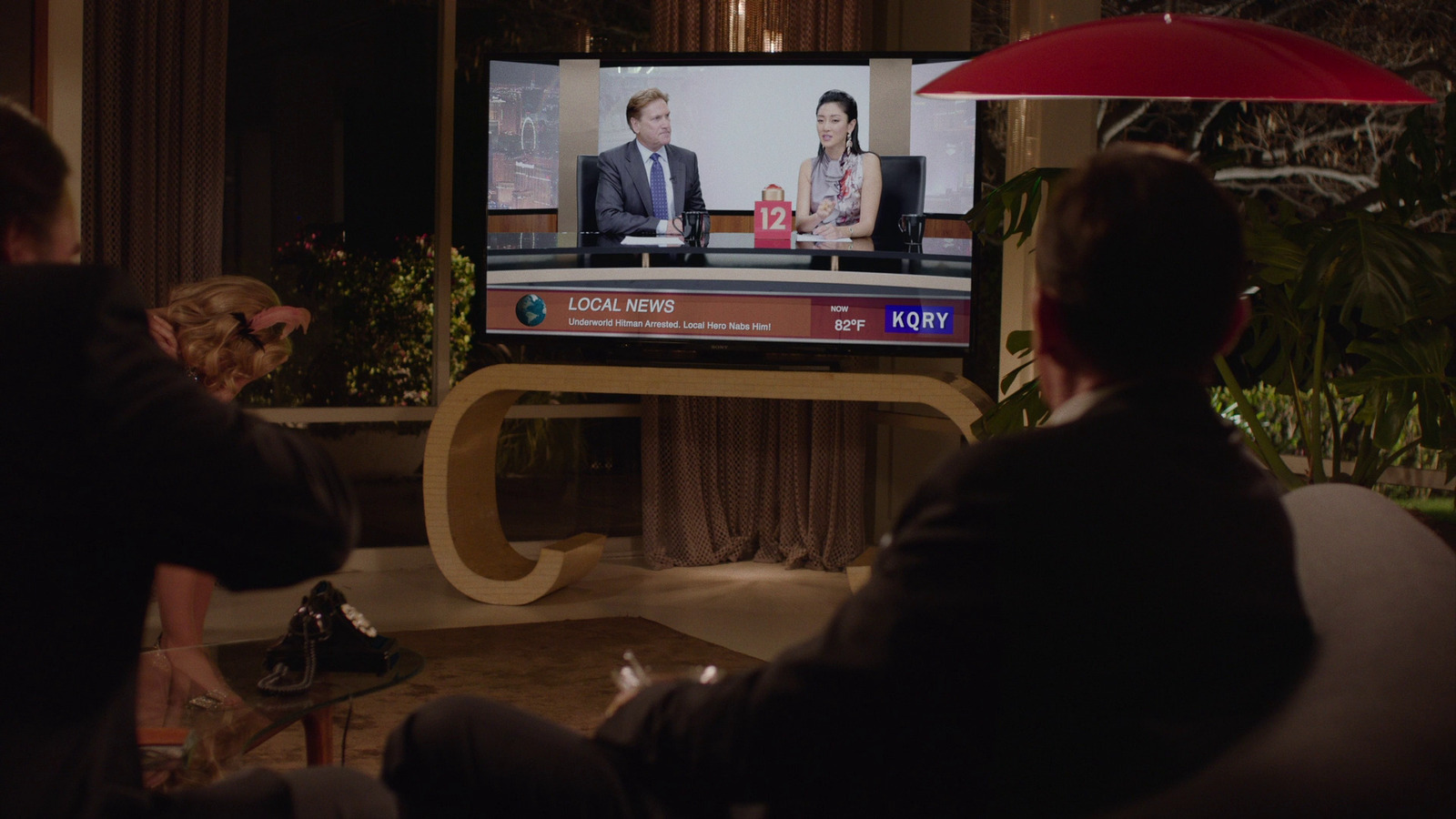
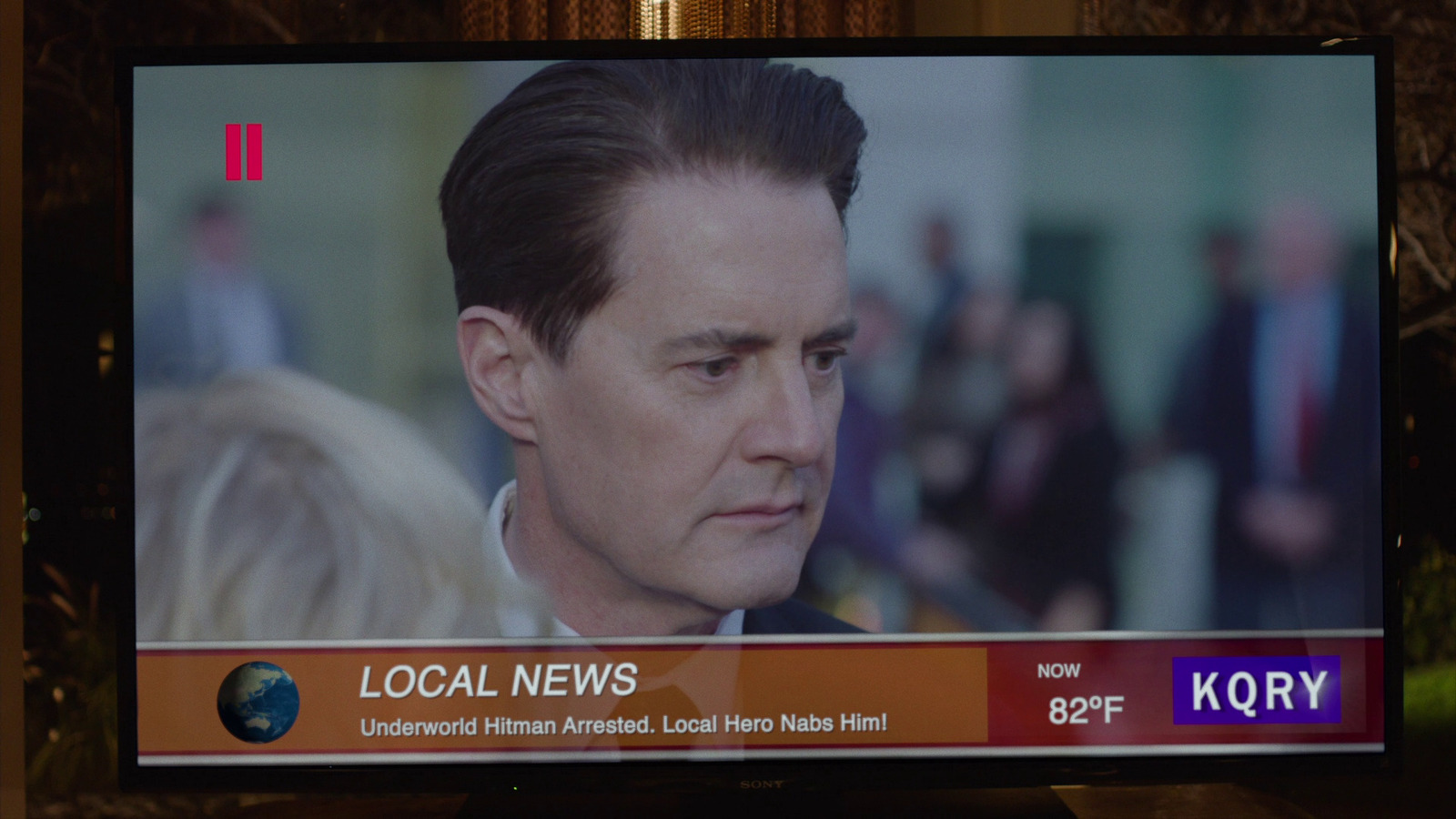
The news identifies Mr. Jackpots
Candie’s remorse continues while the television brings the Mitchums information about Ike and Douglas Jones. Their attention settles on the news image; the pause command turns Cooper’s face into an object of recognition. Public reporting becomes private criminal intelligence. The repeated Jones name is both a joke and a small investigative result, achieved without the brothers leaving their living room.
Open the scene sequence · 1 frame
Desire without shared understanding
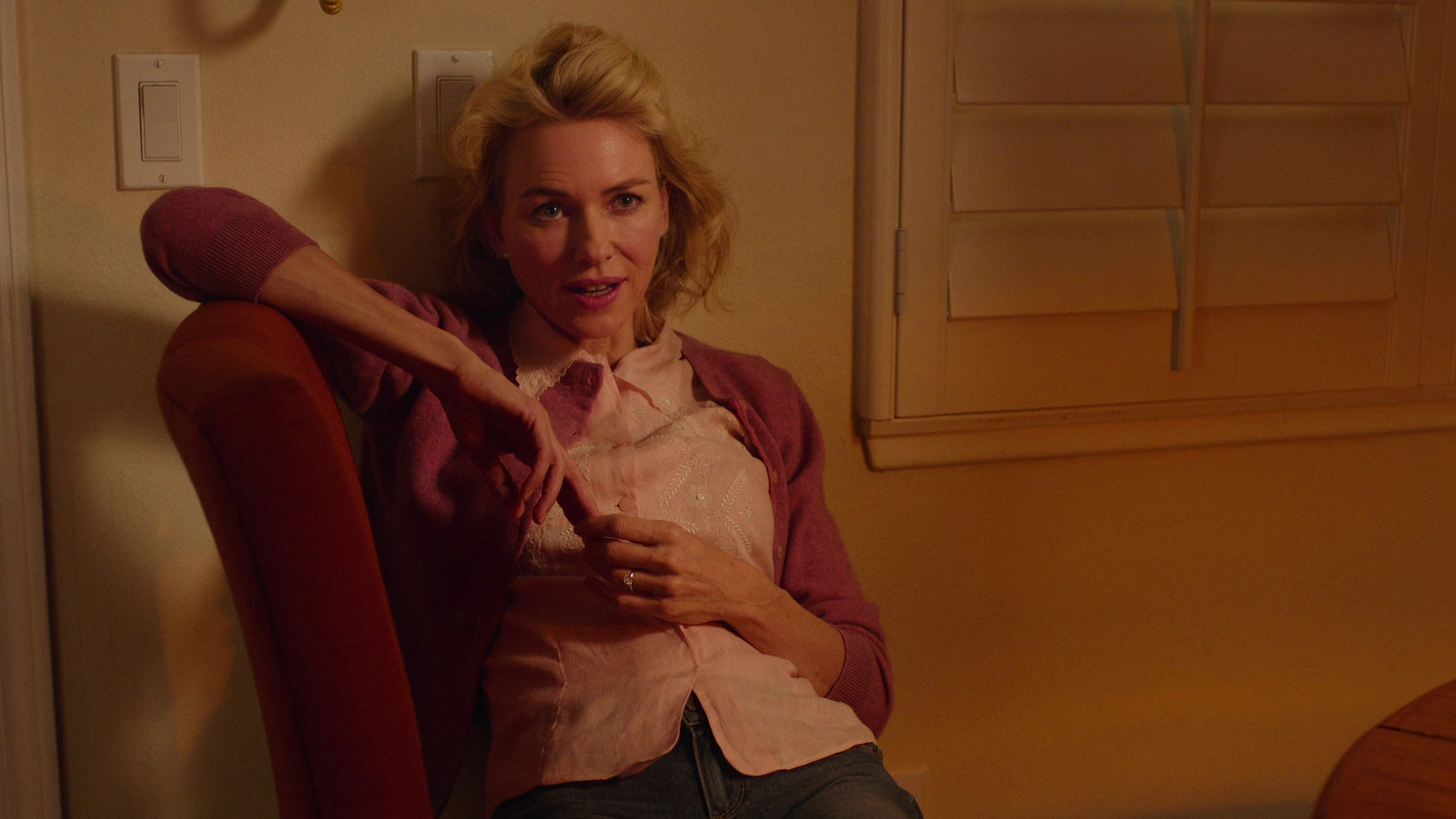
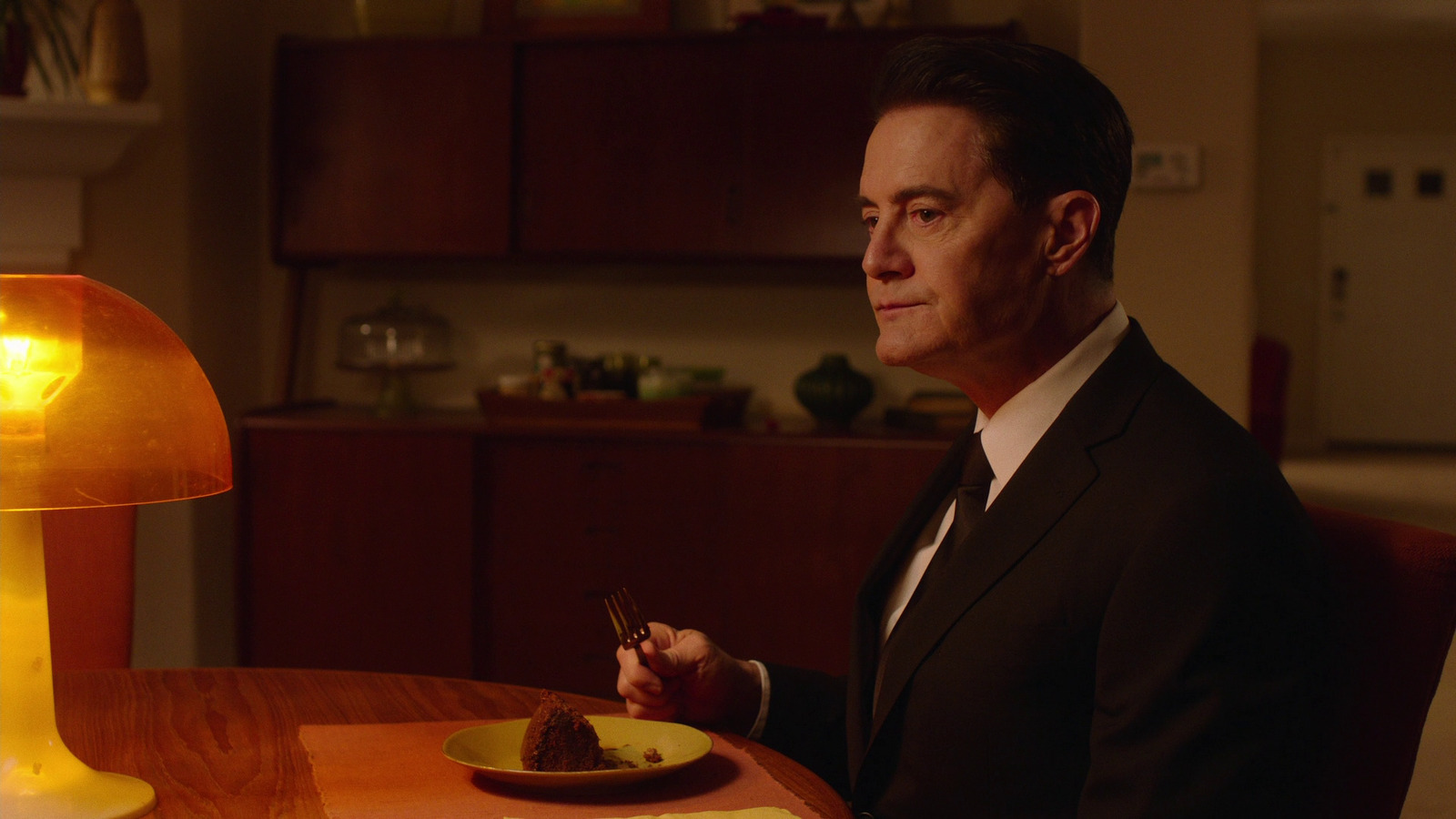
Janey-E seeks a response from Cooper while he remains absorbed in cake. The later intimacy is presented through her enthusiasm and his limited responses, continuing the episode’s troubling gap between physical presence and mutual understanding. The following morning she treats the encounter as a renewal of their relationship. His echoed words cannot establish that he understands the identity or history she assigns to him.
Open the scene sequence · 1 frame
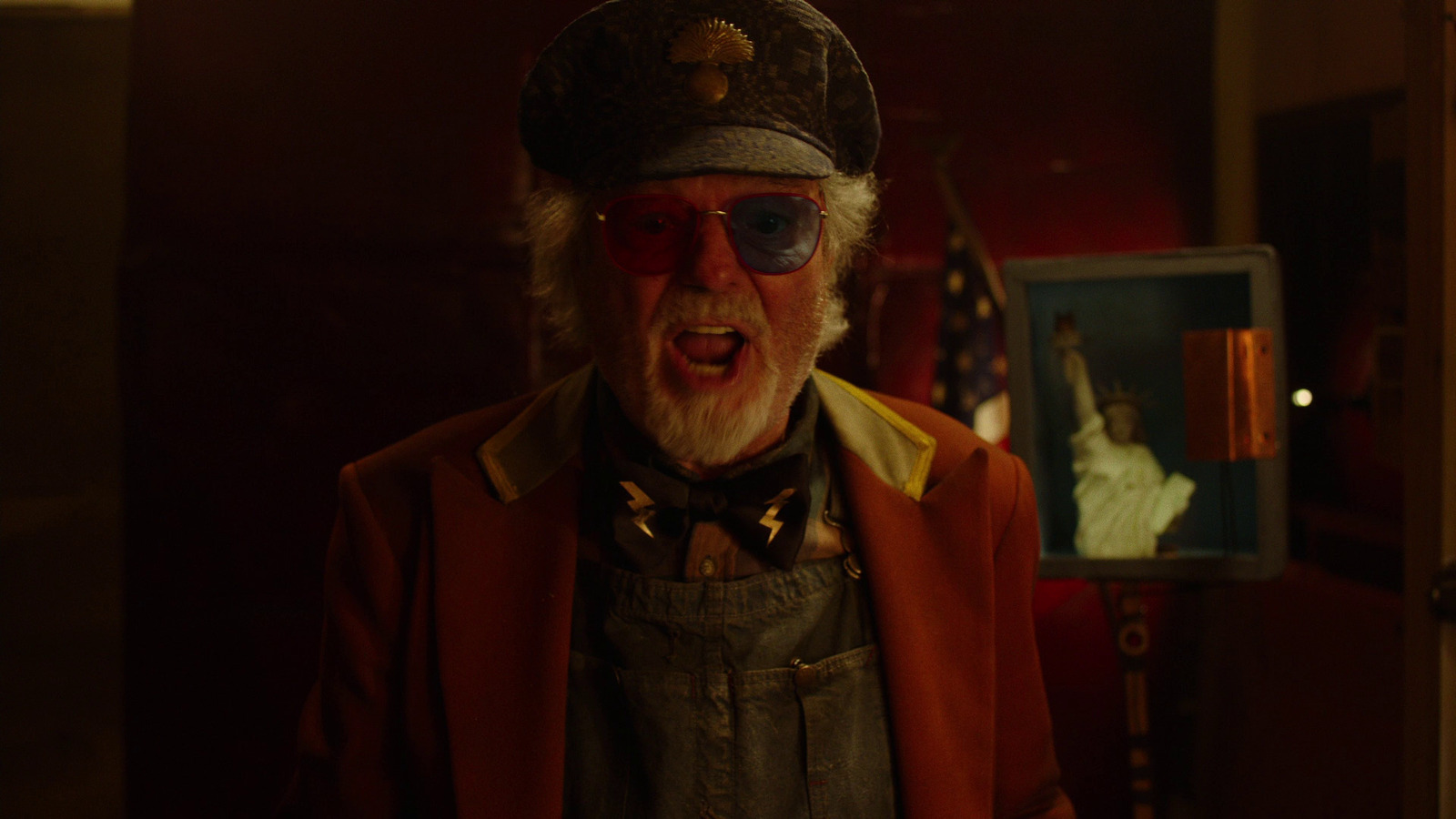
A broadcast finds its listener
Dr. Amp’s catalogue of institutional betrayal reaches Nadine in a quiet domestic setting. Cutting between broadcaster and listener creates a relationship across separate spaces. His invitation to act is inseparable from the shovel he sells, so the scene allows both conviction and salesmanship to occupy the same speech. Nadine’s response makes clear that broadcasting has consequences beyond the performer’s room.
Open the scene sequence · 1 frame
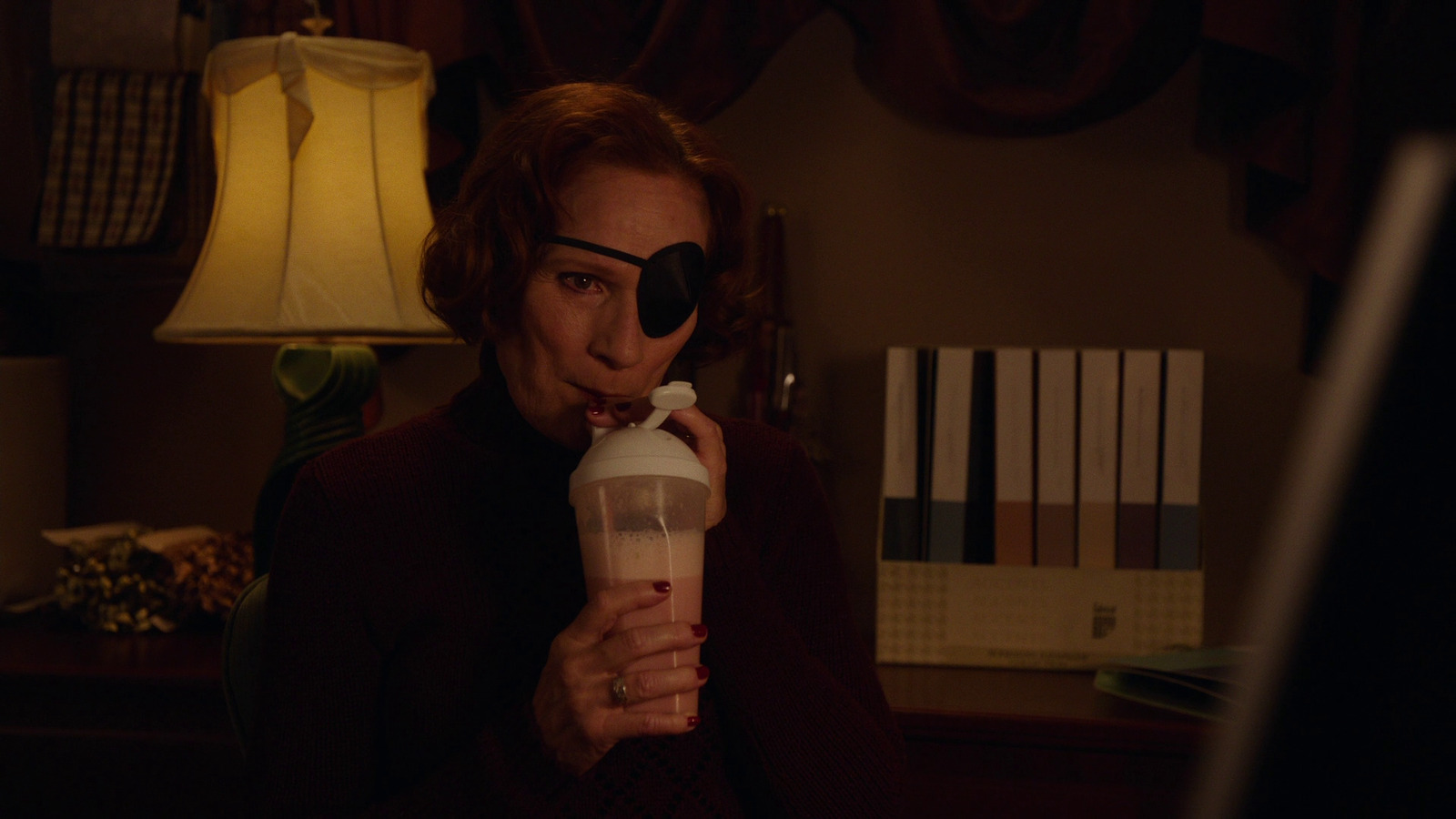
Recognition fails in the woods
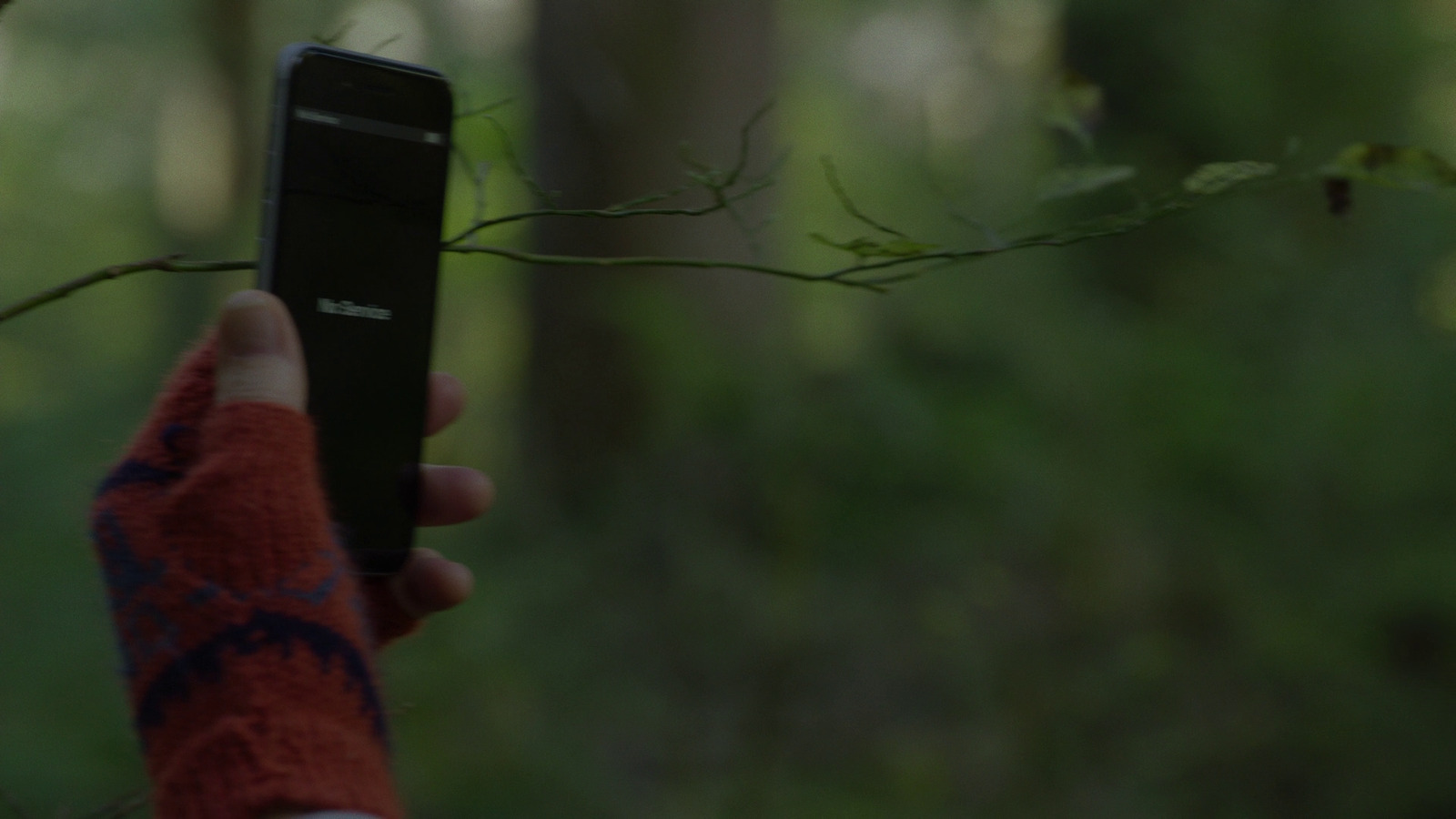
Jerry’s brief return interrupts the episode’s efficient criminal communications. He has a phone but cannot turn his surroundings into a dependable route. Familiarity becomes another source of confusion when he insists he has been there before. The small sequence connects the recurring forest imagery to a practical failure of orientation, without explaining that failure through supernatural certainty.
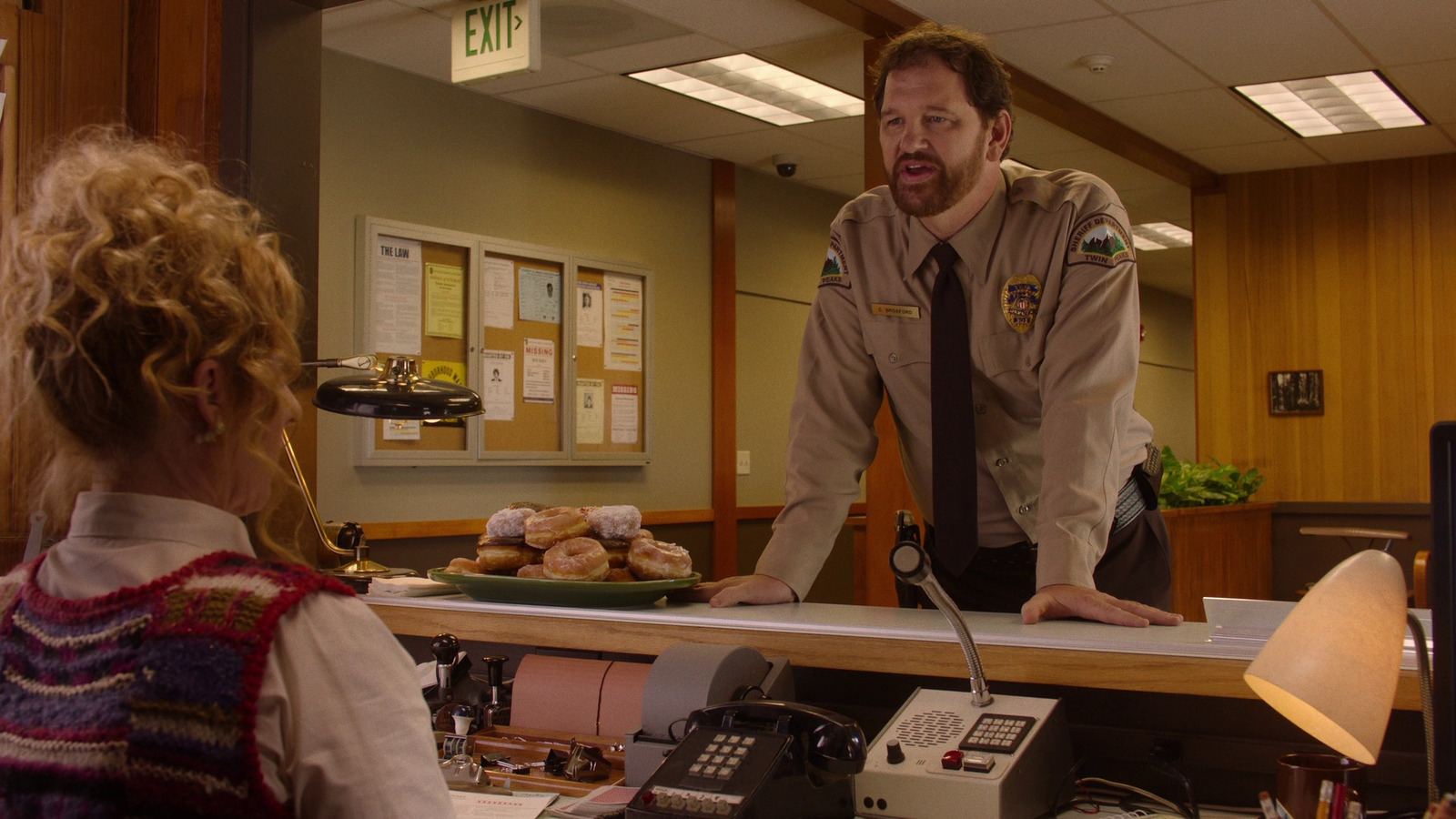
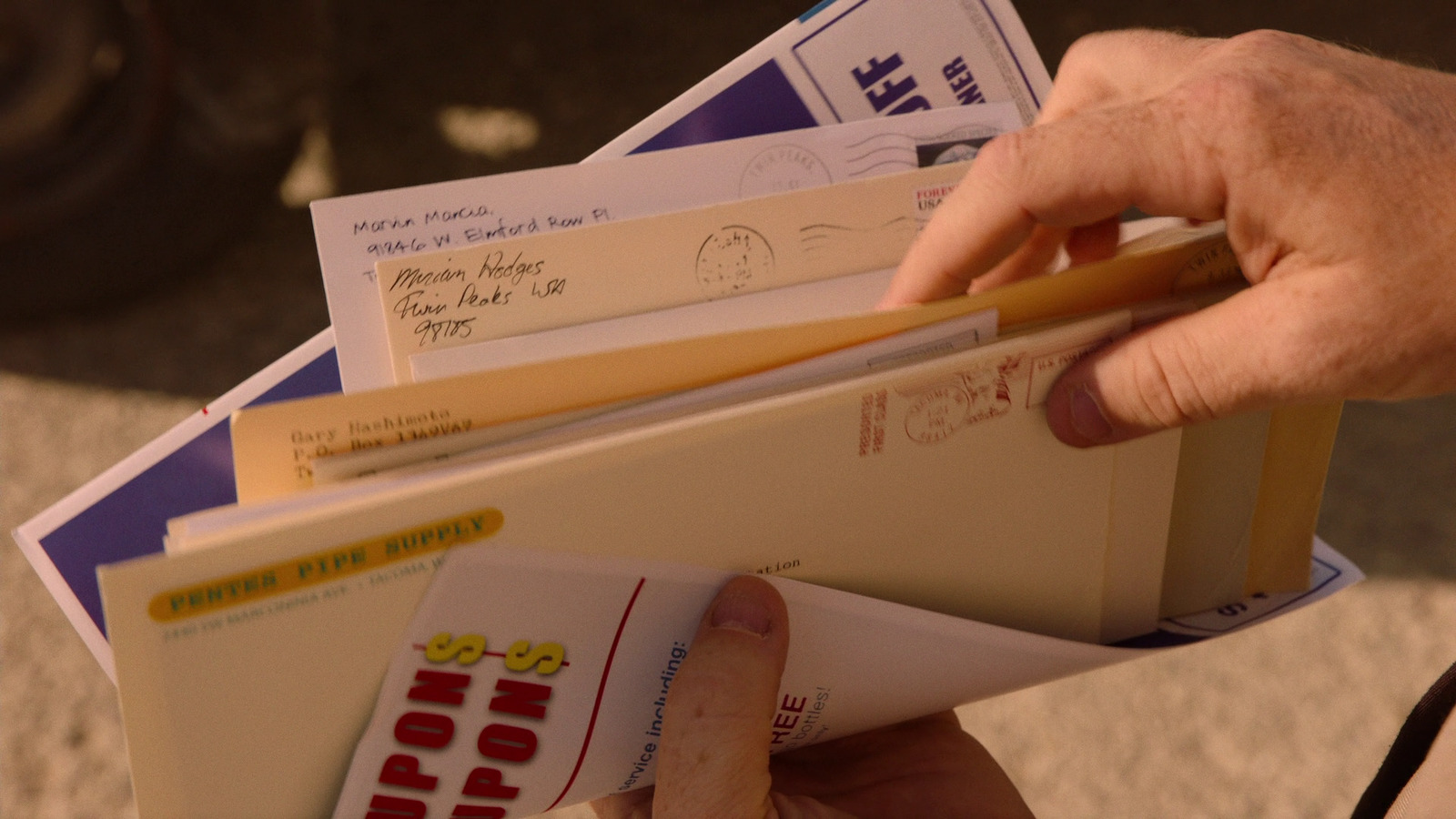
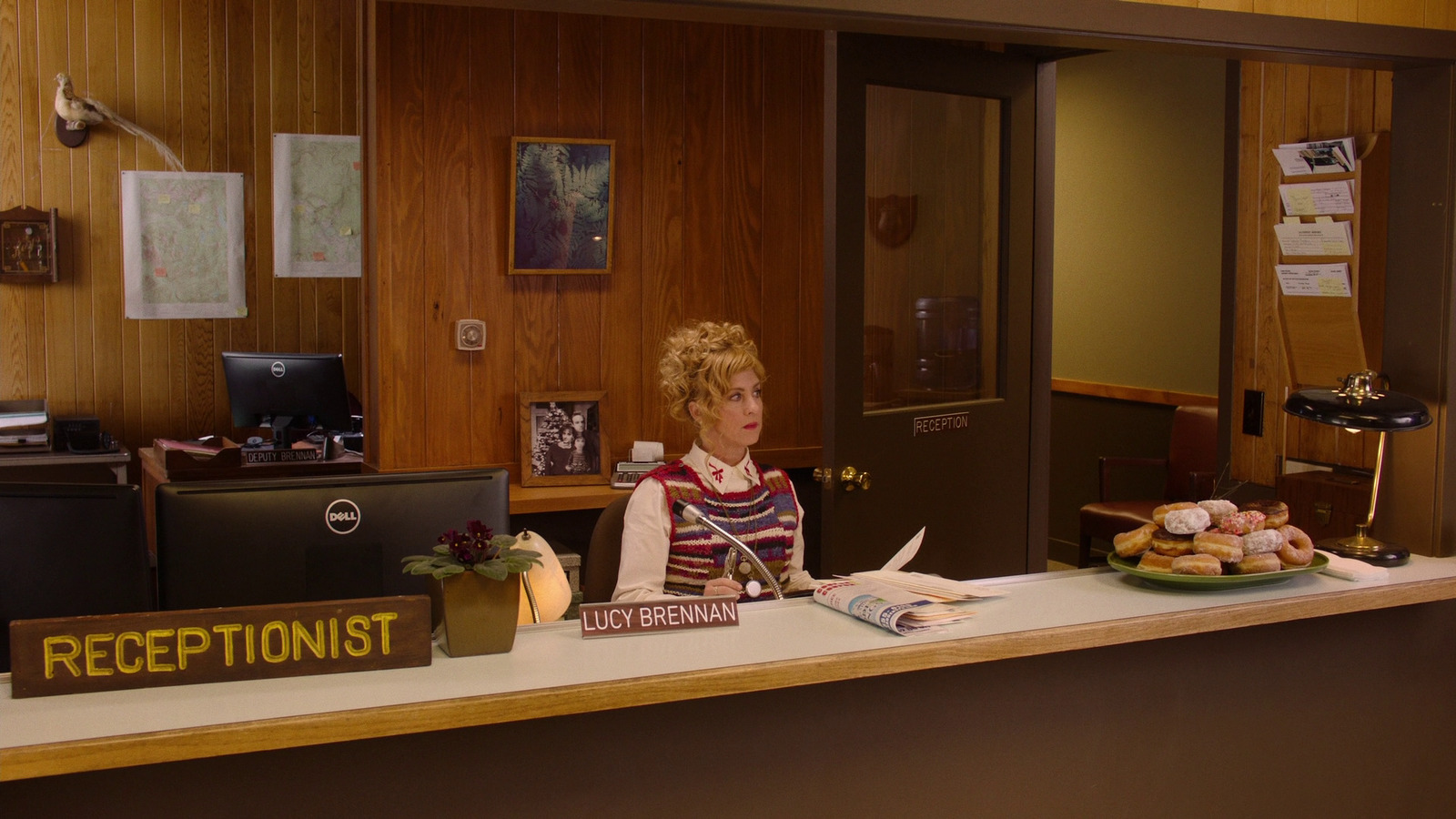
A letter meets the institution
Chad uses cheerful conversation to cover his interest in the arriving mail. Lucy’s account of time seems to wander away from his purpose, but her watchfulness remains in the frame after he leaves the desk. The interception makes Miriam’s earlier strategy vulnerable at the very institution meant to protect it. The episode gives the audience the chain of events that the sheriff’s office has not yet assembled.
Open the scene sequence · 2 frames
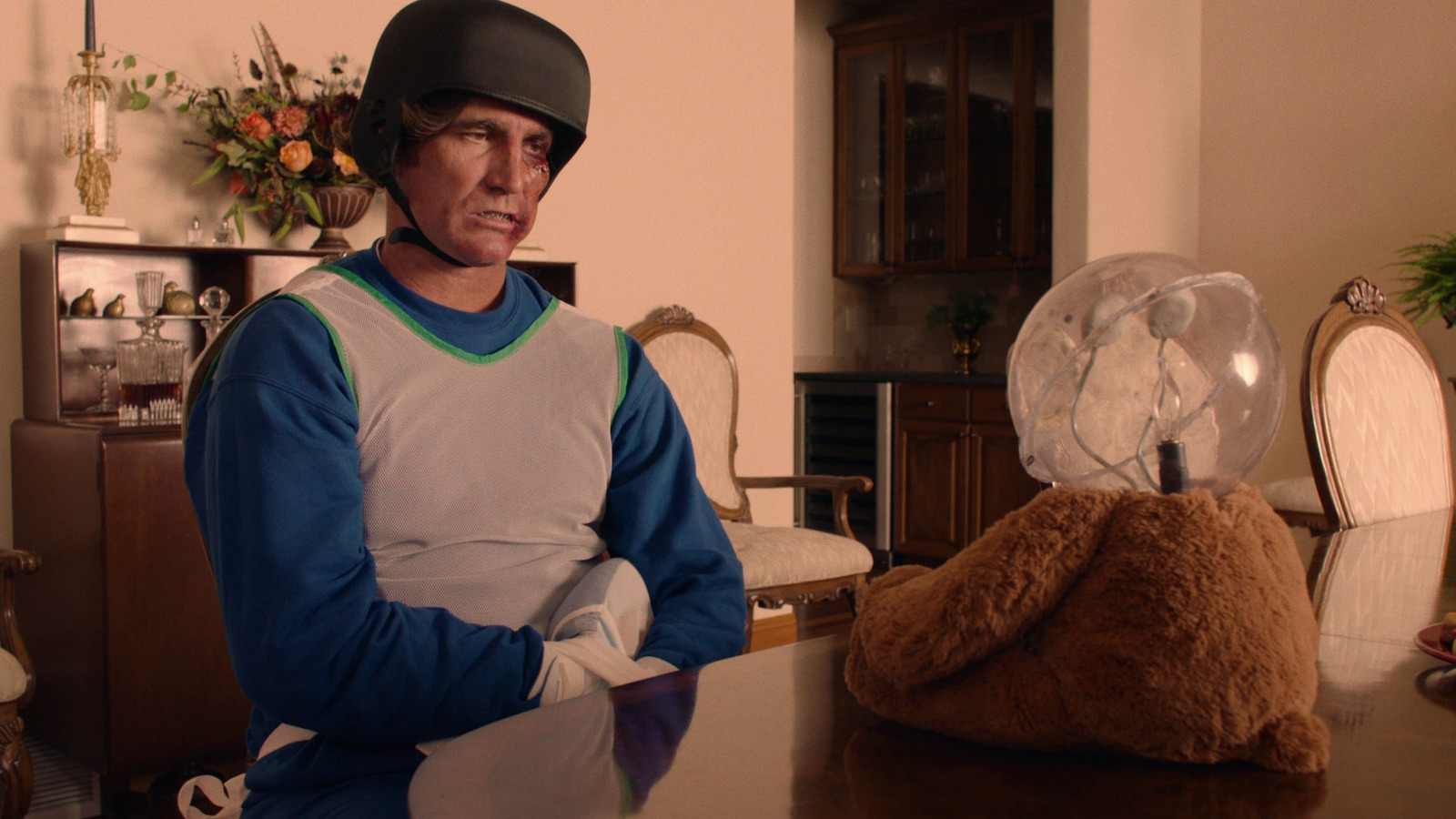
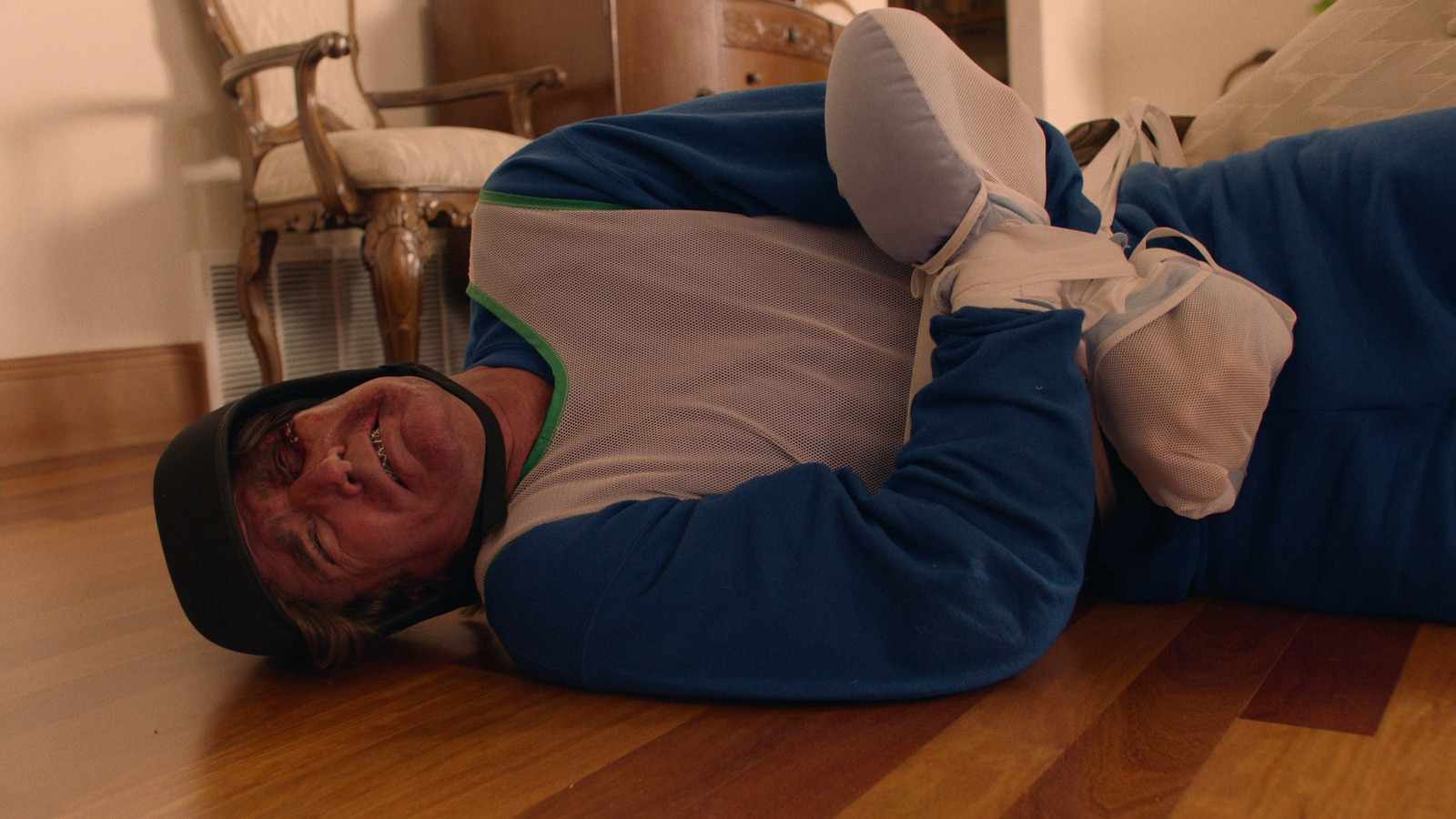
A greeting that cannot respond
The toy repeats its greeting to Johnny while Richard threatens and robs Sylvia. Its words remain polite as the room becomes dangerous. Johnny’s restraints and fall make the repetition especially cruel: a device built to address him continues without recognizing his distress. The camera returns to him while Richard pursues the safe, keeping the dependent witness within a scene the attacker tries to organize entirely around his own demands.
Open the scene sequence · 2 frames
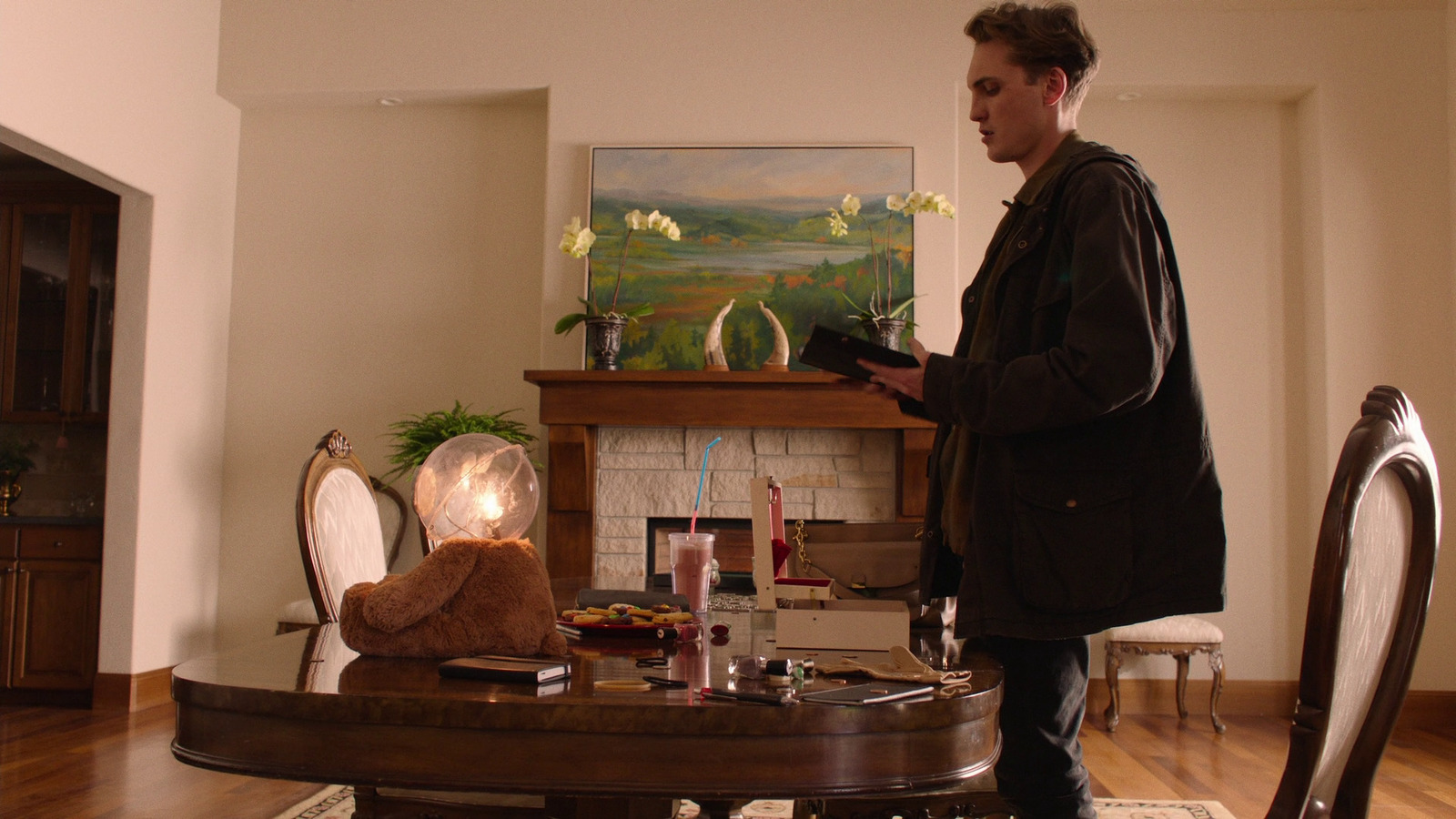
A murder plan disguised as explanation
Todd gives Anthony an account to perform, not a fact to discover. The insurance dispute will be rearranged so that the Mitchums direct their anger toward Douglas Jones. Todd’s spacious office and Anthony’s restricted position make the power relation visible before the threat is completed. The plan depends on another group believing that they have reached their own conclusion.
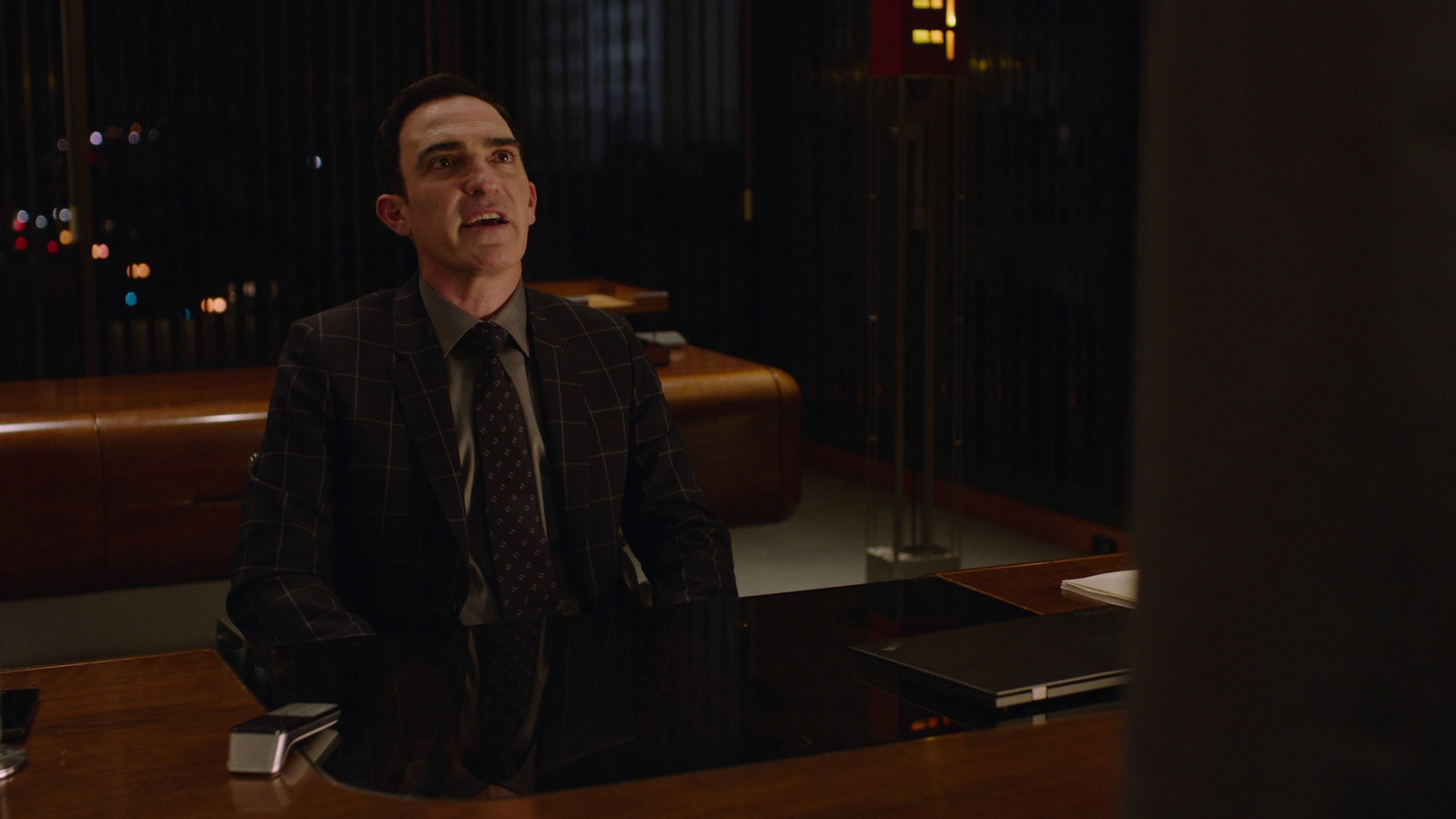
An unexpected interval of tenderness
Albert and the pathologist share a restaurant table while Gordon and Tammy quietly observe them. The short exchange offers recognition without coercion. It is also another scene of watching, but the observers’ pleasure differs from the Mitchums’ impatience or Richard’s surveillance of witnesses. The episode briefly permits interest in another person to be affectionate.
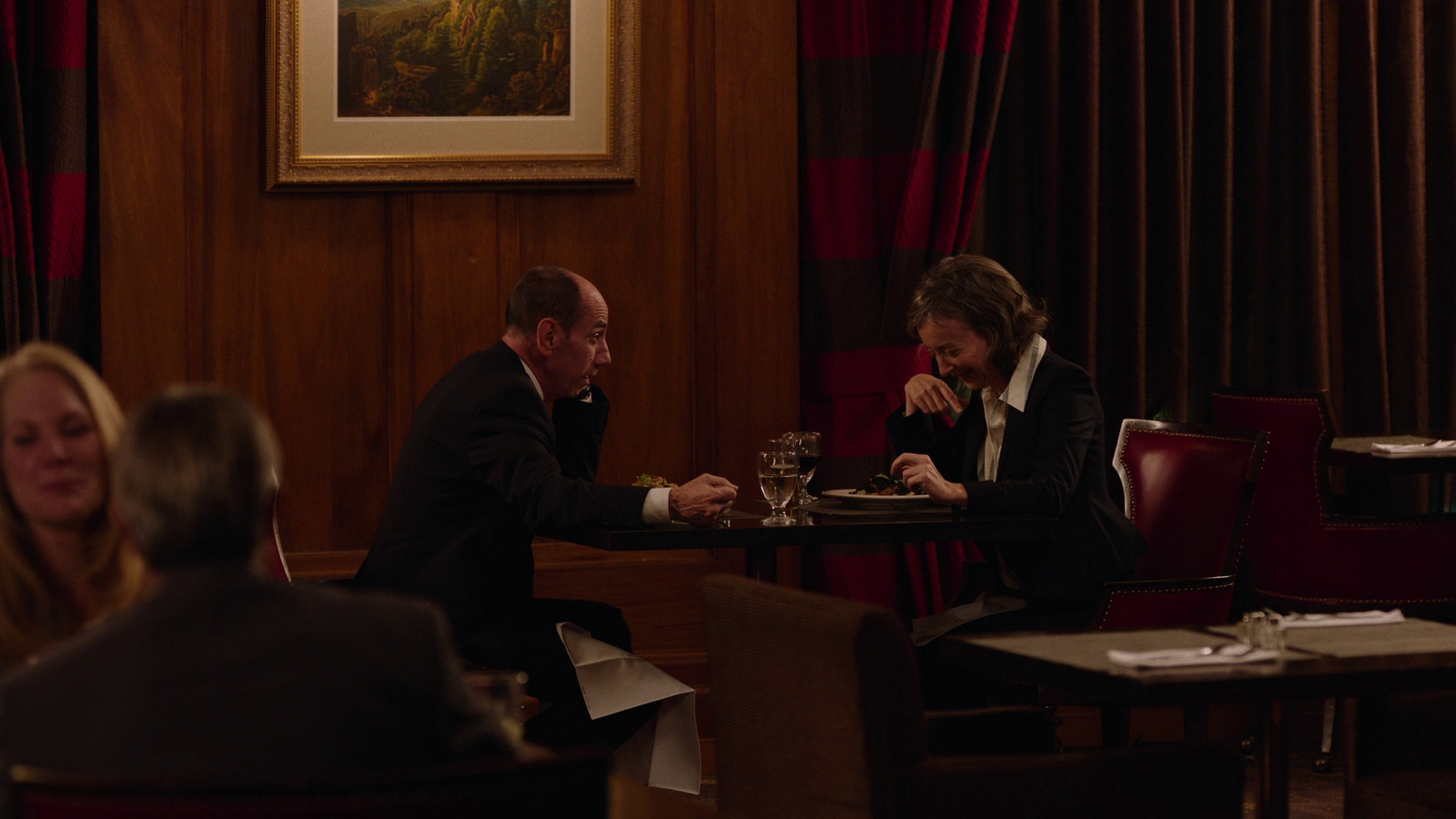
Open the scene sequence · 1 frame
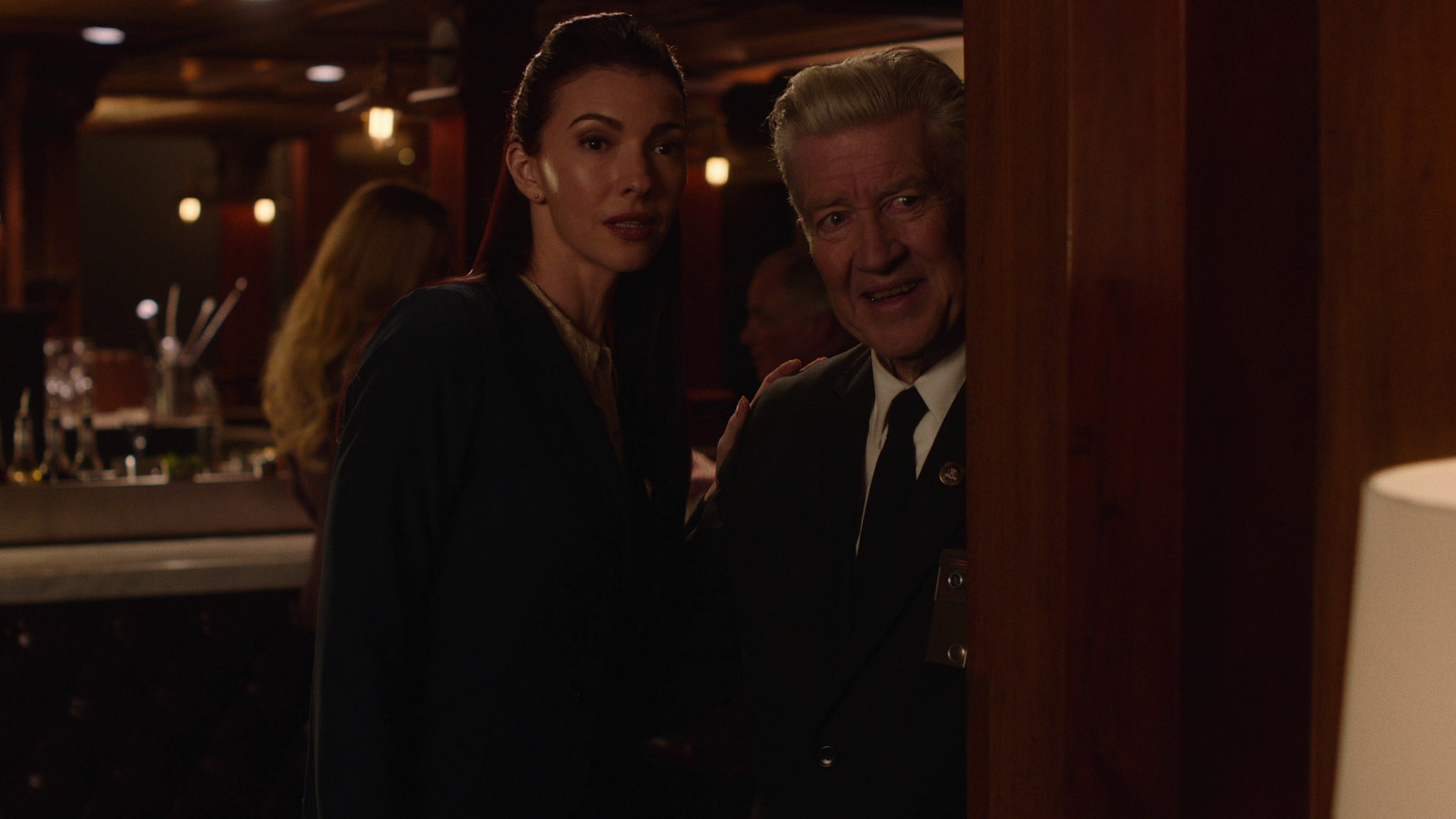
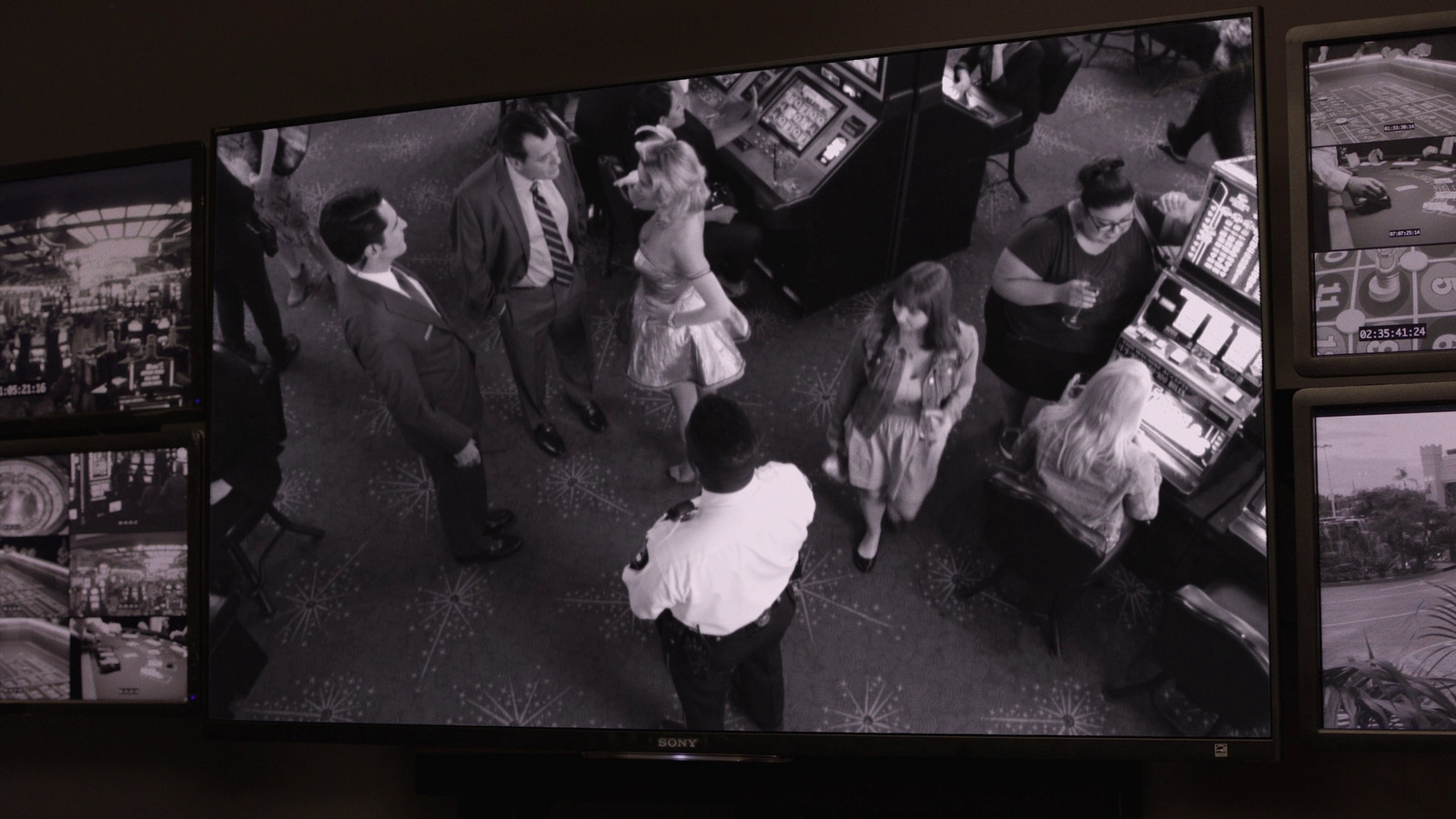
A visible conversation with no audible words
The surveillance system gives the Mitchums an excellent view of Candie and Anthony, but the distant image does not deliver their conversation. Waiting becomes a comic ordeal. When Candie finally explains herself, her subject is heat, smog and the relief of air-conditioning. What appeared consequential to the impatient observers was ordinary talk. Seeing more has not made them understand more.
Open the scene sequence · 2 frames
The lie becomes a shared intention
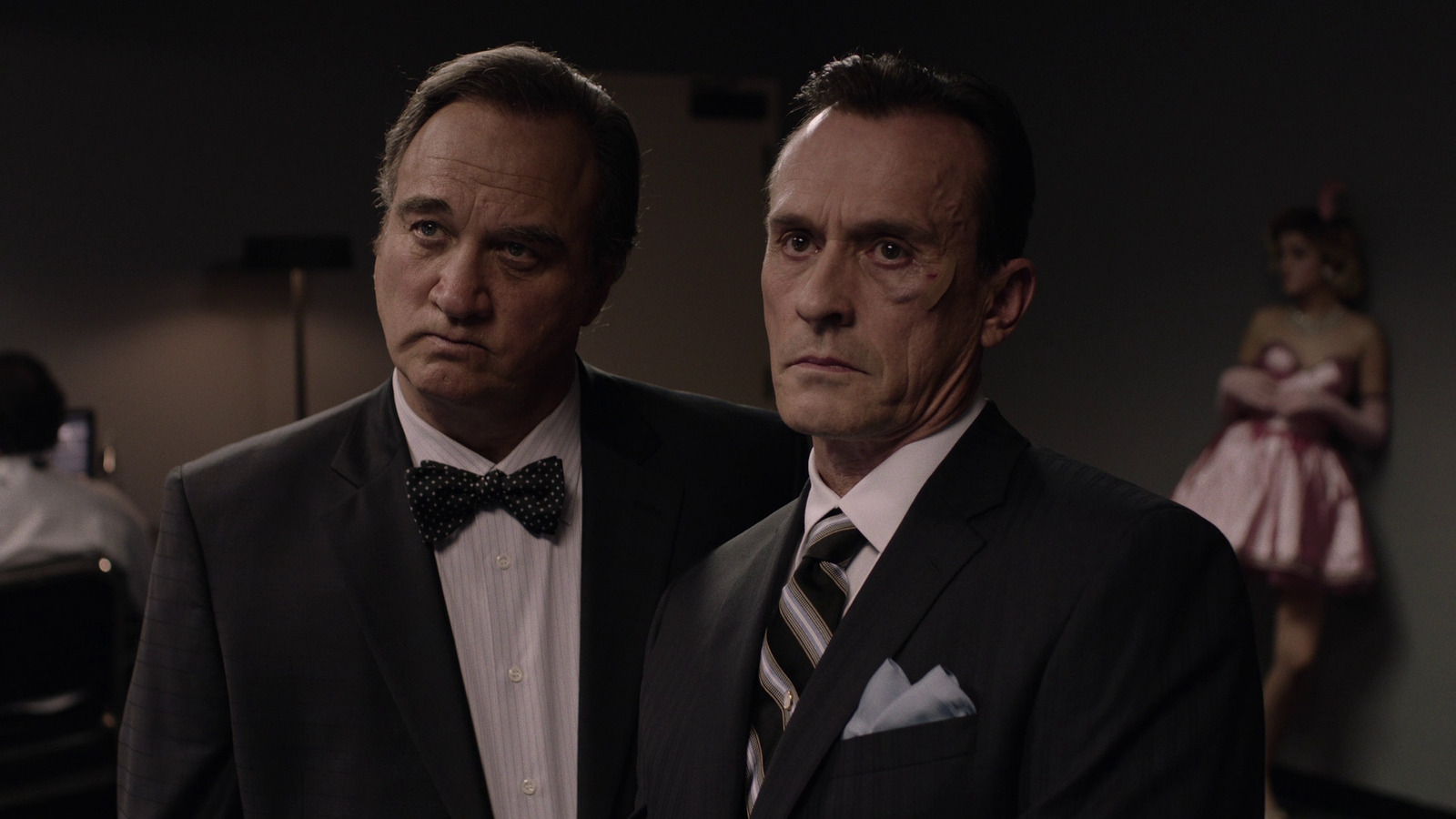
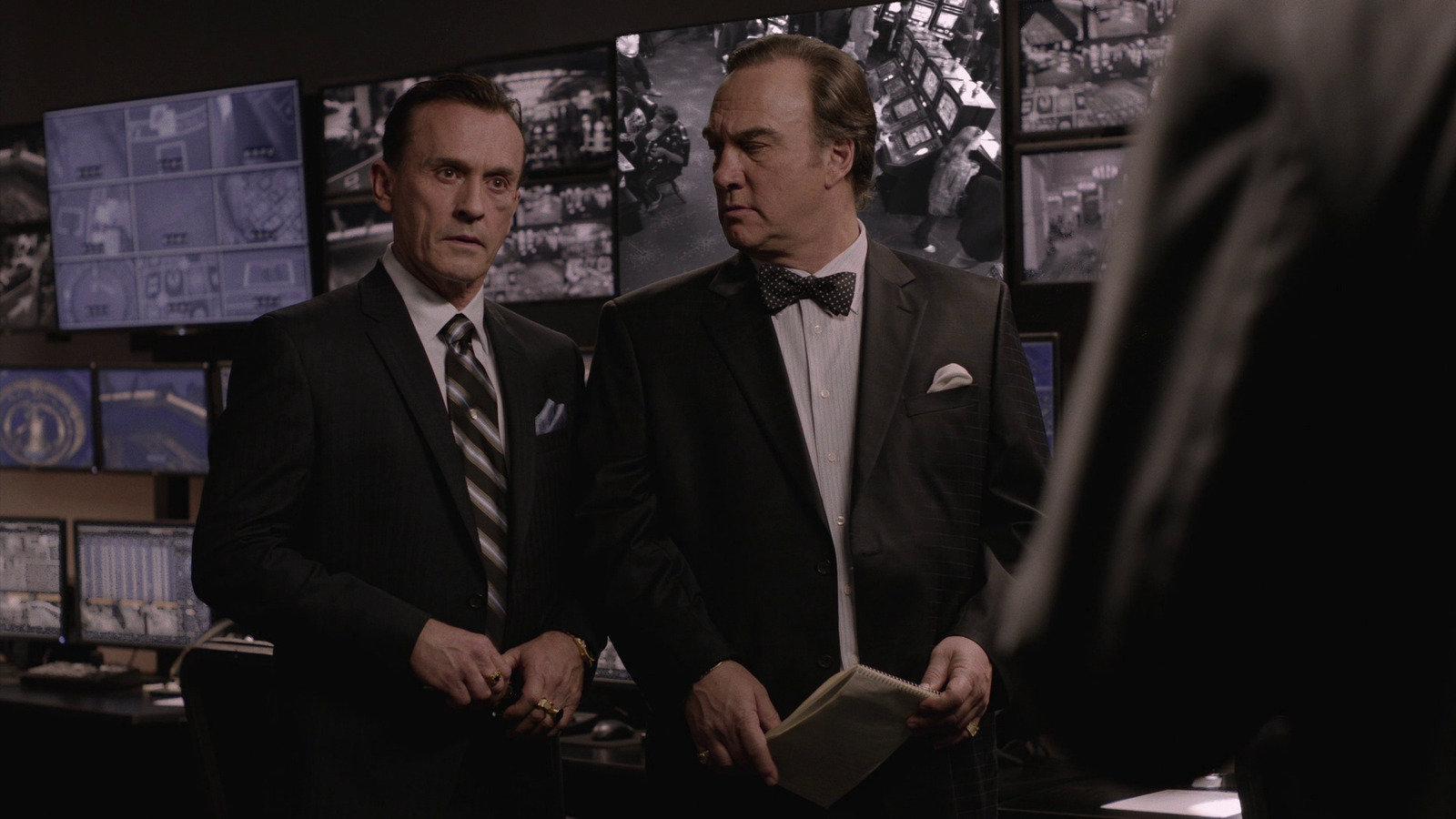
Anthony presents the denied claim as a personal campaign by Douglas Jones. The brothers accept the personalized grievance Todd designed for them. Later, Rodney’s bandage and the drinks keep earlier events physically present as the conversation hardens into a threat. The precise financial loss gives a fabricated explanation the apparent weight of an account book.
Open the scene sequence · 1 frame
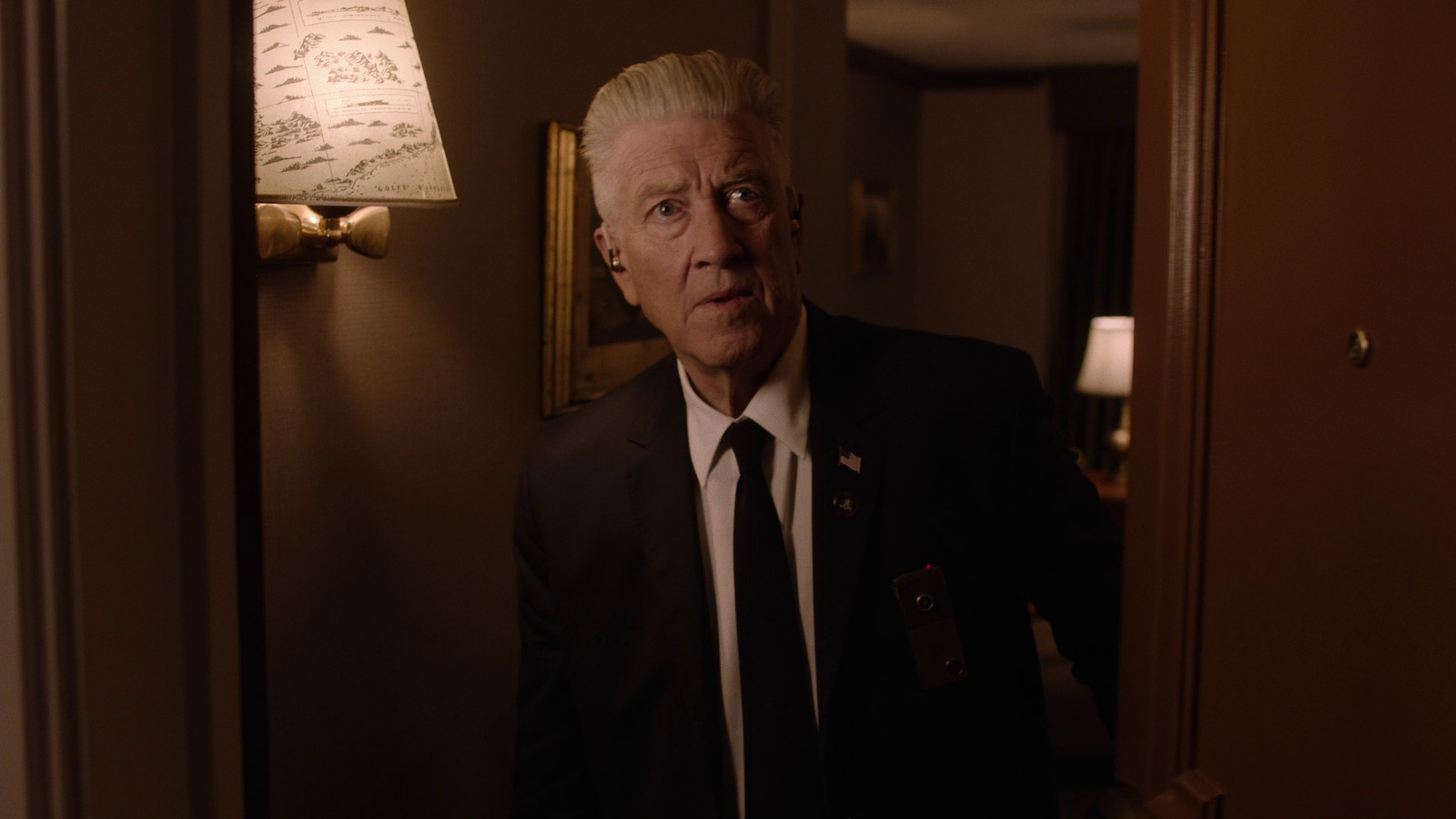
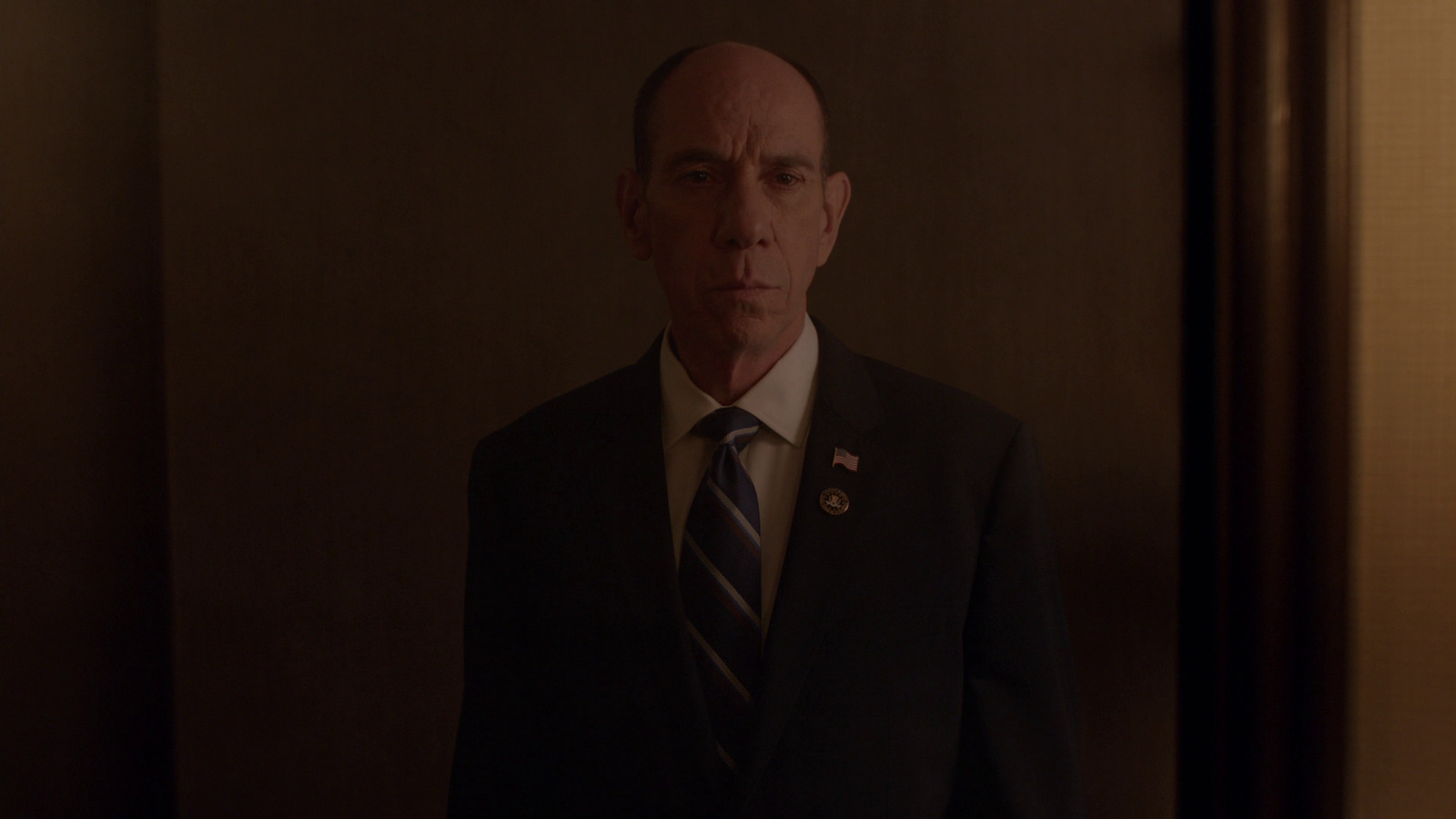
A face at the hotel-room door
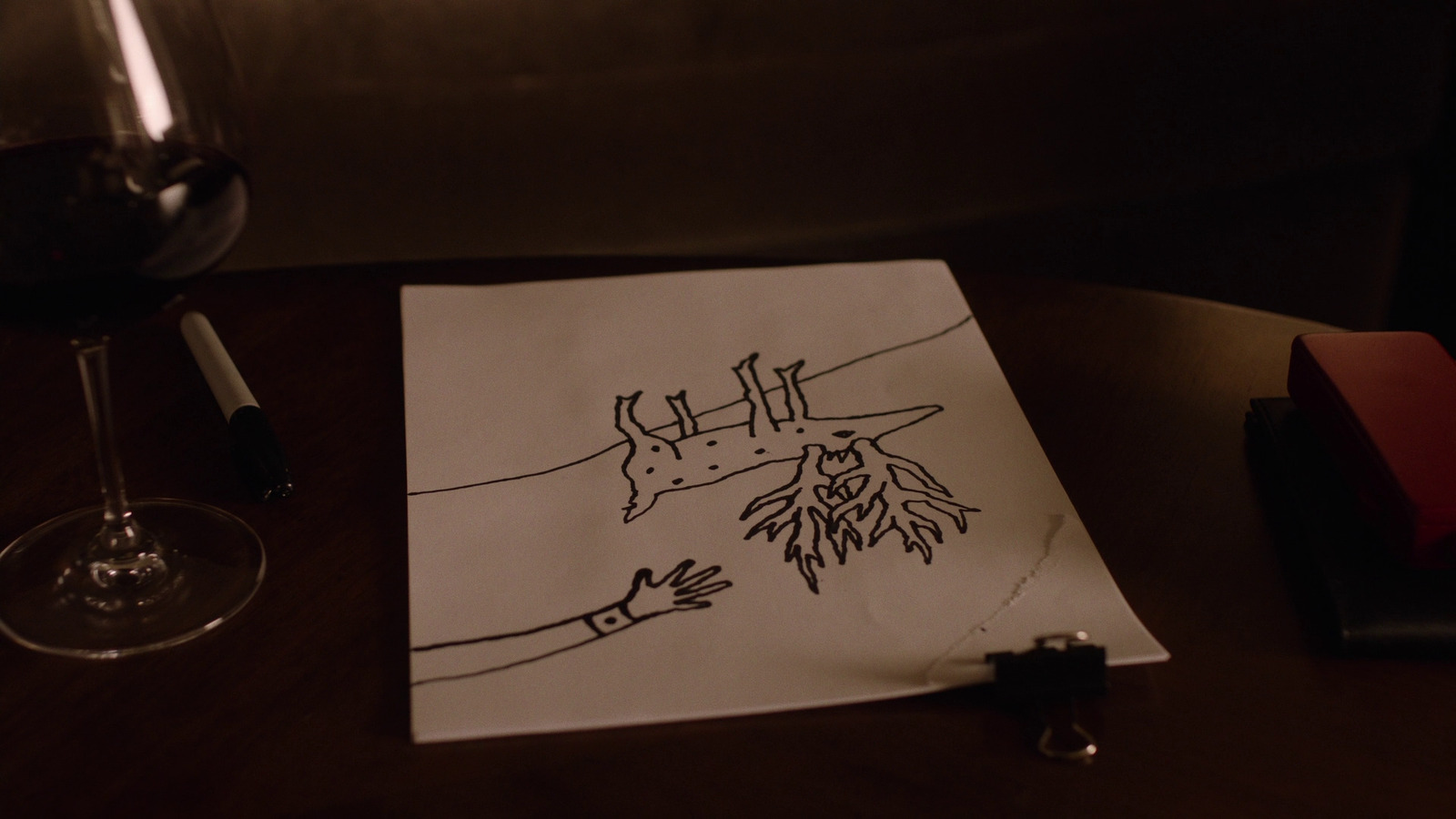
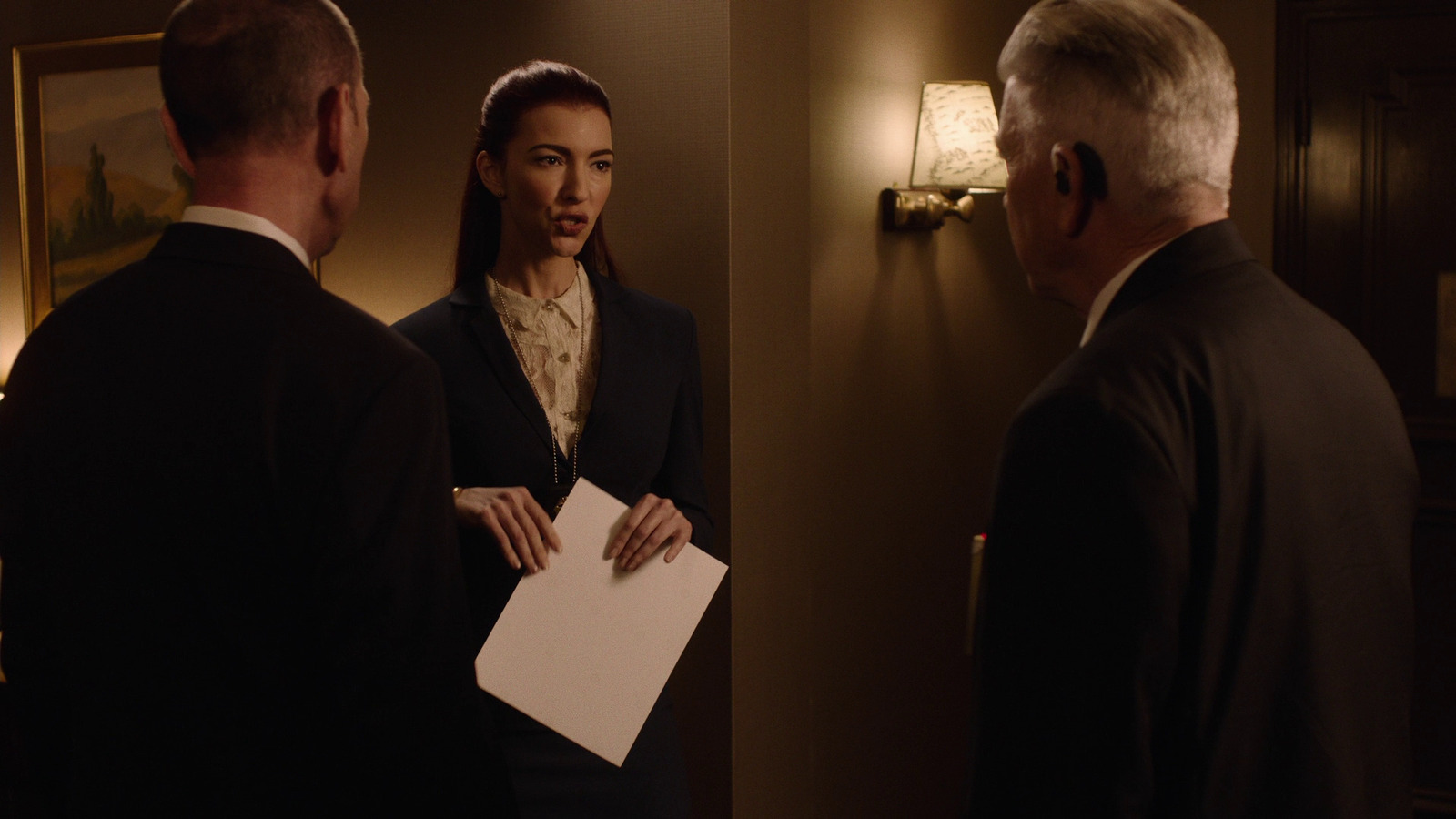
Gordon’s drawing precedes a knock, a doorway and Laura’s distressed face. Albert then occupies the same threshold. The brief interruption changes the emotional register of the ensuing intelligence exchange: the investigation is not only a traffic in messages and photographs. Laura re-enters it as a person whose distress exceeds the investigators’ current evidence. The image is a vision presented through Gordon’s encounter, not an ordinary visit explained by the dialogue.
Open the scene sequence · 2 frames
The family injury becomes a bill
Sylvia’s call forces Ben to confront Richard’s violence at a distance. Concern for Johnny, anger over the stolen money and the estranged couple’s grievances overlap. The switch to asking Beverly to dinner does not resolve the family crisis; it shows how swiftly another conversation can begin while the consequences remain elsewhere.
A call asks for a different kind of attention
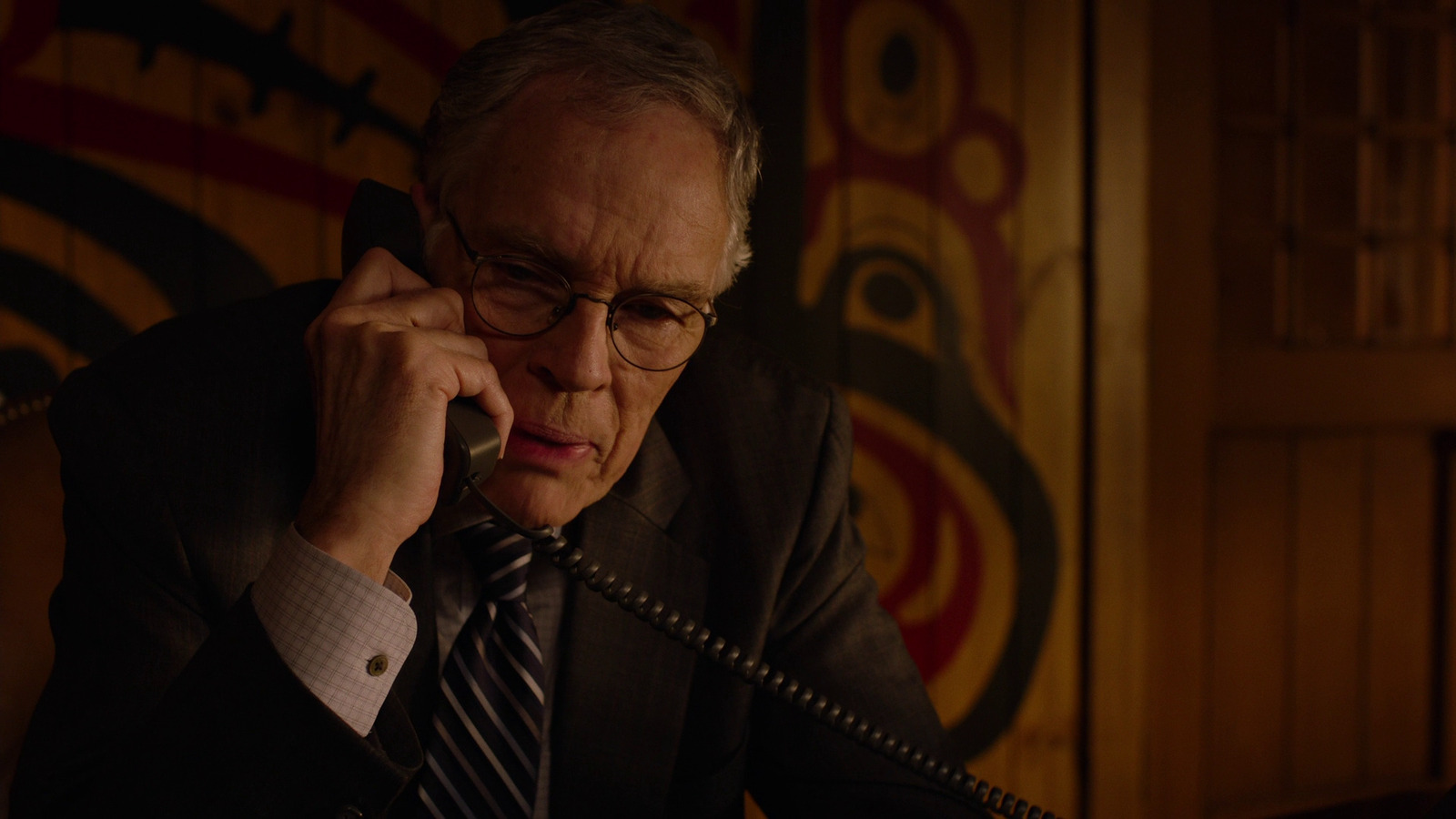
Margaret’s speech moves through electricity, landscape, darkness and the people Hawk can trust. The measured exchange allows a voice that sounds vulnerable to hold authority. Her final emphasis returns the investigation to Laura. After so many commands, distortions and intercepted messages, Hawk’s listening becomes an action in its own right.

Open the scene sequence · 1 frame
The closing voice keeps its time
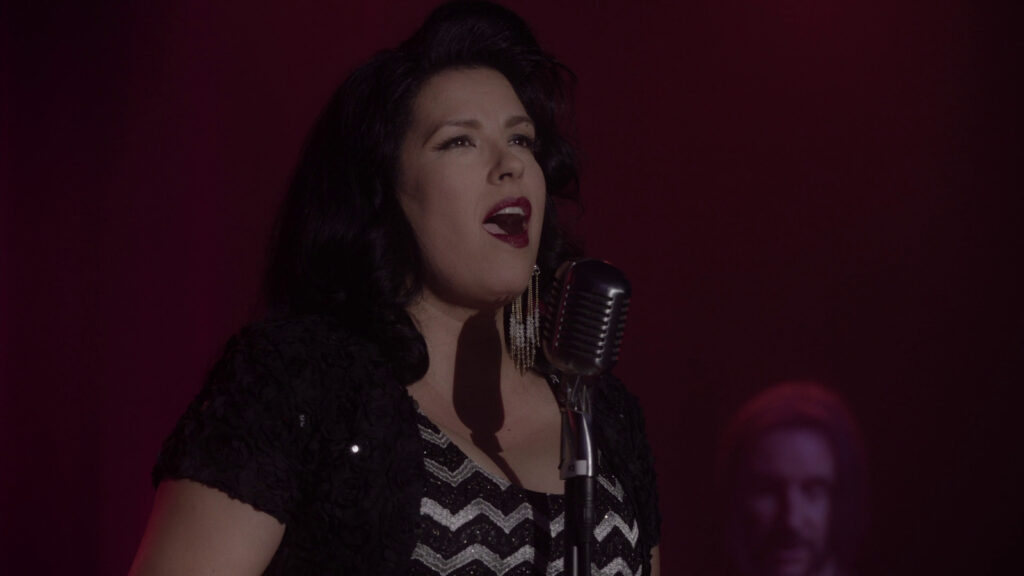
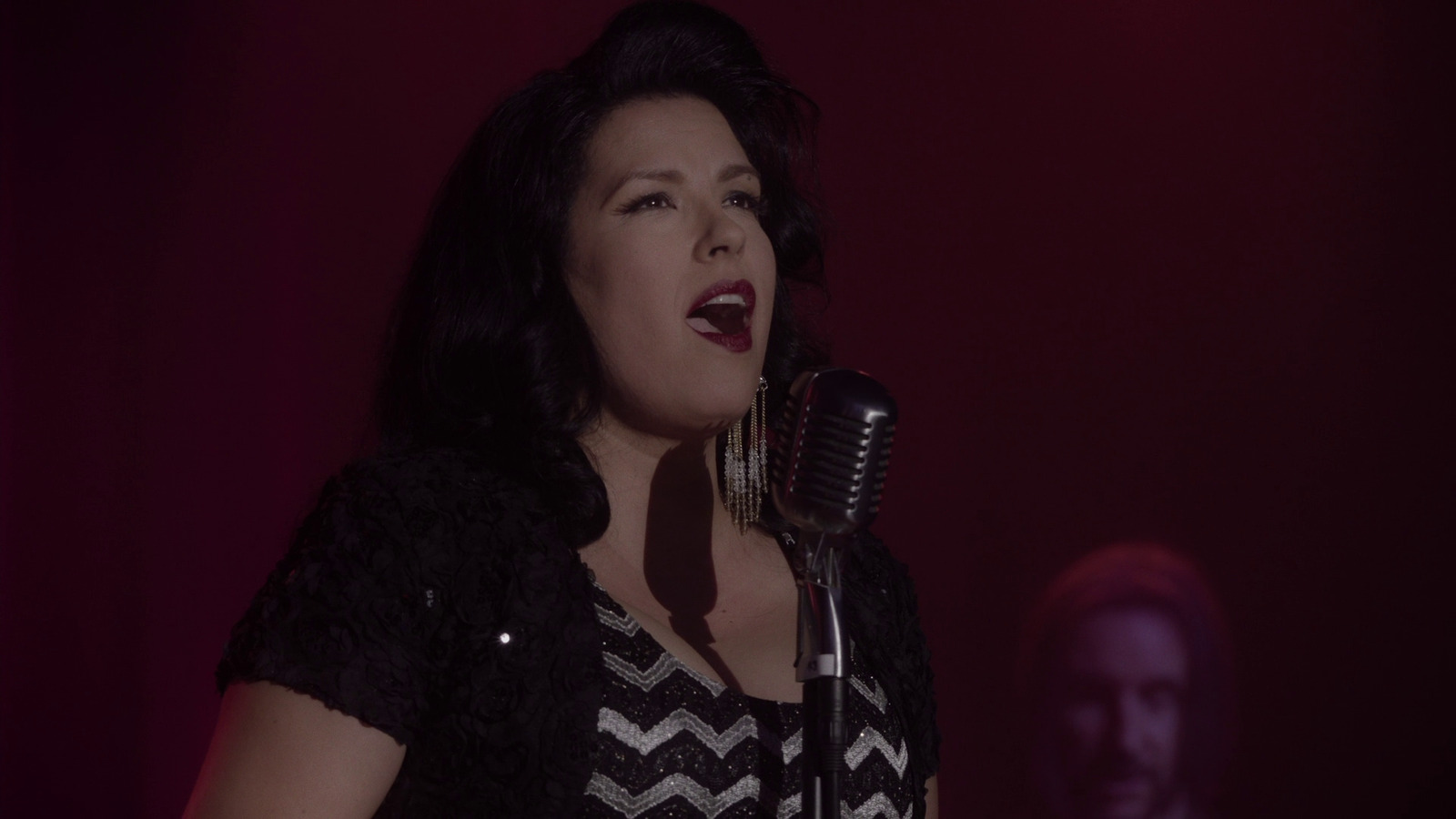
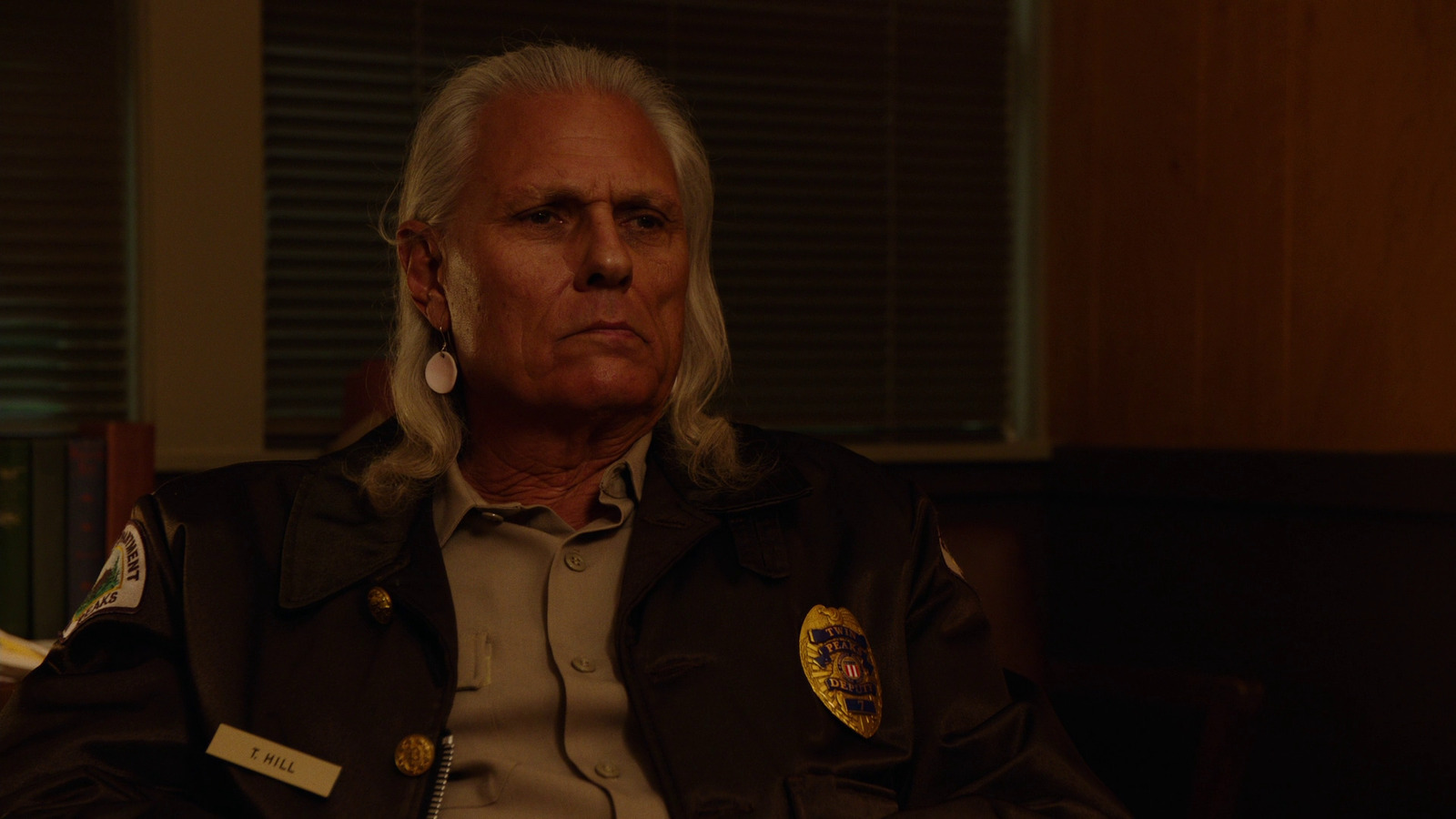
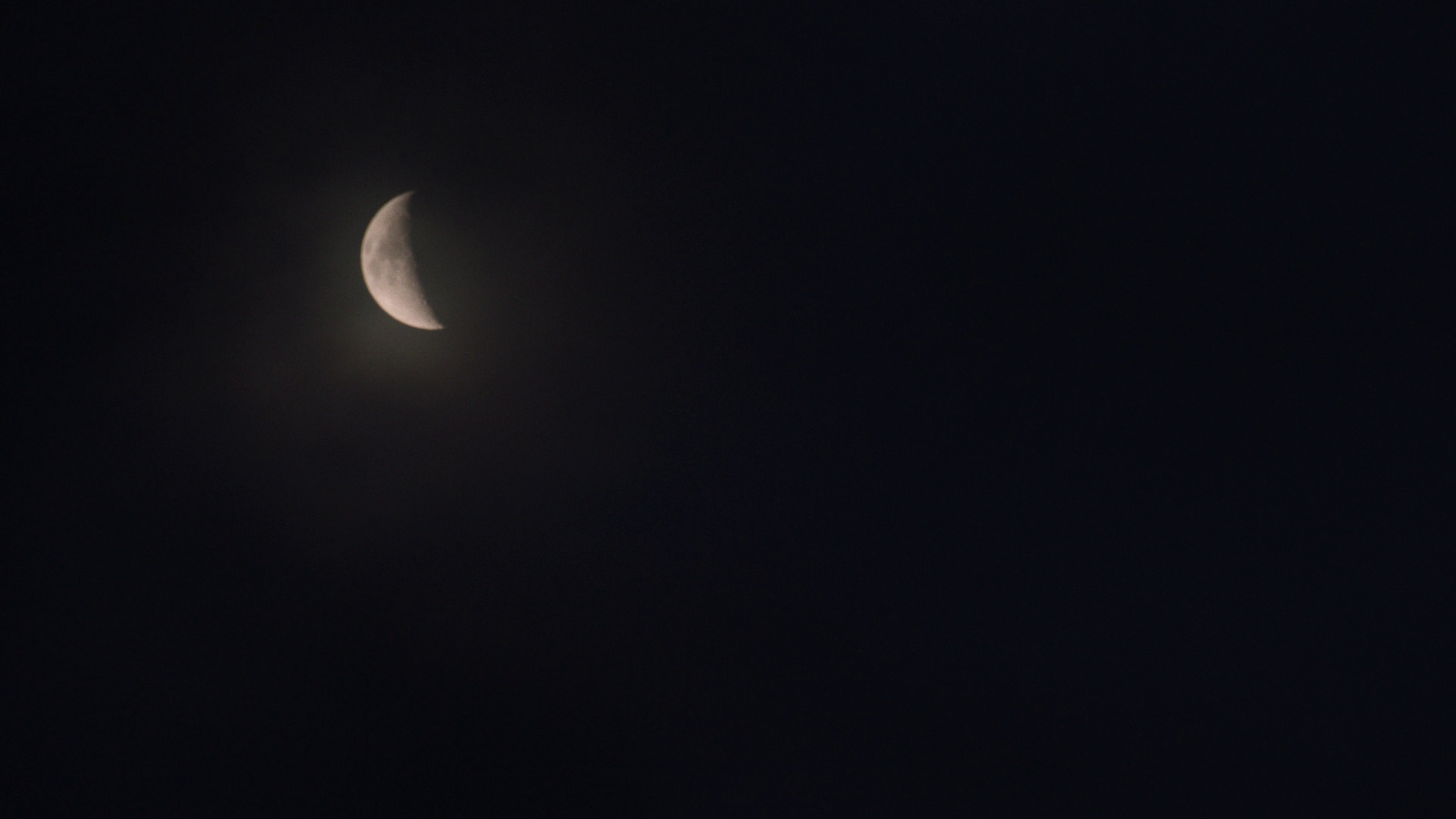
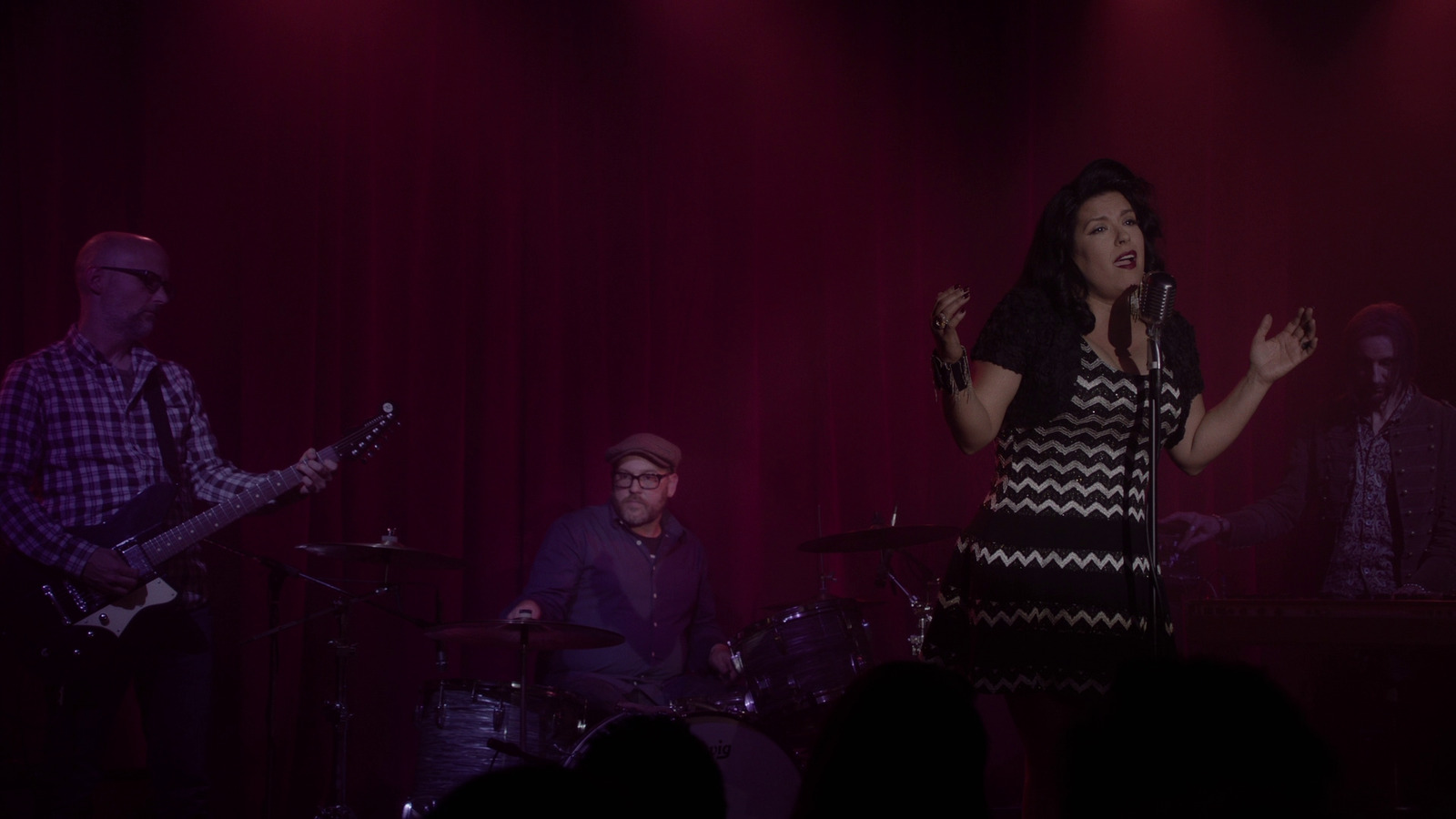
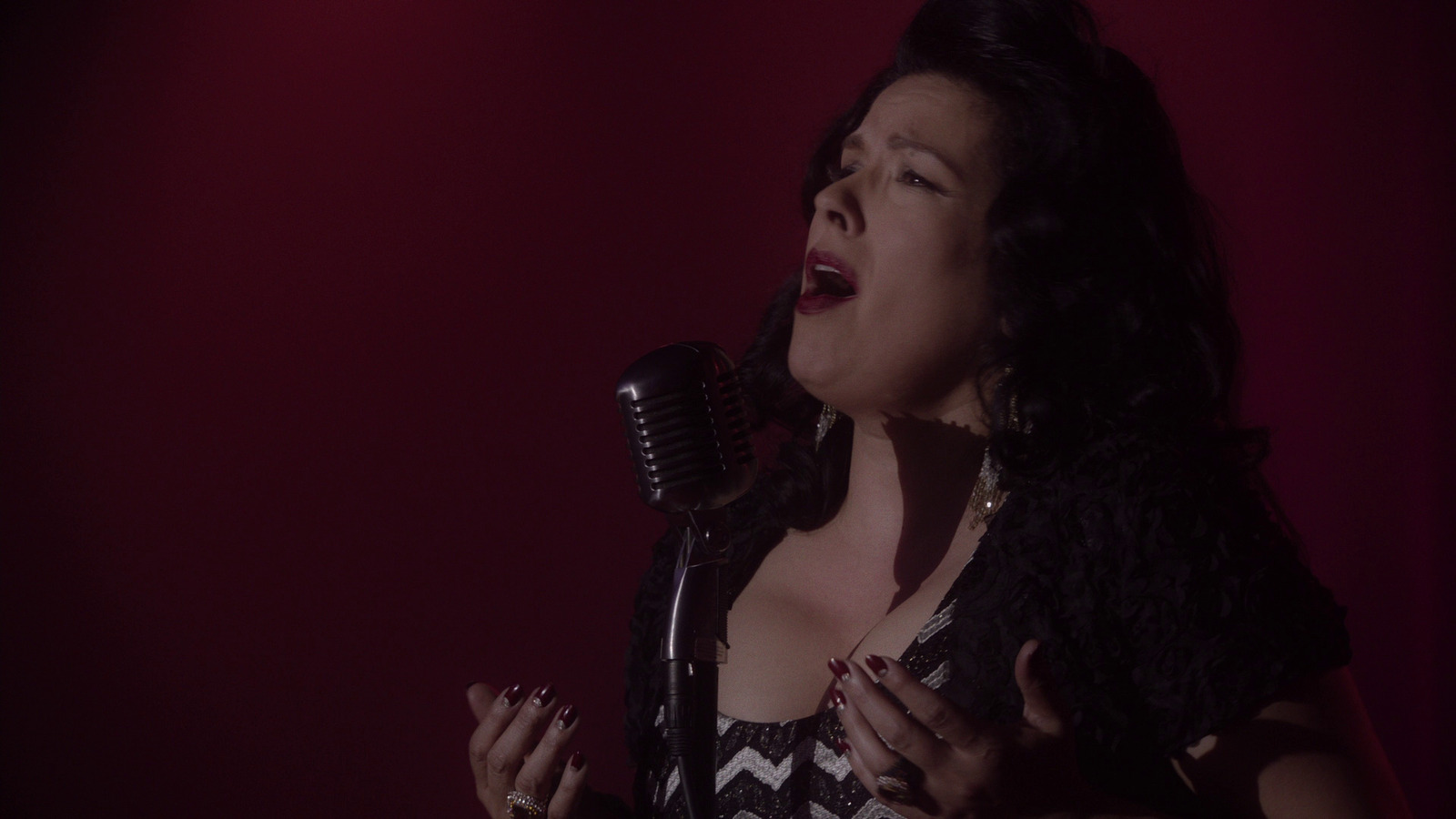
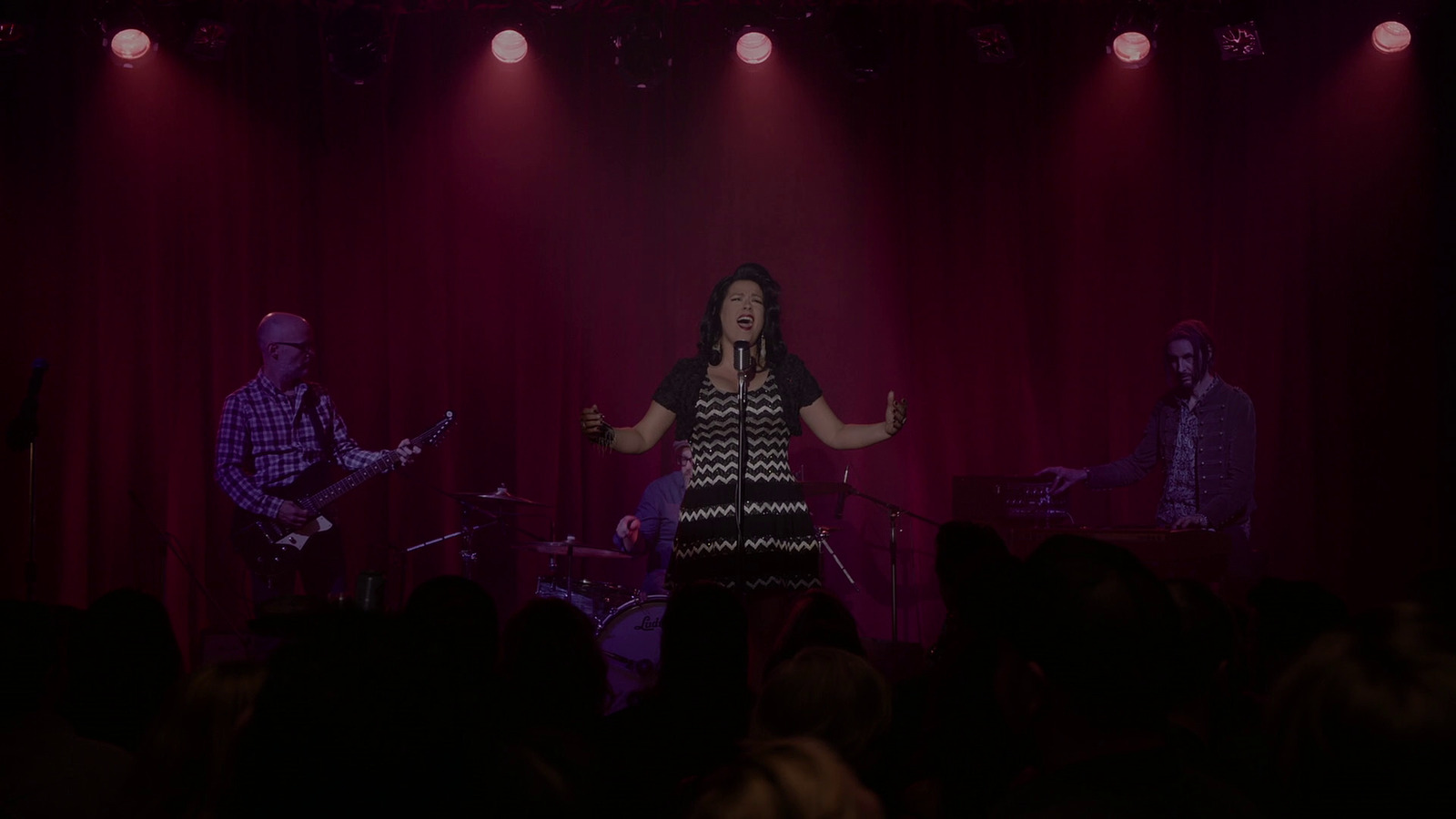
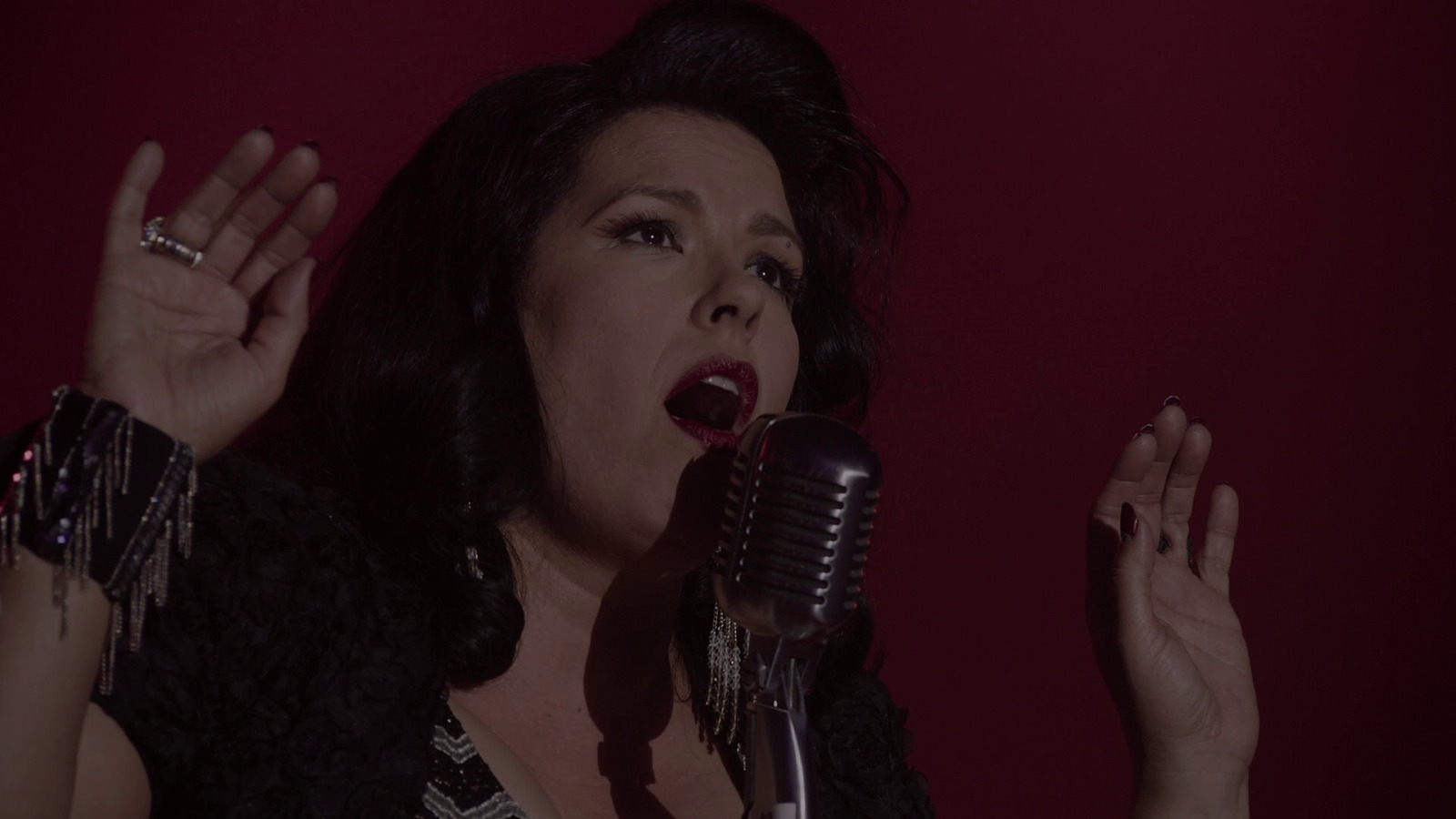
A crescent moon leads into the Roadhouse. Del Rio’s performance holds the closing minutes, moving between English and Spanish while changes in framing bring her face, hands and the supporting musicians into view. Its duration gives grief and longing room after an episode of forceful interruption. Red curtains and the singer’s chevron dress invite a connection with Mulholland Drive, but this performance remains within the Roadhouse rather than replaying Club Silencio’s demonstration.
Open the scene sequence · 3 frames
Speech, repetition and the space a song can hold
Offscreen harm. Miriam’s screams and the impacts inside the trailer deny the reassuring distance of the wide exterior. Carl’s interrupted song similarly makes sound the route from one dwelling to another. The two sequences establish how an apparently peaceful place can contain violence that is first apprehended by hearing.
Repetition without care. Johnny’s toy continues its greeting across threats, a fall and robbery. Cooper’s echoes also separate spoken words from conventional understanding, but the situations differ sharply: the toy cannot respond, whereas the people around Cooper repeatedly decide what his responses mean. The comparison is about how the scenes organize listening, not an equivalence between their characters.
Speech withheld. The casino monitor makes Candie’s conversation visible and inaudible; the brothers fill that absence with irritation. The later explanation is mundane, which exposes the limits of their confidence. In Gordon’s room, Laura’s image and Sarah’s call interrupt the procedural exchange before messages about Diane are read aloud.
A voice given duration. Margaret’s measured telephone message and Del Rio’s extended song form the closing movement. One asks Hawk to attend to Laura; the other sustains a feeling of loss without converting it into a clue. The music credits identify Harry Dean Stanton’s performance of “Red River Valley” and Del Rio’s “No Stars.” The latter’s credited writers are David Lynch, John Neff and Rebekah Del Rio. Episode credits.
A closer view of the Roadhouse performance
Rebekah Del Rio — No Stars
Rebekah Del Rio stands before the red curtain in a dress patterned with black-and-white zigzags. The microphone gives her a fixed point, while her hands open, rise toward her face and return toward her body. Close views make these gestures prominent; wider views preserve the guitarist, drummer, keyboard player and the audience around her.
Open the No Stars performance study · 2 frames
Read the full performance comparison →
Source: Roadhouse Music — Rebekah Del Rio — No Stars, 00:00–07:21, in Twin Peaks: From Z to A. These timings identify the separate performance edit; the episode context is examined above.
Apparitions, screens and performed impact
Laura, Albert and one unstable threshold
Compare the stable hotel doorway, Laura’s face across it and Albert’s emergence. The effect depends on the collision of two kinds of image within an otherwise ordinary encounter. The sequence does not require a new location to make Gordon’s present porous to Laura’s distress. These frames document the visible transition; they do not assign an unverified shot-specific technique to a credited effects vendor.
Open the doorway sequence · 3 frames
The image as evidence—and as a limit
A paused news image makes Cooper identifiable, while a clear surveillance view leaves Candie’s words unavailable. Both use screens inside the frame, but they produce opposite experiences of certainty. The gallery compares their framing and the observers who give them meaning.
Compare the mediated images · 4 frames
A small action becomes an oversized event
Candie’s tracking of the fly, the sudden strike and the crowded response construct an impact through performance, framing and reaction. Its comic rhythm sits uneasily beside the deliberate attacks elsewhere in the episode. The stills are a guide to that construction, rather than proof of a particular practical-effects method.
Open Candie’s action sequence · 3 frames
Making the images, shaping the performances
In her 2021 interview with Matt Fagerholm, Del Rio says “No Stars” predated The Return and that she suggested it to Lynch for the series. She describes creating Spanish lyrics and melody over an instrumental by Lynch and John Neff, working from a poem Lynch supplied. For the Roadhouse filming she sang along with playback. The chevron dress was her own purchase, rather than a specially commissioned reference to the Lodge. Her account gives a concrete history to the scene’s apparent ease: composition, an existing recording, wardrobe and a renewed performance all meet in the finished image. Del Rio’s account.
The connection with the Mulholland Drive sound research is therefore productive at the level of labor as well as iconography. Del Rio’s voice has a recording history, and her presence on screen is a fresh act of performance. The two sequences place that work within different dramatic situations.
Candie’s movements and the unheard monologue
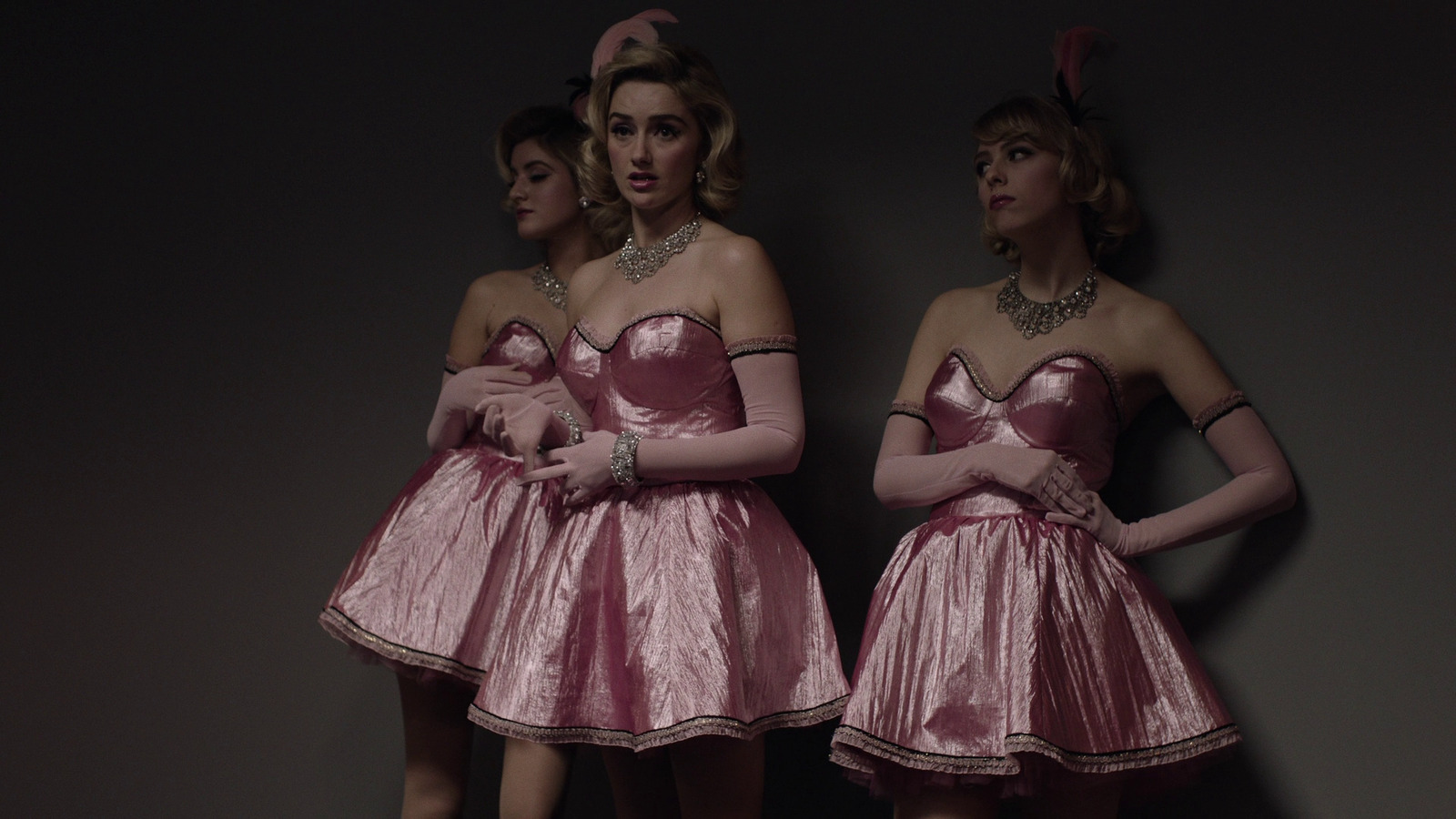
Amy Shiels describes a precise collaboration behind the fly sequence: Lynch called out the insect’s changing position while she followed it with the handkerchief and, later, the remote control. The apparently wandering performance had a directed spatial pattern. She also recalls improvising roughly five minutes about air-conditioning for Candie’s conversation with Anthony on the casino floor. What the Mitchums watch without hearing is therefore an extended performed conversation, rather than simply mimed activity. Shiels approached the role through body language and rehearsed in a tutu; she says the costume helped her find Candie’s fragility. Shiels’s firsthand account.
Richard’s violence: the performance and the working set
A Very Lovely Dream: One Week in Twin Peaks records Eamon Farren filming Richard’s assaults on Miriam and Sylvia. The change of viewpoint matters: the episode withholds the interior of Miriam’s trailer, while the documentary shows direction, resets and makeup work around that encounter. These images establish a staged performance and its preparation; they do not reveal every concealed action or justify inventing an effects method. Documentary evidence.
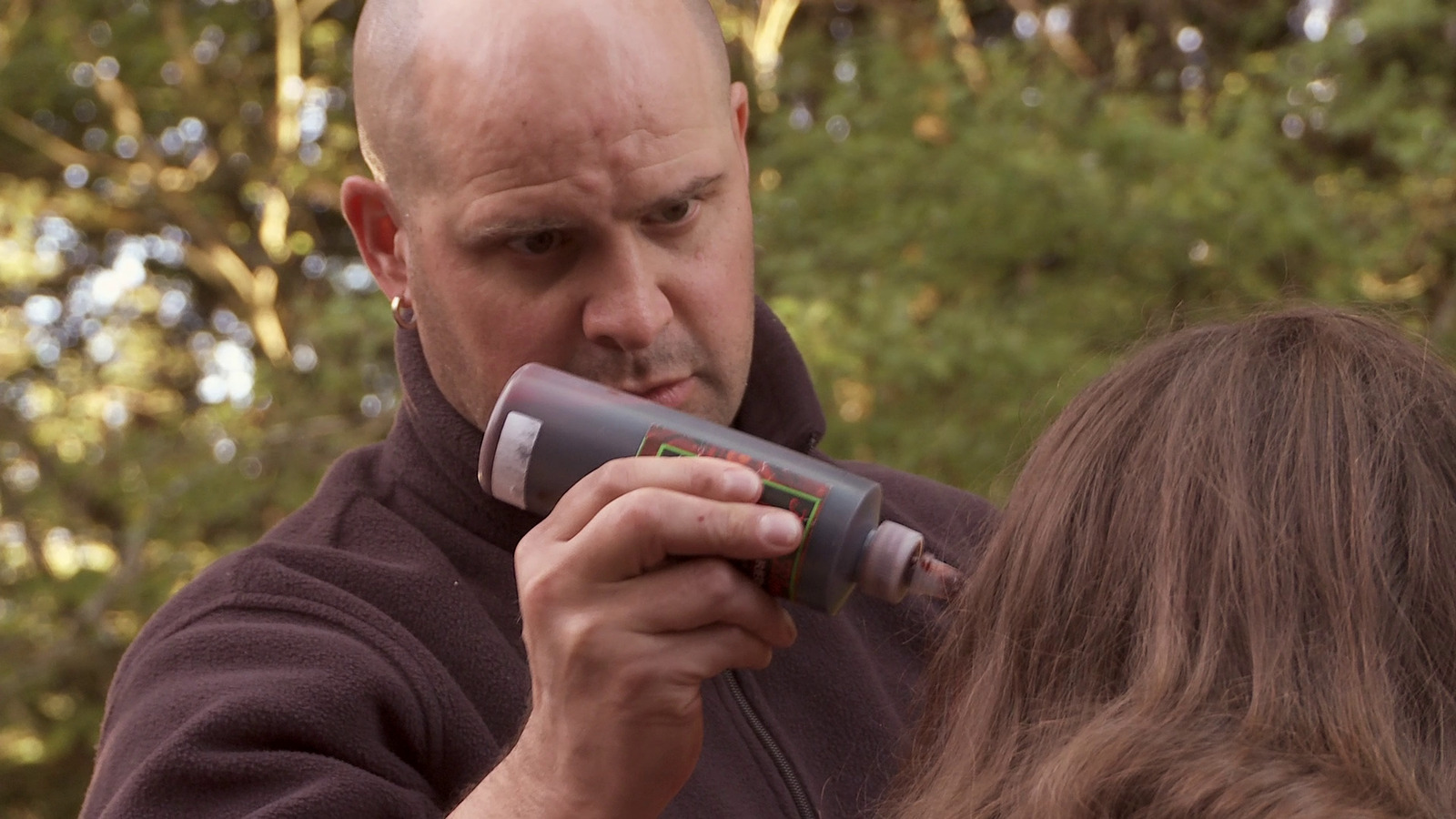
For the Horne-house scene, the documentary moves between the actors’ working space and Lynch watching monitors. Harry Goaz recalls first hearing Farren’s forceful delivery before he could see the scene. That is testimony about the impact of the performance on set, distinct from Richard’s place in the story. It sharpens the episode study: Richard’s attack is organized through voice, intimidation and the household’s restricted movement as much as through the threatened blows.
Open the production viewpoint · 1 frame
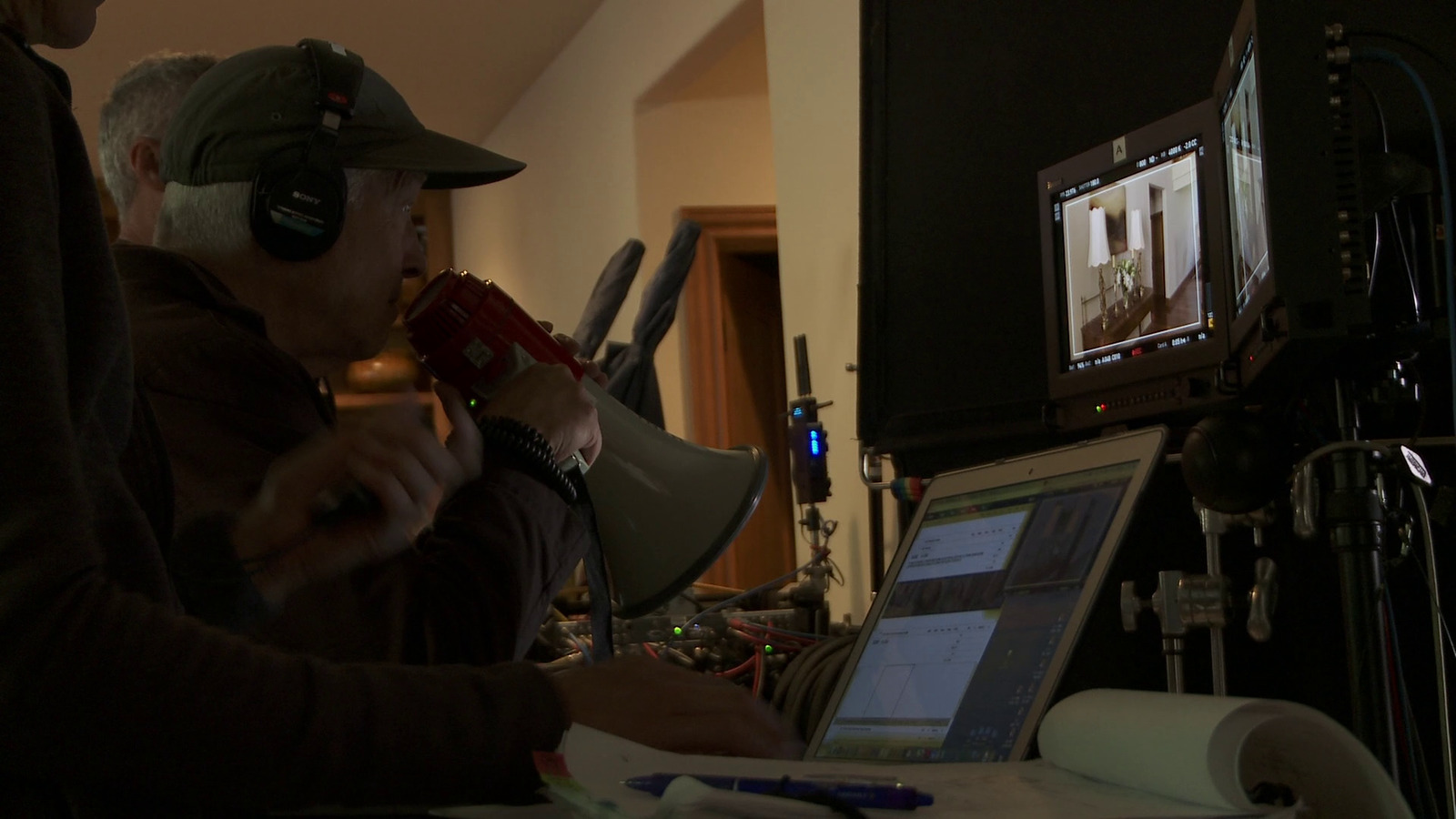
Performance, sound and the working image
The production footage in Jason S.’s Impressions: A Journey Behind the Scenes of Twin Peaks adds another view of the scenes: directions spoken on set, rehearsals, material experiments and choices still being worked out.
An imaginary fly, two remote controls
For Candie’s pursuit of the fly, Lynch requests both a regular remote control and a soft foam version. He traces the fly’s path around Rodney’s chin and rehearses Candie’s concentrated looking, approach and strike. The scene’s sudden injury grows out of a carefully organized series of eyelines and prop movements.
The aftermath receives equal attention. Lynch asks for a closer view of Candie crying because the reaction is needed to connect the surrounding material. Her distress is not disposable time after the joke: it extends the scene from a blow into a relationship, preparing the tenderness that later complicates the brothers’ menace.
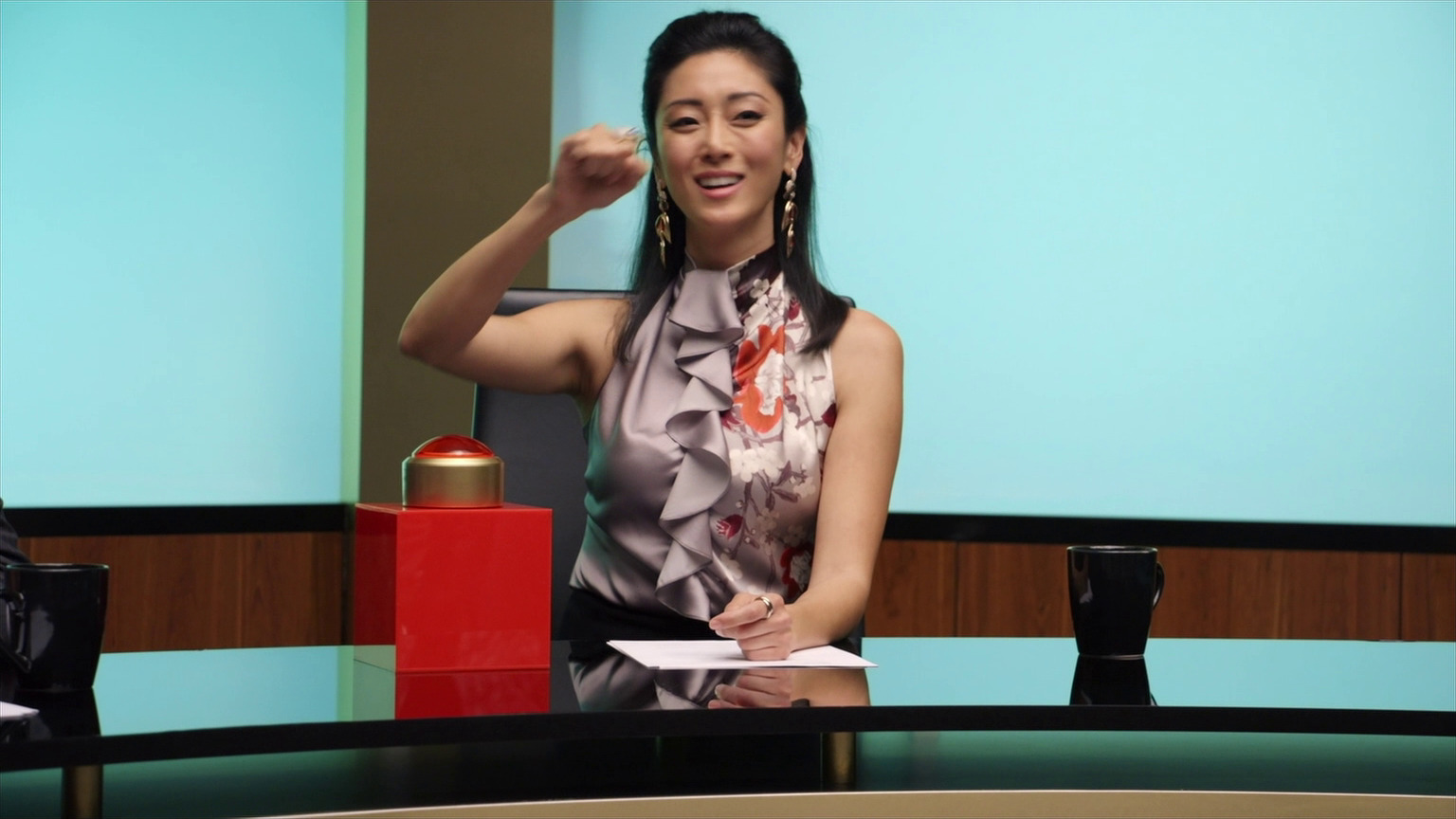
Local news converts violence into an upbeat format
The news segment is planned with deliberately conventional camera positions, then developed through the presenters’ enthusiasm and a sharply bounced hand on the category button. Lynch asks them to behave as an established team and to make Douglas Jones something of a hero in their account.
The format absorbs an attempted killing into a cheerful sequence of categories and transitions. Its brightness is a production choice, not a neutral relay of facts: the same event reaches the Mitchums already packaged as a familiar television story.
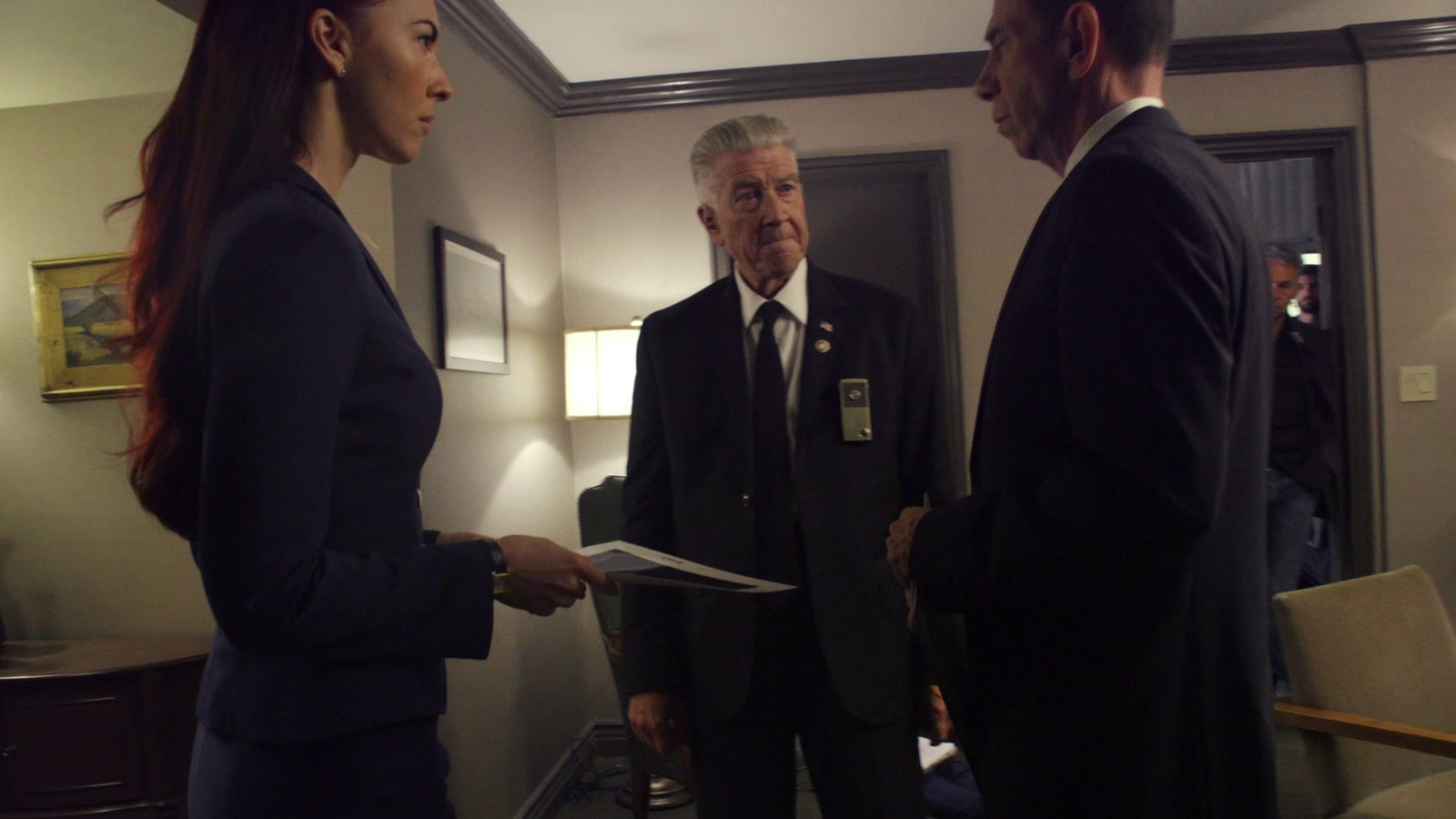
Tammy’s discovery carries two feelings at once
The hotel-room rehearsal places the photograph after Gordon and Albert’s discussion of Diane’s messages. Chrysta Bell asks about Tammy’s excitement at finding the image. Lynch confirms that she understands its significance, while Bell distinguishes her pleasure in finding evidence from the murders and devastation to which it belongs.
The result is an investigative entrance with emotional restraint. Tammy brings something consequential into the room, and the men’s attention changes before the audience receives a complete explanation. Rehearsal also separates Gordon’s momentary vision of Laura from Albert’s ordinary arrival at the door.
Rehearsal, performance and the working set
Finding the right place from which to notice Albert
Lynch and Peter Deming work out how Gordon can summon Tammy to look at Albert and Constance. They try the gesture and the direction of her approach, asking whether the hand will remain legible from the intended camera position. The solution lets Tammy enter from an area the audience does not need to see, then gives the pair their shared view of the table.
Lynch specifies a long-lens point of view and a happy, full restaurant. The affectionate interruption is therefore constructed through distance and selective attention: the room remains alive while Gordon and Tammy discover a private pleasure inside it. Their delight is not merely a line delivered after an establishing shot; it grows out of the timing of looking together.
Open the restaurant blocking study · 2 frames
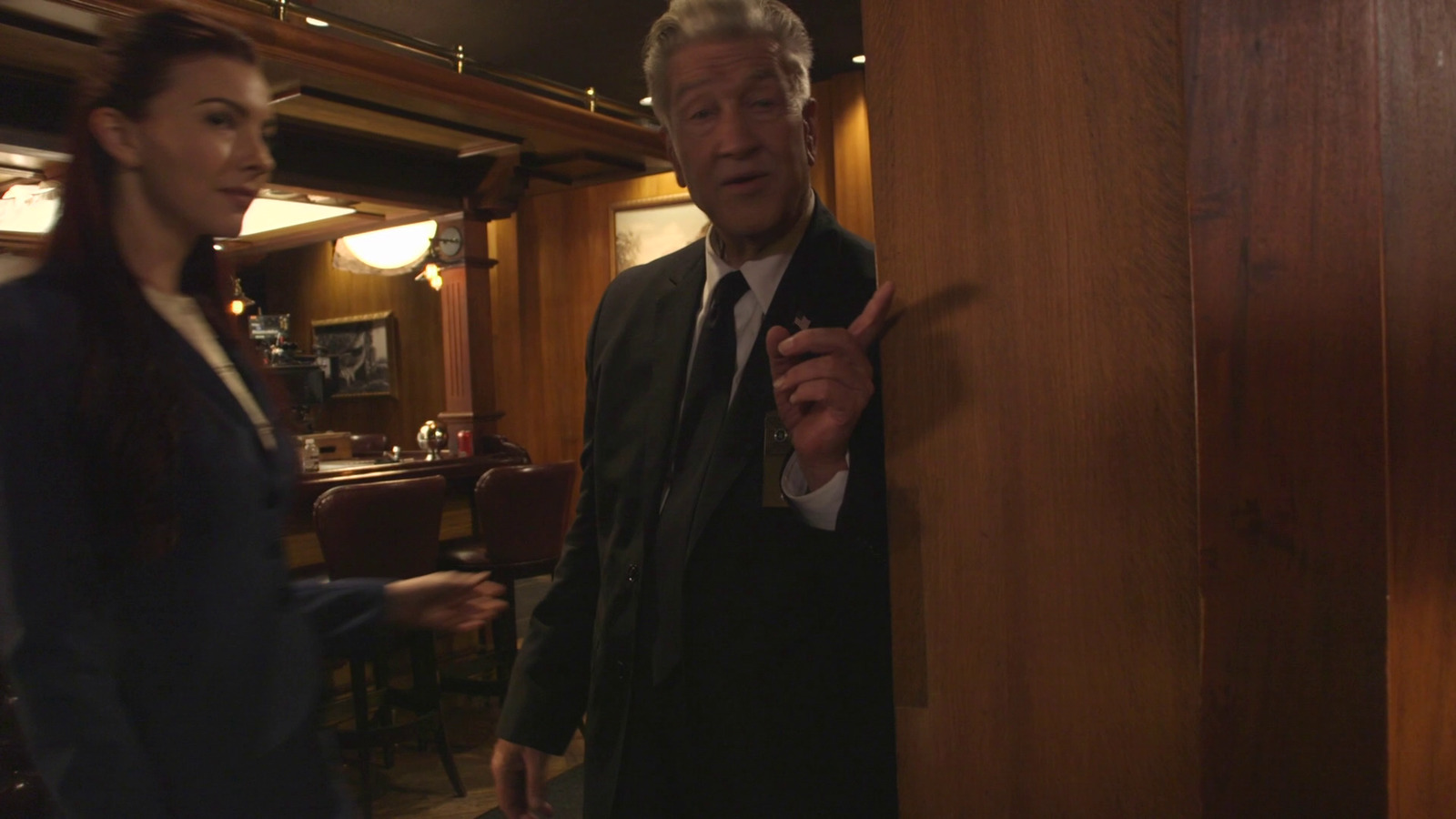
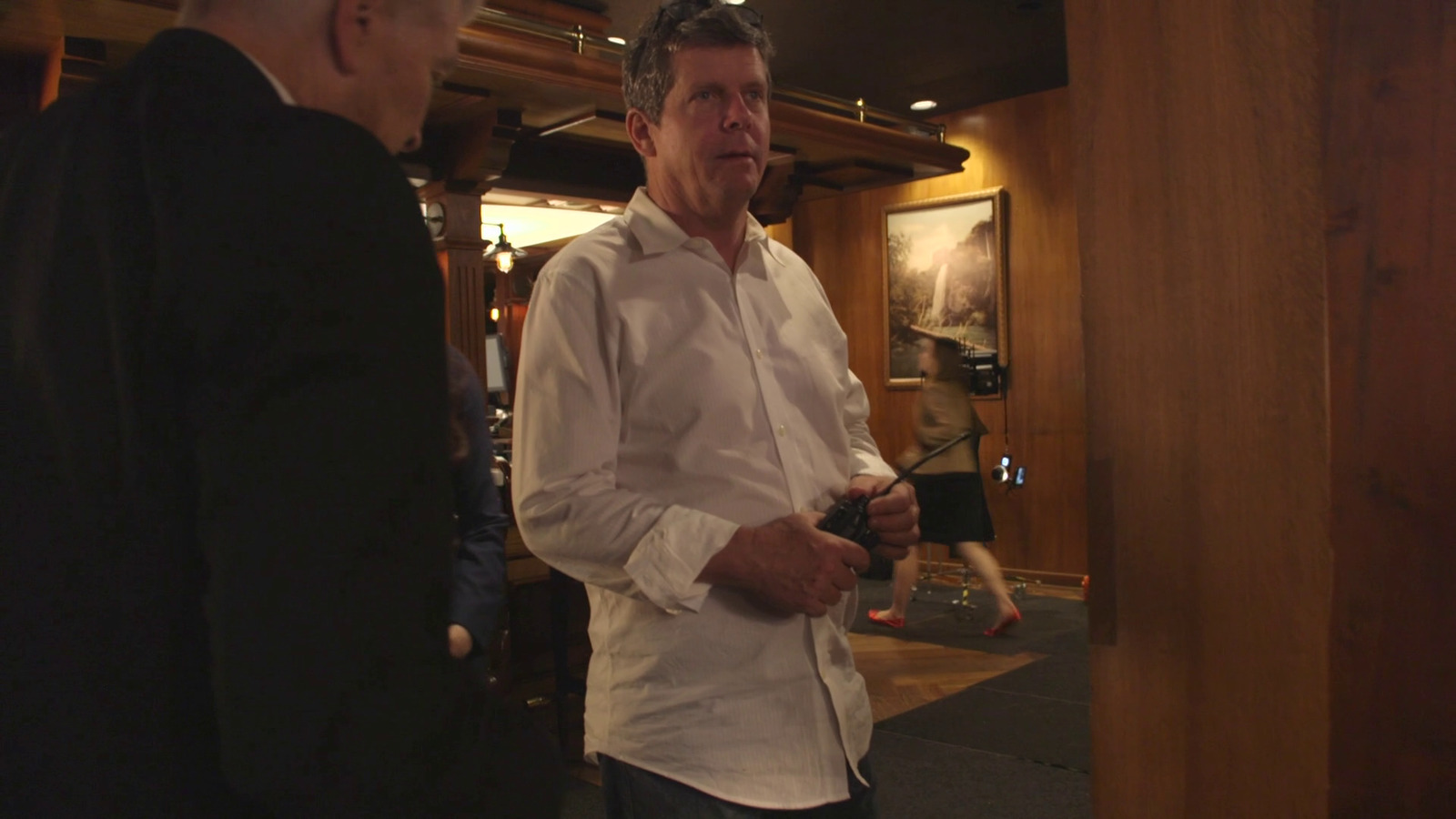
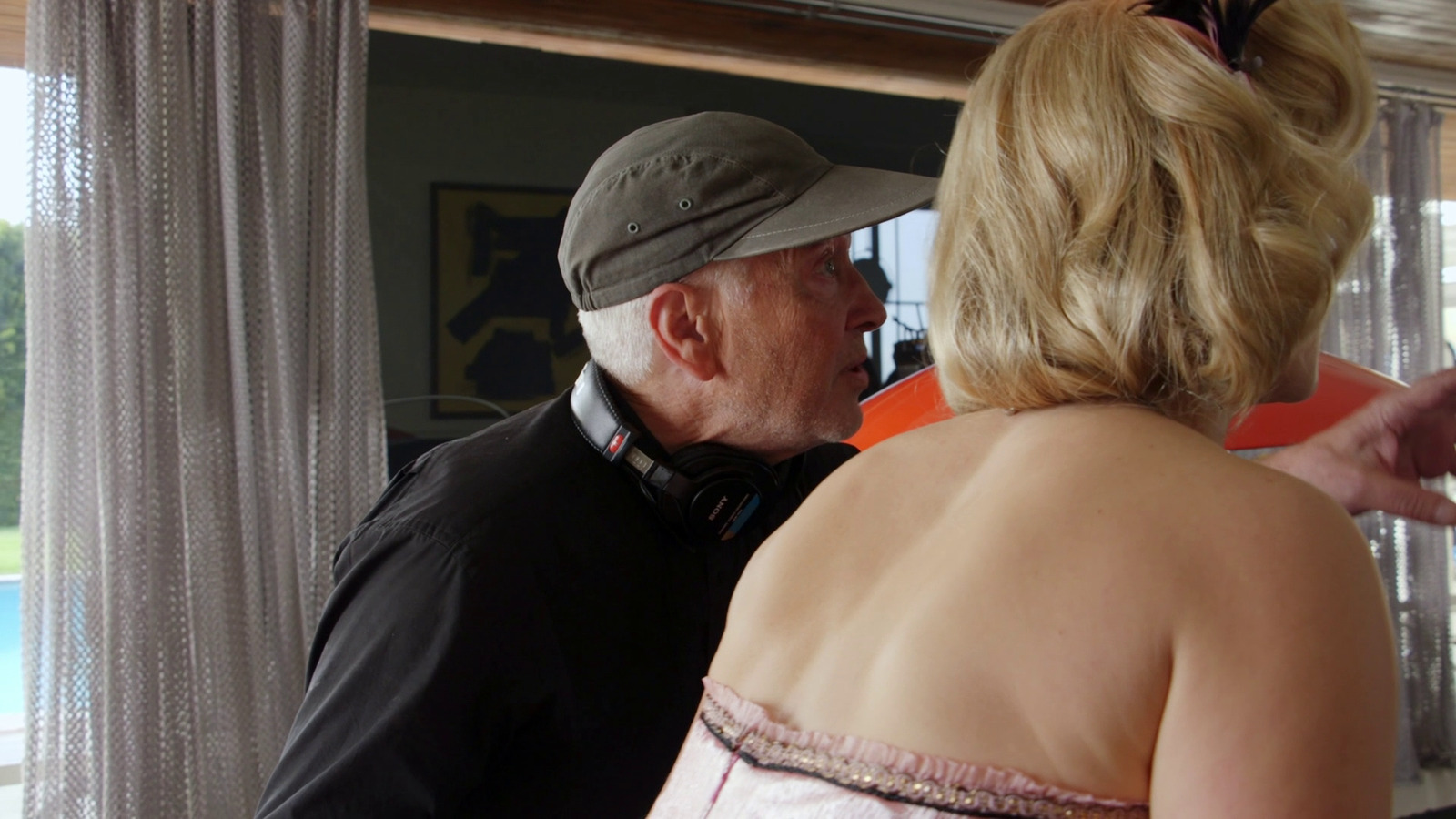
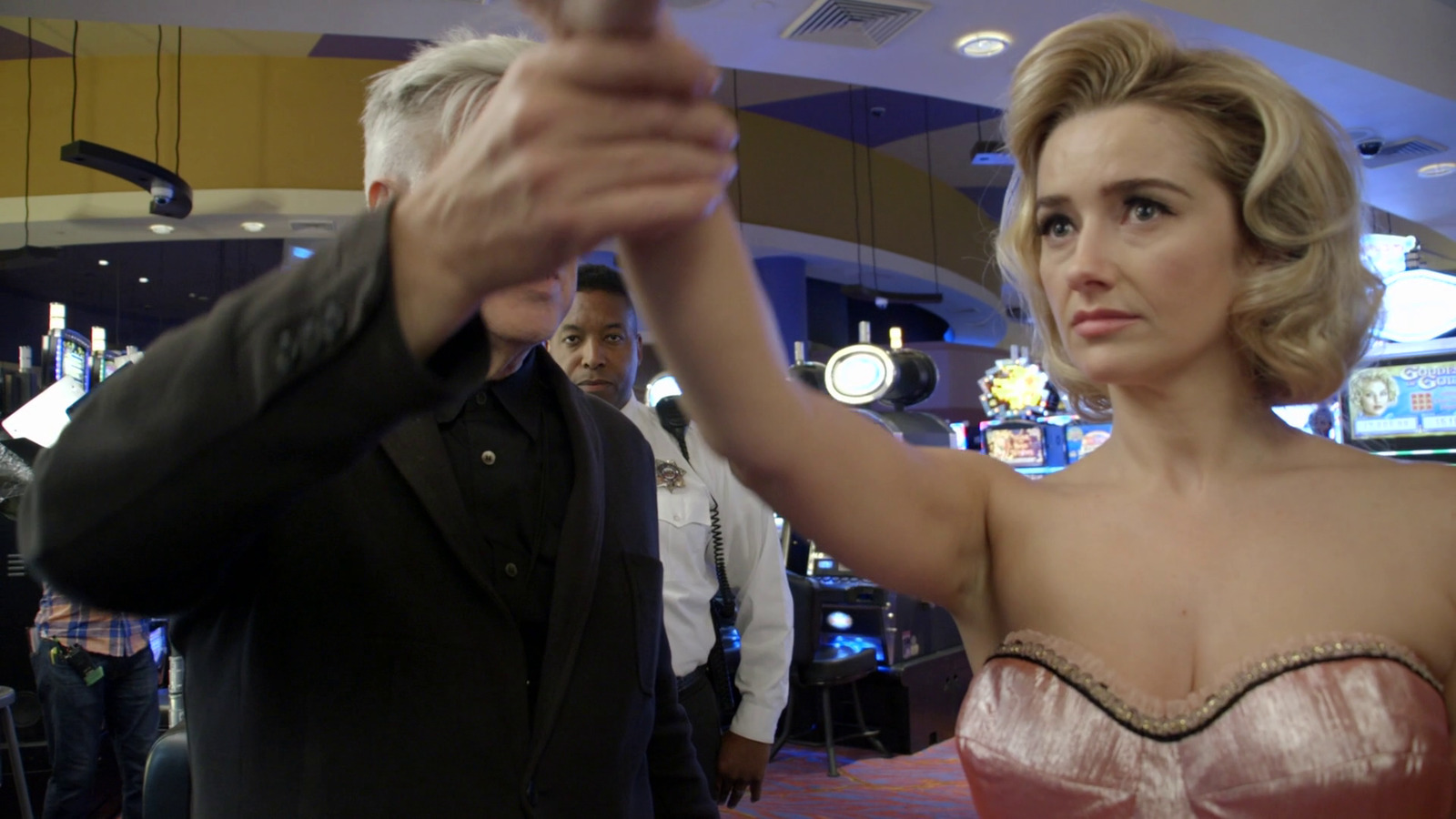
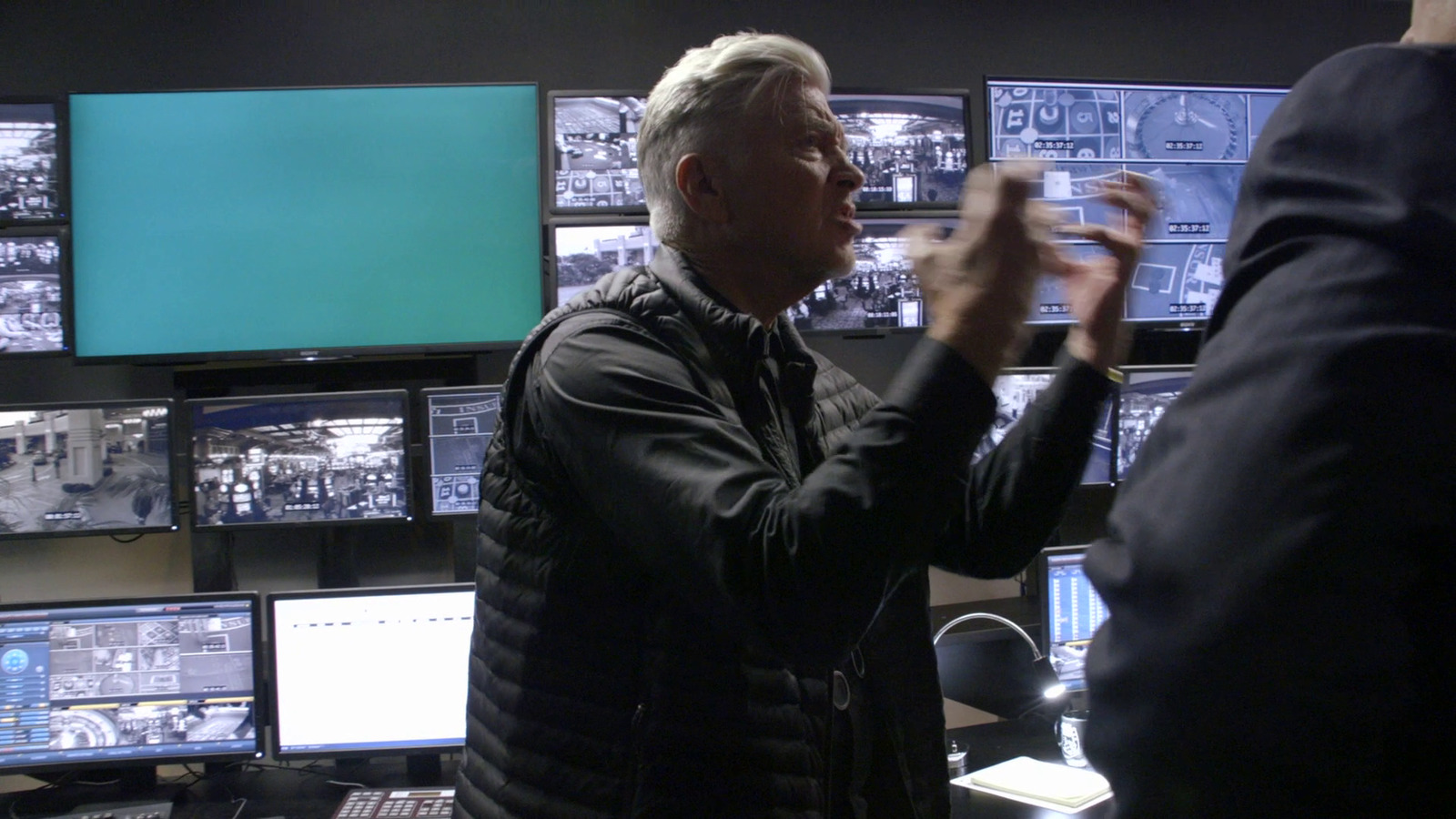
Candie’s delay is directed from both sides of the monitor
Before Candie leaves the surveillance room, Lynch explicitly asks Amy Shiels not to answer immediately. On the casino floor he supplies the topic of air-conditioning and hot weather, then demonstrates large arm movements that can remain readable in the distant surveillance image. The apparently aimless interval has both a verbal subject and a visible shape.
The brothers receive complementary instructions: keep watching the monitor rather than turning toward one another, allowing irritation to build while the conversation continues elsewhere. The unseen words and visible gestures pull in different directions. Shiels’s interview account of an extended improvised monologue is enriched by this footage of its preparation: improvisation works inside an arranged situation, rather than replacing direction.
The rehearsal also adjusts Anthony’s departure toward self-satisfaction, as though he has saved the day. That little flourish sharpens the deception. He wants the Mitchums to receive a planted grievance as helpful information while remembering who brought it.
Open the surveillance comedy rehearsal · 2 frames
Presentation, music and credits
The standalone presentation runs approximately 53 minutes 24 seconds, including opening and closing material. David Lynch directs; Mark Frost and Lynch receive the writing credit. The closing roll identifies Amy Shiels as Candie, Eric Rondell as Johnny Horne, Sarah Jean Long as Miriam Sullivan, Catherine Coulson as Margaret Lanterman and Rebekah Del Rio as herself. Moby is credited as a musician.
The inspected music credits list “Red River Valley” performed by Harry Dean Stanton; “Slow Dreams,” written and performed by Johnny Jewel; “Headless Chicken,” written by Angelo Badalamenti and David Lynch and performed by Thought Gang; “Charmaine,” written by Erno Rapee and Lew Pollack and performed by Mantovani and His Orchestra; and “No Stars.” David Lynch is credited for sound design, with Ron Eng and Dean Hurley among the re-recording mixers. Departmental credits establish participation in the production, not authorship of every individual effect.
Sources and viewing notes
- Twin Peaks: The Return, Part 10. Directed by David Lynch; written by Mark Frost and David Lynch. Standalone presentation in Twin Peaks: From Z to A; picture, English captions and closing credits examined, with focused checks of key dialogue and sound passages. Timings include the opening material. Scene readings are Lyncharium’s analysis.
- Matt Fagerholm interviews Rebekah Del Rio: That Space Between Awake and Asleep ↗, RogerEbert.com, 21 September 2021. Firsthand account of the creation of “No Stars,” the suggestion to use it in The Return, singing to playback and the Roadhouse dress. Retrospective testimony is distinguished from what the episode itself shows.
- Devon Ivie interviews Amy Shiels ↗, Vulture, 21 July 2017. Firsthand recollections of Lynch’s fly-sequence directions, the improvised casino-floor monologue and physical preparation. Her privately imagined backstory is an acting interpretation, not an established event in the series.
- A Very Lovely Dream: One Week in Twin Peaks, produced and directed by Charles de Lauzirika. Production footage and participant interviews, 02:00–05:20 and 06:30–08:05; viewed in Twin Peaks: From Z to A. September 2015 filming identified by the documentary’s opening card. Recollections remain attributed to the speakers; the scene analysis is Lyncharium’s.
- A Bloody Finger in Your Mouth, directed and photographed by Jason S., in Impressions: A Journey Behind the Scenes of Twin Peaks (2017), viewed in Twin Peaks: From Z to A. Passages: 16:12–18:38. Picture and English captions examined, with targeted speech checks. Rehearsal proposals and production observations are distinguished from interpretation of the finished episodes. Documentary narration and its music are not treated as unscripted statements by Lynch.
- The Polish Accountant, directed and photographed by Jason S., in Impressions: A Journey Behind the Scenes of Twin Peaks (2017), viewed in Twin Peaks: From Z to A. Passages: 08:16–11:24. Picture and English captions examined, with targeted speech checks. Rehearsal proposals and production observations are distinguished from interpretation of the finished episodes. Documentary narration and its music are not treated as unscripted statements by Lynch.
- See You on the Other Side Dear Friend, directed and photographed by Jason S., in Impressions: A Journey Behind the Scenes of Twin Peaks (2017), viewed in Twin Peaks: From Z to A. Passages: 02:39–07:55. Picture and English captions examined, with targeted speech checks. Rehearsal proposals and production observations are distinguished from interpretation of the finished episodes. Documentary narration and its music are not treated as unscripted statements by Lynch.
- Behind the Curtain, Part 10. Photographed by Jason S.; edited by Jonathan Angus, with editorial assistance by Robert Lay and additional photography by Charles de Lauzirika (2019). Viewed in Twin Peaks: From Z to A. Timed passages: 05:16–07:53; 07:57–13:27. Timings refer to the documentary, not the episode. On-set directions and retrospective recollections are distinguished from Lyncharium’s interpretation of the finished scenes.