Twin Peaks: The Return — Part 16
2017 · Twin Peaks: The Return · Episode dossier
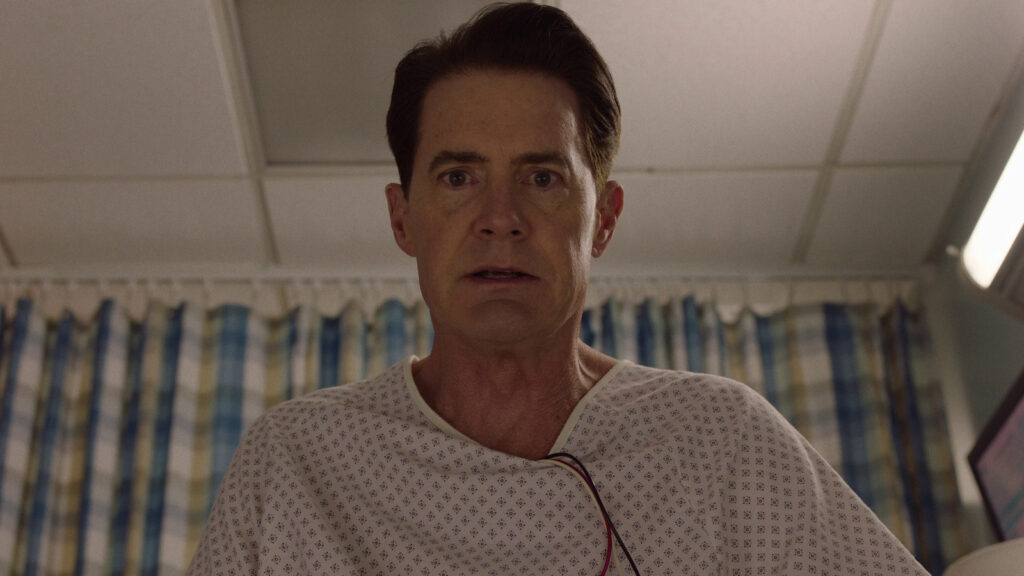
Cooper wakes with purpose. Diane struggles to speak a buried memory. Audrey finds the dance floor, then loses the room around it.
Part 16 makes return an unstable promise: restored agency for Cooper, the collapse of a manufactured identity, and a familiar dance interrupted by a radically different image. Its pleasures and shocks depend on the people left to witness them.
- Part 16
- No Knock, No Doorbell
- Directed by
- David Lynch
- Written by
- Mark Frost & David Lynch
- Standalone presentation
- 00:57:47
The Return overview · Twin Peaks research hub. Timings follow the standalone part and include its opening titles. Presentation and credit notes.
Explore this dossier
The consequences of coming back
The episode grants the long-awaited return of Agent Cooper while refusing to make every other restoration equally reassuring. Richard’s supposed lesson becomes a sacrifice; Diane’s recollection leads into a crisis of identity; Audrey’s familiar music cannot guarantee a familiar world. These are different events, not interchangeable examples of a single hidden answer.
The studies follow the complete part, with expanded sequences for Richard’s disintegration, the street confrontation, Cooper’s awakening, Diane’s unmaking and Audrey’s dance. Production accounts are used where they identify an actual working method; the images and performances remain the basis for close interpretation. Sources and viewing notes identify those distinctions.
Illustrated scene studies
- Agreement becomes a trap
- A witness cannot make sense of his instrument
- The locator’s answer destroys the person holding it
- Several groups arrive at the same empty house
- The family waits for a body to answer
- The Mitchums translate affection into provisions
- An investigation reaches the bedside indirectly
- A parking dispute consumes the assassination plot
- A tone precedes restored attention
- The ring, the seed and a strand of hair
- Cooper resumes command without discarding gratitude
- The driver’s seat becomes a new relationship
- A tiny message changes Diane’s body
- Diane tells the visit that had remained unsaid
- The listener’s room becomes a confrontation
- A seated form loses its integrity
- The restored agent must answer the family
- A new alliance has to be explained
- A solitary performance makes time audible
- Audrey finally reaches the place she named
- A remembered gesture occupies the whole room
- The exit does not disclose a stable location
Agreement becomes a trap
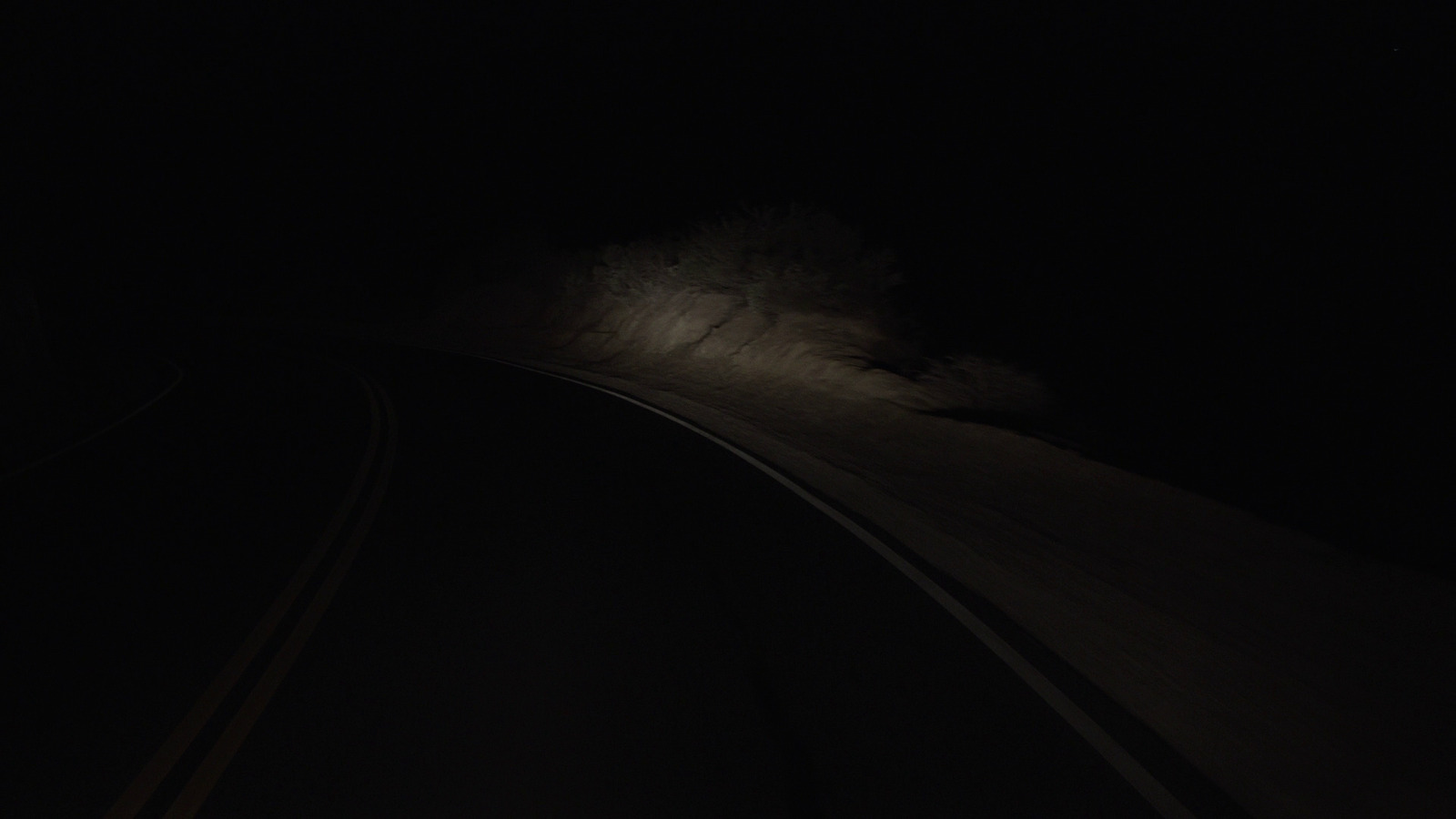
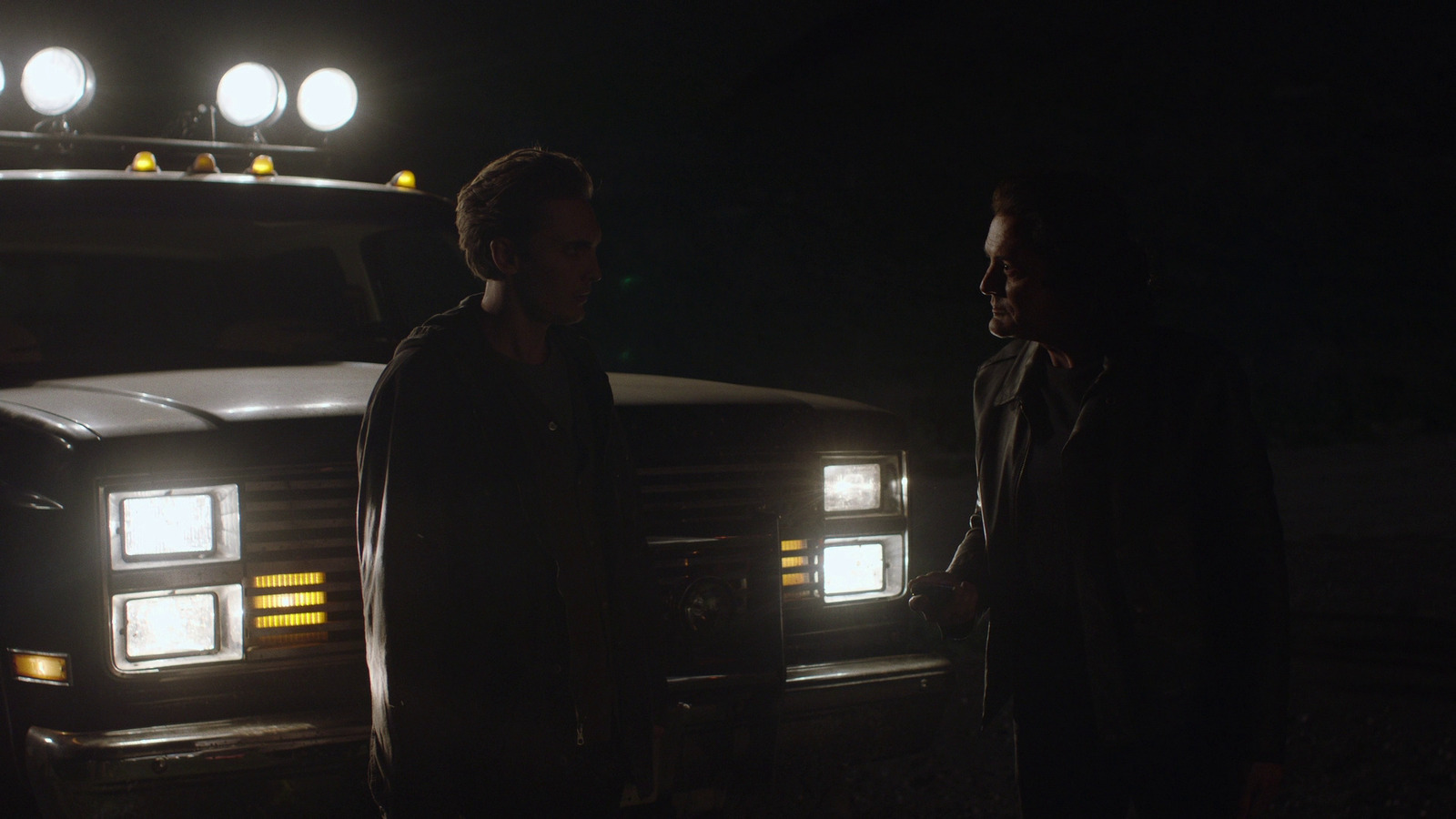
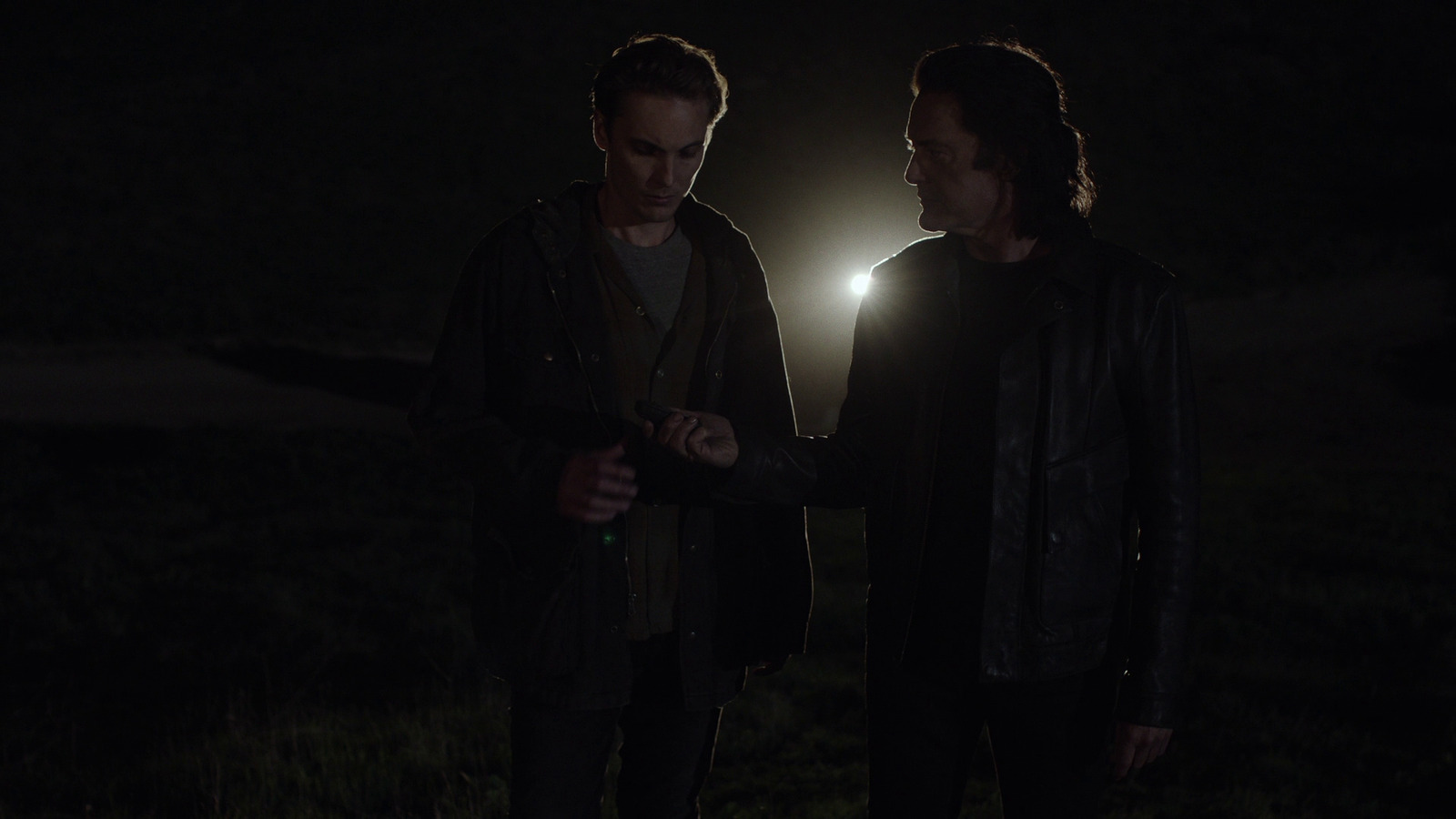
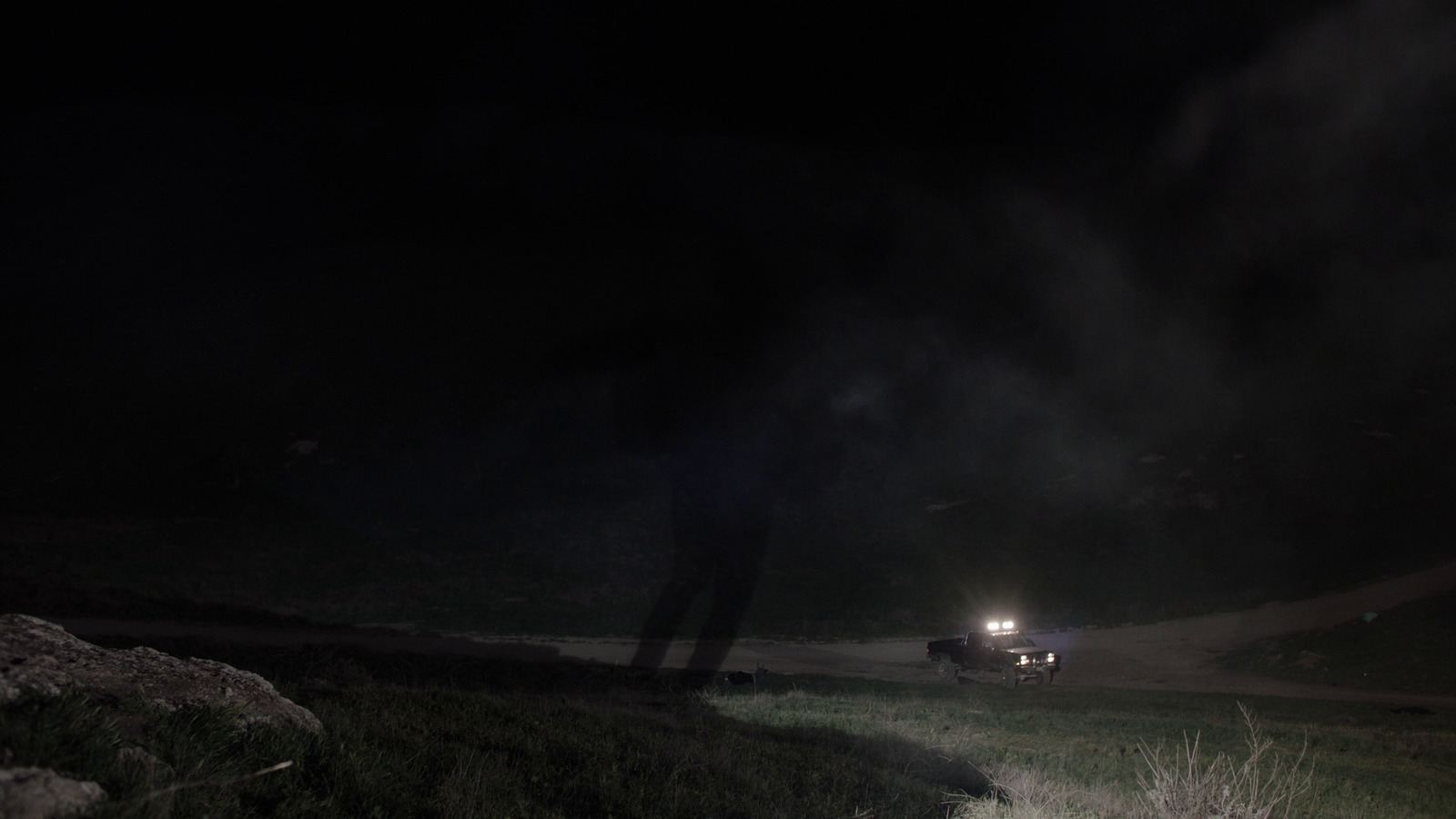
Mr. C describes three sets of coordinates, two of which agree, and asks Richard what he would do. The exchange resembles a lesson in rational deduction. Its brutality emerges from the distribution of risk: Mr. C remains below while Richard takes the locator up to the rock. The truck’s elevated lamps organize the landscape into a small field of visibility surrounded by darkness. Richard is asked to treat the device’s increasing precision as reassurance, although neither he nor the viewer has been given a reason to trust the destination.
Open the scene sequence · 2 frames
A witness cannot make sense of his instrument
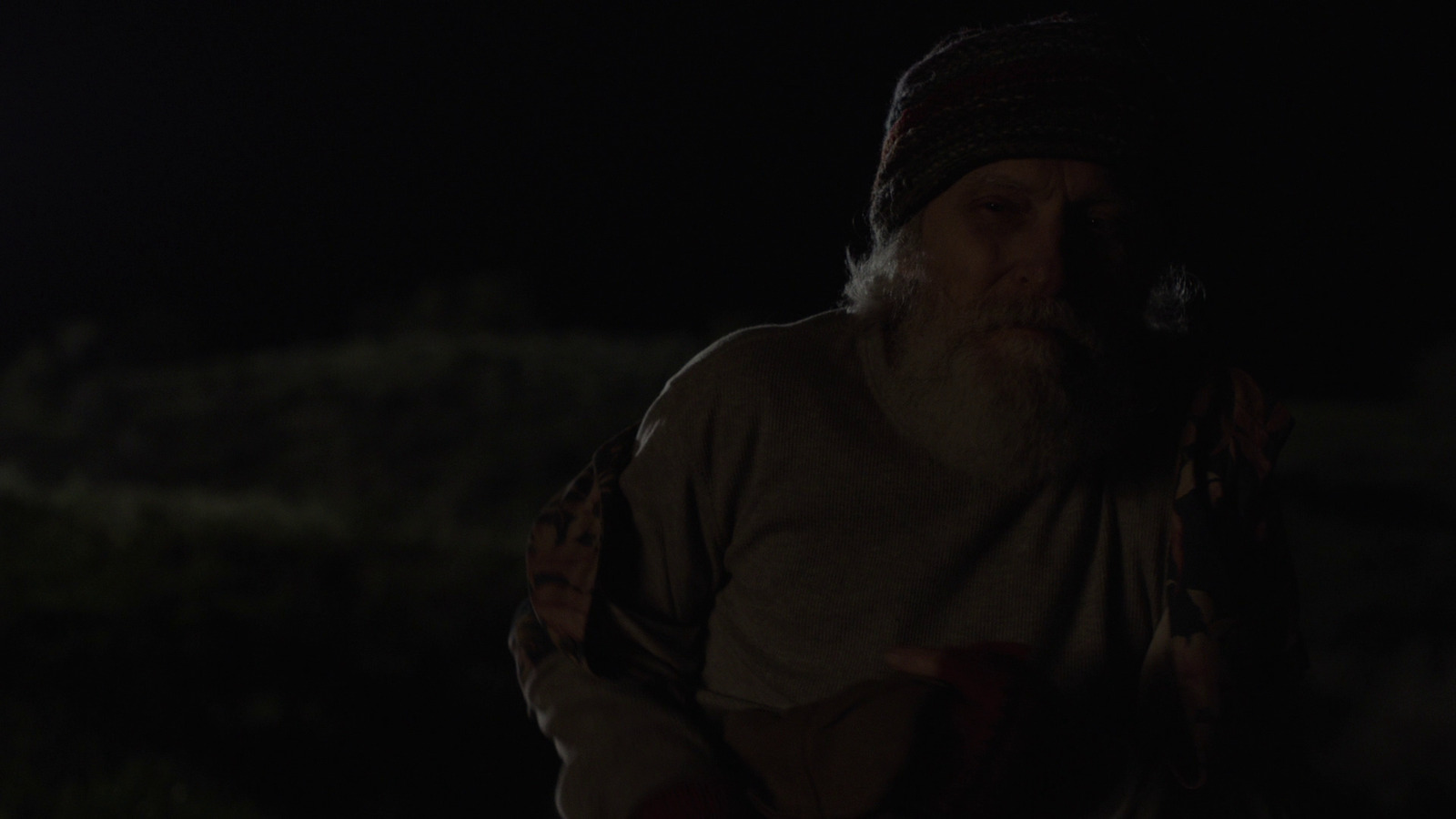
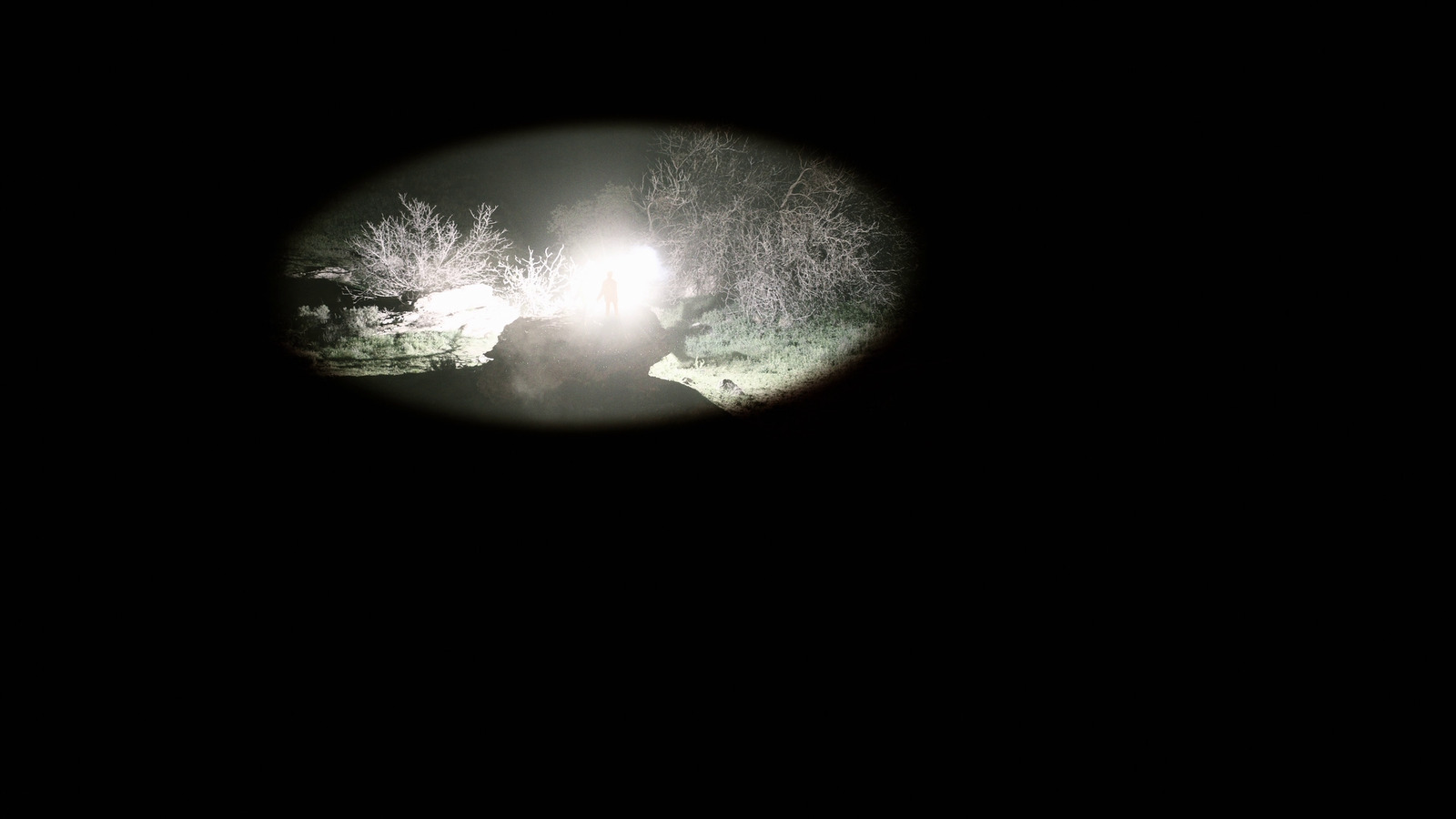
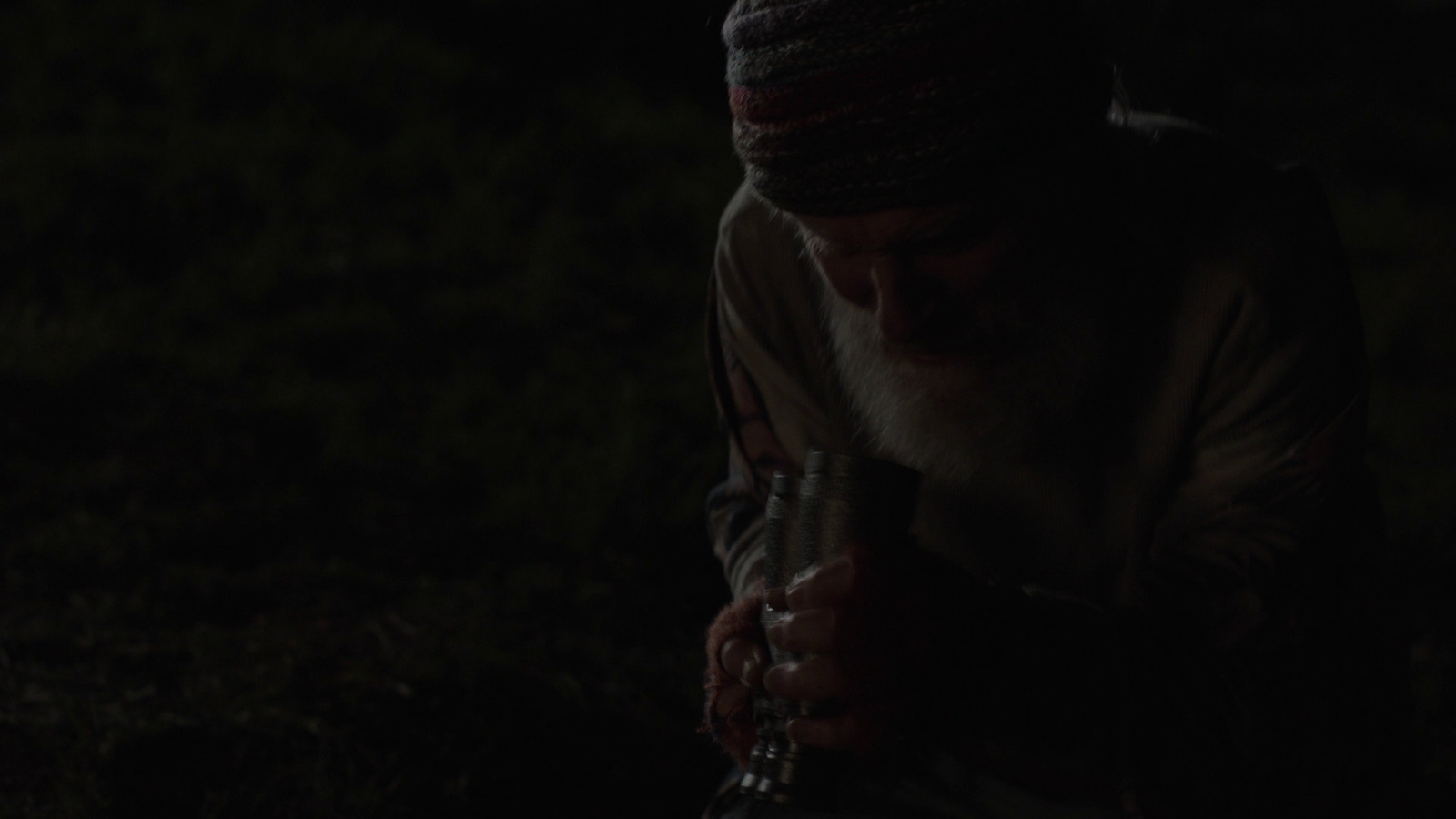
Jerry is nearby with binoculars that he struggles to use. The reduced, oval view makes his relation to the event both physical and unreliable: he is seeing something extraordinary through an instrument that frustrates him. Afterward he blames the binoculars. The comedy does not erase the event’s violence; it adds a witness whose language cannot transmit what has happened. The instrument becomes a convenient culprit when the world it presents is unbearable or unintelligible.
Open the scene sequence · 2 frames
The locator’s answer destroys the person holding it
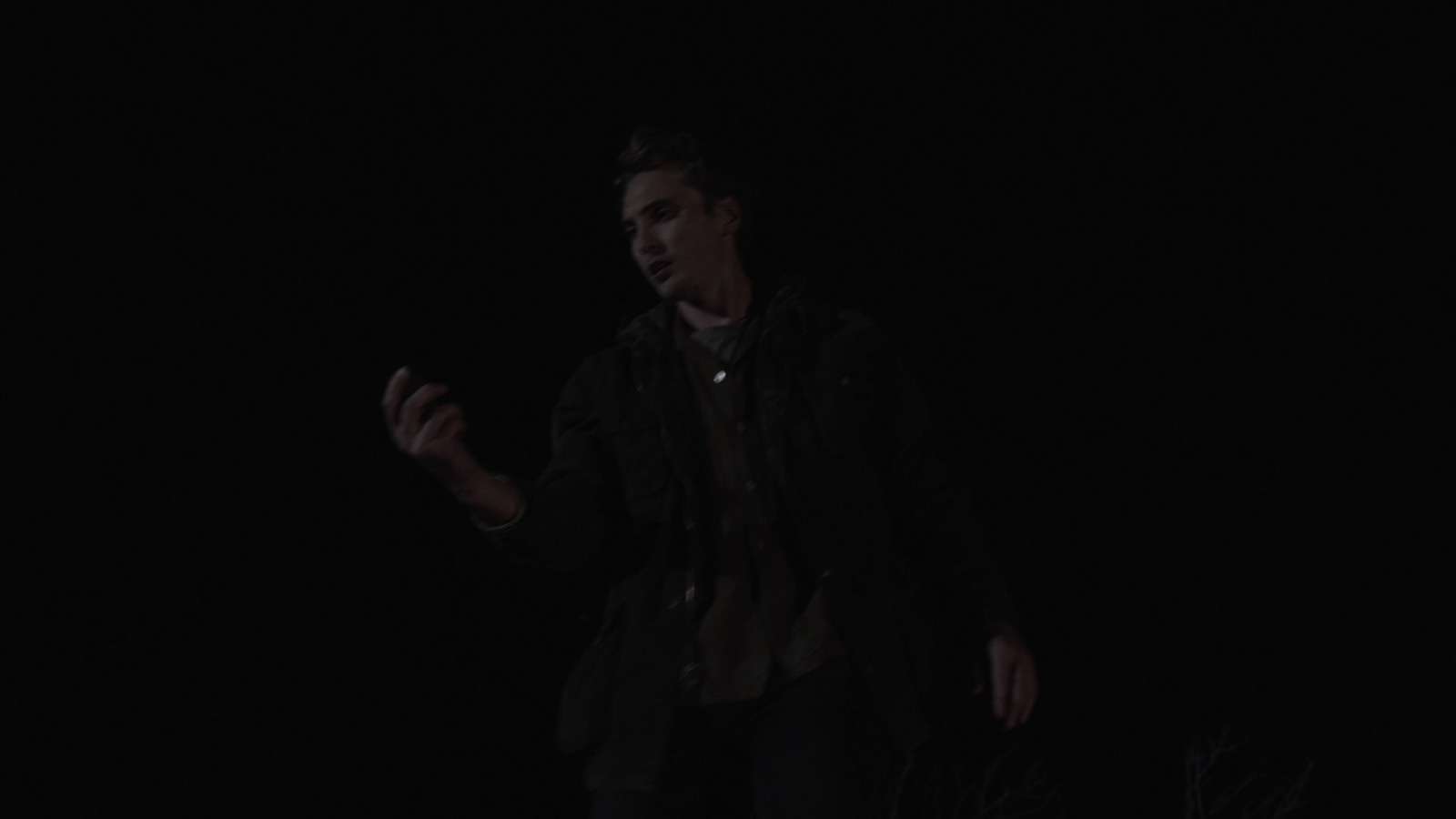
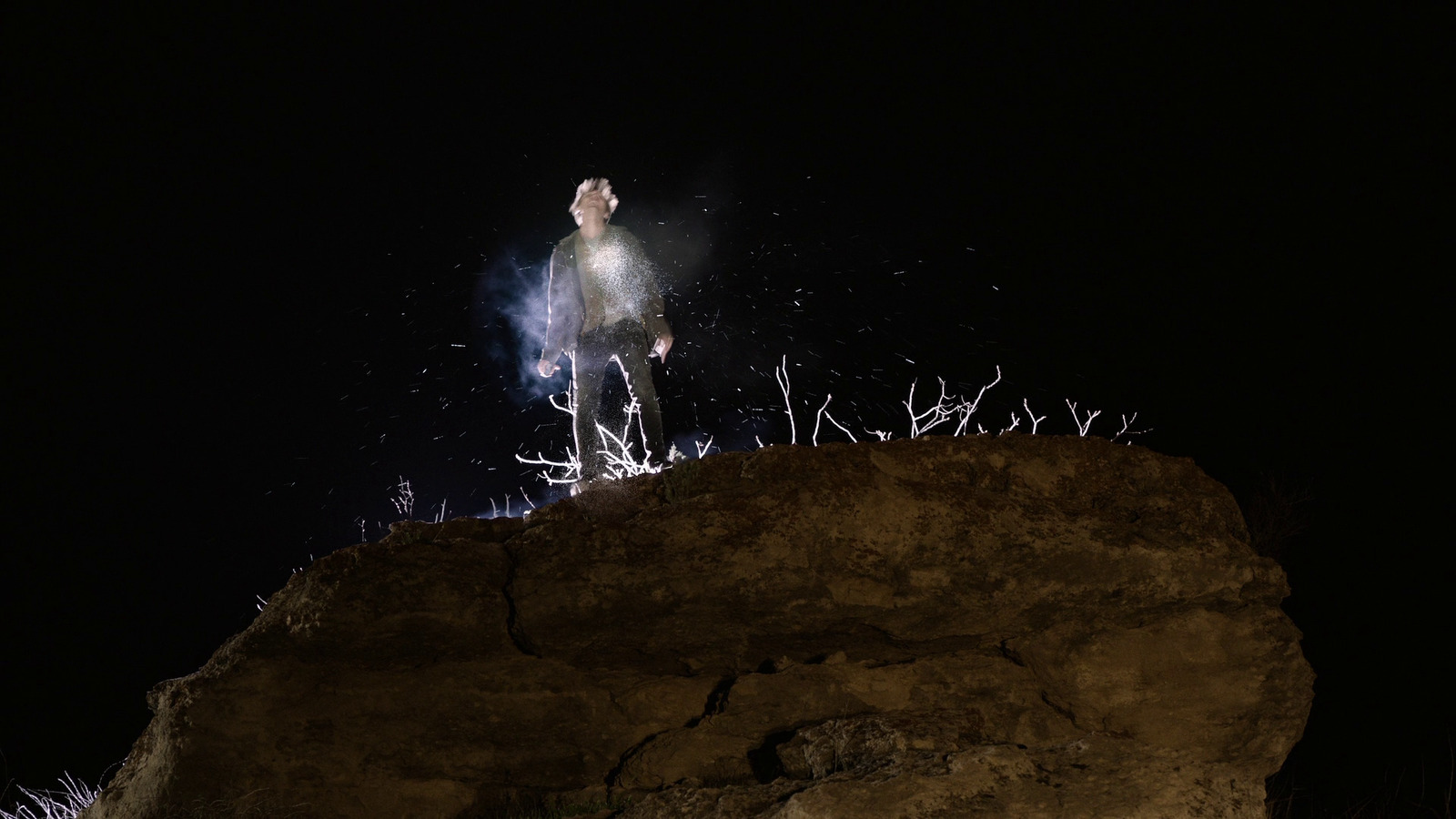
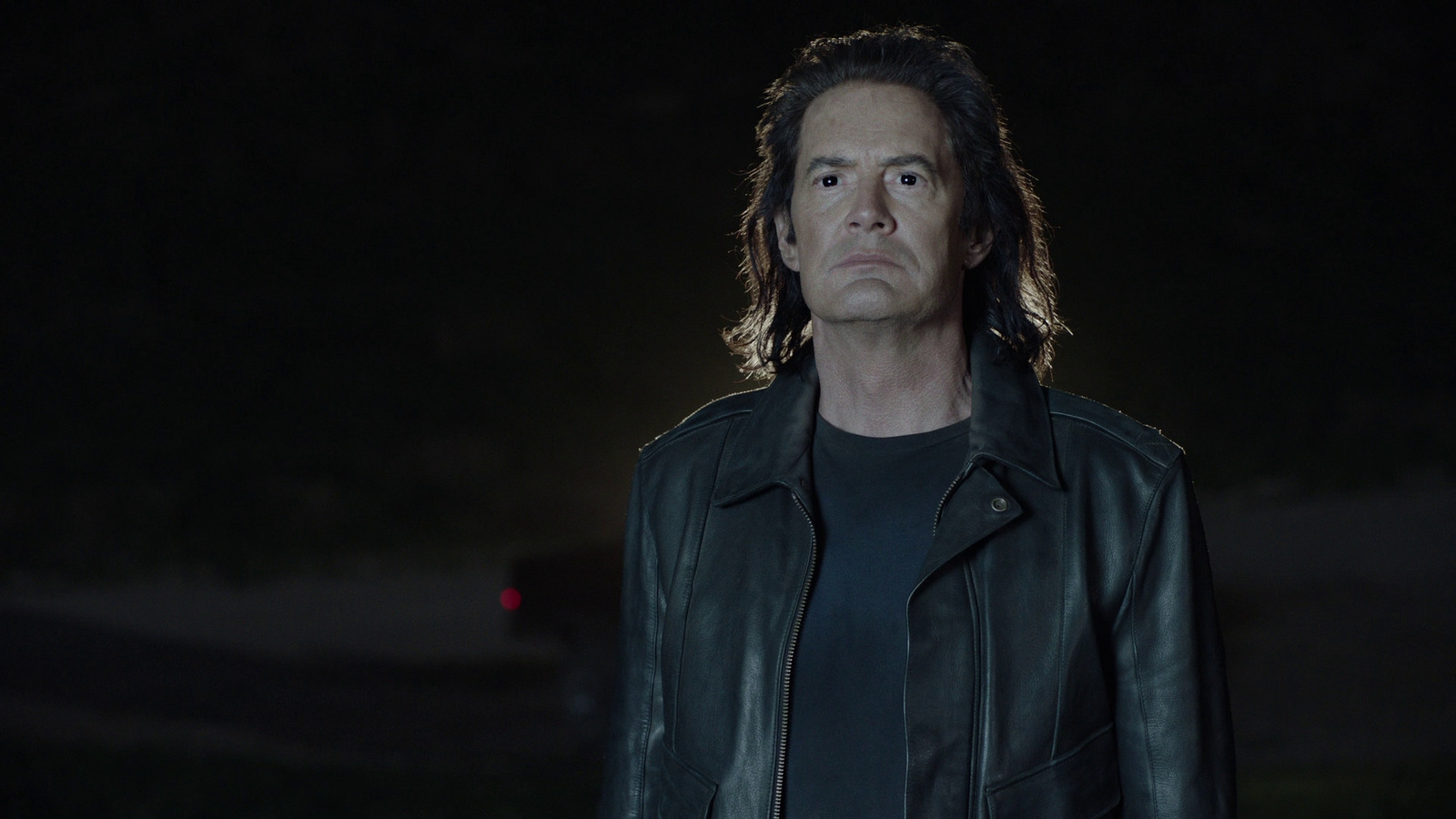
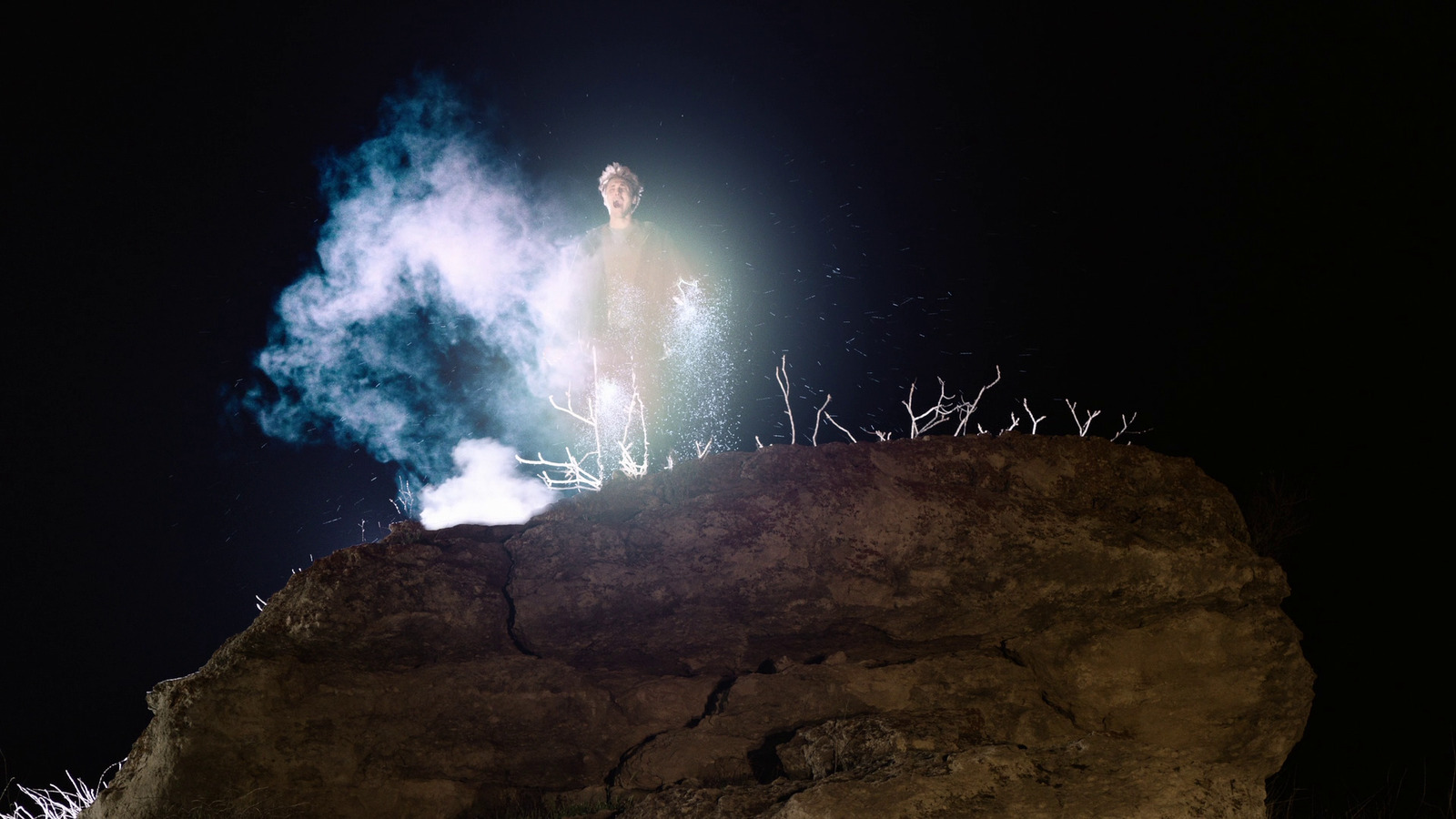
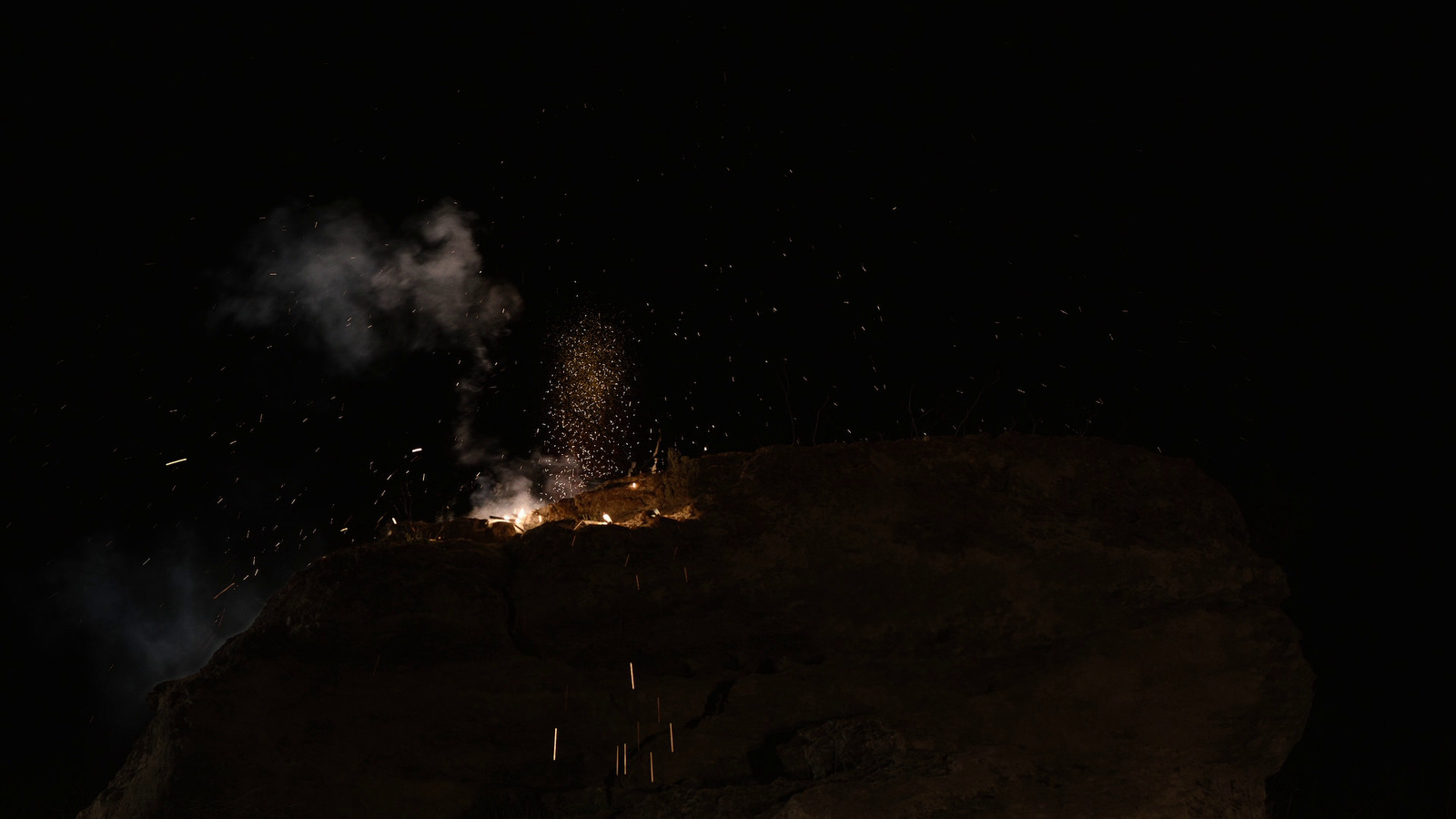
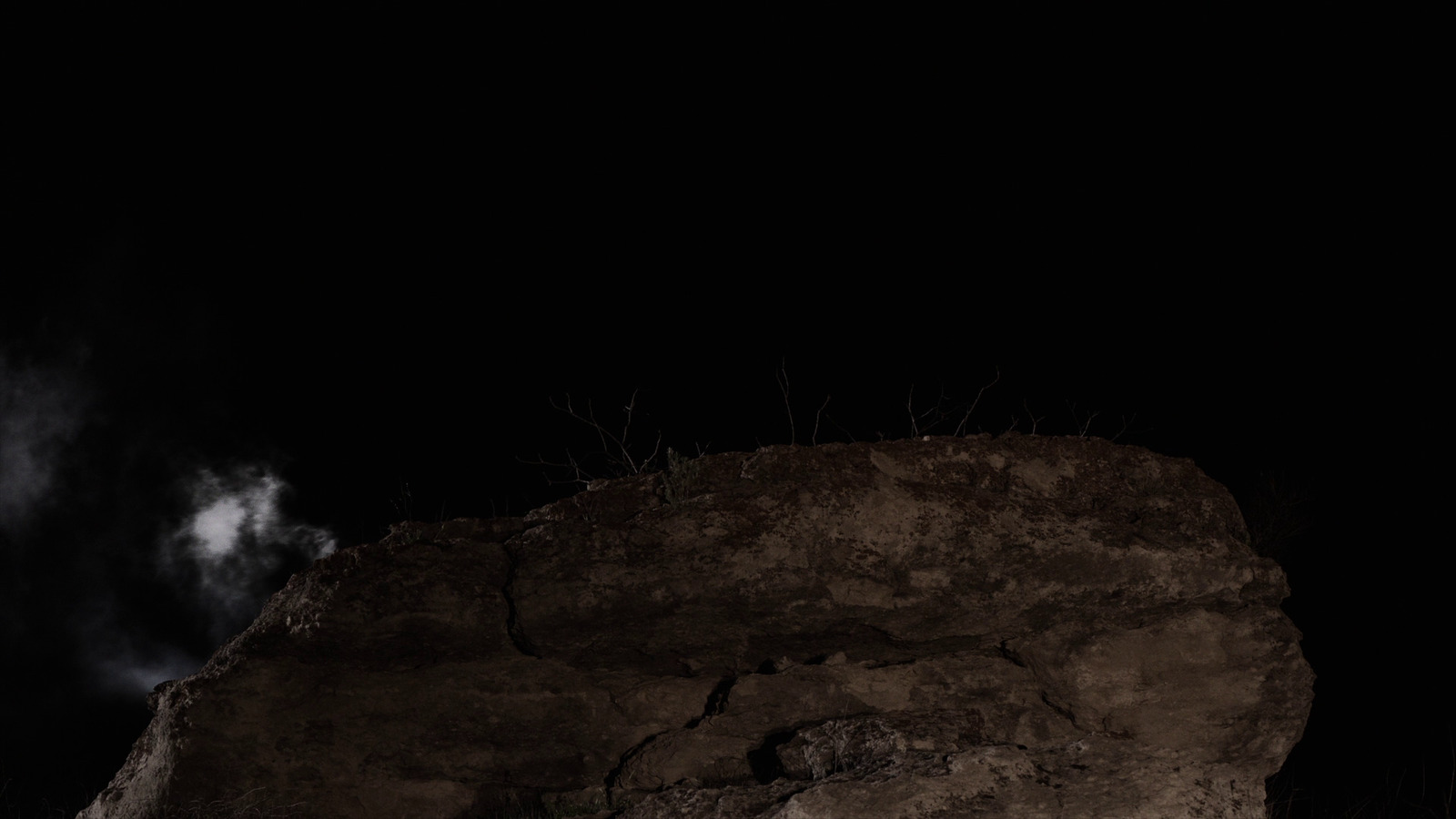
Intermittent beeps become a continuous tone as Richard reaches the point. His announcement of success is followed almost immediately by electrical light and screams. Cuts to Mr. C’s illuminated but impassive face make the event an observation rather than a rescue attempt. Richard’s body breaks into light and particles, leaving the rock behind. Only after this destruction does Mr. C call him his son. The delayed acknowledgment turns information that might have promised kinship into a statement of expendability. The scene’s cruel logic is completed by Mr. C calmly returning to his telephone.
Open the scene sequence · 7 frames

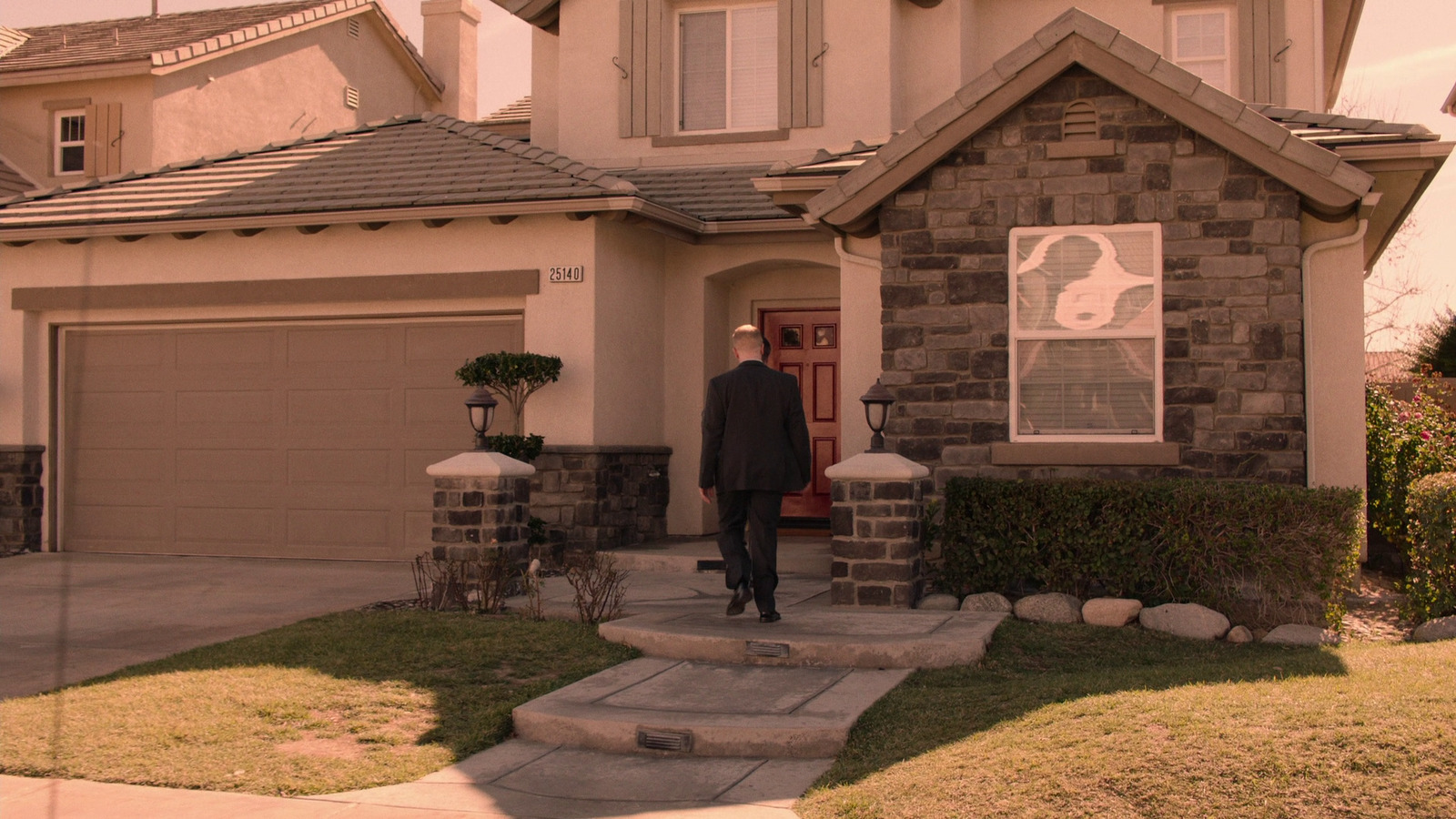
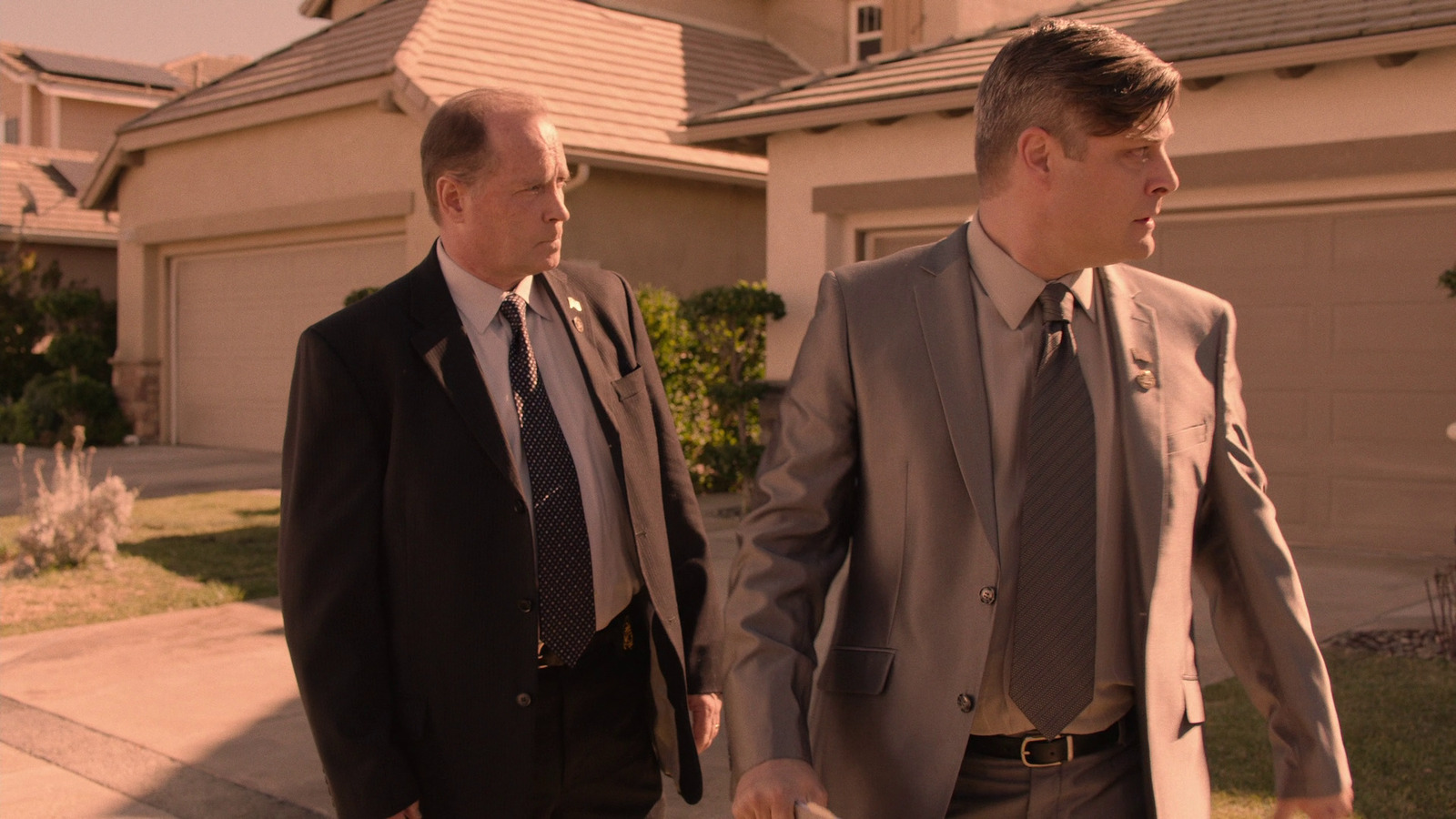
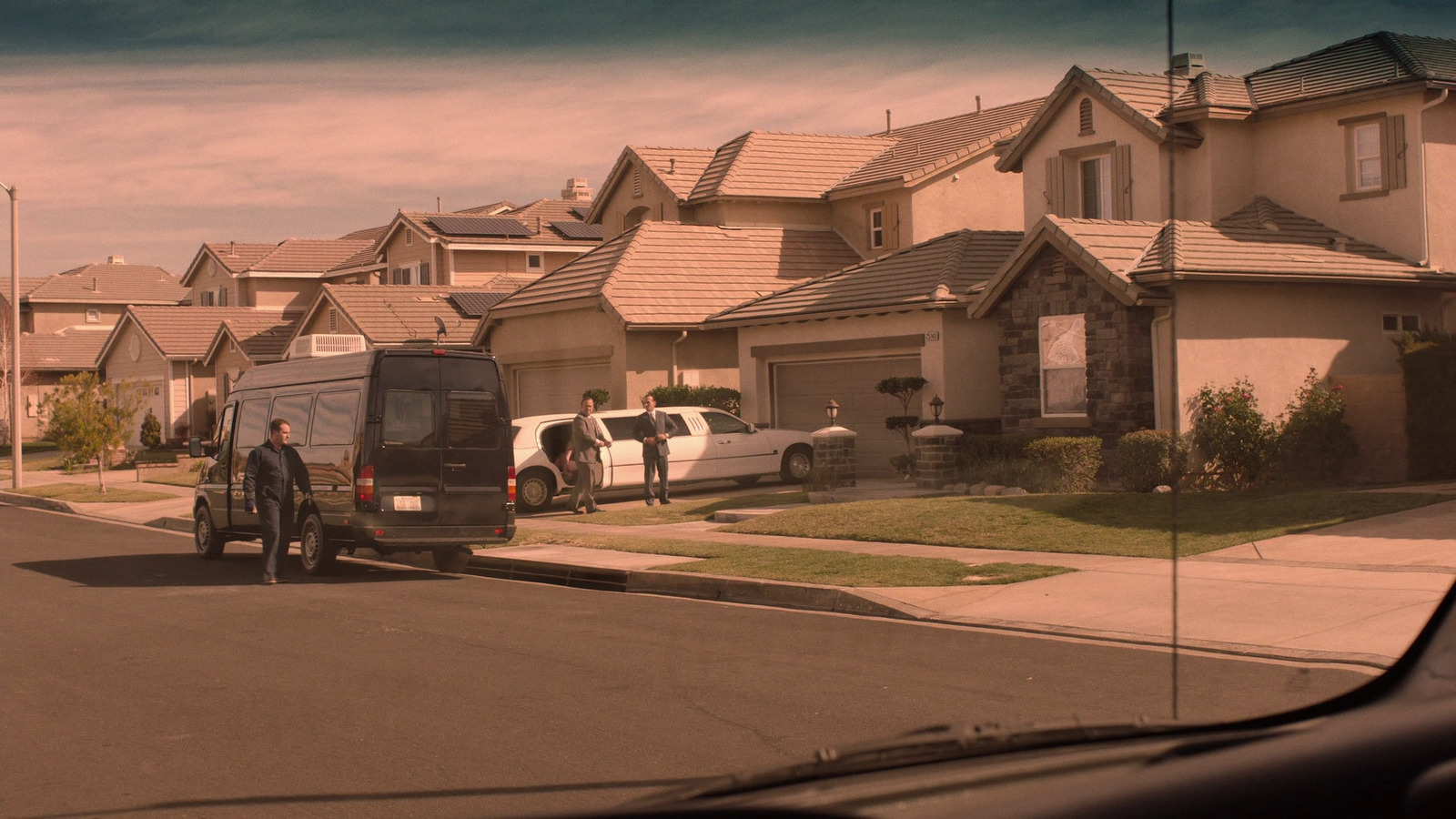
Several groups arrive at the same empty house
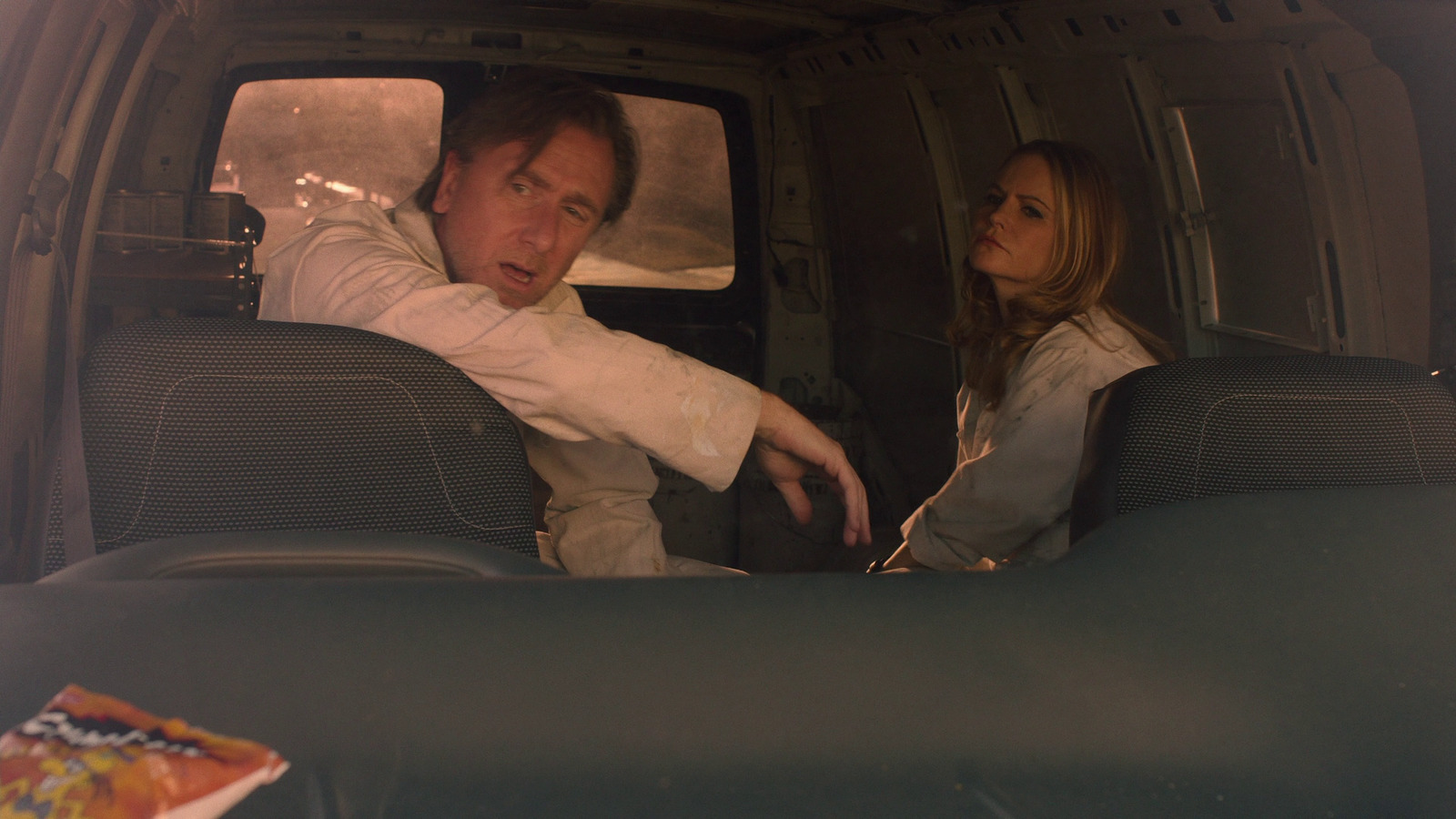
Hutch and Chantal wait outside the Jones home, and the FBI arrives to investigate the same address. The killers watch official procedure from the van while Headley interprets the unanswered door as a practical obstacle. Wilson is sent to observe from elsewhere. The arrangement establishes several partial viewpoints before anyone understands the whole situation. The apparently peaceful suburban street becomes a stage on which separate intentions will collide, with the absent Cooper remaining the reason everyone is there.
Open the scene sequence · 2 frames
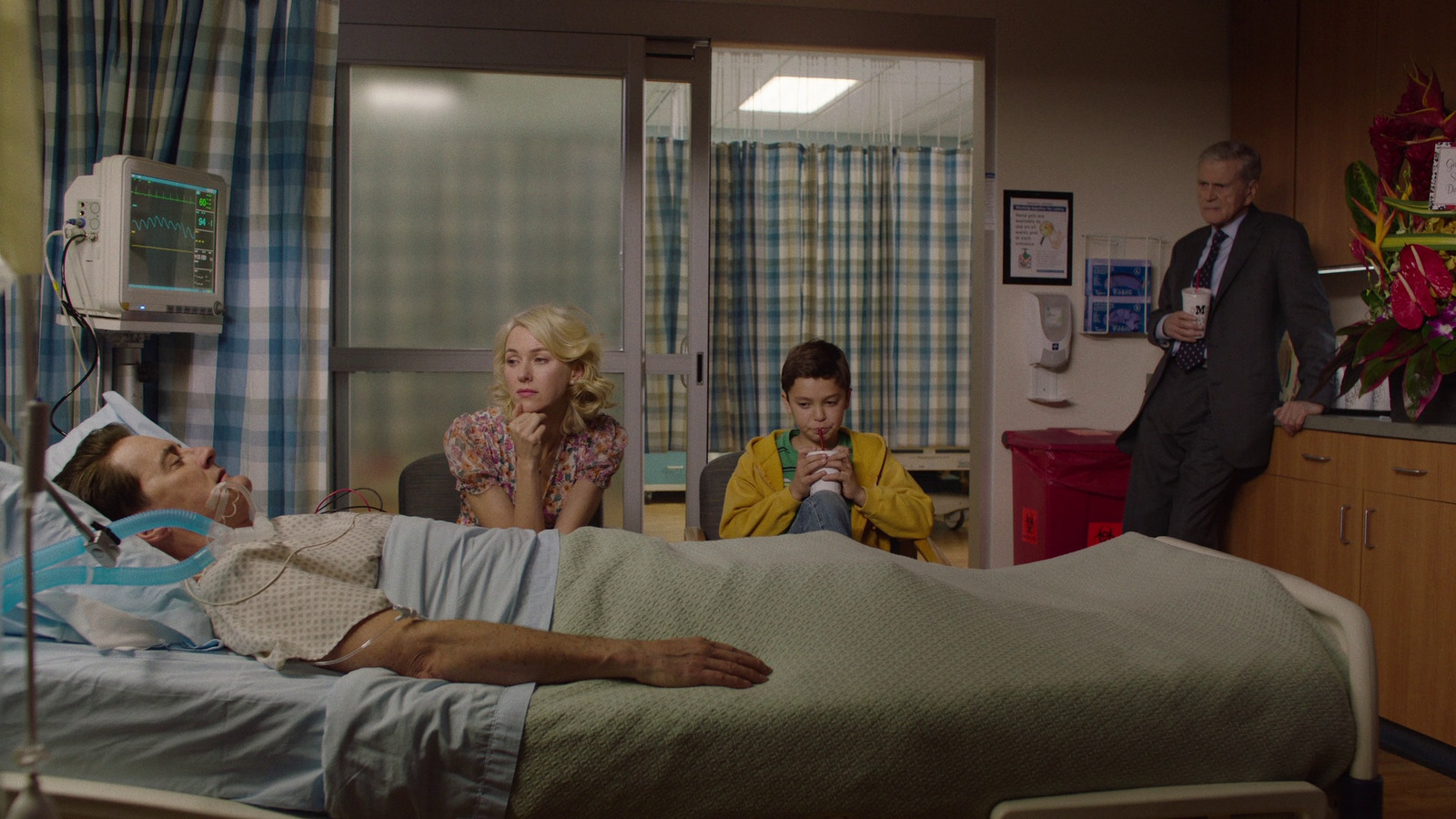
The family waits for a body to answer
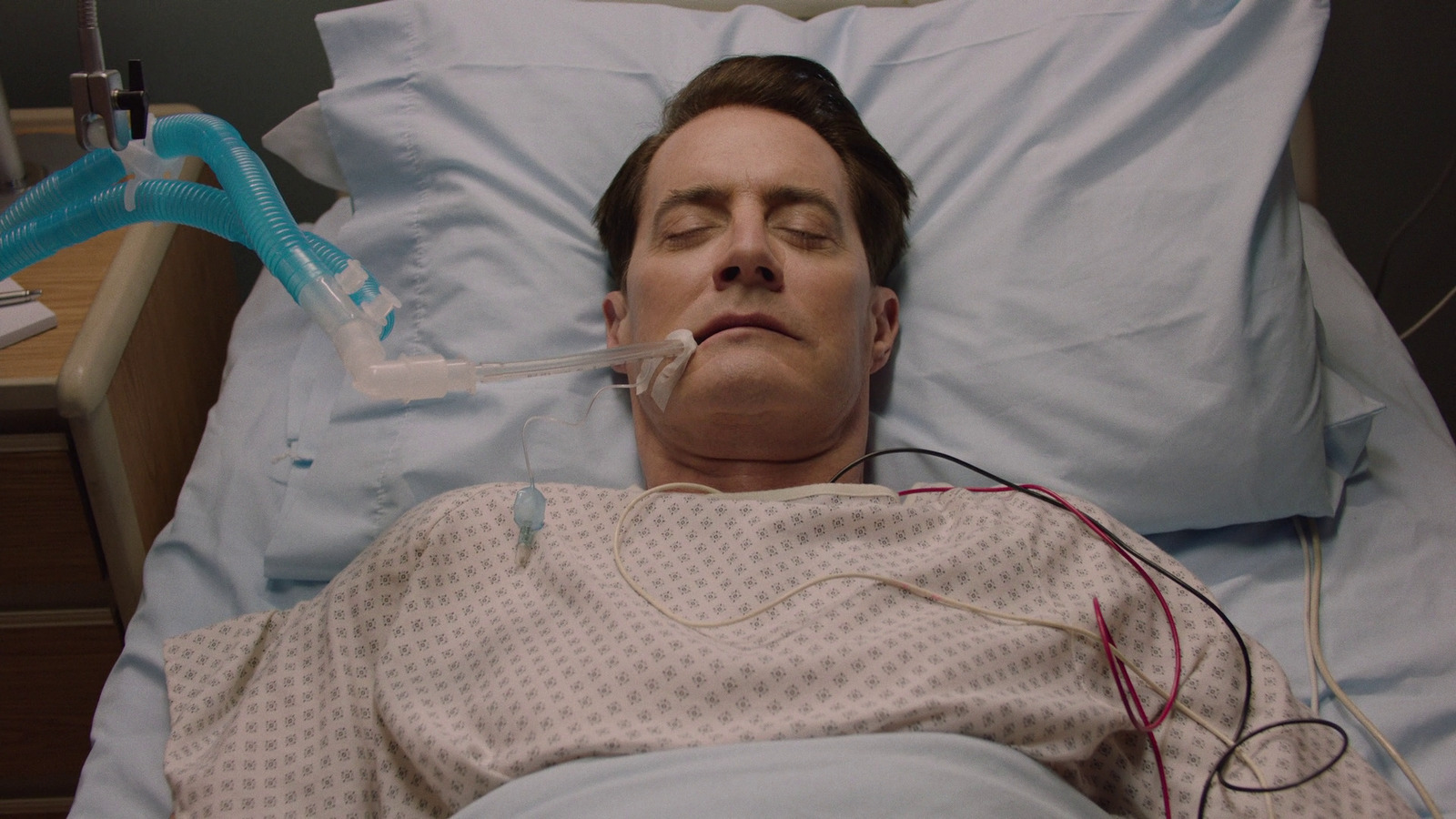
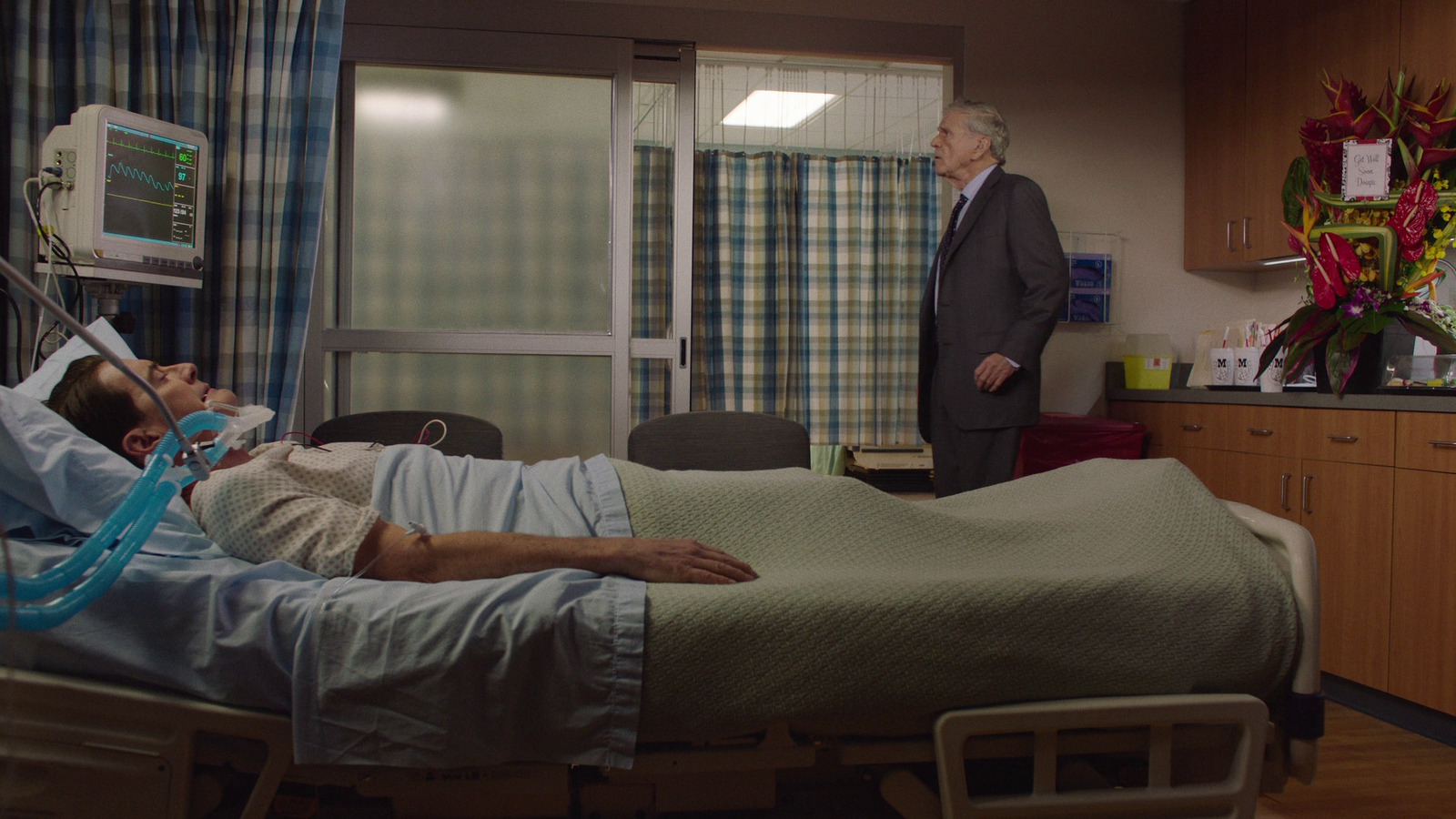
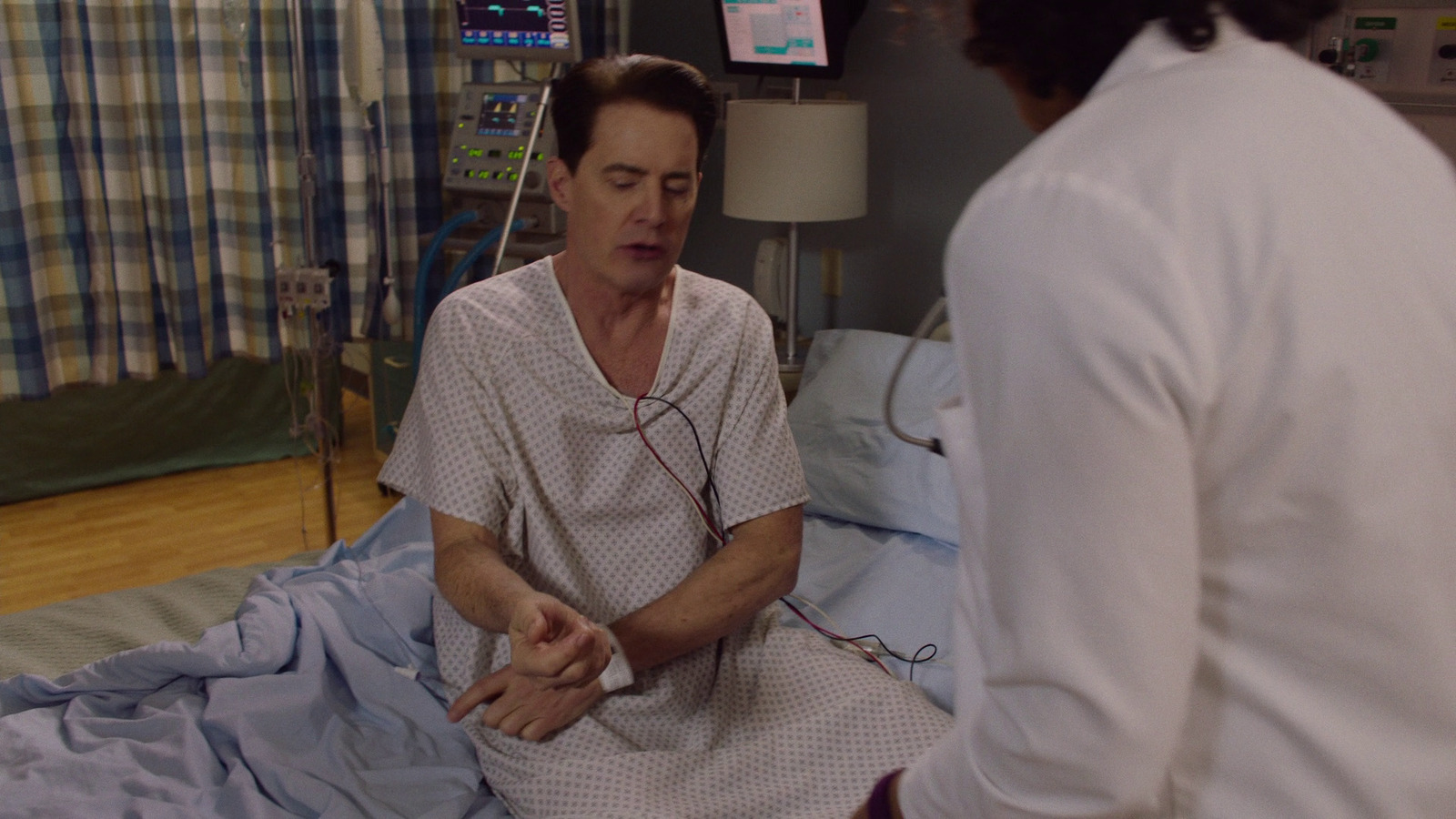
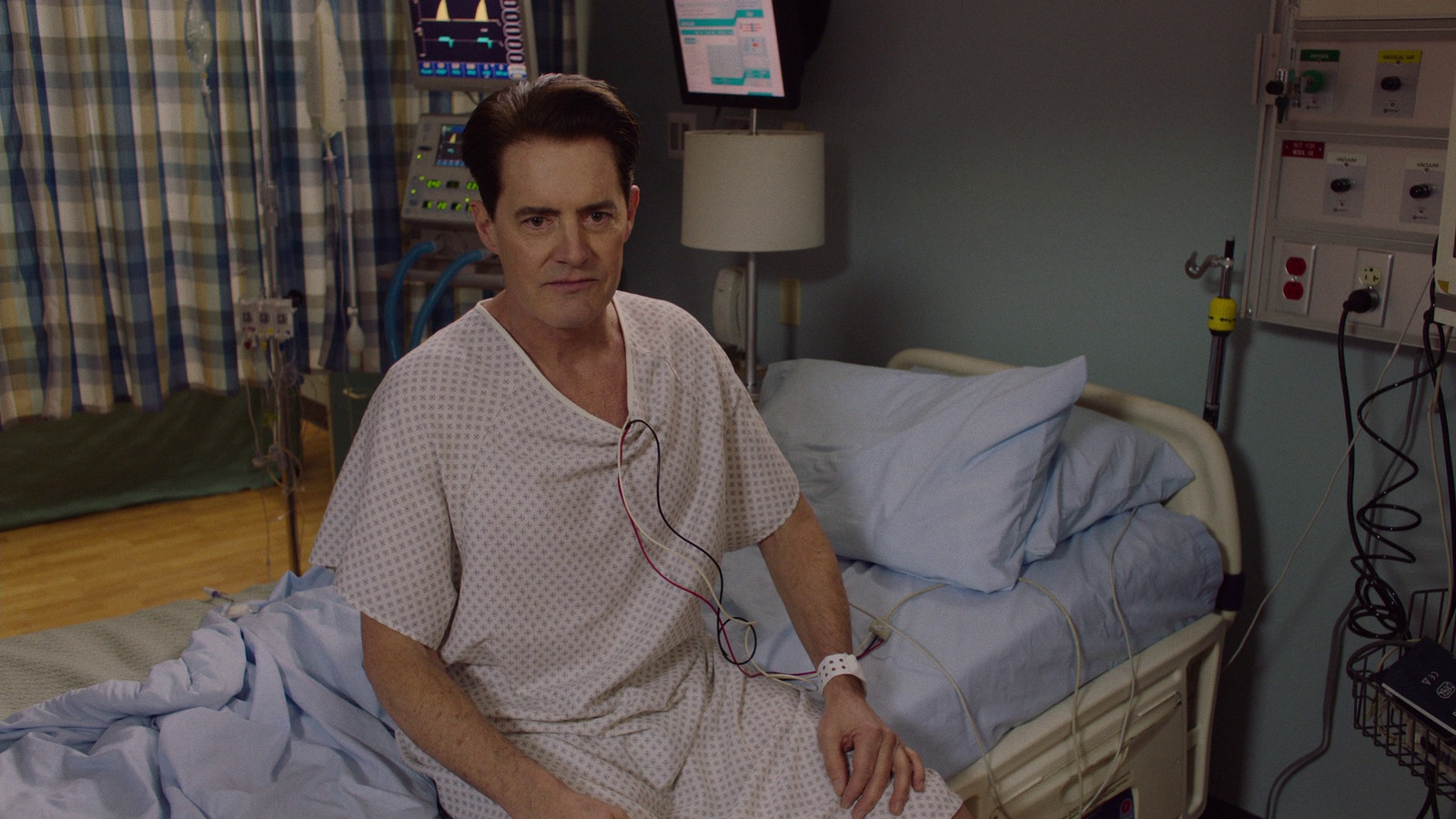
Cooper’s body is attached to equipment that supplies a visible and audible rhythm while he cannot respond. Janey-E refuses the implication that this state might continue for years; Sonny Jim asks about the connection between a coma and electricity. Bushnell offers reassurance without claiming to know the outcome. The scene gives Cooper’s hoped-for return a cost already being borne by other people. Their concern belongs to the family life formed around him, even though they do not possess the viewer’s account of his identity.
Open the scene sequence · 2 frames
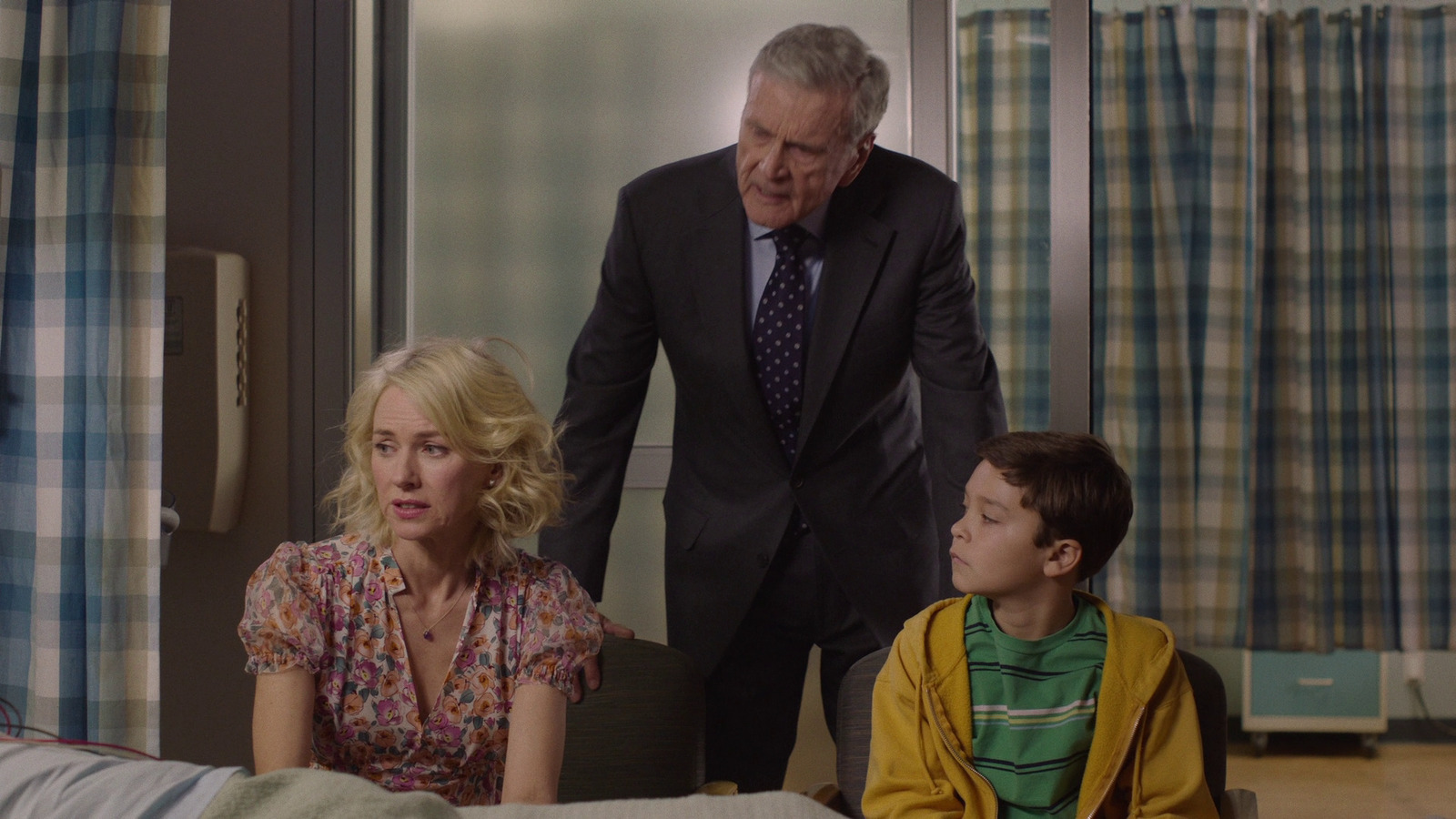
The Mitchums translate affection into provisions
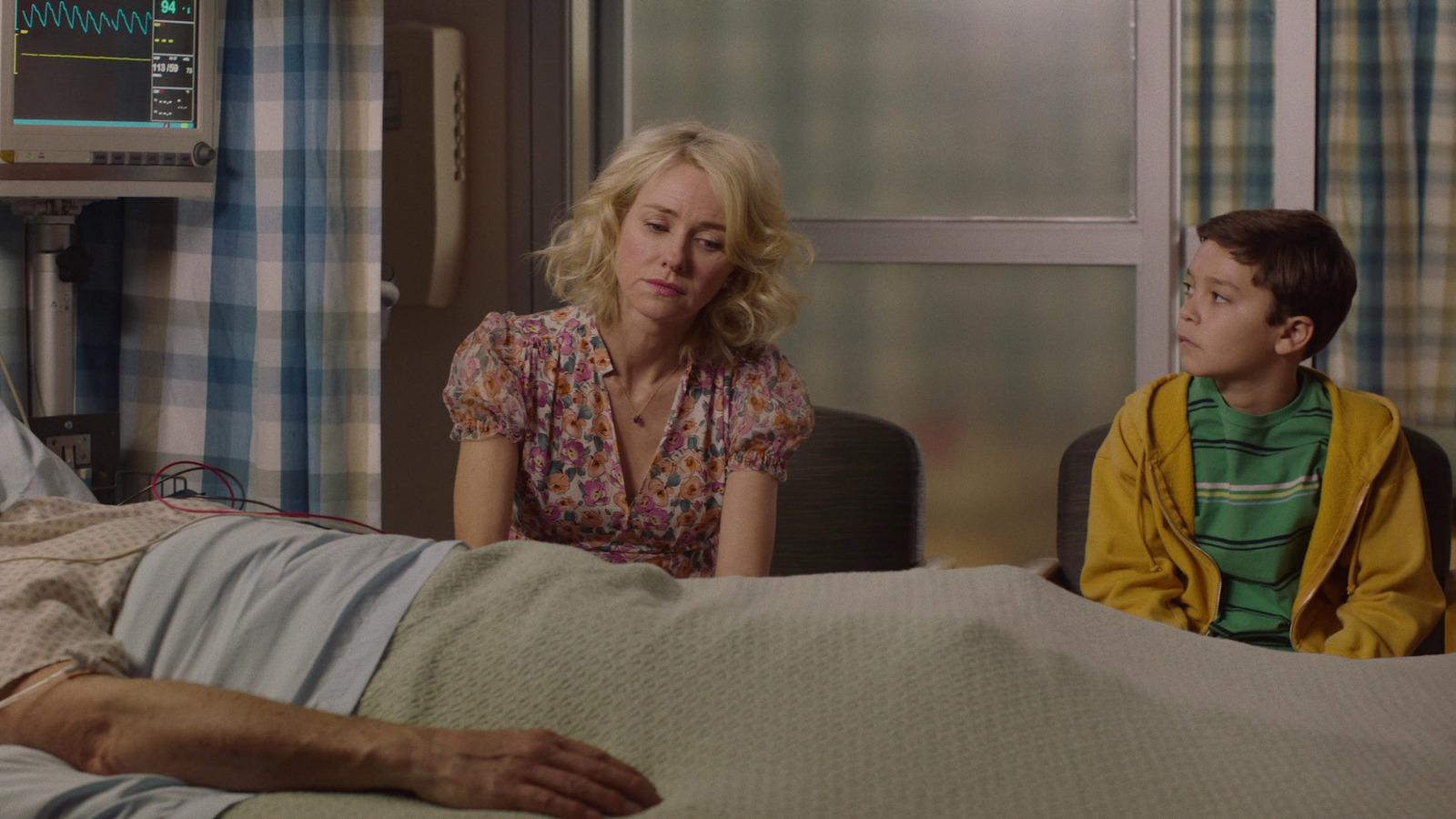
The brothers arrive with sandwiches, trays and an offer to stock the house. Their explanation of finger sandwiches to Sonny Jim is comic, but the gifts address a concrete difficulty: people waiting in a hospital still need to eat. The tableau assembles Bushnell, the family, the brothers and their companions around a motionless center. This is an unusual community produced by Cooper’s time in Las Vegas. The scene lets assistance take a material form before anyone can know whether it will be rewarded.
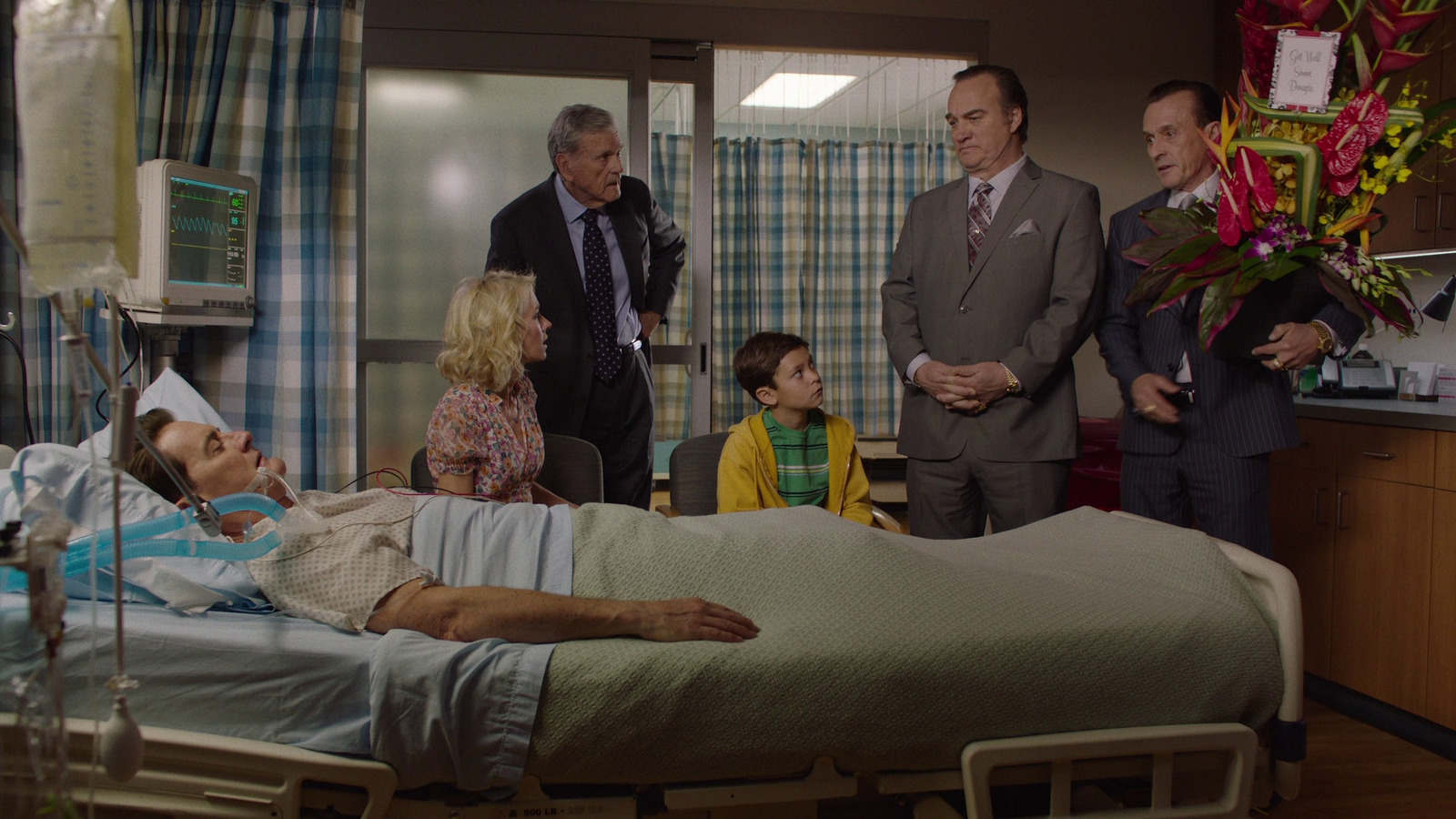
Open the scene sequence · 2 frames
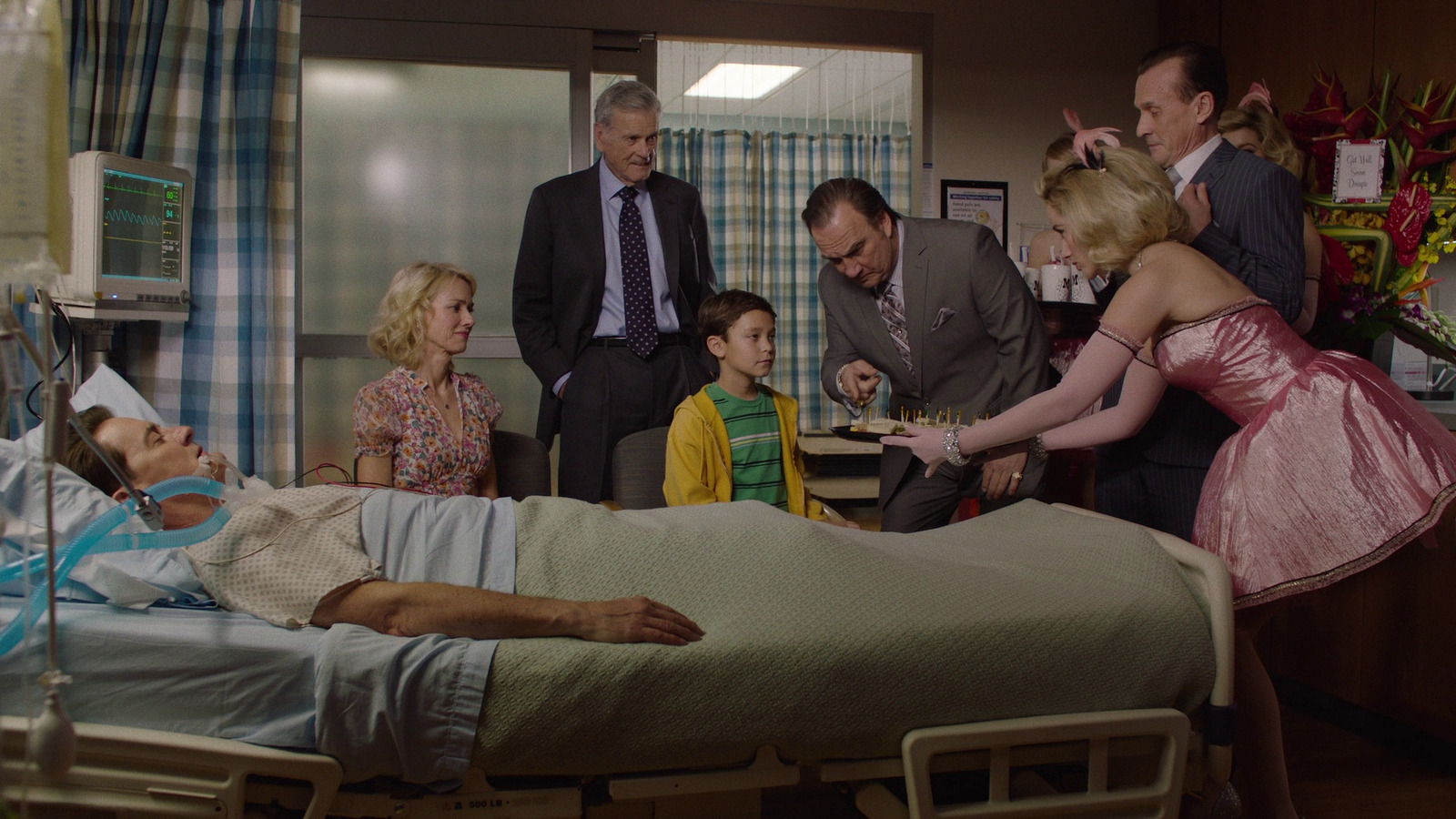
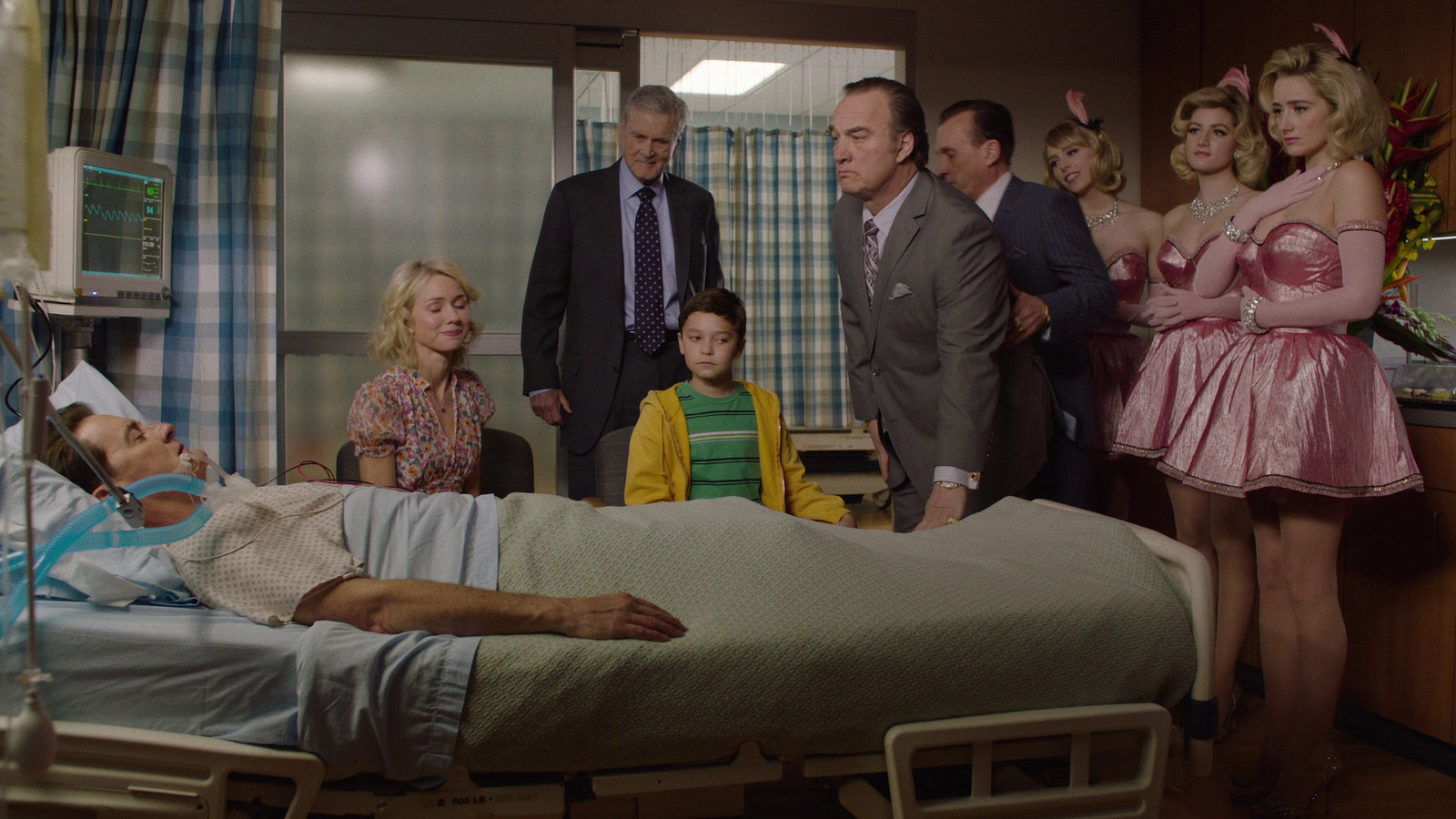
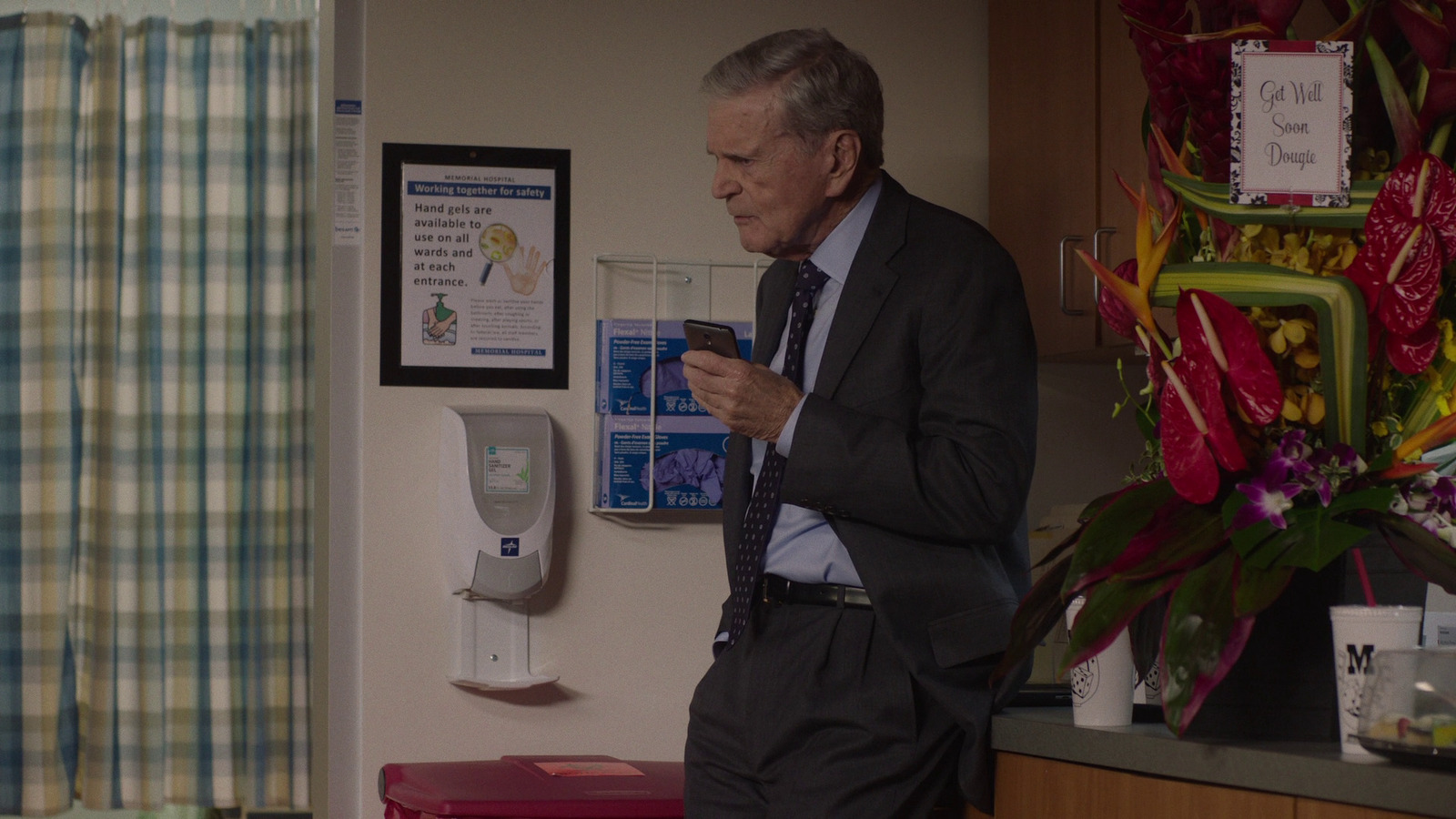
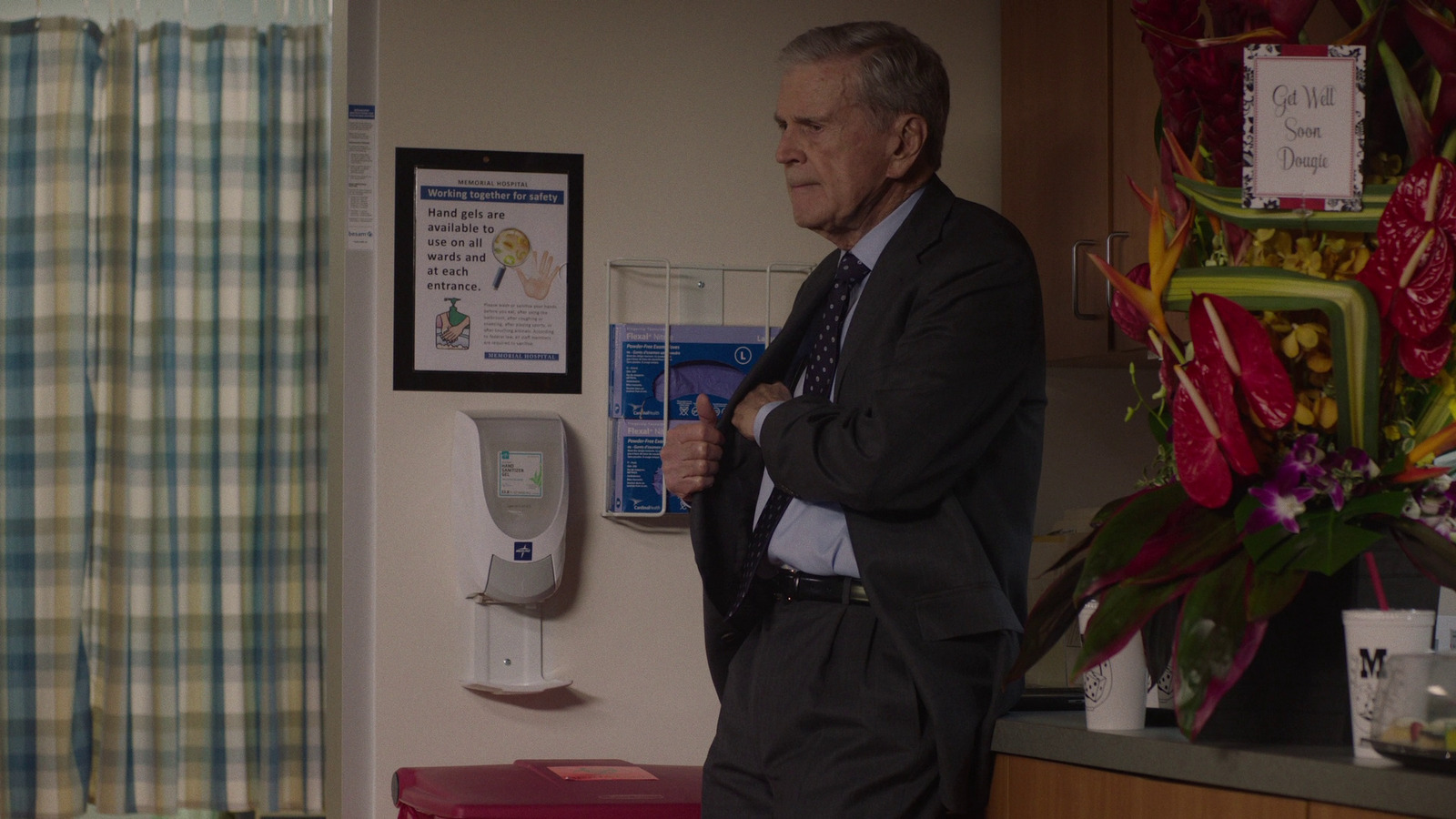
An investigation reaches the bedside indirectly
The episode briefly returns to Cole’s equipment-filled room, then to the hospital’s quieter waiting. Janey-E takes Sonny Jim out, and Bushnell receives Phil’s report that the FBI has been asking about Dougie. The telephone brings an external pressure into the room without waking Cooper. Bushnell’s movement toward the bed gives the absent response a physical address. These delays make the later awakening more than a switch in plot: the room has acquired a sustained pattern of people speaking, waiting and doing small things around someone who cannot answer.
Open the scene sequence · 2 frames
A parking dispute consumes the assassination plot
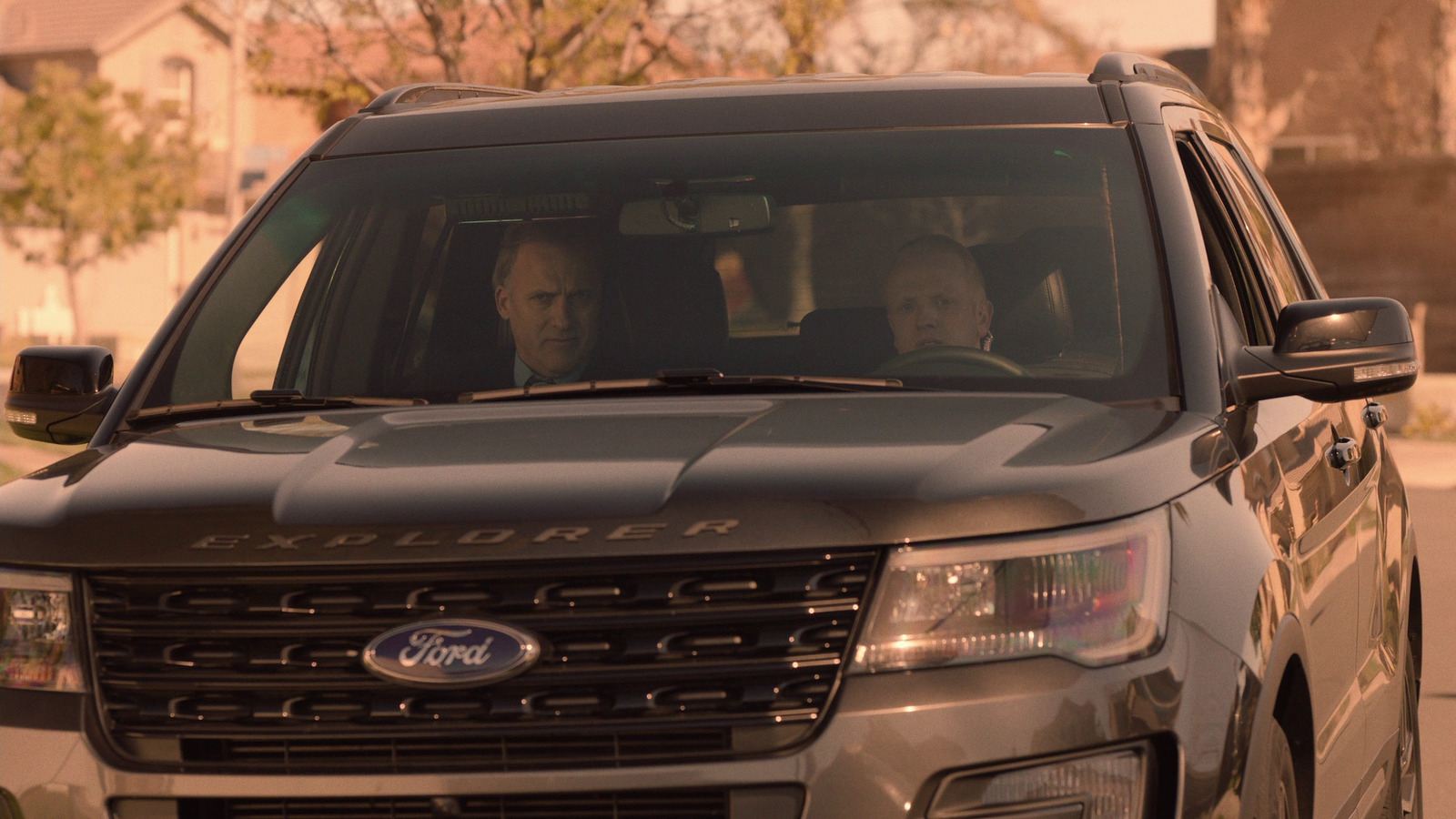
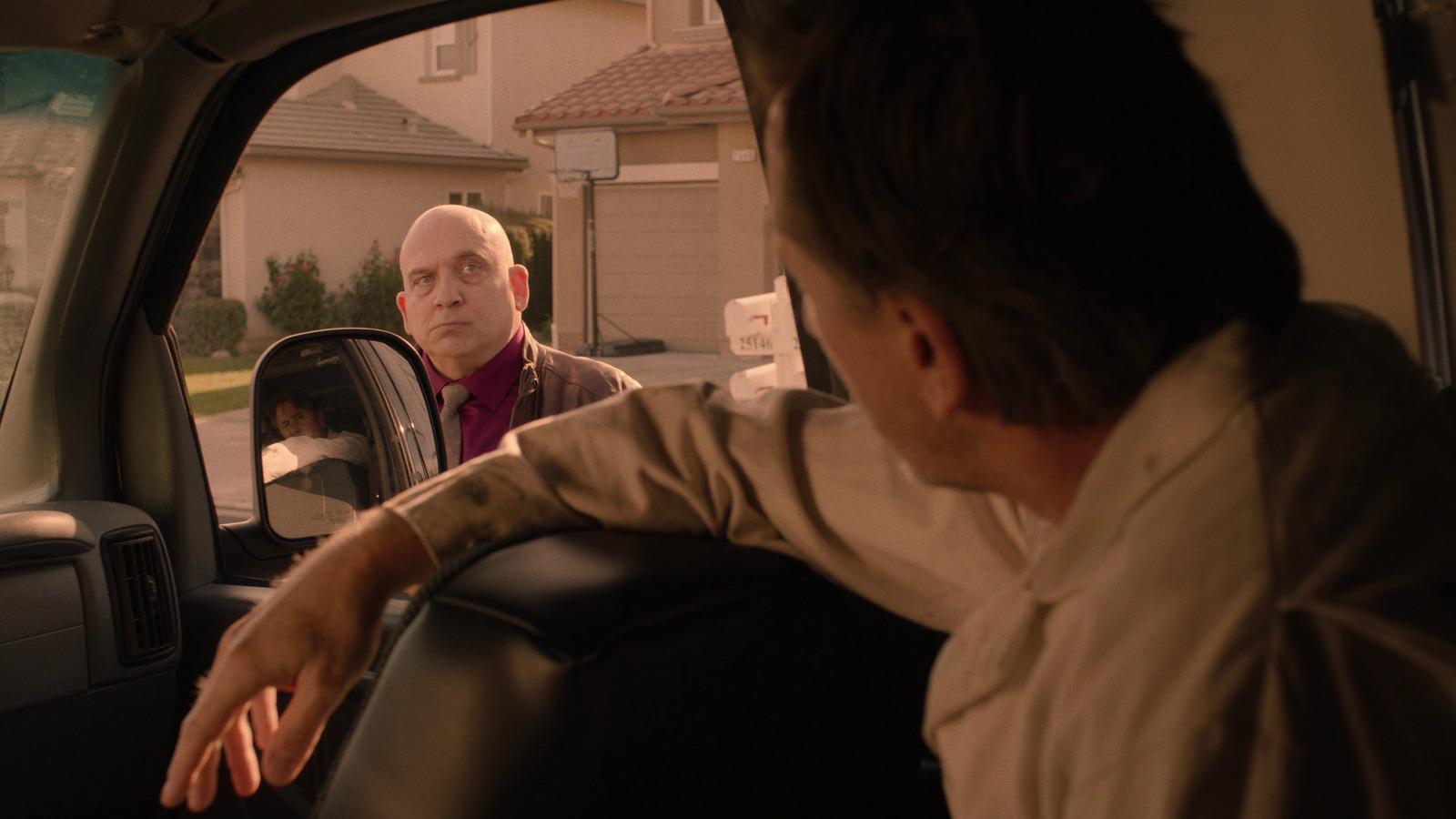
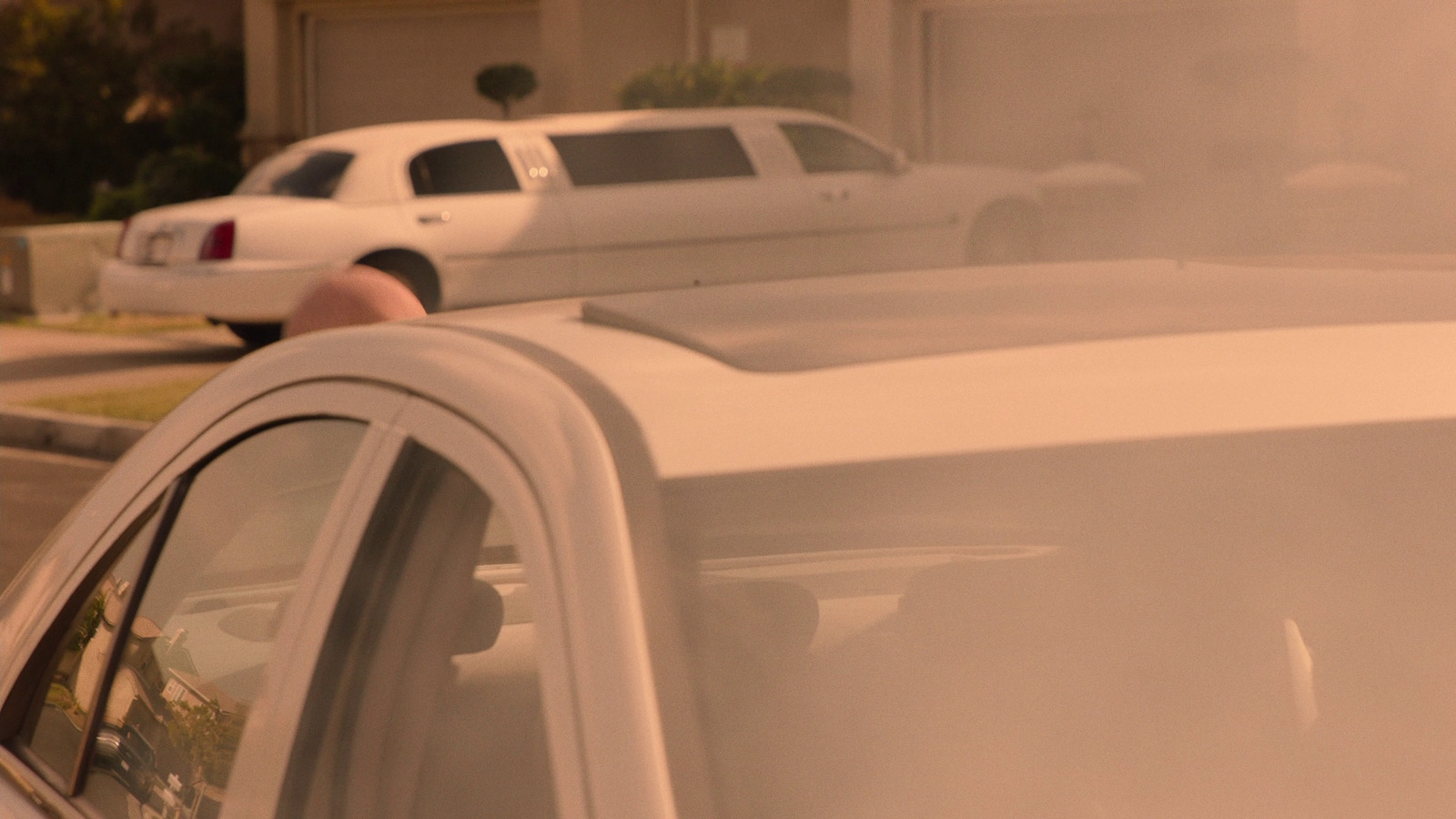
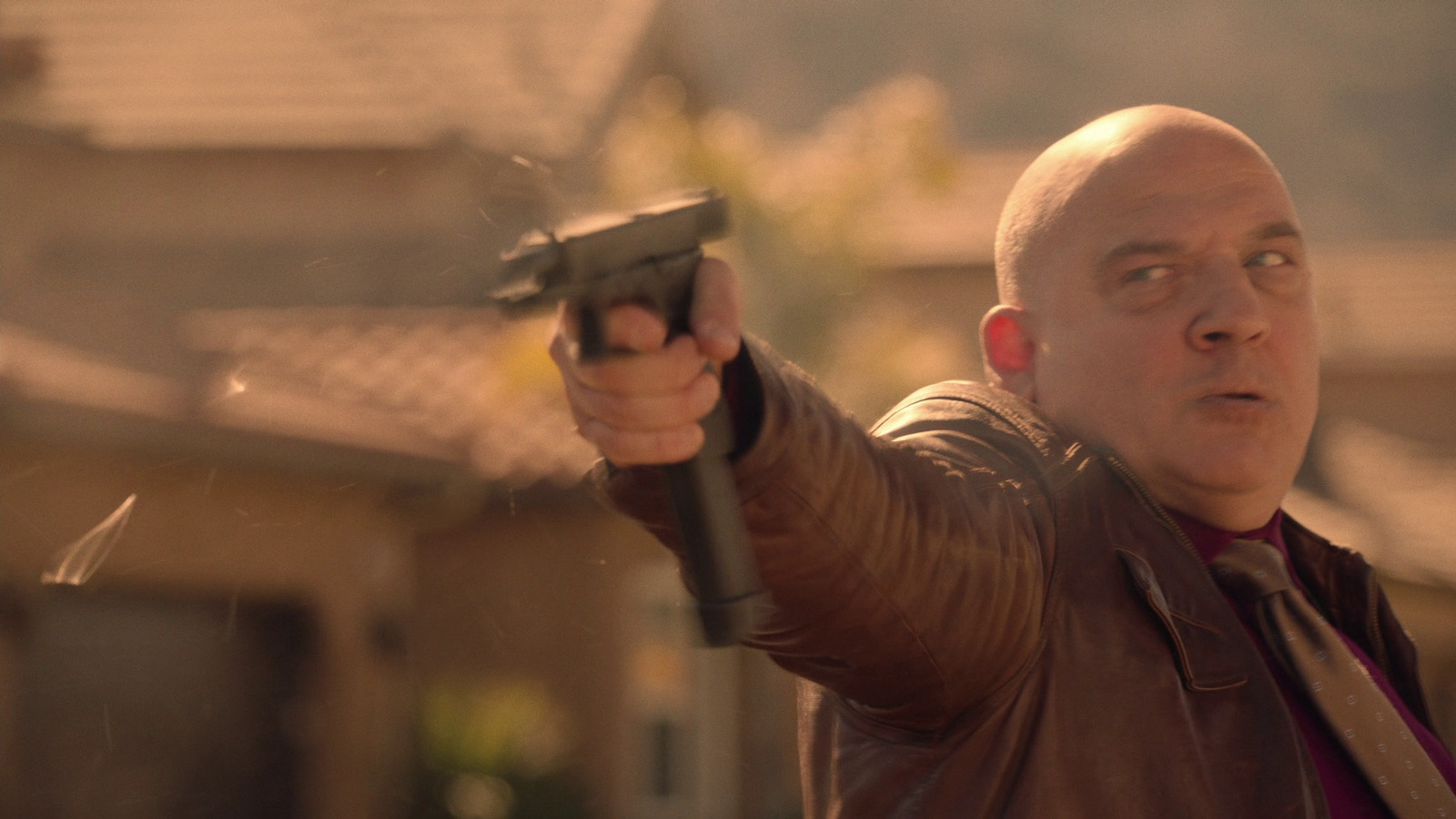
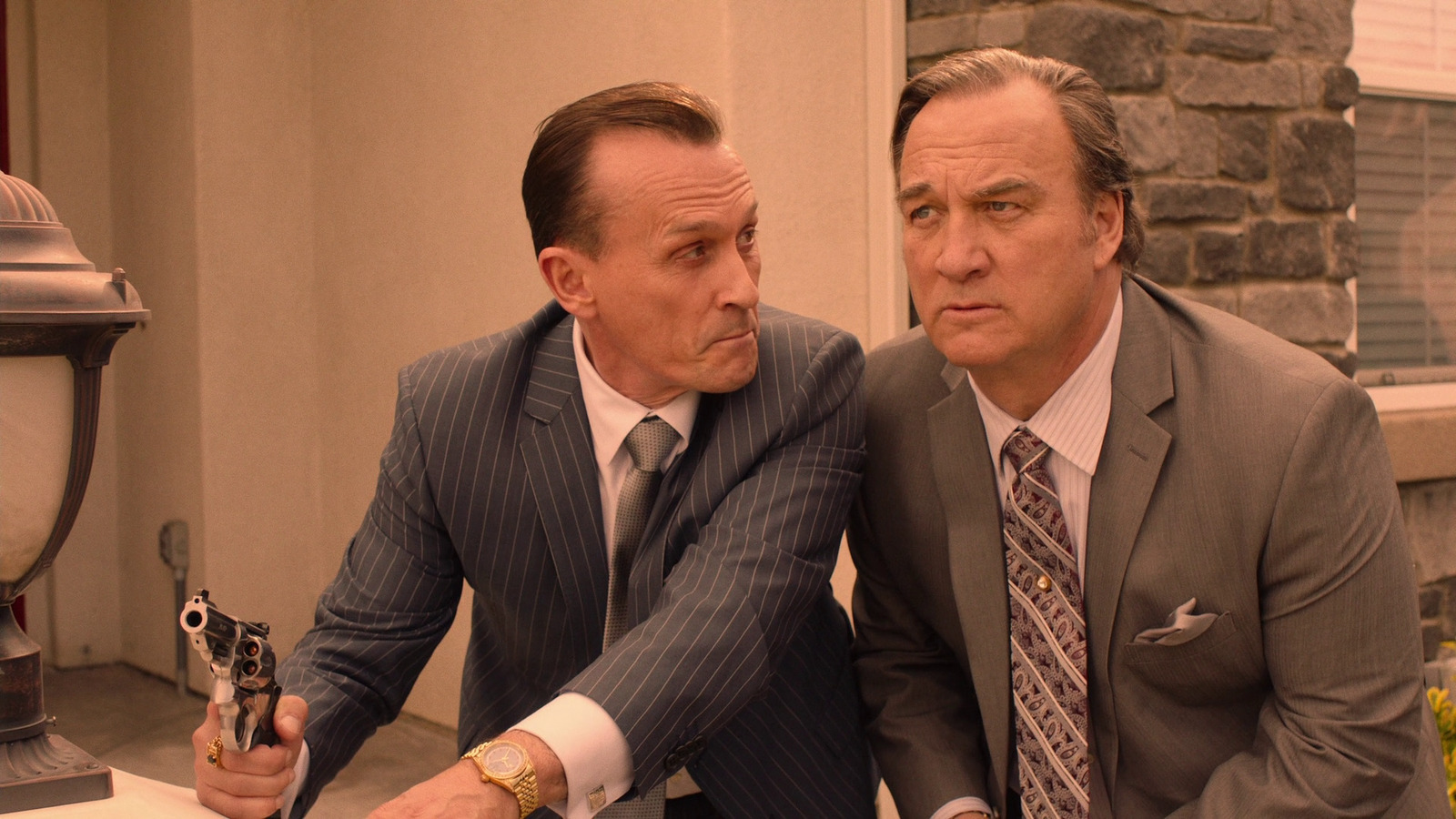
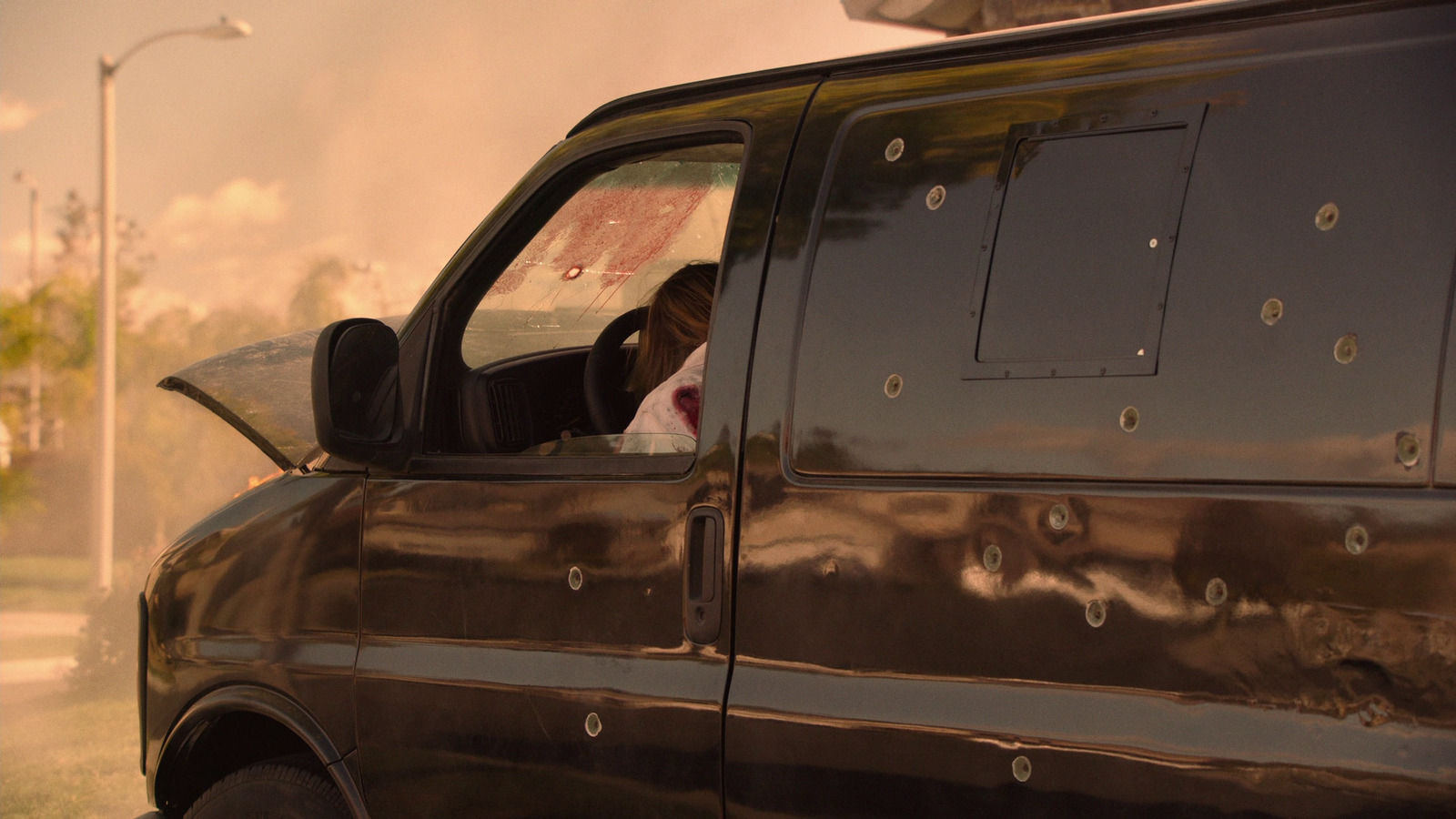
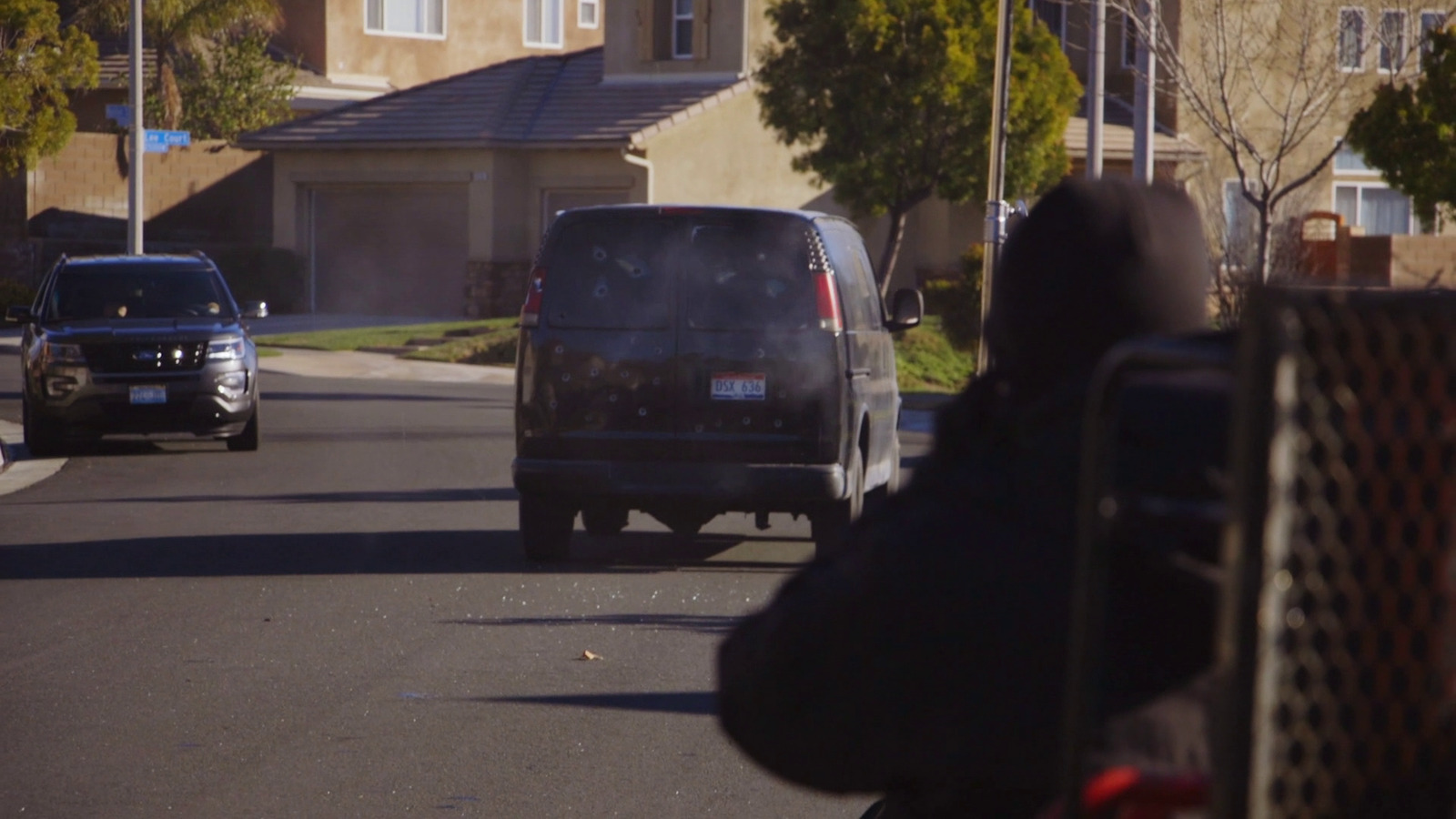
Outside the house, boredom, snack irritation and conflicting observations prepare an eruption whose immediate cause is a dispute about a driveway. The other driver uses his vehicle, then a gun; Chantal and Hutch respond and attempt to escape. The FBI and the Mitchum brothers are reduced to watching an event they did not initiate. Daylight and clear suburban sightlines make the violence conspicuous, while the alternating viewpoints keep knowledge incomplete. The killers’ elaborate purpose is overwhelmed by a stranger’s disproportionate retaliation. The brothers’ comment about stress registers the absurdity without making the deaths unreal.
Open the scene sequence · 6 frames
A tone precedes restored attention
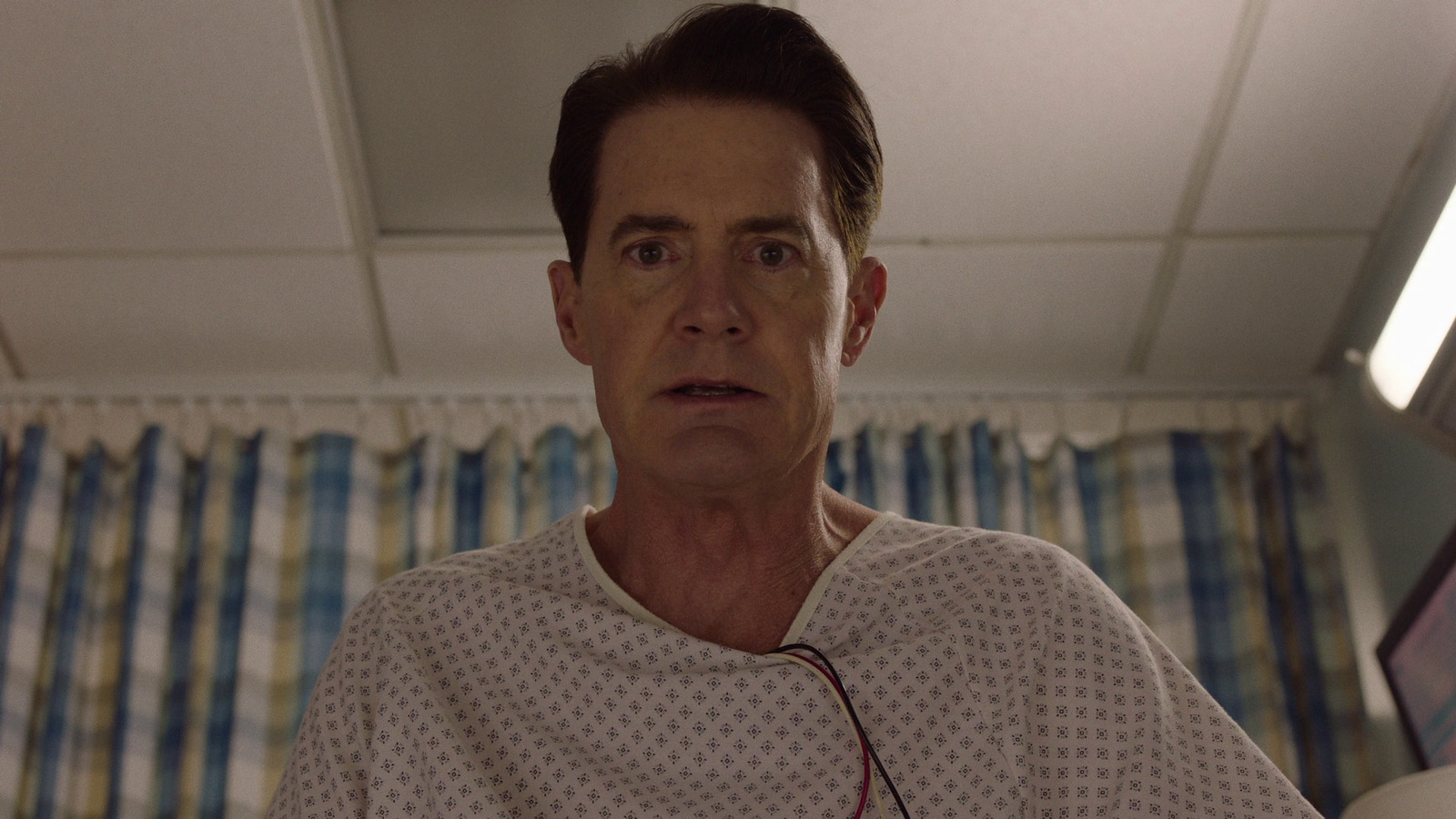
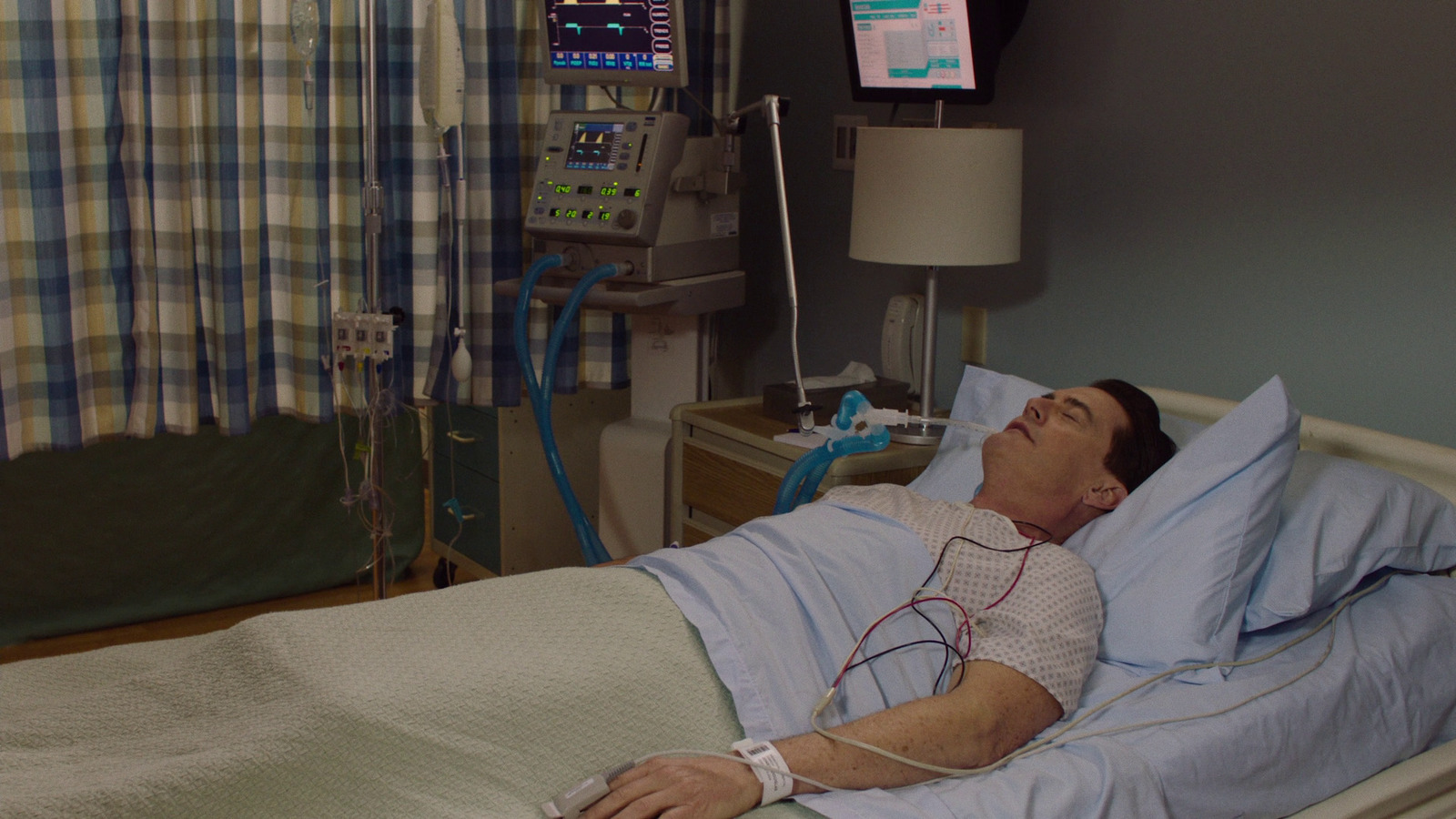
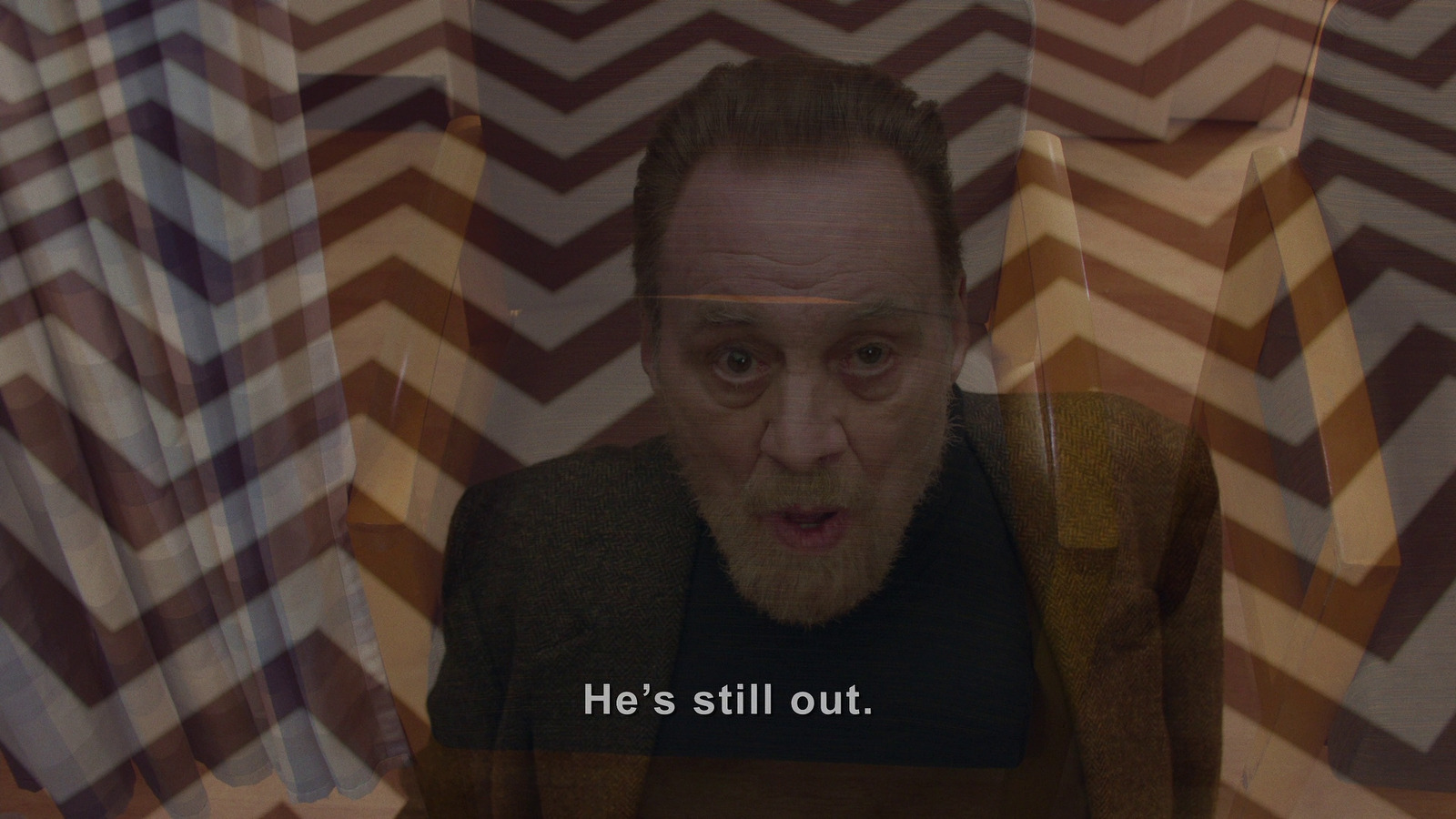
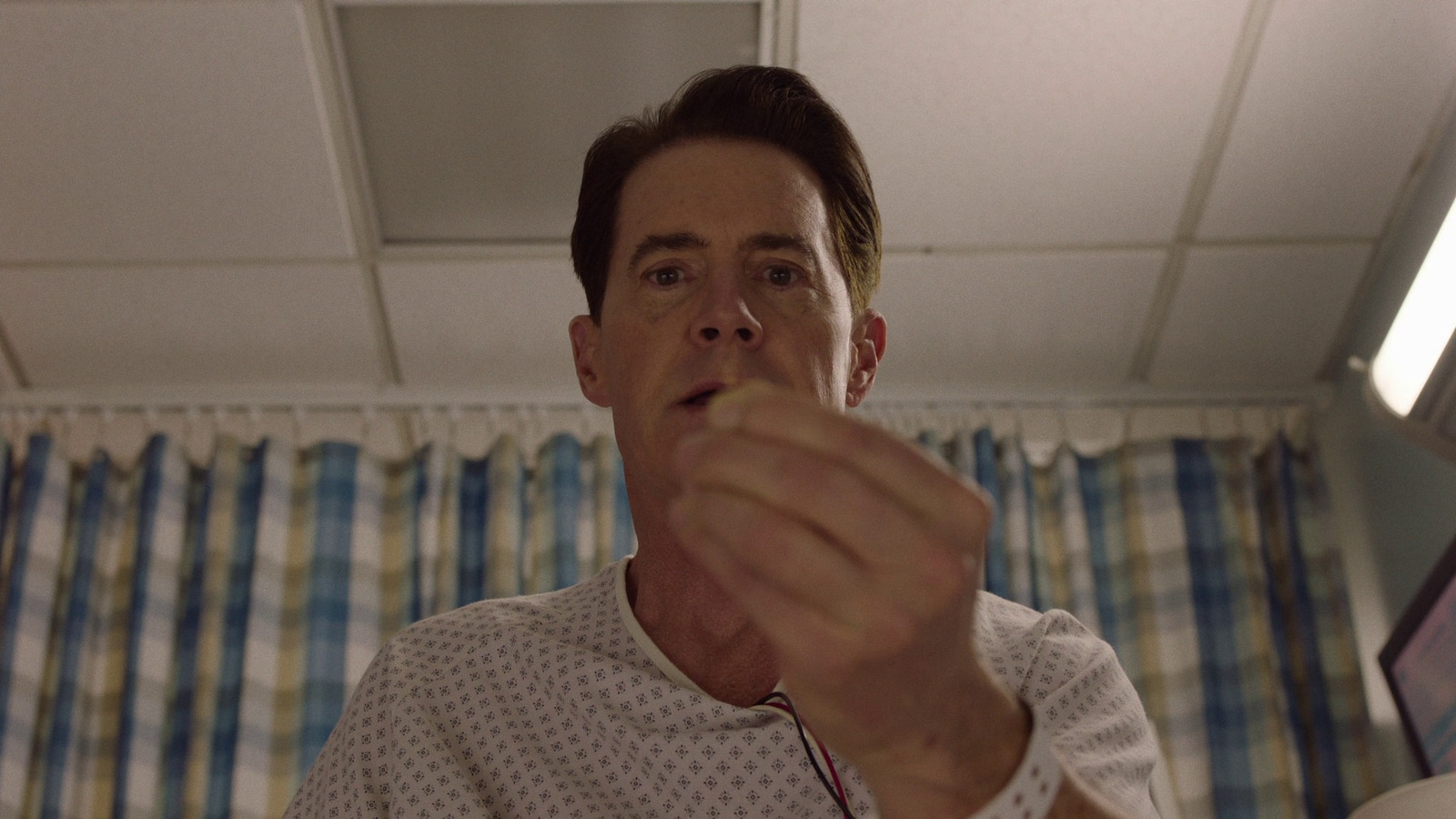
A ringing tone interrupts the hospital’s established mechanical rhythm. Bushnell notices it and steps away; Cooper then sits up. The transformation is not announced by an explanatory speech. Kyle MacLachlan changes posture, gaze and vocal assurance, answering Gerard with immediate certainty. The sequence returns agency to a body the series has repeatedly shown being guided by others. Because the room has been so patiently established, the change can be carried by relatively small actions rather than a large spectacle.
Open the scene sequence · 2 frames
The ring, the seed and a strand of hair
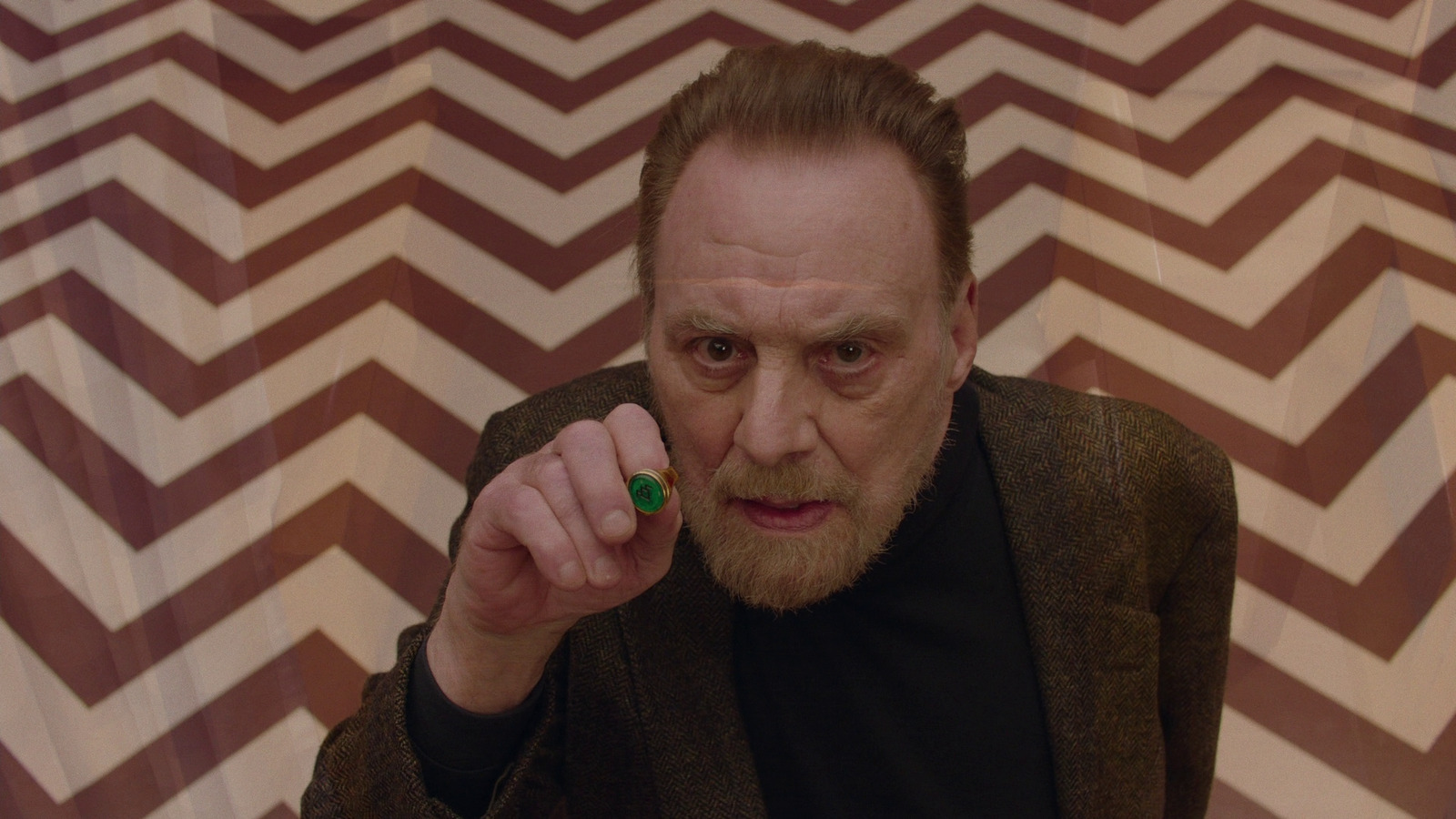
Gerard warns that the other one remains outside and gives Cooper the green ring. Their exchange is staged across the hospital and the red room, with superimposed images allowing the locations to coexist briefly. Cooper asks about the seed and gives a strand of hair with a request to make another one. The objects supply a practical plan without a verbal explanation of its complete destination. This is an important limit on the scene’s promise: Cooper has an intention, but the episode has not yet shown the result of that request.
Open the scene sequence · 2 frames
Cooper resumes command without discarding gratitude
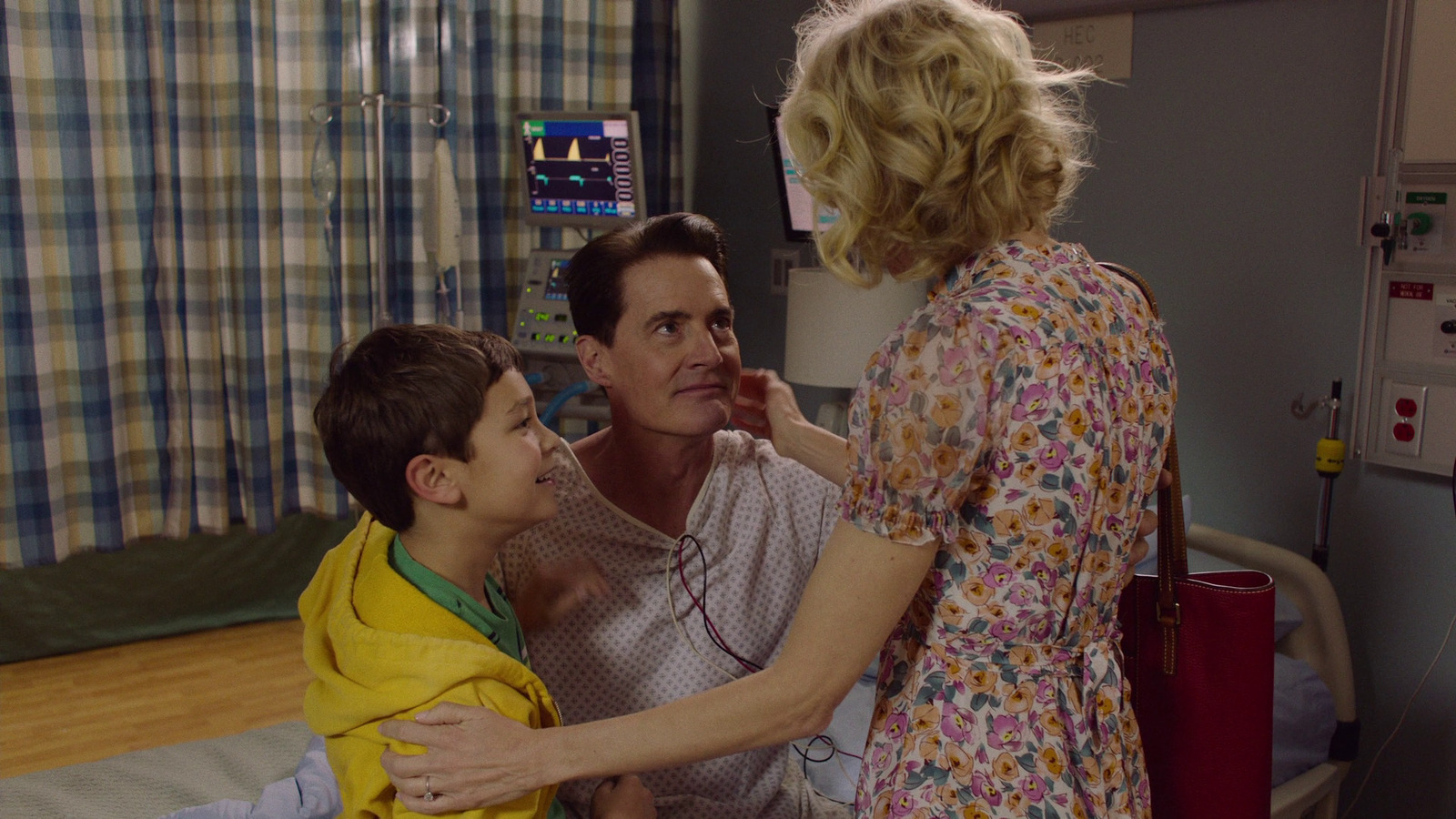
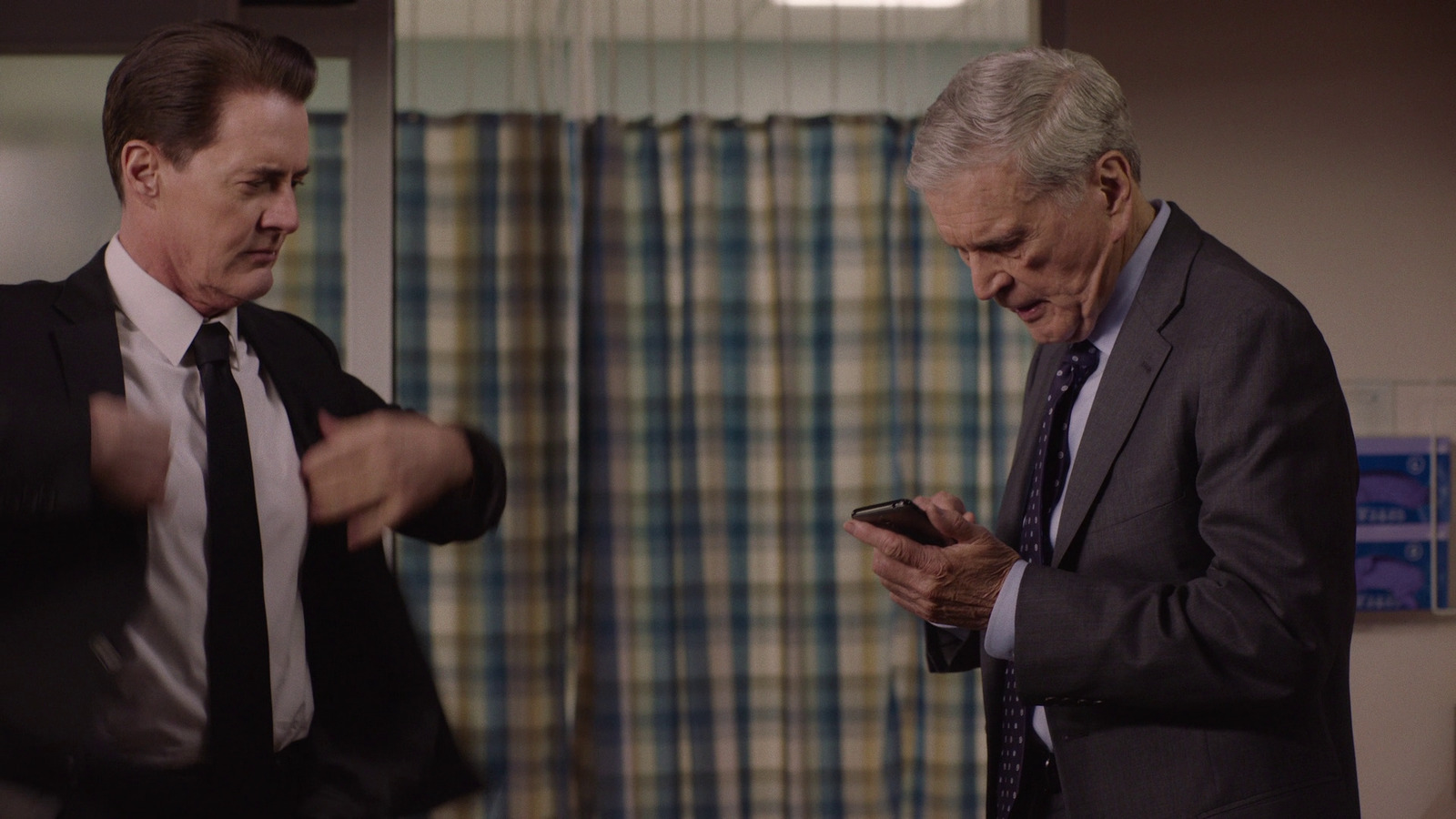
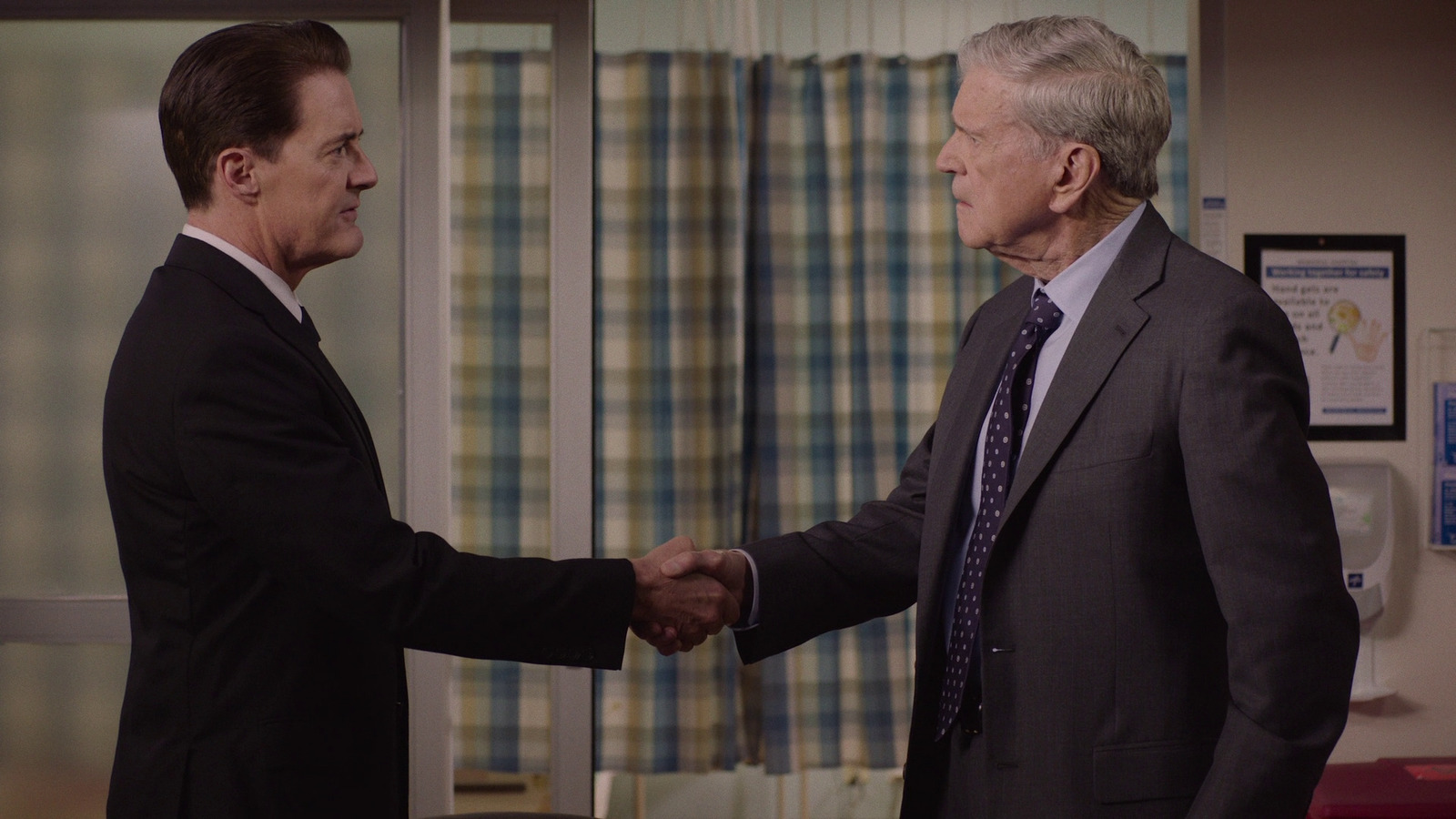
The family’s first response is delight, and Cooper addresses each of them by name. He asks for a doctor, food, clothes, a weapon and transport with the directness that distinguishes him from his recent passive state. The doctor’s examination keeps the departure inside an ordinary procedure even as its speed becomes comic. Cooper also thanks Bushnell for his kindness and leaves a message for Cole. His declaration that he is the FBI supplies the long-awaited recognition, but it arrives alongside acknowledgment of the people who sustained him. The restored identity does not erase that dependence.
Open the scene sequence · 4 frames
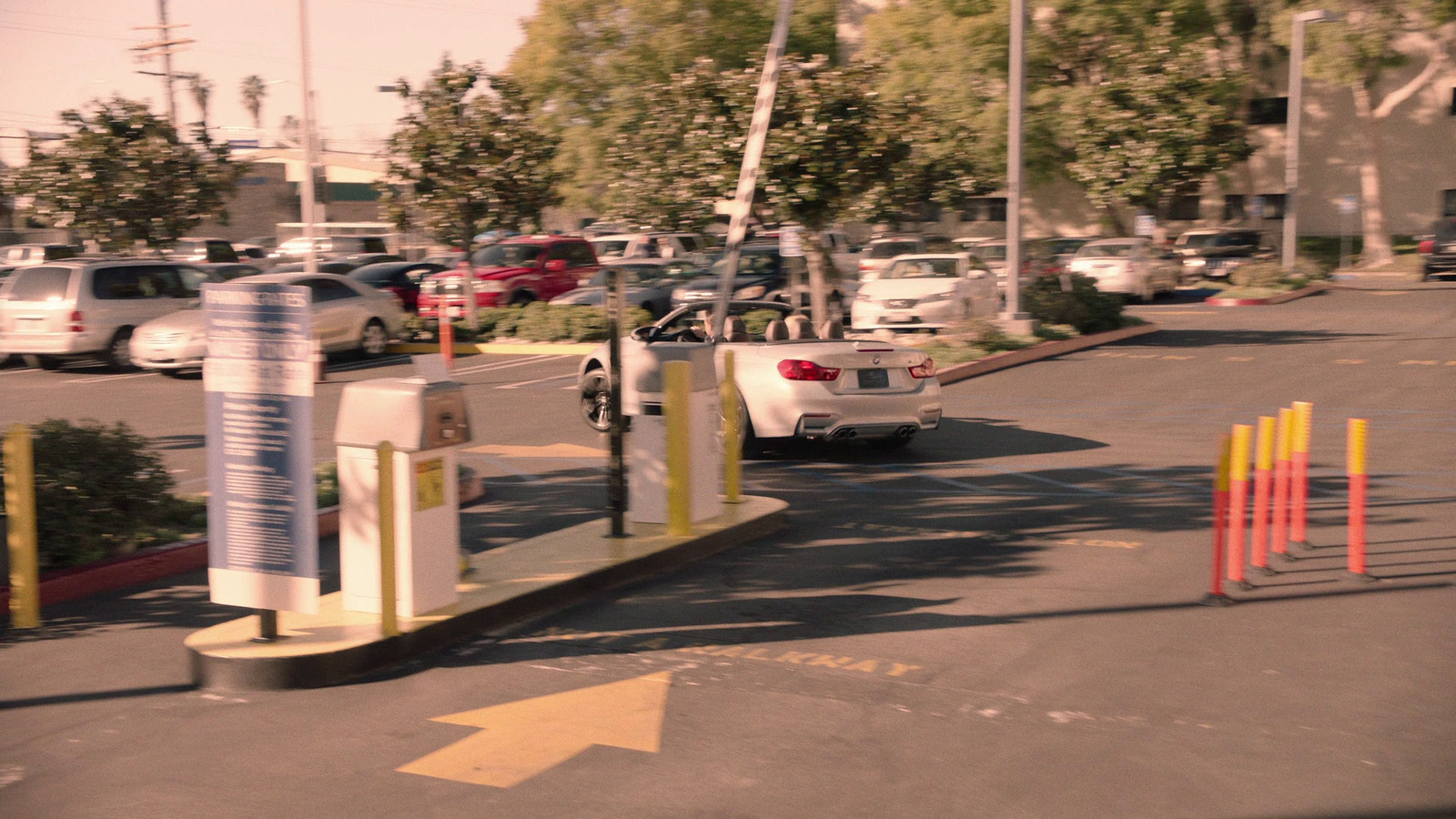
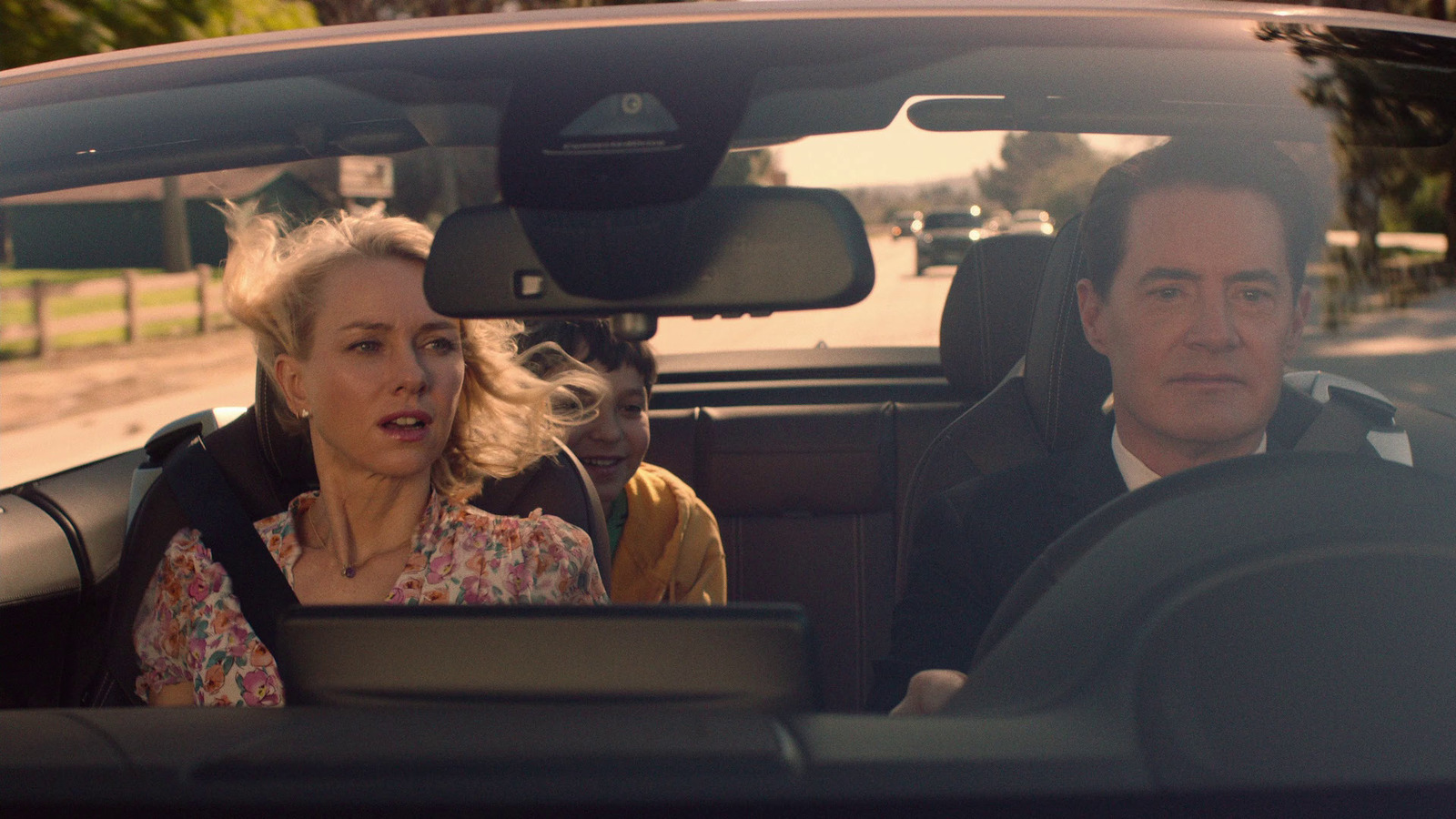
The driver’s seat becomes a new relationship
Cooper takes the wheel while Janey-E tries to understand the change. Sonny Jim’s pleased observation that his father drives well makes restored competence visible from the child’s point of view. The bright moving car contrasts with the immobile hospital bed and Mr. C’s opening night journey. Yet Cooper still asks how to reach the casino. His renewed authority does not make him omniscient; he uses the local knowledge of the family beside him.
Open the scene sequence · 1 frame
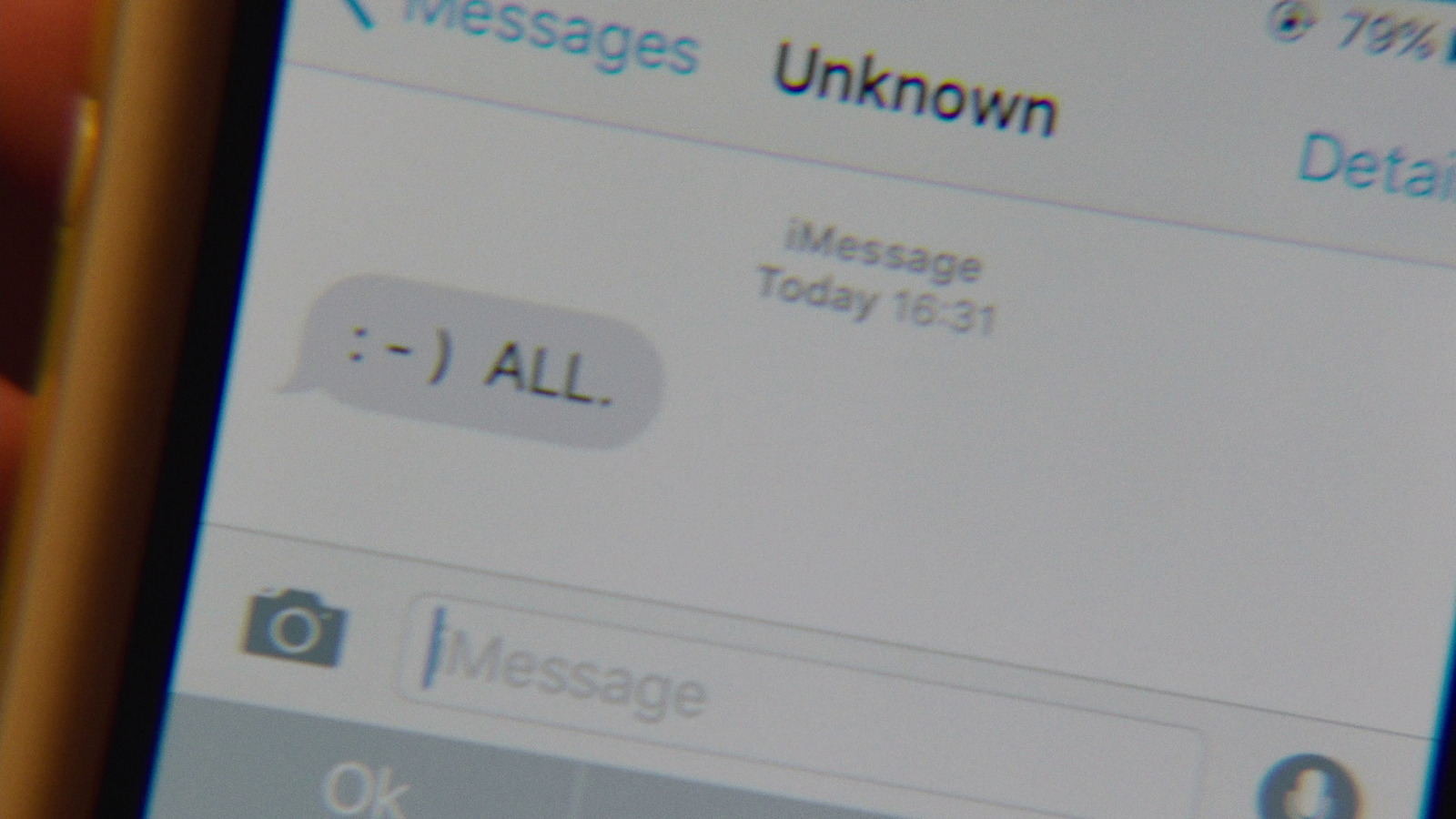
A tiny message changes Diane’s body
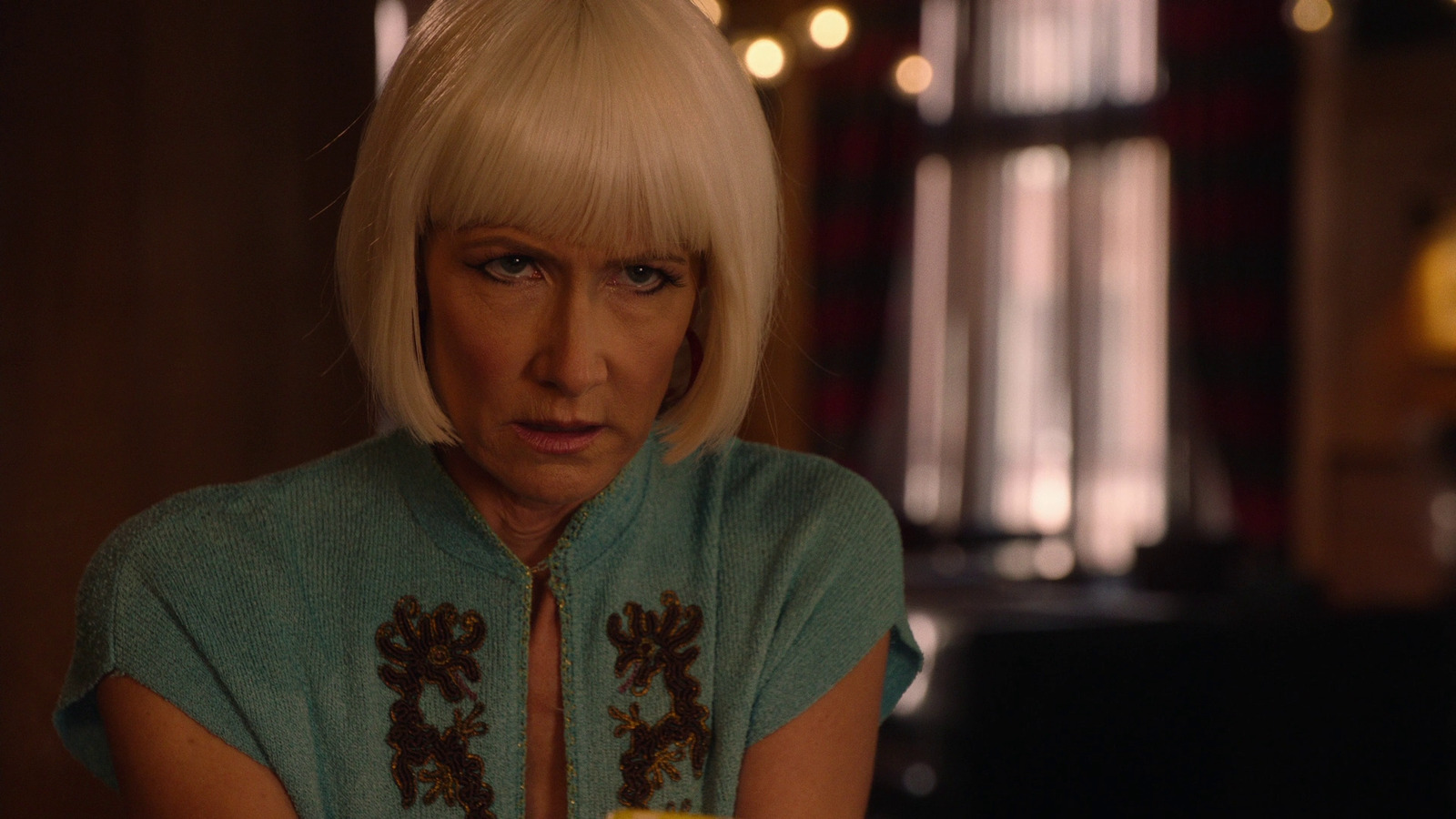
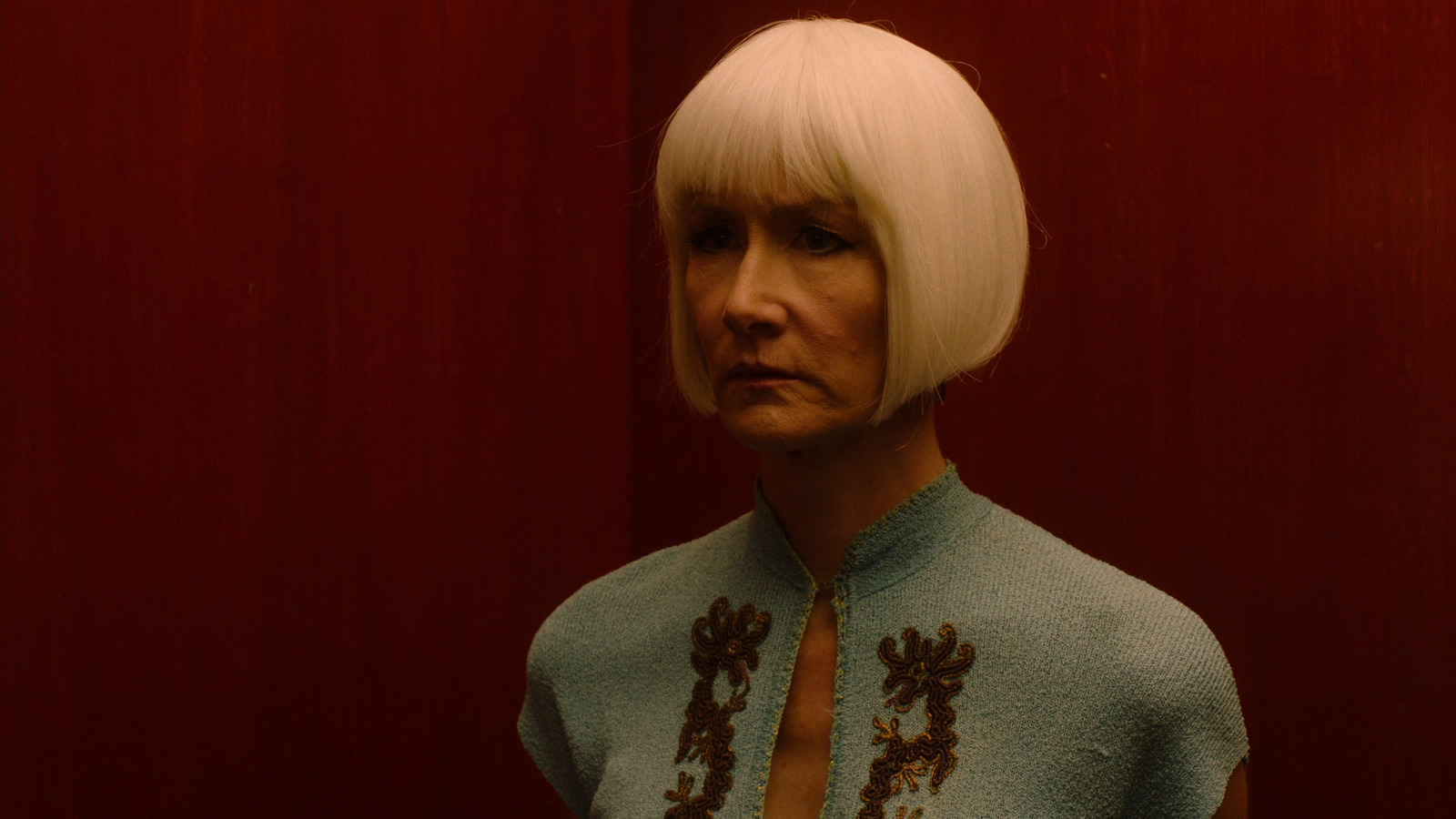
The short message on Diane’s phone is followed by a long interval of recognition and distress. The bar supplies ordinary sounds and objects—ice, glass, drink—against which her breathing and posture become conspicuous. She says that she remembers, then prepares to leave. Her movement through the elevator and corridor is accompanied by the Muddy Magnolias track in Lynch’s remix. The sequence gives a very small piece of text disproportionate power while withholding the full content of what it has released.
Open the scene sequence · 3 frames
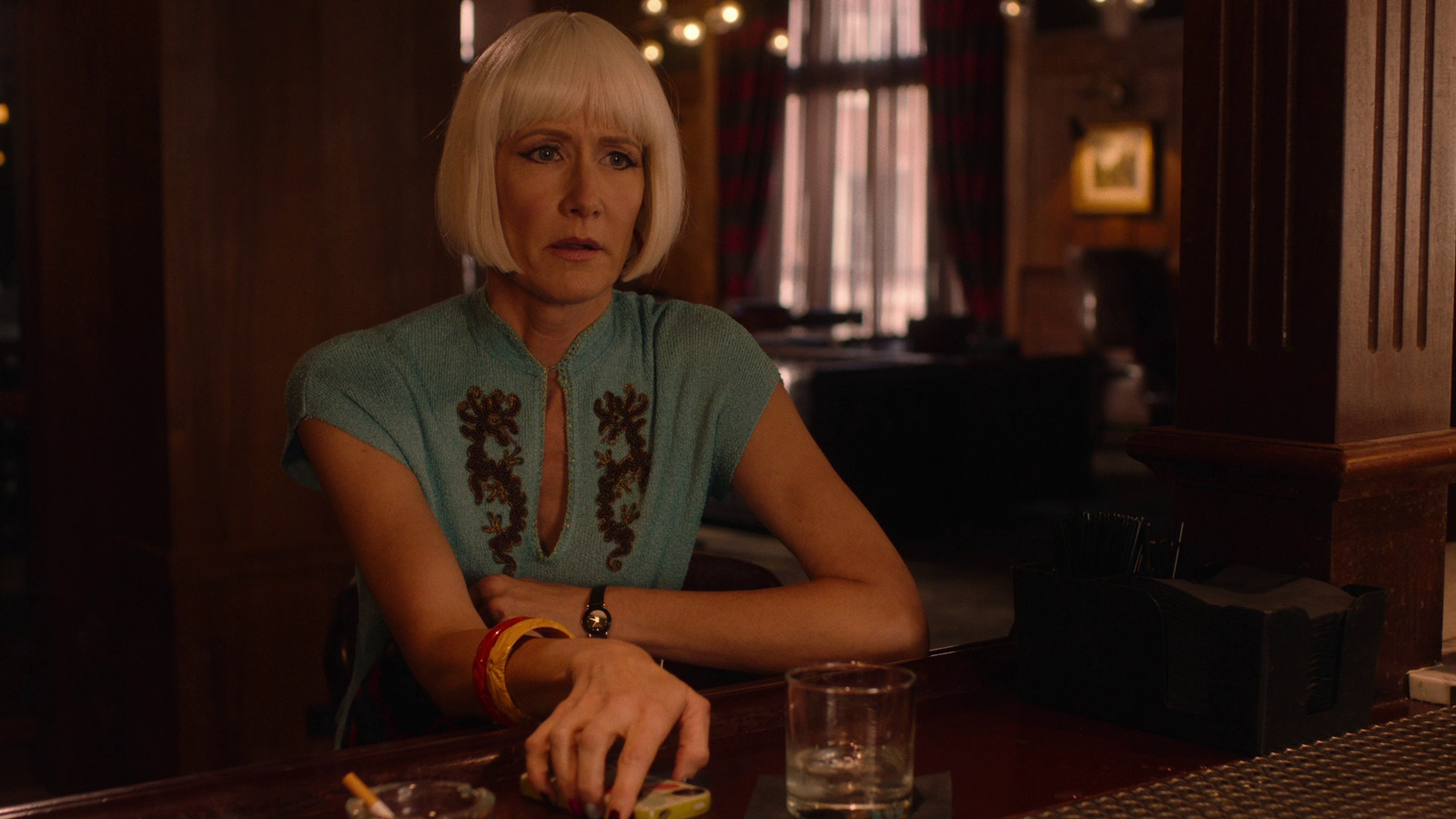
Diane tells the visit that had remained unsaid
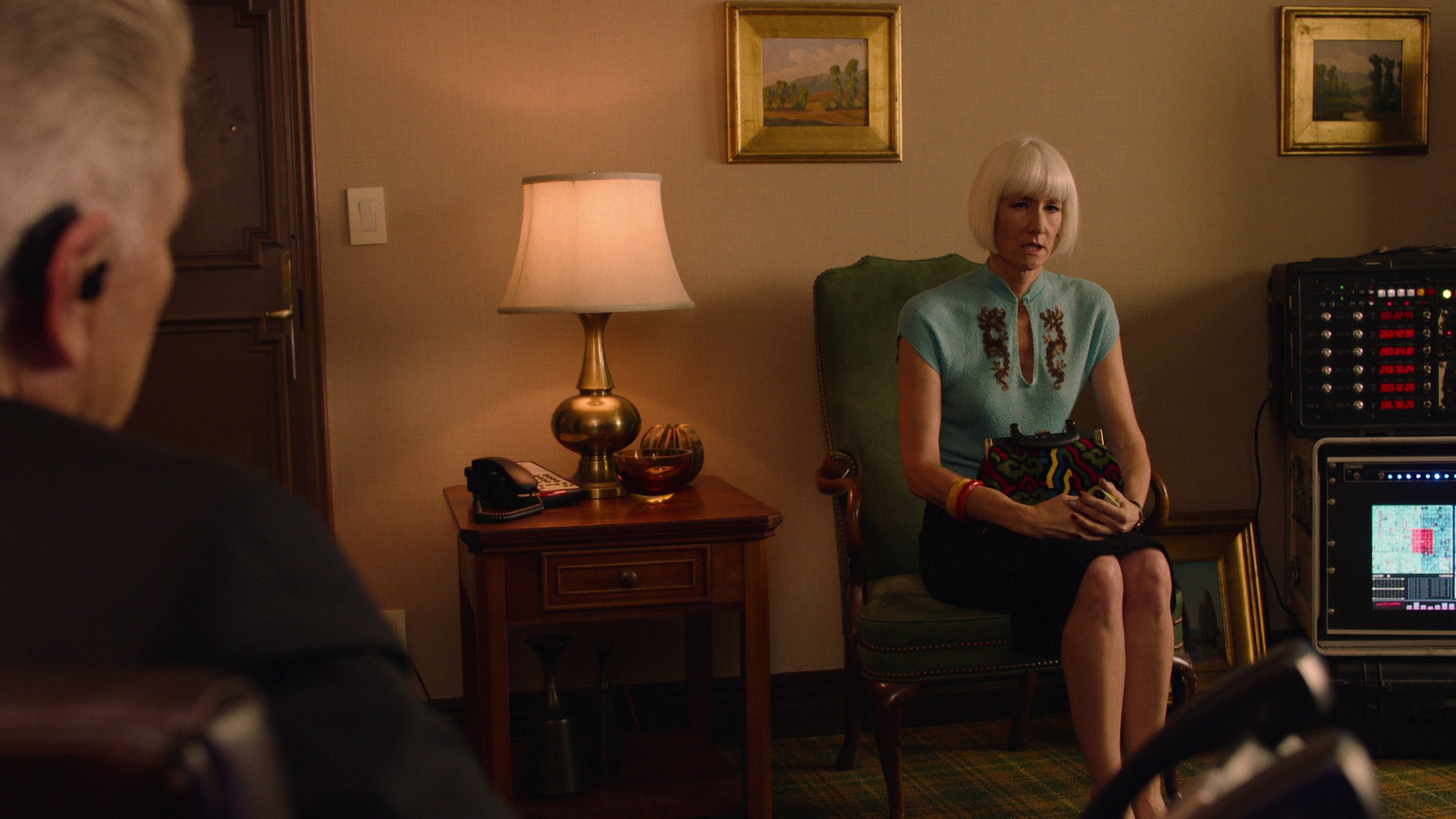
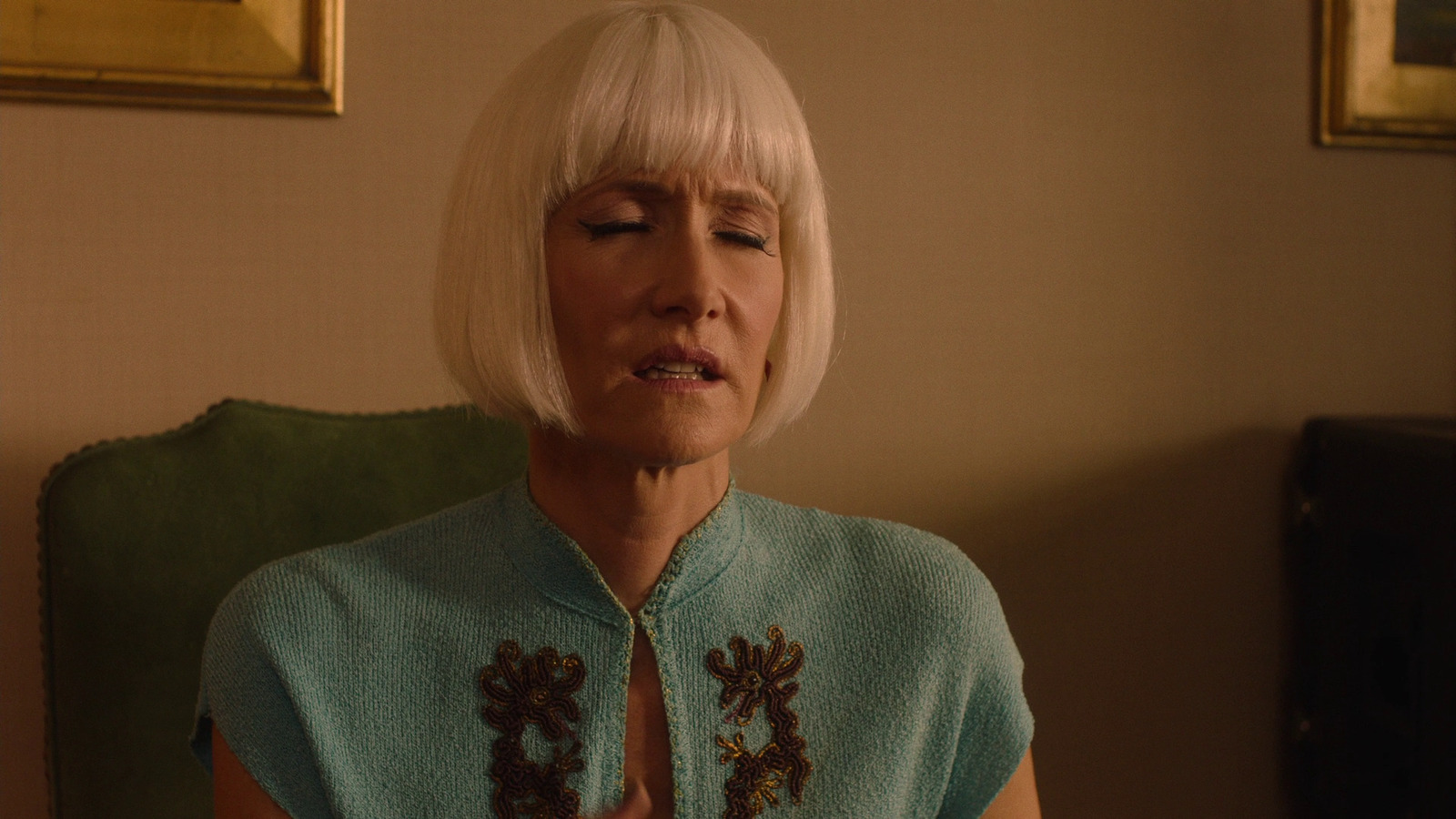
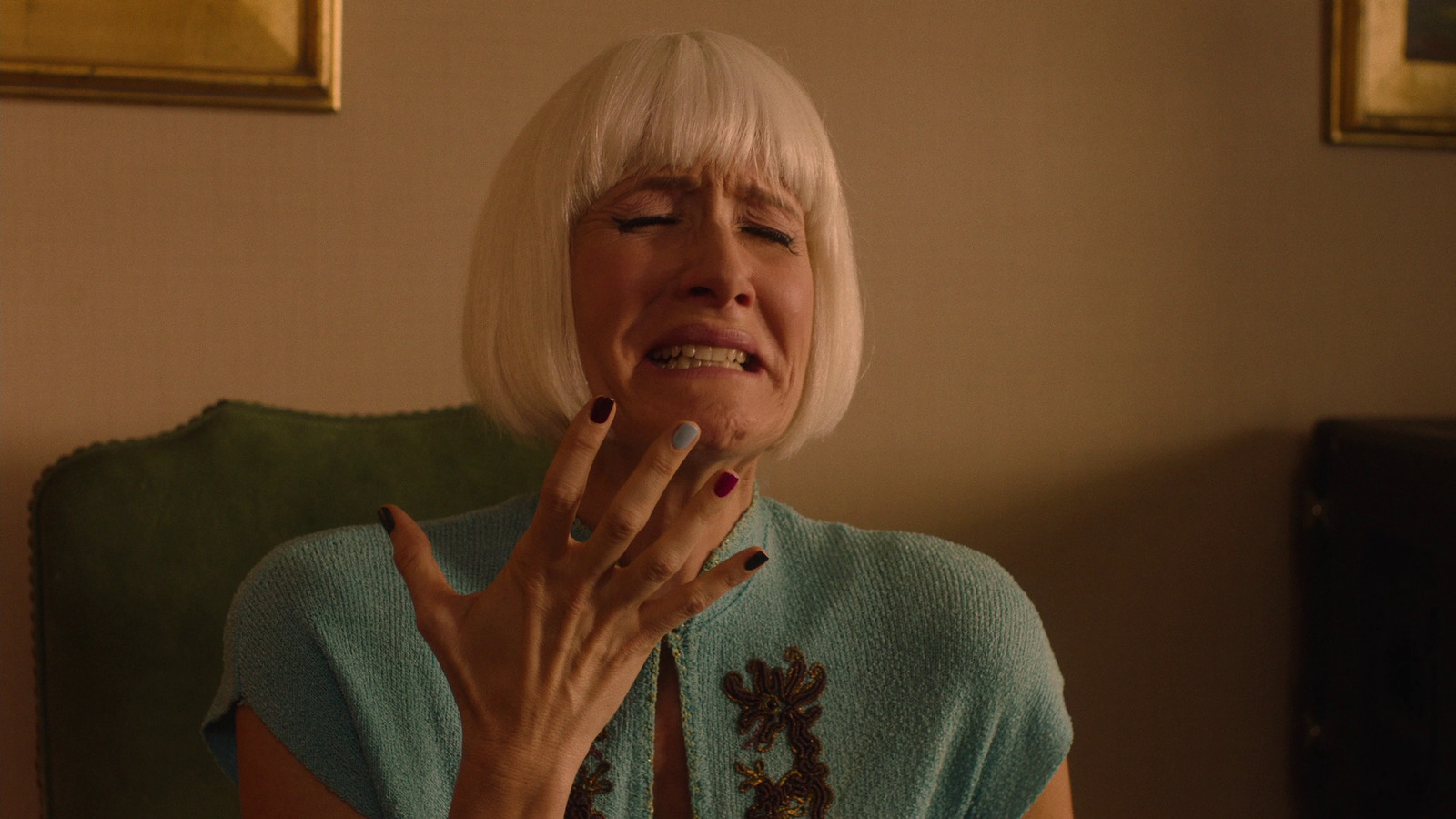
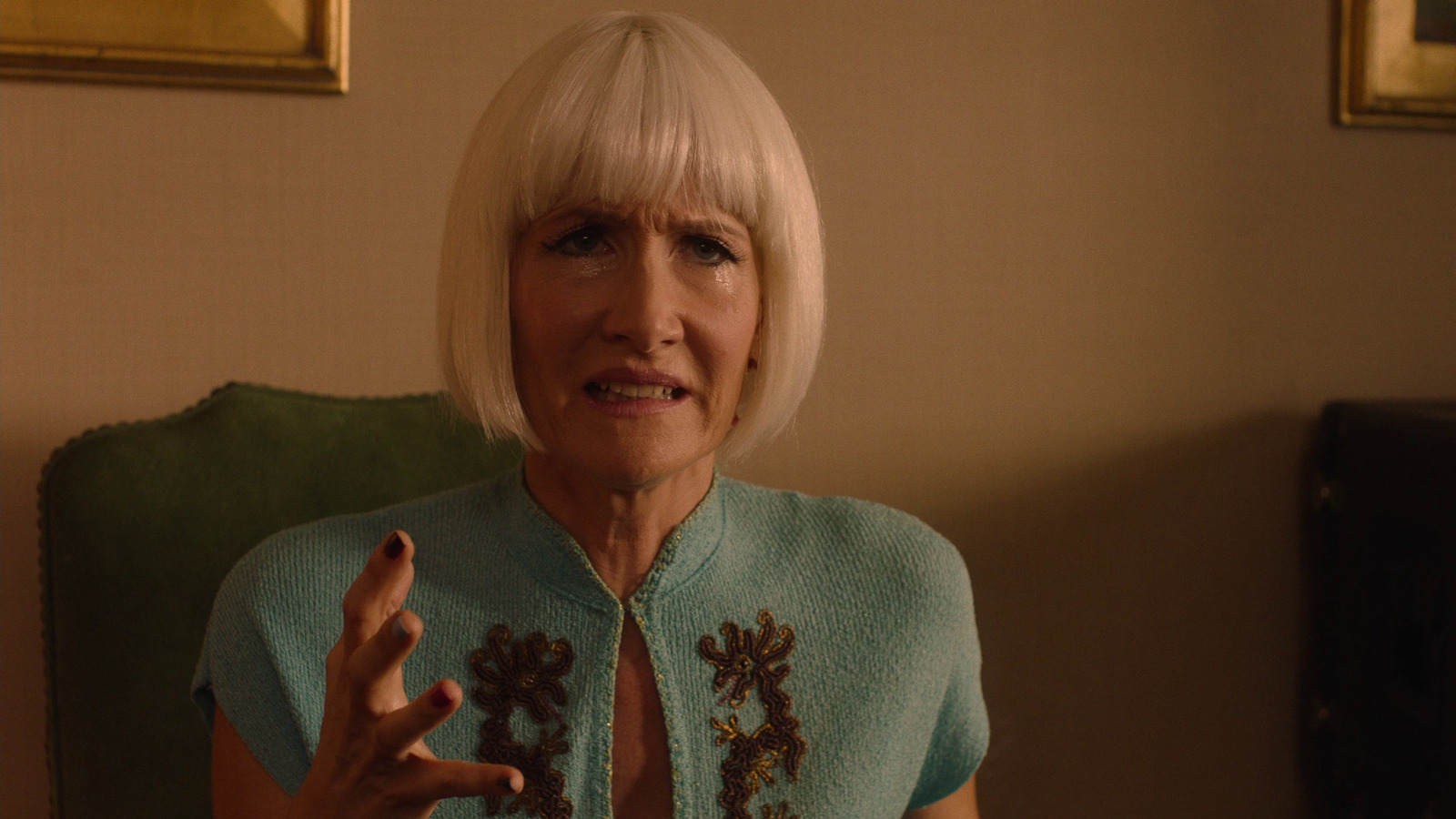
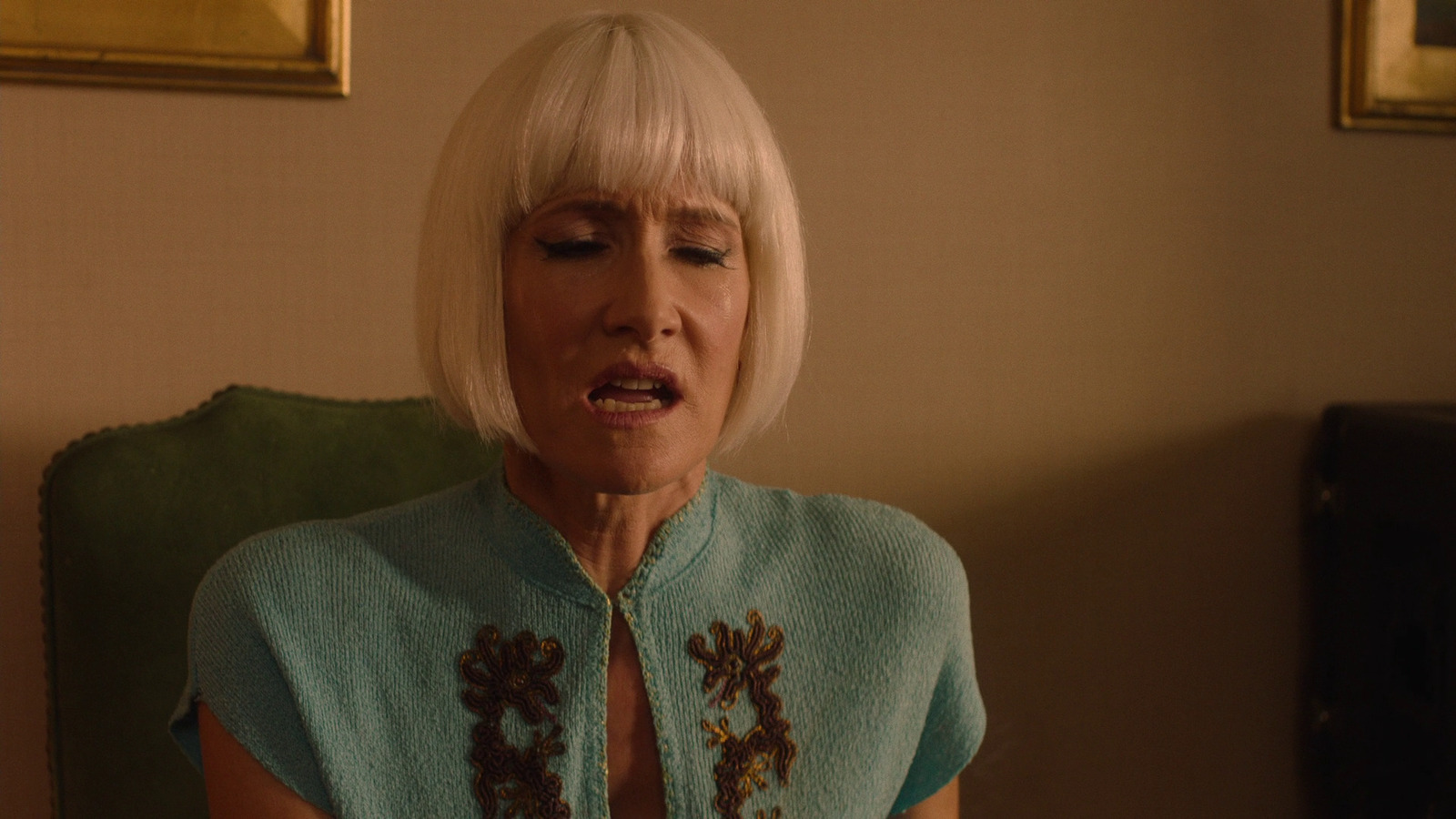
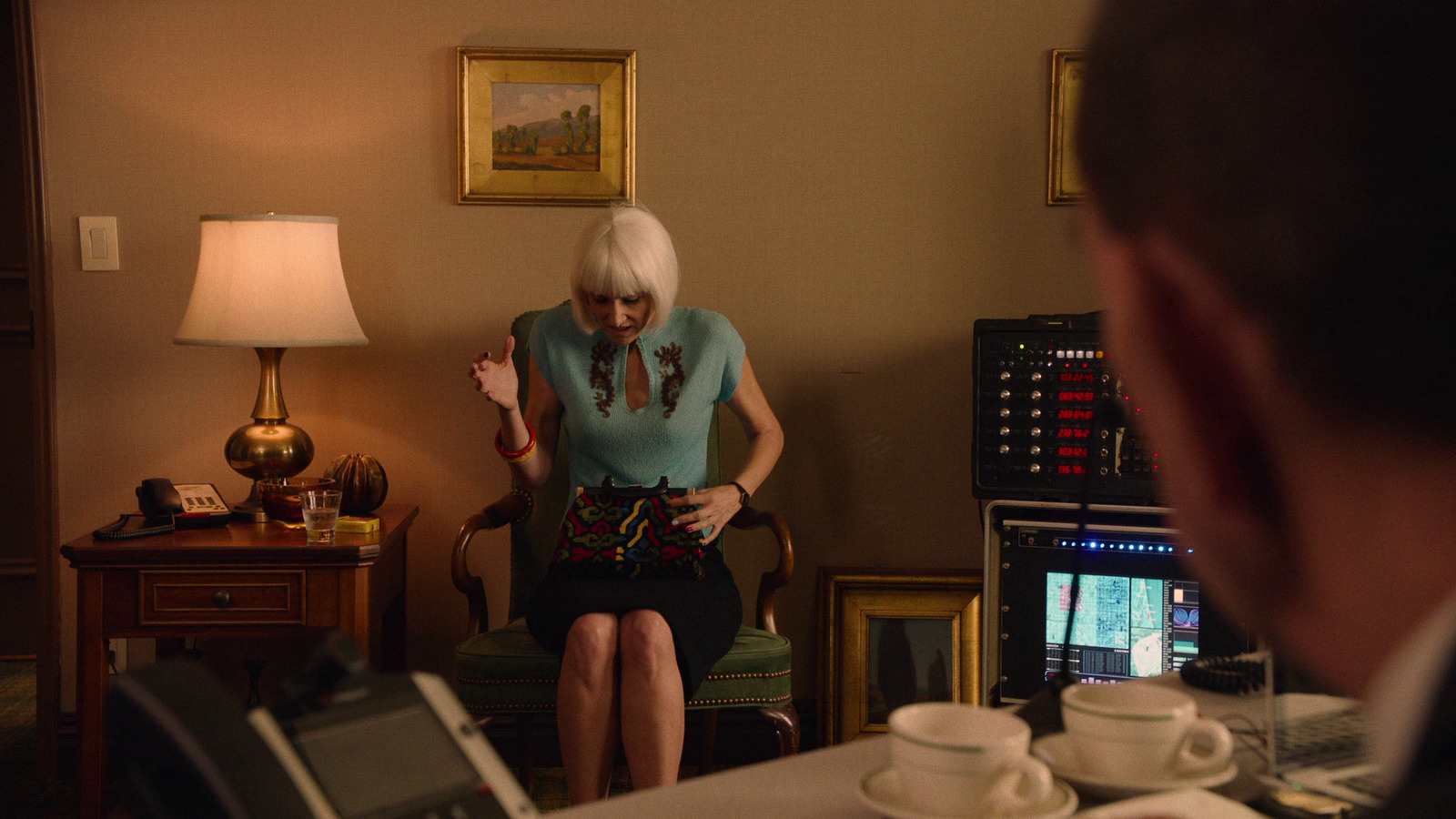
Seated opposite the agents, Diane recounts a visit from the man she believed to be Cooper. The title comes from the absence of a knock or doorbell: the visit begins by violating a boundary before the later assault. Her description moves through happiness at his return, an interrogation disguised as conversation, fear and rape. The camera remains with the telling instead of supplying an illustrative assault scene. Laura Dern’s pauses, broken phrases and hand movements make speech an effort rather than a delivery system for clues. Her statements about the sheriff’s station and not being herself complicate identity without making the account of harm disposable.
Open the scene sequence · 5 frames
The listener’s room becomes a confrontation
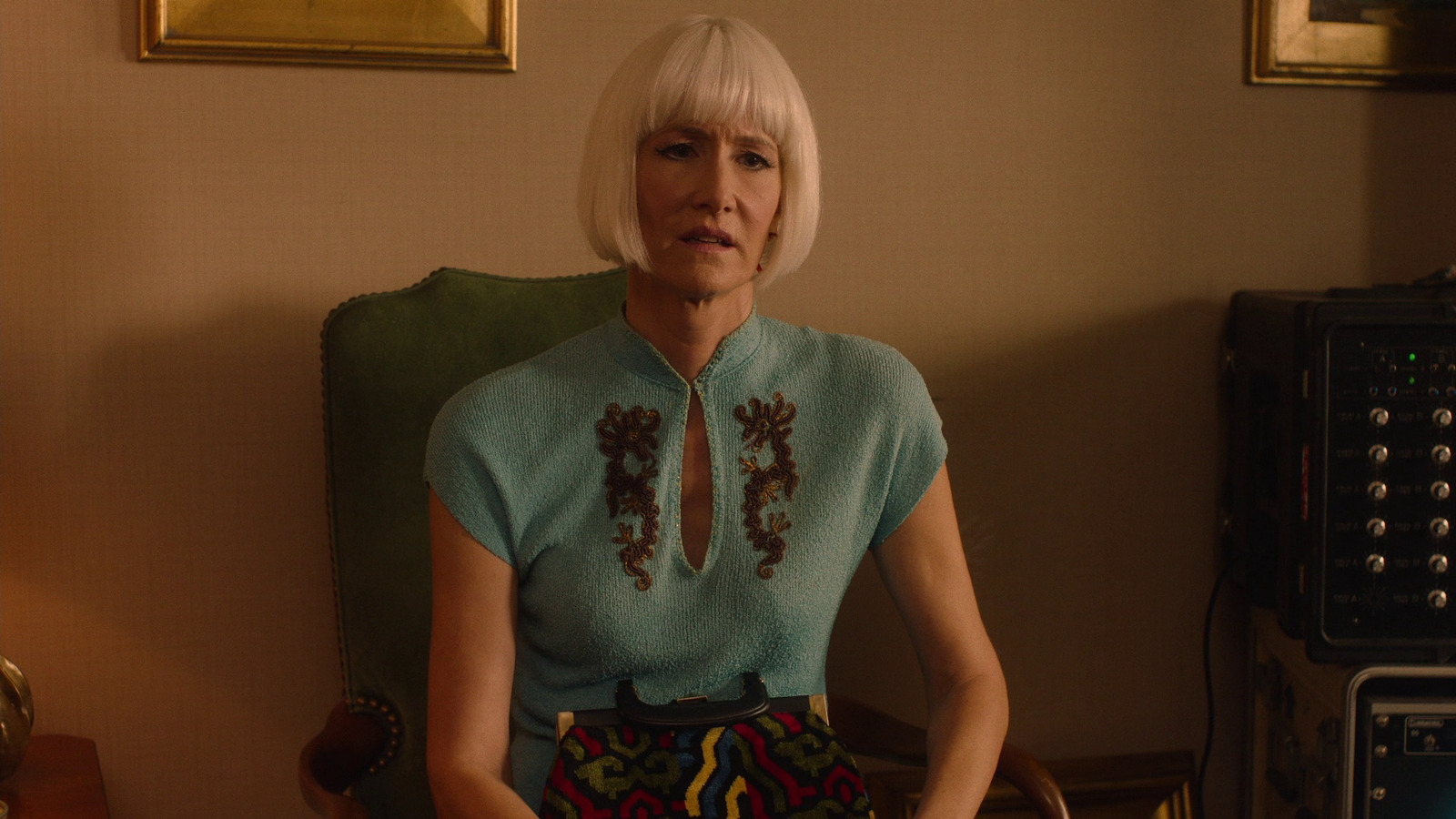
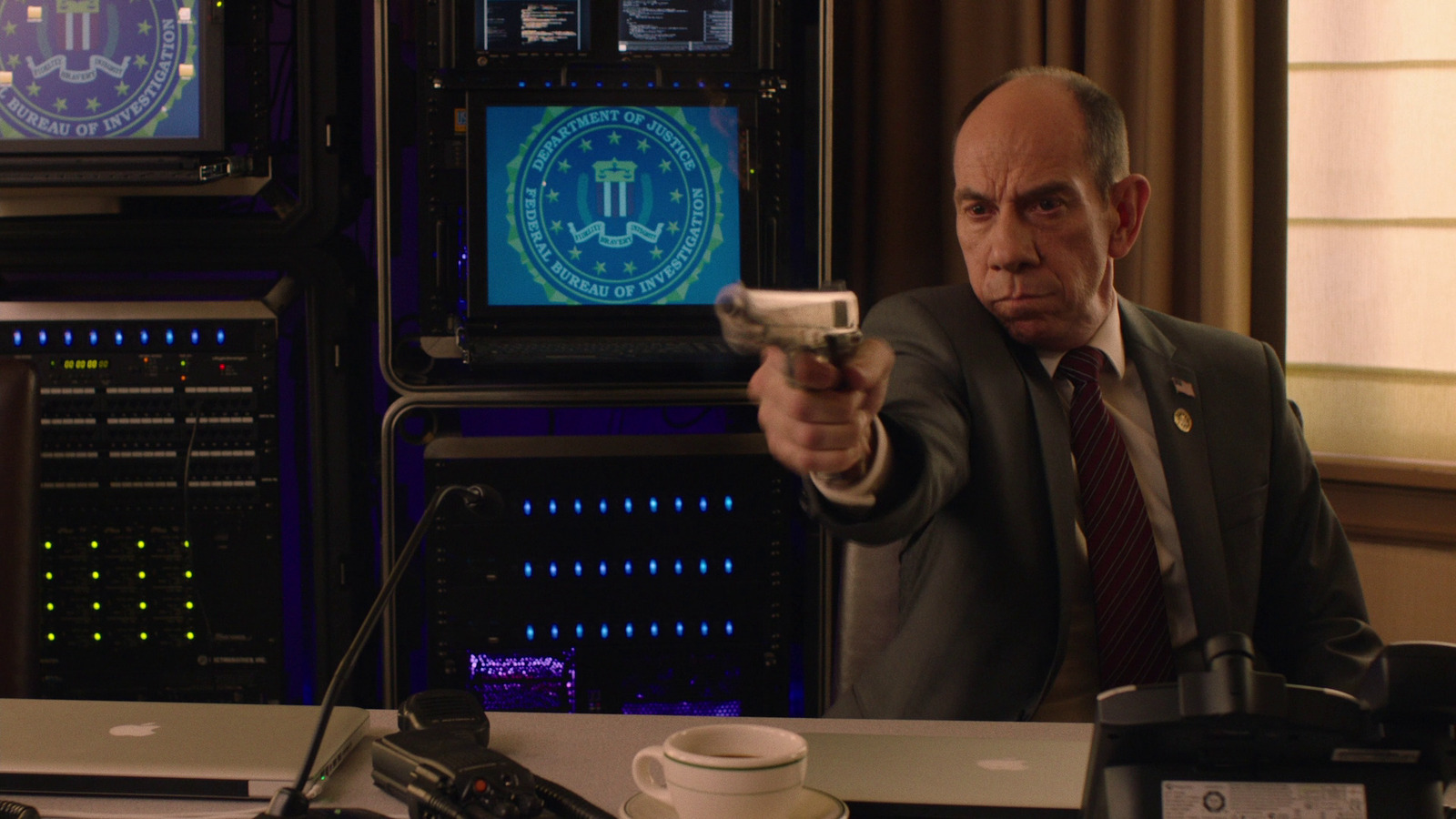
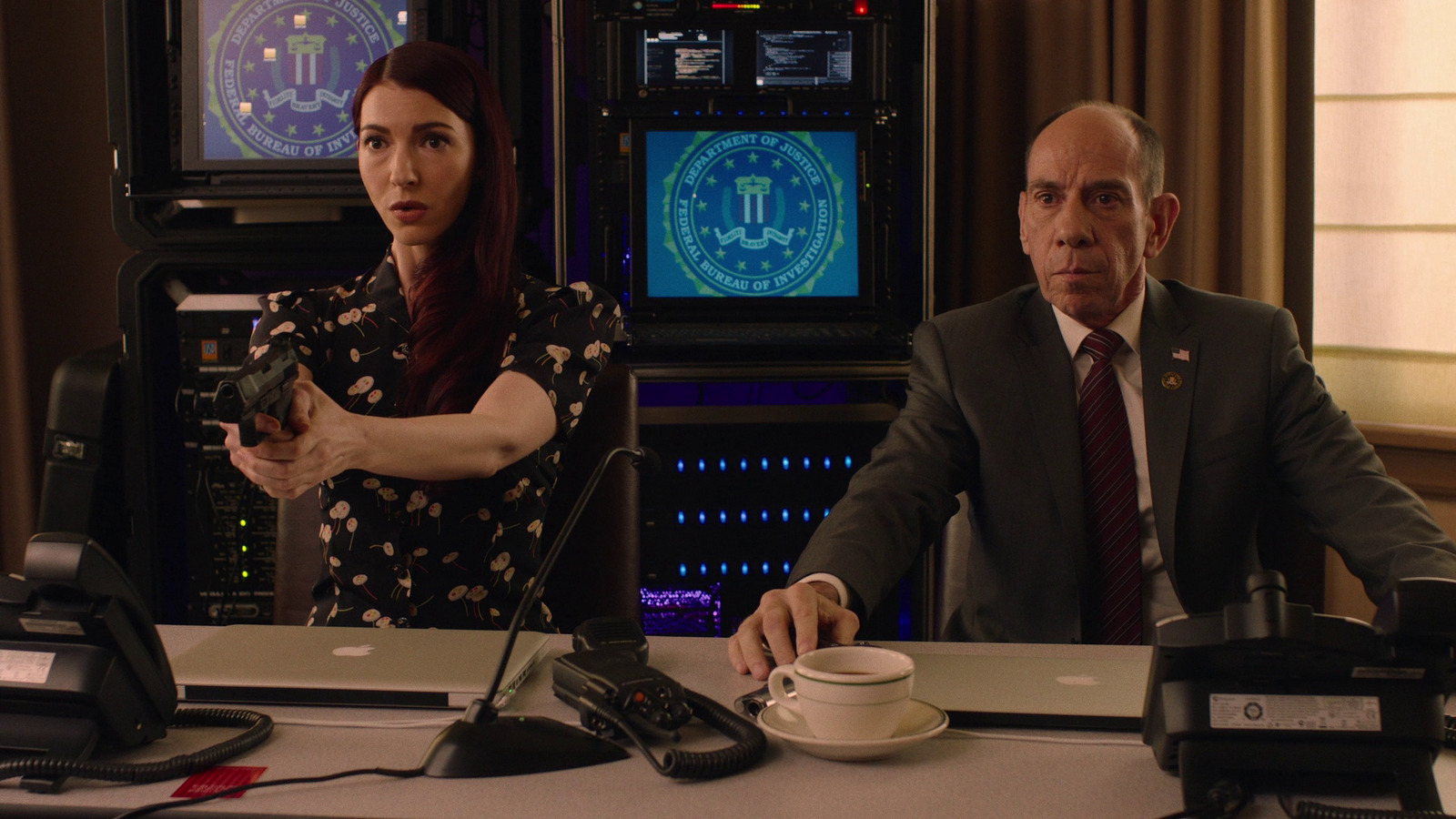
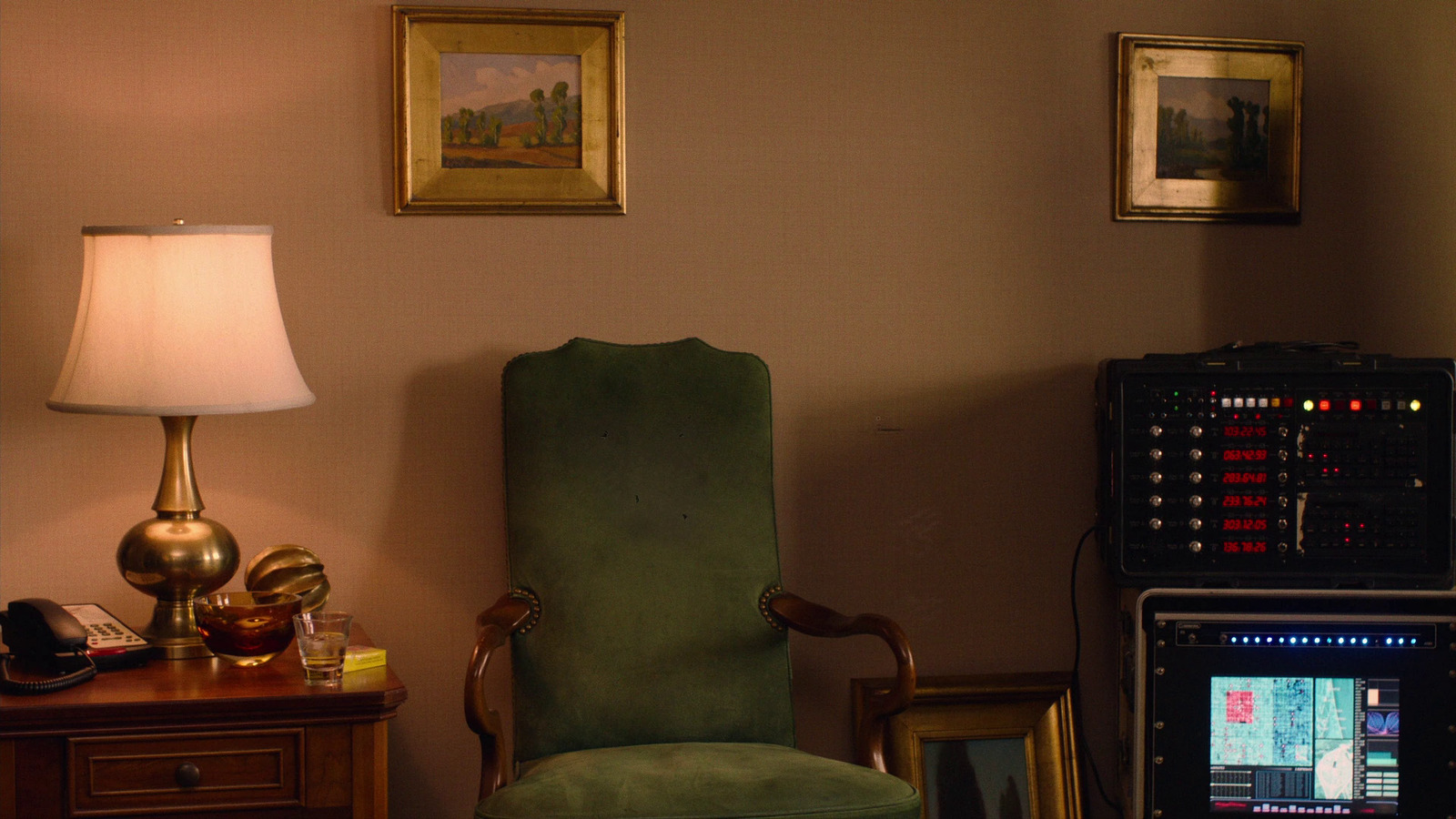
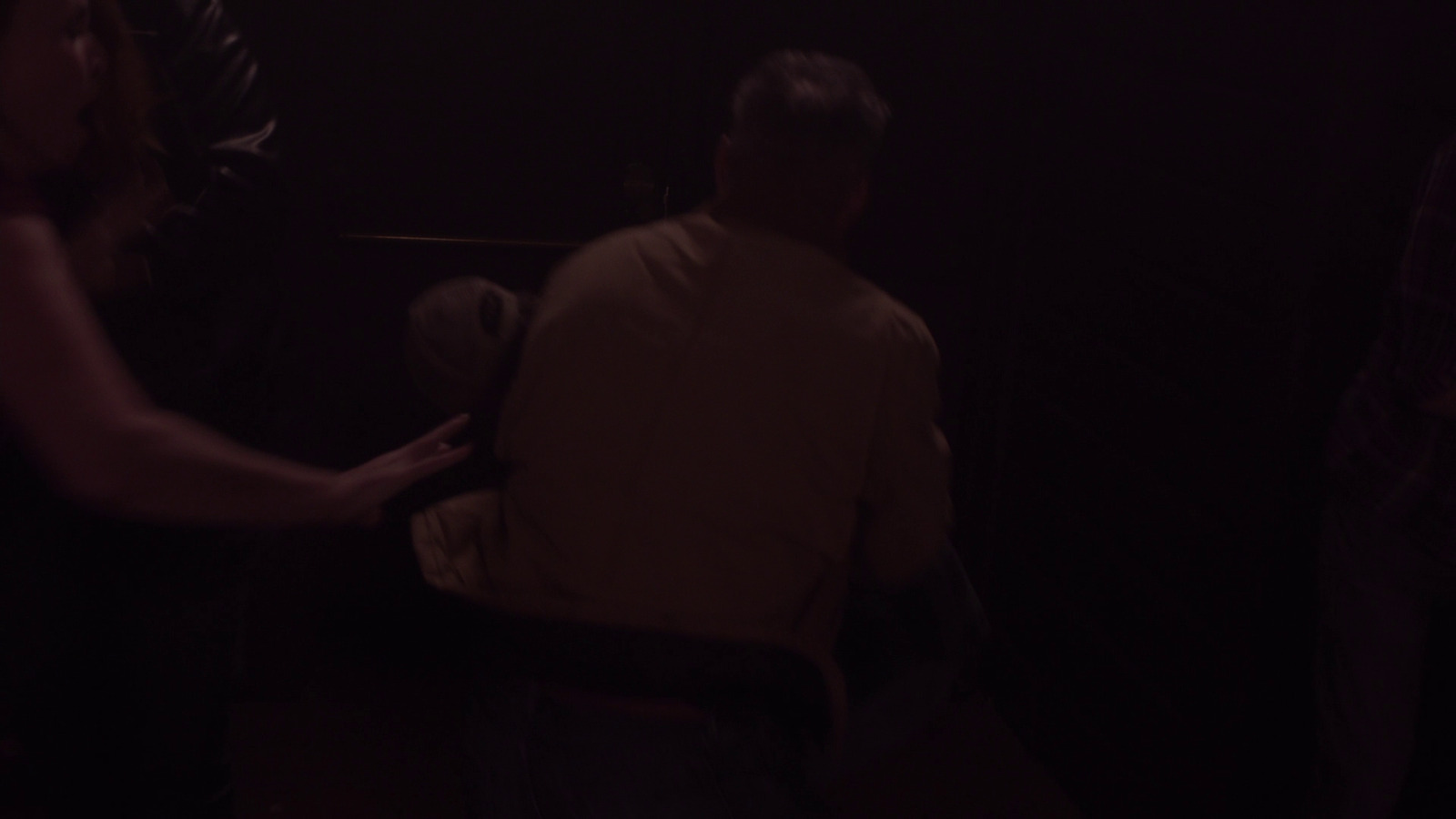
Diane reaches for a gun; Albert and Tammy respond, and she disappears from the chair. The room’s equipment, cups and furniture remain, emphasizing the absence where a person had been. The agents identify what they have encountered as a tulpa. This is a new observation within their investigation, linked to the lesson in Part 14. It should not flatten the preceding scene into a mere trick. The episode has deliberately made a manufactured identity carry anguish, memory and a struggle to speak.
Open the scene sequence · 3 frames
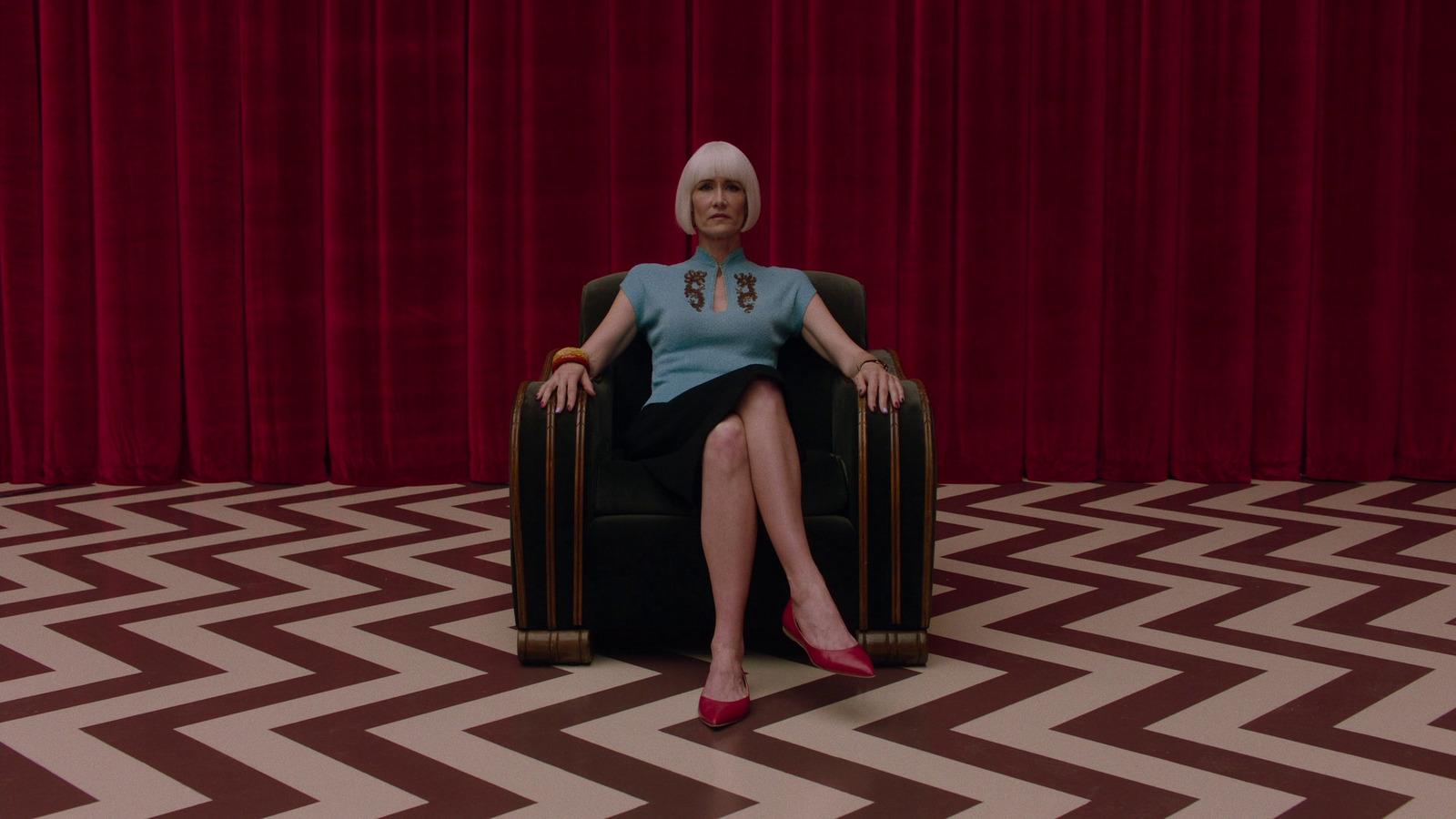
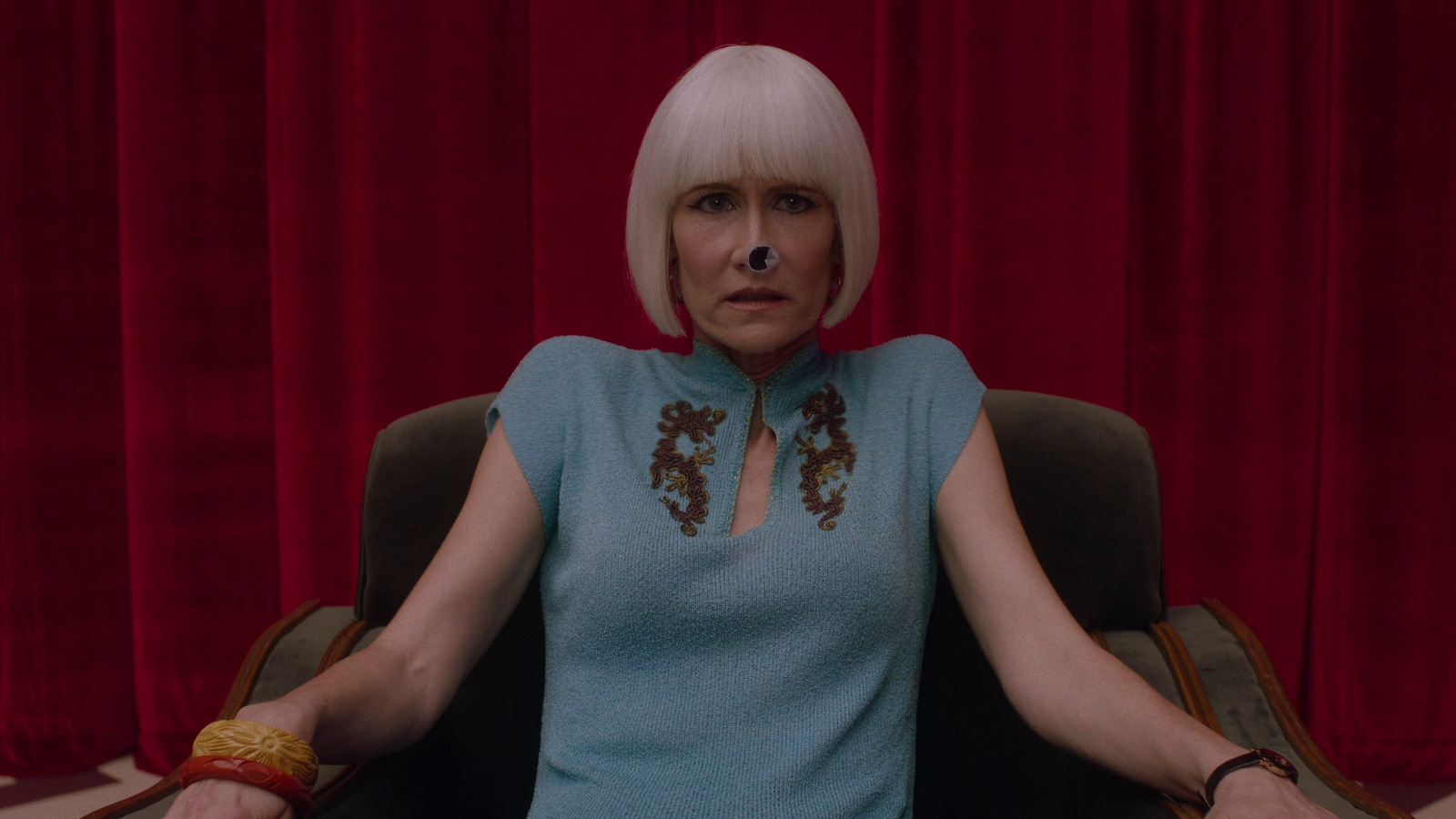
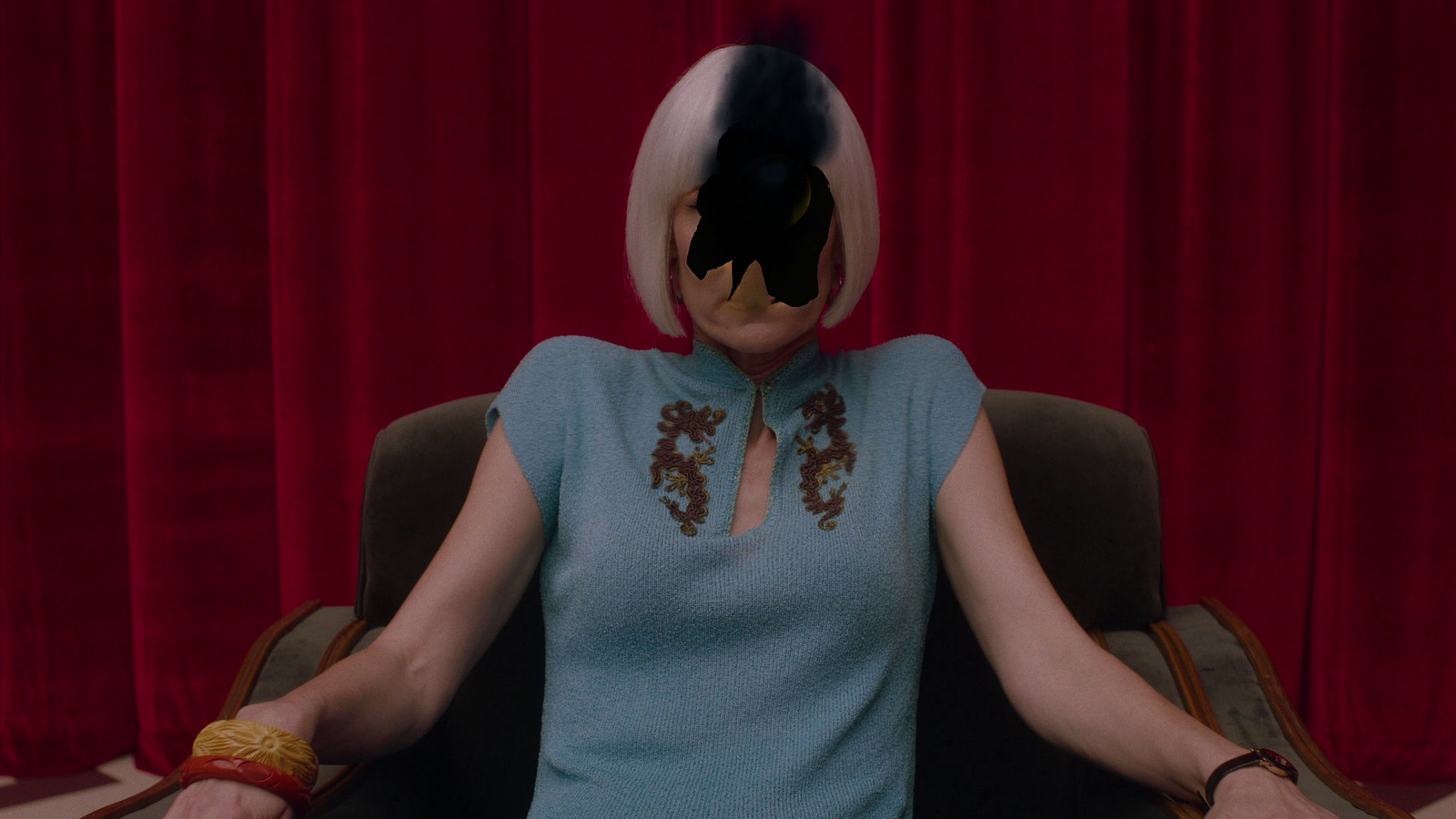
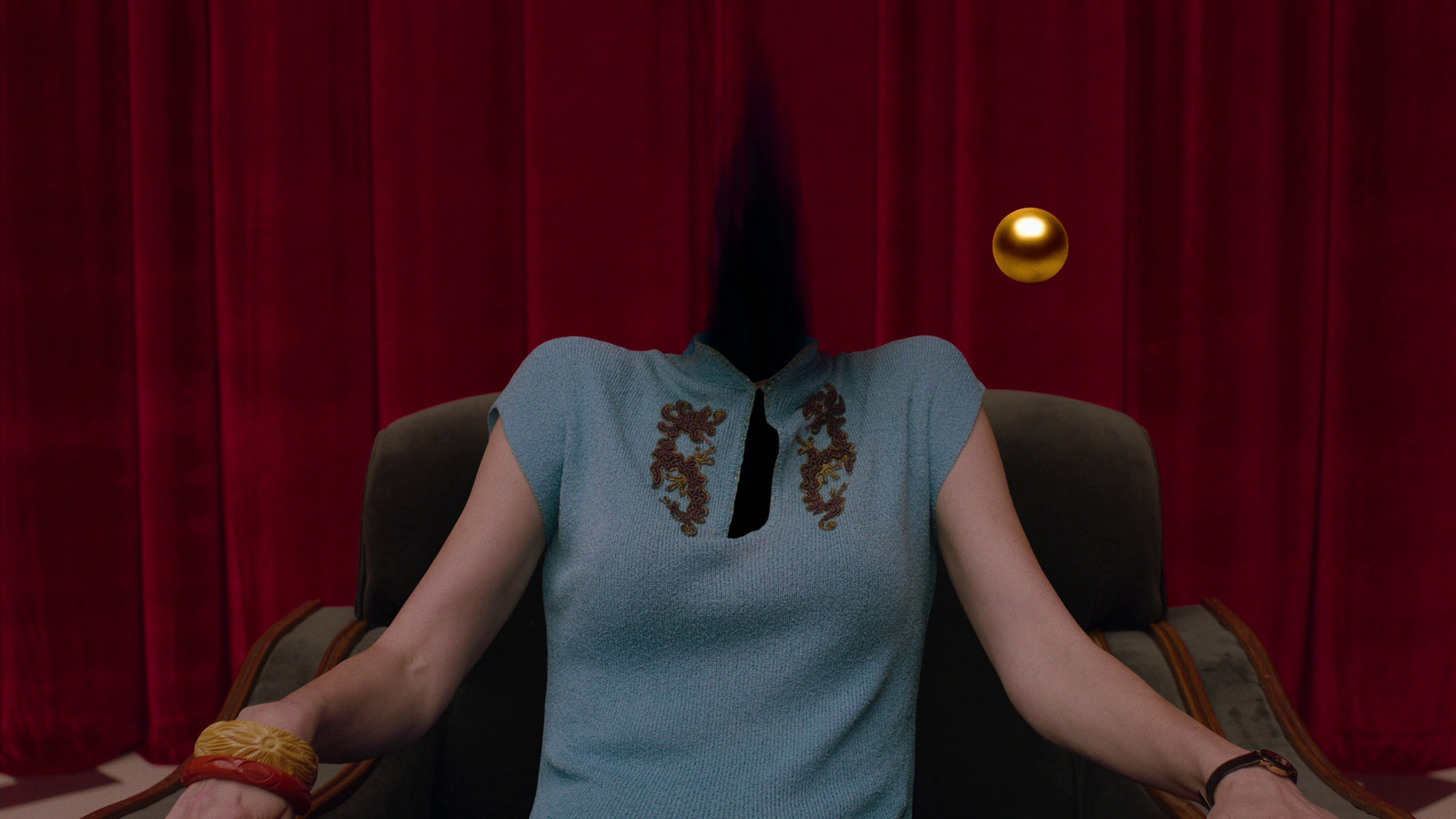
A seated form loses its integrity
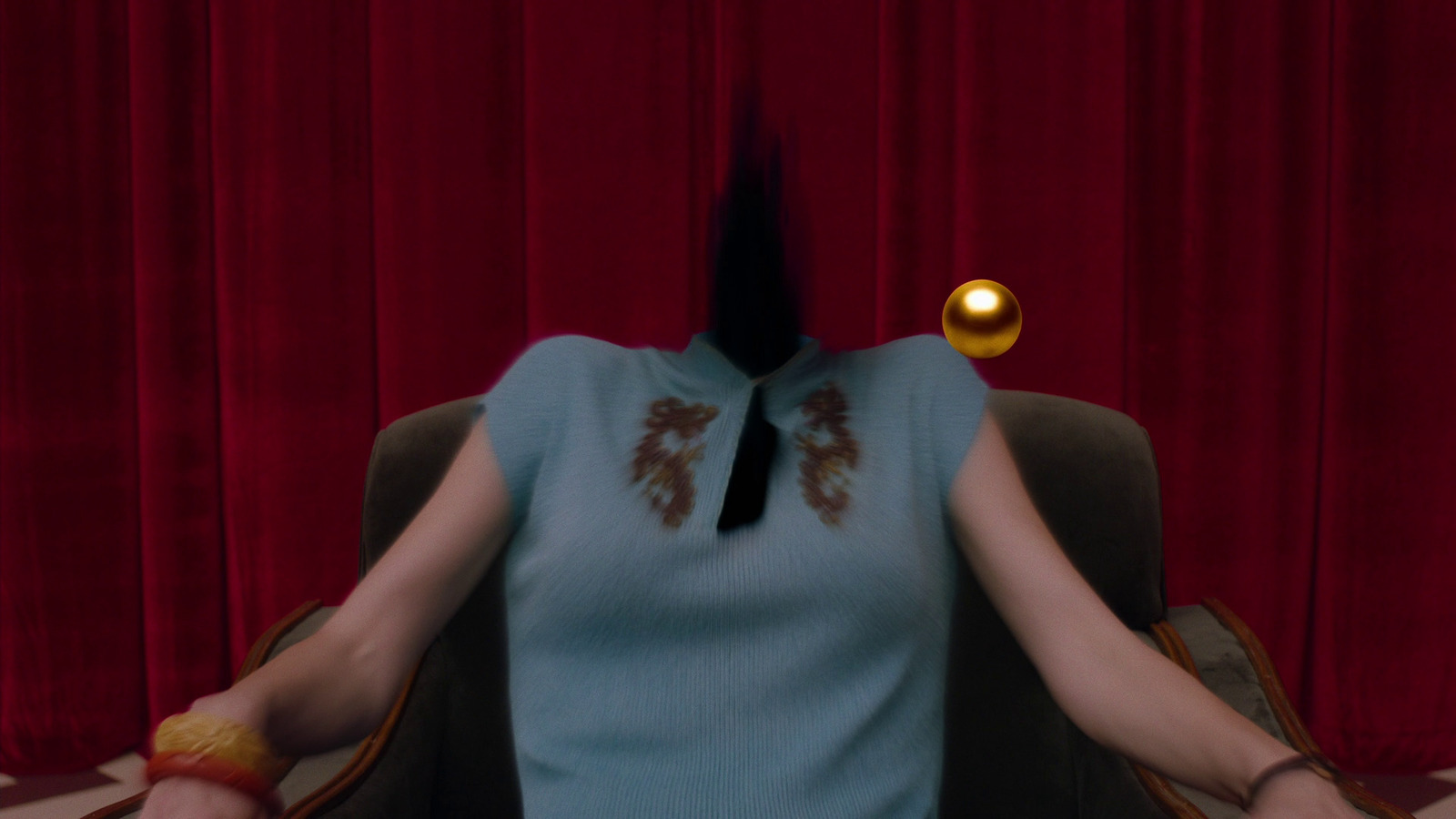
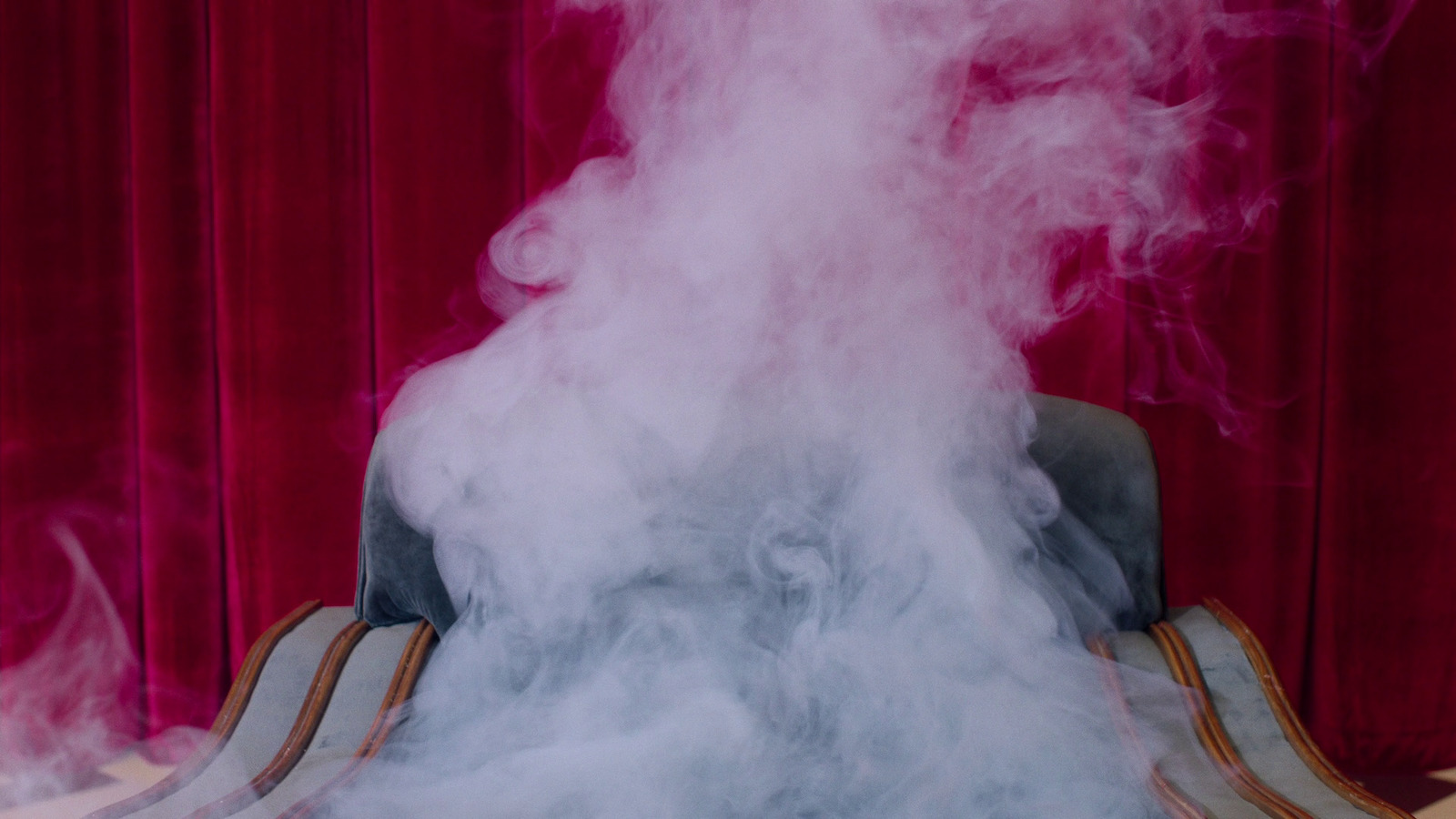
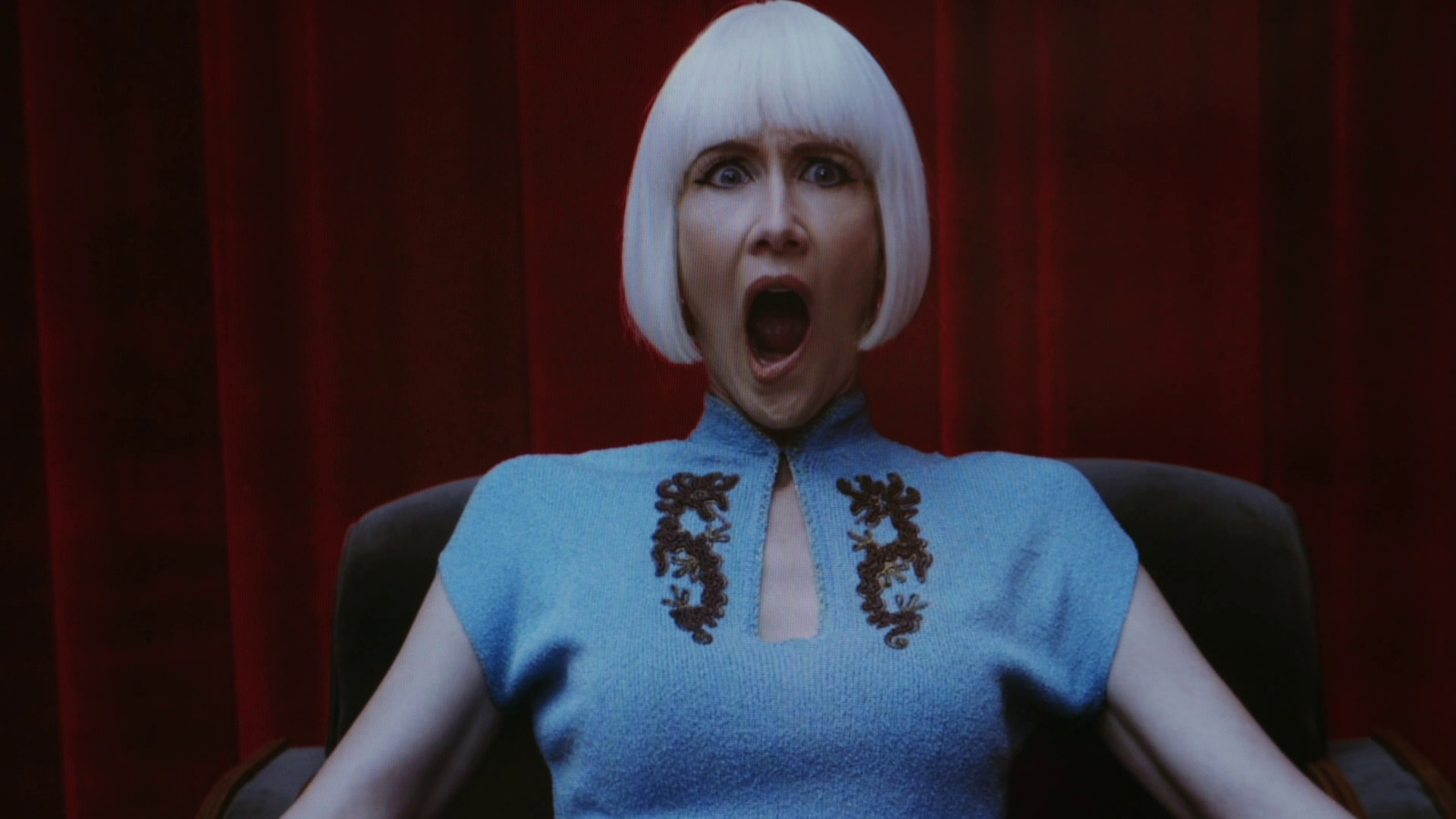
Diane appears in the red room, where Gerard tells her that someone manufactured her. Her reply preserves defiance before the face distorts, opens and disappears. A gold sphere, dark extension, emptying body and smoke turn the person-shaped figure into a succession of unstable components. The visible resemblance to the earlier manufactured Dougie’s dissolution invites comparison with Part 3. It does not authorize assigning every effect to the same technique or artist. The gallery records the transformation as it appears on screen.
Open the scene sequence · 5 frames
The restored agent must answer the family
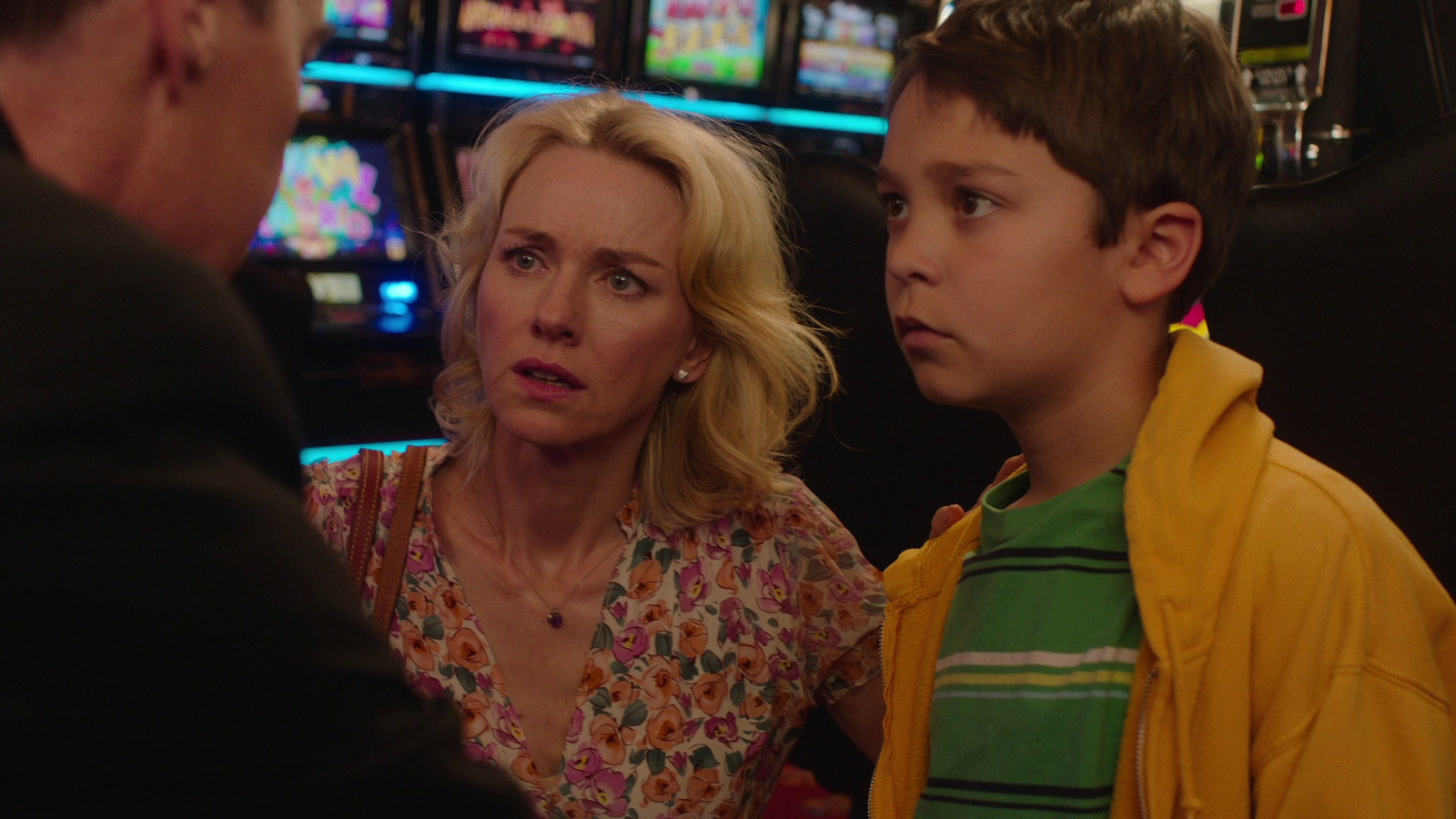
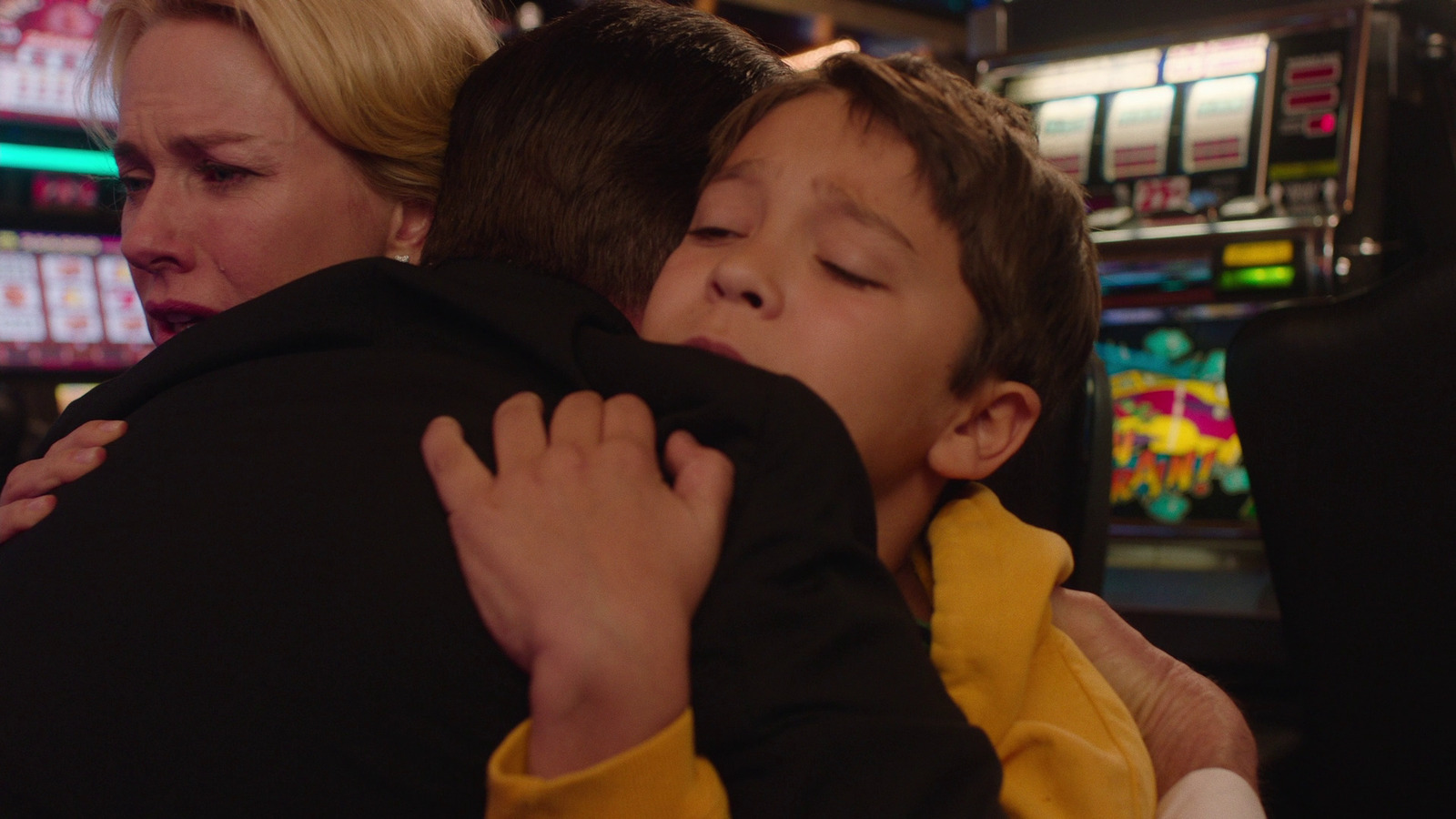
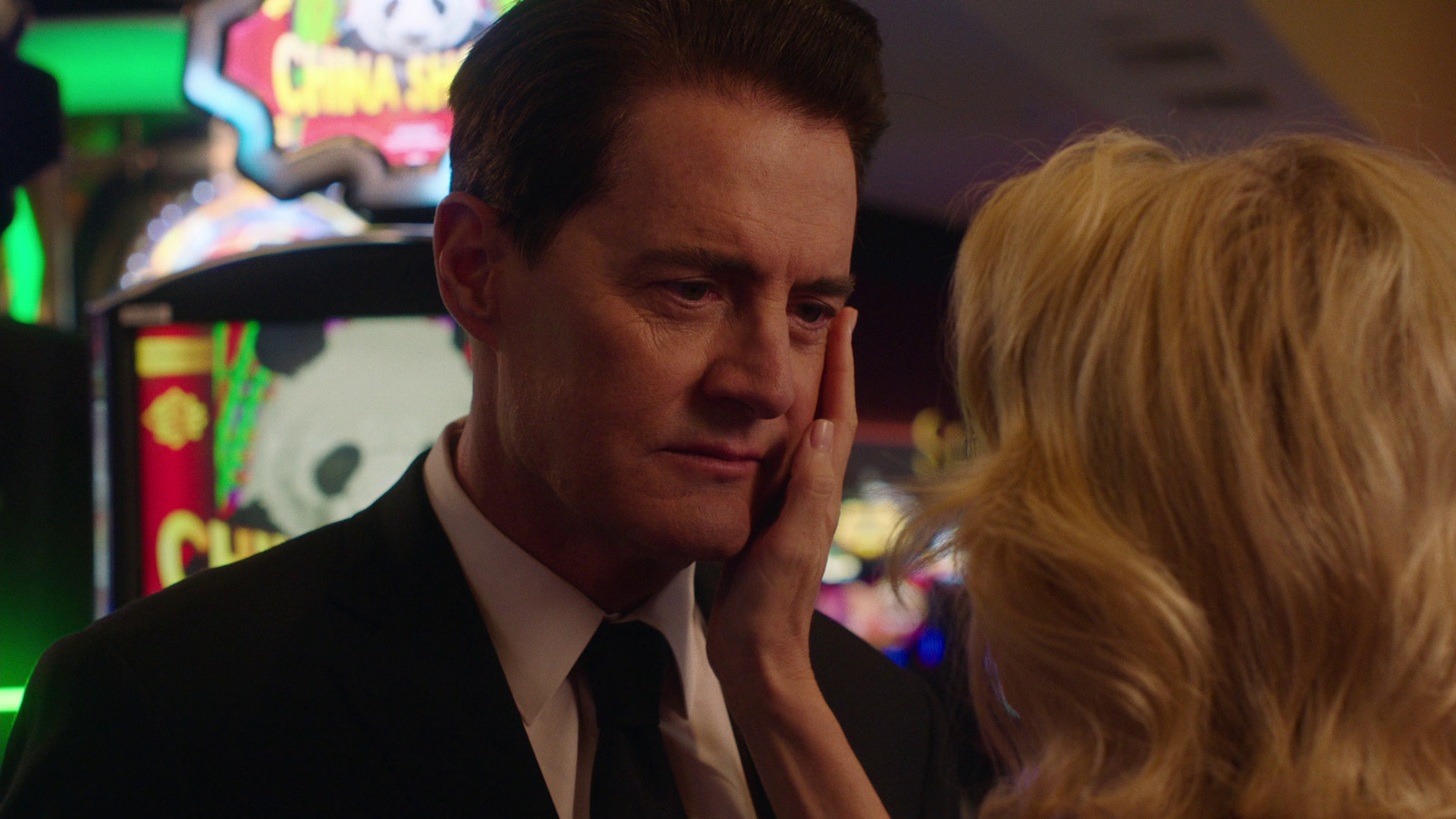
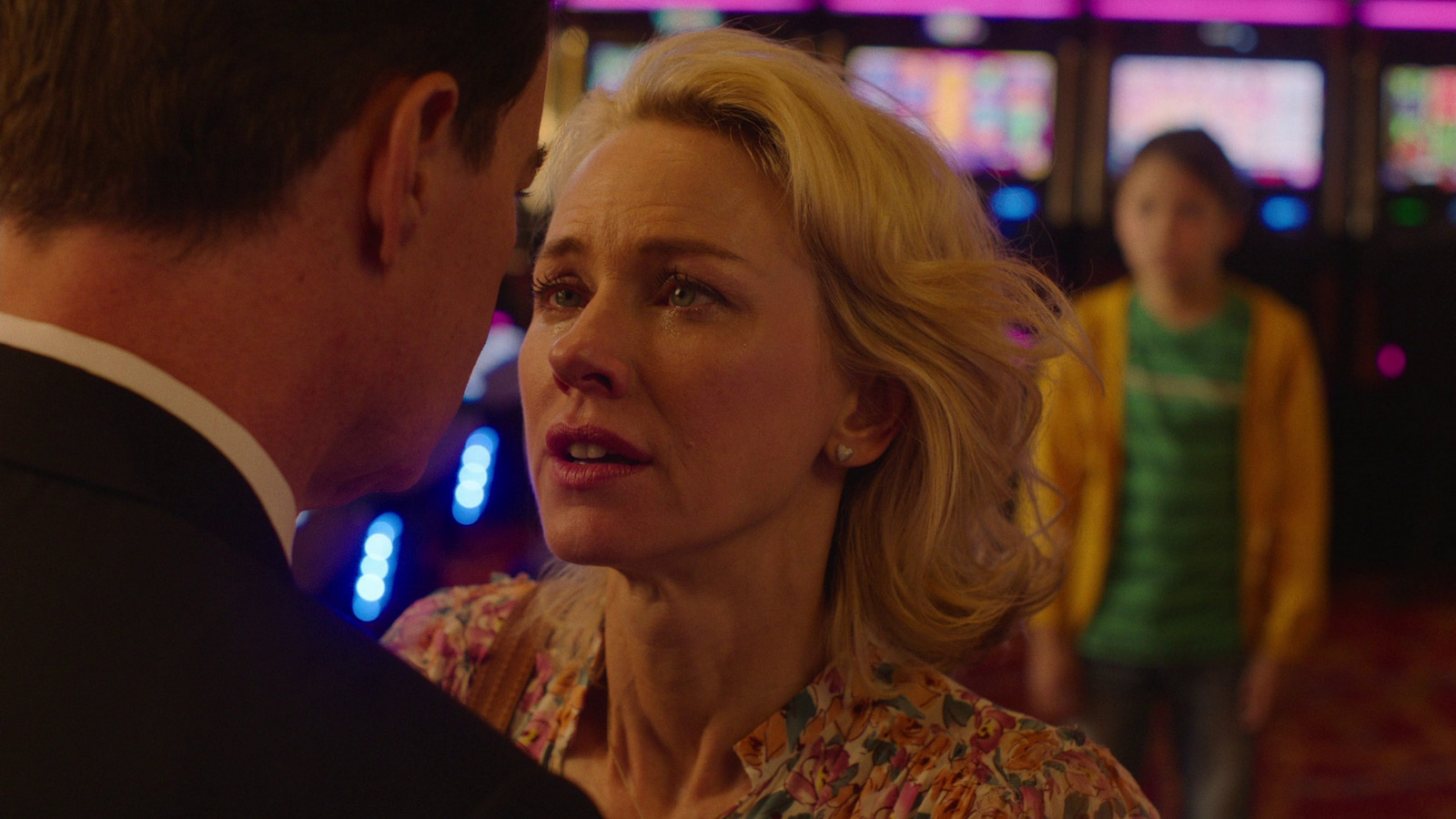
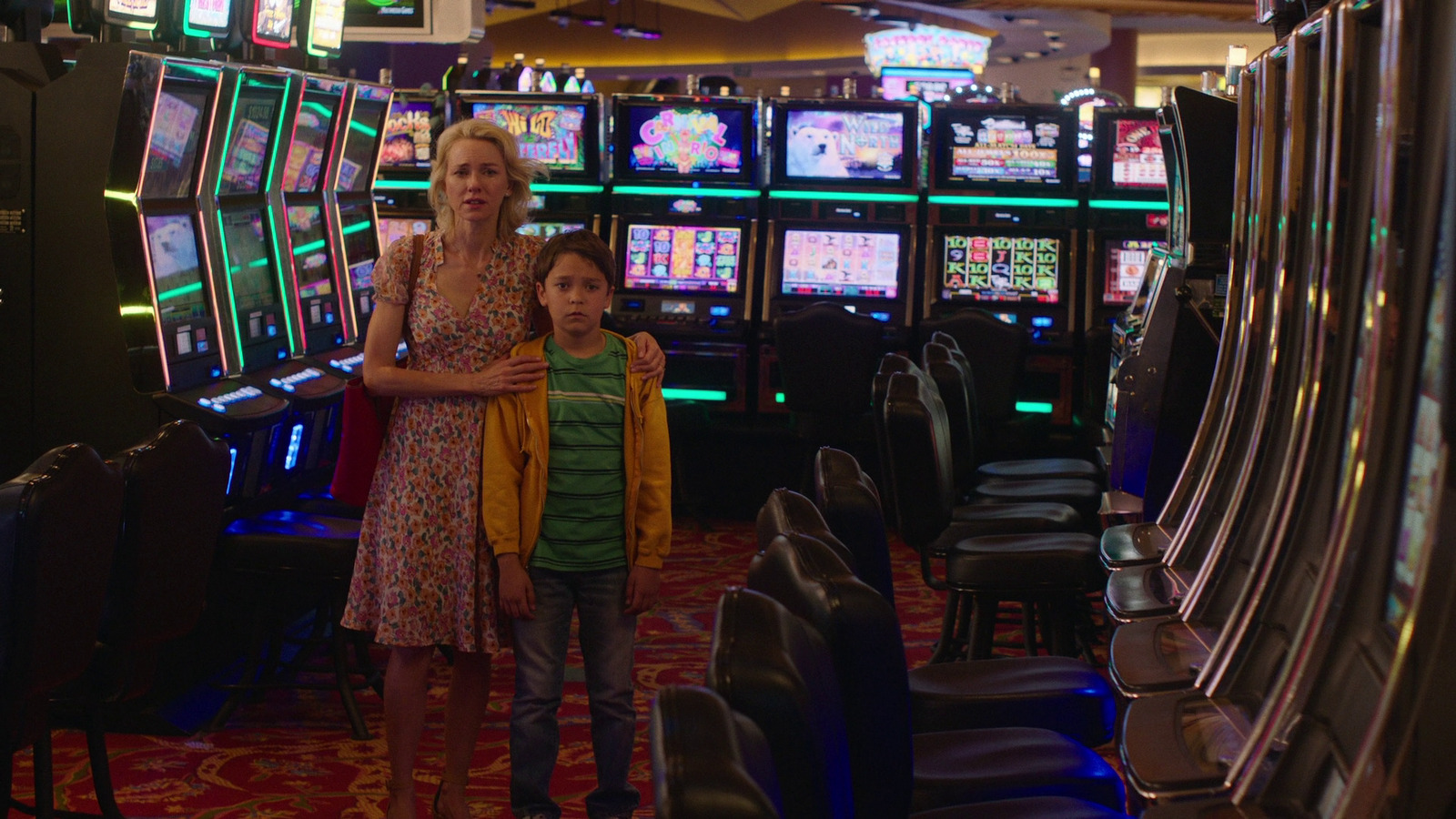
At the casino, Cooper takes Janey-E and Sonny Jim aside. His assurance and purpose now produce distress: he must leave, and Janey-E recognizes that he is not Dougie. Sonny Jim’s insistence that he is his father receives an affectionate answer rather than a lecture on identity. Cooper promises a return through the red door. The episode leaves that promise in the future, while Janey-E’s kiss and thanks acknowledge what their life together has meant. The slot machines continue around a private farewell, making the family’s uncertainty part of a public, indifferent space.
Open the scene sequence · 4 frames
A new alliance has to be explained
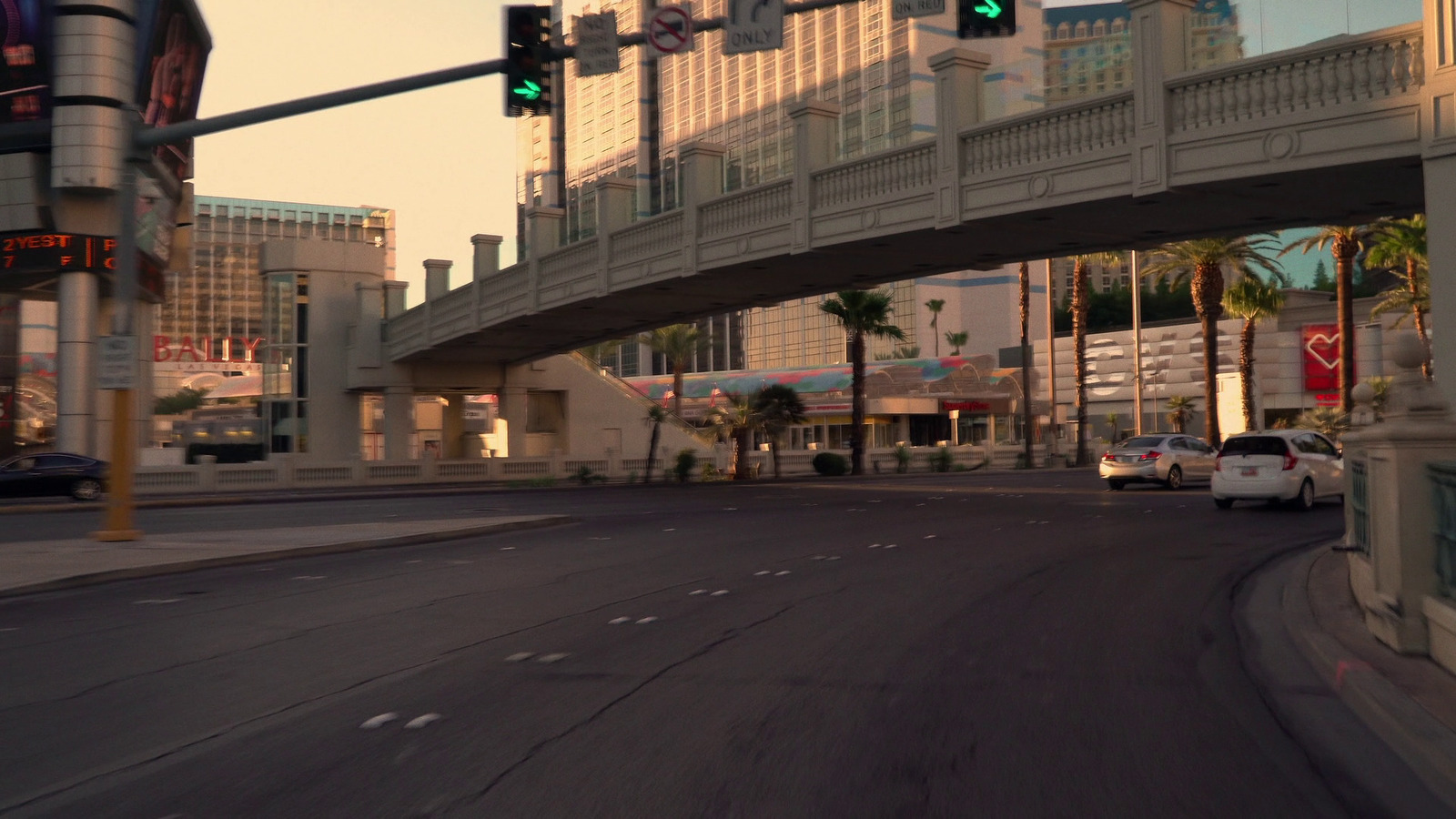
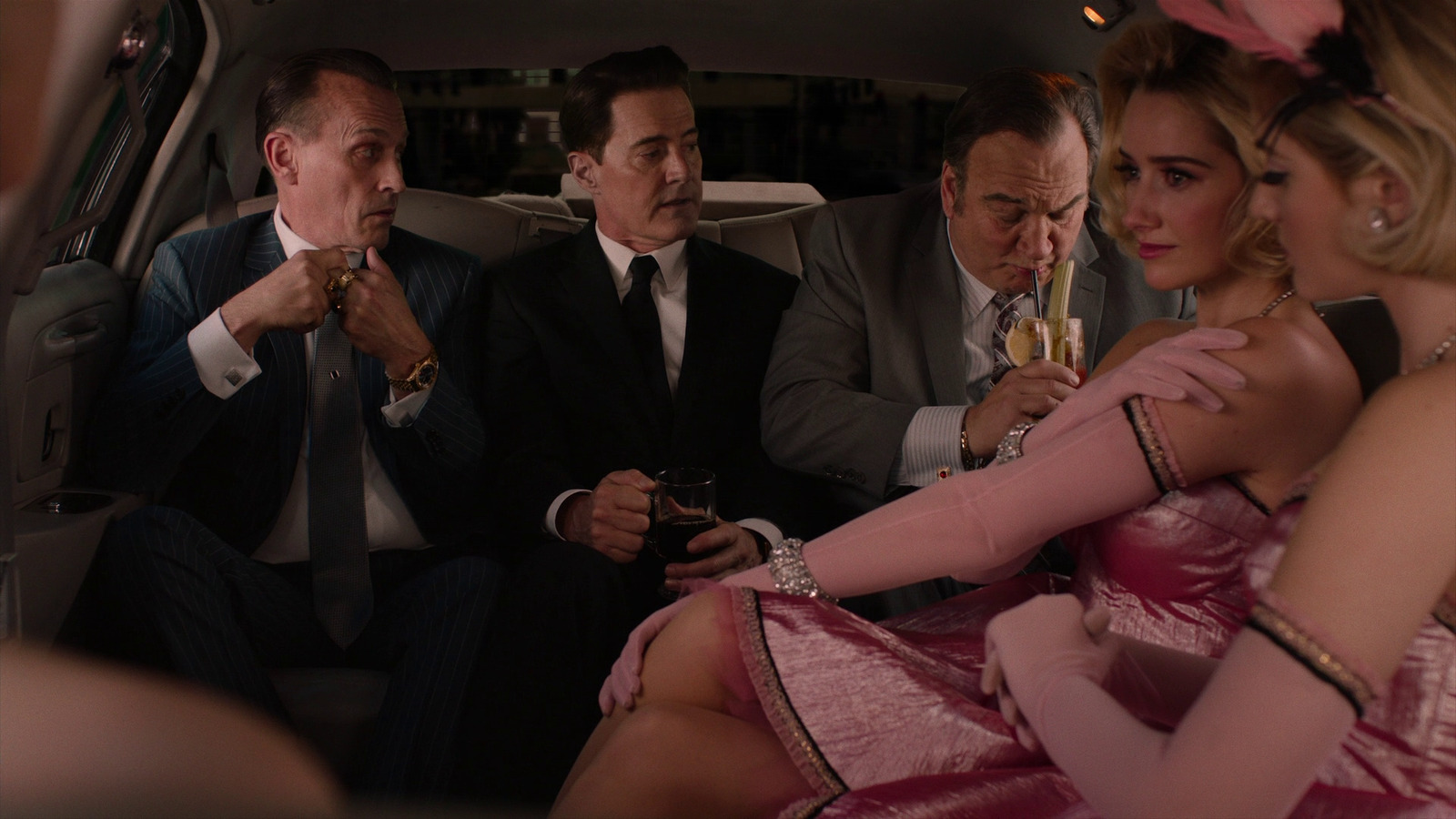
In the limousine, the Mitchums restate the situation in ordinary language: their insurance acquaintance is an FBI agent missing for twenty-five years, now bound for Twin Peaks. Their unease about entering a sheriff’s station is reasonable given their own activities. Cooper responds by testifying to their generosity, and Candie confirms it. The exchange permits an alliance without pretending that everyone has always belonged on the same side of the law. It also lets the Las Vegas group take part in the journey instead of being dropped when Cooper recovers.
Open the scene sequence · 1 frame
A solitary performance makes time audible
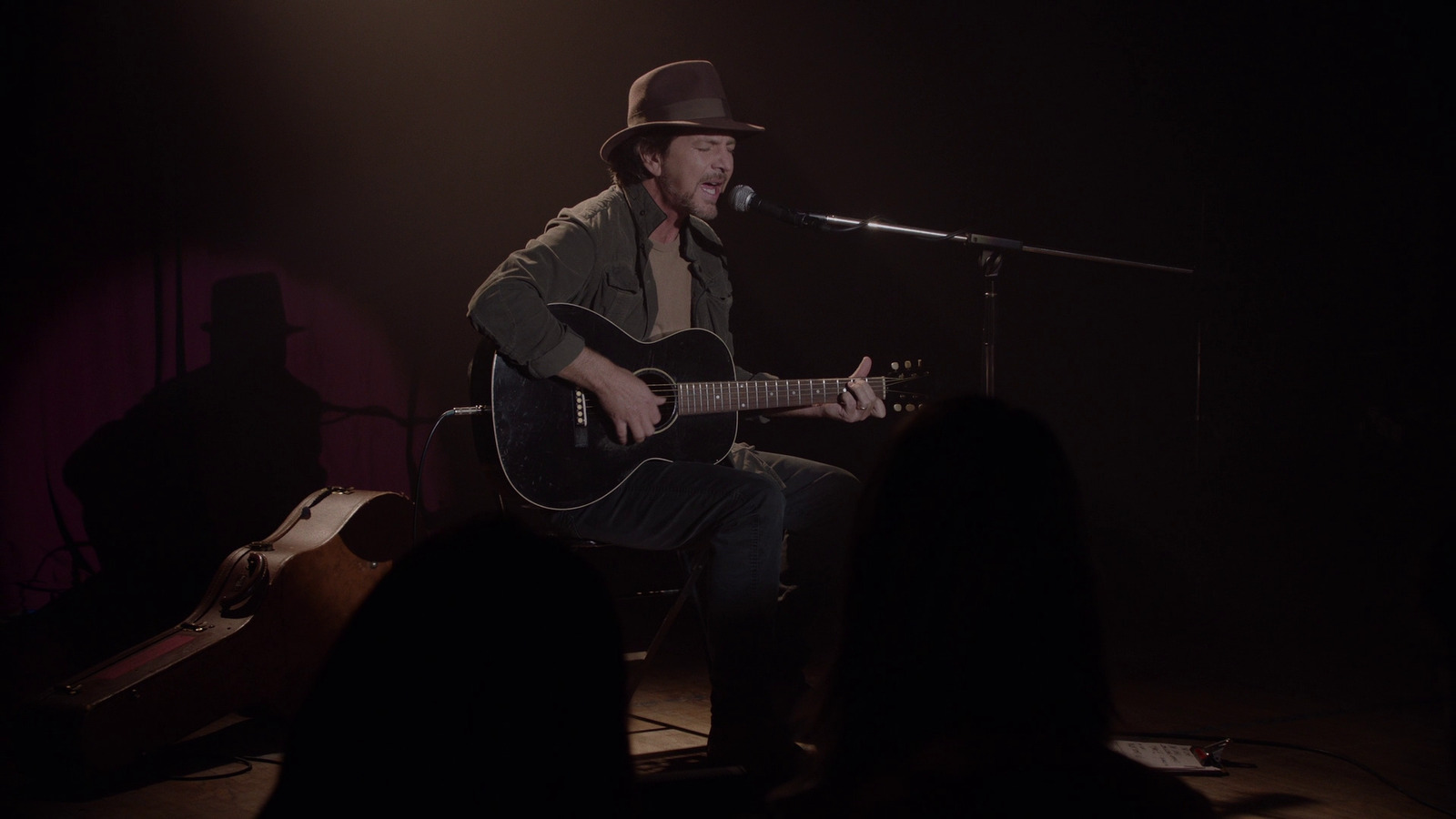
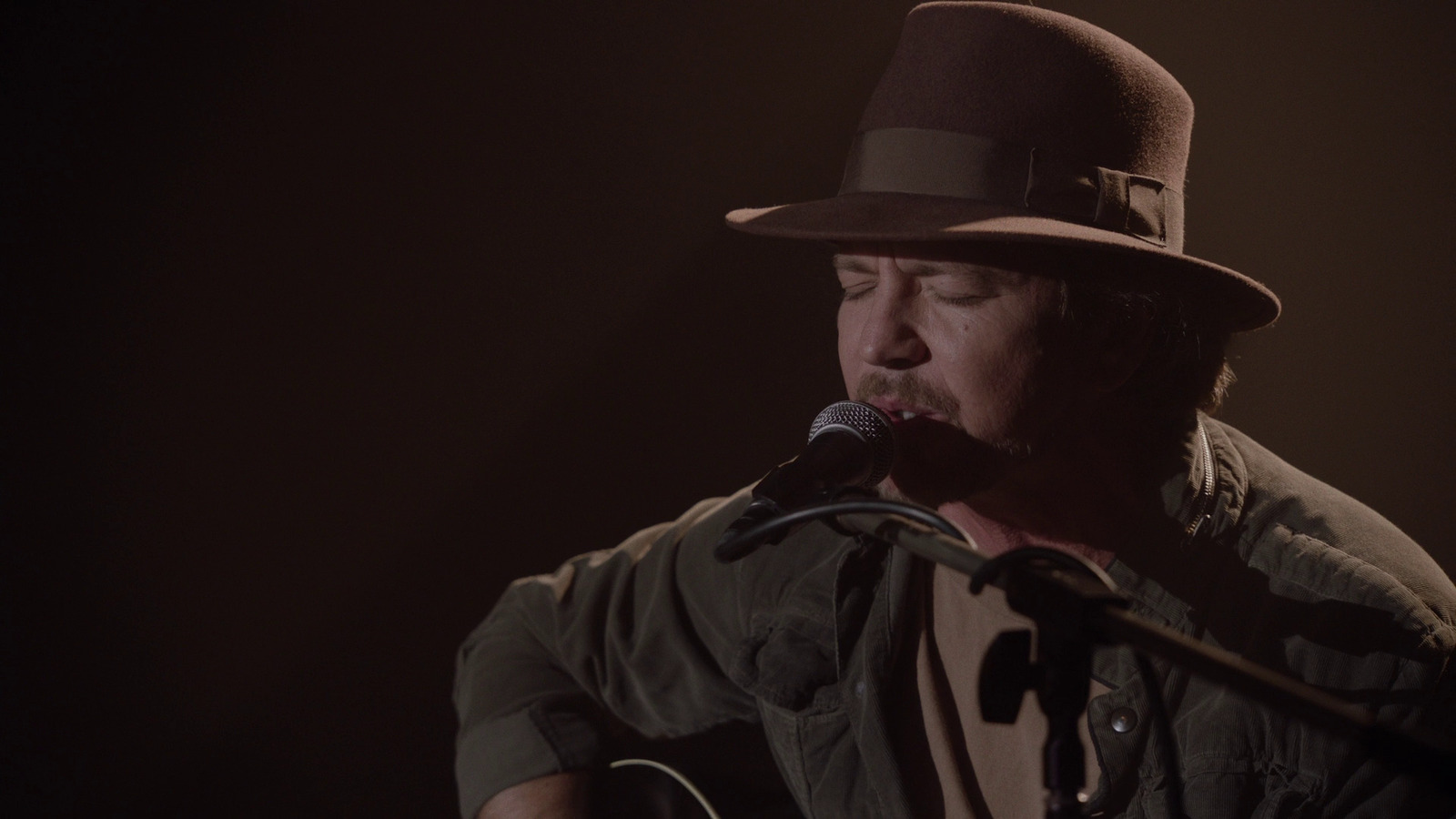
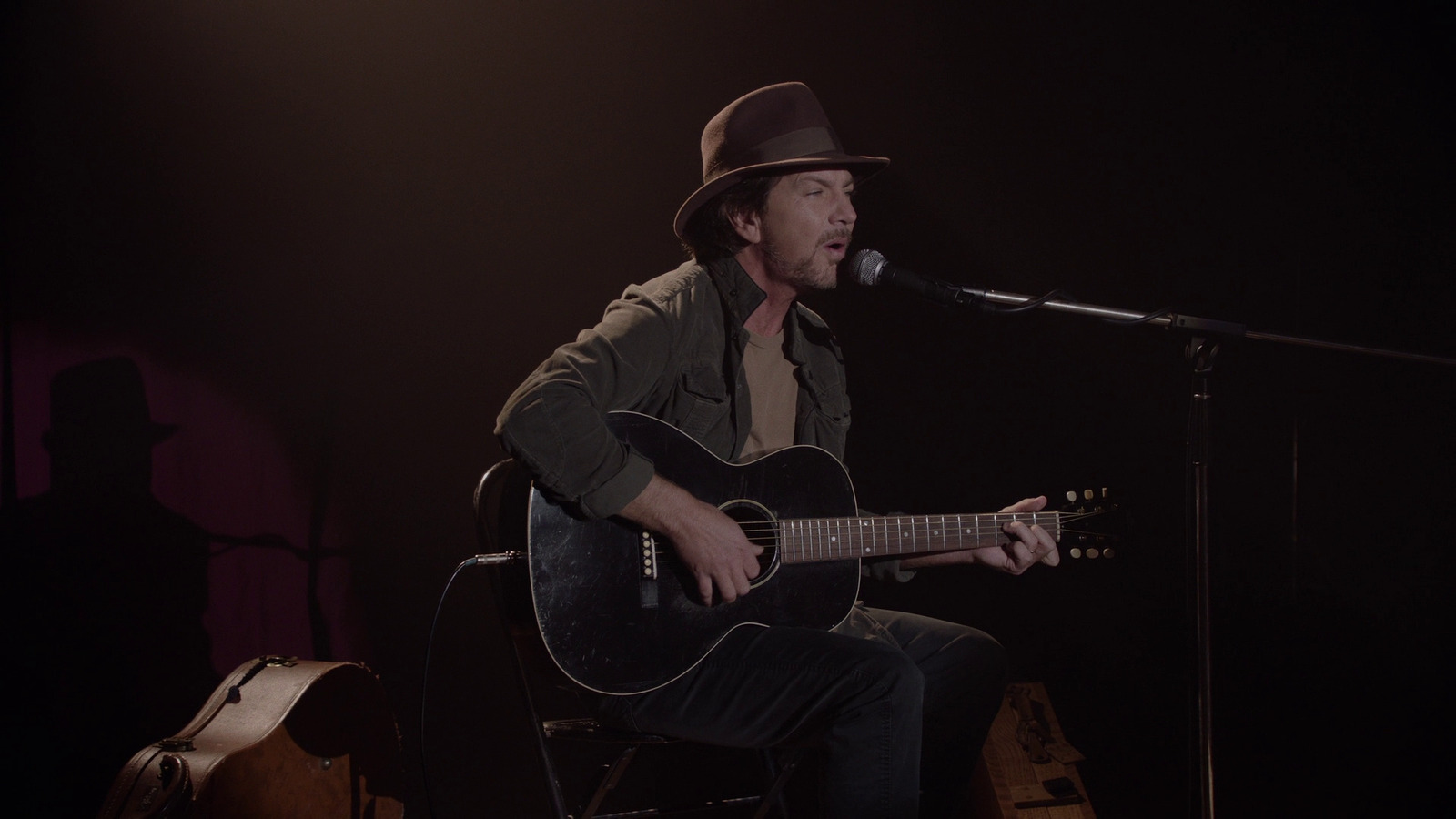
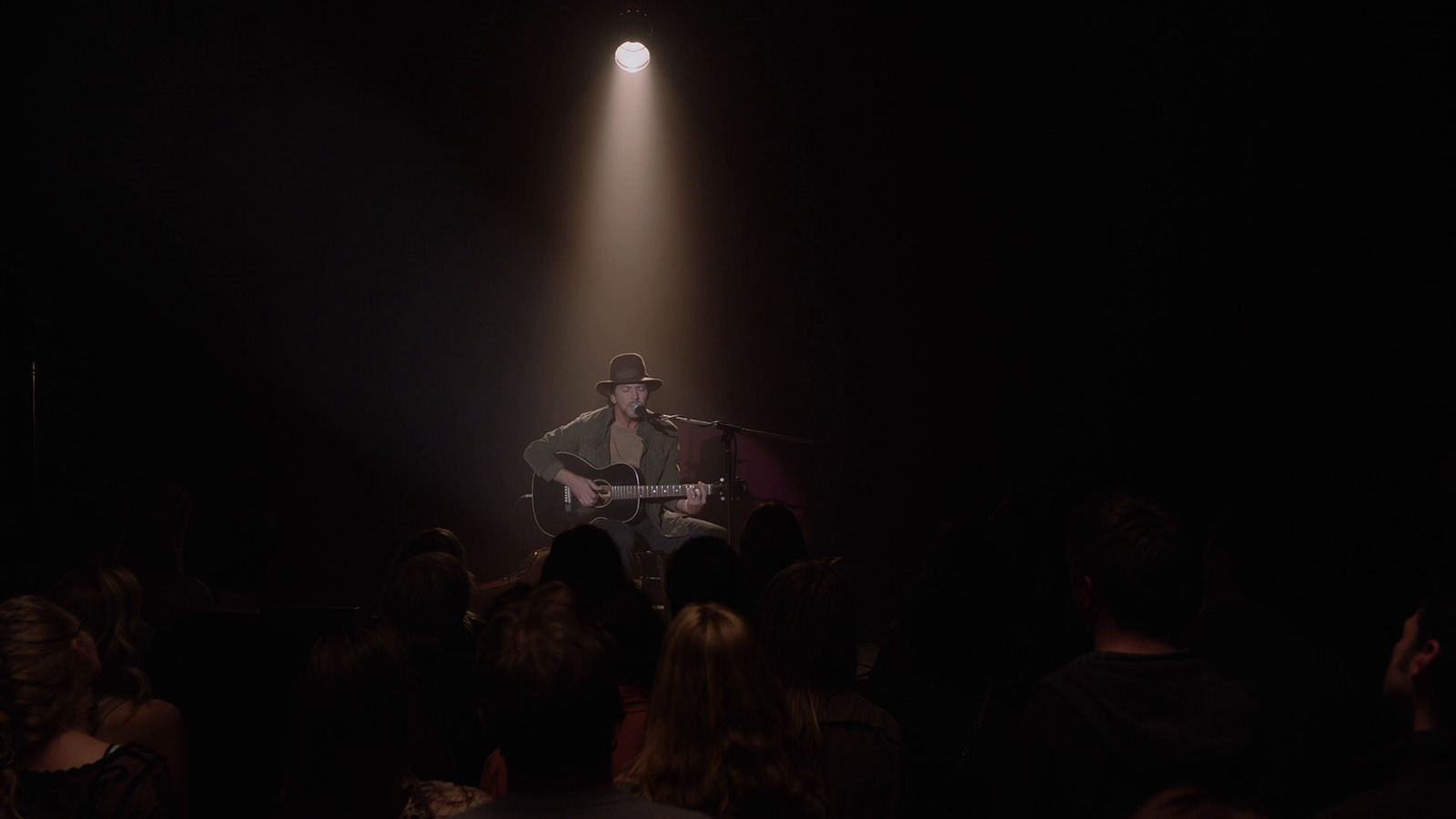
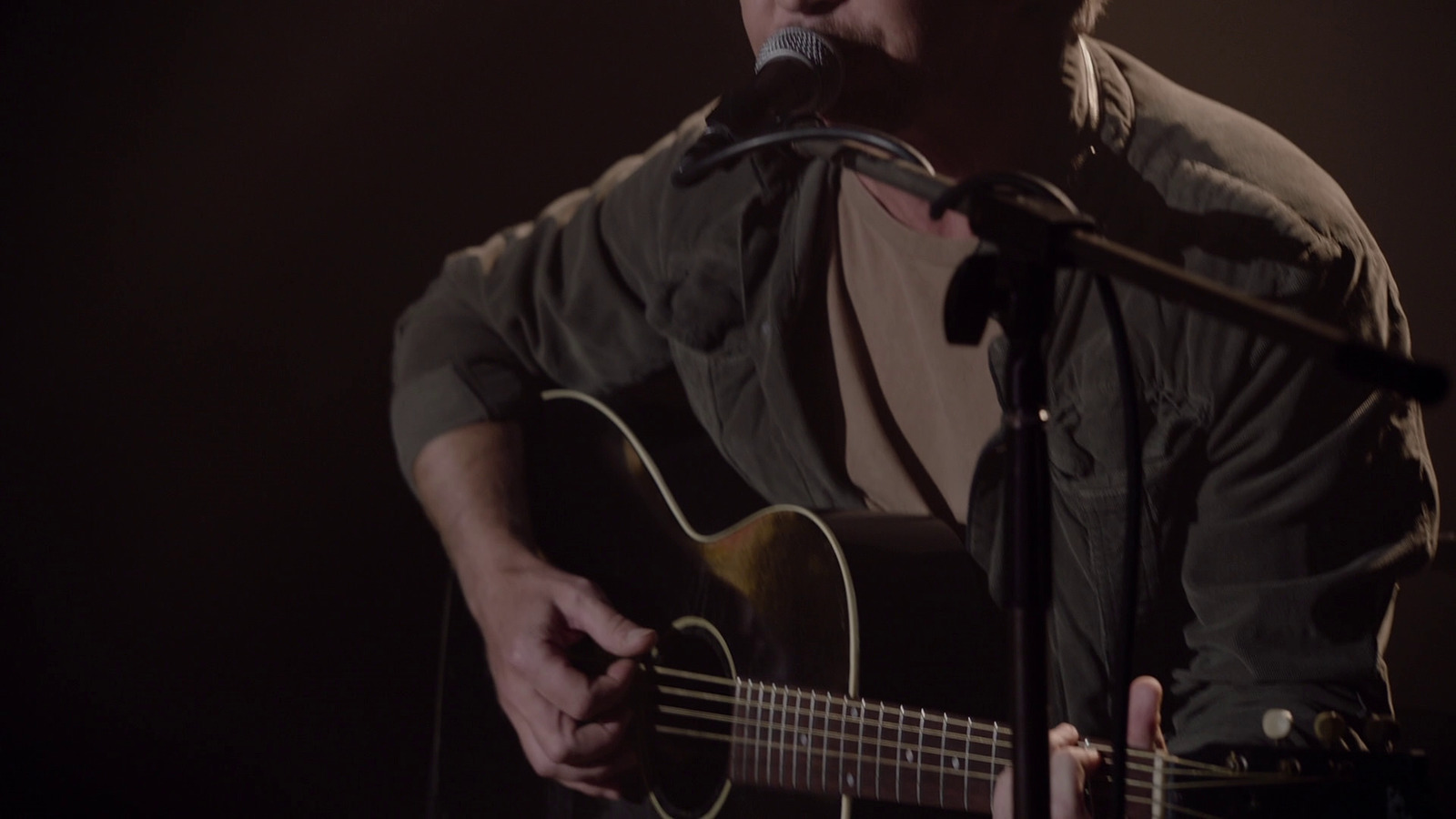
The Roadhouse introduces Edward Louis Severson, and Eddie Vedder performs “Out of Sand” alone with a guitar. The concentrated stage image contrasts with the crowded limousine and casino. The song’s concern with passing time and unavailable alternatives resonates with the episode’s returns, but it need not be treated as a literal explanation of any character’s reality. Audience shots and the later arrival of Audrey and Charlie keep the performance situated in a room where other stories continue.
Open the scene sequence · 2 frames
Audrey finally reaches the place she named
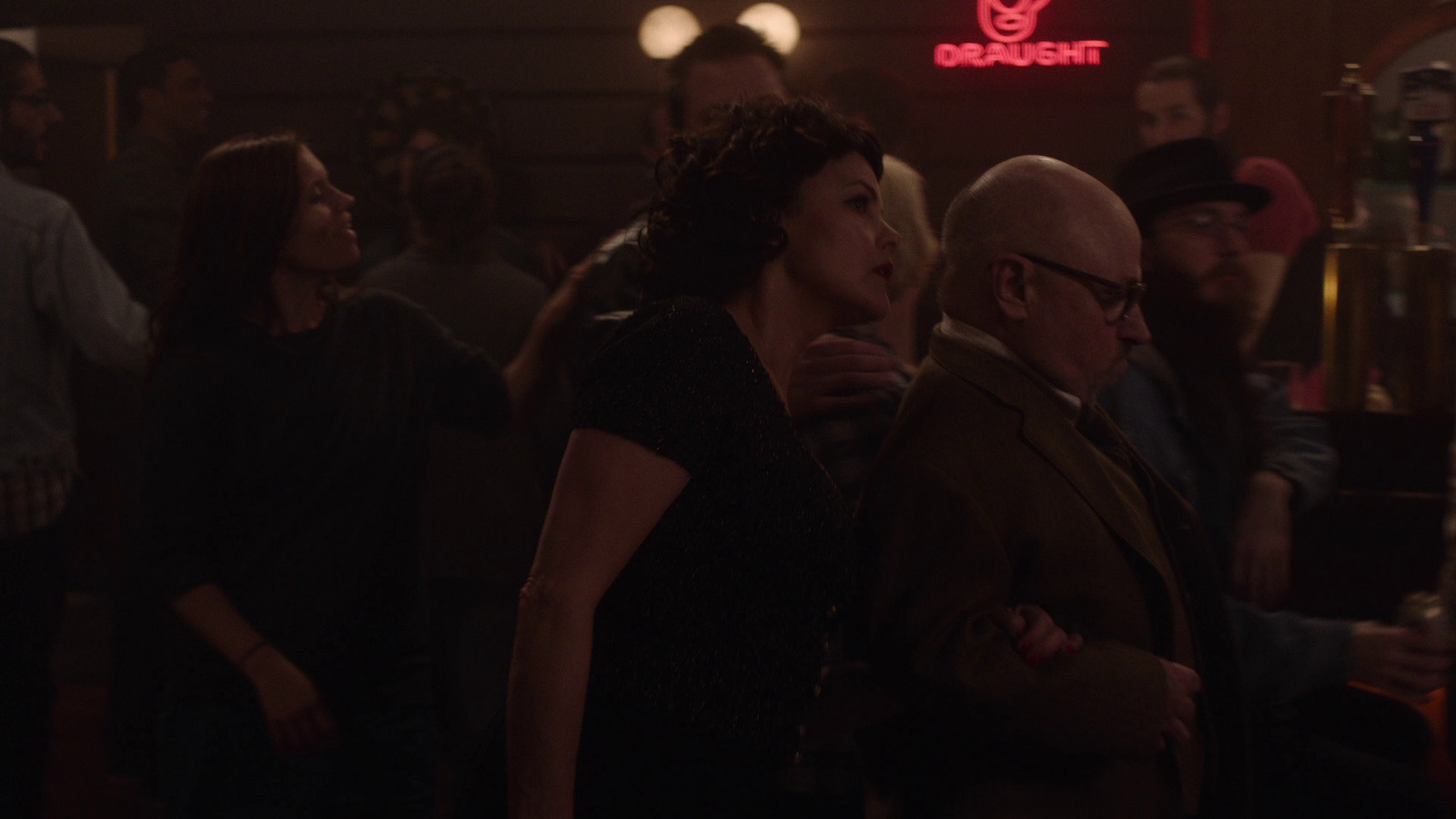
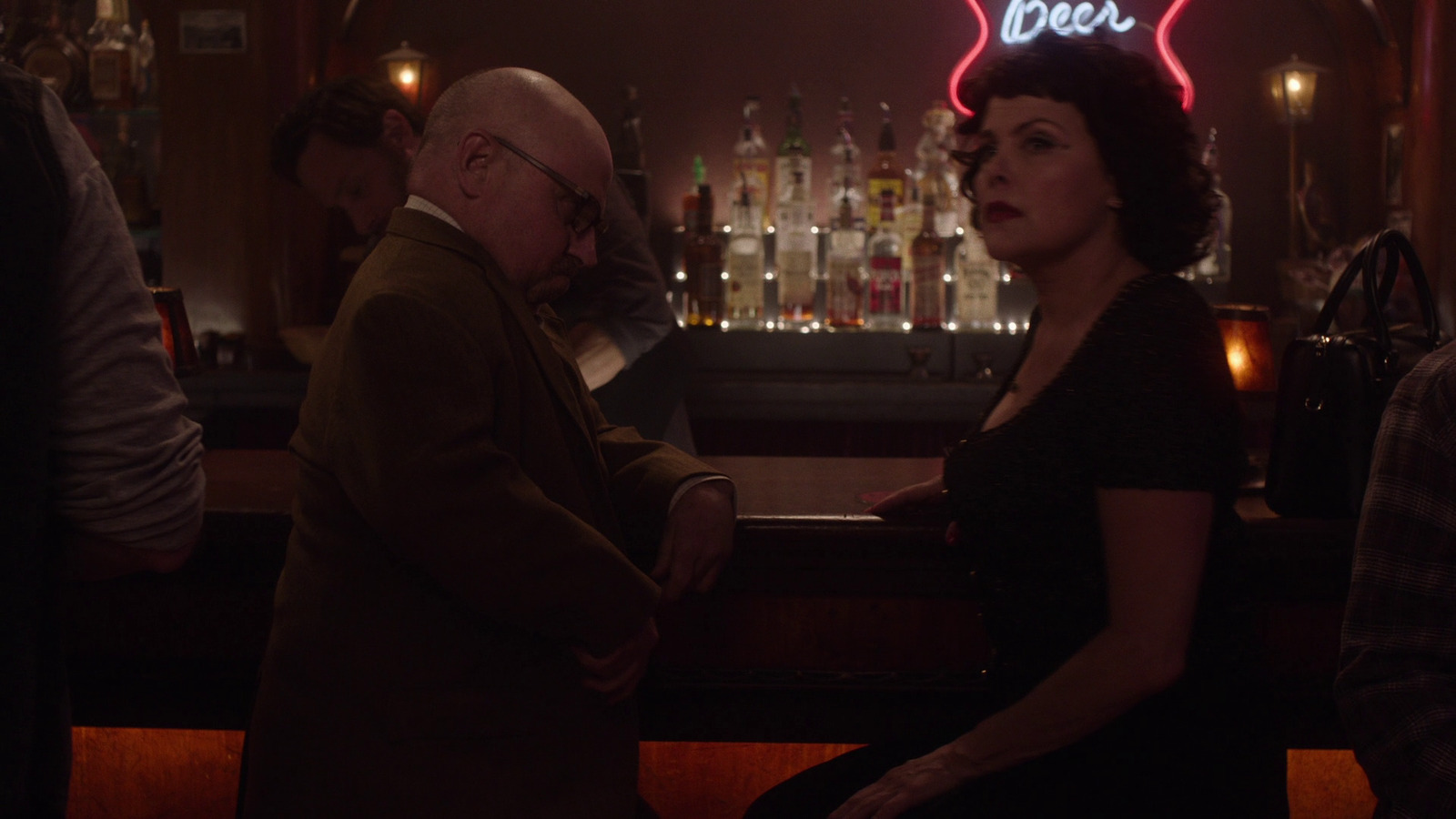
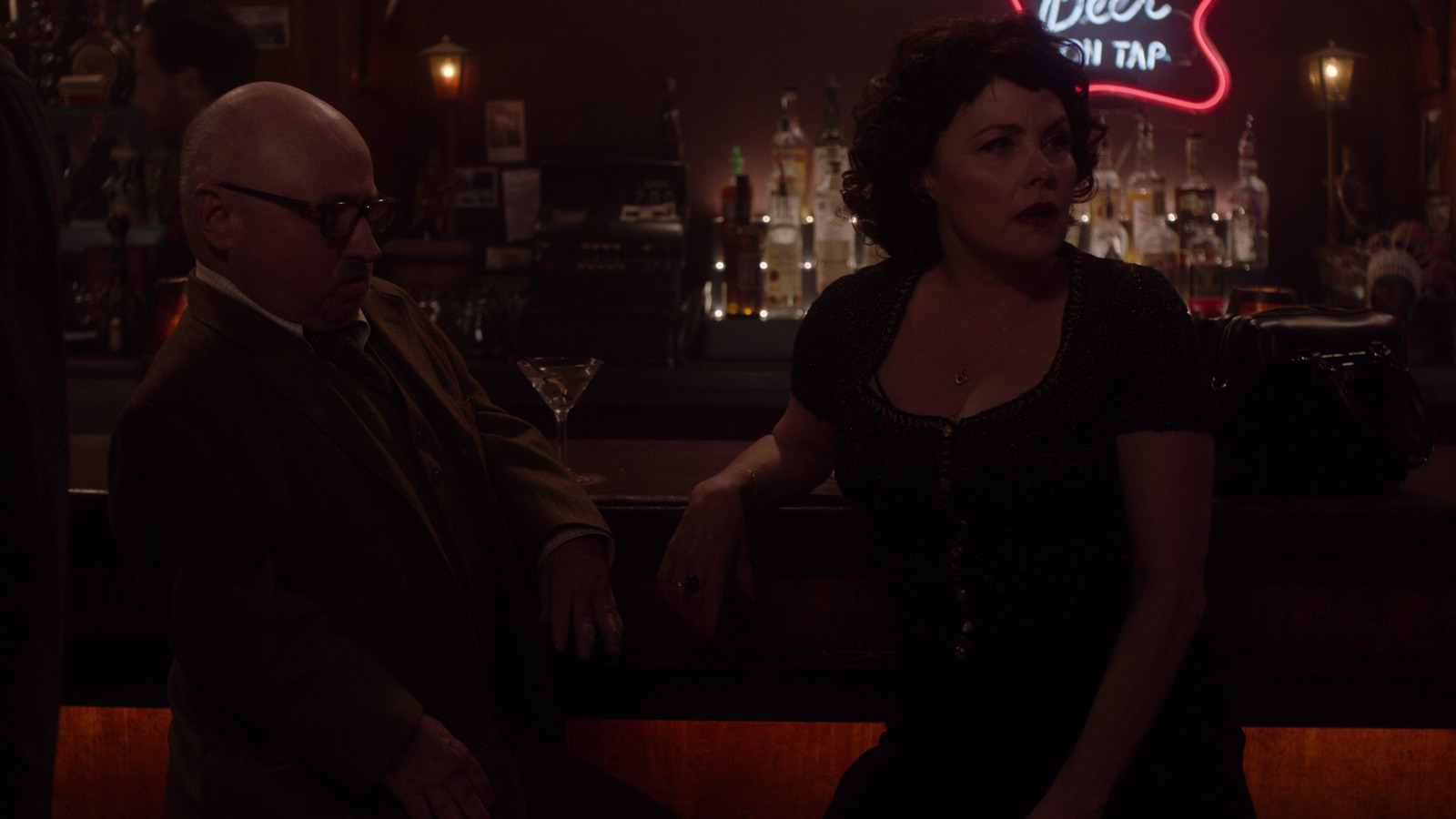
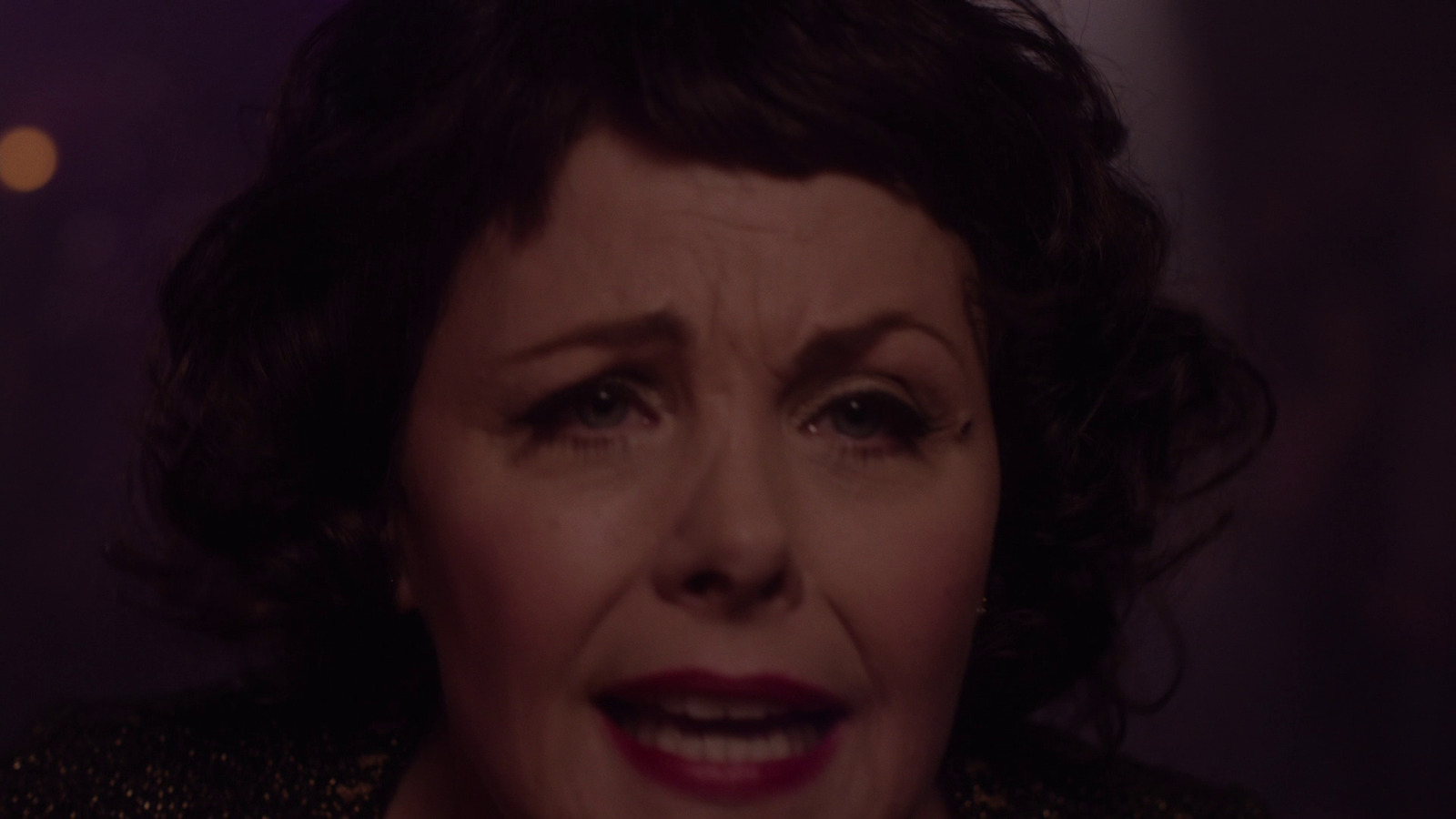
Audrey and Charlie enter the Roadhouse and take places at the bar. After repeated arguments about leaving the house, the achievement of this destination might promise relief. Instead, Charlie’s toast and Audrey’s response keep their disagreement active. Then the MC announces Audrey’s dance, and the floor clears for her. The room appears to recognize a private history. That abrupt accommodation is both inviting and strange: a familiar piece of music becomes an event that everyone seems prepared to witness.
Open the scene sequence · 2 frames
A remembered gesture occupies the whole room
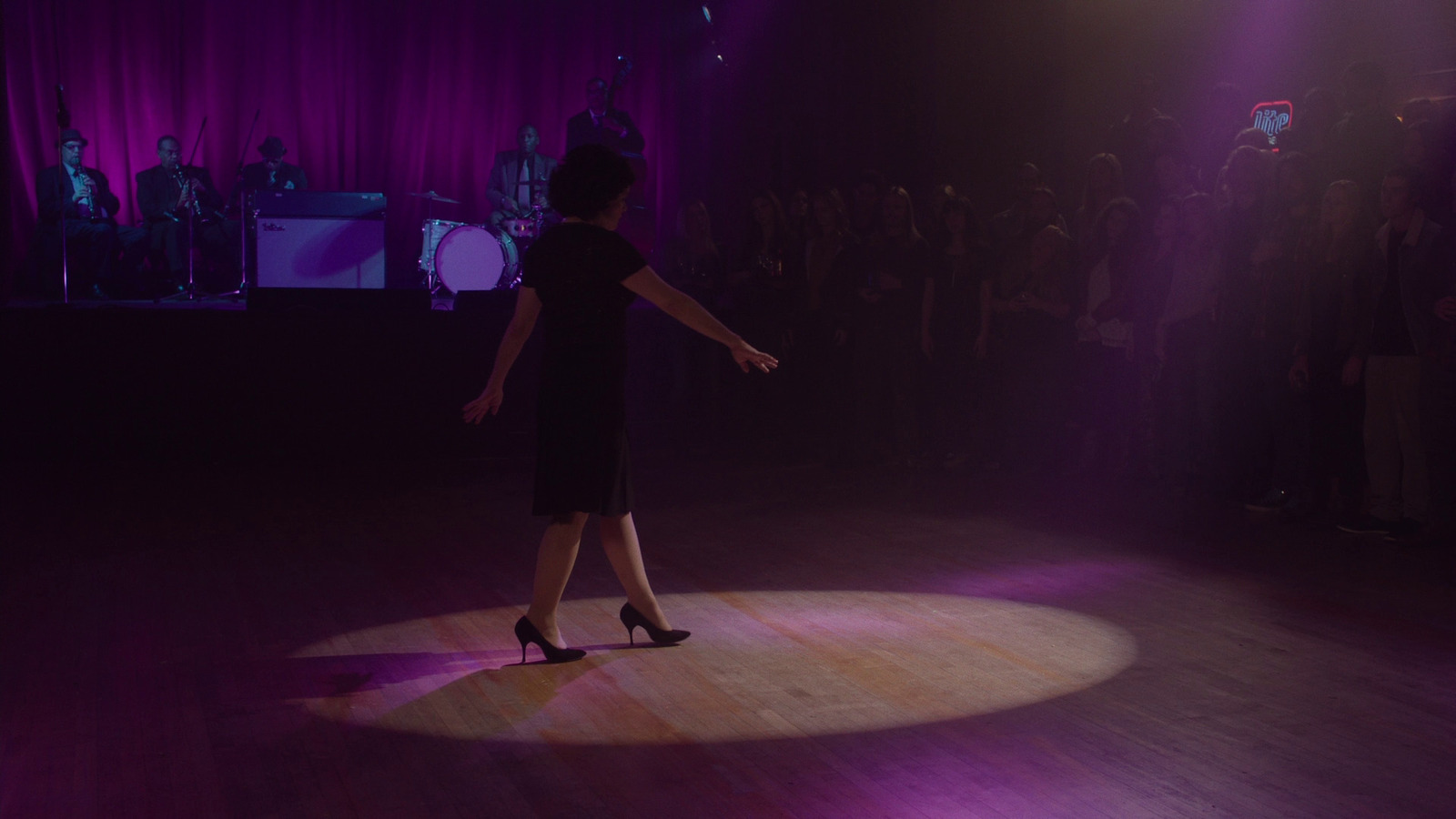
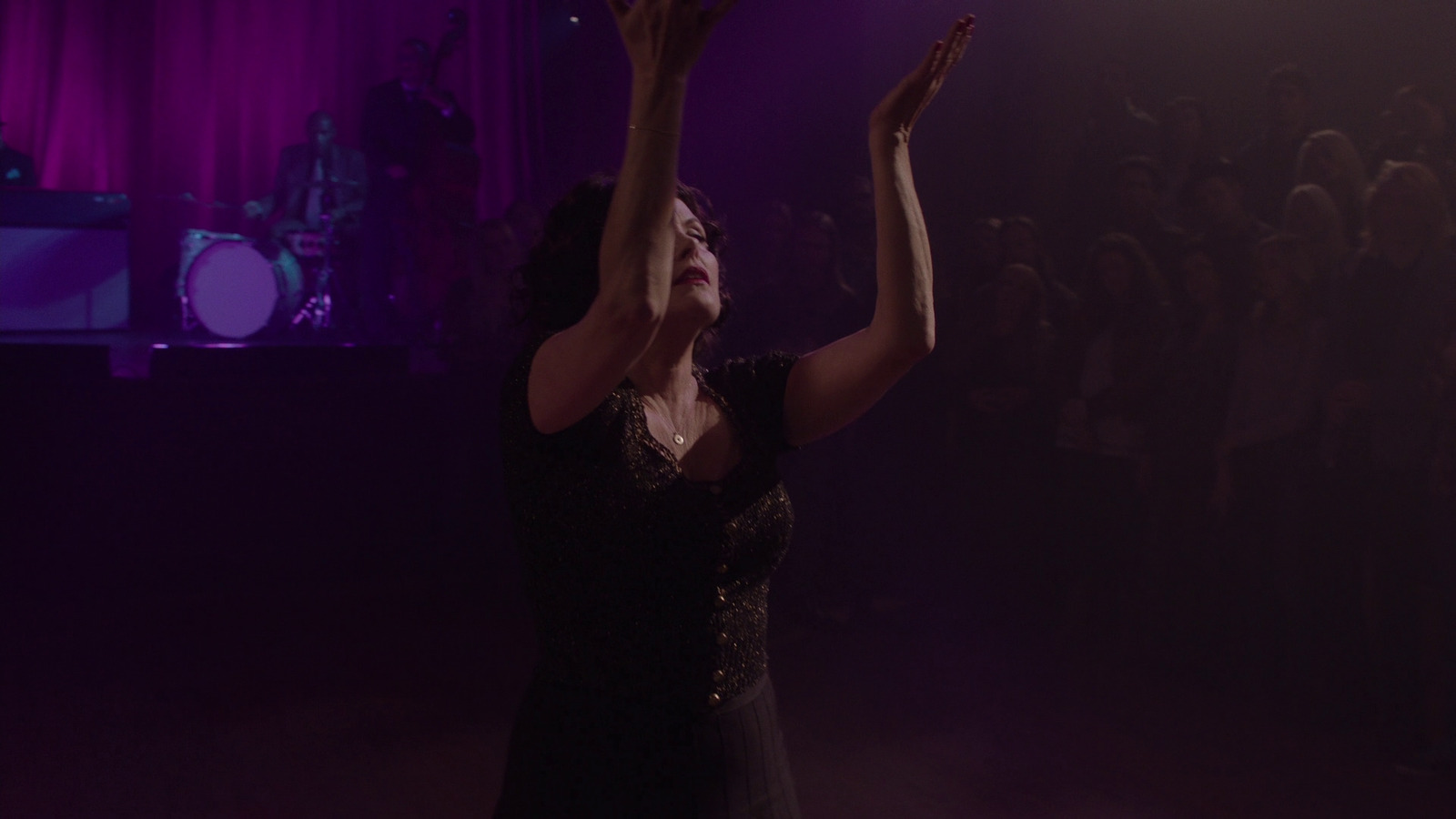
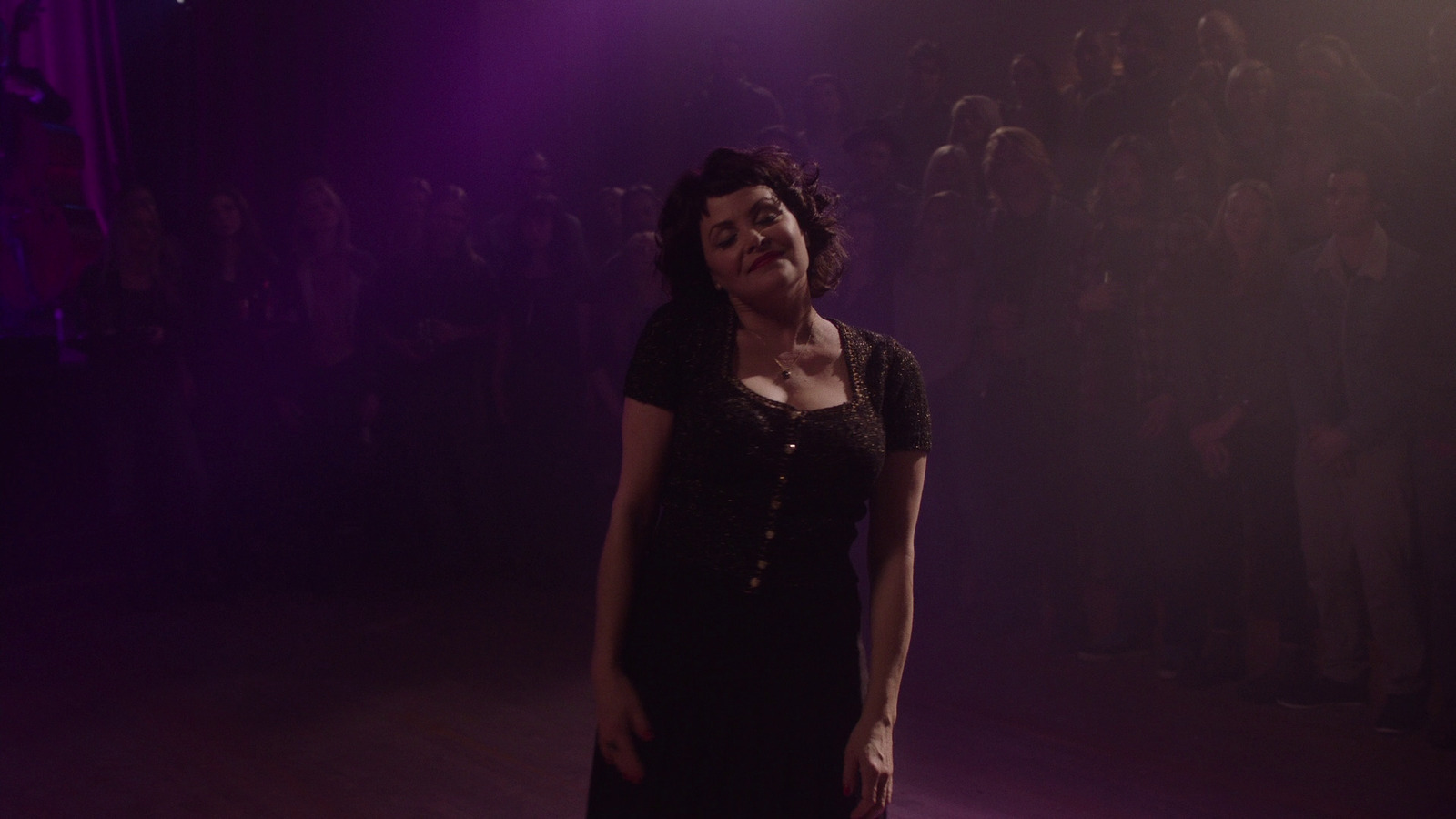
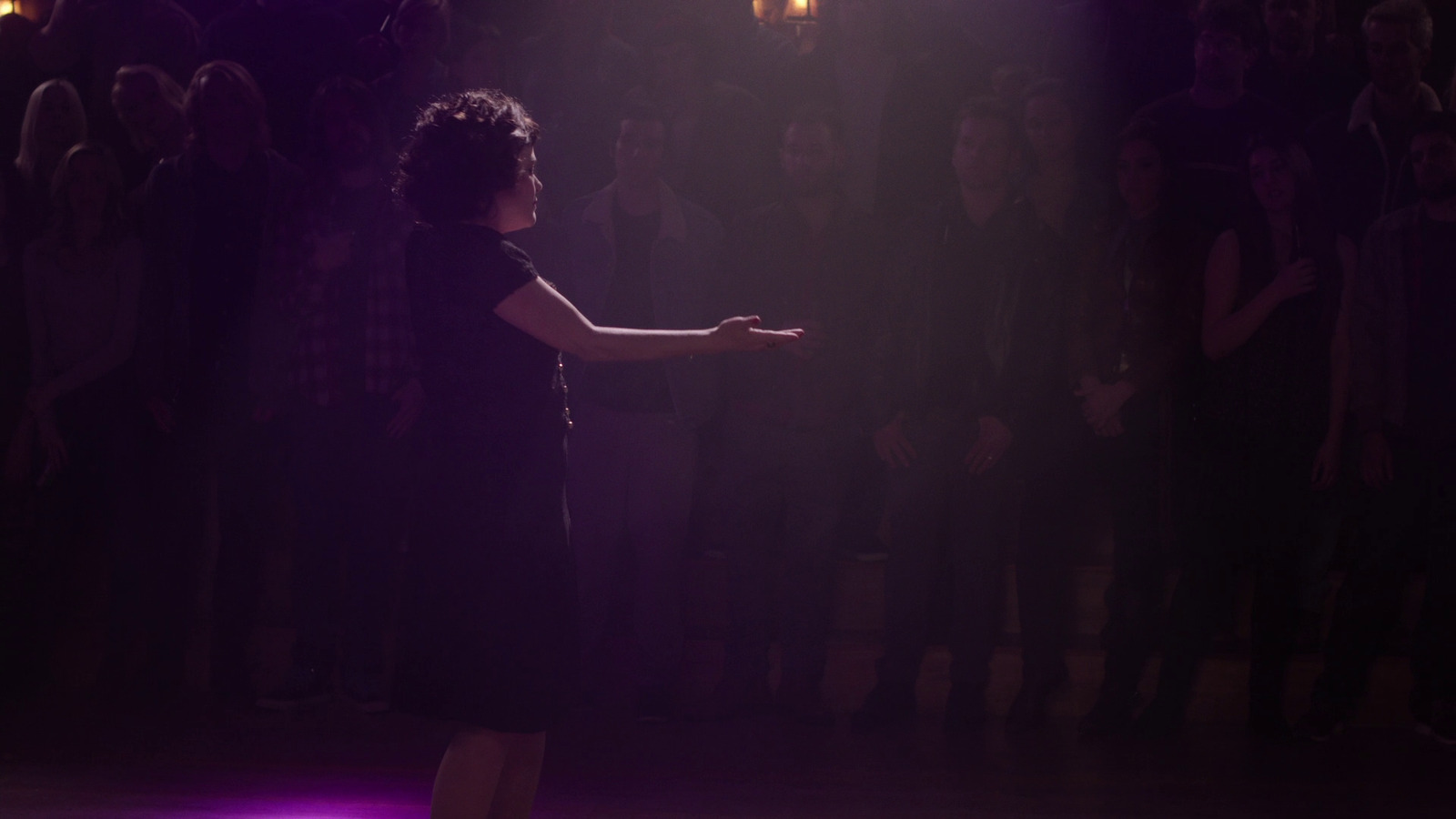
Audrey steps into a pool of light and dances alone. Wide views give her the floor; closer views retain her hands, face and changes of orientation. Charlie and the surrounding spectators become a frame for the performance. The duration allows pleasure and uncertainty to coexist, recalling an earlier Audrey without simply restoring her old circumstances. A quarrel at the edge of the space breaks that suspension. She turns back to Charlie and asks to be taken out. The dance’s apparent freedom proves vulnerable to the same violence and disorientation that surround other Roadhouse encounters.
Open the scene sequence · 5 frames
The exit does not disclose a stable location
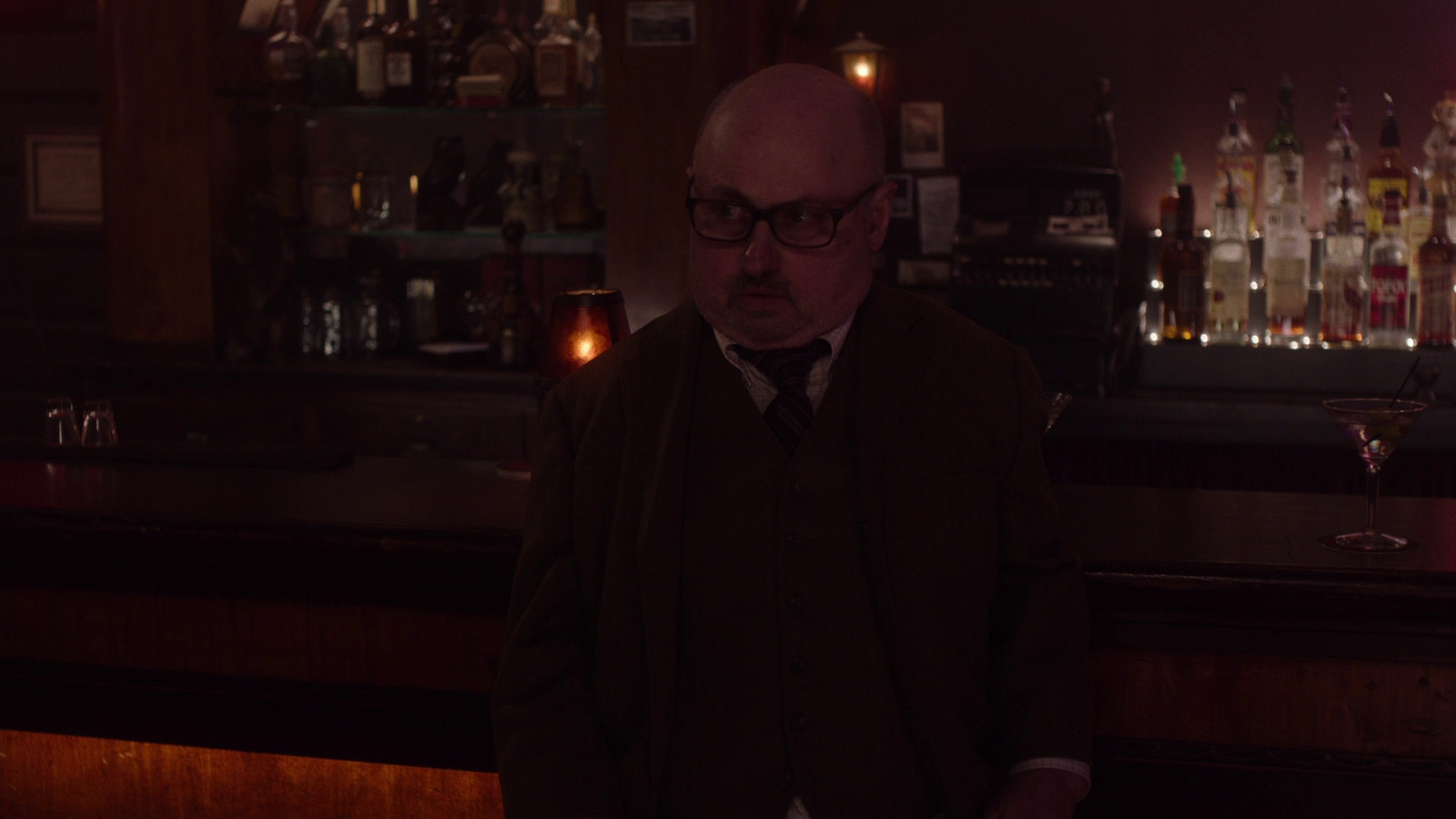
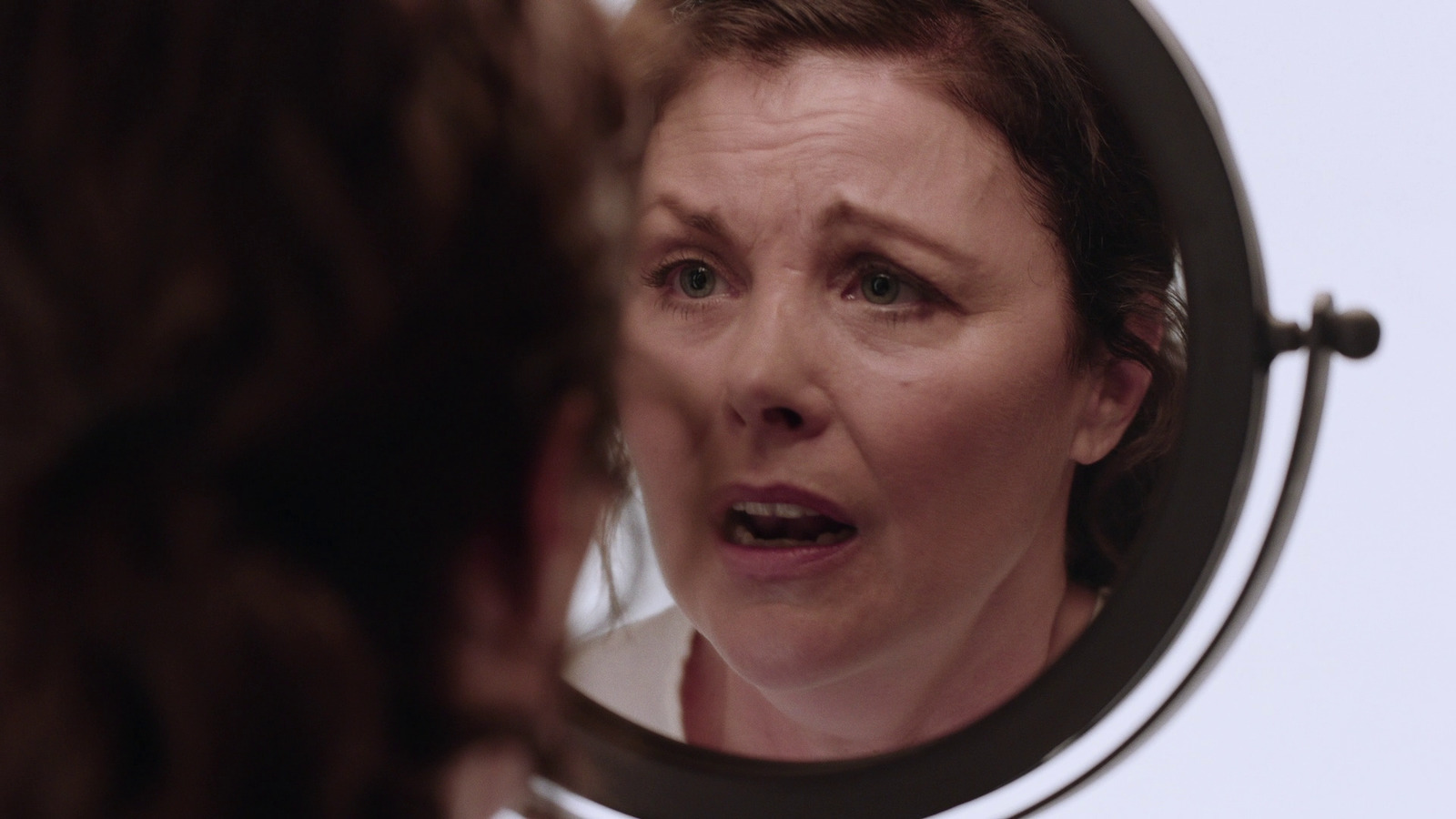
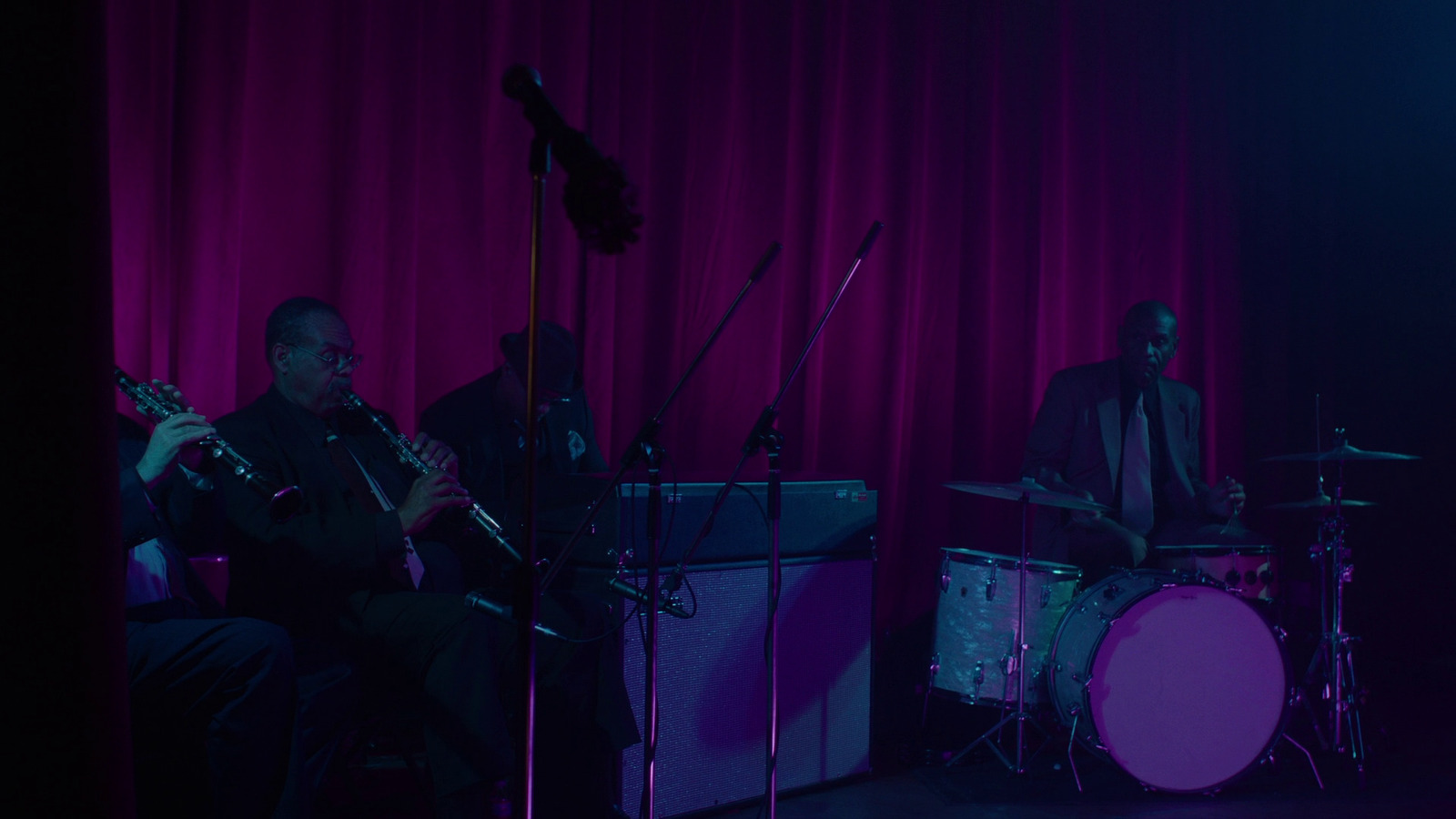
An electrical transition replaces the Roadhouse with Audrey looking at herself in a mirror against a stark pale background. Her appearance changes, and her surprise is immediate. The episode gives neither an establishing view nor an explanatory conversation that would securely identify this place. A hospital, a dream, a performance and a state of confinement remain interpretive proposals rather than facts established by this shot. The cut to black and return of the band under the credits preserve the rupture instead of smoothing it into a conventional awakening scene.
Open the scene sequence · 2 frames
Signals, restored speech and music that cannot secure a room
The signal succeeds as a warning fails. The locator’s beeps accelerate into a sustained tone just before Richard is engulfed. The sequence makes correct navigation and personal safety diverge. His screams and the electrical disturbance are followed by Mr. C’s quiet acknowledgment, whose delayed timing is more revealing than a longer explanation would be.
Hospital rhythms establish the change. Ventilator and monitor sounds give waiting a regular texture. The new ringing tone and Cooper’s upright response interrupt that pattern. His subsequent sentences are direct, complete and directed toward action. Sonny Jim notices the change through the simple fact that his father is suddenly talking so much.
Diane’s account needs its pauses. The title’s ordinary domestic signals are defined by their absence. Her story then proceeds through stops, breath and self-correction, with the agents largely listening. The later assertion that she is not herself should not replace attention to the assault she describes. The scene joins personal violation to an identity crisis without making one cancel the other.
Recognition travels through songs and themes. The familiar Twin Peaks music accompanies Cooper’s restored purpose. “American Woman” in Lynch’s remix frames Diane’s movement toward the agents; “Out of Sand” gives the Roadhouse a concentrated solo performance; “Audrey’s Dance” turns memory into an action in the room. These placements connect feeling and recognition without supplying a definitive map of realities.
The final break is audiovisual. The disturbance at the edge of the dance floor, Audrey’s plea and the electrical cut lead to the pale mirror image. The later return of the band does not provide a reverse shot explaining where she is. The ending makes a discontinuity available to both eye and ear rather than resolving it through dialogue.
A closer view of the Roadhouse performance
Eddie Vedder — Out of Sand
The selection menu names Eddie Vedder; the Roadhouse announcer introduces Edward Louis Severson. Keeping both names visible preserves the distinction between the performer’s familiar public identity and the introduction used inside the scene.
Open the Out of Sand performance study · 2 frames
Read the full performance comparison →
Source: Roadhouse Music — Eddie Vedder — Out of Sand, 00:00–03:44, in Twin Peaks: From Z to A. These timings identify the separate performance edit; the episode context is examined above.
Focused effects and performance sequences
Richard’s disintegration: light, particles and an empty rock
BUF describes combining Eamon Farren’s performance plate with separately photographed flare material, reshaping light rays to Lynch’s requirements, and adding particles. Clean background plates allowed areas of the body to be removed. That account gives the effect a documented combination of photographed light and digital work. [2]
Open the disintegration sequence · 8 frames
The street confrontation: spatial clarity amid escalation
The selected views follow the van, the other vehicle, the shooters and the watching brothers. The sequence’s force depends on editing across these positions and the violent change in an otherwise readable suburban environment. General stunt and effects credits do not identify the construction of every impact.
Open the street-action sequence · 7 frames
Cooper’s awakening: performance and overlapping rooms
The change in MacLachlan’s presence works alongside the connection to Gerard’s red room. The hospital remains recognizable throughout the exchange, making the superimposed images an encounter across spaces rather than a complete replacement of one setting by another.
Open the awakening sequence · 11 frames
Diane: empty chair and dissolving body
The hotel disappearance leaves a familiar room intact. The red-room sequence then breaks the seated form into face, dark aperture, gold sphere and smoke. These are distinct stages of the visible transformation; the gallery avoids presenting an unsupported technical explanation for the whole sequence.
Open Diane’s transformation · 10 frames
Audrey’s dance and the mirror interruption
This is a performance-and-editing study as well as an effects gallery. Follow the cleared floor, the spectator’s position, the interruption and the cut to a different appearance and setting. The last image remains a deliberately limited view.
Open the dance and mirror sequence · 9 frames
Making the images, shaping the performances
MacLachlan finds the older Cooper. Discussing the hospital awakening with Jeff Jensen, MacLachlan recalled filming it late in production after weeks away from Cooper’s familiar mode. He credited the writing, delivery and the character’s straightforwardness with helping him find the return. He also described a balance of remaining enthusiasm and an older gravitas. This supports attention to the scene’s direct speech and altered physical assurance without treating it as an effortless repetition of the early series. [3]
Fenn’s reading of Audrey remains a reading. Sherilyn Fenn told Ron Trembath III that she welcomed Lynch’s rewritten material and understood Audrey as trapped within her own mind. That is valuable testimony from the performer about the role’s emotional situation. It is not a production confirmation that the mirror belongs to a named institution or that one diagnostic explanation settles the ending. [4]
Richard’s light was built from more than a digital body. The BUF account identifies both performance and flare photography as inputs, alongside particle work and clean backgrounds. Its specificity makes this a useful case for distinguishing a documented production process from conclusions drawn only by looking at an image. [2]
Performance, sound and the working image
The production footage in Jason S.’s Impressions: A Journey Behind the Scenes of Twin Peaks adds another view of the scenes: directions spoken on set, rehearsals, material experiments and choices still being worked out.
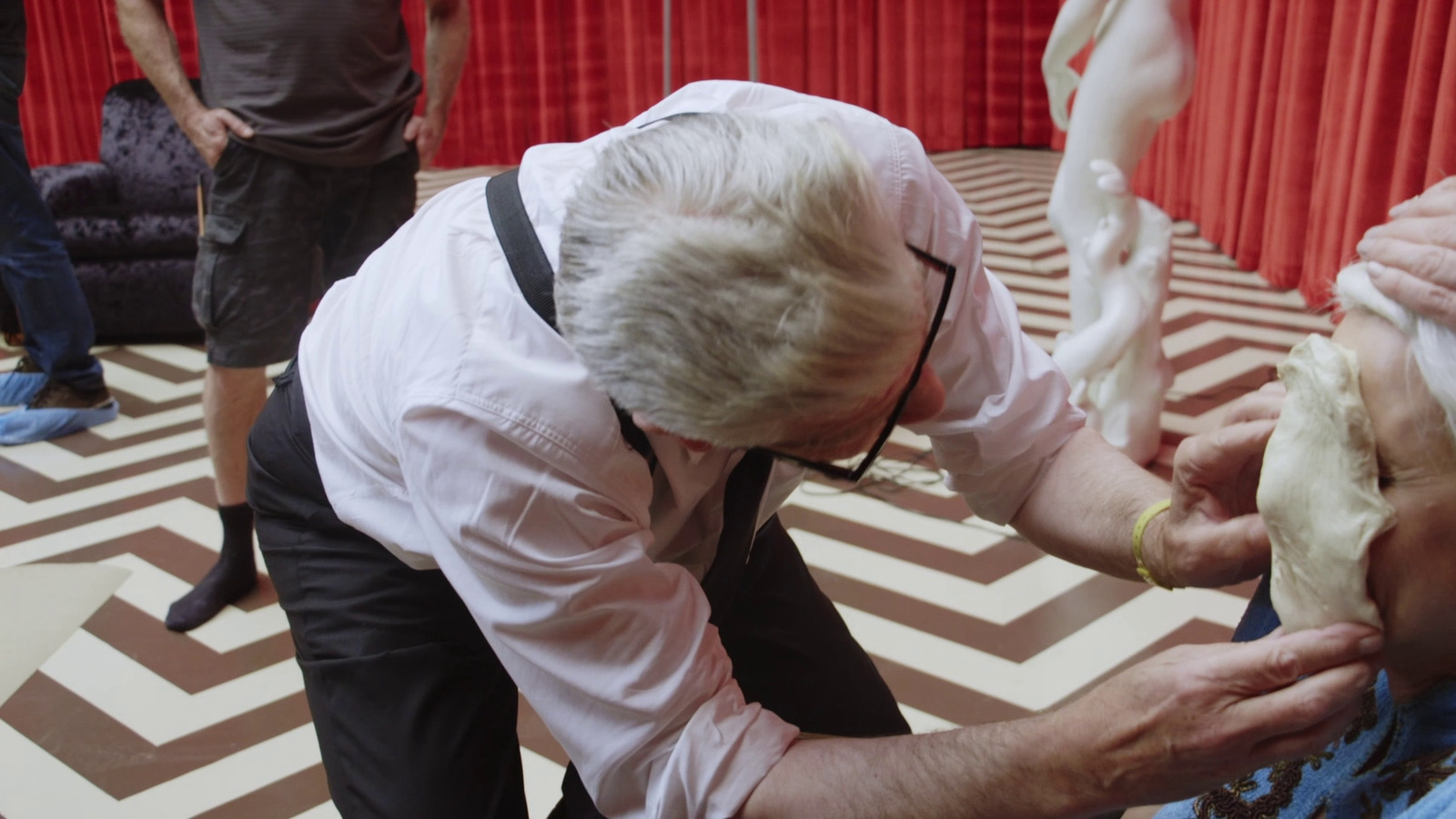
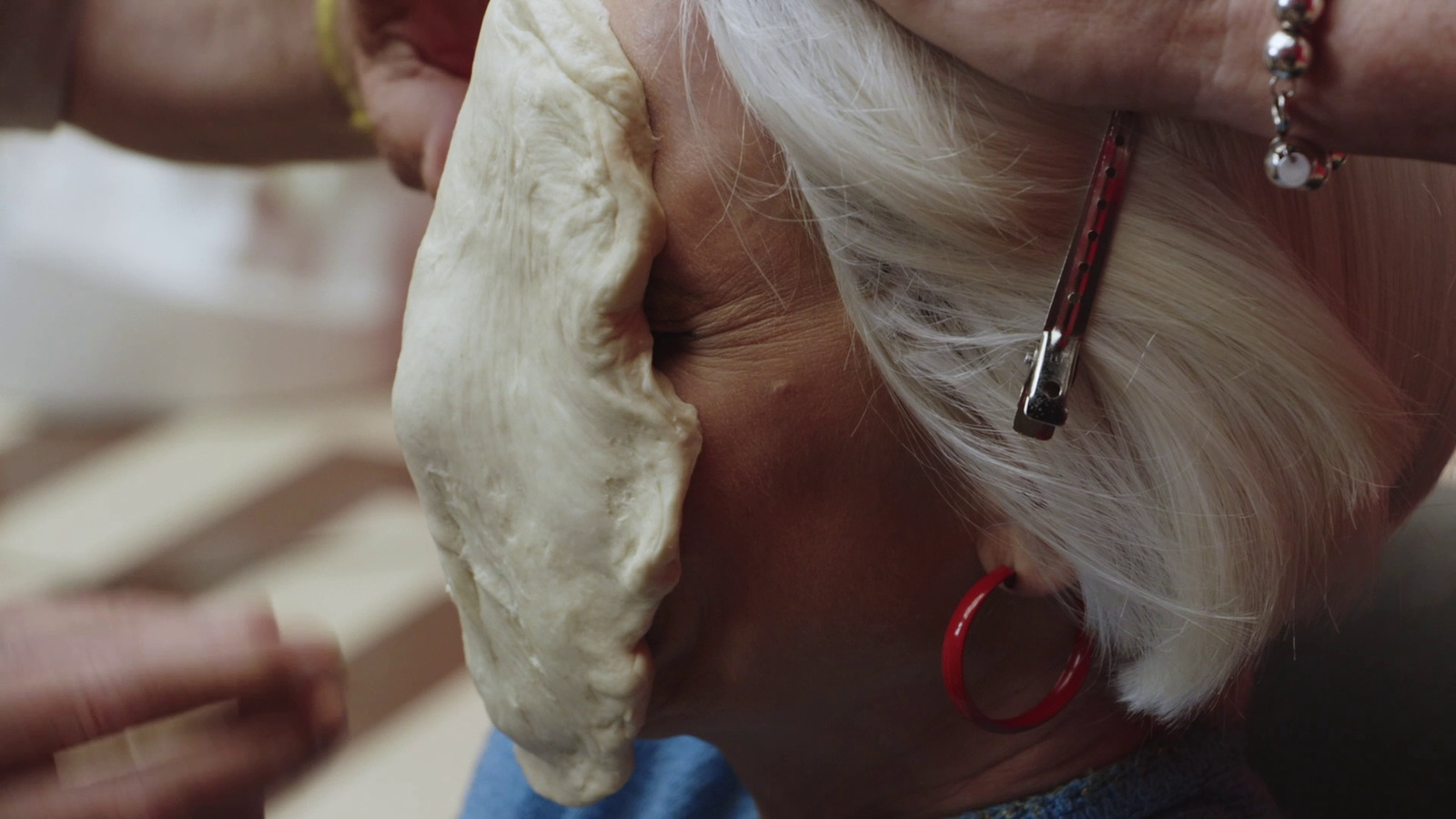
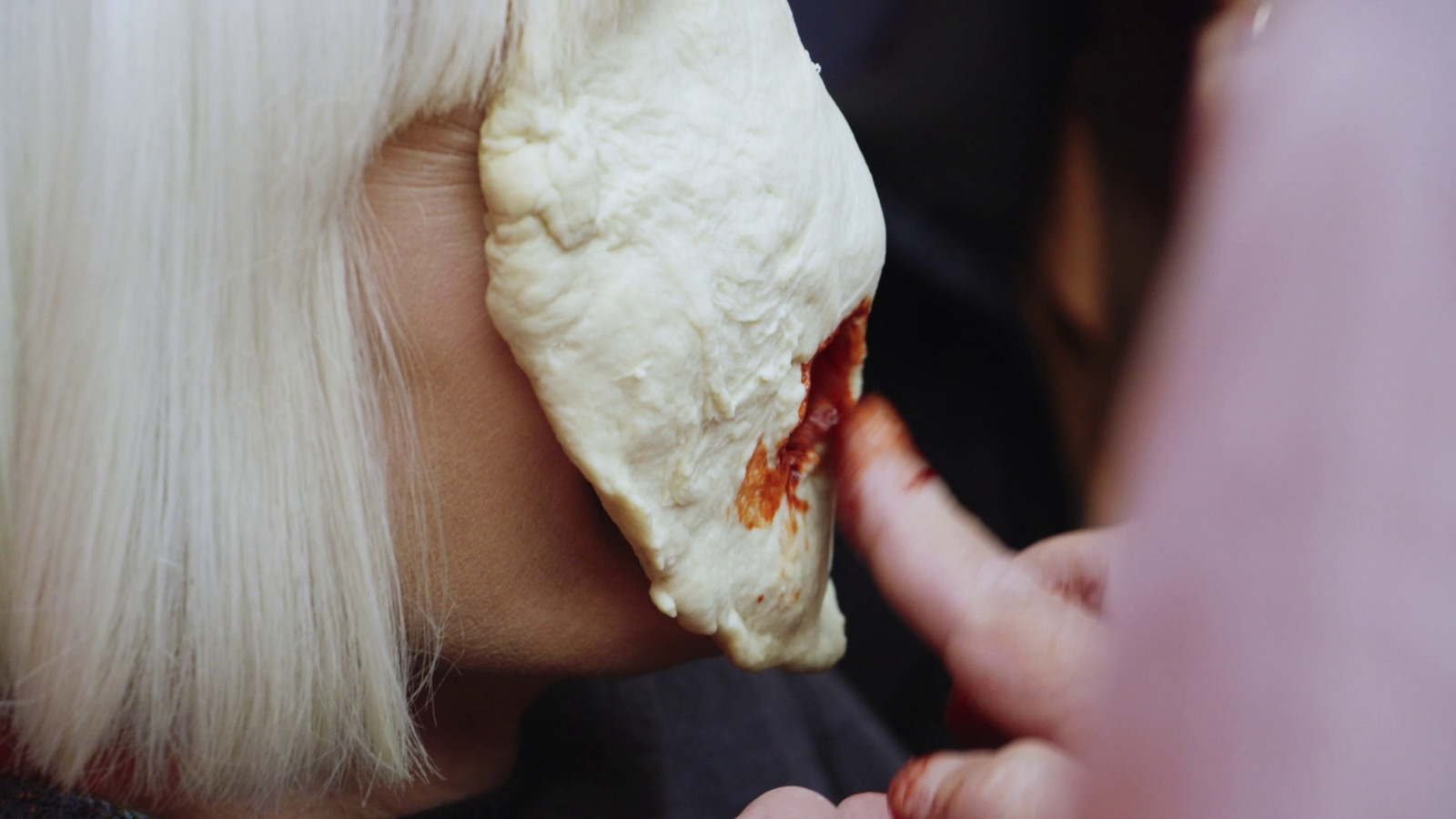
Diane’s dissolution begins with a face and a handful of dough
Laura Dern first performs a painful facial contraction and a controlled sinking movement in the Red Room chair. Lynch then applies bread dough over her face, works its surface and uses a bloodied finger at the mouth. The camera records these separate physical actions as material for the transformation.
Seeing the process makes the final image more complicated rather than less strange. A living performance, an uneven tactile surface and hand-worked movement precede the disappearance. The footage establishes those photographed elements without claiming to show every stage of the completed composite.
Open Diane’s practical transformation study · 4 frames
The hospital ensemble carries relationships not yet filmed
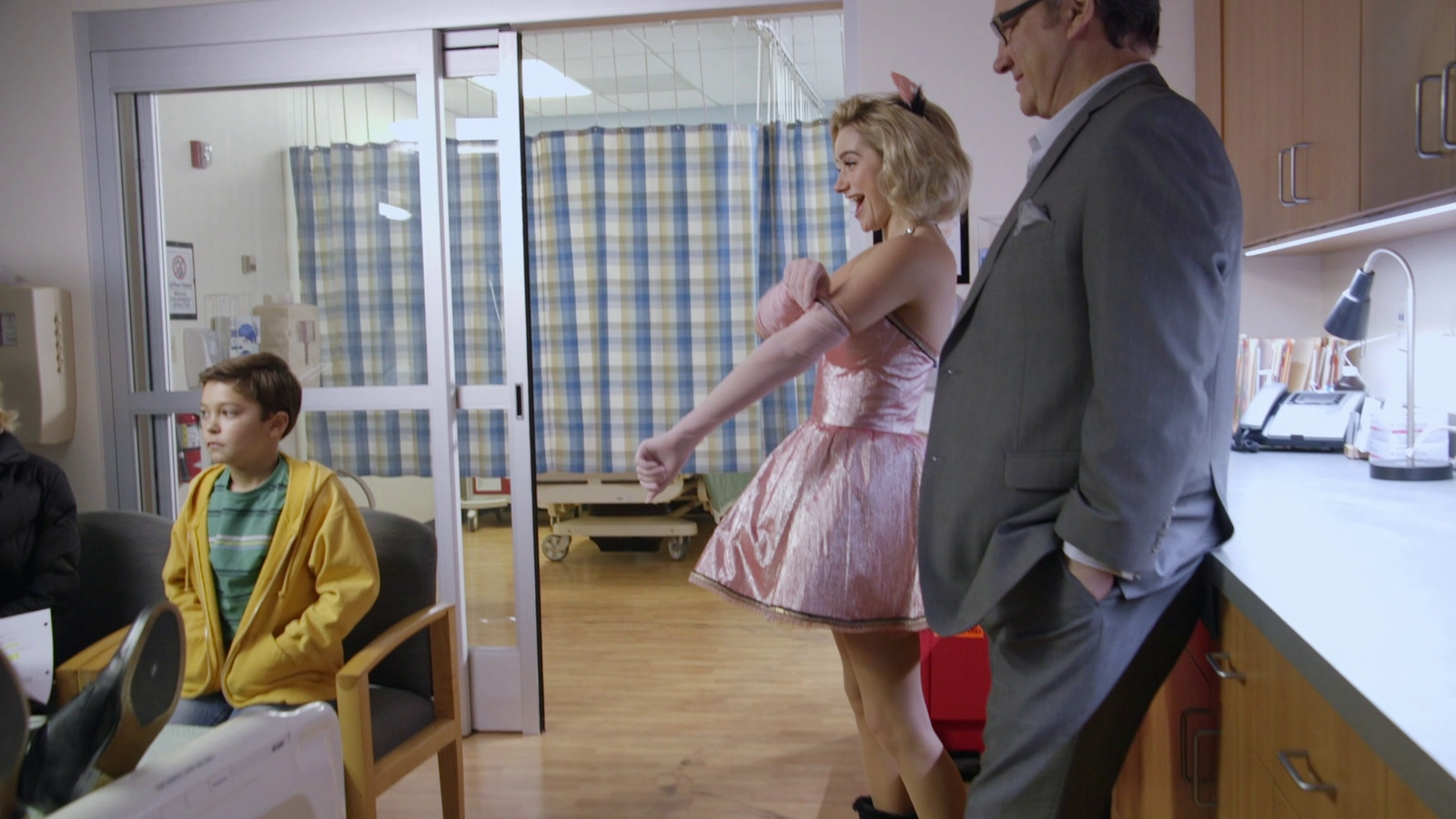
Before blocking the hospital gathering, Lynch asks to talk through the scene with the cast together. He imagines a wide view holding the bed and the room like a stage play. The arrivals, flowers, food and offer to stock the house are organized as a network of care around the unresponsive man.
Don Murray is told that one of his late scenes is being filmed first: Bushnell now loves Dougie, who has solved major problems without explaining how, and considers him almost family. That briefing supplies a history the actor must carry into the room. It concerns this ensemble setup, rather than establishing when every shot of Cooper’s awakening was photographed.
Open the hospital ensemble study · 2 frames
The van shoot-out is divided into manageable pieces
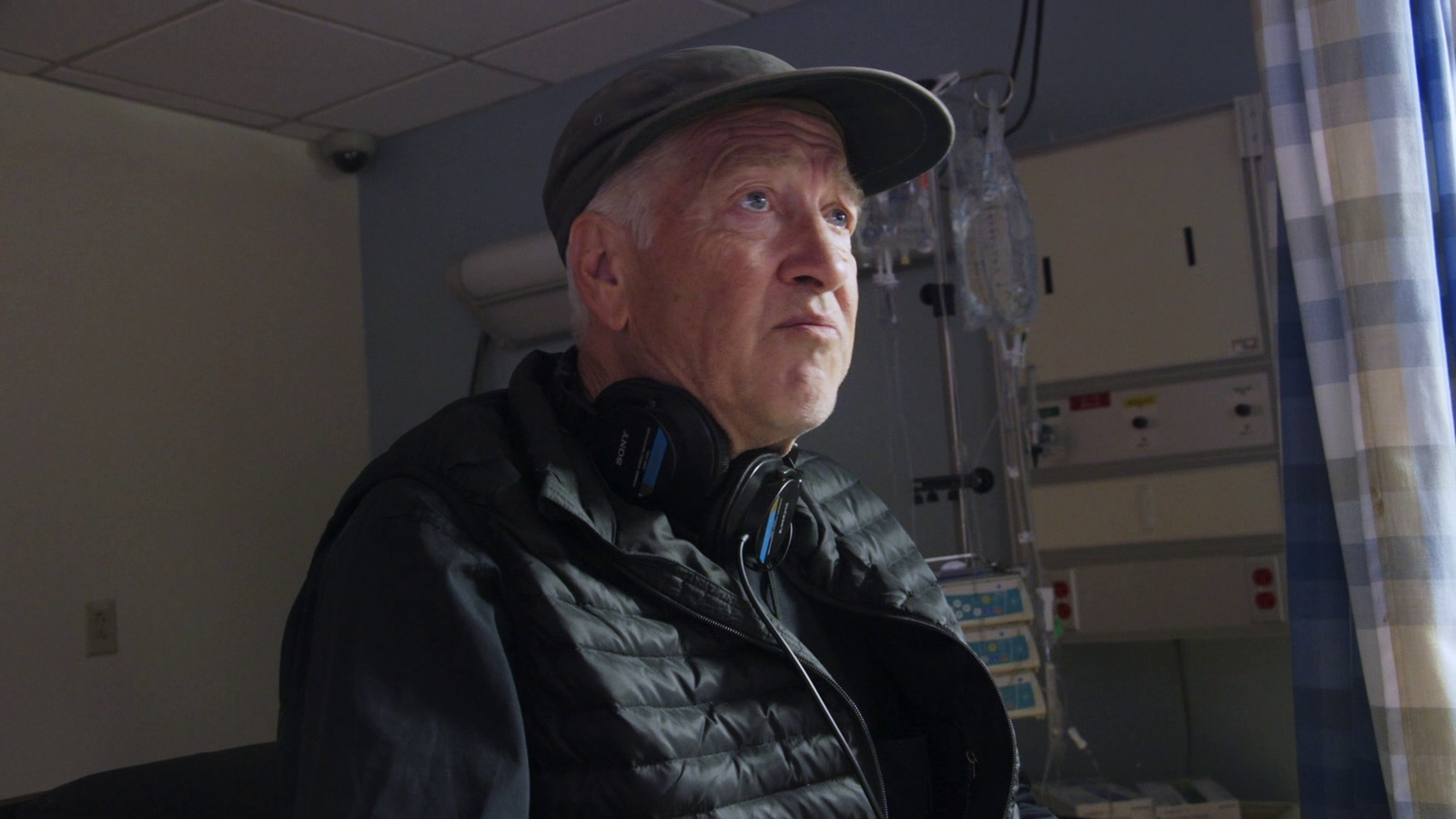
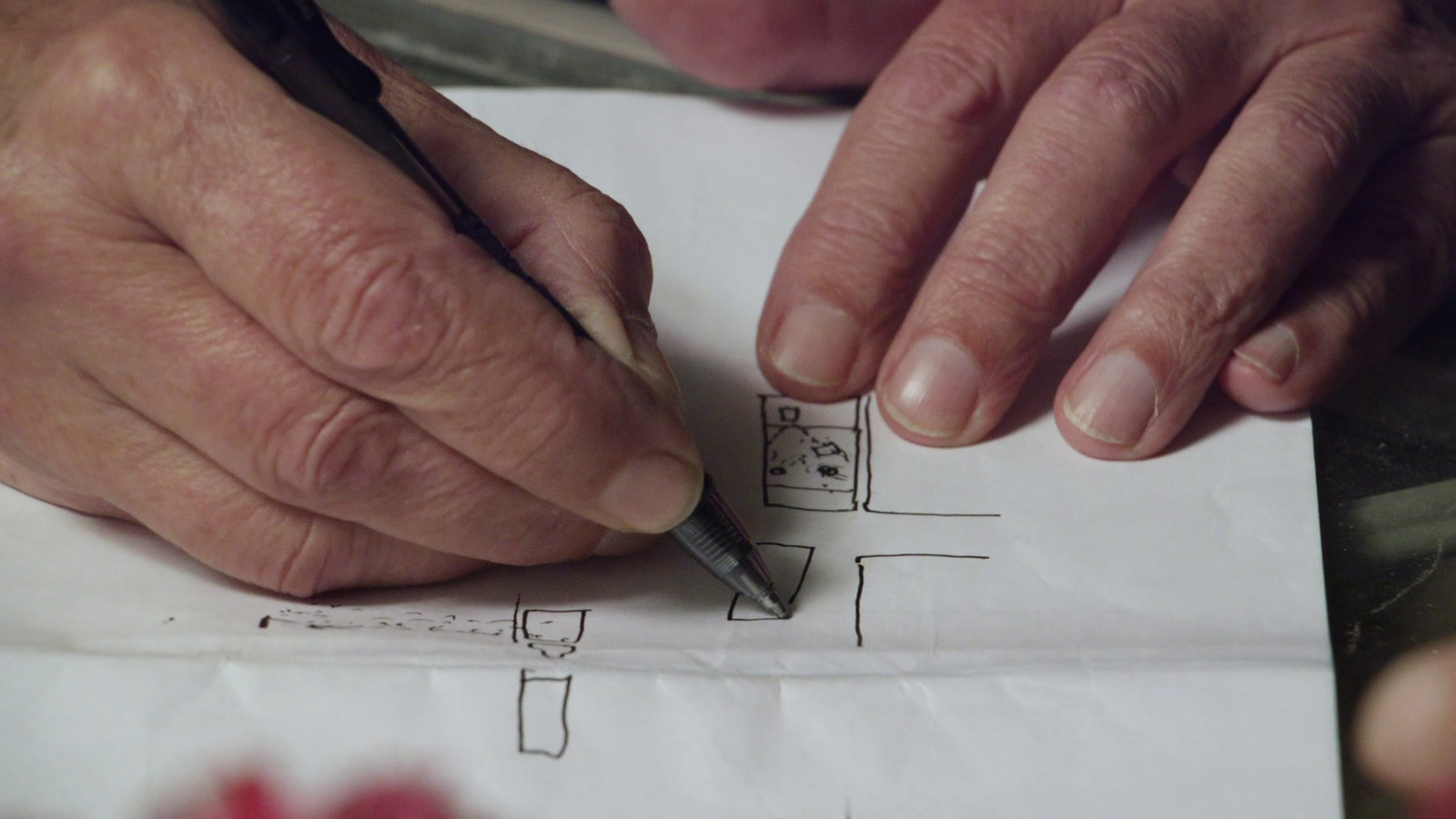
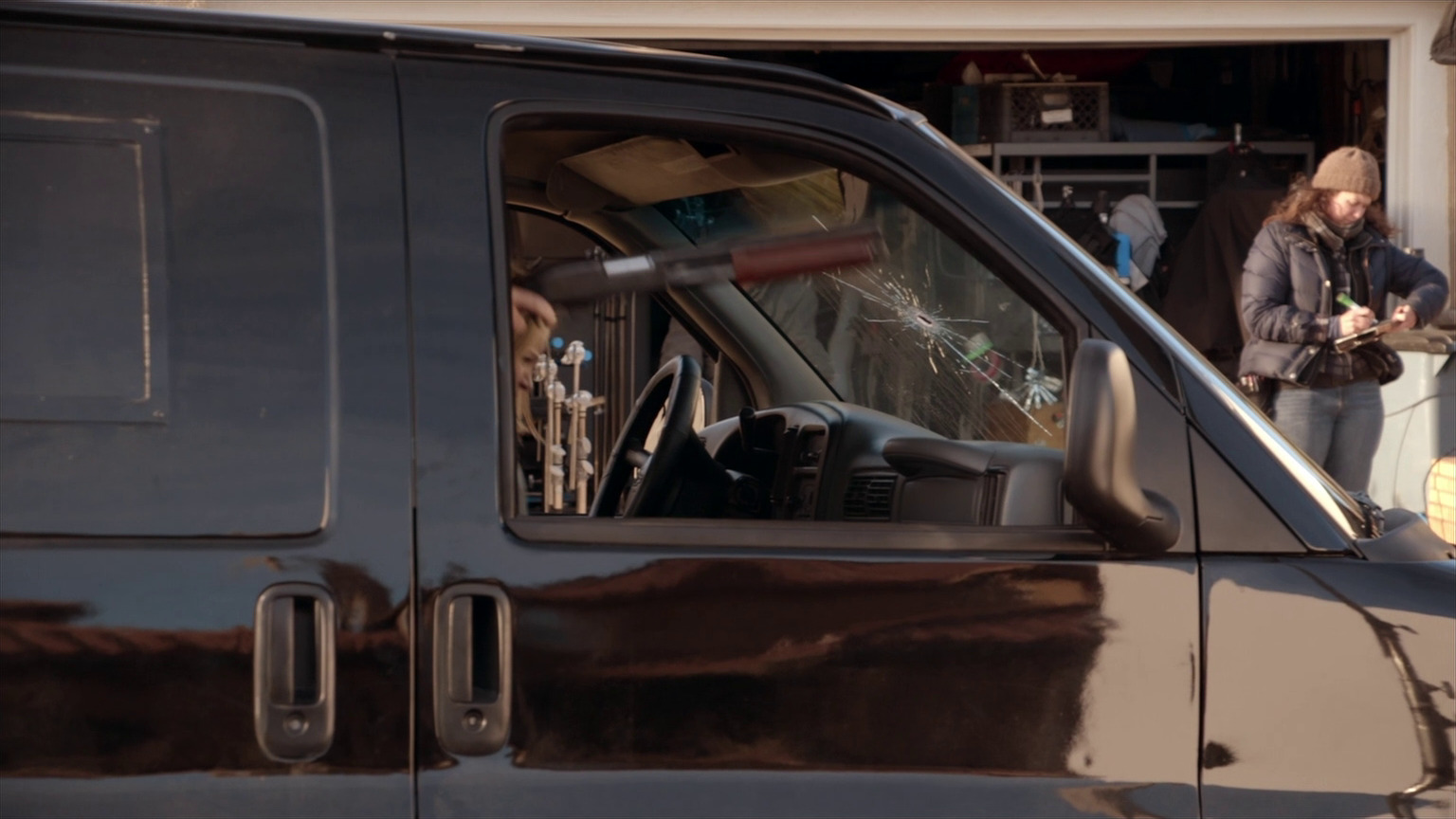
Lynch draws the van and the surrounding positions while distinguishing what Hutch and Chantal do inside it from the exterior action. Planning separates interior performance, views through the broken window, the passing vehicle and the return fire. The apparent eruption of one suburban moment depends on coordinating several different tasks.
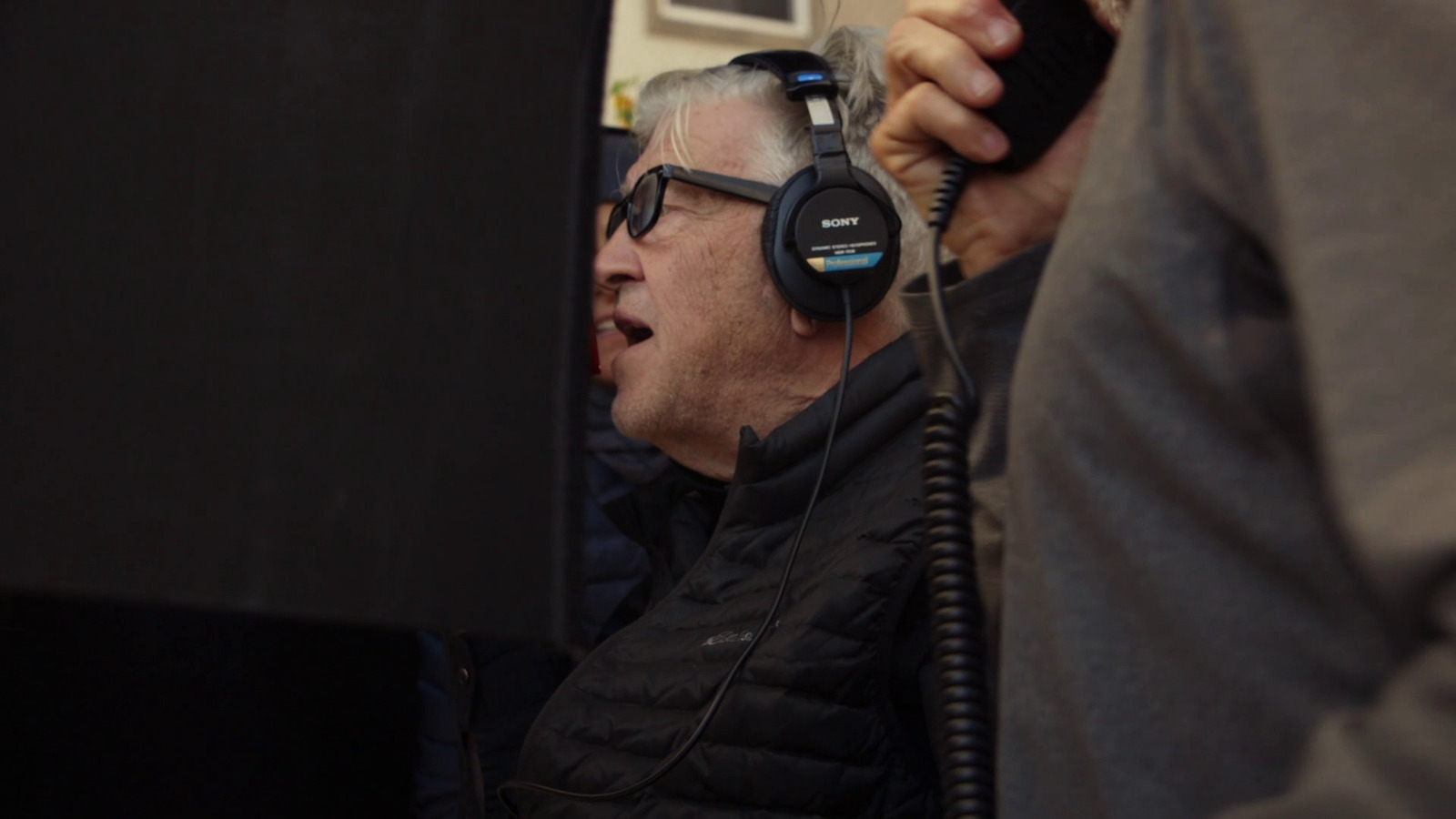
For Hutch’s final movement, Lynch specifies a shotgun discharge, a turn toward the rear doors, the incoming fire and the collapse. He explicitly anticipates adding the shotgun sound later. During the take, the action cue is relayed as the vehicle starts to move, and the drifting van supplies the sequence’s final physical trajectory. The production record makes the rhythm legible without flattening the finished scene into a single take.
Open the van action and sound study · 4 frames
Jerry blames the instrument
David Patrick Kelly is given a clear sequence: Jerry has been wandering for an unspecified time, discovers people in the distance, looks through his binoculars and sees the event on the rock. Lynch then directs him to scold the binoculars and keeps returning the wording to the name of the object.
The comic response has a precise relation to the part’s questions of witnessing. Jerry has seen something unbearable, but assigns the failure to the means of seeing it. The production footage supports that performed displacement without making him a reliable interpreter of Richard’s fate.
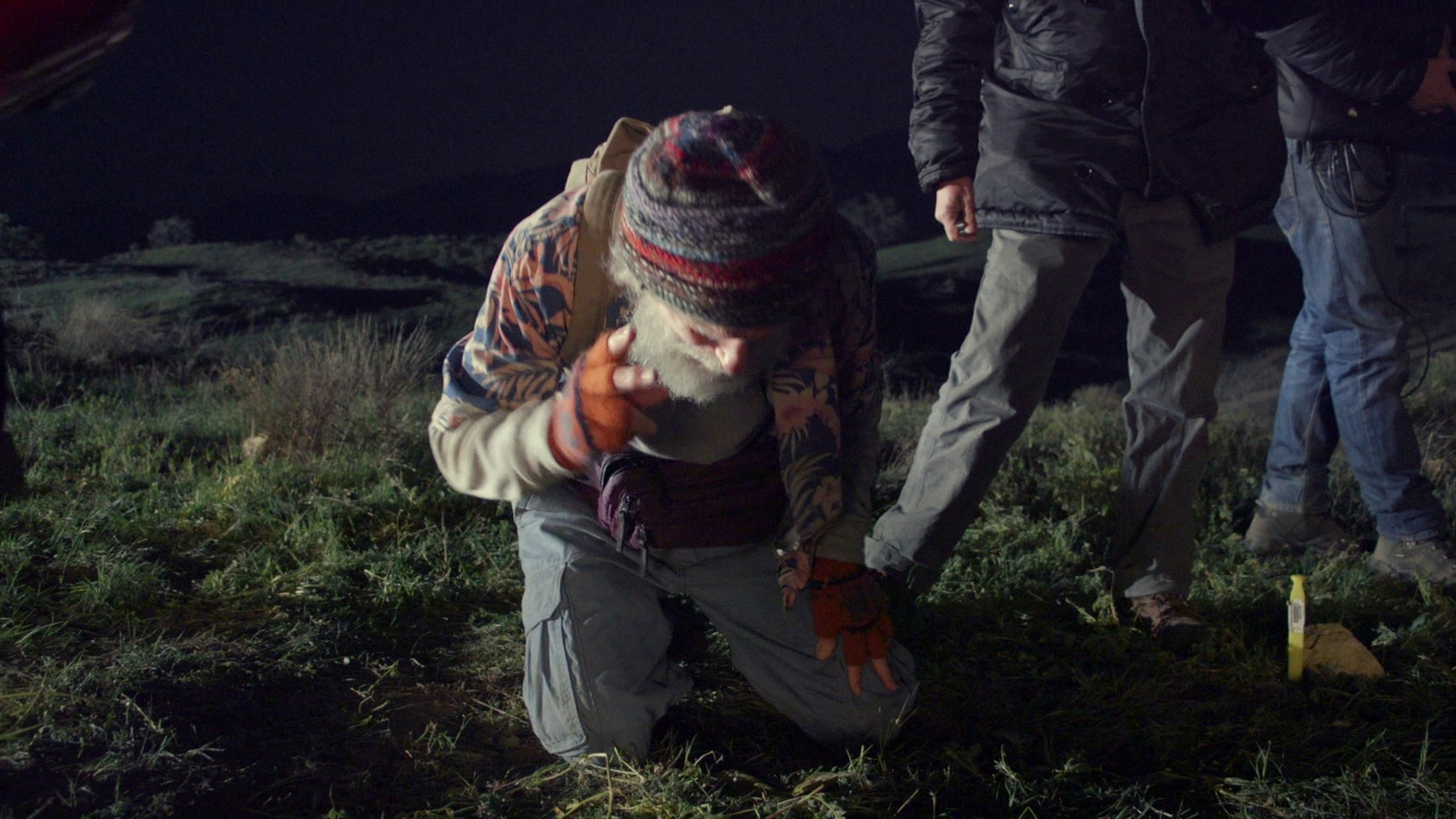
Inside the final movements: performance and production
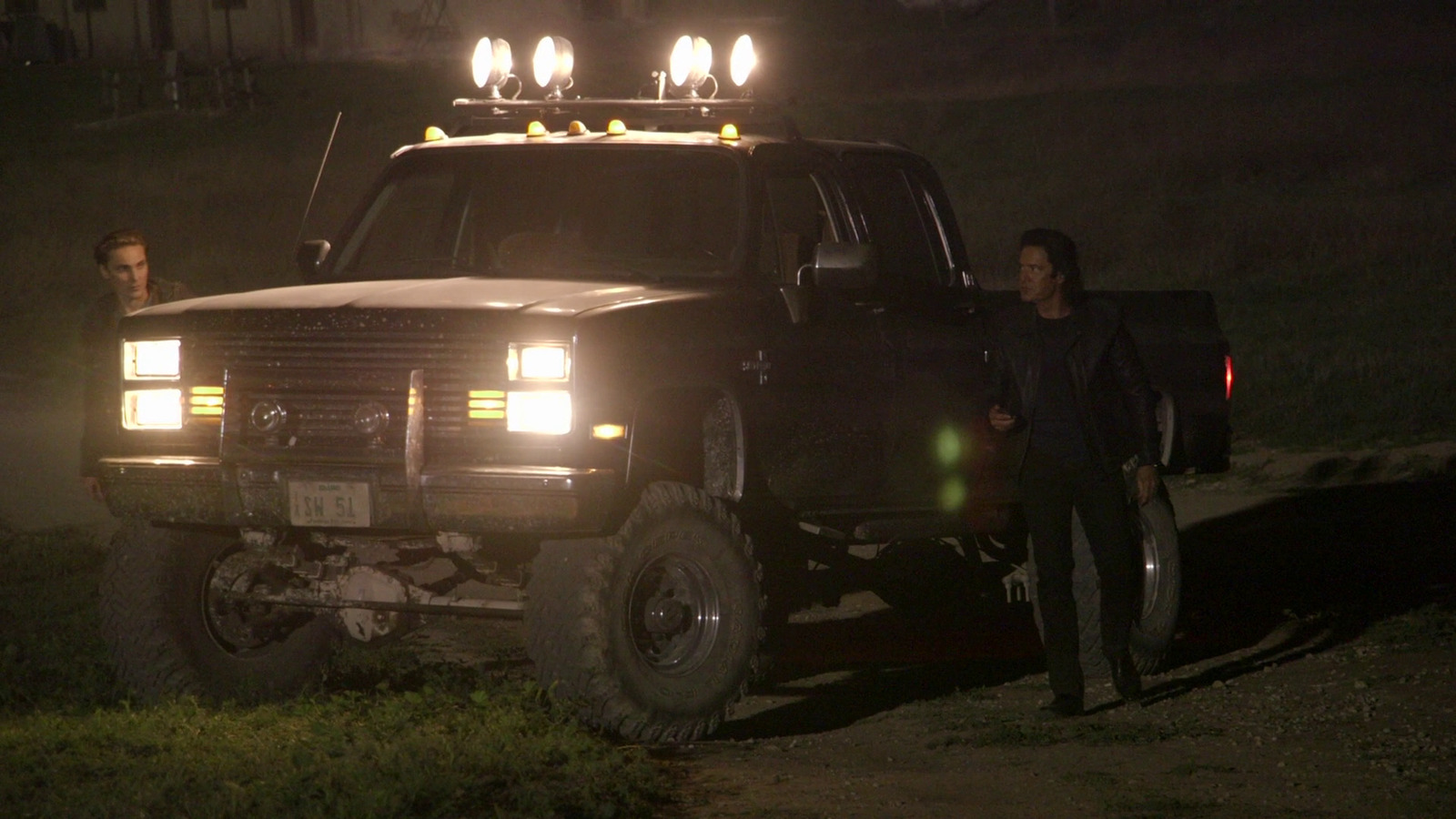
Richard follows a sound towards the rock
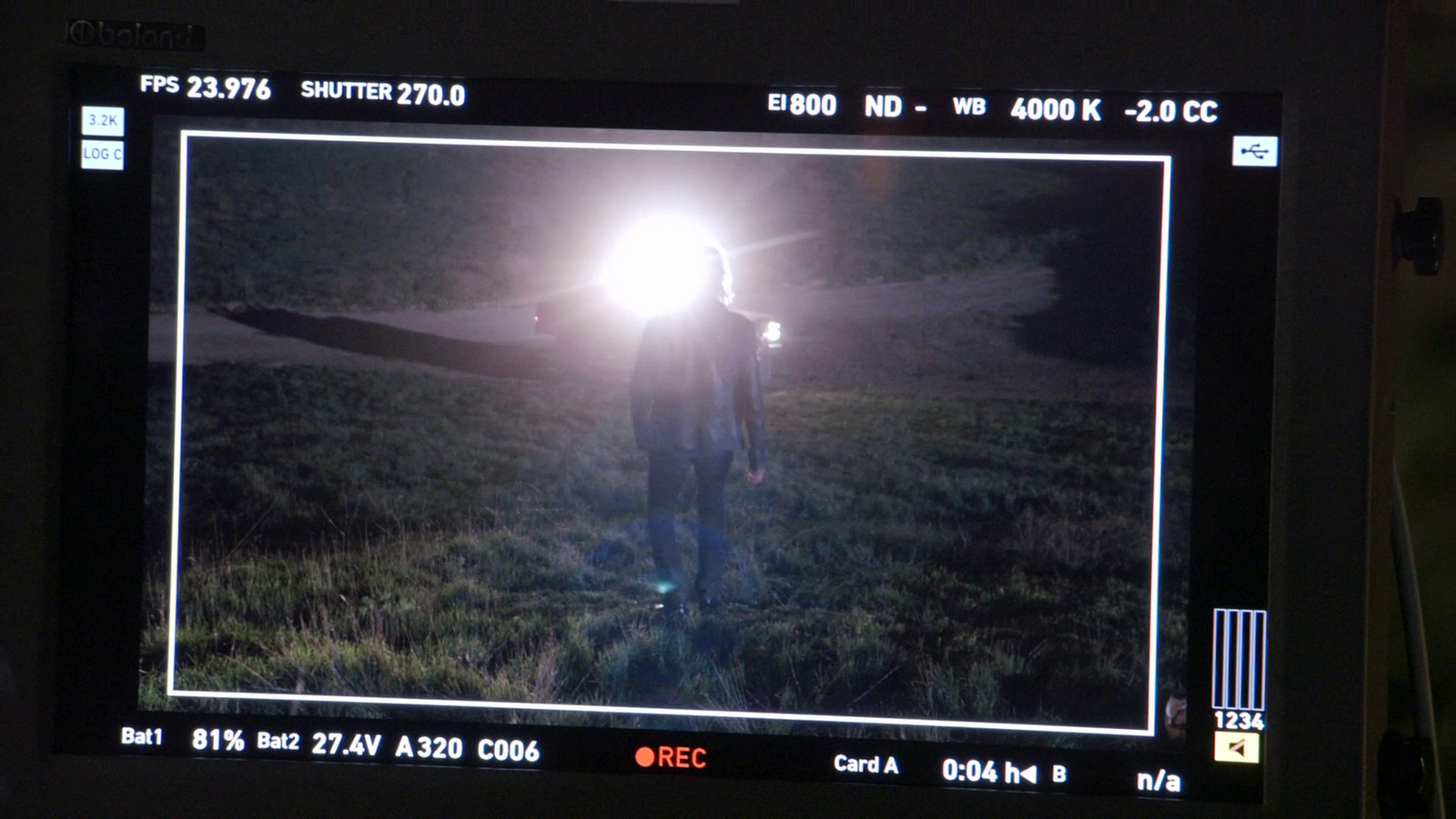
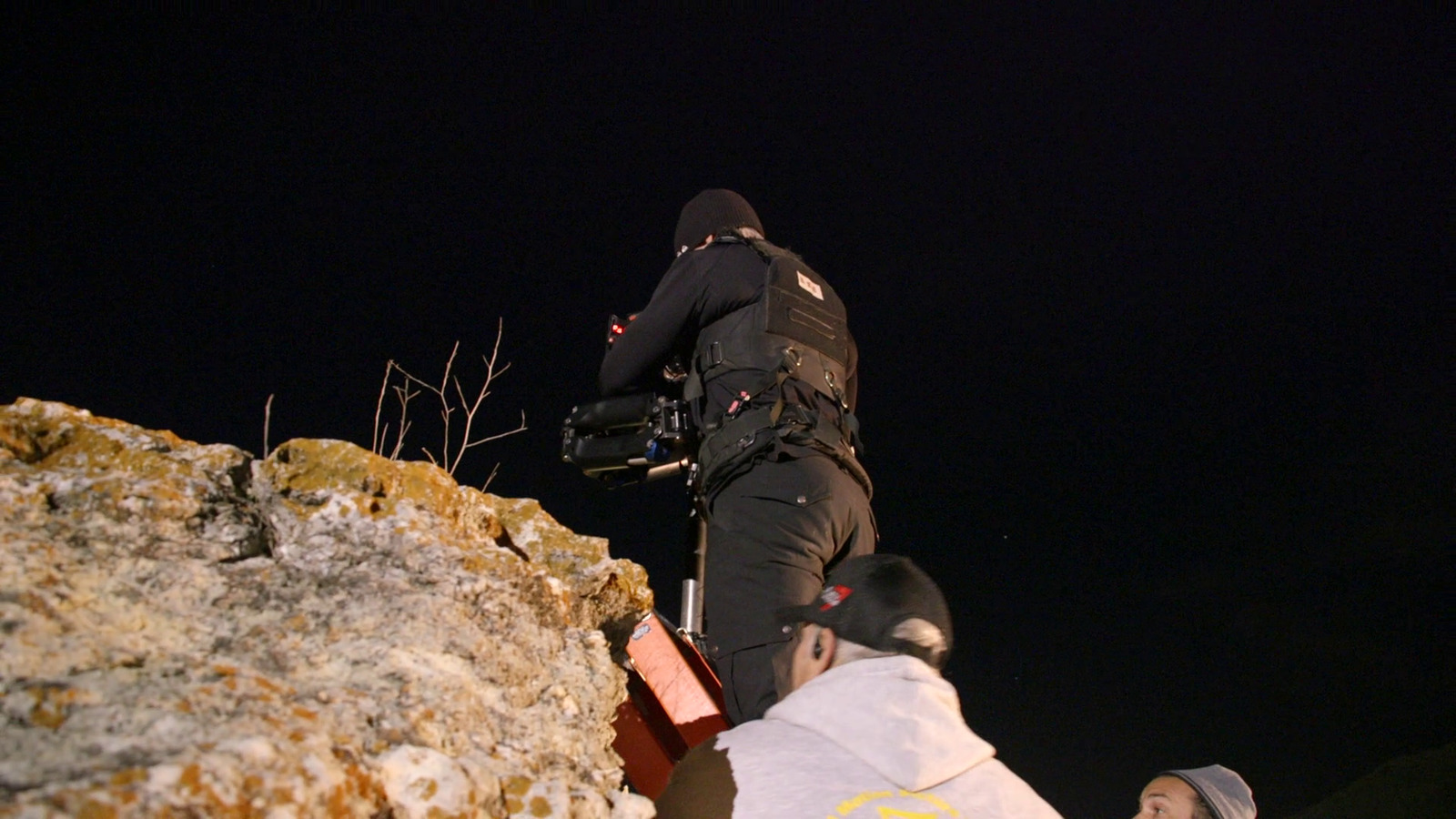
Lynch stages Richard’s approach around an anticipated sound: intermittent GPS beeps become a continuous tone when he reaches the destination. During shooting, Lynch supplies the beeps himself as a timing cue. Farren is asked to sense something strange as he approaches, then keep the electrical reaction comparatively contained rather than shake excessively.
The coverage separates the walk behind the truck, a following Steadicam, a locked-off view of Richard at his mark and interactive lighting. For another rising view, the operator works from a ladder, described on set as a substitute for a crane. Read beside BUF’s account of the finished effect, these images establish the performed and photographed components without mistaking them for the whole composite.
The approach, the light and the rising camera · 3 frames
The accountant’s line is a statement
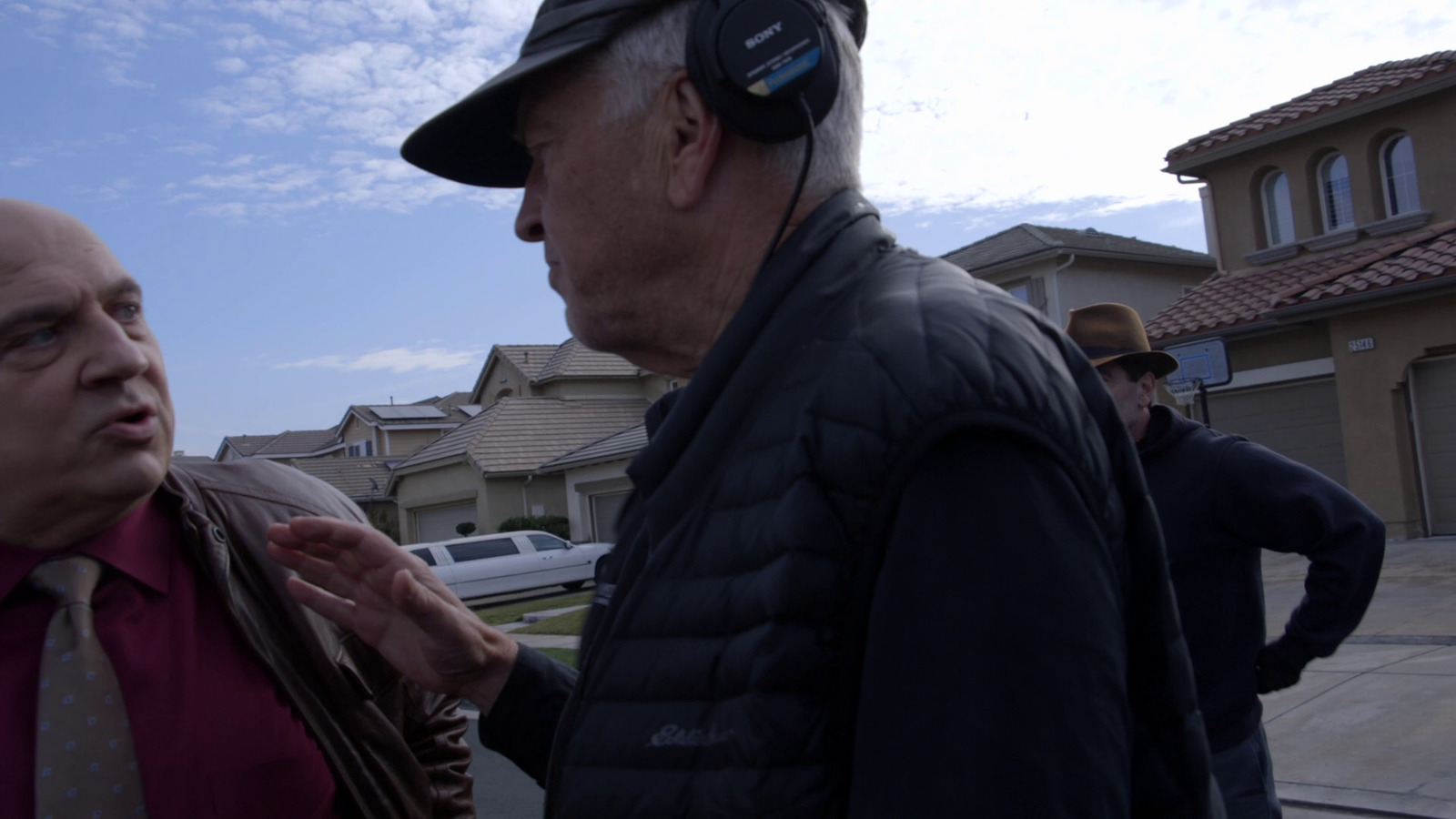
Lynch repeatedly adjusts the accountant’s delivery: take two steps back, stop, state that he will move the car, then act. He specifically removes a threatening inflection. The pause and the matter-of-fact wording allow the extraordinary escalation to grow out of a small disagreement about a driveway.
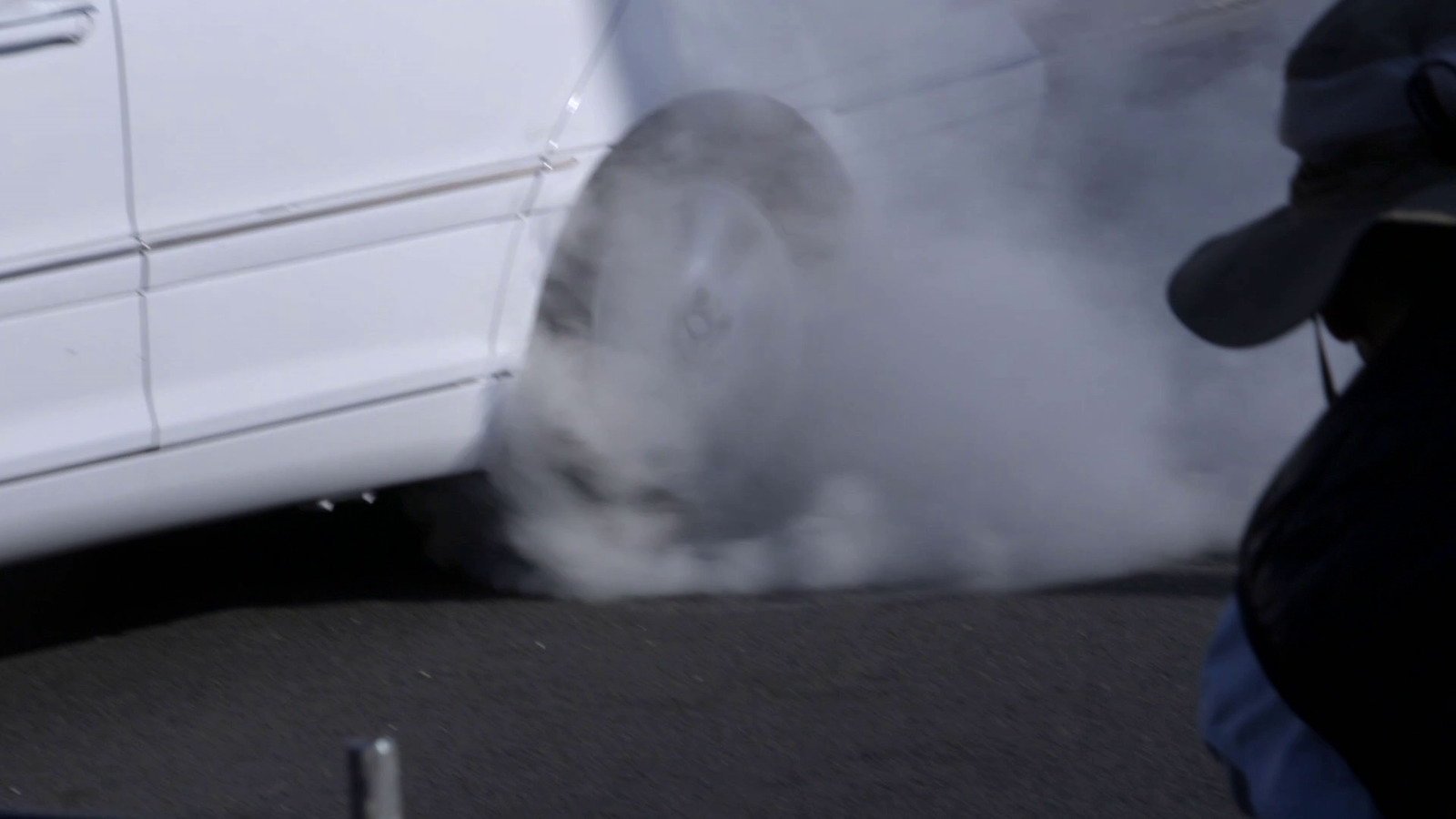
The ensuing violence is conceived in both movement and sound. Lynch describes screaming rear wheels, barking neighborhood dogs, smoke and the van’s rocking motion, then discusses a rapid camera move towards the tire. The tire noise and smoke are visible production events in the recorded take; the wider imagined neighborhood sound belongs to the directions, not proof of what every final audio channel contains.
A plain statement and a noisy escalation · 2 frames
Chantal’s wound: three effects on one cue
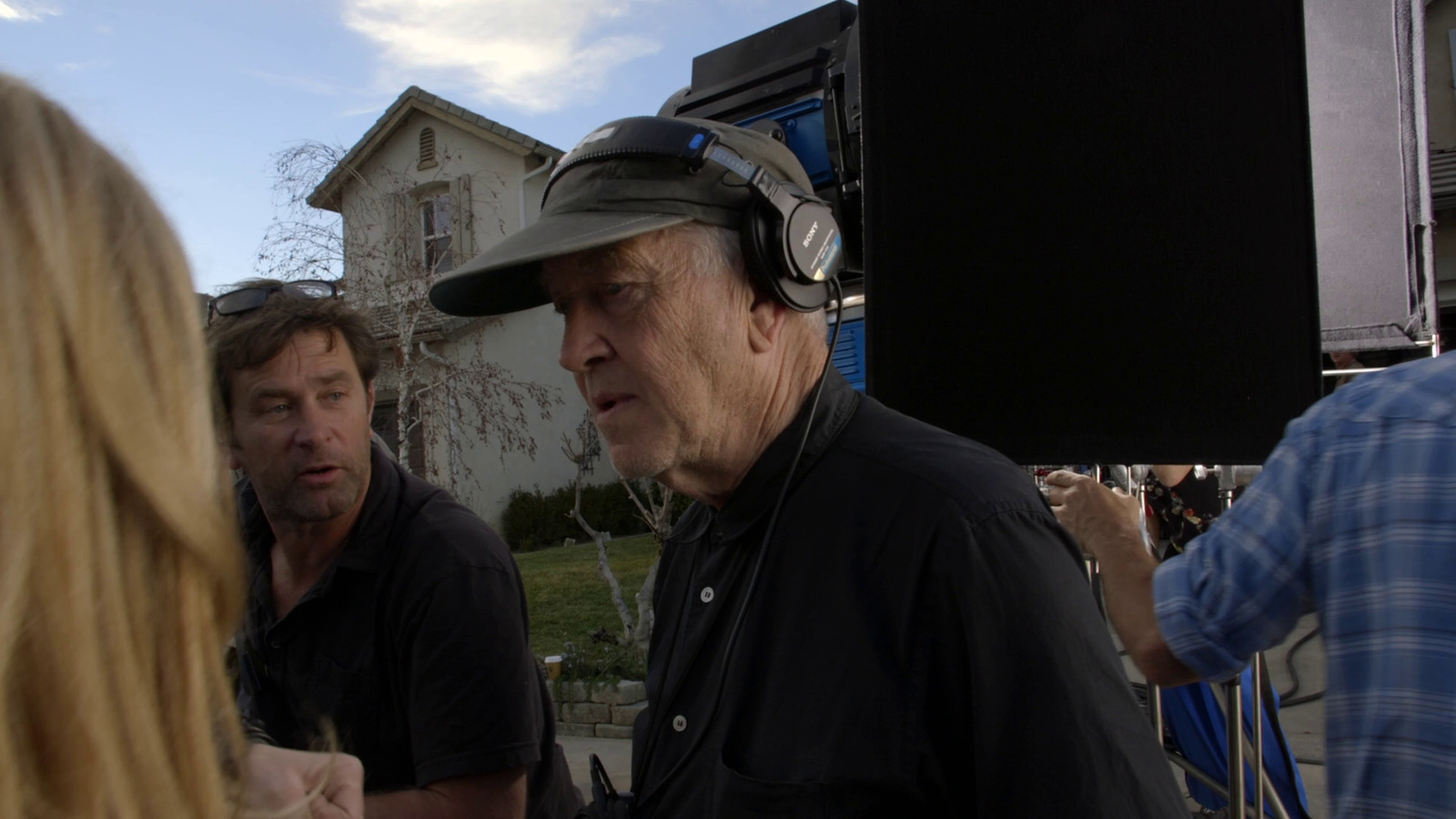
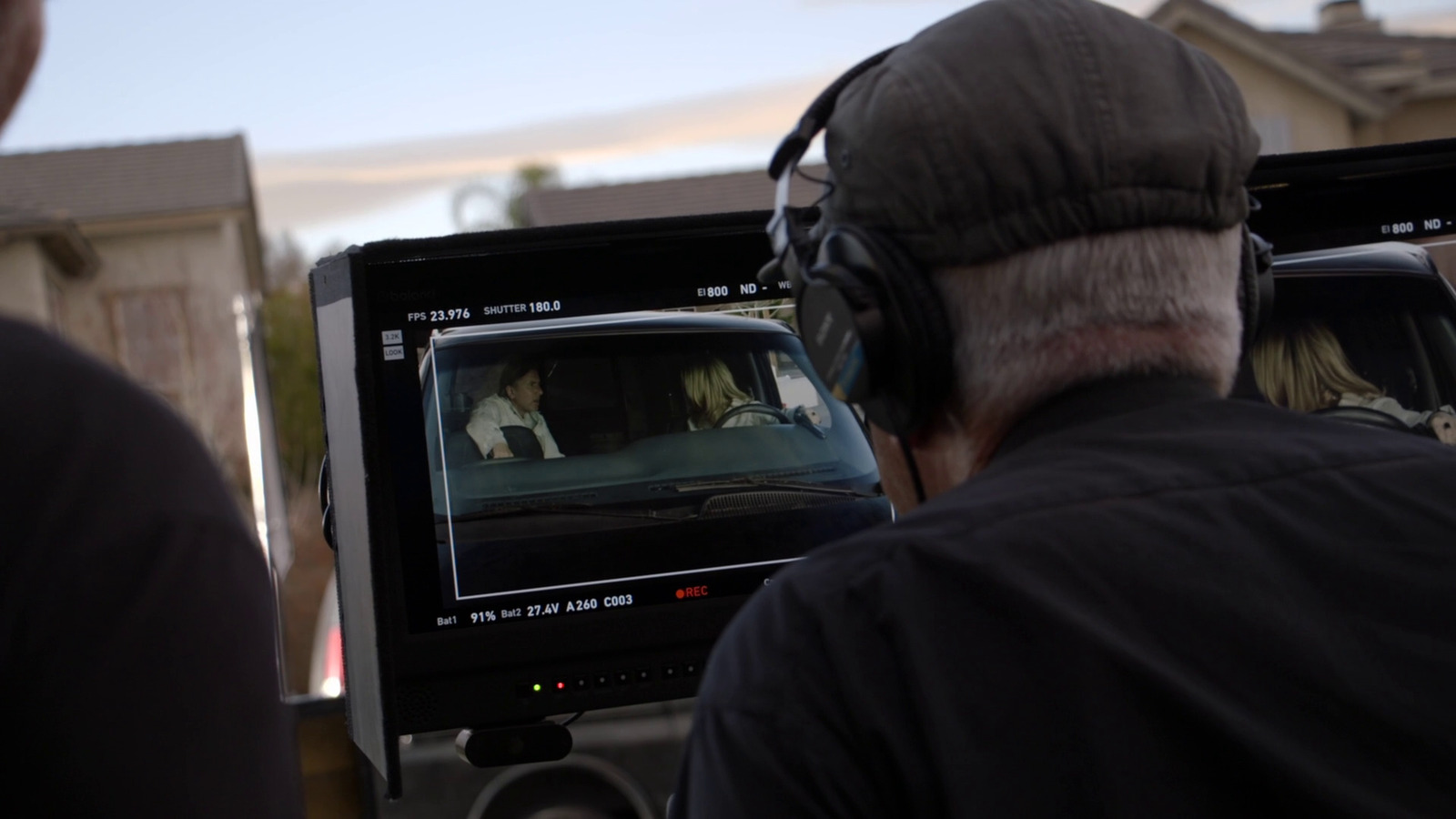
The crew describes Chantal’s hit as three synchronized elements: a pellet through the windshield, a shoulder squib and a small blood splash on the glass. The performer’s starting position is carefully discussed after equipment has been moved away from her ear. Lynch checks the desired size of the splash before the take.
This adds a specific detail to the broader account of the van sequence already assembled here. Glass damage, costume effect and blood are coordinated to read as one sudden impact, while Jennifer Jason Leigh’s response carries the action into Chantal’s next decision. The documentary preserves both that preparation and the filmed result on the production monitor.
Preparing the synchronized hit · 2 frames
Presentation, music and credits
The primary source is the standalone Part 16 presentation in Twin Peaks: From Z to A. Timings include its opening titles. The selected images preserve the composition, including Jerry’s restricted binocular view and the darkness around the night landscape. English captions and visible on-screen text support the dialogue checks; altered red-room speech is also read against its burned-in text.
The end titles identify Eamon Farren as Richard Horne, Laura Dern as Diane Evans, Al Strobel as Phillip Gerard, Sherilyn Fenn as Audrey Horne and Clark Middleton as Charlie. Jonny Coyne is credited as Polish Accountant. Eddie Vedder is credited as Edward Louis Severson III, corresponding to the Roadhouse introduction. These credits are useful identifiers, not additional story explanations.
The music credits include Eddie Vedder’s “Out of Sand,” recorded by John Burton, Dean Hurley’s “Night Electricity Theme,” and Muddy Magnolias’ “American Woman (David Lynch Remix).” The soundtrack and visible performance are discussed without reproducing song lyrics. BUF’s production notes specifically document Richard’s disintegration; the presence of a company in the end titles alone is not used to assign Diane’s transformation to it.
Sources and viewing notes
- Twin Peaks: The Return, Part 16, “No Knock, No Doorbell” (2017), directed by David Lynch, written by Mark Frost and David Lynch. Primary picture, English presentation, English captions and credits examined from Twin Peaks: From Z to A. Full-duration visual and caption survey, with focused sequence and sound checks. Visible action, character testimony and editorial interpretation are distinguished.
- BUF, Twin Peaks production account, especially “Richard Disintegration.” Primary effects-company account; its other sequences are not automatically assigned to this part.
- Jeff Jensen, Kyle MacLachlan discusses Twin Peaks, Entertainment Weekly, 5 September 2017. Written Q&A on filming the hospital awakening; the embedded podcast is not claimed as reviewed.
- Ron Trembath III, Sherilyn Fenn [Interview], Trainwreck’d Society, 9 June 2021. Performer’s account of the revised Audrey material and her interpretation of the character’s confinement.
- A Bloody Finger in Your Mouth, directed and photographed by Jason S., in Impressions: A Journey Behind the Scenes of Twin Peaks (2017), viewed in Twin Peaks: From Z to A. Passages: 02:27–06:10. Picture and English captions examined, with targeted speech checks. Rehearsal proposals and production observations are distinguished from interpretation of the finished episodes. Documentary narration and its music are not treated as unscripted statements by Lynch.
- Do Not Pick Up Hitchhikers, directed and photographed by Jason S., in Impressions: A Journey Behind the Scenes of Twin Peaks (2017), viewed in Twin Peaks: From Z to A. Passages: 22:04–25:58. Picture and English captions examined, with targeted speech checks. Rehearsal proposals and production observations are distinguished from interpretation of the finished episodes. Documentary narration and its music are not treated as unscripted statements by Lynch.
- The Polish Accountant, directed and photographed by Jason S., in Impressions: A Journey Behind the Scenes of Twin Peaks (2017), viewed in Twin Peaks: From Z to A. Passages: 19:02–27:08. Picture and English captions examined, with targeted speech checks. Rehearsal proposals and production observations are distinguished from interpretation of the finished episodes. Documentary narration and its music are not treated as unscripted statements by Lynch.
- Bad Binoculars, directed and photographed by Jason S., in Impressions: A Journey Behind the Scenes of Twin Peaks (2017), viewed in Twin Peaks: From Z to A. Passages: 06:20–09:00. Picture and English captions examined, with targeted speech checks. Rehearsal proposals and production observations are distinguished from interpretation of the finished episodes. Documentary narration and its music are not treated as unscripted statements by Lynch.
- Behind the Curtain: Part 16. Photographed by Jason S.; edited by Jonathan Angus, with editorial assistance by Robert Lay (2019). Viewed in Twin Peaks: From Z to A. Timed passages: 00:31–06:49; 15:43–17:55; 20:06–21:33; 11:49–14:53. Timings refer to the documentary, not the episode. On-set directions and retrospective recollections are distinguished from Lyncharium’s interpretation of the finished scenes.